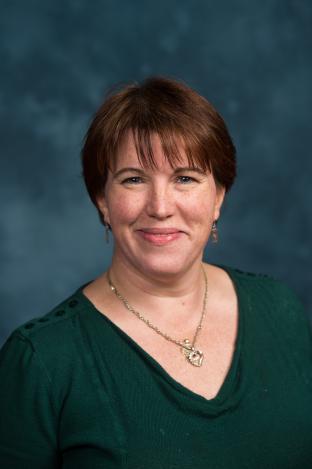
Päivi Adolfsson is a Researcher at Uppsala University's Department of Food Studies, Nutrition and Dietetics, specializing in nutrition and public health for individuals with intellectual and developmental disabilities. Her work addresses food decision-making, dietary interventions, and the challenges faced by parents with cognitive limitations within foster care systems. Her research spans critical areas including: Nutritional health for children with intellectual disabilities and autism Parenting experiences of mothers and fathers with cognitive limitations Meal-oriented support in community living settings Quality of life and social status for adults with disabilities Analysis of her 2023-2025 publications reveals a concentrated focus on intersectional approaches combining dietetics, disability studies, and social work. Key trends include evaluating group interventions for parents in foster care systems, examining dietitians' roles in specialized nutritional care, and documenting lived experiences of adults with intellectual disabilities in community settings. Her methodology consistently employs qualitative frameworks centering participant perspectives. Adolfsson maintains active collaborations with researchers including Gunnel Janeslätt, Helena Lindstedt, and Karin Jöreskog across multiple publications. Her work appears primarily in journals such as the International Journal of Developmental Disabilities, Journal of Intellectual Disabilities, and Child & Family Social Work, demonstrating transdisciplinary engagement with disability-focused research communities.
Dr. Rob Argent is a Lecturer in Digital & Connected Health at the Royal College of Surgeons in Ireland (RCSI), within the School of Pharmacy and Biomolecular Sciences. With a background as a Physiotherapist in the NHS, he transitioned to academic research through a PhD in Connected Health at University College Dublin (UCD). His work focuses on patient-facing digital health technologies, particularly wearables for musculoskeletal rehabilitation and chronic disease management. He is an editorial board member of npj Digital Medicine and holds certifications in health professions education. Education: BSc (Hons) Physiotherapy, Coventry University (2007–2010) PhD in Connected Health, University College Dublin (2016–2019) PGDip in Health Professions Education, RCSI (2021) Professional Certificate in University Teaching & Learning, UCD Research Interests: Rob's research bridges clinical practice and technology, emphasizing wearable sensor validation, digital biomarkers, and usability of health technologies. Key areas include gait analysis, fall detection algorithms, and the evaluation of consumer wearables. He advocates for stakeholder-driven digital health solutions aligned with UN Sustainable Development Goal 3 (Good Health). Grants & Projects: "Evaluation of novel digital biomarkers in Multiple Sclerosis" (Enterprise Ireland, 2023–2026) "CERBERUS: Certainty of Evidence Reports for Wearable Devices" (SFI, 2023–2024) "EPIVIEWS: Epilepsy Wearables Monitoring Study" (Irish Research Council, 2022–2025) Teaching Roles: Module Lead for Connected Healthcare and Internet of Medical Things in RCSI's MSc Technologies & Analytics in Precision Medicine program. Also contributes to leadership development, lifestyle medicine, and project management modules across multiple programs. Labs/Teams: Part of RCSI's Population Health research cluster and collaborates with UCD's Insight Centre for Data Analytics. His work aligns with interdisciplinary efforts to advance digital health innovation and clinical translation.
Carina Hellqvist serves as an Adjunct Associate Professor and Senior Lecturer at Linköping University's Faculty of Medicine and Health Sciences. She is affiliated with the Department of Health, Medicine and Caring Sciences (HMV) within the Division of Nursing Sciences and Reproductive Health (ORH), where she holds responsibility for the specialist nursing program in Neurocare. Her research program centers on improving care for persons living with Parkinson's disease, with three primary focus areas: Patient education methodologies and self-care promotion Development of new clinical care models for neurological conditions Support systems and experiences of care partners Dr. Hellqvist's recent publications demonstrate her commitment to bridging theoretical nursing frameworks with practical clinical applications. Her 2021 work proposed a model for guiding nursing encounters with long-term condition patients, while her 2020 publications examined structured care approaches, apomorphine treatment complications, and self-management education for both patients and their care partners in Parkinson's disease. As the academic leader for the specialist nursing program in Neurocare, she plays a critical role in educating future nursing specialists within an institution that runs multiple nursing programs including the standard nursing program across Linköping and Norrköping campuses, the Midwife program, and seven advanced specialist nursing programs.
Dr. Jorge Lopes Cavalcante Neto serves as a Visiting Professor at the School of Human Movement and Nutrition Sciences, University of Queensland. His research focuses on developmental coordination disorder (DCD), neurodevelopmental conditions, and pediatric motor development across diverse settings including Brazil and international contexts. Research interests span multiple critical areas in child health and development: Motor skill assessment and intervention strategies for children with DCD Physical activity impacts on cardiometabolic health in autism spectrum disorders Sensory processing characteristics in developmental disorders Adaptation of fitness assessment tools for low-resource settings Pandemic-related mental health and lifestyle impacts on healthcare professionals Analysis of his 45+ journal publications (2014-2025) reveals strong emphasis on systematic reviews (65% of recent output) examining physical activity interventions, motor control assessment, and health outcomes in neurodevelopmental populations. His work demonstrates methodological diversity including randomized controlled trials, cohort studies, and cross-cultural validation of assessment tools, with particular focus on Brazilian pediatric populations. Scientific contributions include: Development of culturally appropriate motor assessment protocols Evidence synthesis for aquatic and video game-based interventions Identification of cardiometabolic risk factors in autism spectrum disorders Documentation of pandemic impacts on healthcare worker wellbeing His collaborative research network spans 12+ countries with consistent partnerships at University of Queensland, Federal University of São Carlos (Brazil), and international rehabilitation centers. Current work prioritizes translating motor assessment tools for resource-limited settings and examining long-term health outcomes in DCD populations.
Dr. Mirou Jaana is a Full Professor and holds the RBC Financial Group Professorship in Health Care Systems at the Telfer School of Management, University of Ottawa. She teaches courses in health systems management, program evaluation, and health informatics. Education includes: B.Sc. - American University of Beirut M.P.H. - American University of Beirut Ph.D. - University of Iowa Health Informatics Certificate - University of Iowa Her research focuses on health informatics and healthcare management, including: Telehealth applications and impacts Electronic Medical Records implementation IT innovation in healthcare organizations Assistive technologies for older adults Digital health adoption patterns Management decision-making in health IT Her work bridges technological innovation with practical healthcare solutions, particularly for aging populations and chronic disease management. Publications focus on health technology implementation, telehealth efficacy, and gerontechnology, with recurring themes in: Electronic Medical Records optimization Telemonitoring for chronic conditions Technology adoption barriers among seniors Human-centered design in healthcare technology Healthcare disparities in technology access Awards & Honors: RBC Financial Group Professorship in Health Care Systems Research Funding & Projects: Secured substantial grants including: SSHRC: Assistive Technology in Long-Term Care ($260,079) SSHRC: IT Innovation in Long-Term Care ($281,500) SSHRC: IT Management in Senior Care ($71,027) AGEWELL: ARMM device implementation ($50,000) Projects examine technology implementation strategies, innovation processes, and management decision-making in healthcare settings. Collaborates with multidisciplinary teams across healthcare institutions, as evidenced by multi-author publications and technology implementation studies in hospital environments.
Jennifer Doty serves as Associate Professor and Family and Human Services Program Director in the Department of Counseling Psychology and Human Services at the University of Oregon's College of Education. She also holds affiliate faculty status with the Prevention Science Institute, where she leads culturally adapted digital intervention research for Latinx families. Education PhD in Family Social Science, University of Minnesota MS in Applied Family and Child Studies, Northern Illinois University Research Focus Dr. Doty's work centers on leveraging parent-child relationships and technology to improve adolescent health through parent-based prevention, cultural adaptation of digital interventions, and cyberbullying prevention. Her research emphasizes evidence-based parenting strategies, adolescent digital media use, and mental health promotion, with specialized focus on culturally adapting interventions like Family Check-Up Online for Latinx communities. She employs mixed-methods approaches including longitudinal studies, RCTs, and community-based participatory research. Publication Trends Her 2023-2025 publications reveal strong thematic continuity in adolescent mental health, cyberbullying prevention, and digital intervention efficacy. Key trends include cross-cultural cyberbullying measurement (India/US), longitudinal analysis of media parenting effects, dietary impacts on mental health, and resilience frameworks after bullying victimization. Over 70% of recent work involves culturally adapted or Latinx-focused interventions, demonstrating her commitment to health equity. Scientific Recognition NIH R34 grant for Latinx-focused Family Check-Up Online adaptation (2024) NIMH CHIPS Fellow (2022) Society for Prevention Research Early Career Training Program (2020) NIH Training Award in Behavioral Intervention Optimization (2018) Mentorship and Funding As primary advisor for five PhD and three master's students, Dr. Doty actively supports first-generation and diverse scholars through scholarship identification and research opportunities. Her current NIH R34-funded project culturally adapts digital parenting interventions for Latinx families, building on prior NIMH and NIH training awards focused on adolescent health interventions and behavioral optimization. Research Collaborations She leads the Family Check-Up Online adaptation project through the Prevention Science Institute, collaborating with community organizations to develop culturally responsive digital tools. Her work integrates clinical psychology, public health, and human-computer interaction to create accessible prevention resources for underserved populations.
Michelle A. Meade, PhD, is a Professor in the Department of Physical Medicine & Rehabilitation at the University of Michigan Medical School. She serves as Co-Director of the U-M Center for Disability Health and Wellness (CDHW) and leads the UM Rehabilitation Engineering Research Center (RERC) TIKTOC program focused on mobile technologies for individuals with disabilities. PhD in Psychology from Ohio University (1998) Fellowship in Rehabilitation Psychology at University of Michigan Health System (2000) Her research focuses on reducing health disparities for individuals with spinal cord injuries (SCI), emphasizing: Self-management strategies Community reintegration Health equity in underserved neighborhoods Technology-enabled independence Environmental barriers to healthcare access Psychosocial outcomes in chronic disability Recent publications (2023-2025) analyze: WHO Quality of Life measures in disabled populations Sensory loss-related hospitalizations Time management challenges for aging SCI patients Neighborhood accessibility impacts Diabetes comorbidities in SCI Remote cognitive assessment tools
Isabel D. Fernandez, MD, MPH, PhD is an Associate Professor in the Department of Public Health Sciences at the University of Rochester School of Medicine and Dentistry. With expertise spanning nutritional epidemiology, public health, and clinical medicine, Dr. Fernandez focuses on understanding the determinants of nutritional status across the lifespan, particularly childhood malnutrition and obesity. Her research bridges population health with individual behaviors, examining how environmental factors interact with personal choices to influence nutritional outcomes. She has established herself as a leading researcher in weight management interventions, particularly in worksite and postpartum settings. Dr. Fernandez's educational background includes: PhD in Epidemiology from University of Minnesota (1999) MPH in Epidemiology from University of Minnesota School of Public Health (1994) MD from Buenos Aires National University (1981) As a nutritional epidemiologist, Dr. Fernandez specializes in the two ends of the nutritional status continuum - malnutrition and obesity. Her research examines societal determinants of nutritional conditions and how environmental factors interact with individual behaviors. Current projects include worksite interventions for weight gain prevention and qualitative studies on how low-income families navigate nutrition and physical activity choices. She integrates biological, behavioral, and environmental perspectives to develop comprehensive approaches to nutritional health, with particular focus on children, adolescents, and postpartum women. Her extensive publication record reveals a strong trajectory toward translational research that bridges nutritional science with practical interventions. Recent work spans pregnancy and postpartum health, worksite wellness, dietary assessment methodologies, and health disparities among minority populations. A notable trend is her increasing focus on technology-enabled interventions, including mHealth approaches for dietary assessment. She also maintains a strong interest in understanding the biological mechanisms underlying nutritional behaviors, as evidenced by studies examining cortisol patterns, gut hormones, and inflammatory markers in relation to eating behaviors and weight outcomes. Dr. Fernandez has received several prestigious awards throughout her career: Student Research Award (1998) Indirect Recovery Funds Award (1993) Predissertation Fieldwork Grant, MacArthur Interdisciplinary Program on Peace & International Cooperation (1992) Alumni Association Fellowship (1992) XIV Latin-American Pediatrics Congress Fellowship (1984) Honors Diploma (1981) Dr. Fernandez has led significant research projects including the "Images of a Healthy Worksite" group-randomized trial testing environmental interventions for worksite weight gain prevention and the "eMOMS" electronically-mediated weight intervention study for pregnant and postpartum women. Her grant portfolio reflects consistent funding for obesity prevention research across different life stages and settings. While specific students aren't listed in available information, her extensive publication record with multiple co-authors suggests active mentorship of graduate students and postdoctoral fellows. Dr. Fernandez is affiliated with the Center for Community Health and Prevention at the University of Rochester. Her collaborative work demonstrates involvement in multidisciplinary research teams that include experts in nutrition, epidemiology, behavioral science, and clinical medicine. She has developed strong partnerships with community-based organizations serving Latino and immigrant populations, particularly evident in her recent work with Mexican immigrant farmworkers.
Cecilia Åberg is a Senior Lecturer in Nursing at the School of Health Sciences, University of Skövde. She serves as program coordinator for the Nursing Program and is actively involved in teaching at both basic and advanced levels. Her research focuses on elderly health and well-being, particularly within the DHEAR research environment and the "Välbefinnande vid långvariga hälsoproblem" research group. Research Interests: Åberg specializes in person-centered care for the elderly, digital health interventions to combat existential loneliness, and reflective dialogue techniques to enhance meaning-making in long-term health problems. Her work integrates technology like the egenKRAFT app to support self-reflection and existential conversations. Recent Article Trends: Her 2024 publications emphasize digital tools for elderly engagement, reducing involuntary loneliness, and technology-assisted care delivery. Earlier works (2022–2015) explore qualitative experiences of digital interventions, existential dialogues, and clinical education methods. Projects: Åberg leads the ongoing DigiKRAFT project (2023–2028), which promotes healthy aging through structured existential conversations. Her doctoral research (2022) focused on reflective STRENGTH-giving dialogues for elderly with long-term health issues.
David N. Korones, M.D., is a Professor at the School of Medicine and Dentistry , University of Rochester Medical Center , with dual expertise in Pediatric Neuro-Oncology and Adult/Pediatric Palliative Care . His clinical practice emphasizes patient-centered care for pediatric cancers, particularly brain tumors. MD from Vanderbilt University Medical Center (1983) Specialized in Pediatric Hematology-Oncology at University of Rochester and Yale Research includes clinical trials for brain tumors (both pediatric and adult) and retrospective studies in palliative care. He has led international trials like LOGGIC/FIREFLY-2 for pediatric low-grade glioma treatment. Recent publications focus on: Ethiopian pediatric cancer registry development Palliative care economics and delivery models Neuro-oncology biomarker therapies Psychosocial frameworks for end-of-life care Scientific Awards 2019 Connie Raffa Hospice Hero Award 2015 Hastings Center Cunniff-Dixon Senior Physician Award Multiple Best Doctors in America (2004-2009) Humanism in Medicine awardee (2006, 2008) 20+ years of teaching and clinical excellence awards
Rashelle Hoffman is an Assistant Professor at Creighton University's School of Pharmacy and Health Professions, affiliated with the Department of Physical Therapy. She holds a PT, DPT, PhD, and is a Board-Certified Geriatric Clinical Specialist. Dr. Hoffman completed her doctoral training at the University of Nebraska Medical Center and a postdoctoral fellowship at the University of Colorado Anschutz Medical Campus. Her clinical expertise spans skilled nursing, outpatient, long-term care, and home health settings. Her research focuses on improving dementia care in rural communities through lifestyle interventions like physical activity, understanding the effects of behavioral therapies (e.g., HIIT) on mobility and cognition, and elucidating neural mechanisms underlying cognitive-motor performance in aging and neurological conditions such as cerebral palsy and multiple sclerosis. She has published extensively on topics including gait analysis in osteoarthritis, cortical oscillations in cerebral palsy, and post-hospitalization care for individuals with dementia. Dr. Hoffman’s academic roles include teaching in geriatric physical therapy and leading the Rehabilitation Science Research Laboratory. Her work emphasizes health equity, technology access for older adults, and interdisciplinary care strategies. Presentations at international conferences highlight her contributions to clinical neuroscience and rehabilitation outcomes.
Stephen Hughes is a Lecturer (Teaching and Research) at the Sydney Pharmacy School, part of the University of Sydney's Faculty of Medicine and Health. He combines academic roles with practice as a community pharmacist and researcher, specializing in qualitative studies around patient-centered care and long-term condition management. His work focuses on practitioner-patient interactions, implementation of pharmacist services, and evaluation of healthcare interventions. Research interests include respiratory diseases (asthma/COPD), diabetes, obesity, and pharmacogenomics. He has contributed to projects like the 2024 MRFF-funded study on technology-enabled pharmacist interventions for patient empowerment. His teaching spans undergraduate and postgraduate pharmacy programs, emphasizing clinical practice and long-term condition management. Current projects include exploring deprescribing strategies and urate self-monitoring in chronic conditions. Grants include a 2024 award from Asthma Australia for reimagining self-management support for older women. Collaborations span pharmacy practice, social sciences, and healthcare policy, leveraging his diverse experience in community pharmacies, industry, and nonprofit sectors. Professional leadership roles include advocating for pharmacy's role in interdisciplinary healthcare through external networks. Research approaches prioritize real-world application of policy guidelines and practitioner-patient communication dynamics.
Professor Jonathan Smith holds a Chair in Psychology at Birkbeck University of London's School of Psychological Sciences, where he leads the Interpretative Phenomenological Analysis Research Group (IPARG) and serves as Deputy Director of the Birkbeck Centre for Interdisciplinary Research in Mental Health. His academic journey commenced with a BA from the University of Cambridge, followed by an MSc from the University of Sussex, and culminated in a DPhil from the University of Oxford. Smith's research program centers on advancing Interpretative Phenomenological Analysis (IPA) as a methodology for exploring health and illness experiences. His work spans critical domains including mental health interventions for epilepsy and bipolar disorder, chronic pain management, involuntary childlessness, and cross-cultural mental health adaptations. Current projects include NIHR-funded studies on epilepsy interventions, longitudinal bipolar disorder research, and international collaborations examining mental health during India's COVID-19 response. His publication trajectory reveals consistent methodological innovation in qualitative health psychology, with recent work emphasizing longitudinal IPA applications to temporal dimensions of health conditions. Key thematic clusters include mental health service development, embodiment in chronic conditions, and cross-cultural adaptation of psychological interventions. Smith's scholarly contributions have been recognized through: Honorary Fellowship of the British Psychological Society (BPS) Fellowship of the Academy of Social Sciences (AcSS) He actively supervises five doctoral researchers while having successfully guided nine PhD candidates to completion since 2013. His research is supported by NIHR funding and institutional grants focused on mental health intervention development and qualitative methodology refinement. As head of IPARG, Smith maintains the primary international IPA resource hub (ipa.bbk.ac.uk) and coordinates national/international IPA networks, including the Health and Lived Experience (HALE) research cluster which fosters interdisciplinary mental health research.
Paul Blanc is a Professor at the University of California San Francisco (UCSF) School of Medicine, Department of Medicine. His research focuses on pulmonary epidemiology and toxicology, occupational/environmental health impacts on respiratory diseases, and the history of occupational medicine. A principal investigator on multiple NIH, CDC/NIOSH, and HRSA grants, his work examines interactions between workplace exposures and lung disease severity, with particular emphasis on COPD, asthma, interstitial diseases, and autoimmune conditions like rheumatoid arthritis in occupational cohorts. Education: BA in Liberal Arts (Goddard College, 1974) MSPH in Industrial Hygiene (Harvard School of Public Health, 1977) MD in Medicine (Albert Einstein School of Medicine, 1982) Blanc's research spans occupational toxicology and controlled human exposure studies, including military deployment-related respiratory illnesses, coal mining health risks, and environmental burden in rare lung diseases. His funded projects (2020-2025) address topics like occupational safety training programs, rheumatoid arthritis among miners, and veterans' pulmonary outcomes. Recent publications analyze deployment-related smoking behaviors, COPD exacerbation reporting accuracy, and autoimmune disease outbreaks linked to occupational exposures. His work integrates clinical research with historical perspectives on industrial illnesses. Scientific awards include: Elected Fellow, Collegium Ramazzini (2011) Jarsolav Teisinger Medal (2013-2014) Honorary Doctorate from Sahlgrenska Medical Academy (2017) Viseltear Prize for public health history book (2019) Multiple teaching and research excellence awards (2021-2022) Blanc has served as Principal Investigator on over 15 grants since 1992, including NIH-funded studies on adult asthma disability, COPD outcomes, and deployment-related respiratory diseases. His interprofessional teaching work at UCSF earned recognition in 2022.
Dr. Tom Maden-Wilkinson is a Senior Research Fellow at Sheffield Hallam University, affiliated with the School of Sport and Physical Activity and the Health Research Institute. His work bridges skeletal muscle physiology research between elite sports performance and clinical musculoskeletal health, focusing on muscle strength, function, and resilience. He collaborates with organizations such as Sheffield Teaching Hospitals, Canon Medical Systems, and the Chartered Society of Physiotherapy. His research has two key strands: Clinical Musculoskeletal Health: Promoting resistance training in older adults and those with long-term conditions (e.g., Stroke, Arthritis, Long COVID). Co-creator of the Strength4Life community program, addressing gaps in strength training for over-55s and improving practitioner knowledge. Active in national falls prevention initiatives. Elite Sport: Investigates muscle architecture, injury risk (e.g., hamstring strains), and performance optimization using imaging techniques like MRI, pQCT, and ultrasound. Collaborates with elite sports organizations such as British Cycling, Lawn Tennis Association, and the Royal Dutch Cycling Federation. Teaching includes modules on Exercise and Health, Physiology for Sports Performance, and Research Projects across undergraduate and postgraduate courses in Sport and Exercise Science. He supervises PhD students in muscle physiology, aging, and long-term conditions. Current projects include developing rehabilitation protocols for Long COVID patients and stroke survivors using Canon Medical Systems’ ultrasound technology. He also leads initiatives to improve physical activity during lockdowns and co-founded the Virtual Clinic for Long COVID in underserved communities.