Daniel Loickمشاهده پروفایل
دانشیار
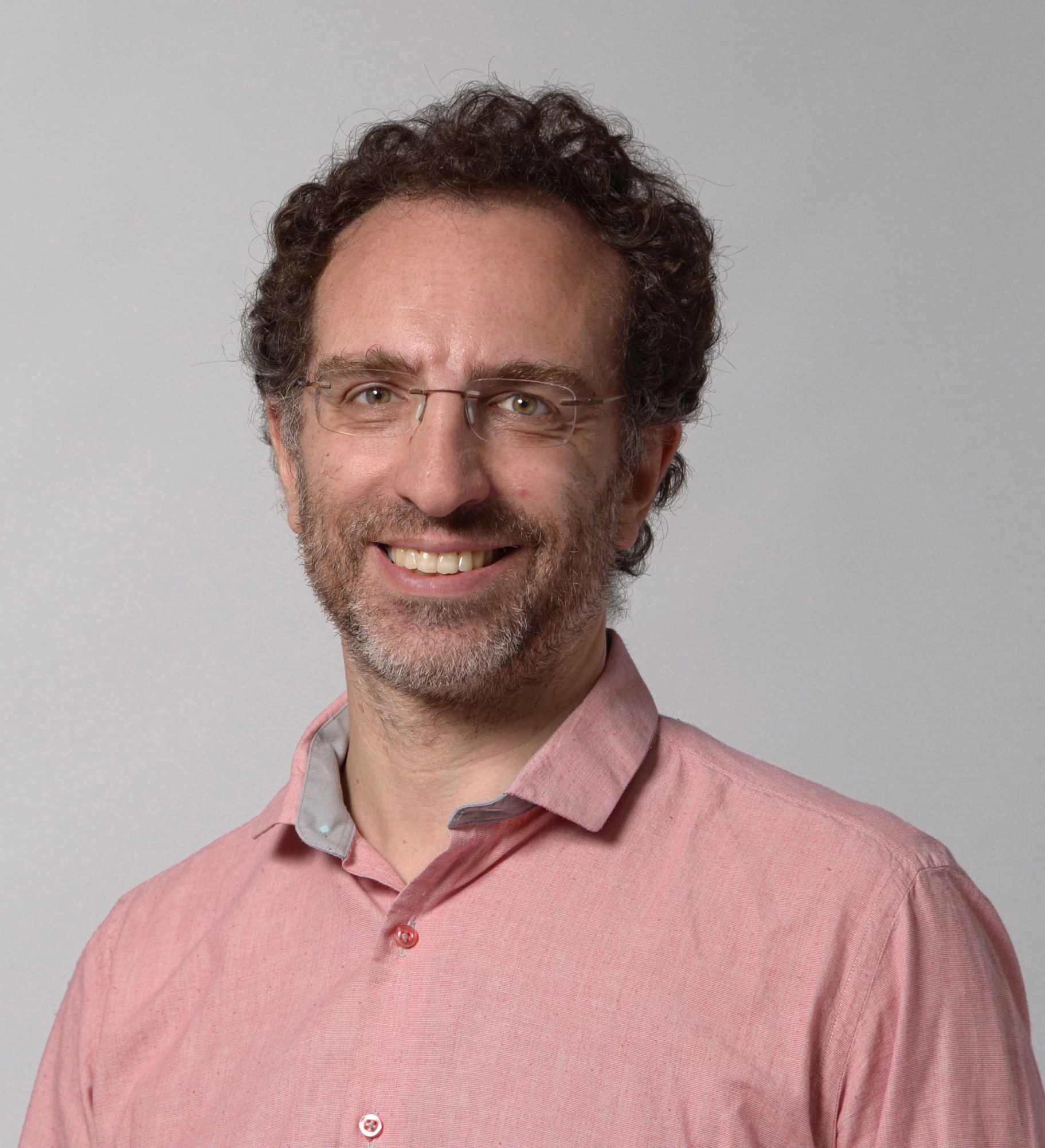
Daniel Loick is an Associate Professor of Political and Social Philosophy at the University of Amsterdam's Faculty of Humanities, Department of Philosophy. He maintains dual professional locations in Amsterdam and Frankfurt am Main, and is currently serving as a Visiting Scholar at the Graduate Center of City University of New York. His academic profile reveals a robust engagement with critical theory traditions and contemporary philosophical debates on sovereignty, law, and political community. Loick's research interests span Critical Theory, Political Philosophy, Social Philosophy, Ethics, Juridical Philosophy, Anarchism, Continental Philosophy, Politics of Forms of Life, Refugee Studies, Sovereignty Studies, Feminist Philosophy, and Queer Theory. His work consistently explores the intersections between philosophy, social theory, and political practice, with particular emphasis on critiques of state violence and alternative conceptions of political community. His publications demonstrate a commitment to connecting theoretical frameworks with urgent contemporary political issues, especially concerning marginalized communities and alternative social formations. His recent scholarly output shows a clear trajectory toward examining counter-hegemonic social formations, with increasing focus on refugee studies, abolitionist politics, and queer theory. Loick's work bridges continental philosophical traditions with contemporary critical race theory and feminist philosophy, creating a distinctive approach that challenges conventional boundaries between theoretical and practical concerns. His publications reveal a consistent engagement with the Frankfurt School tradition while simultaneously provincializing and expanding its scope. Loick's academic profile indicates significant scholarly impact, with his Academia.edu profile showing over 1,700 followers and nearly 42,000 public views, placing him in the top 3% of viewed authors on the platform. His work appears in both German and English academic venues, reflecting his transnational scholarly presence.