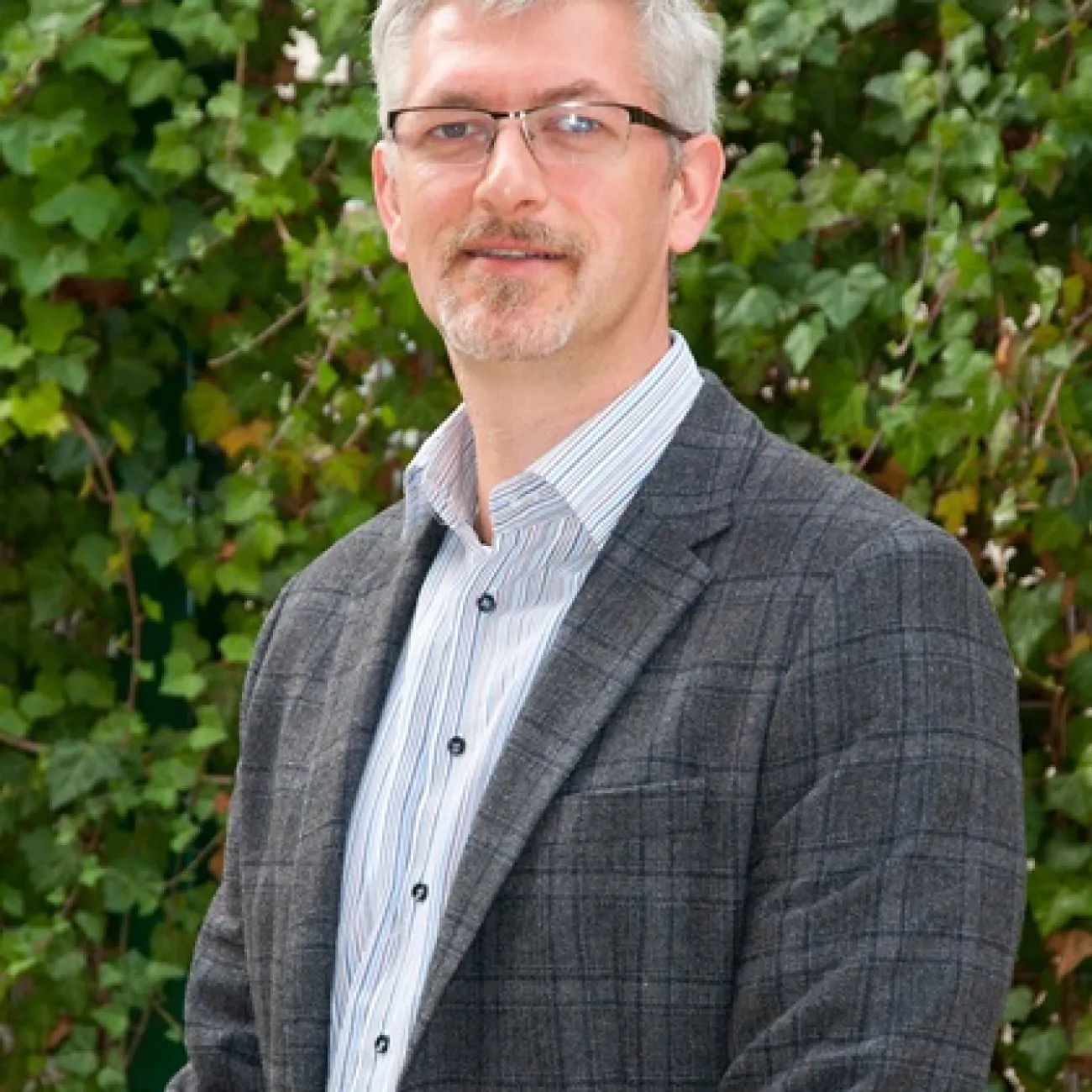
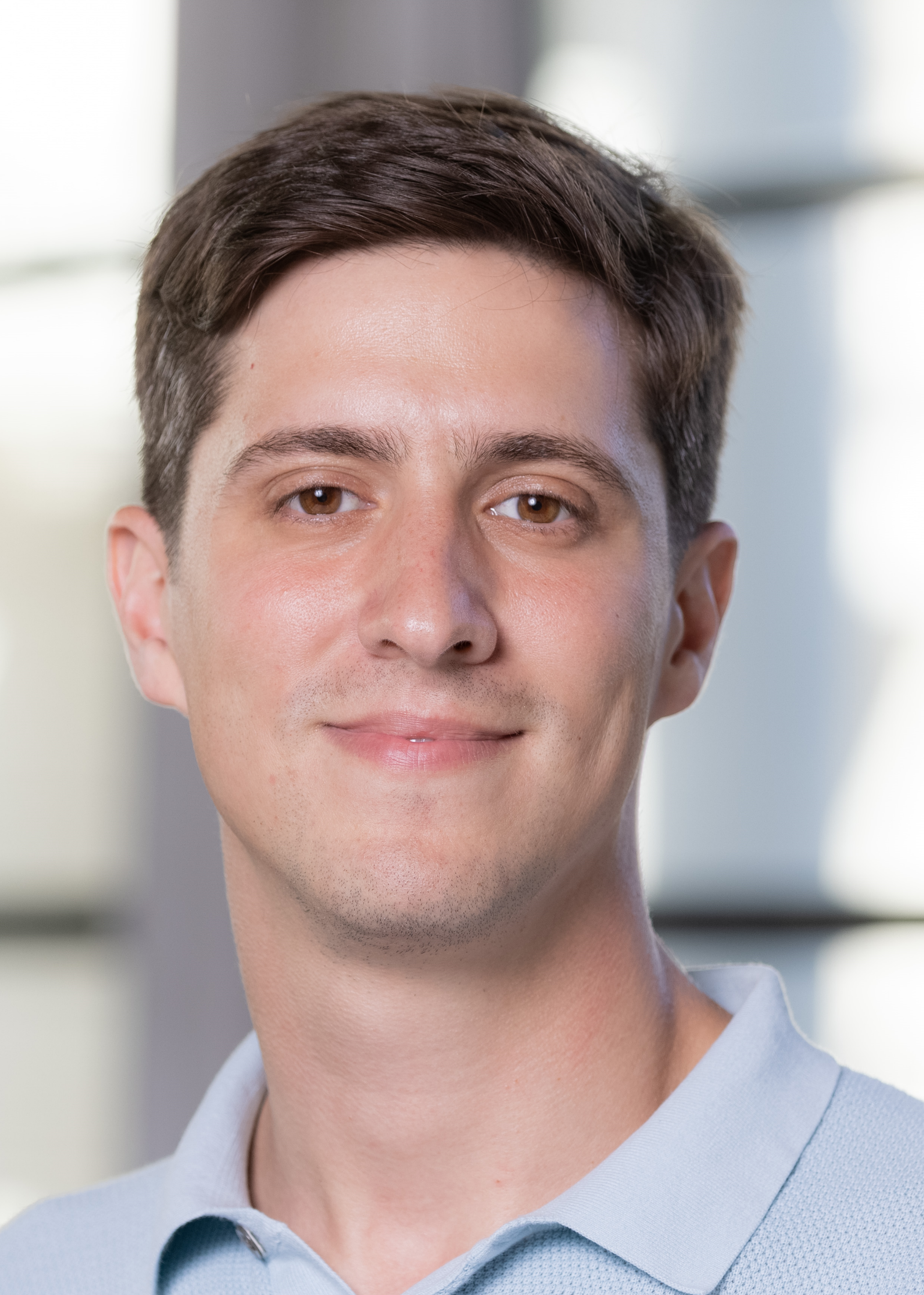
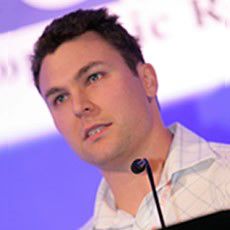
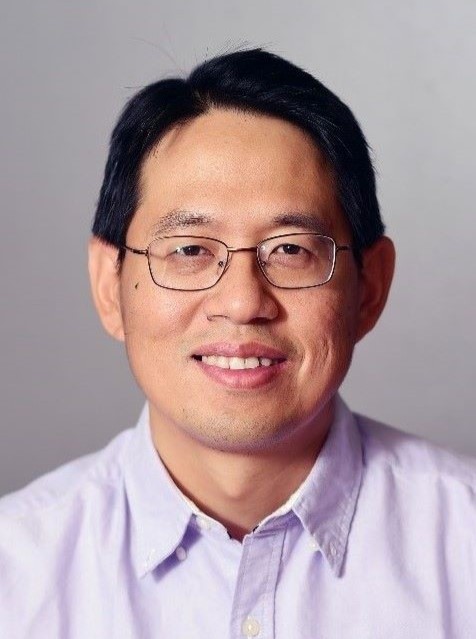
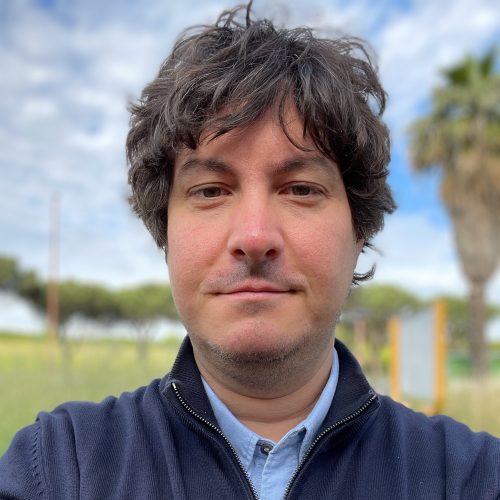
Dr. Patrick Beullens is an Associate Professor in Operational Research and Management Science at the University of Southampton's Southampton Business School. He specializes in applied research across ocean shipping, retail supply chains, logistics, and inventory control. His work integrates mathematical techniques such as stochastic processes, optimization algorithms, and game theory to address real-world challenges like environmental performance in shipping and food waste reduction. Key roles include Principal Investigator on EC-funded projects (e.g., SEABILLA, LOGMAN) and supervision of PhD students like Fangsheng Ge. Current projects focus on maritime emission abatement and economic ship speed models. He teaches Supply Chain Management, Risk Management, and Optimization courses. Research Groups: CORMSIS, Southampton Marine and Maritime Institute, Supply Chain Excellence Centre. Grants: Over £200k from Shell and SMMI for PhD scholarships, MoD-funded inventory projects, and EU initiatives. His research spans maritime economics, reverse logistics, and decision-making under risk. Collaborations include BAE Systems, EDF Energy, and international institutions like the Joint Research Centre.
Univ.-Prof. Karl Crailsheim is a Professor at the University of Graz, affiliated with the Institute of Zoology within the Faculty of Natural Sciences. His research focuses on honeybee behavior, physiology, and health, particularly investigating the honeybee superorganism and threats to their colonies. He explores swarm systems, robotics, and swarm intelligence, with recent emphasis on colony losses and environmental threats. His work bridges biology and robotics, applying insights from honeybee behavior to algorithm design. Research interests include honeybee nutrition, immune responses, pathogen impacts, and the application of citizen science in ecological studies. Key projects involve tracking honeybee behavior, analyzing pollen diversity, and developing robotic systems inspired by swarm dynamics. Collaborative efforts with citizen scientists enhance ecological data collection. Publications highlight advancements in understanding bee health, pesticide effects, and swarm robotics. His interdisciplinary approach addresses both biological and technological challenges in apiculture and robotics.
Dr. Omar Rifaie Graham is a Lecturer (Assistant Professor) in Chemistry at Queen Mary University of London's School of Physical and Chemical Sciences, joining in September 2023. He leads a research group focused on polymer-based artificial cells to study physicochemical parameters underlying biological phenomena and develop technologies at the Living/Non-Living Interface. Previously, he held postdoctoral positions at Imperial College London and the University of Fribourg, Switzerland. Education: Licenciado in Pharmacy (BSc+MSc), Universidad Complutense de Madrid, Spain (2008–2014) PhD in Chemistry, Adolphe Merkle Institute – University of Fribourg, Switzerland (2014–2018) Research Interests: Development of artificial cells using polymer nanocontainers, stimuli-responsive materials (light, hydromechanical stress), and applications in biotechnology, therapy, and diagnostics. His work includes creating polymersomes with novel functionalities for drug delivery, diagnostics, and synthetic biology. Key Achievements: ACS PMSE Future Faculty Award (2023) Swiss Nanoscience Institute 'Best paper in nanoscience' (2021) Best PhD thesis in Experimental Sciences, University of Fribourg (2019) Co-founded a diagnostics company spun from his PhD research (1M+ USD funding) Grants & Collaborations: Royal Society Grant: £29,907 (2025–2026) National Institute for Health Research Grant: £315,942 (2020–2025) RSC Grant for 'Mimicking colour perception with artificial cells' (2024) Lab/Team: Directs a research group at Queen Mary's Department of Chemistry, collaborating with institutions like Imperial College London and the University of Fribourg. Active in synthetic biology, nanomedicine, and biomimetic materials.
Professor Daniel Caner is a Core Faculty member and Director of the Program in Ancient Studies at Indiana University Bloomington's Hamilton Lugar School of Global and International Studies. He also serves as Adjunct Faculty in History, Classics, and Religious Studies. His research focuses on late antique religious and social history, particularly the intersection of monasticism, philanthropy, and ecclesiastical structures in the Byzantine world. Caner's academic work examines topics such as early Christian charitable practices, monastic mobility, and the construction of sacred authority through material culture. He has published extensively on figures like John Chrysostom and monastic figures in late antiquity, analyzing how religious institutions shaped social hierarchies and cultural memory. His recent publications explore the socio-economic dimensions of Christian charity, the role of ascetic itinerancy in promoting monasticism, and the legal/ritual frameworks defining sacred spaces. Courses taught include courses on Byzantine history, Near Eastern religions, and macrohistorical patterns of change. No research grants or advising details are explicitly noted in the provided materials. He is affiliated with IU Bloomington's Global and International Studies Building and maintains ties with interdisciplinary programs in ancient studies and religious studies.
Pavlos S. Georgilakis is a Professor at the School of Electrical and Computer Engineering, National Technical University of Athens (NTUA), specializing in modern techniques for power system analysis, optimization, and renewable energy integration. He holds a Diploma (1990) and PhD (2000) in Electrical Engineering from NTUA. His career includes roles as Lecturer (2009) and Associate Professor (2018–2023) at NTUA, and Assistant Professor at the Technical University of Crete (2004–2009). Research focuses on power transmission/distribution systems, transformer design, and applying AI/optimization for grid efficiency. He led 10 research projects, including Horizon 2020 initiatives SHAR-Q, WiseGRID, and NobelGrid. He authored 3 books and over 230 publications (SCOPUS citations: >5,500). Editor of IET Smart Grid, Energies, and Electricity journals; senior IEEE member. He supervised 4 doctoral, 9 master’s, and 76 diploma theses. Awards include the 2013 Best Reviewer Award from Electric Power Systems Research. Active in energy storage, smart grids, and decentralized energy resource integration.
Lin Dong is an Assistant Professor in the Department of Mechanical and Industrial Engineering at New Jersey Institute of Technology (NJIT). His research focuses on advanced energy harvesting technologies, particularly in piezoelectric materials, flexible electronics, and their biomedical applications. He leads a federally funded project (NSF grant) titled Membranous Energy Harvester with Tuning Capability for Flexible Electronics , which explores energy harvesting systems for wearable and implantable devices. His research interests include the design of self-powered sensors, piezoelectric hydrogels, and nature-inspired nanofibers for health monitoring. Notable contributions include amphibious energy generators, helical piezoelectric hydrogels for human-machine interfaces, and flexible sensors for cardiac monitoring. His work bridges materials science, biomedical engineering, and mechanical systems, with applications in smart health and wearable technology. Dr. Dong’s publications (29+ articles) emphasize energy harvesting innovations, with 16+ citations. His articles highlight trends in flexible, bio-integrated energy systems and multimodal sensing. He collaborates on projects involving body sensor networks and tunable energy harvesters for flexible electronics. He has secured a 2021 NSF grant (PI) and generated media attention for advancements in flexible energy harvesting and nanofiber research. His lab develops cutting-edge materials and devices for sustainable energy solutions and healthcare applications.
Julie Legrand is an Assistant Professor in the Mechanical Engineering department at Eindhoven University of Technology , affiliated with the Group Van de Molengraft. Her work focuses on soft robotics , self-healing materials , and medical robotics applications . She designs actuators and sensors for adaptive robotic systems, emphasizing resilience through self-healing mechanisms and embodied intelligence. She teaches courses including Control of a Flexible Robot System , Haptics and Soft Robotics , and Robot-Arm , reflecting her expertise in both theoretical and applied robotics. Her research spans actuator design , material science integration , and minimally invasive surgical robotics , with notable contributions to self-healing actuator validation and continuum robot end-effectors for surgical applications. Legrand collaborates internationally on topics like shape memory alloys and anisotropic materials , and her work has been featured in media for breakthroughs in self-healing polymer limitations in soft robots. She actively contributes to the Medical Robotics research theme at TU/e, advancing interdisciplinary approaches to robotic systems in healthcare.
Daniel Quinn is an Associate Professor at the University of Virginia, jointly affiliated with the Department of Mechanical and Aerospace Engineering and the Department of Electrical and Computer Engineering. He is a member of the Link Lab, focusing on Cyber-Physical Systems, particularly autonomous vehicles and bio-inspired robotics. His roles include teaching courses like Aerodynamics I and Fluid Mechanics. Education: BS in Aerospace Engineering (University of Virginia), PhD in Mechanical & Aerospace Engineering (Princeton University). Postdoctoral research at Stanford University and visiting fellowships at Harvard University's Museum of Comparative Zoology. Research focuses on Fluid-Structure Interactions, Biomechanics, Bio-Inspired Robotics, Energy-Harvesting, and Cyber-Physical Systems. Key projects include studying ground effects on propulsion, fish schooling dynamics, and self-powered breath sensors. Notable awards include the NSF Career Award (2020), Pi Tau Sigma Outstanding Faculty Award (2021–2023), and the Hartfield Excellence in Teaching Award (2024–2025). His work bridges experimental optimization, computational modeling, and interdisciplinary collaboration. Grants include DURIP support for advanced research facilities. Lab locations include Olsson Hall and 122 Engineer’s Way. Active in media, featured in articles on teaching excellence and UAV design innovations.
Prof. Maria Tims is a Full Professor at the Department of Management and Organization, Vrije Universiteit Amsterdam, holding a Chair in the Future of Work. She previously served as an Assistant Professor at Erasmus University Rotterdam, where she earned her cum laude PhD in Work and Organizational Psychology (2013). Her research focuses on employee proactivity (e.g., job crafting in teams) and workforce analytics, particularly unobtrusive measurement of well-being. She leads a team with over 30+ peer-reviewed articles in top journals and holds an NWO VENI Grant for studying individual job crafting in teams. Her work emphasizes proactive behaviors' impact on team and organizational outcomes, with grants and awards recognizing her contributions. She has supervised five PhD theses and is an editorial board member for journals like the Journal of Vocational Behavior . Key areas include self-organizing teams, work design, and cross-cultural validity of job crafting scales.
Prof. Dr. Andreas Walther is a Professor of Macromolecular Materials and Systems at the Department of Chemistry, Johannes Gutenberg University Mainz, Germany. He is also a Research Fellow at the Gutenberg Research College and the Max Planck Institute for Polymer Research. His research focuses on adaptive, bioinspired materials systems, self-assembly processes, and energy-driven functional materials. Key projects include the development of ATP-fueled systems, dissipative systems engineering, and light-actuated materials. Walther leads the Walther Lab, specializing in life-like materials and systems, and contributes to educational initiatives like the livMatS program. His expertise spans hierarchical self-assembly, biomimetic materials, and non-equilibrium systems. Recent work emphasizes communication in chemically fueled networks and programmable DNA coacervates. Publications highlight breakthroughs in ATP-responsive materials, scalable hydrogel synthesis, and light-controlled systems. Awards and grants include DFG funding for livMatS-related research. He advises two PhD students and collaborates widely across institutions.
Dr David W. Evans is an Assistant Professor in Musculoskeletal Health Care at the School of Sport, Exercise and Rehabilitation Sciences, University of Birmingham, where he has been a faculty member since 2017. He serves as Programme Lead for the MSc Physiotherapy (pre-registration) programme and teaches across multiple physiotherapy degrees including MSci and MSc programmes. Education: PhD in Low Back Pain, Keele University (2007) BSc (Hons) in Osteopathy, Health Sciences University (formerly British School of Osteopathy), London (1998) His research focuses on understanding and measuring disabling musculoskeletal pain, particularly low back pain, with an emphasis on improving patient outcomes through better treatment matching. His work spans pain mechanisms, measurement of disability, and the effectiveness of physical interventions. He has maintained a clinical practice in musculoskeletal health since 1998. Dr Evans's recent publications (2022–2025) reflect a strong trend in quantitative and clinical research, utilizing wearable technology for lumbar mobility assessment, analyzing pain drawings and spatial pain patterns, and investigating psychological factors such as fear of movement. His work integrates biomechanics, neuroscience, and clinical rehabilitation, often through large-scale studies and systematic reviews. He has also contributed to advancing definitions and educational approaches in manual therapy. Professional Memberships and Roles: Member, Society for Back Pain Research (since 2001) Lead, Pain-focused PPIE Group (since 2021) Member, University of Birmingham REDCap Committee (since 2022) Dr Evans has secured over £2 million in research funding as lead or co-applicant and has published over 50 peer-reviewed papers. He is actively involved in research leadership and has contributed to major clinical trial protocols and systematic reviews in pain and rehabilitation. He is affiliated with research platforms including ORCID, Google Scholar, and ResearchGate, and his work is supported by institutional and national research infrastructures. He coaches javelin throwing at a local athletics club, reflecting a personal commitment to physical activity and sports.
Dr. Daniel M. Dowden is an Assistant Professor in the Department of Civil, Environmental, and Geospatial Engineering at Michigan Technological University. He holds a PhD in Civil Engineering (Structural Engineering) from the University at Buffalo, along with MS and BS degrees in Civil Engineering from the University of Wyoming and Washington State University, respectively. Prior to academia, he worked as a structural engineer in Seattle for 10 years, which influenced his research focus on earthquake engineering and resilient infrastructure design. Education: PhD, Civil Engineering – Structural Engineering, University at Buffalo (2014) MS, Civil Engineering – Structural Engineering, University of Wyoming BS, Civil Engineering – Structural Engineering, Washington State University His research emphasizes innovative solutions for earthquake-resistant structures, particularly self-centering systems and low-damage frameworks to mitigate seismic impacts. He has conducted extensive experimental testing using shake-tables, pseudo-dynamic systems, and static methods. Key areas include steel plate shear walls, post-tensioned connections, and resilient friction dampers. Teaching focuses on earthquake engineering, structural dynamics, steel/concrete design, and structural analysis. He joined Michigan Tech in 2017 after serving as Structural & Testing Engineer at UB’s Structural Engineering and Earthquake Simulation Laboratory (SEESL), where he contributed to seismic qualification testing. Recent publications highlight advancements in numerical modeling of friction dampers, shake-table testing methodologies, and analytical investigations of rocking wall systems.
Chuan-Fu Lin is an Associate Professor in the Department of Mechanical Engineering at The Catholic University of America (CUA), School of Engineering. His research focuses on energy storage systems , nanotechnology , and materials innovation for renewable energy and advanced manufacturing . He founded and directs the Energy Materials Innovations Laboratory (EMI-Lab) , which develops solid-state electrolytes , Li/Na metal anodes , and low-cost eco-friendly energy storage solutions through atomic layer deposition (ALD) and thin film engineering . 2024 : Secured $637k DOE grant to study interfacial kinetics of conversion materials 2023 : Published on fluorinated SEI layers for sodium batteries 2022 : Advanced LiPON protection strategies 2021 : Developed Al2O3-coated Mg anodes 2020 : NSF collaborative award with Prof. Rubloff and Qi His work spans solid-state batteries , aqueous battery systems , and conversion electrode materials , with a strong emphasis on preventing corrosion , enhancing cycling stability , and reducing overpotential . Key projects include polymer/ceramic hybrid electrolytes , in-operando characterization cells , and scalable current collector designs . Notable scientific awards include the 2024 Charles H. Kaman Award and NSF support for collaborative research.
Maozhen Li is a Professor in the Department of Electronic and Electrical Engineering at Brunel University of London , within the College of Engineering, Design and Physical Sciences . He serves as the Vice-Dean of the NCUT Transnational Education (TNE) programme, overseeing a joint school with North China University of Technology. He has been at Brunel since 2002, progressing from Lecturer to Professor in 2013. Education: PhD, Institute of Software, Chinese Academy of Sciences (1997) Postdoctoral Research, School of Computer Science and Informatics, Cardiff University (1999–2002) His primary research interests lie in high performance computing, big data analytics, and artificial intelligence, with applications in smart grids, smart manufacturing, and cybersecurity. He focuses on developing interpretable, robust, and lightweight AI models, including work in causal AI, parallel machine learning, and edge computing. His research integrates advanced techniques such as deep learning, reinforcement learning, and blockchain for real-world system optimization. An analysis of his recent publications reveals a strong and consistent research trajectory in AI-driven solutions for environmental monitoring (e.g., PM2.5 prediction), industrial defect detection, IoT security, and intelligent transportation. His work frequently combines deep learning with graph-based modeling and federated or reinforcement learning, emphasizing scalability, efficiency, and robustness in distributed and edge environments. Scientific Awards and Recognition: Fellow of the Institution of Engineering and Technology (IET) Fellow of the British Computer Society (BCS) Shortlisted for the Computing UK BIG DATA EXCELLENCE AWARDS 2018 in the category of Most Innovative Big Data Solution Maozhen Li has successfully supervised 25 PhD students and examined over 30 PhD theses externally. He has secured significant research funding from EPSRC, the European Union (Horizon 2020), Innovate UK, and the Royal Society , with projects including Z-BRE4K, IoRL, and TDX-ASSIST. He serves as an Associate Editor for journals such as the Journal of Cloud Computing and the International Journal of Grid and High Performance Computing . Research Groups and Teams: He is affiliated with the Intelligent Engineering Frameworks (IEF) research group at Brunel, contributing to collaborative efforts in AI, IoT, and smart systems. His leadership in transnational education also fosters international research collaboration between Brunel and Chinese institutions.
Giulio Cimini is Associate Professor of Theoretical Physics in the Department of Physics at the University of Rome Tor Vergata and a Research Associate at the 'Enrico Fermi' Research Center. He is a statistical physicist with a strong interdisciplinary focus on complex networks and their applications in socio-economic systems. His research interests include: Statistical Physics of Complex Networks Reconstruction and Validation of Economic Networks Social Network Interactions and Financial Markets Systemic Risk and Financial Contagion Scientific Success, Fitness, and Complexity Adaptive Social Recommendation Codon Usage Bias and Protein Interaction Networks His recent publications reveal a strong trend in applying statistical physics to real-world networks, particularly in finance and social systems. Key themes include the modeling of systemic risk in supply chains and financial networks, the dynamics of collective action on platforms like Reddit (e.g., the GameStop short squeeze), and the development of network reconstruction methods using maximum entropy and optimal transport frameworks. His work often combines empirical analysis with theoretical modeling. Scientific awards and recognitions include: Associate Editor, Frontiers in Physics – Interdisciplinary Physics Board Member, Network Science Society Member, Council of the Complex Systems Society Steering Committee, CCS/Italy He has advised or collaborated with numerous researchers, particularly in projects related to economic networks and complex systems. His work has been supported by Italian national grants such as PRIN and PNRR. He leads or co-leads research projects including RENet and C2T. His research is conducted within interdisciplinary teams involving physicists, economists, and computer scientists, often in collaboration with institutions like ISC-CNR, IMT Lucca, and the Network Science community.