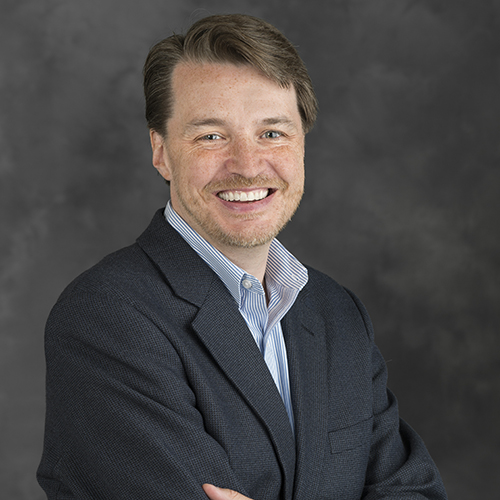
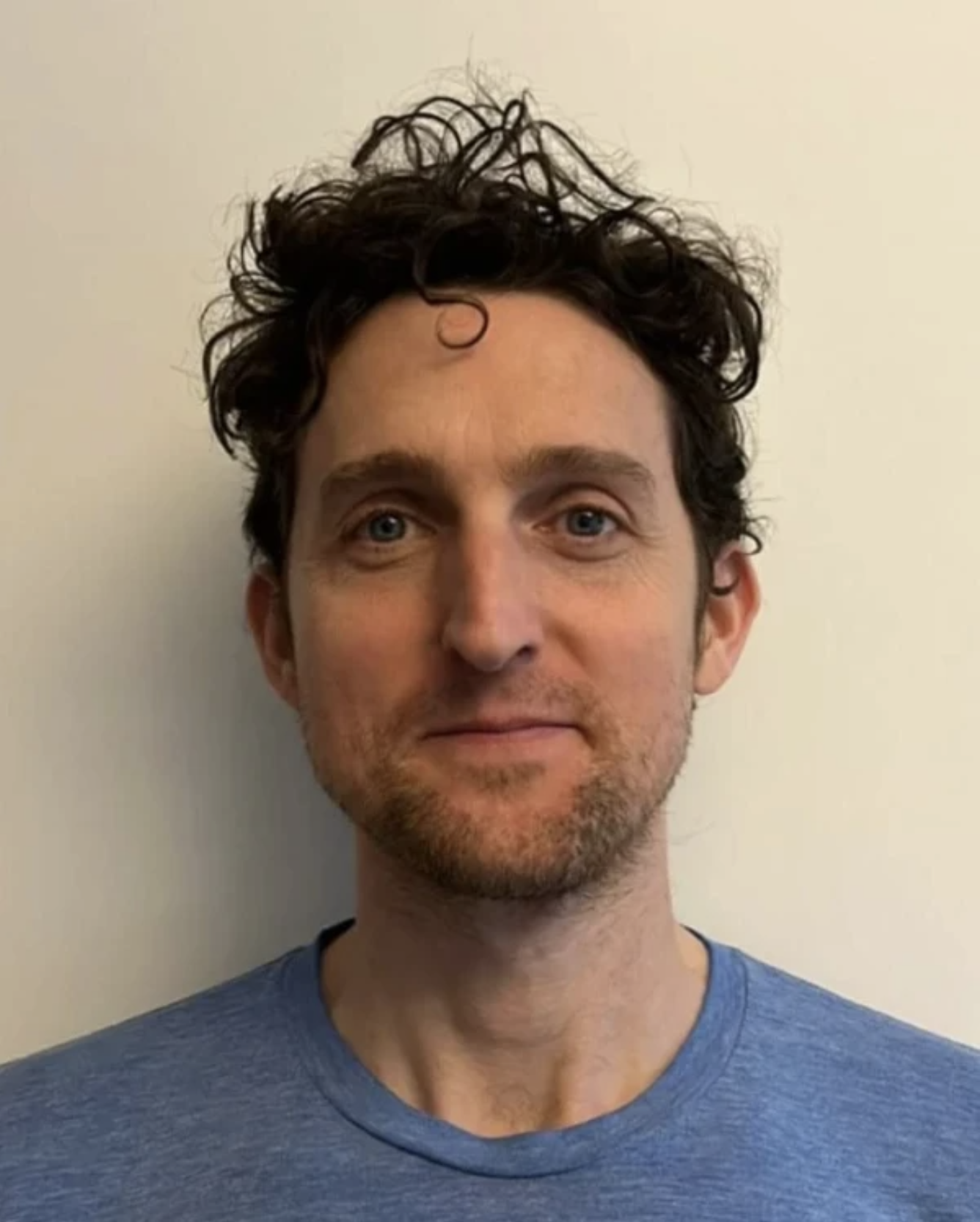
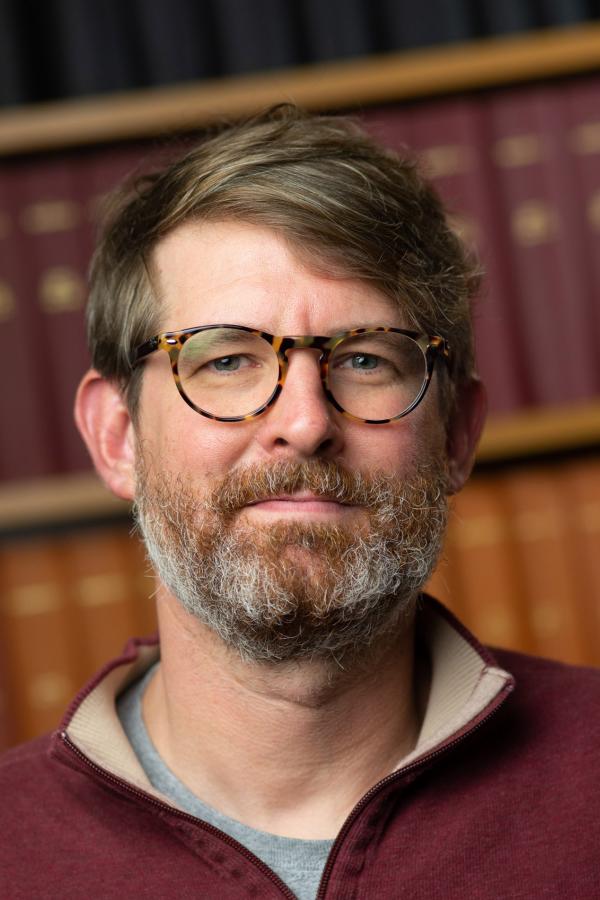
Giacomo Indiveri is a dual Professor at the Faculty of Science of the University of Zurich and the Department of Information Technology and Electrical Engineering of ETH Zurich . He serves as the Director of the Institute of Neuroinformatics at both institutions. Indiveri holds an M.Sc. in Electrical Engineering (1992) from the University of Genoa and a Ph.D. in Computer Science (2004) from the same university. Primary Affiliation: University of Zurich (Faculty of Science, Institute of Neuroinformatics) Secondary Affiliation: ETH Zurich (Department of Information Technology and Electrical Engineering) Indiveri's research bridges neuroscience , computer science , and machine learning to develop neuromorphic cognitive systems . His work focuses on spike-based learning , recurrent neural networks , and analog/digital circuit design for real-time sensory-motor systems . He integrates emerging memory technologies into fault-tolerant event-based architectures, enabling brain-inspired computing paradigms in applications like robotics and medical monitoring. His recent publications emphasize neuromorphic hardware for epileptic seizure detection , spiking neural networks in robotic painting , and scalable processors with on-chip learning . These works explore biologically plausible neurons , delay lines , and memory arrays for temporal processing, with applications in healthcare , edge computing , and adaptive control . Scientific Awards & Recognitions: 2021 IEEE Biomedical Circuits and Systems Best Paper Award Senior Member of IEEE Society ERC Fellow with three European Research Council grants Indiveri's group at the Institute of Neuroinformatics develops event-based systems for real-world validation of brain-inspired computing. His work includes multi-core processors , feedback optimizers , and dynamic routing architectures , supported by grants for advancing neuromorphic technologies .
Professor Yasamin Mostofi is a faculty member in the Department of Electrical and Computer Engineering at the University of California, Santa Barbara. She is also affiliated with the Department of Computer Science and the Center for Control, Dynamical Systems and Computation. Her work bridges wireless systems, robotics, and machine learning. PhD, Stanford University MS, Stanford University MS, Sharif University of Technology Research Interests : Her lab focuses on wireless systems and autonomous agents , developing novel mathematical models for RF sensing and communication-aware robotics. Current directions include WiFi/millimeter wave/6G-based imaging and analytics, networked robotics for cellular systems, human-robot collaboration, and machine learning integration. Recent Publications : Her work spans through-wall crowd analytics , robot-assisted connectivity , and vision-aided wireless sensing , with applications in smart health, security, and retail optimization. Key trends include cross-modal integration (WiFi and vision), synthetic data generation, and real-world clinical validation. Scientific Recognition : Presidential Early Career Award for Scientists and Engineers (PECASE) Antonio Ruberti Prize, IEEE Control Systems Society NSF CAREER Award IEEE Region 6 Outstanding Engineer Award IEEE Fellow (2020) Advising and Leadership : She mentors PhD students in systems research, with graduates joining leading companies like Qualcomm and Google. She co-founded NPJ Wireless Technology (Nature Portfolio) and serves on editorial boards including IEEE Transactions on Control of Network Systems .
Colin J Akerman is Professor of Neuroscience and Group Leader in the Department of Pharmacology at the University of Oxford, concurrently serving as Corange Fellow and Medical Tutor at Corpus Christi College. His research investigates fundamental mechanisms of synaptic circuit formation and plasticity, with direct implications for epilepsy, dementia, and schizophrenia through multidisciplinary approaches integrating electrophysiology, optical imaging, and computational modeling. His primary research interests encompass Synaptic Plasticity, Neural Circuit Formation, and Excitatory-Inhibitory Balance, with specific focus on neuronal progenitor influences on connectivity, chloride dynamics in inhibitory transmission, and learning mechanisms in disease contexts. The lab employs custom-built equipment and molecular tools to probe synaptic function across in vivo , in vitro , and in silico platforms, emphasizing how activity-dependent processes shape neural networks during development and disease. Recent publications (2023-2025) reveal strong thematic convergence on intracellular chloride regulation in sleep-wake cycles, cortical circuit assembly from embryonic progenitors, and innovative optical tools for neural monitoring. This work bridges molecular neuroscience with systems-level understanding of synaptic plasticity, particularly regarding ionic mechanisms in epilepsy and sleep homeostasis. No scientific awards or fellowships are explicitly documented in the source materials. Professor Akerman currently mentors four PhD students (Vourvoukelis, Selfe, Wang, Gemayel) and multiple postdoctoral researchers, having previously trained scientists now leading independent groups in Toronto, Edinburgh, Cape Town, Oxford, and London. His research is funded by the European Research Council, Innovative Medicines Initiative, and Wellcome Trust, supporting investigations into synaptic mechanisms underlying neurological disorders. The Akerman Group, established in 2008, operates as an integrative neuroscience hub within Oxford's Pharmacology Department. The 10-member team combines expertise in patch-clamp electrophysiology, optogenetics, multiphoton imaging, and computational modeling, with current projects spanning neuronal progenitor biology, inhibitory synaptic plasticity, and learning rule implementation in neural networks. The lab emphasizes technical innovation, regularly developing custom instrumentation and molecular tools for neural observation and manipulation.
Gaetano Valenza is an Associate Professor of Bioengineering at the University of Pisa, Italy, where he leads the Neuro-Cardiovascular Intelligence Lab at the Enrico Piaggio Research Centre. He holds affiliations with the Neuroscience Statistics Research Laboratory at MIT and has served as a Research Fellow at Harvard Medical School and Massachusetts General Hospital. His academic work spans bioengineering, computational physiology, and affective computing. His research focuses on statistical and nonlinear biomedical signal and image processing , cardiovascular and neural modeling , and physiologically interpretable artificial intelligence . He develops wearable systems for physiological monitoring, with applications in autonomic nervous system assessment, brain-heart interactions, and mental health. His work has led to novel metrics such as the Sympathetic and Parasympathetic activity indices derived from ECG. The 15 most recent publications reflect a consistent trend in brain-heart interplay , complexity analysis of physiological signals , explainable AI in healthcare , and virtual reality applications in mental health . His work integrates advanced signal processing, nonlinear dynamics, and machine learning to decode emotional and cognitive states from physiological data. Dr. Valenza is a Senior Member of IEEE and serves on several technical committees. He is an active editorial leader, currently serving as Associate Editor for IEEE-EMBC , Plos One , Complexity , and Scientific Reports , and has guest-edited special issues in Philosophical Transactions of the Royal Society A and IEEE Journal of Biomedical and Health Informatics . He has led or participated in numerous international research projects, including FP7 and H2020 initiatives such as NEVERMIND and EXPERIENCE. He teaches courses in Biostatistics, Probability & Biostatistics, and Advanced Image Processing at the University of Pisa. As lab head and project coordinator, he leads a multidisciplinary team working on neuro-cardiovascular intelligence, wearable systems, and AI-driven mental health interventions.
Xilin Liu is an Assistant Professor at the Edward S. Rogers Sr. Department of Electrical & Computer Engineering (University of Toronto) and the Center for Advancing Neurotechnological Innovation to Application (CRANIA) . He obtained his PhD from the University of Pennsylvania and previously worked at Qualcomm Inc. in California. Expertise in integrated circuits and systems for brain-machine interfaces , neuromodulation , and edge AI Published in top venues including Nature Electronics , IEEE JSSC , and ISSCC Recipient of multiple best paper awards and IEEE Senior Member His research spans three main themes: High-speed data converters for wireless/wireline communication IC design for neural interfacing Accelerating machine learning via hardware Recent publications focus on closed-loop neuromodulation , ultra-wideband transceivers , and flexible biomedical sensors . These works integrate analog IC design , edge AI , and real-time neural interfacing across medical rehabilitation , parkinson's monitoring , and memory research . Awards include: IEEE Solid-State Circuits Society Predoctoral Achievement Award (2016) Best Paper Award at BioCAS (2015) ECE Department Teaching Award (2022) Multiple conference best paper finalists His lab collaborates with UHN , EMBS , and global institutions while maintaining strong commitments to equity, diversity, and inclusion (EDI) in research practices.
Andrzej Majkowski is an Associate Professor at the Institute of the Theory of Electrical Engineering, Measurement and Information Systems, Faculty of Electrical Engineering, Warsaw University of Technology. His career spans over two decades of research in biomedical engineering, focusing on brain-computer interfaces, signal processing, and emotion recognition. Active in both teaching and research, he contributes to advancing methodologies in electrophysiological signal analysis. Warsaw University of Technology Institute of the Theory of Electrical Engineering, Measurement and Information Systems Faculty of Electrical Engineering Specializing in biomedical engineering , Majkowski's research bridges control systems and information technologies with neuroscience applications. His work explores brain-computer interfaces , EEG/EMG signal processing , and emotion recognition using multimodal physiological data. Recent studies focus on deep learning architectures for artifact removal and classification tasks. Recent publications highlight trends in CNN-LSTM hybrid models for signal denoising, convolutional networks for seizure detection, and machine learning applications in visual evoked potential analysis. His work spans both clinical applications (epilepsy monitoring) and human-computer interaction (emotion recognition, sign language detection). With over 98 documented publications and significant bibliometric indicators (h-index 13 in Scopus), Majkowski has supervised 95 promoted theses. His research includes one funded project and collaborations in biomedical instrumentation, though specific award details remain unspecified in available records.
Lisa Austin is a Professor of Law at the University of Toronto Faculty of Law, holding the Chair in Law and Technology. She serves as Associate Director at the Schwartz Reisman Institute for Technology and Society and is a Faculty Associate at Harvard University's Berkman Klein Center. Previously, she co-founded the IT3 Lab at the University of Toronto, which conducted interdisciplinary research on privacy and transparency issues. Professor Austin earned her BA &Sc from McMaster University (1994), MA from the University of Toronto (1995), LLB from the University of Toronto (1998), and PhD from the University of Toronto (2005). She was called to the Bar of Ontario in 2006 and previously served as law clerk to Mr. Justice Frank Iacobucci of the Supreme Court of Canada. Her research spans data governance, privacy law, property law, and legal theory. Professor Austin has published in prestigious journals including Legal Theory , Law and Philosophy , Theoretical Inquiries in Law , and Canadian Journal of Law and Society . She co-edited Private Law and the Rule of Law (Oxford University Press, 2015), challenging the conventional understanding that the rule of law applies only to public law. Professor Austin's scholarship consistently emphasizes the relationship between privacy, power dynamics, and legal frameworks, arguing that privacy is fundamentally about power rather than mere consent or harm prevention. Her recent work addresses pressing issues including the data governance gap during the COVID-19 pandemic, digital rethinking of constitutional privacy protections, and smart city data governance. 2017 President's Impact Award from the University of Toronto Professor Austin actively engages in policy discussions, having submitted testimony before parliamentary committees on privacy legislation reform, including the Privacy Act and the Security of Canada Information Sharing Act. Her work bridges academic scholarship with practical policy impact, making her a leading voice in Canadian privacy law and technology governance.
Michael D. Smith is a Professor of Information Technology and Public Policy at Carnegie Mellon University, with joint appointments at Heinz College and Tepper School of Business. His research employs economic and statistical methods to analyze digital markets, focusing on firm and consumer behavior in online environments. Education: B.Sc. in Electrical Engineering (Summa Cum Laude), University of Maryland M.Sc. in Telecommunications Science, University of Maryland Ph.D. in Management Science and Information Technology, MIT Research Interests: Professor Smith investigates the economics of digital information markets, consumer behavior in online platforms, and policy implications of technological disruption. His work spans copyright enforcement, digital advertising, and the impact of piracy on legal media consumption. Publications: His recent studies examine AI’s role in copyright policy, effectiveness of anti-piracy measures, and market dynamics in digital streaming. Articles often bridge economics, computer science, and public policy. Awards: National Science Foundation CAREER Award Multiple Best Teacher Awards at CMU Recognized as a Top 100 Emerging Engineering Leader (NAE, 2020) Best Paper Runner-Up (Information Systems Research, 2006) Editorial and Industry Roles: Served as Senior Editor at Information Systems Research and Associate Editor at Management Science . Prior to academia, he worked in telecommunications at GTE and Booz Allen Hamilton, earning a patent for AI applications in network design. Contact: mds@cmu.edu | Office: 4800 Forbes Avenue, Hamburg Hall 2204, Pittsburgh PA 15213
Riccardo Raheli is a Full Professor at the University of Parma , Department of Engineering and Architecture, with a career spanning over three decades in Information and Communication Technologies (ICT). He has served as Chair of the Councils for Telecommunications and Communication Engineering programs, and as representative of the University of Parma in CNIT and its Members' Assembly. Education: Laurea in Electronic Engineering (University of Pisa, 1983), M.Sc. in Electrical and Computer Engineering (University of Massachusetts, 1986), Postgraduate Diploma (Scuola Superiore Sant'Anna, 1987) Key Roles: President of Degree Councils (2002-2018), CNIT Committee Member (2000-2005), Editorial Board member for IEEE Transactions, Springer and MDPI journals His research bridges telecommunications , digital signal processing , and healthcare applications , producing extensive international publications and industrial patents. He has co-authored monographs including Detection Algorithms for Wireless Communications (Wiley, 2004) and LDPC Coded Modulations (Springer, 2009). Recent article trends show interdisciplinary work in automotive stress monitoring (IoT/Matlab-based systems), video processing for healthcare (neonatal seizures, respiratory monitoring), and acoustic field control (microphone virtualization, personal sound zones). His work spans machine learning applications in automotive systems, stochastic acoustic modeling , and power-line communications . Scientific Leadership : Co-Chair for IEEE conferences (ICC 2010, GLOBECOM 2011, ISPLC 2020) Editorial roles in 7+ international journals Grants & Collaborations : Led industrial patents in communications systems Coordinated CNIT Technical Reports series (2025) He teaches Wireless Communications and Digital Signals Laboratory , emphasizing Matlab/Simulink proficiency. His laboratory sessions focus on practical implementation of signal processing algorithms, requiring full software installation on personal devices.
Michael Harrison is an Assistant Professor in the Department of Cell and Developmental Biology at Weill Cornell Medicine, where he leads the Regeneration and Development Lab within the Graduate School of Medical Sciences. His research focuses on vascular development and regeneration using zebrafish as a model organism, with emphasis on coronary and cerebral vasculature. Education: B.Sc. in Genetics, University of Edinburgh (2005) Ph.D. in Developmental Genetics, University of Sheffield (mentor: Vincent Cunliffe) Postdoctoral Fellowship, Saban Research Institute, Children’s Hospital Los Angeles (CIRM Fellow) Harrison's research centers on understanding how blood and lymphatic vessels form and regenerate, particularly in the heart and brain. His lab investigates coronary vessel development, the role of lymphatic systems in inflammation and regeneration, and revascularization after injury. By leveraging zebrafish genetics and advanced imaging, his work aims to uncover pathways that could be harnessed for regenerative therapies in humans. His recent publications reveal key signaling mechanisms such as Cxcr4-Cxcl12 in coronary development and the two-step formation of cardiac lymphatics. The 15 most recent articles demonstrate a strong, consistent research trajectory in vascular biology and regeneration, with increasing use of advanced techniques like single-nuclei multiomics, fluidic imaging devices, and CRISPR-based genome editing. His work spans developmental mechanisms, functional imaging, and translational applications in cardiac repair. Scientific Awards: No awards explicitly mentioned in the provided text. Harrison actively mentors a team of postdoctoral fellows, research assistants, and students, several of whom have progressed to medical school or research careers. His lab collaborates extensively, particularly with Ching-Ling Lien's group. He has secured research space and funding to support ongoing projects in cardiac and cerebral vasculature. The lab is actively recruiting rotation students from BCMB, PBSB, IMP, and Tri-Institutional programs, as well as postdoctoral researchers and research assistants, indicating an expanding research team and active grant support. Labs and Teams: Regeneration and Development Lab, Weill Cornell Medicine Collaborations with Ching-Ling Lien Lab Member of Tri-Institutional PhD Programs Active participation in BCMB, PBSB, and IMP training programs
Professor Andrew Jackson of Newcastle University is a leading researcher in neuroscience and neuroengineering, focusing on neural interfaces, optogenetics, and epilepsy. His work spans brain-computer interfaces, spinal cord stimulation, and sleep-dependent memory processes. Key research areas: closed-loop optogenetic systems, motor cortex dynamics, cerebellar-neocortical communication, and seizure pathway analysis. Collaborations with experts like Dr. Boubker Zaaimi, Professor Yujiang Wang, and Dr. Wei Xu. Develops implantable low-power platforms for real-time neural monitoring and stimulation. His recent publications highlight advancements in neuroprosthetics for motor recovery post-stroke/spinal injury, cortical chloride homeostasis in epilepsy, and mechanisms of brain self-regulation during movement and sleep. Technologies pioneered include flexible neural electrodes, temperature self-monitoring optoelectronics, and wearable bioelectrical signal systems. His work integrates computational neuroscience with clinical applications in motor disorders and epilepsy.
Professor Tim Denison FREng holds a joint appointment in the Department of Engineering Science and Nuffield Department of Clinical Neurosciences at the University of Oxford, where he serves as the Royal Academy of Engineering Chair in Emerging Technologies and an MRC Investigator. His research focuses on the fundamentals of physiologic closed-loop systems and developing next-generation neural interface technologies for treating chronic neurological diseases. Professor Denison received his A.B. in Physics from The University of Chicago, followed by M.S. and Ph.D. degrees in Electrical Engineering from MIT. He later completed an MBA at The University of Chicago, where he was named a Wallman Scholar. His research spans neural engineering, closed-loop neuromodulation systems, and computational neuroscience, with particular emphasis on deep brain stimulation, neural oscillations, and adaptive neurostimulation techniques. His work integrates engineering principles with clinical neuroscience to develop innovative treatments for neurological disorders. Professor Denison's approach combines computational modeling with experimental validation to optimize brain stimulation parameters for individual patients. Professor Denison has received numerous prestigious awards, including membership in the Bakken Society (2012, Medtronic's highest technical honor), the Wallin leadership award (2014), election to the College of Fellows for the American Institute of Medical and Biological Engineering (2015), and recognition as a Fellow of the Royal Academy of Engineering (FREng). As a former Technical Fellow at Medtronic PLC and Vice President of Research & Core Technology for the Restorative Therapies Group, Professor Denison brings significant industry experience to his academic work. His research group focuses on developing advanced neurostimulation technologies that incorporate chronobiology principles and adaptive algorithms to improve treatment outcomes for neurological conditions.
Peter A. Tass is a Professor of Neurosurgery at Stanford University's School of Medicine, where he leads the Tass Lab within the Department of Neurosurgery. His research focuses on developing groundbreaking neuromodulation techniques designed to impact the course of neurological diseases including Parkinson's disease, stroke, epilepsy, and tinnitus. The Tass Lab is part of several prestigious Stanford initiatives including Bio-X, the Wu Tsai Human Performance Alliance, the Maternal & Child Health Research Institute (MCHRI), and the Wu Tsai Neurosciences Institute. MD from Universities of Ulm and Heidelberg, Germany (1989) PhD in Physics from University of Stuttgart, Germany (1993) Diploma (master's degree) in Mathematics from University of Stuttgart, Germany (1993) Habilitation thesis in Physiology from RWTH Aachen University, Aachen, Germany (2001) Dr. Tass's primary research interests center around computational neuroscience approaches to understanding and treating neurological disorders. His lab pioneers neuromodulation techniques based on thorough computational modeling that employs dynamic self-organization, plasticity, and other neuromodulation principles to produce sustained therapeutic effects after stimulation. He specifically focuses on developing stimulation methods that cause sustained neural desynchronization by unlearning abnormal synaptic interactions. His work spans both invasive techniques like deep brain stimulation and non-invasive approaches such as vibrotactile and acoustic stimulation. Current projects involve developing novel therapies for Parkinson's disease, epilepsy, tinnitus, and other neurological conditions using comprehensive computational neuroscience methods derived from non-linear dynamics, statistical physics, and numerics. Analysis of Dr. Tass's recent publications reveals a strong focus on coordinated reset stimulation techniques, neural network modeling with plasticity mechanisms, and computational approaches to brain stimulation. His work consistently bridges theoretical computational neuroscience with clinical applications, particularly for Parkinson's disease treatment. A significant portion of his recent research examines how stimulation parameters, sequences, and timing affect long-lasting desynchronization effects in neural networks. His publications demonstrate an interdisciplinary approach combining physics, mathematics, neuroscience, and clinical medicine to develop novel therapeutic interventions. Member of the European Academy of Sciences and Arts (2012) Nicolaus August Otto Innovation Prize (2011) German Innovation Award in Medicine (2011) Rapid Response Innovation Awards from The Michael J. Fox Foundation (2009, 2010) Runner-up for the German future prize (2006) Erwin Schrödinger prize (2005) Fritz Winter prize (2000) Dr. Tass actively mentors a diverse team of researchers including staff scientists, postdoctoral fellows, clinician-scientists, and students. His lab currently includes researchers with backgrounds in physics, computational neuroscience, biomedical engineering, and clinical neurology. The lab is involved in multiple clinical trials, including studies on coordinated reset spinal cord stimulation and vibrotactile coordinated reset stimulation for Parkinson's disease. His research is supported by various funding sources including foundations focused on neurological disorders and innovation in medical technology. Dr. Tass collaborates extensively with both internal Stanford researchers and external collaborators worldwide. The Tass Lab at Stanford is a multidisciplinary research group comprising physicists, neuroscientists, engineers, and clinicians working together to develop novel neuromodulation therapies. The lab team includes staff scientists like Justus Kromer (theoretical physicist), postdocs like Daniel Ehrens and Kanishk Chauhan, clinician-scientists like Tina Munjal, and clinical research coordinators. The lab maintains active collaborations with Stanford colleagues across departments including Kwabena Boahen, Vivek P. Buch, and Jaimie Henderson, as well as external collaborators like Alexander Neiman and Kęstutis Pyragas. Current research directions include developing non-invasive vibrotactile treatments for Parkinson's disease, acoustic coordinated reset therapy for tinnitus, and responsive deep brain stimulation for conditions like loss-of-control eating.
Mikail Rubinov serves as Assistant Professor of Biomedical Engineering (primary appointment), Computer Science, Psychiatry, and Psychology at Vanderbilt University's School of Engineering. His interdisciplinary work bridges computational neuroscience, network science, and clinical applications. His research focuses on integrative statistical models of large-scale neural data , exploring brain network organization across species and scales. Key interests include evolutionary principles of brain networks, transcriptomic basis of neural individuality, information transfer in neural systems, and neuropsychiatric connectivity phenotypes. The Rubinov Lab develops computational frameworks for analyzing complex neural systems and integrates neuroscientific knowledge with multi-omics data. Recent publications reveal strong trends in network neuroscience methodology development (circular analysis frameworks, unbiased sampling techniques) and translational applications (epilepsy networks, autism spectrum connectomics, gut-brain axis interrogation). His work increasingly incorporates transcriptomic data with neuroimaging at biobank scale. NIH Grant Writing Workshop (June 2022) NIH Workshop Short Talks (April 2023) Rubinov actively mentors graduate and undergraduate students across Biomedical Engineering and Computer Science. His lab maintains collaborations with UCSF, HHMI Janelia Research Campus, Weizmann Institute, and international neuroscience consortia. Current projects include integrative models of large-scale neural data and transcriptomic basis of neural individuality. The Rubinov Lab operates within Vanderbilt's Department of Biomedical Engineering with extensive cross-school collaborations. Technical resources include GitHub repositories for constraint network models (cnm-code), volumetric segmentation (voluseg), and brain connectivity toolboxes.
Dr. Joel Town is an Adjunct Professor in the Department of Psychiatry and cross-appointed in the Department of Psychology and Neuroscience at Dalhousie University . He holds a BSc (Hons) from the University of York and a Doctorate in Clinical Psychology (DClinPsy) from the University of Sheffield. Education: BSc (Hons) in Psychology, University of York, England Doctorate in Clinical Psychology (DClinPsy), University of Sheffield, England Dr. Town's research focuses on psychotherapy outcome research , mechanisms of change in psychotherapy , and psychological treatments for depression and medically unexplained symptoms . He specializes in Intensive Short-Term Dynamic Psychotherapy (ISTDP) , examining its efficacy for conditions like treatment-resistant depression, post-traumatic stress disorder, and somatic symptom disorders. His work includes clinical trials , systematic reviews , and meta-analyses to evaluate therapeutic processes and outcomes. His recent publications highlight ISTDP applications for personality disorders, anxiety, chronic pain, and eating disorders. Key trends include emotional processing , therapeutic alliance dynamics , and cost-effectiveness of brief interventions . Dr. Town also explores how unconscious emotional conflicts influence treatment outcomes. As a clinician, he serves as the lead clinical psychologist at the Medically Unexplained Symptoms Clinic, QE-II Health Science Centre, and as Director of Dynamic Health Psychological Services, Halifax . He supervises clinical psychology interns and practicum students and contributes as a Consulting Editor for journals like Psychotherapy and Psychotherapy Research .