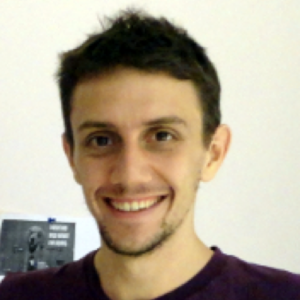
Brian McFee is an Assistant Professor of Music Technology and Data Science at New York University's Music and Performing Arts Professions school. He specializes in machine learning applications for music and multimedia data, with particular focus on structure analysis and audio processing. Director of Graduate Studies, MS Researcher at Center for Data Science Research interests: McFee pioneers methods in music information retrieval, recommender systems, and multimedia signal processing. His recent work explores event-based metrics for music structure, hierarchical embedding learning, and sound event detection technologies. Key awards: ISMIR Best oral presentation and best poster presentation awards (2014) Academic contributions: McFee has advised multiple students including Qingyang (Tom) Xi (Music Technology) and Elena Georgieva (Data Science). His research spans both theoretical developments and practical software implementations like resampy and librosa libraries.
Sanjeetha PENNADA is a researcher active in civil engineering and structural inspection technologies, focusing on concrete damage detection through advanced imaging methods. Her work combines computer vision and machine learning with structural engineering challenges. Research Focus: Development of adaptive lighting systems for crack/spalling detection, pixel-level segmentation algorithms, and 3D reconstruction techniques for concrete structures. Recent Publications: 2025: Crack segmentation using directional lighting 2024: Spalling measurement with photometric stereo/YOLOv8 Collaboration Network: Works with Perry, McAlorum, Lunn, and Pytharouli on infrastructure monitoring systems.
Adriana Birlutiu is a Lecturer in the Computer Science Department at 1 December 1918 University of Alba Iulia , Romania. Her expertise lies in machine learning, computer vision, bioinformatics, and transfer learning, with a recent focus on porcelain-industry optimisation. Education Ph.D., Radboud University Nijmegen, Netherlands (2011) M.Sc., Babeș-Bolyai University of Cluj-Napoca & University of Lorraine (Erasmus), 2005 B.Sc., Babeș-Bolyai University of Cluj-Napoca, 2004 Research Interests Adriana's research spans machine learning , deep learning , computer vision , and bioinformatics . She has contributed to preference learning, domain adaptation, protein–protein interaction prediction, and automated quality control in porcelain manufacturing. Her recent projects integrate deep neural networks with industrial computer-vision systems to detect defects and recognise characters on ceramic surfaces. Publication Trends Across 15 recent publications (2010-2019), Adriana has consistently explored transfer learning , multi-task learning , and Bayesian methods . Articles cluster around two major axes: biomedical applications (protein networks, cancer relapse prediction, respiratory-motion modelling for radiotherapy) and industrial AI (porcelain defect detection, character recognition). The work shows a clear evolution from theoretical machine-learning foundations to practical, domain-specific implementations. Grants & Projects SIVAP (2016-2018): Intelligent ML & computer-vision system for porcelain manufacturing optimisation, UEFISCDI PN-III-P2-2.1-BG-2016-0333. CMRCC (2017-2018): Computational Models for Reproducing Ceramics Colors, UEFISCDI PN-III-P2-2.1-PED-2016-1835. Student Supervision & Mentoring Adriana has supervised more than 25 undergraduate and master’s theses. Her students have won multiple awards at national conferences such as In-Extenso and SCCSS-IEECC , covering topics from automated defect detection to web applications for academic scheduling. Teaching Responsibilities She teaches courses including Machine Learning , Mathematical Software , Fundamental Algorithms , Object-Oriented Databases , and Modelling and Simulation at both undergraduate and master levels.
Gertie Janneke Oostingh is University Professor of Biomedical Analytics and heads the Department of Health Sciences at Salzburg University of Applied Sciences (Fachhochschule Salzburg) , Austria. She additionally serves as Head of Research for the same department and directs the Biomedical Analytics bachelor programme, driving strategic research initiatives and academic development in health sciences. Educational background: Doctorate (Dr.) – field not explicitly stated, but context points to biomedical/immunological sciences Habilitation (Priv.-Doz.) – attesting to advanced research and teaching qualifications Research interests span biomedical analytics, immunology, nanotoxicology, allergy diagnostics, AI-driven biomedical imaging, natural product pharmacology, and oxidative-stress-related diseases . Her work interfaces cutting-edge laboratory analytics with translational research aimed at improving diagnostics and therapy for immune-mediated and chronic diseases. Recent publication trends (2023-2025) reveal a strong emphasis on natural antioxidant compounds from European tree bark , SARS-CoV-2 immune responses and hormonal correlates , HPV health literacy interventions , and AI-enhanced imaging technologies . These studies collectively bridge molecular mechanisms, clinical outcomes, and public health applications. Scientific awards received: MSD-Förderpreis 2022 MSD HPV Förderpreis 2023 (shared with M. Meikl) OIS zam: Preis 2023 (shared with M. Meikl) Ludwig Boltzmann Society Teaching Award 2012 Sir Roy Calne Award 2001 She currently leads or co-leads six major funded projects , including REVELATION (AI-driven imaging), DIAG_NOSE (saliva/nasal fluid allergy tests), DigiCare Innovation , UnlockHealth , FT-MB (medical biology transfer), and DM2CUA (diabetes app). These initiatives involve interdisciplinary teams of post-docs, PhD students, and industry partners, though specific advisee names are not listed in the provided text. Laboratory & teams: Professor Oostingh oversees the Biomedical Analytics Research Group within the Department of Health Sciences, equipped with state-of-the-art facilities for cellular and molecular analytics, nanomaterial testing, and AI-supported imaging workflows.
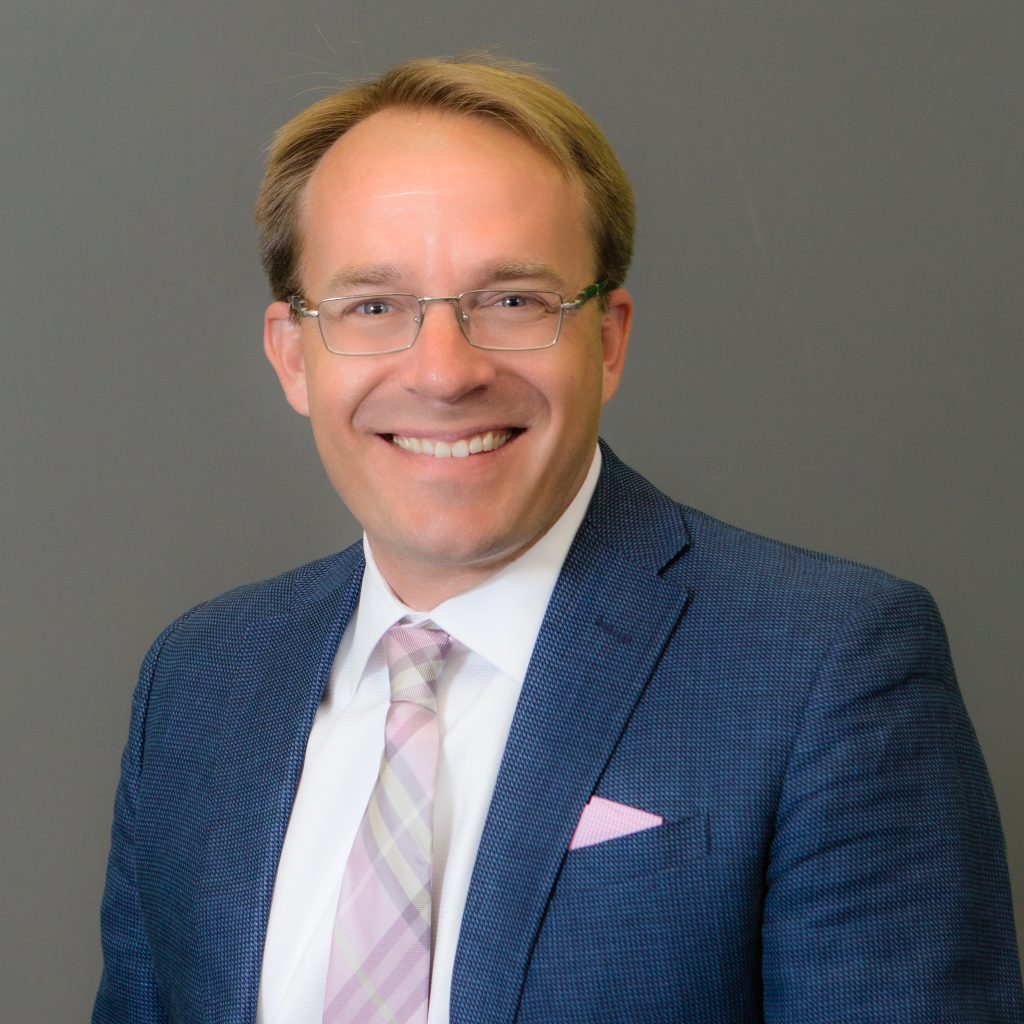
Christian T. Lundblad is the Richard Levin Distinguished Professor of Finance and Senior Associate Dean for Faculty and Research at the University of North Carolina’s Kenan-Flagler Business School. He holds a courtesy appointment as Special-Term Professor at Tsinghua University’s People’s Bank of China School of Finance. His expertise spans empirical asset pricing, investment management, private capital, insurance, and international finance with a focus on emerging markets. Education : PhD and MA in Economics from Duke University; BA in Economics and English Literature (highest honors) from Washington University in St. Louis His research examines financial markets, emerging market development, and institutional investing. Recent work focuses on cyberattack impacts on municipal finance, ESG policies, hedge fund performance, and risk-on/risk-off sentiment metrics. Publications appear in top journals like the Journal of Finance and Journal of Financial Economics . His articles reveal trends in: Cybersecurity risk quantification in public finance Systemic risks from insurer investment activities Behavioral finance and investor sentiment modeling Real asset inflation hedging mechanisms Private fund risk-adjusted performance Municipal market structural reforms Scientific accolades include: Weatherspoon Award for Excellence in Research Roy W. Holsten Award for Outstanding Service MBA Teaching Excellence Awards He previously served as Associate Editor for the Journal of Finance and Financial Management , and as a financial economist at the Federal Reserve Board.
Mojtaba Hosseini is an Assistant Professor in the Tippie College of Business at the University of Iowa . His research focuses on Business Analytics , with a strong emphasis on Operations Research , Optimization , and Logistics applications. He contributes to both theoretical advancements in optimization algorithms and practical solutions for urban logistics and market design problems. Recent research trends include: Developing sustainable hub location models under uncertainty for logistics networks Applying Nash-bargaining frameworks to matching markets and resource allocation Designing Benders decomposition techniques for computational efficiency Exploring underground freight transportation for smart city applications While no formal awards or student advising information are currently listed, his work demonstrates a commitment to solving complex problems in supply chain analytics and decision science through rigorous mathematical modeling.
Guan Xu, PhD (Assistant Professor at University of Michigan Medical School), holds dual appointments in the Department of Ophthalmology and Visual Sciences and Biomedical Engineering. His expertise lies in biomedical imaging technologies, particularly photoacoustic imaging and biomechanical analysis for disease diagnosis. Predoctoral Award: Congressionally Directed Medical Research Programs Postdoctoral Fellowship: American Heart Association Career Development Award: American Gastroenterology Association Senior Research Award: Crohn’s and Colitis Foundation R37 MERIT Award: National Cancer Institute Dr. Xu's research focuses on advancing photoacoustic imaging for clinical applications, including: Ocular tumor diagnosis and heterogeneity measurement Glaucoma-related biomechanical analysis of aqueous veins and sclera Prostate cancer aggressiveness assessment via endoscopic probes Inflammatory arthritis evaluation using LED-based systems Intestinal fibrosis quantification through spectroscopic imaging Biomechanical modeling for disease progression His 2024-2025 publications highlight advancements in: Multi-modal imaging platforms for clinical translation Deep learning integration in 3D ultrasound/photoacoustic analysis Bioengineering of ocular tissue models Spectral analysis for cancer grading Biomechanical markers in inflammatory diseases Finite element analysis of ocular structures Dr. Xu leads the Biomedical Imaging and Biomechanics Lab at Kellogg Eye Center, focusing on: Developing novel imaging systems for disease characterization Quantifying tissue deformation under mechanical variables Creating translational tools for real-time clinical diagnostics Collaborating across disciplines for technology validation
Dr. Andreas Schäfer is a researcher at the Geophysical Institute (GPI) of Karlsruhe Institute of Technology (KIT), specializing in natural hazard risk assessment and disaster forensics. He leads research on tsunami, earthquake, and flood risks through the CEDIM Forensic Disaster Analysis Group, producing rapid-impact reports for global events like the 2023 Türkiye earthquakes and 2025 Pacific tsunamis. Research Focus: Schäfer's work integrates geophysics, machine learning, and multi-disciplinary analysis to address: Tsunami generation mechanisms and coastal risk modeling Earthquake engineering and forecasting using statistical and computational methods Climate-extreme impacts on flood and heatwave vulnerabilities Real-time disaster forensics for policy-relevant risk reduction Publication Trends: His recent articles demonstrate a focus on forensic disaster analysis, climate-related hazard amplification, and machine learning applications in geophysics. Collaborative works frequently appear in multi-disciplinary journals like Natural Hazards and Earth System Sciences . Academic Engagement: Teaches courses in seismological signal processing, seismic wave theory, and engineering geophysics at KIT. No named students or awards are documented in available materials. Affiliations: Core member of CEDIM Forensic Disaster Analysis Group, conducting rapid damage assessments for global disasters since at least 2017.
Nicholas Charles Coops is a Professor and Department Head of Forest Resources Management at the University of British Columbia's Faculty of Forestry. He holds the UBC Chair in Forest Management and serves as Director of the Masters for Geomatics for Environmental Management program, while co-directing the Master of Sustainable Forest Management. Integrated Remote Sensing Studio (IRSS) Founder Canadian Forest Service Collaborator Developer of 3PGS and CAN-TG forest growth models Research Interests focus on: Linking vegetation pigments/structure to remote sensing data LiDAR applications for forest height and DEM modeling Dynamic Habitat Index (DHI) for biomass distribution analysis Machine learning for forest inventory and biodiversity monitoring Climate change impacts on boreal and temperate forests UAV-based phenotyping for forest management Recent Publications demonstrate expertise in LiDAR integration, satellite-based forest monitoring, and ecological modeling across diverse scales from individual trees to national datasets. Scientific Awards include: Seven consecutive Highly Cited Researcher designations (2019-2024) Canada Research Chair in Remote Sensing Royal Society of Canada Fellowship (2022) Marcus Wallenberg Prize (2020) UBC Killam Research Prize (2020) Canadian Remote Sensing Society Gold Medal (2020) Integrated Remote Sensing Studio leads collaborative projects with government agencies, industry partners, and international institutions to advance remote sensing applications in forestry, biodiversity conservation, and climate change mitigation.
Gerd Brunner serves as Associate Professor in both the Department of Medicine (Division of Cardiology) and Department of Cell and Biological Systems, focusing on advanced cardiovascular imaging research. His work bridges clinical cardiology with biomedical engineering through innovative MRI applications. His primary research interests include: Peripheral arterial disease pathophysiology and diagnostics Dynamic contrast-enhanced magnetic resonance imaging (DCE-MRI) techniques Skeletal muscle perfusion quantification in vascular disease Machine learning integration for medical image analysis Diabetic ulcer microvascular assessment Cardiovascular biomarker development Recent publications demonstrate a clear evolution toward AI-enhanced imaging, with 2023-2025 works heavily featuring convolutional neural networks, texture analysis, and quantitative mapping techniques. This shift reflects strategic adaptation to computational advances in vascular diagnostics, particularly for peripheral artery disease assessment where traditional metrics show limitations. Dr. Brunner has secured significant NIH funding through the National Heart, Lung, and Blood Institute: Microvascular Perfusion Assessment of Ischemic Diabetic Ulcers Using MRI (2015-2020): Developed MRI protocols for perfusion quantification in diabetic foot complications Magnetic Resonance Imaging Based Calf Muscle Perfusion Assessment (2017-2018): Established DCE-MRI methodologies for symptomatic peripheral artery disease evaluation His collaborative network spans vascular surgery, endocrinology, and biomedical engineering, with research directly contributing to UN Sustainable Development Goal 3 (Good Health and Well-being) through improved cardiovascular diagnostics.
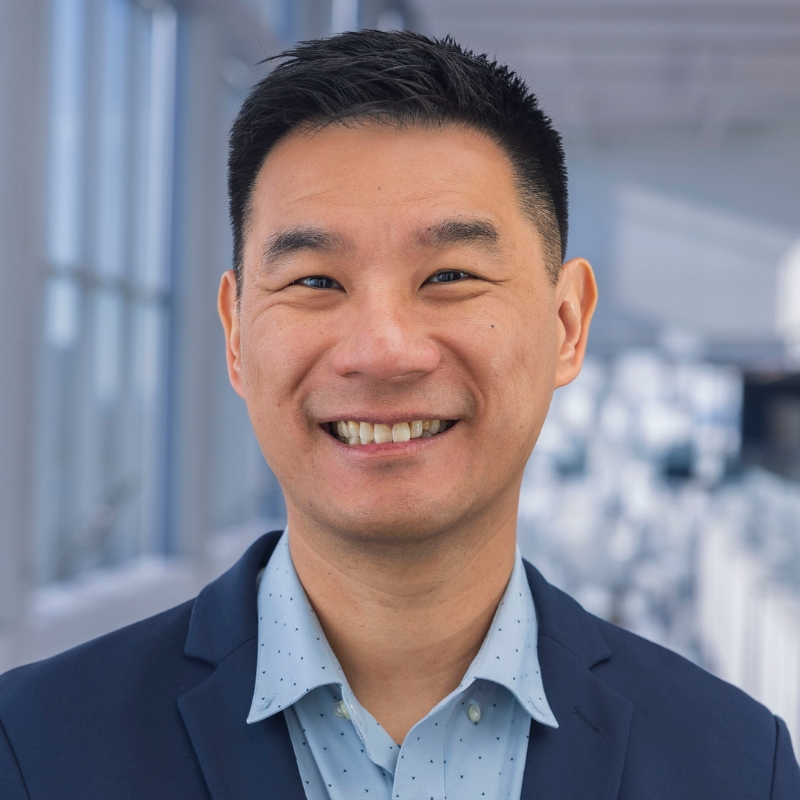
Jui-Kai Wang (Ray) is an Assistant Professor in the Department of Ophthalmology at UT Southwestern, joining in 2024. His research focuses on ophthalmic image analysis using machine learning and deep learning techniques across modalities like OCT, OCTA, LSFG, and color fundus photography. PhD in Electrical and Computer Engineering (2016), The University of Iowa MS in Computer and Communication Engineering, National Cheng Kung University BS in Electronic Engineering, Southern Taiwan University of Science and Technology Research spans ocular disease diagnosis , neurodegenerative imaging , and radiation therapy effects , leveraging multimodal imaging and advanced analytics. Recent work includes OCT layer segmentation, papilledema classification, and vascular biomarker discovery. Scientific contributions recognized through the Xtreme Research Award (Heidelberg Engineering, 2021) and ARVO travel grant (2019). Collaborative projects include NIH-funded research on glaucoma and radiation-induced vision loss.
Dr. Thomas Wilkes is a Lecturer in Volcanology at the School of Geography and Planning, University of Sheffield. He specializes in low-cost remote sensing technologies and machine learning applications for volcanic monitoring. His research has been instrumental in developing the PyCamPermanent software library for SO 2 camera systems, widely used by researchers globally. Education: MSci in Environmental Geoscience, University of Bristol (2014) PhD in Volcanology, University of Sheffield (2015-2018) Research Interests focus on: Volcanology and volcanic degassing Development of low-cost remote sensing instruments Machine learning for volcanic plume analysis Optical design and Python-based software engineering Applications of smartphone sensors in volcanic monitoring Recent Publications highlight advancements in permanent SO 2 camera installations, deep learning for plume segmentation, and low-cost UV spectrometers. His work bridges geoscience and engineering, emphasizing accessible technology for global volcanic surveillance. Scientific Awards: Leverhulme Early Career Fellowship Teaching: Dr. Wilkes contributes to course delivery in Applied Volcanology and other modules at the University of Sheffield, integrating fieldwork and lab-based instruction.
Ti Bai, Ph.D., is a Medical Physics Resident PGY-2 at UT Southwestern Medical Center , affiliated with the Department of Radiation Oncology and its Medical Artificial Intelligence and Automation (MAIA) Lab . He previously served as a postdoctoral researcher (2019–2021) and was promoted to Lecturer in 2021. Dr. Bai’s research focuses on low-dose X-ray CT imaging , medical image analysis , and deep learning algorithms for healthcare applications. His work bridges artificial intelligence and radiation oncology to improve clinical workflows and treatment accuracy. Key publication trends include advancements in CT image denoising , automated segmentation , and real-time tumor localization . His 2023–2022 articles highlight self-supervised learning , multi-spectral CT enhancement , and AI-driven contour editing for radiotherapy. Dr. Bai earned his Ph.D. at Xi'an Jiaotong University (2017), specializing in low-dose CT reconstruction , followed by two years at Baidu Research 's Institute of Deep Learning (2017–2019).
Claudio Vinegoni is an Assistant Professor of Radiology at Harvard Medical School and Massachusetts General Hospital, with over three decades of expertise in optical imaging modalities and biomedical data analysis. His research focuses on system-level biological interactions in disease states like cancer and cardiovascular disorders, combining advanced microscopy with machine learning techniques. His lab develops novel optical imaging systems for in vivo and ex vivo applications, including fluorescence anisotropy , two-photon microscopy , and tensor imaging for whole-organ analysis. Recent work emphasizes deep learning integration with fluorescence data processing. Publications span Nature and Science journals, covering Drug-target engagement quantification Cardiac microstructure visualization High-resolution atherosclerosis imaging GAN-based microscopy enhancement His academic background includes a PhD and MS in Physics from University of Geneva and Universita di Trento, with thesis work on Raman spectroscopy and telecom fiber metrology.
Ismini Lourentzou is an Assistant Professor at the University of Illinois Urbana-Champaign's School of Information Sciences, leading the Perception and LANguage (PLAN) Lab. Her research focuses on multimodal machine learning, vision-language models, and human-centric embodied AI systems. School of Information Sciences, University of Illinois Urbana-Champaign Former Assistant Professor, Virginia Tech Department of Computer Science (2021-2023) Research Interests: Multimodal learning with limited supervision Interactive AI agents and human-agent communication Vision-language navigation and task-driven conversational systems Self-supervised learning and grounding vision-language models Applications in healthcare, misinformation detection, and manufacturing Scientific Contributions: Recipient of DARPA, NSF, and Amazon funding Developed frameworks for vision-language co-segmentation and embodied navigation Keynote speaker at ACM PETRA 2022 on supervision signals in healthcare AI Awards & Recognitions: Best Vice Co-Chair at IEEE BigData 2023 Outstanding New Assistant Professor at Virginia Tech IBM Invention Plateau Award (2019)