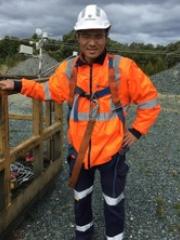
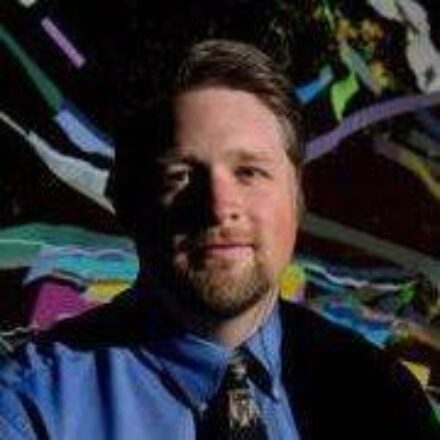
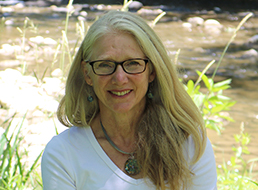
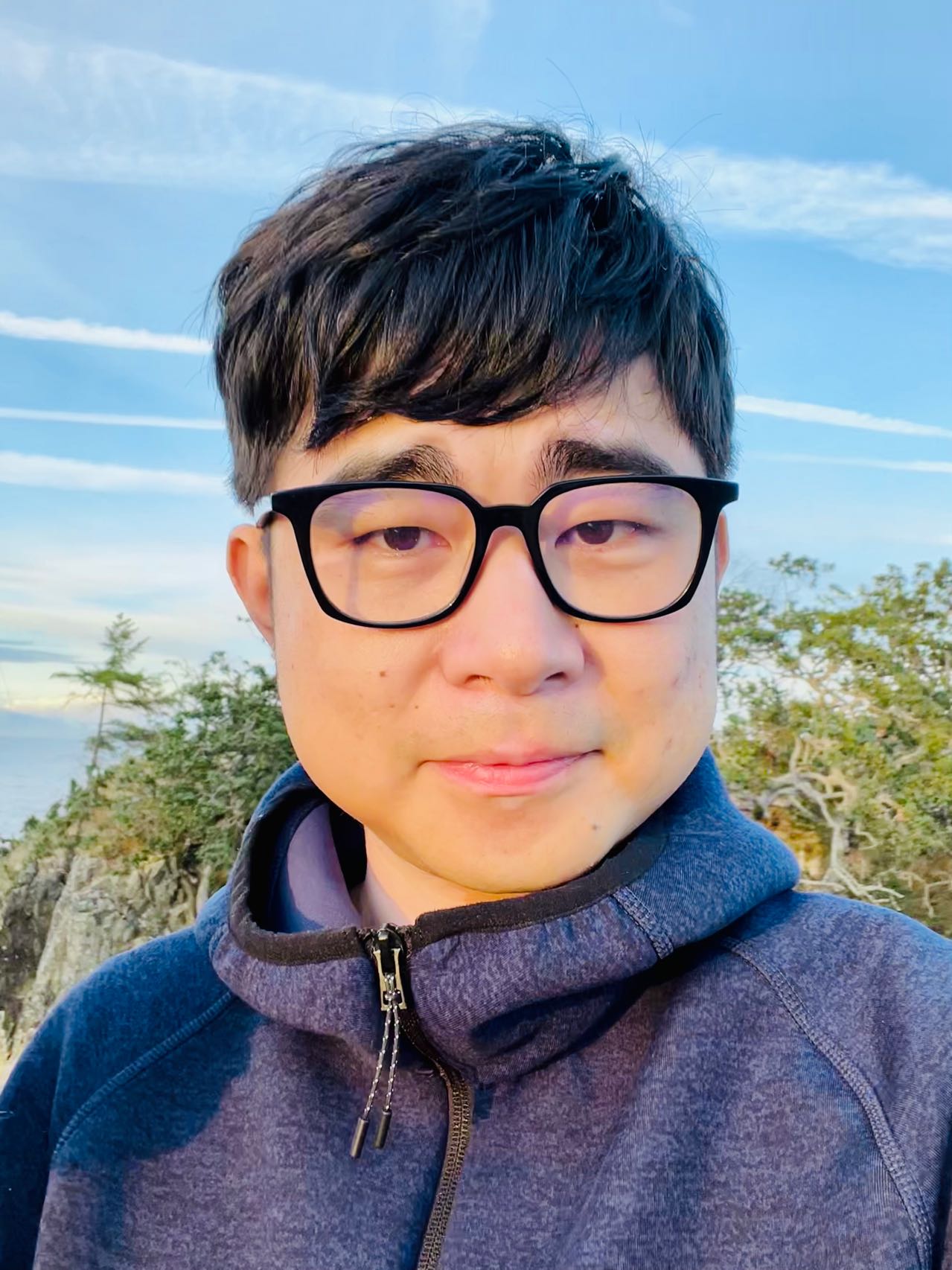
Dr. Chenming Zhang is an Advanced Queensland Industry Research Fellow at the School of Civil Engineering, The University of Queensland. His research focuses on hydrological processes in coastal and terrestrial groundwater systems, with particular emphasis on evaporation-driven mass and heat transport in soils and tailings, and hydrogeochemical dynamics in aquifers and mine waste systems. Specializes in IoT-based environmental monitoring Develops numerical models for coastal aquifer dynamics Conducts field and laboratory experiments on tailings behavior Research interests span coastal hydrology, groundwater modeling, mine waste management, and environmental monitoring. He works on contamination transport, aquifer protection, and climate impacts on water systems. Recent publications analyze: Iron curtain formation in subterranean estuaries Sea water intrusion mechanisms Salinity dynamics in tidal wetlands Smart sewer monitoring systems Scientific awards include the prestigious Advanced Queensland Industry Research Fellowship. He supervises multiple PhD projects on mine waste hydrology and coastal aquifer management, with notable collaboration on: Evolution Mining's gold tailings projects ARC Discovery Projects on coastal processes Grange Resources' PAF cell instrumentation His work combines field measurements, laboratory testing, and computational modeling to address critical environmental challenges in mining and coastal zones.
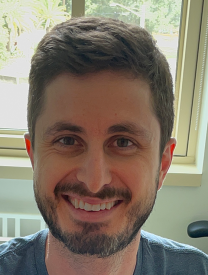
Juha Järvelä is a Staff Scientist at the Department of Built Environment , Aalto University, and a member of the Aalto Environmental Hydraulics Lab . His research focuses on environmental hydraulics, particularly on Hydraulics of environmental channels Modeling of vegetated flows Environmentally sound hydraulic engineering Järvelä's research spans fluid dynamics in river systems, with an emphasis on vegetation-flow-sediment interactions. Key areas include flow resistance in flexible and rigid vegetation, hydrodynamic modeling of floodplains, and nature-based solutions for water management. His recent publications investigate Blockage effects of woody vegetation Longitudinal dispersion in patchy vegetation Two-stage channel performance in agricultural settings Hydrodynamic characterization of natural-like plants Järvelä has received notable scientific recognition, including 2014 : Outstanding Reviewer Award from the American Geophysical Union for Water Resources Research 2005 : Doctoral Dissertation Award from the Oskari Vilamo Foundation Contact: juha.jarvela@aalto.fi | Phone: +358505626727 | Postal: Tietotie 1 E, 02150 Espoo, Finland
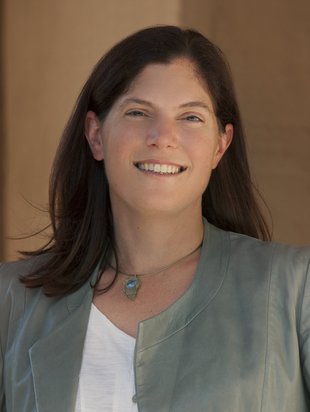
Jon Hawkings is an Assistant Professor in the Department of Earth and Environmental Science at the University of Pennsylvania School of Arts & Sciences. His research focuses on biogeochemical cycles in glacial environments, particularly the role of glacial meltwater in downstream ecosystems and coastal oceans. He investigates processes such as subglacial weathering, nutrient mobilization, and contaminant transport, with fieldwork conducted in the Arctic, Patagonia, Himalayas, and Antarctica. Education: PhD in Biogeochemistry (University of Bristol, 2015); MSci in Physical Geography (University of Bristol, 2009). Research Interests: Aqueous biogeochemistry and elemental cycles Chemical weathering and mineral dissolution Contaminant transport (e.g., mercury, arsenic) Glaciology and ice sheet dynamics Environmental impacts of glacial meltwater He collaborates on projects such as the Salsa-Antarctica subglacial lake drilling initiative. His work integrates field observations, electrochemical sensing, and lab analyses to address pressing questions in cryosphere science. Awards: None explicitly listed, but active in professional societies like the American Geophysical Union. Advising/Grants: No student advisees listed; funding sources include grants for fieldwork and analytical studies in glacial systems. Labs/Teams: Leads field research groups in remote polar and mountainous regions, emphasizing interdisciplinary collaborations between geochemistry, glaciology, and environmental science.
Ana Paula Da Silva is a Research Fellow at the University of Sydney's Faculty of Science, specializing in coastal oceanography and eco-morphodynamics. Her work focuses on wave climate changes, sediment transport dynamics, coastal adaptation strategies, and Arctic coastal processes. She holds a Ph.D. from Griffith University (Australia) and conducted postdoctoral research at the University of Quebec (Canada), studying High Arctic coastal erosion. Currently, she investigates the Great Barrier Reef's eco-morphodynamics and projected coastal changes through 2100. Education Ph.D. in Coastal Oceanography, Griffith University, Australia (Focus: Fingal Headland sediment bypassing) MSc in Coastal Dynamics, UFSC, Brazil Bachelor (Hons) in Oceanography, UFSC, Brazil Research Interests Ana's research bridges climate science and coastal management, emphasizing: Climate-driven changes in wave regimes and sediment transport Headland bypassing mechanisms and coastal connectivity Arctic coastal morphodynamics impacted by glacier retreat Long-term coastal vulnerability assessments Media Engagement She has participated in science communications through: ABC Radio interviews (2021) explaining Fingal Head sand bypassing impacts Conversation article (2020) on disappearing Australian beaches Lab/Affiliation Affiliated with Sydney Southeast Asia Centre, contributing to interdisciplinary coastal research initiatives.
Mark Abbott is a Professor at the University of Pittsburgh, specializing in paleoclimatology and environmental science. He holds a PhD from the University of Minnesota (1997) and conducted postdoctoral research at the University of Massachusetts. His research integrates stratigraphy, geochemistry, and isotopic analysis to study climate change impacts on human societies and environmental systems. Abbott leads projects recovering lake sediment cores to document Holocene climate variability, focusing on annual-resolution records for temperature and drought reconstructions. He has authored over 50 peer-reviewed articles, with recent work emphasizing monsoon dynamics, Arctic mercury deposition, and tropical Andean glacial retreat. His fieldwork spans North America, South America, and Asia, including collaborative projects in Alaska, Peru, and India. Education: PhD in Geology (Minnesota, 1997), MS (Colorado, 1991), BA in Biology (Colorado, 1987) Postdoctoral Training: Climate System Research Center (UMass) Research interests include reconstructing past environmental changes via lacustrine archives, with emphasis on human-environment interactions. His lab analyzes stable isotopes, organic biomarkers, and sedimentology to address critical climate questions. Recent studies highlight climate-vegetation-fire linkages in the Pacific Northwest and Holocene lake-level changes in Canada/Yunnan. Recent articles focus on decadal-to-millennial climate shifts in mountain regions, Arctic permafrost dynamics, and anthropogenic impacts on lake ecosystems. Abbott’s work is supported by grants from NOAA and the NSF, with field sites in the Canadian Rockies, Himalayas, and Alaskan Arctic.
Alex Liu is a Researcher at the Department of Earth Sciences within the University of Cambridge. He specializes in palaeobiology , focusing on the origin and early evolution of animals, particularly the Ediacaran biota (~579–539 million years ago), and their co-evolution with Earth's environment. Research Focus: Refines understanding of animal body plan evolution, taphonomy, sedimentology, and macroevolutionary trends. Methodologies: Combines fieldwork, experimental studies, petrology, phylogenetics, and big-data analyses. Collaborations: Works with international museums and research teams on fossil sites in Namibia, Canada, and Brazil. Additional Interests: Explores meiofaunal evolution, paleogeography, paleoclimate, and conservation paleobiology. He supervises Cambridge NERC Doctoral Landscape Awards (DLA) projects and welcomes student contributions to taxonomic, paleoecological, and analytical studies.
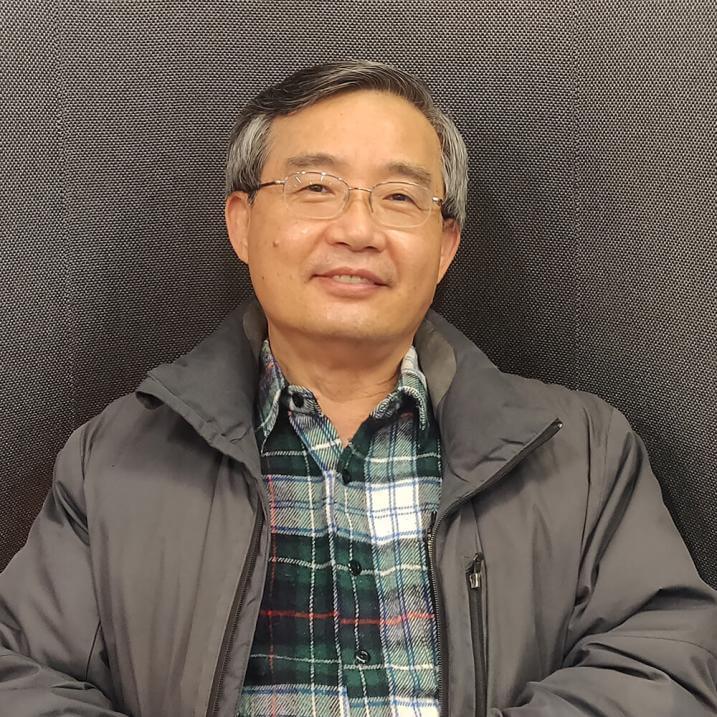
Professor Byung S. Lee is a distinguished faculty member in the Department of Computer Science at the University of Vermont's College of Engineering and Mathematical Sciences. He joined UVM in 1999 and continues to be actively engaged in teaching, research, and service. His office is located in Innovation Hall at the Burlington campus, where he maintains regular office hours and oversees his research lab. Professor Lee holds a Ph.D. from Stanford University, an MS from Korea Advanced Institute of Science and Technology, and a BS from Seoul National University. His educational background provided the foundation for his extensive career in computer science research and education. Professor Lee's research spans multiple domains within computer science, with a particular focus on database systems, data mining, and data science. His work increasingly integrates machine learning techniques with traditional database approaches, especially in the analysis of time series data. He has made significant contributions to graph theory applications, anomaly detection methods, and environmental data analysis. His research often bridges computer science with practical applications in healthcare, environmental science, transportation, and astrophysics through interdisciplinary collaborations. An analysis of his recent publications reveals a strong trend toward time series analysis and anomaly detection, particularly applied to environmental monitoring and healthcare data. His work demonstrates a consistent evolution from foundational database research to more applied machine learning approaches, with increasing emphasis on real-world problem solving across multiple scientific domains. Professor Lee has served as primary advisor for numerous graduate students across multiple cohorts, including PhD candidates, Master's students, and postdoctoral researchers. His advising portfolio reflects the breadth of his research interests, with students working on topics ranging from graph neural networks to medical informatics applications. He has also been actively involved in professional service, serving on program committees for major conferences including SAC, PAKDD, DASFAA, and CIKM. Professor Lee leads a vibrant research laboratory that focuses on cutting-edge data science methodologies and their applications. His team collaborates extensively with researchers in environmental science, hydrology, and healthcare, demonstrating the interdisciplinary nature of modern data science research. The lab maintains active projects in time series analysis, graph analytics, and environmental monitoring systems, often working with large-scale datasets from real-world applications.
James Rothwell is a Professor of Physical Geography at The University of Manchester, specializing in environmental pollution and hydrology. He leads the MSc in Green Infrastructure and has held senior academic roles including Deputy Head of Geography and Co-Director of the Manchester Environmental Research Institute. His research focuses on urban challenges, microplastics, and peatland ecosystems, supported by over £15M in grants from NERC, EU, and others. He has supervised 8 PhD students and teaches courses on pollution, hydrology, and sustainable cities. Education: PhD (2006) and BSc (2002) in Geography from The University of Manchester. Professional roles include Lecturer (2008-2014), Senior Lecturer (2014-2017), Reader (2017-2019), and current Professorship since 2019. Research interests include green infrastructure for urban flooding, microplastic transport, and heavy metal dynamics in peatlands. Major projects include EU-funded GrowGreen (€11M+) and UK-based flood management initiatives. Over 50 peer-reviewed articles address environmental challenges in cities, peatlands, and global ecosystems. Grants highlight interdisciplinary work across continents, with notable projects like the Manchester Sky Garden Challenge (2024) and studies on peatland restoration. Media coverage includes high-profile reports on UK microplastic pollution in rivers. Teaching spans undergraduate to postgraduate levels, integrating research into courses like Environmental Pollution and Green Infrastructure Planning. Administrative roles include leading admissions and undergraduate programs in Geography.
Victoria J. Orphan is the James Irvine Professor of Environmental Science and Geobiology at Caltech, where she directs the Center for Environmental Microbial Interactions. Her research investigates microbial processes in anaerobic ecosystems including deep-sea methane seeps, hydrothermal vents, and coastal sediments using interdisciplinary approaches combining molecular biology, stable isotope techniques, and geochemistry. Her laboratory focuses on: Microbial partnerships in methane cycling Ecophysiology of uncultured archaea and bacteria Viral ecology in marine environments Biogeochemical impacts of microbial communities Blue carbon sequestration in seagrass ecosystems Professor Orphan has developed innovative methods including BONCAT-FISH and nanoSIMS for studying microbial activity in environmental samples. Her research group maintains active field programs in Monterey Canyon and hydrothermal vent systems, and develops high-pressure incubation systems for studying deep-sea microbes. She teaches courses on microbial ecology and evolution, and mentors graduate students through the Geobiology and Environmental Science programs.
Eric Roberts is a Professor of Geology and Geological Engineering and Director of the Potential Gas Agency at the Colorado School of Mines. His research focuses on basin analysis, energy exploration, and sedimentary geology with specializations in Mesozoic-Cenozoic basins of Gondwana and North America. He leads projects in U-Pb geochronology, critical minerals exploration, and paleoenvironmental reconstruction through vertebrate paleontology and stratigraphy studies. Roberts' work integrates advanced geochronological techniques with field-based analyses to address questions in paleobiology, resource exploration, and earth system dynamics. Key research themes include: Geochronology of sedimentary and volcanic deposits Paleoclimate reconstruction using paleosols Stratigraphic frameworks for dinosaur fossil records Resource potential of helium/hydrogen reserves Antarctic and African vertebrate paleontology His exploration of hominin burial practices in the Rising Star Cave System has provided critical insights into early human behavior. Roberts' interdisciplinary approach bridges geological, biological, and environmental sciences to advance understanding of Earth's history and resource management strategies.
John Shaw is the Harry C. Dudley Professor of Structural and Economic Geology and a Professor of Environmental Science and Engineering at Harvard University's School of Engineering and Applied Sciences. He also serves as Vice Provost for Research at Harvard, overseeing institutional research strategy and initiatives. His primary research focuses on structural geology, geophysics, and earthquake hazards, particularly in active fault systems, mountain belt tectonics, and subsurface energy development. Prof. Shaw leads the Structural Geology & Earth Resources Program, an industry-academic consortium that integrates geophysical data (3D seismic surveys, remote sensing) with advanced numerical modeling to address geological and environmental challenges. Education and professional experience: Joined Harvard Faculty in 1997. His research portfolio includes collaborations with the Southern California Earthquake Center (SCEC) and the development of critical infrastructure like the SCEC Unified Community Velocity Model (UCVM). His work emphasizes practical applications such as fault stability assessments and carbon sequestration impact studies. Research interests span: 1) active fault characterization for seismic hazard mitigation, 2) tectonic evolution of mountain belts, 3) numerical modeling of fault dynamics, and 4) geomechanical impacts of subsurface energy projects. His structural modeling innovations have advanced understanding of thrust fault systems and fault-bend folding mechanisms. Professional contributions include leadership roles in interdisciplinary consortia and development of open-source geophysical software frameworks. Administrative duties at Harvard's Office of the Vice Provost for Research (VPR) focus on advancing institutional research capacity and fostering cross-disciplinary collaborations.
Katrina Eyvindson is an Associate Professor and Department Chair in the Department of Geography and Environment at Western University. Her research focuses on paleolimnology, climate change, and water resource dynamics, with fieldwork in alpine, Arctic, and mountain lake systems. She uses lake sediment records to study long-term environmental changes and human impacts on water quality and quantity. Her research interests include determining historical drought patterns in the western U.S., Arctic environmental change over the Holocene, and water quality dynamics in the Canadian Rockies and Ontario. She teaches courses on paleolimnology and research design. Dr. Eyvindson has supervised numerous graduate students in topics like algal production in mountain lakes, diatom ecology, and fire frequency in the Uinta Mountains. Her publications address climate reconstruction, industrial pollution impacts, and environmental responses to human activity.
Darian Marie Totten is an Assistant Professor & Director of Classical Studies at McGill University's Department of History and Classical Studies. Her research focuses on Roman archaeology, environmental history, and the intersection of ancient and modern placemaking. She holds a PhD from Stanford University and specializes in Mediterranean regions from 2000 BCE to 600 CE. Education: PhD in Classics/Archaeology from Stanford University (thesis not specified). Research interests include Roman infrastructure, comparative imperial systems (e.g., Han China), urban resilience strategies, and the material culture of labor and exchange. She directs fieldwork at Salapia-Salpi in Apulia, Italy, exploring late antique urbanism and environmental adaptation. Her scholarship bridges archaeological material analysis with historical interpretation, emphasizing interdisciplinary approaches to ancient economies, landscapes, and cultural transitions. Recent work highlights cross-cultural comparisons between Rome and Han China, as well as the long-term dynamics of Mediterranean coastal settlements. Her publications consistently engage with methodological innovation in field archaeology, particularly in paleoenvironmental reconstruction and ceramic sourcing. She also critiques modern uses of Roman heritage in national identity formation, reflecting a commitment to critical archaeology. Current projects include ongoing excavations at Salapia, analysis of Apulian salt production networks, and investigations into late antique glass trade routes. She teaches courses on classical archaeology (CLAS 240) and specialized topics (CLAS 349).
Bo Zhu is an Assistant Professor in the School of Interactive Computing at Georgia Institute of Technology. His research focuses on computational approaches for complex physical systems, including fluid dynamics, topology optimization, and robotics control. He holds a Ph.D. from Stanford University and completed postdoctoral research at MIT CSAIL. He has been recognized with the NSF Career Award (2022) and multiple best paper awards at SIGGRAPH conferences. Education: B.E.-M.S., Software Engineering, Shanghai Jiao Tong University Ph.D., Computer Science, Stanford University Postdoc, EECS, MIT Research Interests: Develops numerical algorithms and machine learning techniques to simulate fluidic systems, soft materials, and multi-scale phenomena. His work emphasizes vorticity preservation, real-time simulation, and physics-based AI integration. Key Contributions: Pioneered Particle Flow Map (PFM) methods for fluid simulation, developed open-source libraries like SimpleX and PFM Hub, and contributed to projects like Genesis physics engine. Over 50 peer-reviewed publications in top venues (SIGGRAPH, NeurIPS, IEEE TVCG). Awards: NSF Career Award (2022) Best Paper Honorable Mention (SIGGRAPH 2025) Best Paper Award (SIGGRAPH Asia 2024) Grants & Projects: Leads NSF-funded research on Physical AI Design, collaborating with Sandia National Labs on real-time CFD solvers. Active in open-source software development for computational physics and graphics.
Professor David J.A. Evans is a distinguished glacial geomorphologist at Durham University's Department of Geography. His research spans three interconnected themes at the interface of glacial geology and Quaternary science, focusing on palaeoglaciology and the reconstruction of former glaciers and ice sheets through time. With extensive field experience across the Arctic, North Atlantic, and Southern Hemisphere, he has contributed significantly to the understanding of glacial landscapes and processes globally. BA (Hons), St. David's University College, University of Wales, Lampeter, 1982 MSc, Memorial University of Newfoundland, Canada, 1984 PhD, University of Alberta, Canada, 1988 Professor Evans' research centers on glacial landsystems, glacial sedimentology, and Quaternary palaeoenvironments of glaciated basins. His work develops conceptual landsystems models for glacial process-form relationships, with field sites ranging from the Canadian High Arctic to mid-latitude mountains. He has pioneered research connecting subglacial process-form relationships to landform development models, particularly through his studies of active temperate glacier margins in Iceland. His sedimentological work has established a genetically framed classification scheme for tills and glacitectonites. Evans has contributed to major ice sheet reconstructions worldwide, including the British and Irish Ice Sheet (through the BRITICE-CHRONO project), Laurentide Ice Sheet, and Arctic Norway. His extensive publication record demonstrates consistent research activity with 15 recent articles focusing on ice sheet dynamics, glacial landform evolution, and Quaternary environmental reconstruction across multiple continents. These works reveal a strong emphasis on methodological innovation in mapping and analyzing glacial landscapes, with increasing integration of remote sensing and quantitative approaches to understand both contemporary glacier behavior and past ice sheet dynamics. Scientific Recognition: Busk Medal (Royal Geographical Society), 2017, for excellence and originality in the study of glacial landscapes and processes and empowering the next generation Professor Evans has collaborated extensively with international research teams on major projects including BRITICE-CHRONO and has contributed to engineering geology applications through technical guides for glaciated terrains. His work bridges pure academic research with practical applications in engineering geology and environmental management. He has supervised numerous field guides and edited influential publications in glacial geomorphology. His research involves extensive fieldwork in Iceland (particularly on the Vatnajökull ice cap), the British Isles, Canadian Arctic, and other glaciated regions, often using modern glacier systems as analogues for reconstructing past ice sheets. Evans has developed significant expertise in glacial landsystem mapping and interpretation, contributing to both academic understanding and practical engineering applications in glaciated terrains.