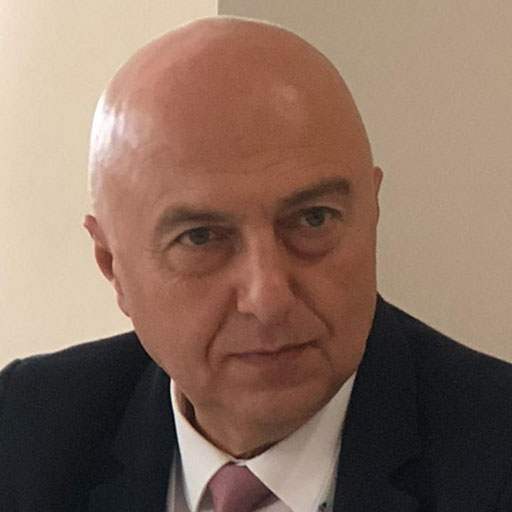
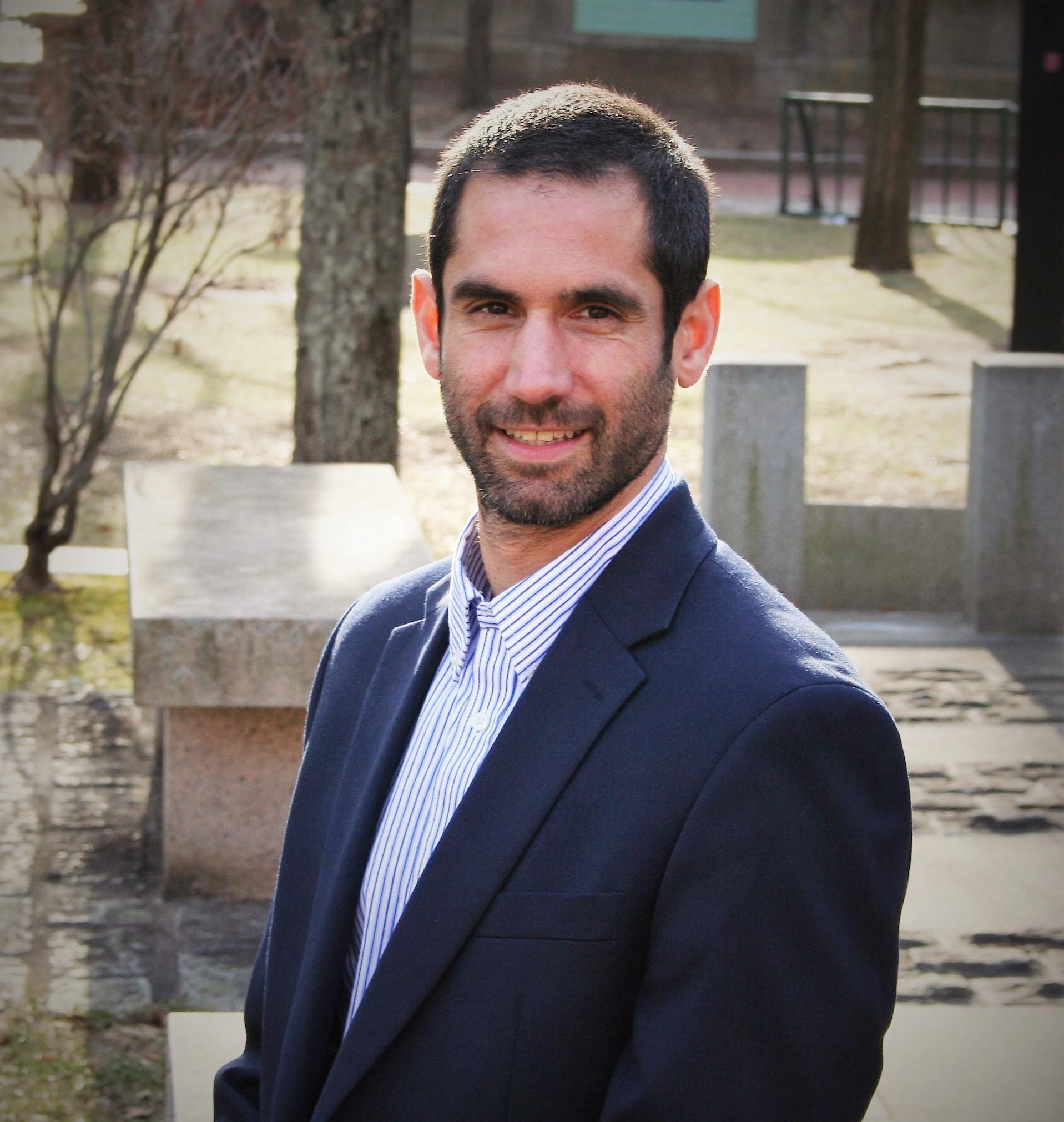
Matthew Louis Mauriello is an Assistant Professor in the Department of Computer and Information Sciences at the University of Delaware , where he directs the Sensify Lab . He holds a PhD in Computer Science from the University of Maryland (2018) and completed postdoctoral work at Stanford University (School of Medicine, 2020; School of Public Policy & Environmental Engineering Department, 2019). Research interests span Human-Computer Interaction (HCI), Ubiquitous Computing, and User-Centered Design with applications in: Sustainability Human-Building Interaction Wearable Technology Personal Informatics Educational Game Design Mental Health Interventions Recent publications highlight trends in stress monitoring (skin-like biosensors, workplace wellbeing), energy auditing (thermography systems), and educational technology (block-based programming tools for teachers). His work appears in ACM CHI, ACM Human-Computer Interaction, and Building and Environment. Scientific awards include: Best Paper Honorable Mention, CHI 2016 Best Paper Honorable Mention, CHI 2015 Best of WebSci'18 Teaching at University of Delaware encompasses courses like Educational Game Design Operating Systems Advanced Web Technologies Computing for Social Good with a focus on project-based learning and systems thinking.
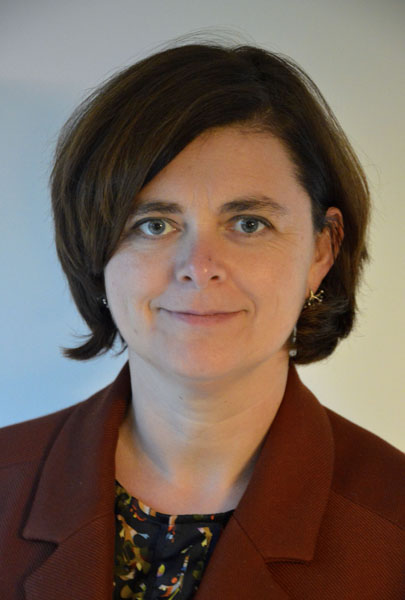
Melissa Coyle is a Senior Lecturer at the School of Sport, Exercise and Rehabilitation, Marjon University. She specializes in sport and exercise psychology, focusing on applications in sport science, coaching, physical education, outdoor education, and health and well-being. Her qualifications include HCPC registration as a sport and exercise psychologist, BASES chartered scientist, and BASES-accredited sport scientist (Psychology), alongside a PGCert, MSc, and BSc. Her research explores psychological factors in high-stakes environments, including military training, cancer patient exercise programs, and aging populations. Notable studies include a qualitative evaluation of an 8-week exercise referral program for cancer patients and an investigation into psychological factors in Royal Artillery Army Commando training. She has also examined motivations and barriers to indoor bowls participation among over-65s and mental health transitions in university students. Dr. Coyle has been awarded grants for studies like 'Psychological factors in Army Commando training' and 'Exercise adherence for cancer recovery.' Her publications span journals like Psychology of Sport and Exercise and conferences such as the Association of Applied Sport Psychology. She actively contributes to professional bodies like HCPC and BASES. Her teaching emphasizes practical applications of psychology in sports and health, complemented by research-driven insights. Beyond academia, she is an avid golfer and hill walker.
Rik Crutzen is a Full Professor at the Faculty of Health, Medicine and Life Sciences, Maastricht University, specializing in health promotion and digital interventions. His research focuses on leveraging technology to improve health behaviors across diverse populations, including adolescents, older adults, and immigrant communities. He leads projects in the CAPHRI research group for Promoting Health & Personalised Care. Research trends include: Digital health innovations (e.g., helplines, apps, algorithms) Chronic disease management (post-COVID-19, dementia risk) Health equity in immigrant populations (cervical cancer, maternal care) Behavioral interventions (physical activity, sleep, STI prevention) Systematic reviews and mixed-methods studies He has supervised 22 academic works and contributed to datasets on activity patterns and sleep-activity correlations. His work spans public health policy, health education, and technology integration.
Karin Allor Pfeiffer is a Professor in the Department of Kinesiology at Michigan State University (MSU) and Director of the Institute for the Study of Youth Sports. She holds additional membership in the Center for Physical Activity and Health. With a Ph.D. from MSU, her research focuses on physical activity measurement methodologies and population health interventions, particularly among children and adolescents. Her work addresses obesity prevention, environmental design impacts on activity levels, and sociocultural factors influencing youth sport participation. Education: Ph.D. in Kinesiology from Michigan State University Her research interests emphasize: - Quantitative methods for physical activity assessment - Schoolyard redesign strategies and their health impacts - Cardiometabolic risk factors in pediatric populations - Longitudinal tracking of physical fitness and health outcomes Recent work explores accelerometer fragmentation metrics, GPS-linked activity tracking, and disparities in sedentary behavior across demographic groups. She has pioneered interdisciplinary approaches integrating spatial analysis, wearable technology, and policy evaluation. Key contributions include developing the Observational System for Recording Physical Activity in Children and advancing consensus methods for accelerometer data interpretation. Her studies frequently highlight socioeconomic and environmental determinants of health behaviors. Dr. Pfeiffer collaborates with public health agencies and urban planners to translate research into actionable policies. Her lab focuses on scalable interventions for underserved communities, leveraging community-engaged methods to address greenspace accessibility and safety concerns.
Dr. Aslı Özen is an Associate Professor in the Faculty of Health Sciences at Final International University . Her academic focus lies in human nutrition, functional foods, and dietary behavior analysis. Doctoral Degree : Human Nutrition, Universitat de les Illes Balears (2012) Master's Degree : Food Engineering, Istanbul Technical University (2006) Bachelor's Degree : Food Engineering, Istanbul Technical University (2003) Her research explores functional food consumption, beverage hydration patterns, and dietary shifts influenced by global events like the COVID-19 pandemic , with cross-cultural studies comparing European and international populations. Her work emphasizes Mediterranean diet adherence and the structural properties of food products. Key publication trends focus on nutritional epidemiology , public health interventions , and food science applications , particularly in fermented dairy products and sustainable gastronomy tourism.
Rong Zheng is a Professor in the Department of Computing and Software and a member of the School of Biomedical Engineering at McMaster University, Canada. She holds a Tier-1 Canada Research Chair in Mobile Computing and serves as Acting Chair of the Computing and Software department from July to December 2025. She is also an Associate Member of the Electrical & Computer Engineering department. Education: Ph.D. in Computer Science, University of Illinois, Urbana-Champaign, USA Master of Engineering (thesis) in Electrical Engineering, Tsinghua University, Beijing, China Bachelor of Engineering in Electrical Engineering, Tsinghua University, Beijing, China Dr. Zheng's research lies at the intersection of mobile computing, wireless networking, and machine learning, with a strong focus on applications for aging populations. She directs the NSERC Smart Mobility for the Aging Population CREATE program. Her work encompasses sensor development, wireless network design, and mobile data analytics to address real-world challenges in healthcare, mobility, and data center monitoring. She has developed innovative solutions like the MacQuest campus navigation app and has captured first prize in indoor localization competitions. Her recent publications demonstrate a clear trajectory toward applying wireless sensing technologies (particularly acoustic, Wi-Fi, and mmWave) to health monitoring and mobility assessment for older adults. There's a strong emphasis on developing efficient edge computing solutions that can process data in real-time on resource-constrained devices, as exemplified by her TeamNet framework for collaborative inference on the edge. Her work bridges theoretical advances with practical applications that have social impact. Scientific Awards: Tier-1 Canada Research Chair in Mobile Computing US National Science Foundation CAREER Award (2006) Joseph Ip Distinguished Engineering Fellow (2015-2018) Dr. Zheng leads the Wireless System Research Group (WiSeR) at McMaster University, which has secured significant funding including a $1.65M NSERC CREATE grant for smart mobility research for older adults. Her research has been supported by multiple funding agencies including NSERC, NSF, UH GEAR, and DURIP. She actively mentors graduate students and has developed specialized courses including CAS 772 (Mobile Data Analytics) and CAS 781 (Mobility in the Aging Population). The WiSeR group conducts impactful research on communication, networking, and data analytics issues in Cyber Physical Systems, with applications spanning healthcare, smart infrastructure, and data center monitoring. Their work on data center infrastructure monitoring networks has been featured in EurekAlert and Data Center Dynamics, and they've made significant contributions to indoor localization technology.
Emmanuel Stamatakis is a Professor of Physical Activity, Lifestyle, and Population Health at the University of Sydney's School of Health Sciences (Faculty of Medicine and Health). He holds NHMRC Leadership Fellowships (2021-2025 and 2026-2030) and leads the Charles Perkins Centre's Physical Activity & Exercise Theme. His research focuses on lifestyle behaviors' impacts on cardiometabolic conditions, cancer, and cardiovascular health, using large-scale cohort studies and wearable device data. Key roles include directing the Mackenzie Wearables Research Hub and co-chairing WHO's Physical Activity Guidelines Development Group. Education: PhD from University of Bristol (2003), post-doctoral training at University College London. He leads the ProPASS consortium, involving 45 cohorts with wearable data. Over 460 peer-reviewed publications, including Clarivate's Highly Cited list since 2019. Research interests integrate physical activity, sedentary behavior, and sleep analytics with clinical outcomes. Current projects explore wearables-based measurement innovations, SPAN (sleep-physical activity-nutrition) synergies, and intervention designs for GLP-1 receptor agonist users. Recent articles emphasize VILPA (vigorous intermittent lifestyle physical activity) benefits, sleep-cardiovascular links, and multimodal lifestyle optimization. Awards include Australia's Top Researcher in Sports Medicine and multiple NHMRC grants. Supervises PhD projects on physical activity measurement and intervention design. Active in 50+ peer-reviewed journals and national/international funding bodies.
Elin Org is a Professor of Microbiomics at the University of Tartu's Institute of Genomics, where she also serves as Head of the Estonian Genome Centre and Vice Director of the Institute. Her academic career spans over two decades with significant contributions to microbiome and genomic research. Education: PhD in Genetics, University of Tartu (2006) Master's Degree in Molecular Biotechnology and Biomedicine, University of Tartu (2000) Bachelor's Degree, University of Tartu (1997) Classical Singing, Heino Eller Tartu Music School (1996) Professor Org's research primarily focuses on the intricate relationships between host and gut microbiota and their influence on metabolism and common complex diseases. Her work bridges microbiomics, genomics, and complex disease research, with particular emphasis on understanding how gut microbiome composition affects human health. She has pioneered research connecting long-term antibiotic usage with microbiota-dependent effects and has made significant contributions to understanding the role of gut microbiome in conditions such as gestational diabetes, endometriosis, and polycystic ovary syndrome. Her approach integrates advanced computational methods with comprehensive health data to uncover causal relationships in microbiome research. Her recent publications demonstrate a strong trend toward integrating microbiome data with extensive digital health metrics, using machine learning approaches to identify microbial predictors of health outcomes. This work is increasingly focused on translating microbiome research into clinical applications for disease prediction and personalized medicine approaches, particularly in the context of the Estonian Biobank initiative. Major Scientific Recognition: 2025 National Science Award in medical and health sciences 2023 and 2022: Recognized among the world's top 1% most cited researchers by Clarivate Analytics 2020: Member of AcademiaNet, a portal for top female researchers 2017: EMBO Installation grant 2013: Marie Curie International Outgoing Fellowship Professor Org has secured substantial research funding as principal investigator for multiple significant projects, including 'DISCERN - Discovering the causes of three poorly understood cancers in Europe' (€245,466, European Commission) and 'Improving colorectal cancer screening and prediction using microbiome-based biomarkers' (€760,450, Estonian Research Council). She has served as an opponent for numerous PhD theses across European institutions, contributing to the development of emerging researchers in her field. As Head of the Estonian Genome Centre, Professor Org leads a multidisciplinary research team that plays a crucial role in Estonia's transition from biobanking to personalized medicine applications. She is actively involved in international collaborations through COST networks including INFOGUT (focused on in vitro colon models) and ML4Microbiome (statistical and machine learning techniques in human microbiome studies), positioning her at the forefront of global microbiome research initiatives.
Prof. Dr. Yanjun Ren is a Professor at the College of Economics and Management, Northwest A&F University (NWAFU), China, and has been an IAMO Visiting Research Fellow since May 2024. Prior to his IAMO role, he conducted research at Christian-Albrechts-Universität in Kiel, Germany, from 2012 to 2019. PhD in Agricultural Economics focusing on Food Consumption, Income Inequality, and Health-related Issues in China Former Research Assistant/Associate at Kiel University’s Chair of Agricultural Market Analysis (2012–2019) Dr. Ren’s research spans food chains, consumer behavior, and applied econometrics. His work explores how socioeconomic factors, digital transformation, and policy interventions shape food consumption, nutritional outcomes, and environmental sustainability in China and Central Asia. Key themes include food waste reduction, carbon labeling, internet use in rural economies, and intergenerational health behaviors. His 15 most recent articles (2023–2025) emphasize digital agriculture, sustainable consumption, and health economics. Topics include carbon-labeled products, television/media’s role in nutrition, contract farming sustainability, and the socioeconomic determinants of dietary choices. His methodology integrates econometric modeling, eye-tracking experiments, and spatiotemporal analysis. Email: ren@iamo.de
Suranga Chandima Nanayakkara is an Associate Professor in the Department of Computer Science at the National University of Singapore (NUS), leading the Centre for Holistic Inquiry into Lifelong Learning (CHILL) and the Smart Systems Institute (SSI). He holds roles such as AI+HCI Theme Lead at NUS+CNRS IPAL Lab and Residential Fellow at NUS College. His research focuses on assistive human-computer interfaces, emphasizing technologies that enhance perceptual and cognitive capabilities for individuals with sensory deficits. He earned his PhD and BEng from NUS, followed by postdoctoral work at MIT Media Lab. Notable projects include the Augmented Human Lab, iTILES for rehabilitation, and the FingerReader device for visually impaired shoppers. His work has garnered awards like the MIT TR35, TOYP, and INK Fellowship. Research interests include Intelligent Systems, Human Augmentation, and Design Science. He explores applications in assistive technologies, healthcare informatics, and educational tools. Over 15 publications highlight innovations in wearables, stress management, and multimodal interaction. Awards: 40+ accolades, including MIT TR35, TOYP, and multiple design awards for projects like Kiwrious and FingerReader. Grants: Led projects funded by institutions like NUS and Singapore’s innovation initiatives. Labs: Augmented Human Lab (founded 2011), focusing on humanizing technology through natural interfaces.
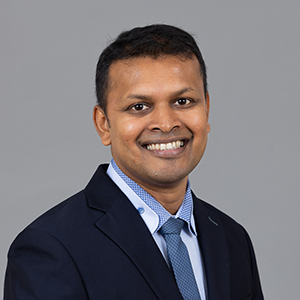
Dr. Lucy Hederman is an Associate Professor in Computer Science at Trinity College Dublin (TCD), affiliated with the O'Reilly Institute. Her research focuses on leveraging data and documents to support clinical decision-making, particularly in healthcare knowledge work. She has led interdisciplinary projects addressing data integration for rare diseases (e.g., ANCA-vasculitis, MND) and socio-technical challenges in adopting patient-generated health data (PGHD) into clinical practice. Dr. Hederman has secured over €xxxk in research funding and leads the Heterogeneity and Interoperability (H&I) challenge in the SFI-funded ADAPT 2 Centre. Her educational background includes advanced studies in computer science and healthcare informatics, though specific degree details are not explicitly stated in the text. She has supervised 4 PhDs, 2 research MScs, and co-supervised 6 PhDs, while currently mentoring 8 graduate students. Her career includes founding TCD spinouts PBOC and BIOLOGIT, which align with her research in health informatics and technology. Key research interests include: Interdisciplinary collaboration between clinicians, researchers, and technologists Data harmonization for multi-national clinical studies (e.g., FAIRVASC, Precision-ALS) Development of clinical decision support systems (CDSS) Design of mobile health (mHealth) tools for underserved populations Recent work emphasizes FAIR principles for healthcare data and socio-technical factors influencing PGHD adoption. She has contributed to over 70 peer-reviewed publications and actively participates in initiatives like the EU-funded TRANSFORM project and HRB Primary Care Research Centre. Dr. Hederman’s professional memberships include the Irish Computer Society, ACM, and Healthcare Informatics Society of Ireland. Her research has impacted healthcare practices in Ireland, with many MSc student projects influencing local health services.
Michael Pratt is a Professor in the Division of Global Health at the Herbert Wertheim School of Public Health & Human Longevity Science School, UC San Diego. He specializes in physical activity and public health, with expertise in global health, chronic disease prevention, and evidence-based interventions. Previously, he served as a Visiting Professor at Emory University and held roles at the CDC, including Senior Advisor for Global Health and Chief of the Physical Activity and Health Branch. He founded the CDC-WHO Collaborating Center for Physical Activity and led initiatives like the International Physical Activity and Public Health Course. His education includes a Master's in Exercise Physiology and MD from the University of Washington, residency at the Mayo Clinic, and a Master's in Public Health from the University of Minnesota. He is a Fellow of the American College of Preventive Medicine and American College of Sports Medicine. Research interests focus on global research capacity building for physical activity, intervention strategies, and policy implementation. His work emphasizes the intersection of urban environments, health equity, and policy effectiveness. Recent publications highlight trends in physical activity surveillance, policy disconnects, and WHO guidelines. He leads the Global Observatory for Physical Activity (GoPA!), tracking global progress in physical activity initiatives. Scientific awards include Fellowships in preventive medicine and sports medicine. His grants and advising roles are not explicitly detailed but align with his research themes. He collaborates with institutions worldwide and co-authors studies on physical activity policy, environment impacts, and global health disparities.
Prof. Dr. Yavuz Yakut serves as full-time Professor and Head of the Department of Physiotherapy and Rehabilitation at Hasan Kalyoncu University's Faculty of Health Sciences since 2016. Previously, he held academic positions at Hacettepe University from 1985 to 2016, progressing from Research Assistant to Professor, while concurrently serving on national committees including the Ministry of Health and Ministry of Finance Budget Implementation Commissions (1997-2003) and YÖK Physiotherapy Sub-Commission (2013-2016). His educational foundation includes a Bachelor's (1984), Master's (1987), and PhD (1990) in Physiotherapy and Rehabilitation, all completed at Hacettepe University. Yakut's research demonstrates exceptional breadth across rehabilitation science, with concentrated expertise in biomechanics and scoliosis rehabilitation . His work significantly advances neurological rehabilitation for conditions like multiple sclerosis and cerebral palsy, while pioneering applications in burn rehabilitation and orthotics/prosthetics . Recent publications reveal strategic integration of biopsychosocial models and telerehabilitation , particularly addressing pandemic-related challenges and chronic disease management across diverse populations. Analysis of his 2023-2025 publications shows consistent interdisciplinary innovation: validating cross-cultural assessment tools (e.g., Turkish translations of scoliosis and ADL questionnaires), developing novel exercise protocols (dance therapy, cognitive exercise therapy), and investigating rehabilitation responses in complex cases including HIV, rheumatic diseases, and post-earthquake trauma. His methodology frequently combines biomechanical analysis with patient-centered outcomes, demonstrating particular rigor in controlled trials for spinal deformities and burn recovery. His leadership extends beyond direct research through committee roles shaping national rehabilitation policy and educational standards, including his current departmental leadership and recent systematic review on physiotherapy distance education during pandemic disruptions.
Heidi Vandebosch is a Professor at the University of Antwerp's Department of Communication Studies. A prominent figure in cyberbullying research since 2005, she combines academic rigor with practical applications through her role as senior member of the MIOS research group and leadership in international COST actions. PhD in Social Sciences from KU Leuven (1999) Postdoctoral grants from FWO and KU Leuven research council Academic career progression from assistant professor (2004) to full professor (since 2016) Research Focus : Cyberbullying prevalence, impact, and interventions; digital health games; media psychology; food literacy promotion through social media. Her work bridges theoretical research with practical implementation, including development of the Friendly ATTAC digital game and Cyberscan anti-bullying tools. Key Projects : Friendly ATTAC (€1.04M IWT SBO grant) Cyber-shoc interdisciplinary research BOF Concerted Research Project on adaptive health interventions Awards & Grants : Multiple prestigious FWO grants, IWT SBO funding, and BOF research support. She chairs expert panels and contributes to national educational policy through the Flemish Educational Board (VLOR). Teaching : Offers courses at all academic levels including Introduction to Communication Studies (1BA), Media Audiences & Effects (2BA), and Health Communication (MA). International Engagement : Active in COST actions, editorial roles at Communications. The European Journal of Communication Research , and advisory positions for media literacy initiatives.
David M Williams is a Professor of Behavioral and Social Sciences and Psychiatry and Human Behavior at Brown University's School of Public Health , where he also serves as Associate Dean . His work bridges affective science and health behavior, focusing on exercise promotion and smoking cessation.





/prod01/channel_3/media/tcd/scss/headshots/Lucy-Hederman-BW-1.jpg)