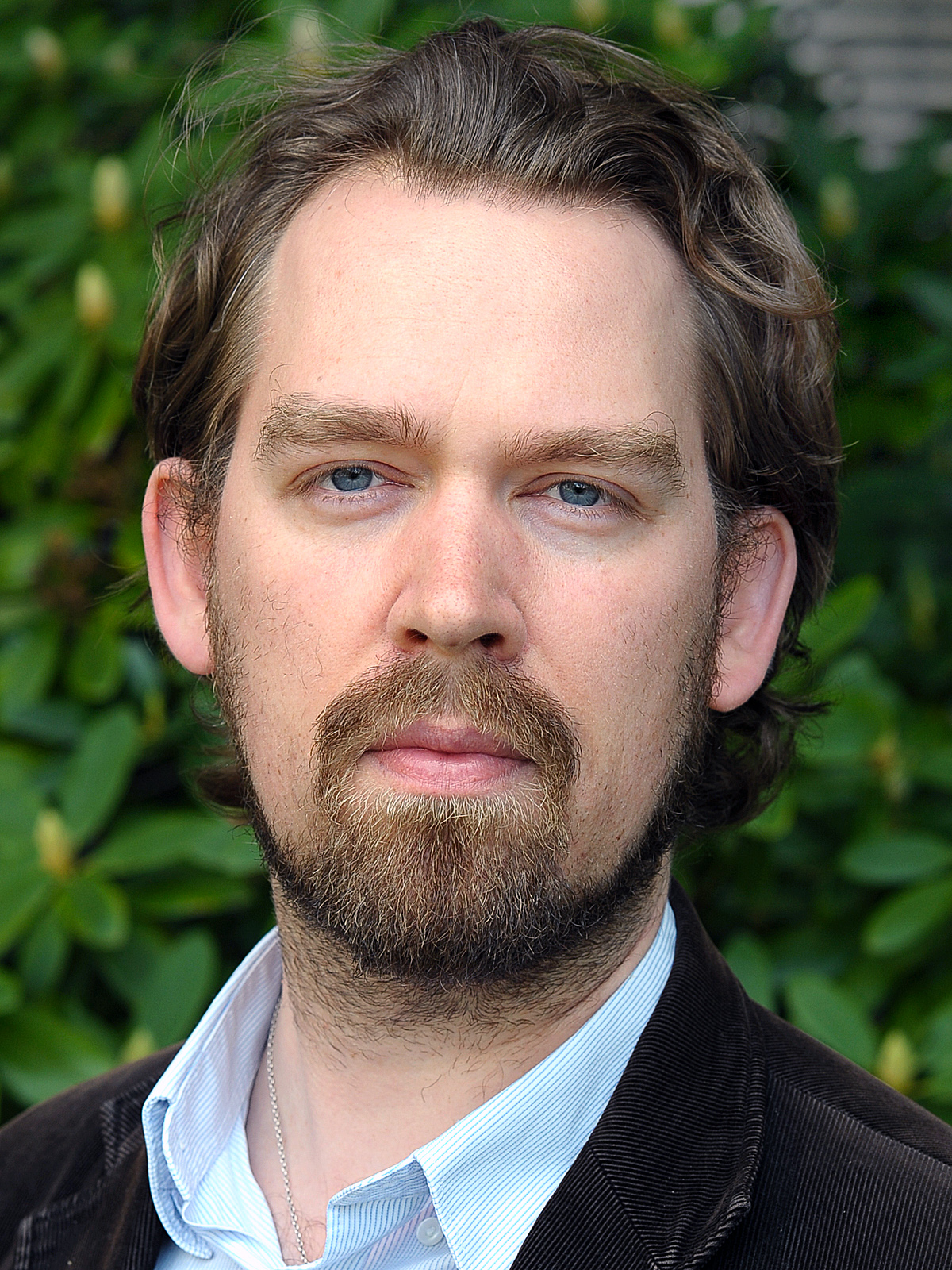
Dag Henrik Tuastad is a Professor of Middle East Studies at the Department of Culture Studies and Oriental Languages (IKOS) at the University of Oslo. His research focuses on kinship dynamics in Palestinian politics, rebel governance (notably Hamas rule in Gaza 2007–2023), political representation crises, and the intersection of sports and politics in the Middle East. Current projects include senior research at Football and Religion in the Middle East (FORM) , funded by the Norwegian Research Council (2021–2026) Former project leader for Rebel Governance in the Middle East (2017–2021) PhD in Social Anthropology (2008) on kinship in Palestinian politics His recent publications analyze Hamas’s symbolic authority, football’s role in Jordanian-Palestinian identity formation, and the erosion of legal frameworks in the West Bank. He critiques media bias (e.g., in Qatar World Cup coverage) and explores how football culture reflects broader political tensions. Teaching: Courses on Middle East history, cultural anthropology, and conflict resolution Regional Focus: Palestine, Jordan, Gaza, and the Levant
Kristin Soraya Batmanghelichi is a Professor in Middle East Studies at the Department of Culture Studies and Oriental Languages (IKOS), Faculty of Humanities, University of Oslo. She is a feminist scholar with a PhD from Columbia University and has held academic positions at Leiden University, Columbia University, and Princeton University. Her research focuses on gender, sexuality, cyberactivism, and political Islam in Iran and the broader Middle East. PhD in Iranian Studies, Columbia University (2013) MA in Human Rights and MA in Middle Eastern Studies, Columbia University (2004, 2007) Postdoctoral Research Fellow, Institute of Religion, Culture and Public Life (IRCPL), Columbia University (2016–2017) Visiting Lecturer, Leiden University (2014–2016) Her research interests include feminist theory, postcolonial studies, cyberactivism, women's movements, and the politics of class, sex, and race in the Middle East. She explores how gendered public spaces and digital platforms shape resistance and identity in Iran. Her work bridges activism and academia, particularly through feminist engagements with digital culture and diasporic politics. Her recent publications and monograph Revolutionary Bodies: Technologies of Gender, Sex, and Self in Contemporary Iran (2021) examine the intersections of technology, gender, and selfhood in Iran. Articles span topics such as cyberfeminism, government morality, and feminist challenges on social media, reflecting a strong focus on digital publics and feminist epistemology in the Iranian context. Scientific Awards and Fellowships: Independent Research Fund Denmark (2023–2026), Co-PI President's Global Innovation Fund, Columbia University (2017) Whiting Foundation Dissertation Fellowship (2011–2012) Columbia University Jackson Fellowship (2008–09) Foreign Language and Area Studies Fellowship (2006) Multiple research and travel fellowships from Columbia University and the Houtan Foundation She has supervised master’s theses and taught courses such as Iran in the World , Gender & Revolutions , and Fieldwork in the Middle East . She is Co-PI on a major Danish-funded project on diasporic Iranian politics and digital publics (2023–2026). She has co-organized international conference series on populism and pluralism across Amman, Tunis, Paris, and New York. She is an original member of the Theory of the Margins Collective in Oslo and founder of the Digging Collective , both of which support critical and interdisciplinary feminist scholarship.
Tatjana Schnell is a Professor of Existential Psychology at MF Norwegian School of Theology, Religion and Society, where she has worked since October 2020. She also holds a fellowship at the Humanistic University Berlin (since 2024). Her professional journey includes academic training in psychology, theology, religious studies, and philosophy across Germany, the UK, and Austria, with a doctorate from the University of Trier (Germany) and habilitation from the University of Innsbruck (Austria), where she founded the Existential Psychology Lab. Education : Psychology, Theology, Religious Studies, and Philosophy from the University of Göttingen, University of London, University of Heidelberg, and University of Cambridge Degree : Doctorate in Psychology (University of Trier, Germany) Habilitation : Psychology (University of Innsbruck, Austria) Tatjana Schnell's research focuses on existential themes including meaning in life, existential health, death attitudes, alienation, and religious/spiritual/secular worldviews. Her work bridges individual psychology with societal and environmental implications, with extensive international collaborations and publications. She has authored key works like "The Psychology of Meaning in Life" (2nd ed., 2025) and "Sinn finden" (2024). Her recent publications examine pandemic psychology, existential resources in gifted adults, workplace spirituality, and meaning-based interventions for chronic pain and cancer rehabilitation. Her research projects include "Making Sense of Volunteering," "Sinnmacher - The Meaning App," and studies on existential resources in palliative care. The Tatjana Schnell website provides further details about her work. Fellow : Humanistic University Berlin (2024) Tatjana Schnell has developed innovative tools like the Sources of Meaning Card Method (SoMeCaM) and Meaning in Work Inventory (ME-Work), with validated versions across multiple cultures. Her work emphasizes the practical application of existential psychology in mental health, organizational behavior, and ecological engagement. She founded the Existential Psychology Lab at the University of Innsbruck and continues to lead impactful research at MF Norwegian School of Theology, Religion and Society.
Michael Rauhut is a Professor at the University of Agder where he leads the PhD specialization in popular music performance and represents subject teachers within scientific disciplines at the Department of Rhythmic Music . His academic work focuses on popular music studies and musicology, with supervisory responsibilities for master's and doctoral candidates. Rauhut's research explores the intersection of music, politics, and society, with particular emphasis on: Popular music history in socialist contexts (especially the GDR) Cultural transfer during the Cold War Blues, rock, and jazz as forms of cultural expression Youth cultures and music under authoritarian systems Church-state dynamics in musical expression His work demonstrates how music functioned as both state propaganda and vehicle for dissent. Analysis of Rauhut's publications reveals consistent focus on: Cultural mechanisms in socialist states (75% of recent works) Transnational music exchanges across the Iron Curtain Archival methodologies for reconstructing musical histories Identity formation through popular music State censorship and artistic resistance strategies His documentary filmography expands these themes into visual media. As PhD supervisor, Rauhut guides research in popular music performance and musicology. His extensive conference participation includes keynote addresses in Germany, USA, Georgia, and Ukraine, covering topics from blues reception to music's role in political revolutions.
Eleonora Cappuccilli is a Researcher at the Department of Philosophy, History of Ideas and Art, and Classical Languages at the University of Oslo . Her academic interests focus on English political thought in the early modern period, particularly women's political discourse based on the public sphere , constitutional history , prophecy as a concept , and early modern European political theology . She also explores current feminist theory . Education: PhD in Politics, Institutions and History (2016) from the University of Bologna, MA in International Relations (2012), and BA in International Studies (2009). Experience: Post-doctoral fellow at I Tatti (2022-2023), University of Oslo (2018-2021), Edith Saurer Foundation (2018), and Filippo Burzio Foundation (2018). Her research examines prophetic women in early modern Europe, analyzing their roles in religious reform and political theology . She investigates gender and authority through case studies like Mary Ward, Domenica da Paradiso, and Caterina da Racconigi. Her recent works explore cross-confessional practices , spiritual discipline , and transnational prophetic networks . Her publications span topics from 16th-century prophetic encounters to 17th-century gender conflicts , with a focus on Italian and English Renaissance contexts . She collaborates with scholars like Roberta Ferrari on intersections of feminist theory and Marxist critique , particularly concerning patriarchal structures and social movements . Projects include “Women's prophecy in early modern European religion” , analyzing the subversive expressions of female prophets. Her work appears in journals like Renaissance Studies and edited volumes from Amsterdam University Press and Brill .
Jorunn Økland is a Professor at the University of Oslo, holding dual roles in the Faculty of Theology and the Centre for Interdisciplinary Gender Research. Her research spans ancient Mediterranean material culture, feminist critique of religion, and gender studies. She directs the Norwegian Institute at Athens and has led the Centre for Gender Research (2010–2013). Education: Dr.Theol. from University of Oslo, with classical studies expertise. Key positions include Professor of New Testament at University of Sheffield (2005–2007), and leadership roles in international organizations like the European Association of Biblical Studies (2009–2012). Research focuses on sacred texts, gender theory, and the intersection of religion and cultural memory. Recent work explores populism in Norwegian equality contexts, ancient Greek religion, and spatial theories in gender studies. Active in editorial roles for journals like Journal of the Bible and its Reception and serves on councils such as the Society of Biblical Literature. Awards and honors include leadership in gender research initiatives and academic administration.
Trine Anker is a Professor of Religious Studies with Subject Didactics at MF University of Applied Sciences' Faculty of Religious Studies and Society. She holds a PhD from the Norwegian School of Theology (2011), specializing in youth perspectives on respect in multicultural schools. Her academic career includes roles as Associate Professor at Østfold University College and MF University, with extensive experience in teacher education and professional development. Research interests focus on religious didactics, aesthetic teaching methods, ethics in education, and controversial topics like terrorism and memory culture. Notable contributions include analyzing the sacralization of July 22nd events in schools and exploring folk religions in Argentine football culture. She received the 2024 Distinguished Lecturer award for pedagogical innovation. Teaching responsibilities include courses on research methodology (MET-EMP910), pedagogy (PPU1010/1015), and didactic practices. She leads projects like EtiPP (Ethics in Professional Practice) and ReDi (Religion and Dialogue in Modern Societies), investigating ethical frameworks for educators and interfaith dialogue strategies. Publications span 30+ articles in journals like Journal of Moral Education and Prismet , addressing topics from classroom ethics to youth religious expression. Her 2020 textbook Analyse i praksis guides master's students in practical research methods.
Stephan Sander-Faes is an Associate Professor at the University of Bergen's Department of Archaeology, History, Cultural Studies and Religion. He holds a Ph.D. from the University of Graz (2011) and a Habilitation in Early Modern and Modern History from the University of Zurich (2018). Before joining UiB in 2020, he taught for ten years at other institutions. His research focuses on Central European history, particularly the Habsburg Empire, Venetian Stato da mar, and economic history. He has published extensively on topics such as fiscal policies, urban dynamics, and legal practices in early modern Europe. Education: Ph.D., University of Graz, 2011 Habilitation, University of Zurich, 2018 Research Interests: Habsburg Studies Venetian Republic and its territories Economic and legal history Urban and social dynamics in early modern Europe Recent Research Trends: His publications analyze fiscal crises, state formation, and legal practices within Habsburg and Venetian contexts, with a focus on Bohemia, Dalmatia, and Adriatic trade networks. Recent work explores the interplay between Enlightenment ideals and bureaucratic reform in 18th-century Austria. Labs/Teams: Engaged with interdisciplinary projects on early modern state-building and transregional networks, collaborating with institutions such as the German Historical Institute London and the Austrian Academy of Sciences.
Nahum Welang is an Associate Professor of English Literature/Culture and Didactics at Nord University, Norway. His work bridges literary studies with cultural analysis, focusing on American literature, pandemic narratives, and transnational identities. He teaches courses including British Literature and Culture , American Literature and Culture , and Language, Text and Culture in the English-speaking World . His research explores intersections between Black female authorship, pandemic representation, and popular culture. Notable works include The Affirmative Discomforts of Black Female Authorship (2023) and Cultural Appropriation or Cultural Appreciation? (2022). His recent publications analyze Zora Neale Hurston's Barracoon , Claude McKay's works, and Beyoncé's visual albums. He frequently examines how literary and visual art forms reinterpret historical traumas and contemporary social issues. Welang's articles often blend textual analysis with cultural theory, addressing themes like transnationalism, critical media literacy, and masculine identity. He maintains active research collaborations through membership in Nord University's Humanities, Education and Culture Research Group and the University of Bergen's Aesthetic and Cultural Studies group. His scholarly output spans monographs, edited volumes, and peer-reviewed journals such as Journal of Popular Culture and Open Cultural Studies . Current research trends emphasize pandemic narratives' role in shaping modern cultural discourse and reinterpreting marginalized histories through literary frameworks.
Sivert Skålvoll Urstad is an Associate Professor at the Department of Sociology and Social Work , University of Agder , Norway. His academic interests include Sociology of Religion , Secularization , Sociological Theory , and Quantitative Research Methods . He is affiliated with research groups on Religious Minorities and Diversity , Social Studies Didactics , and Sociological Theory Development . Email: sivert.s.urstad@uia.no Phone: +47 38141868 Research Themes - Urstad's work focuses on the sociology of religion, secularization trends, and non-religious identity in the Nordic context. His studies often employ quantitative methods to analyze gender disparities in religiosity, vaccine skepticism, and organizational behavior in educational settings. Recent Article Trends - His publications include analyses of afterlife beliefs , vaccine distrust , gender equality skepticism , and non-religious identity in Norway. Collaborative works explore organizational HRM strategies and internal branding in schools. Advising and Collaborations - While no advisees are listed, Urstad frequently collaborates with scholars like Inger Furseth and Dag Yngve Dahle on interdisciplinary projects spanning sociology, education, and organizational behavior. Labs/Teams - He contributes to the Religious Minorities and Religious Diversity group and Sociological Theory Development at University of Agder.
Professor Aike Peter Rots holds a position at the University of Oslo's Faculty of Humanities, Department of Japanese Studies. His research examines religion, culture, and nature in contemporary Asia, with specialization in Japan and Vietnam. Rots leads the ERC-funded project 'Whales of Power' (2019-2025) investigating cetacean worship and environmental change in maritime East Asia. His scholarship spans multiple domains: sacred space and ritual theory; heritage-making processes; environmental humanities; Shinto transformations; indigenous traditions; and religion-corporate interactions. His work critically analyzes how religious practices adapt to environmental crises and heritage preservation efforts. Publications demonstrate consistent focus on nature-culture relationships, with recent work examining Vietnamese whale worship amid plastic pollution crises, Japanese whale festivals, and East Asian perspectives on utopia and ritual. His research methodology emphasizes cross-cultural comparison and challenges methodological nationalism. Rots received the prestigious European Research Council Starting Grant for his innovative work on human-aquatic mammal relationships. He has authored 'Shinto, Nature and Ideology in Contemporary Japan' and co-edited volumes including 'Sacred Heritage in Japan'. Current projects include monographs on whale rituals in Japan/Vietnam and an introductory Shinto textbook.
Ingrid Storm is a Professor of Sociology at MF University College of Theology, Religion and Society, serving as Head of the Department of Religion, School and Society since December 2022. She previously held roles at the University of Birmingham (Birmingham Fellow, 2018–2022) and the University of Manchester, including a British Academy Postdoctoral Fellowship (2015–2017). Her expertise spans religious change, quantitative methods, and the interplay between religion, identity, and social attitudes. Storm’s research focuses on topics such as reactive religiosity, economic insecurity’s impact on religious behavior, and immigration attitudes. She has conducted EU-funded projects on youth radicalization and inequality, and her work often utilizes large-scale survey data. She teaches courses including Religion and Society in Europe and the USA and methodological training for undergraduate and graduate students. Her scholarly contributions explore how religious identity intersects with ethnicity, nationalism, and social capital, with a focus on Europe. Key themes include secularization trends, the role of religion in civic engagement, and the influence of parental socialization on religious practices. She has served on councils for institutions like the Nordic Association for the Sociology of Religion and the SCORE Initiative.
Ann-Kathrin Bretfeld-Wolf serves as an Associate Professor in the Department of Language, Art and Culture at Diakonova University College, where she is a core member of the Research Group for Religion, Beliefs and Ethics (RLE). Her primary responsibilities include teaching Religion, Worldview and Ethics (RLE) across multiple bachelor's programs, with specific course-responsibility for BMSRL1023 and BMSRL2023 during the 2024-2025 academic year while also instructing BKNSRL2023, BHSRL2023, and BDBUL1002. She further contributes to the BA program in Early Childhood Teacher Education with an Emphasis on Multicultural Understanding as the coordinator for Society, Religion, Worldview and Ethics (SRLE) courses. Educational Background: PhD in Religious Studies, NTNU Trondheim, 2023 MA in Religious Studies, Ruhr University Bochum, 2012 BA in Religious Studies and German Language & Literature, Ruhr University Bochum, 2010 Research Focus: Bretfeld-Wolf's scholarship critically examines South Asian religious history through narrative analysis and postcolonial frameworks, with concentrated expertise in Buddhist textual traditions. Her work investigates how religious stories—particularly Buddha Gotama's life narrative—undergo cross-cultural adaptation in Norwegian kindergarten settings and children's literature, highlighting power dynamics in multicultural education. She also explores historical intersections between religion and print culture in colonial Sri Lanka and contemporary civil society roles of Thai-Buddhist centers. Publication Trends: Her scholarly output reveals a cohesive trajectory across Buddhist studies in South/Southeast Asia, emphasizing narrative adaptation as a lens for understanding religious agency. Key themes include decolonizing religious historiography (evident in her Pāli textual research), resistance to missionary influence through print media, and Buddhist contributions to civil society. The recurring focus on Norway's multicultural educational landscape demonstrates applied relevance of historical/religious analysis to modern pedagogical challenges. Scientific Awards: No awards, fellowships, or medals are documented in the source materials. Advising and Grants: While actively teaching undergraduate courses, no evidence of graduate student supervision (PhD/Master's) or externally funded research grants appears in the provided texts. Her dissemination activities include academic lectures on Buddhist narrative adaptation in early childhood education, suggesting knowledge mobilization priorities. Research Infrastructure: She operates within Diakonova's Research Group for Religion, Beliefs and Ethics (RLE), which provides the organizational context for her investigations into religious ethics, worldview pluralism, and multicultural pedagogy in Norwegian educational institutions.
Lars Olof Martin Dahle is a Professor of Theology, Religion, and Philosophy at NLA University College’s Gimlekollen School of Journalism and Communication in Kristiansand. He serves as Study Program Coordinator for Communication and Philosophy (KL) , Editor-in-Chief of Theofilos journal, and Managing Director of Damaris Norge AS . His expertise spans Christian apologetics , missiology , and media theology , with a focus on epistemology, Christian ethics, and media engagement. PhD in Religious Studies from Open University (UK), 2002 Cand.theol. from MF Norwegian School of Theology, 1989 Extensive experience in academic leadership (Rector, Pro-Rector of Gimlekollen Media College) Research interests include apologetic methodologies like inference to best explanation, media theology applications in sub-Saharan Africa, and evangelical missiology . He has led the Norhed II project at Uganda Christian University and contributed to the Lausanne Movement as a Catalyst for Media Engagement (2013-2025). Current projects address truth pluralism, media ethics, and developing curricula for Christian youth education. His academic activities are closely tied to Damaris Norway , a para-church organization focusing on media and worldview engagement, and the European Leadership Forum ’s media network. Key publications analyze Francis Schaeffer’s legacy, Tim Keller’s contextualization strategies, and secular discourse in Nordic education systems.
Bjørge Hermann Hansen is a postdoctoral researcher at the Department of Sport Medicine, Norwegian School of Sport Sciences (NIH), actively engaged in national physical activity surveillance and the International Children's Accelerometer Database (ICAD). His work bridges epidemiology, statistics, and device-based measurement to investigate activity patterns across diverse populations including children, cancer survivors, and clinical cohorts like Duchenne Muscular Dystrophy patients. Previously referenced in 2020-2023 materials as a University of Agder professor, NIH's December 2023 employee page confirms his current research role at Norway's premier sport science institution. Hansen's research focuses on physical activity epidemiology and measurement validity, specializing in accelerometer data analysis. He investigates intensity distribution, sedentary behavior, and their health associations across lifespan stages. His methodological expertise includes harmonizing multi-cohort data, validating self-report tools against objective measures, and developing protocols for reliable activity monitoring. Current projects address environmental determinants like family car ownership and school policies on screen time. Recent publications reveal a dominant trend: large-scale meta-analyses using pooled international data (ICAD) to establish dose-response relationships between activity patterns and mortality. He also examines secular trends in Norwegian youth activity, methodological challenges in measurement, and the impact of clinical conditions on movement behaviors. Key journals include The Lancet, British Journal of Sports Medicine, and PLOS ONE. Scientific awards: None explicitly mentioned in source materials. Hansen teaches Statistics, Epidemiology, and Scientific Methods at NIH, translating complex concepts through podcasts like Fysioformidlingen. While no specific grants or student advising records are provided, his leadership in national surveillance projects (e.g., Kan3 reports for Folkehelseinstituttet) indicates active grant-funded research. He advocates for evidence-based policies such as school mobile phone bans to increase recess activity. He collaborates with the ICAD consortium and Norwegian Institute of Public Health on population monitoring. His work with the Kan3 project involves nationwide data collection on adult physical activity and fitness. Recent Folkehelseinstituttet reports (2023-2024) demonstrate his role in national health surveillance systems.

.jpg)