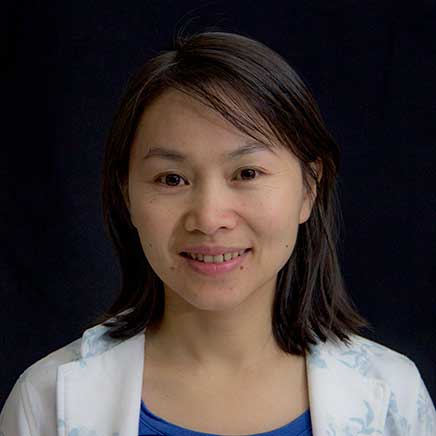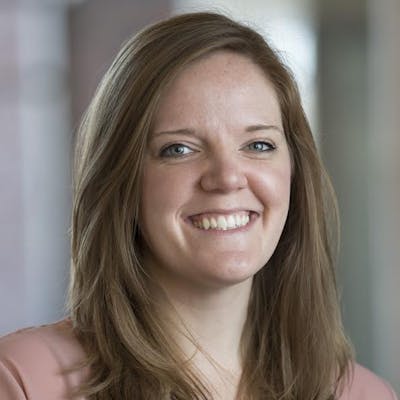
Dr. Sherryse Corrow is a Professor of Psychology at Bethel University, affiliated with the Department of Psychology within the College of Arts and Sciences. She joined Bethel in 2017 and is actively involved in the university's faculty development team. Her research focuses on cognitive neuroscience, particularly face perception, prosopagnosia, and developmental disorders. She teaches courses in cognitive neuroscience and research methodologies, emphasizing student engagement in both classroom and lab settings. Education: B.A. in Psychology, Minnesota State University, Moorhead (2008) M.A. in Child Psychology, University of Minnesota (2011) Ph.D. in Child Psychology, University of Minnesota (2013) Postdoctoral training in neuroscience (neurology/ophthalmology and visual sciences), University of British Columbia, Vancouver (2013–2017) Research Interests: Dr. Corrow’s work examines face recognition impairments in developmental and psychiatric disorders, prosopagnosia (face blindness), and the intersection of cognitive neuroscience with education. She explores topics such as the role of auditory and visual cues in face processing, multisensory integration, and the psychological impact of prosopagnosia on individuals and families. Her research also extends to pedagogical innovations, such as course-based undergraduate research experiences (CUREs) in statistics. Publications: Her recent work highlights trends in understanding face perception deficits, the neural mechanisms underlying prosopagnosia, and the application of perceptual learning techniques for rehabilitation. She has also contributed to educational pedagogy, advocating for efficient teaching strategies and student-centered learning. Professional Contributions: As a member of Bethel’s faculty development team, Dr. Corrow supports colleagues in curriculum design and effective teaching practices. Her research has practical implications for addressing challenges in facial recognition disorders and enhancing undergraduate research opportunities. Labs/Teams: While no specific lab is named, her work aligns with cognitive neuroscience research groups focused on sensory integration and developmental disorders.