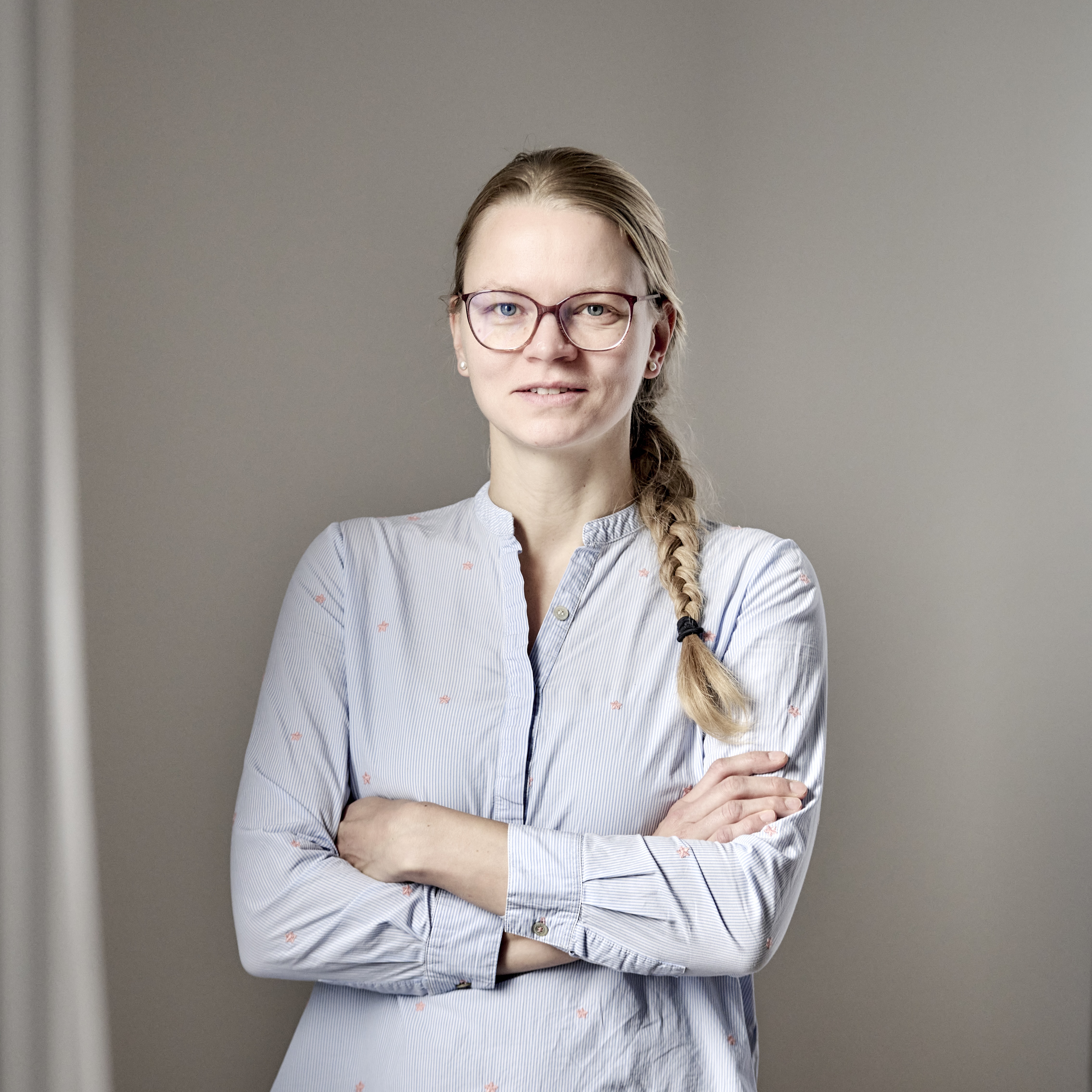
Sophie Horowitz is an Associate Professor of Philosophy at the University of Massachusetts Amherst, where she has been a core faculty member since 2016. She currently chairs the Climate Committee and maintains active teaching responsibilities, including regular instruction in Medical Ethics. Prior to UMass, she served as an Assistant Professor at Rice University from 2014 to 2016, following her PhD completion at MIT. Her educational background includes: BA in Philosophy and Studio Art from Swarthmore College (2008) PhD from MIT (2014), with a dissertation examining the relationship between epistemic rationality and truth Horowitz's research centers on epistemology, specifically dissecting the interplay between rationality and truth through formal frameworks. She investigates higher-order evidence, permissivism (the Uniqueness Thesis), accuracy norms, and partial belief structures, while also exploring ethical dimensions of belief formation and practical rationality. Her work bridges traditional epistemological questions with mathematical precision, often utilizing epistemic utility theory to analyze truth-conducive belief practices. She has contributed influential perspectives on when evidence demands belief changes and how rational agents should handle conflicting epistemic inputs. Her publication trends reveal deep engagement with epistemic normativity across three distinct phases: early work on epistemic akrasia and rationality (2013-2015), mid-career focus on evidence aggregation and transformative experience (2015-2019), and recent contributions to permissivism debates and credal dynamics (2021-2025). Articles consistently target top philosophy journals while addressing foundational questions about truth, evidence, and rational constraints. Scientific recognition includes: 2015 Marc Sanders Prize in Epistemology for "Accuracy and Educated Guesses" Horowitz demonstrates significant teaching activity across institutions, with Medical Ethics being a recurring course at UMass. She actively shares pedagogical tools like annotated student papers and grading rubrics, indicating commitment to educational innovation. The texts confirm no formal advisees or grant projects are documented, though she co-teaches seminars and has developed specialized courses on higher-order evidence. Her academic service extends to editorial contributions, notably for the Stanford Encyclopedia of Philosophy entry on higher-order evidence. Outside academia, she maintains a documented practice as an oil painter focused on food subjects, reflecting her dual background in philosophy and studio art.
- Epistemology
- Higher-Order Evidence
- Permissivism
- +۳ مورد دیگر