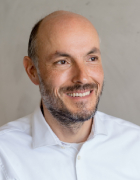
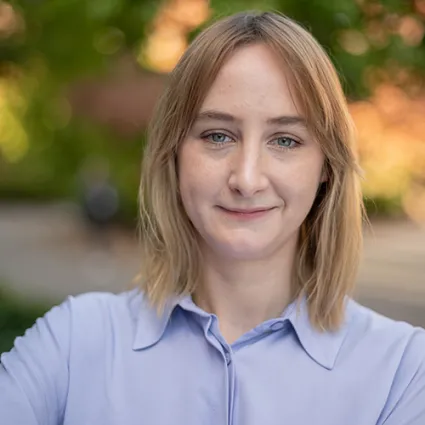
Peter Hodgins is an Associate Professor at Carleton University's Faculty of Arts and Social Sciences, with a focus on Canadian public history and cultural critique. He holds degrees from the University of Ottawa (B.A.) and Carleton University (M.A., Ph.D.), and serves as a Research Associate at the Carleton Centre for Public History. Academic Rank: Associate Professor University: Carleton University Research Affiliation: Carleton Centre for Public History Research Interests: Dr. Hodgins specializes in analyzing how memory, nationalism, and colonial legacy intersect in Canadian cultural production. His work explores: Politics and poetics of public memory Canadian cultural nationalism Settler colonial intellectual histories Haunted landscapes and affective memory Critical analysis of national identity formation Subversion of romantic/extractive gazes in contemporary art Publication Trends: His publications reveal sustained engagement with: Decolonizing historical narratives Media representation of national trauma Language politics in francophone-anglophone dynamics Artistic interventions in memory studies Historiography of Canadian institutions Critical theory applications to Canadian contexts
Daniela Bleichmar serves as Professor of Art History and History at the University of Southern California, where she holds leadership positions as founding director of the Levan Institute for the Humanities and director of the USC Society of Fellows in the Humanities. Previously, she held the role of Associate Provost for Faculty and Student Initiatives in the Arts and Humanities (2015–2020), demonstrating sustained institutional commitment to humanities scholarship. Her academic foundation includes a Ph.D. in History from Princeton University (2005) and an A.B. in History of Science from Harvard University (1996), followed by a Mellon Post-Doctoral Fellowship at the USC-Huntington Early Modern Studies Institute (2004–2006). This interdisciplinary training underpins her distinctive research approach. Professor Bleichmar's scholarship centers on Early Modern Europe and the Spanish Empire , with particular expertise in visual and material culture , colonial science , and global knowledge exchange . Her work examines how images and objects functioned as instruments of imperial power while facilitating cross-cultural encounters. Current research explores the visual dimensions of natural history practices and the epistemological significance of collecting in colonial contexts, revealing how visual representation shaped European understanding of the Americas. Analysis of her recent publications (2015-2021) shows consistent engagement with the visual archive of imperialism, particularly through studies of the Codex Mendoza and early modern collecting practices. These works bridge art history, history of science, and colonial studies, demonstrating methodological innovation in analyzing visual evidence across disciplinary boundaries while maintaining focus on power dynamics in knowledge production. Her distinguished recognition includes: American Council of Learned Societies Fellowship (Frederick Burkhardt Residential Fellowship) Smithsonian America's Young Innovators in the Arts and Sciences (37 under 36) Getty Research Institute Scholar appointment Multiple awards for specific publications including the Jerry Stannard Memorial Award Professor Bleichmar has secured significant research funding including the USC Advancing Scholarship in the Humanities and Social Sciences Grant and Del Amo Research Grant. She actively contributes to scholarly discourse through editorial roles at Journal18 , Isis , and multiple book series, while mentoring emerging scholars through her leadership in the Society of Fellows. She maintains deep institutional connections through the USC-Huntington Early Modern Studies Institute, Visual Studies Research Institute, and USC-Getty Program in the History of Collecting and Display. These affiliations support her interdisciplinary approach while providing platforms for collaborative research on global visual culture and material exchanges in the early modern world.
Bohunka Koklesová, PhD., is an Associate Professor and the Rector of the Academy of Fine Arts in Bratislava (VŠVU), a position she has held since 2019. She works at the Department of Theory and History of Art, where she has been teaching and conducting research for many years. Prior to becoming rector, she served as vice-rector for three consecutive terms. Her academic journey began at Comenius University Bratislava, Faculty of Arts, where she studied fine arts science from 1990 to 1995. She completed her doctoral studies in 2010 at the Department of Theory and History of Art at the Academy of Fine Arts Bratislava, earning her PhD in art history. In 2017, she was appointed Associate Professor. Dr. Koklesová specializes in several interconnected research areas: History and theory of photography, particularly Slovak photography 19th and 20th century art history Visual culture studies Totalitarian regimes and their relationship to art Cultural studies, with a focus on memory studies Critical periods of Czechoslovak history, especially pre-war and war years Czech-Slovak relations in historical contexts Her scholarly output reveals a strong focus on the intersection of photography, history, and political regimes, particularly examining the period of the Slovak State (1939-1945) and its aftermath. She has published extensively on how visual culture, especially photography, served as both documentation and propaganda during totalitarian periods. Her work demonstrates a consistent interest in how historical memory is constructed through visual media, with particular attention to Central European contexts. Dr. Koklesová's significant scholarly contributions include: "In the Shadow of the Third Reich, Official Photographs of the Slovak State 1939-1945" (2009) "Súmrak doby, prelamovaná história, pamäť, fotografia" (2018) Numerous articles on Slovak photography, visual culture, and art history She has received recognition for her work, most notably the Tatra Banka Foundation Prize for her collaboration on the exhibition "Dream x Reality/Art and Propaganda 1939–1945," which became the most visited exhibition of the year. As an academic leader and curator, Dr. Koklesová has advised on numerous exhibition projects and has been instrumental in shaping contemporary discourse around Slovak visual culture. She has curated or co-curated significant exhibitions including "The Eighties – Postmodernism in Slovak Fine Art," the "Zone of the Edge" series, and "In the Shadow of the Third Reich." Her curatorial work often focuses on mapping contemporary Slovak photography and examining historical periods through visual media. Dr. Koklesová is actively involved in the academic and cultural community as a member of AICA (International Association of Art Critics) since 2012 and serves on various artistic and scientific councils of important Slovak cultural institutions including the Slovak National Gallery, Slovak National Theater, and others. In 2019, she co-founded the non-profit organization Spoločnosť Jaromíra Krejcara dedicated to preserving functionalist architecture.
Professor Stephan A. Sieber is a leading researcher in bioorganic chemistry at the Technical University of Munich (TUM), where he holds the Chair of Organic Chemistry II within the TUM School of Natural Sciences. His research program focuses on developing new drugs against multidrug-resistant bacteria through a multi-disciplinary approach that integrates synthetic chemistry, functional proteomics, microbiology, and protein biochemistry. His laboratory has made significant contributions to identifying unprecedented antibacterial targets beyond the scope of current antibiotics and exploiting these for chemical manipulation. Recent work has increasingly incorporated machine learning approaches to accelerate antibiotic discovery, with notable publications on AI-guided pipelines, drug-target interaction prediction, and high-throughput screening optimization. Sieber's research has resulted in the discovery of new active substances, some of which are currently being optimized for medical applications. His group's publications reveal a strong focus on chemical proteome mining, natural product mode of action studies, and novel antibacterial target identification. The lab has published extensively in top journals including Nature Chemistry, Nature Communications, and ACS Central Science. Inhoffen Medal (2024) Max Bergmann Medal (2023) ERC Advanced Grant (2023) Merck Future Insight Prize (2020) Klaus Grohe Prize (2020) ERC Consolidator Grant (2016) Professor Sieber leads an active research group that maintains a strong presence in the scientific community through regular publications, conference presentations, and collaborations. His laboratory website and BlueSky presence (@sieberlab.bsky.social) demonstrate ongoing research activities and engagement with the broader scientific community. He has successfully secured significant research funding including multiple ERC grants that have supported his innovative work in antibiotic discovery.
Maeve Sterbenz is an Assistant Professor of Music at Smith College specializing in interdisciplinary music theory research at the intersection of human movement and musical experience. Her educational background includes: Ph.D. and M.A. from Columbia University B.A. from Columbia College Sterbenz's research examines how ballet shapes musical perception beyond score-based analysis, as demonstrated in her "Listening to Ballet" project developed during a San Francisco Ballet residency. She also investigates gender and sexuality in hip hop/R&B music videos, with award-winning publications analyzing visual-musical narratives. Her scholarly output reveals consistent focus on embodied musical experiences across concert dance, film, and popular media formats. Scientific recognition includes: 2018 Adam Krims award from the Society for Music Theory’s Popular Music Interest Group No documented graduate advisees or research grants are evident from available information. Sterbenz maintains creative collaborations with dancers as a composer but no formal research laboratory structure is described.
Dr. Zhi Chen is a Lecturer in Computing at the School of Mathematics, Physics and Computing, University of Southern Queensland, specializing in Artificial Intelligence and Machine Learning with applications spanning digital agriculture and healthcare systems. Education: Master of Information Technology (MIT), University of Queensland, 2018 PhD, University of Queensland, 2023 Research Focus: His work centers on zero-shot learning, domain adaptation, and multimodal systems, addressing core challenges in computer vision and deep learning. Current projects integrate AI with agricultural risk modeling and medical diagnostics, emphasizing real-world deployment of robust algorithms under data-scarce conditions. Publication Trends: Recent output (2022-2025) shows concentrated expertise in source-free domain adaptation and generalized zero-shot learning, with significant contributions to plant disease recognition (via mobile multimodal systems) and diabetes subgroup analysis. His work consistently appears in premier venues including AAAI, CVPR, and ACM MM, demonstrating methodological innovation applied to critical domains like climate-resilient agriculture and precision medicine. Supervision: Currently serves as Associate Supervisor for a doctoral candidate developing parametric insurance models for oyster farms to mitigate climate-related risks from king tides and extreme weather events. Awards: No scientific awards were documented in the provided materials.
Johannes Schöning is a Professor of Human-Computer Interaction (HCI) at the University of St. Gallen and leads the Ubiquitous Media Technology Lab . His research focuses on developing user interfaces that empower individuals and communities through data-driven decision-making, with interdisciplinary applications in geographic information science, public health, medical contexts, and extreme environments like space missions. He emphasizes methodological rigor from AI, computer graphics, and cognitive psychology. Organizes AlpCHI 2026 Chair of ACM Eugene Lawler Award Committee Editorial Board, AI Perspectives (Springer Nature) Research Trends : His publications from 2025–2024 reveal a focus on Mixed Reality (autoethnography, weight perception), Accessibility (visual impairment support), Environmental HCI (CO2 eco-feedback), and Geospatial Technologies (navigation externalities, map analytics). Interdisciplinary work appears in journals like Nature and PLOS ONE . Scientific Recognition : ACM Distinguished Member Best Paper & Accessibility Awards (Interact 2019, MobileHCI 2015) Junior Fellow, Gesellschaft für Informatik (2013) Academic Service : Active in conference leadership (SIGCHI Switzerland Chair 2021–2023, ISS 2016 Program Chair) and reviewing for top venues including ACM CHI , Ubicomp , and IEEE VR . Regular reviewer for European science foundations and DFG/BMBF proposals.
Professor Charlotte Stagg is based at the Nuffield Department of Clinical Neurosciences (NDCN) within the University of Oxford . She serves as Associate Director of the Oxford Centre for Integrative Neuroimaging and holds a Beale Fellow in Medicine position at St Hilda's College. Her research focuses on the physiological mechanisms of motor learning and stroke recovery, utilizing multimodal neuroimaging and brain stimulation techniques. Research Interests : GABA signaling, neuroplasticity, transcranial ultrasound, stroke neurorehabilitation Techniques : 7T MRI, MEG, non-invasive brain stimulation, neurochemistry Selected Scientific Awards : Wellcome Trust Senior Research Fellow Beale Fellow in Medicine, St Hilda's College Collaborations : Leads the Physiological Neuroimaging Group (PiNG), part of the Neuroplastics Collaborative Network with groups led by Heidi Johansen-Berg and Jacinta O'Shea. Current advisees include DPhil student Birtan Demirel and visiting researchers from HEC Montréal and The University of Manchester.
Dr. Lucie Kruse is a researcher at the Department of Informatics, University of Hamburg, specializing in Human-Computer Interaction (HCI) and Virtual Reality (VR). Her work focuses on immersive user interfaces for cognitive and physical training, particularly for older adults and those with dementia. She has been an active member of the University of Hamburg's HCI group since 2018 and served on the Ethics Commission since 2023. Her research interests include: Virtual Reality Exergames Serious Games Assistive Technologies Accessibility in VR Mental Health Applications Her publications from 2021-2025 demonstrate expertise in designing VR systems for healthcare, analyzing age-related interaction patterns, and developing inclusive interfaces. She has received multiple awards including the 2024 Honorable Mention for Best Poster at ACM SUI and the 2023 Honorable Mention at ACM CHI. Scientific Awards: Honorable Mention for Best Poster Award at ACM SUI (2024) Runner-Up Prize at Metaverse for the Good (2024) Honorable Mention at ACM CHI'23 Interactive Demo (2023) Honorable Mention at ACM VRST (2021) She has supervised multiple theses on topics like AI agents for mental health, accessibility of chatbots for seniors, and VR exergame design. Her work spans collaborations with institutions like HITLab NZ and Western Sydney University's MARCS Institute.
Professor Leif Isaksen is a leading scholar in Digital Humanities and Ancient History at the University of Exeter, holding a chair in the Department of Classics, Ancient History, Religion and Theology. He also serves as Theme Lead for Humanities, Heritage and the Creative Industries at the Institute for Data Science and Artificial Intelligence (IDSAI). With a background in archaeology and a focus on Spatial-temporal representation in humanities Intelligent systems for historical data Digital skills development in arts and humanities , his work bridges classical scholarship and computational innovation. His research includes Pelagios Network projects like Recogito and Peripleo , which revolutionized semantic annotation and geospatial analysis of ancient texts. He directed the Cluny Hill Dig and co-founded initiatives like Hot Source! and DISKAH to democratize digital humanities skills. Key professional roles include: Executive Board Chair of ADHO (2019-2021) Co-Director of Web Science CDT at Southampton Active leadership in CAA, EADH, and ISHMap Scientific honors include fellowships at the Society of Antiquaries of Scotland and former affiliations with the Alan Turing Institute and Society of Antiquaries of London . His work aligns with UN Sustainable Development Goals 9: Industry, Innovation and Infrastructure and 4: Quality Education .
Maarten Sap is an Assistant Professor at Carnegie Mellon University's Language Technologies Institute with a courtesy appointment in the Human-Computer Interaction Institute. He also holds a part-time research scientist position at the Allen Institute for AI (AI2) as an AI safety lead. Current affiliations: CMU (2022–present), AI2 (2022–present) Prior: Postdoctoral Researcher at AI2 (2021–2022), Research Intern at AI2 (2018–2019) and Microsoft (2019) His research focuses on enhancing AI systems with social intelligence and addressing social biases in language technology. Key themes include: Ethical AI and Human-Centric Design Narrative Dynamics and Social Context Analysis AI Agents and Social Intelligence Toxic Language Detection and Cultural Bias Mitigation Recent publications examine: AI safety frameworks like HAICOSYSTEM Clinical reasoning alignment (ALFA) Multilingual moderation (PolyGuard) Cultural sensitivity in non-verbal AI (Mind the Gesture) Personality shaping in LLMs (BIG5-CHAT) Scientific Recognition: 2025 Okawa Research Grant Best Paper Runner Up - NAACL 2025 Outstanding Paper - EMNLP 2023 Best Paper - FAccT 2023 Best Paper - WeCNLP 2020 He advises a diverse group of PhD students across CMU and MIT, and has served on multiple program committees including ACL, EMNLP, and FAccT. His work appears in top venues like Nature Machine Intelligence, PNAS, and ACL.
Professor David Abbink is a Full Professor of Haptic Human-Robot Interaction at Delft University of Technology, holding a joint appointment between the Department of Cognitive Robotics in the Faculty of Mechanical Engineering and Industrial Design Engineering since November 2023. He founded the Delft Haptics Lab and co-founded the Cognitive Robotics Department in 2017. Abbink leads the transdisciplinary research and innovation centre FRAIM, which was awarded the prestigious NWO Stevin Premie (Dutch Nobel Prize equivalent) in June 2024. Trained as a mechanical engineer specializing in biomechanics, Abbink's research focuses on human behavior adaptations when interacting with autonomous systems. He has published over a hundred scientific articles on human-robot interaction, haptics, shared control, tele-operation, driver assistance systems, and sensorimotor control. His research has been funded by industry partners (Nissan, Boeing, Renault), RVO (Brightsky project 2022-2026), and the Dutch Science Foundation NWO through personal grants (VENI 2010-2014, VIDI 2015-2019). Abbink's recent work centers on worker-robot relations as an academic focus, collaborating with organizations like Erasmus Medical Centre for nursing work, Schiphol and KLM for baggage handling, and KLM Engine Repair Services for maintenance work. He also serves as scientific director for the Centre for Meaningful Human Control, launched in October 2024. His work bridges engineering, social sciences, and practical applications to responsibly shape the future of work with emerging robotic capabilities. NWO Stevin Premie (2024) Best IEEE SMC journal paper on Cybernetics (2019) Top 25 scientific talents according to New Scientist (2015) Best teacher of Faculty 3mE (2013, 2014) Best teacher of Department of BioMechanical Engineering (seven consecutive years) Abbink has supervised over 110 MSc students and 11 PhD students. His educational contributions include developing the Master Programme in Robotics at TU Delft and receiving international recognition for his course 'The Human Controller.' He is also a prominent science communicator, featured on national television, radio, and major Dutch newspapers, and has delivered lectures at venues like The Royal Institution and Lowlands Festival. Despite his academic commitments, Abbink maintains a drummer persona, having recorded four albums and performed over 400 shows across three continents between 1999-2014.
Christopher Rycroft is a Professor and Associate Chair in the Department of Mathematics at the University of Wisconsin–Madison. He leads the Rycroft Group, which focuses on mathematical modeling and scientific computation for interdisciplinary applications in science and engineering. Prior to joining UW-Madison in summer 2022, he was a professor at Harvard University's School of Engineering and Applied Sciences from 2014-2022, and before that a Morrey Assistant Professor at UC Berkeley from 2010-2013. Professor Rycroft's research spans three main areas: numerical methods for material mechanics, data-driven discovery, and computational geometry. His group develops new computational methods while working directly with domain scientists. Key achievements include the development of the reference map technique for fluid-structure interaction, Voro++ software library for Voronoi tessellation, and novel approaches to understanding crumpling physics. His work combines traditional analysis and modeling with machine learning methods to extract scientific insights from complex data. The Rycroft Group's publication record demonstrates a strong trajectory of interdisciplinary research bridging mathematics, physics, materials science, and biology. Recent work has focused on fluid-structure interaction, computational geometry applications, mechanical metamaterials, and biological fluid dynamics. The group develops both theoretical frameworks and practical software tools that have found applications across diverse scientific domains from materials science to virology. Everett Mendelsohn Award for Excellence in Mentorship (2021) Professor Rycroft has advised numerous PhD and master's students who have gone on to postdoctoral positions at institutions including MIT, EPFL, and Cornell. His teaching includes advanced scientific computing courses that have quadrupled in enrollment during his tenure. He has secured research funding supporting his group's work on computational methods and interdisciplinary applications. The Rycroft Group consists of graduate students, postdocs, and collaborators with diverse backgrounds in applied mathematics, physics, engineering, and computer science. The group maintains active collaborations with researchers across multiple institutions and participates in centers such as the Harvard Quantitative Biology Initiative.
Sean Brayton serves as an Associate Professor in the Department of Kinesiology & Physical Education at the University of Lethbridge, where he bridges cultural theory with critical analyses of visual media and embodied practices. His academic credentials include a Bachelor of Arts from the University of Lethbridge, a Master of Arts from the University of Alberta, and a Doctor of Philosophy from the University of British Columbia. Brayton's research interrogates intersections of race, labor, and the body within film and television narratives, with concentrated focus on comedy, science fiction, and melodrama genres. He examines how popular media constructs whiteness, represents migrant labor, and processes economic crises like the Great Recession through horror and reality television frameworks. His scholarship consistently applies critical multiculturalism and visual culture theory to deconstruct power dynamics in contemporary cultural production. His 15 publications from 2005-2013 reveal a cohesive scholarly trajectory analyzing racialized labor, embodiment, and identity in media. Brayton frequently investigates how comedy and horror genres negotiate multiculturalism, with recurring attention to whiteness, masculinity, and economic structures across diverse formats from children's cartoons to Hollywood blockbusters. Scientific Awards: None documented in available records. Advising and Grants: No graduate students or research funding details are specified in current institutional materials. Brayton operates within the Socio/Cultural Lab at the University of Lethbridge, which facilitates interdisciplinary research on cultural representations and social phenomena, as evidenced by his 2009 media appearance discussing zombie culture for CityTV's Your City segment.
Hazel Doughty is an Assistant Professor at Leiden University in the Leiden Institute for Advanced Computer Science (LIACS) . Previously, she was a postdoctoral researcher at the University of Amsterdam and completed her PhD at the University of Bristol under the supervision of Prof. Dima Damen and Prof. Walterio Mayol-Cuevas. Research Interests: Video Understanding, Skill Determination, Self-Supervised Learning, Temporal Attention, and Adverb Recognition in Instructional Videos. Grants: Co-Applicant for DUAL-IMPACT (NWO High Tech Systems and Materials, €1.25M); Main Applicant for NWO Veni grant ( From What to How: Perceiving Subtle Differences in Videos , €280K). Scientific Recognition: Veni Grant (2023) ELLIS Member (2022) Outstanding Reviewer for CVPR, NeurIPS, ECCV, and ACCV Academic Service: Organizer of workshops at CVPR 2024, BMVC 2023, NCCV 2024, and NeurIPS'21. Area Chair for CVPR, ICCV, NeurIPS, AAAI. Teaching: Courses on Computer Vision (BSc) and Advances in Deep Learning (MSc) at Leiden University. Her work focuses on fine-grained video understanding with weak or incomplete supervision , including adverb analysis, self-supervised learning, and egocentric vision datasets. Her recent publications analyze benchmark sensitivity, motion-focused video-language models, and generalized category discovery. Collaborations include the HAVA lab at the University of Amsterdam and the EPIC-Kitchens-100 project. She leads the DUAL-IMPACT initiative on high-tech systems and co-organized workshops at CVPR, ICCV, and NeurIPS. Her students include PhD candidates Luc Sträter and Kaiting Liu , and former advisees like Fida Mohammad Thoker (now postdoc at KAUST) and Piyush Bagad (now PhD at Oxford).