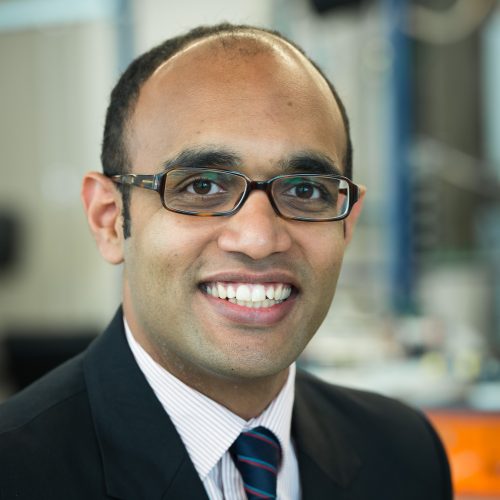
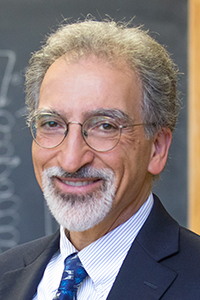
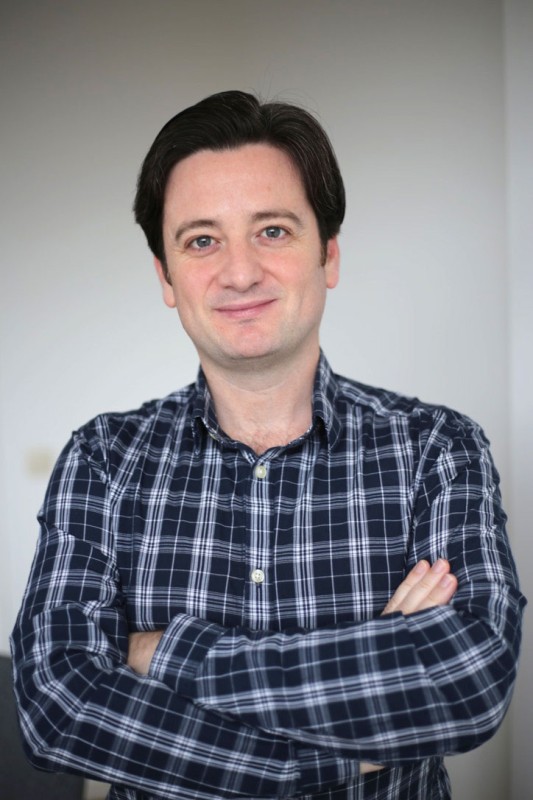
Henrik Sandberg is a Professor at the Division of Decision and Control Systems , KTH Royal Institute of Technology , Stockholm, Sweden. He holds the title of Deputy Head of Division and is affiliated with the School of Electrical Engineering and Computer Science . Education: MSc in Engineering Physics (1999) PhD in Automatic Control (2004) from Lund University Postdoctoral position at Caltech (pre-2007) Research Interests: Focus on cyber-physical systems security , power systems , model reduction , and fundamental limitations of control systems . Key sub-areas include attack detection , networked control , privacy-preserving estimation , and resilient control architectures . Publications: Over 150 papers across IEEE Transactions and Automatica , covering topics like stealthy attacks , distributed control , LQG optimization , and thermodynamic costs in filtering . Recent work includes LWE-based encrypted control and Bayesian deception mechanisms . Scientific Awards: Best Student Paper Award Finalist at IEEE CASE 2014; Best Student-Paper Award at IEEE CDC 2004. Grants & Projects: Leads the DYNACON project (WASP Cybersec cluster) and collaborates on CERCES (critical infrastructure resilience). Serves as examiner for multiple advanced courses in cybersecurity and control systems. Contact: Email: hsan@kth.se Phone: +46 (0)8 790 7294 Room: A:607, Malvinas Väg 10, Stockholm
Rana Hanocka is an Assistant Professor of Computer Science at the University of Chicago, leading the 3DL research group focused on AI-driven 3D geometry processing. She earned her Ph.D. in 2021 from Tel Aviv University under Professors Daniel Cohen-Or and Raja Giryes. Her work explores neural networks for unstructured 3D data, including mesh convolutional networks and self-priors for shape reconstruction. Key research areas include geometric deep learning, human-AI collaboration in 3D modeling, and interpretable neural networks. Notable contributions include MeshCNN (SIGGRAPH 2019) and Point2Mesh (NeurIPS 2020), advancing mesh analysis and point cloud processing. Awards include the 2023 Pazy Research Award and 2020 Rising Star in EECS. Education : Ph.D. Computer Science, Tel Aviv University (2021) Labs/Groups : 3DL Group at UChicago Grants : NSF Grant for AI-driven 3D modeling tools (2023) Research directions emphasize creative human-AI partnerships, unsupervised learning from shape collections, and explainable 3D neural networks. Ongoing projects include style-aware 3D synthesis, interactive segmentation, and multimodal shape interfaces.
Deian Stefan is an Associate Professor in the Department of Computer Science and Engineering at the University of California, San Diego (UCSD). His research focuses on building secure systems through interdisciplinary approaches spanning security , programming languages , and systems . Key areas include WebAssembly security , JavaScript JITs , constant-time programming , memory safety , information flow control , and program analysis tools. He co-founded Intrinsic , a web-security startup later acquired by VMWare, and contributed to standards like W3C WebAppSec and Node.js Security Working Groups. Education: PhD in Computer Science from Stanford University (2015), advised by David Mazières, John C. Mitchell, and Alejandro Russo BE and ME in Electrical Engineering from Cooper Union (2011) Research Trends: His work targets secure systems (Web frameworks, sandboxing, runtime systems), language-based security (constant-time programming, memory safety), and verification for security . Recent publications focus on mitigating speculative execution attacks, hardware-assisted sandboxing, and WebAssembly security. Awards & Recognition: Distinguished Paper Award at POPL 2021 and IEEE MICRO Top Picks 2024 Best Paper Award at CollaborateCom 2010 2010.01 Prize by Daniel J. Bernstein (DJB) Most Influential Paper Award at ICFP 2022 Teaching: He has taught graduate and undergraduate courses including Graduate Computer Security (CSE 227) , Building Secure Systems with Rust , and Programming Languages: Principles and Paradigms at UCSD since 2018. Prior teaching experience includes Stanford and Cooper Union.
Youngjae You is a Professor of Empire Innovation in the Department of Pharmaceutical Sciences at the University at Buffalo School of Pharmacy. His research focuses on Antibody-Drug Conjugates, Cancer Chemotherapy, Medicinal Chemistry, and Targeted Drug Delivery. He holds adjunct roles at the University of Oklahoma Health Sciences Center and has led numerous grants totaling over $10 million in funding. Key awards include the 2019 Professor of Empire Innovation title and multiple DoD/CDMRP grants. His work emphasizes prodrug design, photodynamic therapy, and combination therapies. Education : PhD in Pharmaceutical Chemistry, Chungnam National University (2001) MS in Pharmaceutical Chemistry, Chungnam National University (2000) BPharm, Chungnam National University (1994) Research Interests : Dr. You specializes in developing light-activatable prodrugs for targeted cancer therapies, including far-red/NIR light-activated delivery systems. His work integrates quantitative pharmacokinetic modeling, singlet oxygen dynamics, and receptor-targeted drug conjugation to enhance therapeutic efficacy while minimizing off-target effects. Key applications include bladder, breast, and ovarian cancers. Funding Highlights : NIH/NIGMS: $1.37M (2023-2027) for light-responsive drug delivery National Cancer Institute: $2.1M (2022-2027) for bladder cancer treatments DoD/CDMRP/PRCRP: $392K (2017-2020) for photodynamic-chemotherapy combinations Awards : PHF Presidential Professorship (2018) American Cancer Society Research Scholar Grant (2013) Multiple DoD/CDMRP Idea Awards Service & Grants : Serves as Principal Investigator on 8 major grants. Active reviewer for Wellcome Trust, NIH, and international funding agencies. Holds patents on BODIPY derivatives and singlet oxygen-labile linkers. Lab & Collaborations : Leads the You Lab at UB, collaborating with bioengineers and clinicians to advance photomedicine and targeted drug delivery systems. Engaged in multidisciplinary teams addressing spatiotemporal control in cancer treatments.
Alexis Battle is an Associate Professor at Johns Hopkins University with appointments in Biomedical Engineering , Computer Science , and Genetic Medicine (secondary). She directs the Malone Center for Engineering in Healthcare and serves as Deputy Director of the Data Science and AI Institute . Educated at Stanford University (PhD in Computer Science, 2013), Battle transitioned to academia after leadership roles at Google. Research Focus: Battle’s work bridges genomics and machine learning , emphasizing the impact of genetic variation on human health. Her lab develops tools like Watershed to predict functional effects of rare variants, aiming to enhance rare disease diagnosis. Key themes include non-coding DNA analysis , personalized genomics , and systems biology , with applications in cardiovascular disease and neurodegenerative disorders . Publications & Awards: Over 60 peer-reviewed articles in journals like Nature , Science , and Genome Biology , with recent emphasis on single-cell transcriptomics , multiomics integration , and telomere biology . Recipient of the President’s Frontier Award (2022), Microsoft Investigator Fellowship (2019), and Searle Scholar (2016). Scientific Awards: 2022 President’s Frontier Award 2019 Microsoft Investigator Fellowship 2019 Johns Hopkins Discovery Award 2017 Johns Hopkins Catalyst Award 2016 Searle Scholar Advising & Funding: Mentors 11 PhD students, 3 undergraduates, and postdoctoral fellows. Her research is funded by NIH, Searle Scholars, and institutional grants. The Battle Lab collaborates on projects like the GTEx Consortium , focusing on gene regulation and clinical genomics .
Gregg M. Garfin is a Professor and Specialist in Climate, Natural Resources, and Policy at the University of Arizona’s School of Natural Resources and the Environment, and Deputy Director for Science Translation and Outreach at the Arizona Institute for Resilience. He holds a Ph.D. in Geosciences from the University of Arizona (2003), an M.S. in Geology and Geography from the University of Massachusetts (1997), and a B.S. in Geology and Geography from the same institution (1993). His work bridges science and societal decision-making, focusing on climate adaptation, drought management, and climate services. He directs the Water, Society, and Policy M.S. Program and has led interdisciplinary projects on climate resilience, including contributions to the Fourth National Climate Assessment. Roles: Professor, Deputy Director, Program Director Affiliations: Arizona Institute for Resilience, School of Natural Resources and the Environment Research Interests His research emphasizes climate adaptation strategies, climate policy, and the co-production of knowledge between scientists and decision-makers. Key areas include: Climate impacts on water resources and ecosystems Extreme heat and drought resilience in urban and border communities Climate change communication and education Awards & Recognition Garfin has received multiple accolades, including AAAS Fellowship (2020), University of Arizona Service Awards (2020, 2015), and the Global Initiative for Academic Networks (GIAN) Visiting Fellowship (2018). His work has been featured in peer-reviewed journals and media outlets, emphasizing actionable science for climate resilience. Grants & Contributions He has led federal and transnational projects, including binational climate resilience initiatives in the U.S.-Mexico border region and flood risk assessments in Seoul, South Korea. His work integrates participatory governance approaches to enhance community preparedness.
Ning Zhang is an Assistant Professor in the Biology Department at James Madison University (JMU), joining in 2024. Her research focuses on enhancing crop resilience through molecular and biochemical studies of plant defense mechanisms against bacterial pathogens, alongside developing genome editing technologies for trait improvement. She holds a PhD in Horticulture and Crop Science from The Ohio State University (2016), an MS in Silviculture from Zhejiang Agriculture and Forestry University (2011), and a BS in Landscape Architecture from Shandong Agricultural University (2008). Research Interests: Dr. Zhang's lab investigates plant immunity pathways, CRISPR/Cas9 genome editing applications, and engineering crops for disease resistance. Her work integrates molecular biology, genetics, and biochemistry to tackle challenges posed by climate change and biotic/abiotic stresses. Recent Trends in Publications: Her articles concentrate on MAPK signaling pathways, NLR protein interactions, PP2C phosphatase regulation, and bacterial effector mechanisms in tomato and other crops. Key themes include immune system activation, pathogen recognition diversity, and transgenic plant development. Lab Information: The Zhang Lab at JMU is part of the Department of Biology, focusing on plant biotechnology solutions for agricultural sustainability. They collaborate on projects involving CRISPR-based gene editing and stress tolerance research.
Yin Bao is an Assistant Professor in Plant and Soil Sciences and Mechanical Engineering at the University of Delaware since 2023, previously holding the same position at Auburn University's Department of Biosystems Engineering (2019-2023). He holds a BE in Mechanical Engineering from China Agricultural University (2012) and a PhD in Agricultural and Biosystems Engineering from Iowa State University (2018), followed by postdoctoral research there until 2019. His research focuses on automation technology for agriculture and forestry, leveraging robotics, machine learning, and sensing systems to develop tools for precision farming and plant phenotyping. Key areas include unmanned systems (UGVs/UAVs), spectral imaging, and AI-driven predictive models for crop and livestock management. Recent work emphasizes automated inventory systems for forest nurseries, UAV-based vegetation assessment, and machine learning applications in crop yield prediction. His publications span robotic guidance systems, root segmentation in X-ray CT scans, and equine gait analysis using deep learning. Notable projects include the Robotic Assay for Drought (RoAD) system and the 'smart canopy' sorghum initiative. Collaborative efforts involve integrating multifrequency microwave sensing and electronic nose technologies for crop quality analysis.
Michael O'Boyle is a Professor at the University of Edinburgh's School of Informatics, where he serves as Director of the ARM Research Centre of Excellence and the EPSRC Centre for Doctoral Training in Pervasive Parallelism. Holding an EPSRC Established Career Research Fellowship, he leads pioneering work in compiler technology for heterogeneous architectures, bridging theoretical advances with practical high-performance computing applications. Professor O'Boyle's research spans multiple cutting-edge areas including heterogeneous code discovery and optimization, neural machine translation for program synthesis, deep neural network system stack optimization, software-defined hardware, and compiler/architecture co-design. His approach integrates constraint analysis, program synthesis, and machine learning to address complex challenges in high-performance computing across diverse hardware platforms. His recent publications reveal a strong trend toward integrating machine learning with traditional compiler techniques, particularly in neural program synthesis, tensor optimization, and architecture-aware compilation. This work represents a paradigm shift in compiler design, moving from rule-based systems to learning-based approaches that can automatically adapt to diverse hardware targets. IEEE/ACM CGO 2025 Distinguished Paper Award for 'Tensorize: Fast Synthesis of Tensor Programs from Legacy Code' IEEE/ACM CGO 2024 Test of Time Award ACM GPCE 2023 Best Paper Award for 'C2TACO: Lifting Tensor Code to TACOM' ACM ASPLOS 2021 Distinguished Paper Award IEEE HPCA 2021 Best Paper Award for 'Prodigy: Improving the Memory Latency of Data-Indirect Irregular Workloads' Professor O'Boyle has successfully mentored numerous PhD students who have secured prominent positions in academia (including at Cambridge, Edinburgh, Leeds, and McGill) and industry (including Meta, NVIDIA, Qualcomm, Huawei, and Microsoft). His research is supported by significant funding from EPSRC, ARM, and European projects including Bonseyes and Transmuter, demonstrating strong international recognition and industry impact. He leads the influential Compiler and Architecture Design (CArD) Group at the University of Edinburgh and is a founder of the HiPEAC Network of Excellence, which has grown into a major European initiative connecting researchers and practitioners in high-performance and embedded computing.
Hai-Quan Mao is a Professor of Materials Science and Engineering at Johns Hopkins University, with a joint appointment in the Biomedical Engineering Department (School of Medicine). He directs the Institute for NanoBioTechnology (INBT) and leads the Translational Tissue Engineering Center. His research focuses on biomaterials, regenerative engineering, and immunoengineering, particularly developing nanomaterials for therapeutic delivery and tissue regeneration. Mao holds 35 U.S. patents, co-founded two biotech companies, and received prestigious awards including National Academy of Inventors Fellow and NSF CAREER Award. Education: BS in Chemistry (1988) and PhD in Polymer Chemistry (1993) from Wuhan University. Postdoctoral training at Johns Hopkins (1995–1998), followed by roles at Johns Hopkins Singapore (1999–2003) before joining the Whiting School faculty. Research emphasizes nanofiber scaffolds for liver/nerve regeneration, DNA/lipid nanoparticle engineering for gene therapy, and artificial lymph node matrices for immunotherapy. His lab translates biomaterials innovations into clinical applications, with NIH-funded projects addressing cancer, malaria, and tissue damage. Awards include over 60 provisional patents, multiple Johns Hopkins translational awards, and Thalheimer Awards for research. He serves as associate editor of Biomaterials and editorial board member of major journals. Lab activities include scalable nanoparticle manufacturing, machine learning for material design, and collaborations with industry/clinical partners. Recent work includes lipid nanoparticle optimization for mRNA vaccines and exosome-based therapies for Crohn’s disease.
Bradley D. Olsen is a full professor in the Department of Chemical Engineering at the Massachusetts Institute of Technology (MIT), where he leads research at the intersection of polymer science, soft matter physics, and bioengineering. His work focuses on designing materials for critical applications in biotechnology, hemostasis, and sustainable polymer development while advancing fundamental understanding of polymer network mechanics and self-assembly. Education: Ph.D. in Chemical Engineering, University of California Berkeley (2007) S.B. in Chemical Engineering, Massachusetts Institute of Technology (2003) Olsen's research spans protein-based materials, block copolymer phase behavior, and mechanochemical hydrogels. He has pioneered methods for quantifying polymer network topology, developing hemostatic nanoparticles, and creating bio-inspired materials for selective biomolecular transport and medical applications. His recent publications emphasize data-driven approaches to polymer characterization and educational outreach in materials science. Scientific Awards: American Physical Society (APS) Fellow (2023) Fulbright Amazonia Scholar (2023) Alexander and I. Michael Kasser Chair in Chemical Engineering (2021) ACS Macro Letters Young Investigator Award (2021) MIT Committed to Caring Honor (2019) AIChE Owens Corning Early Career Award (2019) APS Dillon Medal (2018) Kavli Emerging Leader in Chemistry (2017) ACS Polymer Division Fellow (2016) Camille Dreyfus-Teacher Scholar (2015) Alfred P. Sloan Research Fellow (2014) NSF Career Grant (2013) NIH Postdoctoral Fellowship (2008-2009) Hertz Fellow (2003-2007) Barry M. Goldwater Scholarship (2002) Olsen has received significant grant support including NSF Career (2013) and AFOSR (2012) awards. His teaching activities include innovative international outreach like the 2025 soccer-themed science camp in Brazil. The Olsen Group at MIT explores advanced materials with applications ranging from trauma care to sustainable polymers.
Vikramaditya G. Yadav is an Associate Professor at the University of British Columbia (UBC) in the Department of Chemical and Biological Engineering, Faculty of Applied Science. He directs the Master of Engineering Leadership (MEL) Program in Sustainable Process Engineering and leads the BioFoundry research group. Education: B.A.Sc., University of Waterloo (2007) Ph.D., Massachusetts Institute of Technology (2013) Postdoctoral Associate, Harvard University (2014) His research spans sustainable chemical manufacturing, metabolic engineering, and biotechnology. Key areas include: Designing biosynthetic enzymes for biomass valorization Developing bioremediation strategies for industrial water quality Creating innovative drug delivery systems and tissue engineering solutions Advancing synthetic biology for pharmaceutical and bioenergy applications His recent work focuses on ocular drug delivery, cannabinoid biosynthesis in E. coli, lignin-based nanoparticles for cancer therapy, and computational analysis of plant secondary metabolites. Collaborations with start-ups, industry, and medical labs drive innovation in Canada's bioeconomy. Professional Leadership: Chair, Biotechnology Division of the Chemical Institute of Canada Associate Editor, The Canadian Journal of Chemical Engineering He is affiliated with UBC's BioProducts Institute and contributes to project-based learning pedagogy.
Michael J. Aziz is the Gene and Tracy Sykes Professor of Materials and Energy Technologies at Harvard University's John A. Paulson School of Engineering and Applied Sciences (SEAS). He serves as Area Chair for Materials Science and Mechanical Engineering and is a Faculty Associate at the Harvard University Center for the Environment. His research focuses on electrochemical engineering for energy and environmental applications, including redox flow batteries, carbon capture, and sustainable energy technologies. Aziz leads the Aziz Group, which develops grid-scale energy storage solutions and innovative methods for CO₂ removal. He holds equity in Quino Energy, a startup commercializing his battery research, and serves as Chief Scientist and Board Member. His work bridges fundamental materials science with practical engineering, emphasizing ClimateTech solutions. Key contributions include aqueous organic redox flow batteries, quinone-based carbon capture systems, and wearable energy storage devices. Education & Affiliations: Affiliated with SEAS since joining Harvard, his academic roles include coordinating the Graduate Consortium for Energy and Environment (2009–2018). His lab (Materials Science Group) is located at McKay 504, with administrative support from Sabrina Azinheira. Research Interests: Aziz's group investigates electrochemical energy storage, CO₂ capture via electrochemical systems, and novel materials for sustainable technologies. They employ advanced techniques like operando electrochemical fluorescence microscopy to study porous electrode dynamics and battery degradation mechanisms. Their work emphasizes scalability and real-world applicability, such as grid-scale battery infrastructure and decarbonization strategies. Recent Trends in Publications: Aziz's recent work emphasizes carbon capture innovations (e.g., acid-base concentration swing methods), hydrogen storage under ambient conditions, and electrochemical synthesis of industrial chemicals like hydrogen peroxide. His group also develops open-source tools like RFBzero for battery modeling and explores bioinspired materials (e.g., self-gelling hydrogel batteries). Awards & Recognition: While no personal awards are explicitly listed in the text, his team members (e.g., Dawei Xi) have received accolades such as the 2025 Carbon Future Young Investigator Award. Aziz's contributions have been recognized through industry partnerships and startup ventures. Advising & Industry Impact: Aziz advises PhD students focusing on electrochemical systems (e.g., Jordan Sosa, Tommy George). His industry engagement includes licensing intellectual property to Quino Energy, which achieved a manufacturing milestone in 2024 for grid-scale battery systems. His research bridges academia and industry, addressing climate challenges through technological innovation. Labs & Teams: The Aziz Group includes interdisciplinary researchers from electrochemistry, chemical engineering, and materials science. Collaborators include institutions like MIT and industry partners. Current projects target next-gen batteries, CO₂ removal systems, and scalable energy storage solutions.
Prof. Dr. Gonzalo Guillén Gosálbez is a Full Professor at the Department of Chemistry and Applied Biosciences , ETH Zürich. He holds a PhD in Process Systems Engineering (UPC, 2005) and has held academic positions at Imperial College London (Reader), University of Manchester (Senior Lecturer), and Universitat Rovira i Virgili (Assistant/Associate Professor). His research focuses on Sustainable Chemical Processes , integrating life cycle assessment, optimization techniques, and planetary boundary analysis to evaluate and design low-carbon technologies. Current position: Full Professor, ETH Zürich (2019–present) Prior roles: Imperial College London (2016–2019), University of Manchester (2014–2016), URV Spain (2008–2014) Education: PhD (UPC, 2005), MEng/BEng (University of Murcia) His research explores CO2 valorization , green methanol synthesis , circular marine fuels , and planetary boundary compliance in energy and chemical systems. Recent work emphasizes machine learning for process modeling, single-atom catalysis , and decentralized ammonia production . Scientific contributions include 15+ peer-reviewed articles (2023–2025) in journals like Nature Chemical Engineering , ACS Sustainable Chemistry & Engineering , and Energy & Environmental Science . Key themes: Optimization of hybrid fossil/renewable carbon systems Environmental impacts of energy transitions Catalyst design for sustainable chemistry Life cycle assessment of emerging technologies Awarded UPC Top Doctoral Student Award and Top National Student Award , he combines process systems engineering with sustainability metrics to address global challenges in chemical and energy systems.
Dr. Rebecca Pratt is a tenured Professor in the Department of Foundational Medical Studies at Oakland University William Beaumont School of Medicine (OUWB), where she has been a faculty member since January 2018. She previously held professorial roles at Michigan State University College of Osteopathic Medicine (MSUCOM), where she taught anatomy, embryology, neuroanatomy, physiology, and histology, and served as Associate Professor and Director of Histology at the West Virginia School of Osteopathic Medicine. She also held appointments at Grand Valley State University and completed postdoctoral training at Purdue University. Ph.D., Cell Biology and Oncology, Purdue University B.S., Zoology and Botany/Plant Pathology, Michigan State University Dr. Pratt's research focuses on the fascial system and its role in whole-body health, including fascial continuity, muscle attachment, somatic pain transmission, and biochemical communication. She integrates radiology into anatomy education and advocates for evidence-based medical curricula. Her work bridges clinical anatomy, histology, embryology, and physiology with modern educational practices. Her recent publications reflect a strong emphasis on fascial anatomy, medical education innovation, and the integration of imaging in teaching. Themes include plastination, generational learning trends, and fascia’s role in women's health and athletic performance, published in journals like Clinical Anatomy and Anatomical Sciences Education , as well as in Women and Men’s Health and NIKE magazines. Scientific awards and honors include: Basmajian Award (American Association of Anatomy) Keith and Marion Moore Award (AAA) Five consecutive Golden Apple Teaching Awards at MSUCOM Golden Apple Award at OUWB Dr. Pratt has served in major leadership roles, including President of the International Fascia Research Society, Board Member of the American Association of Anatomy (AAA) and the American Association of Clinical Anatomy (AACA), and Chair of multiple AAA committees. She is a Visiting Anatomy Professor at Weill Cornell and St. George’s University School of Medicine, and faculty advisor for the Docapellas at OUWB. She has been an invited speaker internationally and contributed to high-impact projects like the BodyWorlds Fascial Net Plastination Project. She actively serves on OUWB’s Admissions and Student Promotion and Retention Committees. Dr. Pratt leads and organizes major international initiatives, including the Women's Clinical Health Summit in Rio de Janeiro (2024) and the Fascia Research Congress in New Orleans (2025), fostering global collaboration in fascial science. Her lab and research team focus on fascial anatomy and medical education, working closely with institutions in Italy (University of Padova) and Germany (BodyWorlds project).