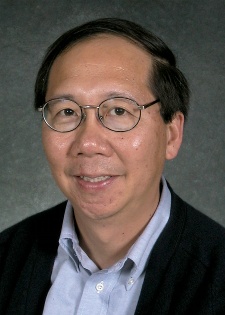
Renaud BACHELOT is a full Professor of Physics at the University of Technology of Troyes (UTT) since 1996. He leads the Light, Nanomaterials, and Nanotechnologies (L2n) laboratory and directs the Graduate School 'Nano-optics & Nanophotonics'. He holds adjunct professorships at the University of Paris-Saclay (LuMIn Lab) and Shanghai University (1000-talents Grant). His research focuses on nano-optics, plasmonics, and hybrid nanoplasmonics, with expertise in photopolymerization and plasmon-driven chemical processes. Education: PhD and graduate studies at Université Paris-Cité and ESPCI Paris Research Interests: BACHELOT’s work spans nanoscale light-matter interactions, including plasmonic nanostructures, photopolymerization-based fabrication, and applications in optical sensing and quantum photonics. His lab employs advanced techniques like near-field scanning optical microscopy (NSOM) and two-photon polymerization. Grants & Projects: ANR-PIA3 STRONG-NANO (2023-2026) ANR ADVANSPEC (2022-2025) International collaborations with NTU Singapore and Argonne National Lab Labs & Teams: Directs L2n (CNRS-UMR 7076) and collaborates across interdisciplinary platforms like InSyTE and LIST3N. His team develops novel hybrid materials and nanophotonic devices.
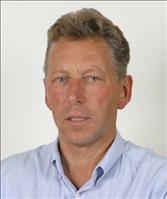
Prof. Dr. Uwe Hartmann is a faculty member and Chair Holder at Saarland University, affiliated with the Institute of Experimental Physics within the Faculty of Natural Sciences and Technology. His research group specializes in nanostructure research and nanotechnology, with a strong focus on instrumentation, nanofabrication, and quantum systems. He is based in Building C6.3, Saarbrücken, Germany. His research interests lie at the intersection of physics and engineering, particularly in nanotechnology , scanning probe microscopy , quantum device characterization , and nanofabrication . His work spans fundamental investigations of nanostructures to applied developments in microsystem technology and industrial nanomanufacturing. He has contributed significantly to cleanroom technologies, surface physics, and the transition from micro- to nanoscale systems. The recent publications highlight a strong thematic focus on enabling technologies for nanoscale science, including instrumentation (e.g., atomic force microscopy), fabrication methods, and analysis of quantum and metallic nanostructures. The research demonstrates a consistent trajectory toward understanding and manipulating matter at the nanoscale for both scientific and industrial applications. Scientific Awards: No awards explicitly mentioned in the provided text. Prof. Hartmann actively supervises doctoral and diploma students, indicating a strong commitment to academic mentoring. His group includes PhD students and scientific staff, suggesting ongoing research projects and potential grant funding, although specific grants are not listed. He has led a long-standing research group with technical staff supporting experimental work, indicating a well-established laboratory infrastructure focused on experimental physics and nanotechnology development. Laboratory and Team: The working group includes scientific staff (e.g., Dr. Haibin Gao), PhD and diploma students, and technical staff (electronics engineers, mechanics, workshop heads), forming a multidisciplinary team capable of both theoretical and hands-on experimental research in nanotechnology. The presence of a dedicated workshop and technical personnel underscores the practical, device-oriented nature of the research.
Cesare Franchini is a full Professor at the University of Vienna's Faculty of Physics, leading the Computational Materials Physics research group. His work focuses on theoretical understanding and computational modeling of quantum materials using first principles methods, particularly VASP. He maintains an active research program with numerous postdocs, PhD students, and collaborations across multiple institutions including the University of Bologna. Professor Franchini's research centers on quantum materials with many interacting degrees of freedom (lattice, spin, and electron orbital) that enable novel electronic and magnetic phases. His specific interests include metal-insulator transitions, polaron physics (electron-phonon interactions), non-collinear spin orderings, topological Dirac/Weyl phases, multiferroism, and superconductivity. He has increasingly incorporated machine learning data-driven tools and diagrammatic Monte Carlo techniques into his computational approaches. Analysis of his recent publications (2024-2025) reveals a strong focus on polaron physics across multiple material systems, with significant work on hematite, titanium dioxide, and quantum paraelectrics like KTaO3. His research increasingly integrates machine learning with traditional first-principles methods, particularly for studying hydrogen diffusion, surface science phenomena, and electronic structure calculations. There's also substantial work on single-atom catalysis and the application of advanced computational techniques to understand fundamental charge transport mechanisms in energy materials. Professor Franchini actively supervises numerous PhD students and postdocs, including Andrea Angeletti, Viktor Birschitzky, Lorenzo Celiberti, and several others working on diverse aspects of computational materials physics. He leads or participates in major research projects including TACO (Taming Complexity in Materials Modeling), DCAFM (Doctoral College Advanced Functional Materials), and the recently launched Spin-orbit entangled anharmonic polarons project. His group maintains strong collaborations with experimentalists at Charles University, Technical University of Vienna, and other international institutions.
Daniel Vanmaekelbergh is a Professor in the Department of Chemistry at Utrecht University, where he leads research in the Condensed Matter and Interfaces group within the Debye Institute for Nanomaterials Science. His academic career spans over two decades with continuous contributions to nanomaterials science and semiconductor physics. Professor Vanmaekelbergh's research focuses on the fundamental properties of semiconductor nanocrystals, quantum dots, and artificial electronic lattices. His work bridges theoretical and experimental approaches to investigate electron transport, quantum confinement effects, and the optical properties of nanoscale materials. He has made significant contributions to understanding the formation mechanisms of nanocrystal superlattices, the electronic structure of artificial honeycomb lattices, and the dynamics of excitons in confined systems. His research group, known as the Vanmaekelbergh Lab, employs advanced techniques including scanning tunneling spectroscopy, electron microscopy, and optical spectroscopy to probe nanoscale phenomena. Analysis of his recent publications reveals a strong emphasis on the physics of quantum-confined systems, particularly in lead chalcogenide and cadmium selenide nanocrystals. His work explores the relationship between nanocrystal structure and electronic properties, with applications in optoelectronics and quantum technologies. Recent research has focused on oriented attachment processes, artificial quantum systems with fractal geometries, and the fundamental limits of light-matter interactions in nanoscale materials. Professor Vanmaekelbergh has established a productive research program with numerous collaborations across the Netherlands and internationally. His work has been published consistently in high-impact journals including Nature Physics, Nano Letters, and ACS Nano, demonstrating the significance of his contributions to the field of nanomaterials science.
Vernita Gordon is an Associate Professor in the Department of Physics at the University of Texas at Austin (since 2018), previously serving as an Assistant Professor there from 2010 to 2018. She holds a Ph.D. in Physics from Harvard University (2003) and a B.Sc. in Physics and Mathematics from Vanderbilt University (1997). Her research focuses on understanding how physical characteristics like mechanics and spatial structure influence bacterial biofilms, particularly their interactions with the immune system and resistance to antibiotics. She has pioneered techniques such as laser trapping to manipulate biofilm structures and studies radiation effects on bacteria like Deinococcus radiodurans . Education: Ph.D. in Physics, Harvard University (2003) B.Sc. in Physics and Mathematics, Vanderbilt University (1997) Research Interests: Dr. Gordon’s work integrates biophysics, microbiology, and materials science to explore biofilm mechanics, bacterial mechanosensing, and radiation biology. Key areas include: How biofilm mechanics resist immune clearance and antibiotic treatment Role of surface stiffness and shear stress in biofilm initiation Radiation resistance mechanisms in Deinococcus radiodurans Development of tools like laser trapping to study biofilm structure Key Achievements: Recipient of the Elizabeth B. Gleeson Professorship (2023) and Texas Mindset Initiative Fellowship (2023) Provost’s Teaching Fellow (2020–2024) and multiple teaching awards Funded by NSF, NIH, and Cystic Fibrosis Foundation Published over 60 peer-reviewed articles, including in Nature , PNAS , and Biophysical Journal Advising & Outreach: She mentors graduate students in Physics, Microbiology, and Biomedical Engineering, emphasizing interdisciplinary training. Her group actively recruits undergraduates and collaborates with industry partners like Solvay and the College of Pharmacy. Outreach includes lesson plans for high school STEM education and community science initiatives. Labs & Collaborations: Her lab uses advanced microscopy, microrheology, and computational modeling. Key collaborations include work with the Contreras Lab (UT Austin Chemical Engineering) on radiation-resistant bacteria and the Raizen Lab (UT Austin Physics) on self-sterilizing surfaces.
François Peeters is a Full Professor of Physics at the University of Antwerp, Belgium, holding the position since 2000 (with Dutch title 'gewoon hoogleraar' since 2003). He previously served as Research Director (FWO-VI) at the University of Antwerp (1996-1999), Research Leader (NFWO) (1992-1996), and Senior Research Assistant (NFWO) (1988-1992), establishing a distinguished academic career spanning over three decades. His educational background includes a Ph.D. in Physics from the University of Antwerp (1982), followed by a Habilitation (Hoger aggregaat) from the same institution (1987), and a postdoctoral fellowship at Bell Laboratories in Murray Hill, New Jersey (1982-1983). His academic journey also featured research periods at prestigious institutions including the High Magnetic Field Laboratory in Grenoble, University of California Berkeley, Oxford University, and several Brazilian and Australian universities. Peeters' research focuses on theoretical condensed matter physics , specializing in the electronic, optical, and magnetic properties of nanostructured systems. His work encompasses semiconductors , superconductors , graphene , and hybrid quantum systems , with particular emphasis on strong correlations in both classical (colloids, dusty plasma) and quantum (quantum dots) environments. His theoretical frameworks bridge fundamental quantum mechanics with practical nanotechnology applications, driving innovations in spintronics and quantum device design. Analysis of his publication record reveals a clear evolution from foundational work on polaron physics and quantum Hall systems in the 1980s-1990s toward contemporary research on graphene, topological materials, and programmable quantum nanodevices. His most cited works demonstrate consistent leadership in mesoscopic physics, with recent publications showing increased focus on spin-dependent transport phenomena and two-dimensional material systems. His scientific recognition includes: Fellowship in the American Physical Society (2005) APS Outstanding Referee award (2008) Doctor Honoris Causa from University of Szeged, Hungary (2009) Peeters has supervised 26 completed PhD theses and currently leads the Condensed Matter Theory research group comprising 3 ZAP researchers, 16 PhD students, and 8 postdocs. His grant portfolio includes coordination of an EU Marie Curie Training site on 'Electrons on helium', participation in multiple EU projects, COST actions, and ESF networks, demonstrating sustained success in securing competitive international funding. The Condensed Matter Theory group maintains extensive international collaborations, evidenced by Peeters' research visits to over 10 institutions worldwide and regular hosting of 3-4 international visitors at postdoc or professorial levels. The group's output of over 770 refereed publications with 12,000+ citations reflects its position at the forefront of theoretical condensed matter physics research.
Örs Legeza is a physicist and scientific advisor at the Wigner Research Centre for Physics of the Hungarian Academy of Sciences in Budapest, leading the Strongly Correlated Systems Research Group. He holds a visiting professorship at Philipps University Marburg, Germany, and has held fellowships at institutions like ETH Zurich and LMU Munich. His research focuses on developing tensor network state (TNS) methods for strongly correlated quantum systems, with applications in condensed matter physics, quantum chemistry, and nuclear structure calculations. Education: PhD from Budapest University of Technology and Economics (1997). He has collaborated with European institutions such as FAU Erlangen-Nuremberg and has been an Alexander von Humboldt awardee. His work bridges quantum information theory and computational mathematics to advance simulations of complex quantum systems. Research interests include quantum phase transitions, magnetic properties in solids, and ultracold atomic systems. His methods push computational boundaries for larger systems, integrating techniques like density matrix renormalization group (DMRG) and matrix product states (MPS). Notable awards include the 2021 Academy Prize and 2018 Humboldt Research Award. Recent articles explore quantum crystal imaging, tensor network algorithms, and nuclear structure calculations. His work emphasizes interdisciplinary approaches to quantum many-body problems.
John Heron is an Associate Professor in the Department of Materials Science and Engineering at the University of Michigan. His research focuses on epitaxial growth of complex oxide thin films and heterostructures to engineer new electronic phenomena for next-generation devices. B.S. in Physics, University of California, Santa Barbara (2007) M.S. in Materials Science and Engineering, University of California, Berkeley (2011) Ph.D. in Materials Science and Engineering, University of California, Berkeley (2013) His work explores ferroic materials like (anti)ferromagnets and (anti)ferroelectrics, utilizing techniques such as X-ray diffraction, scanning probe microscopy, and magnetotransport measurements. The Ferroelectronics Lab (http://ferroelectronicslab.com) employs in-situ transfer systems for high-quality oxide and metal growth. Recent publications emphasize magnetoelectric switching, entropy-stabilized oxides, and spintronic devices. Current teaching includes MSE500 Materials Physics and Chemistry. No explicit scientific awards or students are listed in the provided texts.
Keith A. Brown is an Associate Professor in Mechanical Engineering at Boston University's College of Engineering with additional appointments in Materials Science & Engineering and Physics. He serves as Associate Chair for Graduate Programs in ME and leads the interdisciplinary KABLab research group. Education: PhD, Harvard University Dr. Brown's research centers on hierarchical soft matter systems including polymers and smart fluids. His group develops innovative approaches to accelerate materials research through nanocombinatorics , autonomous experimentation , and scanning probe lithography . Key focus areas include connecting nanoparticle properties to bulk smart fluid behavior, designing 3D-printed structures with programmed mechanics, and creating self-driving laboratories for materials discovery. His recent publications (2024-2025) demonstrate a strong emphasis on autonomous experimentation systems integrating machine learning with physical research. This work spans energy-absorbing foam design, nanoscale fluid manipulation, and physics-informed modeling for mechanical systems, establishing new paradigms in accelerated materials development. Scientific Awards: The Early Career Research Excellence Award, College of Engineering, 2021 Professor of the Year, Mechanical Engineering, 2020 Frontiers of Materials Award, The Minerals Metals and Materials Society (TMS), 2020 Dean’s Catalyst Award (2018) Dean’s Catalyst Award (2020) Moorman-Simon Interdisciplinary Career Development Professor, 2016 Dr. Brown teaches undergraduate courses including Fluid Mechanics (ME 303), Introduction to Materials (ME 306), and Nanomanufacturing (ME/MS 576). His research is supported by: Federal Grants : AFOSR MURI, NSF Nanomanufacturing, ACS Petroleum Research Fund Foundations : Gordon and Betty Moore Foundation Industry : Google Faculty Research Award University : BU Dean's Catalyst Award, Nanotechnology Innovation Center The KABLab employs interdisciplinary teams to develop novel instrumentation for hierarchical soft matter research, with particular expertise in autonomous experimentation platforms that combine scanning probe techniques with machine learning for accelerated materials discovery.
Lincoln J. Lauhon is a Professor of Materials Science and Engineering at Northwestern University. His research focuses on nanoscale structure-property relationships in low-dimensional materials, emphasizing synthesis, characterization, and device applications. He leads the Lauhon Research Group, which explores nanowires, 2D semiconductors, and heterostructures for quantum computing, high-power electronics, and energy conversion. Lauhon holds significant recognition including the Camille Dreyfus Teacher-Scholar Award (2008) and National Science Foundation CAREER Award (2005). His work bridges fundamental materials science with practical technologies through advanced microscopy and modeling techniques. Education: Postdoc in Chemistry at Harvard University, Ph.D. in Physics from Cornell University, and B.S. in Physics (Honors) from the University of Michigan. Research interests span nanowire synthesis, 3D nanotomography, scanning probe microscopy, and computational modeling. Current projects include III-As-Sb nanowire networks for quantum computing, GaN diodes for power electronics, and ferroelectric 2D materials. Lauhon's lab emphasizes collaboration across disciplines, with contributions to high-impact journals like Science Advances and Nano Letters . Awards highlight his dual excellence in teaching and research, including the Teacher of the Year award (2006). Professional service includes leadership roles in the Materials Research Society and organizing conferences on electronic materials. His team's innovations include novel nanomaterial synthesis methods and device architectures, with applications in computing, energy, and optoelectronics. The group actively engages in graduate and undergraduate training, fostering future leaders in nanotechnology.
Rupert Huber is a Professor at the Department of Experimental and Applied Physics, University of Regensburg, where he has held a chair since 2010. His research focuses on ultrafast quantum phenomena, terahertz science, and lightwave electronics, with a strong emphasis on nanoscale imaging and quantum materials. He leads the Huber group, which has launched the ERC project 'Orbital Cinema' and produced numerous high-impact publications in journals like Nature and Nano Letters . Chair for Experimental and Applied Physics, University of Regensburg (2010–present) Emmy Noether Group Leader, University of Konstanz (2007–2010) Alexander von Humboldt Fellow, UC Berkeley/Lawrence Berkeley National Lab (2004–2006) His research explores terahertz spectroscopy , quantum materials , and ultrafast nanoscopy , often combining experimental innovation with theoretical insights. Recent work includes groundbreaking studies on exciton dynamics in van der Waals magnets and subcycle imaging of electron wave motion. The group’s publications frequently appear as coverstories in Nature Photonics and Nano Letters . Huber has received prestigious awards such as the Gottfried Wilhelm Leibniz Prize (2019) , ERC Starting Grant (2012) , and OSA Fellowship (2018) . He has supervised numerous Ph.D. and Master’s students, including recent awardees like Joshua Mornhinweg (faculty dissertation prize, 2024) and Josef Riepl (best tutor award, 2024).
Brian Møller Andersen is a Professor in Solid State Physics at the Niels Bohr Institute, University of Copenhagen, where he has maintained continuous academic appointments since completing his PhD. His research spans multiple frontiers of condensed matter physics with significant contributions to superconductivity and magnetism. PhD in Theoretical Physics, University of Copenhagen (2001-2003) PhD studies at Stanford University (2000-2001) MSc in Theoretical Physics, University of Copenhagen (1998-2000) International Exchange at UC Berkeley (1997-1998) BSc in Mathematics and Physics, University of Copenhagen (1994-1997) Andersen's primary research focuses on Superconductivity , particularly high-temperature superconductors where magnetism and superconductivity coexist, and Magnetism in novel quantum materials. His work extends to Quantum Transport phenomena, Ultracold Atoms in optical lattices, Topological Insulators , and Strongly Correlated Systems . Recent publications reveal a growing emphasis on altermagnetism, kagome lattice physics, and topological superconductivity, indicating significant evolution in his research trajectory toward emergent quantum phenomena. Analysis of his 15 most recent publications (2024-2025) shows a clear progression into cutting-edge areas: 60% focus on altermagnetism and novel magnetic states, 40% on unconventional superconductivity in topological materials, and 30% examining quantum confinement effects. His work demonstrates increasing interdisciplinary connections between condensed matter theory, materials science, and quantum information science, with frequent collaborations across Europe and the US. Andersen has received significant research support through prestigious fellowships including the Lundbeck Foundation fellowship (Associate Professor level, 2012-2017) and FNU Steno Stipend (Assistant Professor level, 2009-2013), alongside early career support from the Villum Kann Rasmussen Post. Doc. Stipend. His research group at the Niels Bohr Institute focuses on theoretical modeling of quantum materials, particularly computational approaches to understanding competing orders in correlated electron systems. The group maintains strong connections with experimental teams conducting neutron scattering, STM, and ARPES measurements to validate theoretical predictions.
Dr. Sanfeng Wu is Assistant Professor of Physics at Princeton University, where he leads a research group investigating quantum phenomena in two-dimensional materials. His laboratory explores topological materials, superconductivity, and quantum information processes in atomically thin systems. He is an associated faculty of the Princeton Materials Institute and Princeton Quantum Initiative. Research focuses on: Quantum transport in topological materials Superconductivity in two-dimensional systems Moiré engineering of quantum phases Ultralow-temperature spectroscopy techniques Excitonic insulators and correlated states Publication analysis reveals predominant themes: Topological quantum materials (40%) Two-dimensional superconductivity (30%) Quantum transport phenomena (20%) Advanced characterization methods (10%) with recent work advancing understanding of unconventional superconductivity. Honors include: Sloan Research Fellowship (2023) AFOSR Young Investigator Award (2023) Moore Foundation EPiQS Award (2023) He advises doctoral students Haosen Guan, Yanyu Jia, and Yue Tang. His laboratory develops novel cryogenic and nanofabrication techniques for probing quantum phenomena in 2D materials.
Cameron L. Bentley is a Senior Lecturer in the School of Chemistry at Monash University, Australia. He holds a PhD in Chemistry from Monash University (2015), focusing on electroanalysis in ionic liquids. After completing his doctorate, he worked at the University of Warwick (UK) through prestigious fellowships including Endeavour, Marie Skłodowska-Curie, and Ramsay Memorial. In November 2020, he returned to Monash to lead an independent research group funded by a DECRA Fellowship. Affiliations: School of Chemistry (Monash University), Warwick Electrochemistry and Interfaces Group (former) Research Focus: Nanoscale electrochemistry, electrocatalyst design for renewable energy (water splitting, CO₂ reduction), and single nanoparticle electrochemistry. Bentley’s research innovatively combines scanning electrochemical cell microscopy (SECCM) with correlative microscopy/spectroscopy to study structure-activity relationships in electrochemical materials. Key projects include nanoscale imaging of water-splitting electrodes and developing platforms to probe individual nanoparticles for battery materials. Research Outputs: Over 77 publications since 2013, with recent focus on SECCM advancements, electrocatalyst optimization, and nanoscale reaction imaging. His work addresses pressing challenges in renewable energy storage and nanomaterials. Awards: A.M. Bond Medal (2023), Early Career Analytical Electrochemistry Prize (ISE Division 1, 2020) Grants: ARC DECRA Fellowship, CSIRO collaboration (2023–2027) He supervises PhD students in nanoscale reaction imaging and single nanoparticle electrochemistry, requiring competitive scholarships for international candidates.
Teng-Fong Wong is a Research Professor in the Department of Geosciences at Stony Brook University, where he has been a faculty member since 1982. His research focuses on the intersection of rock mechanics, earthquake processes, and environmental applications, making significant contributions to understanding deformation mechanisms in geological materials. Education: Sc.B., Brown University, 1973 M.S., Harvard University, 1976 Ph.D., Massachusetts Institute of Technology, 1981 Research Interests: Professor Wong's research centers on rock mechanics with emphasis on earthquake mechanics, energy resources, and environmental applications. He investigates both phenomenological and micromechanical aspects of rock deformation and fluid flow using an integrated approach combining high-pressure deformation experiments, quantitative microstructure characterization, and theoretical analysis. His work spans brittle-ductile transitions in porous rocks, permeability evolution, strength properties of fault zone materials from SAFOD and TCDP drilling projects, and submarine groundwater discharge systems. Publication Trends: Wong's recent publications (2006-2008) demonstrate a consistent focus on strain localization mechanisms in porous rocks, particularly examining compaction bands and deformation bands in sandstones. His work integrates advanced imaging techniques (X-ray radiography, CT scanning) with mechanical testing to understand the micromechanics of rock failure. A significant thread connects his research on fault zone properties from major drilling projects (SAFOD, TCDP) with fundamental rock deformation processes. Scientific Recognition: U.S. Patent 6,874,371 for Ultrasonic Seepage Meter (2005) U.S. Patent 7,107,859 for Ultrasonic Seepage Meter (2006) Co-author of "Experimental Rock Deformation - The Brittle Field" (2nd Edition, Springer-Verlag, 2005) Professional Activities: Professor Wong maintains an active international research profile with numerous visiting appointments including at Australian National University, MIT, ETH Zurich, and institutions in China and France. His work involves extensive collaboration with USGS and international research teams on major fault zone drilling projects. He has developed specialized equipment like the ultrasonic seepage meter for measuring submarine groundwater discharge. Research Infrastructure: Wong's laboratory utilizes advanced capabilities including high-pressure deformation equipment, 3D visualization through laser scanning confocal microscopy and synchrotron microCT, and integrates these with analytic modeling and numerical simulation techniques (finite element and discrete element methods) to investigate micromechanics of dilatant and compactant failure in geological materials.