
C. Brandon Ogbunu is an Associate Professor with Tenure in the Department of Ecology and Evolutionary Biology at Yale University, and also holds a position as Professor at the Santa Fe Institute. His academic journey began at Yale University, where he earned his PhD in 2010. Ogbunu leads the Ogbunu Lab, a highly interactive research program that bridges multiple scientific domains. Dr. Ogbunu's research focuses on complex problems at the intersection of epidemiology, evolutionary and population genetics, and evolutionary theory. His work employs diverse methodologies including experimental evolution, biochemistry, applied mathematics, and evolutionary computation. His research interests span evolutionary medicine, complex systems, and public health modeling, with particular emphasis on understanding how pathogens evolve and spread through populations. His computational biology approach has yielded insights into viral evolution, antimicrobial resistance, and host-pathogen interactions. Analysis of his recent publications reveals a strong focus on interdisciplinary approaches to understanding disease dynamics, with significant contributions to the fields of evolutionary epidemiology, fitness landscape theory, and the molecular basis of adaptation. His work frequently examines how environmental factors shape evolutionary trajectories, particularly in the context of infectious disease. Dr. Ogbunu actively collaborates with researchers across disciplines, including Paul Turner, Daniel Weinberger, David Ferguson, Emily Wang, Nathan Grubaugh, and Virginia Pitzer, reflecting the interdisciplinary nature of his research program. His work has important implications for public health interventions, drug development, and understanding the evolutionary dynamics of pathogens. The Ogbunu Lab, located at 331 Yale Science Building (260 Whitney Ave, New Haven, CT 06511), serves as a hub for intellectual exchange between evolutionary biology, epidemiology, and public health. The lab fosters connections across multiple fields, creating an environment where theoretical evolutionary concepts meet practical public health applications.
جستجوی استاد راهنمای دانشگاهی
برای مسیر پژوهشیتان، استاد راهنما، استاد دانشگاه و پژوهشگر مناسب را پیدا کنید و با آنها ارتباط بگیرید.
نمایش ۷۳۶-۷۵۰ از ۱۲٬۵۵۸ استاد راهنما
اطلاعات پروفایلها از صفحات عمومی دانشگاهها گرفته شده و ممکن است بهروز نباشد.
- Agroecology
- Soil Science
- Bioenergy Systems
- +۳ مورد دیگر
Randy Jackson is a Lecturer in the Department of Mechanical Engineering at the University of Wisconsin-Madison. His primary affiliation is with the Mechanical Engineering program, and he holds a PhD in Engineering from UW-Milwaukee, an MS in Mechanical Engineering from San Diego State University, and a BS in Mechanical Engineering from UW-Madison. His research focuses on agroecology, soil health, and sustainable agricultural systems, particularly in the context of perennial grasslands and bioenergy crops. Key research interests include soil carbon dynamics, grazing management practices, and the integration of perennial vegetation into agricultural systems to enhance environmental sustainability. He has contributed to advancements in agroecosystem modeling, particularly with the Agro-IBIS model, and has explored strategies for mitigating climate change through regenerative agricultural practices. His recent work emphasizes the importance of interdisciplinary approaches to address challenges in soil health, water quality, and carbon sequestration. Collaborative projects include evaluating the impacts of pasture and crop management on ecosystem services, as well as developing decision-support tools for conservation grazing practices in the Midwest. Dr. Jackson’s publications highlight trends in perennial agriculture, soil organic carbon persistence, and the environmental benefits of integrating livestock systems with perennial crops. His findings underscore the potential of agroecological innovations to achieve triple-bottom-line outcomes in agricultural sustainability.
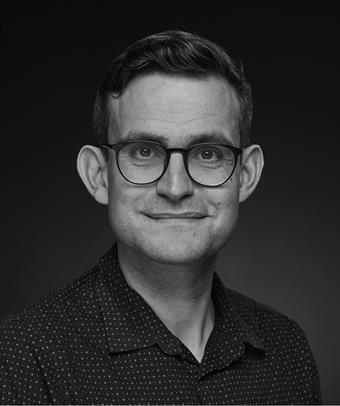
Prof. Dr.-Ing. Jochen Steffens is a faculty member at the University of Applied Sciences Düsseldorf , affiliated with the Faculty of Media . His research spans interdisciplinary domains at the intersection of music, soundscapes, and cognitive-affective processes. Research Focus : Music listening behavior, soundscapes, noise perception, music recommendation systems, film music, and the psychological effects of sounds. Teaching : Supervises final theses and offers modules aligned with examination regulations of 2018, including topics in media informatics and mixed reality applications. Technical Contributions : Develops tools for soundscape exploration (e.g., Advanced Soundscape Search) and music information retrieval (MIR) systems for live performance visualization. Methodological Expertise : Utilizes computational music analysis, experience sampling, statistical learning, and multilevel modeling to investigate situational and demographic influences on auditory perception. Applied Research : Explores the impact of room acoustics on customer satisfaction in restaurants, motivational music in sports, and semantic expression in audio branding.
Hongquan Zhangمشاهده پروفایل
دانشیار
- Biosensors
- Point-of-care diagnostics
- CRISPR technology
- +۱۰ مورد دیگر
Hongquan Zhang serves as an Associate Professor in the Department of Laboratory Medicine & Pathology at the Faculty of Medicine & Dentistry, University of Alberta. His research program develops cutting-edge bioanalytical tools for ultrasensitive and point-of-care detection of biological targets, with a particular focus on infectious disease diagnostics. Education: Ph.D., University of Alberta (2009) M.Sc., Northwest University, Xi'an, China (1999) B.Sc., Northwest University, Xi'an, China (1997) Dr. Zhang's research explores binding-induced DNA assembly to create innovative diagnostic platforms. His laboratory specializes in developing fluorescent nanosensors for real-time detection in cellular environments, constructing target-triggered DNA nanomachines, and engineering novel affinity ligands through manipulation of functional nucleic acids. His work has made significant contributions to CRISPR-based diagnostics, particularly for SARS-CoV-2 detection, where his team has developed multiple point-of-care testing approaches that integrate nucleic acid amplification with CRISPR technology. Analysis of Dr. Zhang's recent publications reveals a strong research trajectory focused on integrating DNA nanotechnology with CRISPR systems to create streamlined diagnostic platforms. His work consistently addresses the challenge of moving complex molecular diagnostics from laboratory settings to point-of-care applications, with particular emphasis on sample preparation, signal amplification, and visual readout systems that eliminate the need for sophisticated equipment. The interdisciplinary nature of his research bridges chemistry, molecular biology, nanotechnology, and clinical medicine. Teaching: LABMP 551: Laboratory Research Methods LABMP 552: NSERC CREATE Course

Flora Meilleurمشاهده پروفایل
دانشیار
Flora Meilleur serves as a Neutron Scattering Scientist at Oak Ridge National Laboratory (ORNL) working on the IMAGINE and MaNDi diffractometers (HFIR CG-4D and SNS BL-11B), and holds a joint appointment as Associate Professor in the Biochemistry Department at North Carolina State University since 2007. She joined ORNL in 2005 after completing her PhD and has been instrumental in developing neutron scattering capabilities for structural biology research. Dr. Meilleur earned her Ph.D. in Structural Biology from the European Molecular Biology Laboratory (EMBL) and Université Grenoble Alpes (Grenoble, France) in 2004. Prior to joining ORNL, she served as an instrument scientist at the Institut Laue Langevin (ILL) on the LADI diffractometer. She was promoted to Associate Professor at NCSU in 2015 and established a university consortium that secured NSF funding to build the IMAGINE instrument at HFIR in 2009, serving as lead scientist for this project from 2009-2017. Her research focuses on applying neutron scattering techniques to understand enzymatic mechanisms, particularly in cellulose-degrading enzymes including lytic polysaccharide monooxygenases. She leads projects on cellulose deconstruction for biofuel production, nylon depolymerization, and enzyme immobilization in biopolymer matrices. Her laboratory employs a multidisciplinary approach combining X-ray and neutron diffraction and scattering, DFT calculations, and isotopic labeling techniques to study protein structure, dynamics, and function. Current research includes characterizing nylon hydrolases in collaboration with Dr. Josh Michener and studying biopolymer matrices as part of the BIG collaboration funded by the Novo Nordisk Foundation. Analysis of Dr. Meilleur's recent publications reveals a consistent focus on advancing neutron scattering methodologies for structural biology, with particular emphasis on enzymatic mechanisms in biomass degradation. Her work spans fundamental method development (beamline instrumentation, sample environments) to biological applications (viral proteins, polymer-degrading enzymes). A notable trend is the expansion of neutron techniques to study challenging biological questions, including time-resolved studies and complex enzyme systems, with increasing applications to viral research as evidenced by her SARS-CoV-2 related publications. 2013 ORNL Significant Event Award (Team award for construction and commissioning of CG4-D beamline and IMAGINE instrument; Role: Science lead) Dr. Meilleur has mentored numerous graduate students and post-doctoral fellows who utilize small angle X-ray/neutron scattering, X-ray/neutron crystallography, and computational methods in their research. She serves as Editor for the Journal of Applied Crystallography (2015-present) and was appointed as a main editor in 2021. She also mentors for the IUCr Early Career Board (2025-present) and previously served as Secretary of the Neutron Scattering Society of America (2019-2022). She has organized and led the annual 'Neutrons in Structural Biology' workshop at ORNL since 2010, fostering community development in this specialized field. Dr. Meilleur leads the Meilleur lab at NC State which focuses on structural enzymology using neutron scattering techniques. Her laboratory collaborates extensively with researchers at ORNL's High Flux Isotope Reactor and Spallation Neutron Source facilities. She has served on multiple professional committees including the SNS/HFIR user committee (SHUG) from 2007-2009 and as a member-at-large of the NSSA between 2008-2012, demonstrating sustained leadership in the neutron scattering community.
Ian Rennerمشاهده پروفایل
مدرس ارشد
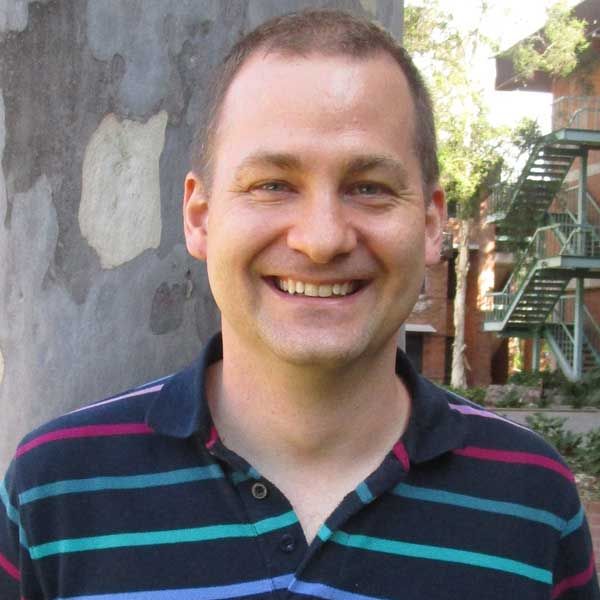
Dr. Ian Renner is a Senior Lecturer in the School of Information and Physical Sciences at the University of Newcastle, specializing in Data Science and Statistics. He holds a PhD in Statistics from the University of New South Wales, complemented by a Master of Statistics from the University of Utah and a Bachelor of Science in Mathematics from Valparaiso University. His research focuses on species distribution models (SDMs), particularly leveraging presence-only data and point process models. He developed the PPM-LASSO approach and maintains the R package 'ppmlasso' for model implementation. Education: PhD (Statistics), University of New South Wales Master of Statistics, University of Utah Bachelor of Science (Mathematics), Valparaiso University Research Interests: Dr. Renner's work bridges statistics and ecology, emphasizing the development of robust SDMs. Key areas include: Unifying MAXENT and Poisson point process models Observer bias correction in ecological data Integration of regularization techniques (e.g., LASSO) for predictive accuracy Application of citizen science data in conservation His methodologies address challenges like taxonomy changes and sampling biases in species distribution studies. Publications: His recent work highlights advancements in SDM stability, citizen science applications, and regularization methods. Key themes include improving model reliability through penalized likelihoods and addressing ecological data complexities. Awards: JB Douglas Award (2011) Runner-up for Best Student Talk (2011) EJG Pitman Prize (2010) Grants & Supervision: He has secured $12,838 in internal grants, including a visiting fellowship at CNRS (France) and conference funding. He currently co-supervises a PhD on deep learning for speech depression recognition and has guided two other students in statistical ecology and methodology. Labs/Teams: Leads the development of the 'ppmlasso' R package, collaborating with researchers like Olivier Gimenez and Eric Beh to advance ecological statistics.

Jeffrey A. Hall is a Professor of Communication Studies and Director of Graduate Studies at the University of Kansas. His research focuses on the intersection of technology, relationships, and well-being. He directs the Relationships and Technology Lab and has held leadership roles in professional organizations like the National Communication Association and International Communication Association. Dr. Hall earned his Ph.D. from the University of Southern California in 2015 and has been recognized with awards including the Early Career Award from the National Communication Association. His research explores how technology mediates communication in friendships, romantic relationships, and family dynamics. He has published extensively on social media’s impact on well-being, humor in relationships, and the role of digital interaction in fulfilling social needs. His award-winning book *Relating Through Technology* (2020) synthesizes these themes. He has been featured in prominent media outlets like the New York Times, NPR, and CNN. Key contributions include the *American Friendship Project*, investigating friendship trends, and experimental studies on social media abstinence. His work bridges communication theory with societal issues, offering insights into modern relational challenges. Current projects address loneliness, digital stress, and the evolving role of technology in human connection.
Giacomo Parigiمشاهده پروفایل
دانشیار
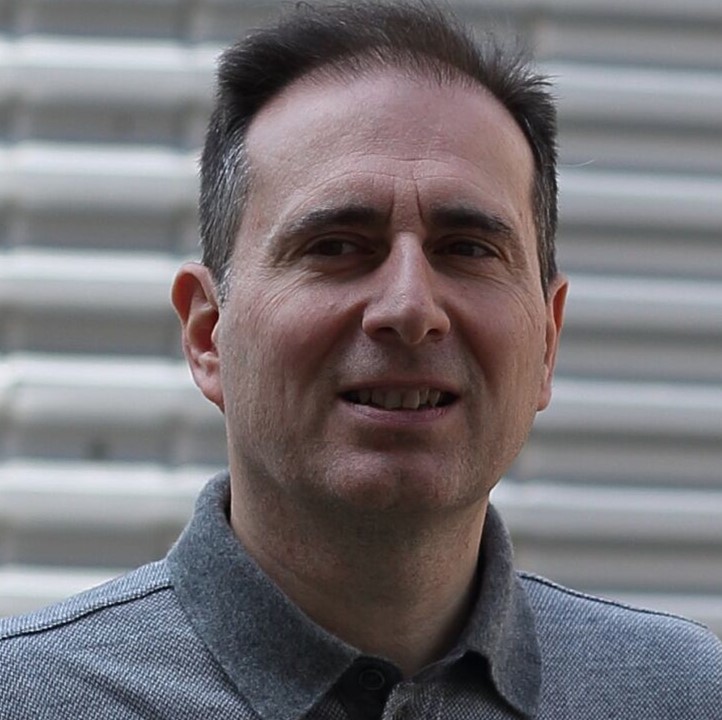
Giacomo Parigi is an Associate Professor of Chemistry at the University of Florence, affiliated with the Magnetic Resonance Center and the Department of Chemistry. His work focuses on paramagnetic effects in NMR, MRI contrast agents, and protein dynamics. He holds a Physics degree (1992) and a Chemistry PhD from the University of Florence, with postdoctoral and research roles at CERM since 1999. Research Interests: Parigi’s research explores paramagnetic effects in biological molecules, including protein structure determination, MRI contrast agent design, and relaxometry. He co-authored seminal books on NMR of paramagnetic molecules and pioneered methods for studying protein dynamics via field-cycling NMR. His lab integrates computational biology, bioinformatics, and experimental NMR to address biomedical challenges. Publications & Trends: Recent work emphasizes machine learning-enhanced NMR analysis, novel MRI probes (e.g., Mn-based nanogels), and structural studies of metalloproteins. His articles highlight innovations in paramagnetic NMR restraints, dynamic aggregation imaging, and low-field MRI applications. Awards & Grants: No explicit awards mentioned, but his extensive publications reflect significant contributions to NMR methodology. Active in securing grants for structural biology and biomedical imaging projects. Labs & Teams: Leads the Magnetic Resonance Center’s NMR group, collaborating on interdisciplinary projects involving biomaterials, drug design, and protein engineering. His team develops cutting-edge tools for in-cell NMR and metabolomics analysis.

Russell Detwiler is an Associate Professor in the Department of Civil and Environmental Engineering at the Samueli School of Engineering, University of California, Irvine. He holds a Ph.D. and B.S. in Civil Engineering from the University of Colorado and University of Vermont, respectively. As Associate Director of the UCI WEX Center, his work combines laboratory experimentation with computational modeling to study subsurface fluid dynamics. Education: Ph.D., Civil Engineering, University of Colorado B.S., Civil Engineering, University of Vermont Research Focus: Detwiler's research examines fluid flow processes in porous and fractured media, with emphasis on multiphase flow, subsurface property alteration, and environmental applications. Key areas include contaminant remediation, CO2 sequestration, geothermal energy, and nuclear waste management. Publication Trends: His recent work (2022-2024) emphasizes subsurface PFAS behavior, coastal aquifer modeling, and fracture clogging dynamics. Earlier research (2019-2021) focused on mineral precipitation effects and kinetic modeling for contaminant removal. Common sub-fields span fracture sealing mechanisms, particle retention, and reactive transport modeling. Laboratory: Leads the Subsurface Processes Visualization Lab, developing parallel computational models to scale laboratory observations to field applications. Research integrates high-resolution imaging with numerical simulation for subsurface system analysis.

- Neurobiology
- Parkinson's Disease
- Synucleinopathies
- +۴ مورد دیگر
Poul Henning Jensen is a full Professor at Aarhus University , affiliated with both the Department of Biomedicine (Skou-building) and the Department of Molecular Biology and Genetics (Neurobiology section). Research Interests : Neurobiology of synucleinopathies Molecular mechanisms in Parkinson's disease Protein aggregation and propagation Calcium signaling in neurodegeneration Neuroinflammatory responses Scientific Activities : His work focuses on α-synuclein biology, covering structural analysis, aggregation pathways, and their pathological consequences. Recent studies include novel detection methods for early α-synuclein pathology mechanisms of neurotoxicity sex-specific neuroprotective factors and protein interaction networks in disease models . Scientific Awards : Recipient of at least one significant research prize Collaborations : Works with international teams on clinical trials targeting α-synuclein and coordinates multiple studies on neurodegenerative disease mechanisms.
- Microfluidics
- BioMEMS
- Lab-on-a-Chip
- +۷ مورد دیگر
Prof. Kwang W. Oh is a Professor and Director of Graduate Studies in the Department of Electrical Engineering at the University at Buffalo (SUNY), with an adjunct appointment in the Department of Biomedical Engineering. He directs the Sensors and MicroActuators Learning Lab (SMALL), focusing on biomedical microfluidic devices, sensors, and actuators for applications in medical diagnostics and biological research. His educational background includes: PhD in Electrical and Computer Engineering from the University of Cincinnati (2001) MS in Electrical and Computer Engineering from the University of Cincinnati (1997) BS in Physics with summa cum laude from Chonbuk National University, Korea (1994) Prof. Oh's research centers on microfluidics and BioMEMS (Bio Micro Electro Mechanical Systems), with specializations in LOC (lab-on-a-chip), MicroTAS (Micro Total Analysis Systems), and SANS (Sample-to-Answer Nano/microfluidic Systems). His work develops practical microfluidic devices for medical diagnostics, including point-of-care blood testing, single cell manipulation, and nanobiosensors. His lab has pioneered innovative approaches like the "pysanky" wax-based technique for rapid prototyping of microfluidic devices and vacuum-driven micropumps for plasma separation from finger-prick blood samples. His recent publications reveal a strong trend toward practical medical applications of microfluidics, particularly in photoacoustic imaging test phantoms, point-of-care diagnostics, and nanoparticle synthesis for viral treatment. His research bridges engineering with clinical needs, focusing on making laboratory functions portable and accessible through microfluidic integration. Among his notable awards: The SUNY Chancellor's Award for Excellence in Teaching (2020) President Emeritus and Mrs. Meyerson Award for Distinguished Undergraduate Teaching and Mentoring (2019) Qualcomm Faculty Award (2019) Senior Teacher of the Year Award, SEAS, UB (2017) Emerging Investigators 2012, Lab Chip, Royal Society of Chemistry (2013) Honor of CEO, Samsung Electronics for development of a micro PCR system (2003) Prof. Oh has advised numerous graduate students including Dr. Anyang Wang, Dr. Nikhila Nyayapathi, and Dr. Domin Koh, who have gone on to successful careers in academia and industry. His research has been supported by significant grants, including a Qualcomm Faculty Award in 2019, which recognizes research that "inspires students and sparks new approaches in key technology areas." He actively participates in professional service as an editorial board member for several journals including Sensors and Micromachines. He directs the Sensors and MicroActuators Learning Lab (SMALL), which houses state-of-the-art facilities for microfluidic device fabrication and testing. The lab focuses on developing practical microfluidic solutions for medical diagnostics, with recent projects including test phantoms for photoacoustic imaging, vacuum-driven micropumps for point-of-care blood separation, and microfluidic devices for nanoparticle synthesis targeting viral treatments. The lab fosters interdisciplinary collaboration between engineering, medicine, and life sciences to translate microfluidic innovations into real-world medical applications.
Bo Chenمشاهده پروفایل
دانشیار
- Biomacromolecular assemblies
- Nuclear Magnetic Resonance (NMR) techniques
- Viral capsid structure and dynamics
- +۳ مورد دیگر
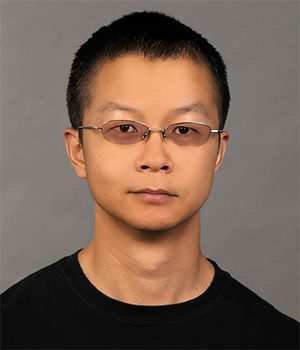
Bo Chen is an Associate Professor in the Department of Physics at the University of Central Florida (UCF), part of the College of Sciences. He earned his PhD in Physics from Northwestern University in 2007 and held research positions at the NIH before joining UCF in 2011. His research focuses on structural characterization of biomacromolecular assemblies using NMR, TEM, and computational modeling, particularly HIV capsid proteins and antimicrobial peptides. Education: PhD in Physics, Northwestern University (2007). Research Interests: Solid-state NMR techniques, self-assembly mechanisms of viral capsids, nano particle catalysis, and antimicrobial peptide dynamics. His lab develops novel coarse-grain models and integrates experimental and computational approaches to study biomolecular systems. Awards: 2012 UCF Inhouse Award, 2013 AFOSR Young Investigator Award, 2016 COS Dean’s Rising Star Award, and 2020 Mid-Career Refreshment Award. Labs/Teams: Leads the Bo Chen NMR Lab at UCF, focusing on interdisciplinary approaches to structural biology and biophysics. Current students include Tyrone Thames (PhD), with notable alumni like Xin Qiao and Jaekyun Jeon.
Jami Fisherمشاهده پروفایل
مدرس ارشد
- American Sign Language (ASL) documentation
- Linguistic landscape analysis
- Deaf community partnerships
- +۳ مورد دیگر
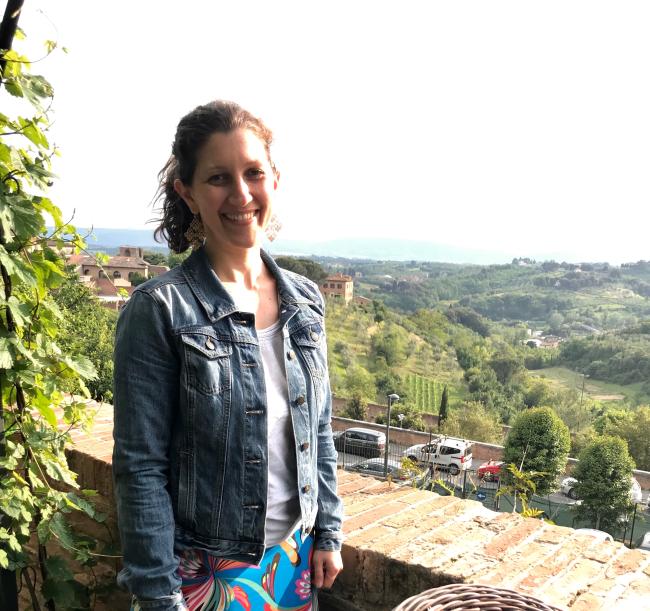
Dr. Jami Fisher serves as Senior Lecturer and Director of the American Sign Language (ASL) Program at the University of Pennsylvania's Department of Linguistics. Affiliated with the College of Arts & Sciences, their work focuses on documenting Philadelphia-area ASL variation, global deaf community collaborations (especially with Italian communities), and integrating sign language studies into broader linguistic curricula. Education includes an Ed.D. in Higher Education from UPenn (2014), M.S.Ed. (2002) and B.A. in Linguistics (1997). Their pedagogical innovations emphasize Academically Based Community Service (ABCS) partnerships with local organizations like the Pennsylvania School for the Deaf and Deaf-Hearing Communication Centre. Research interests bridge sociolinguistics and community engagement, analyzing the linguistic landscape's visual representation of sign languages and exploring how signed languages reflect cultural values. They co-lead the ASL/Deaf Studies minor program, integrating interdisciplinary coursework with field-based capstone projects. Program leadership includes developing UPenn's longest-running Ivy League ASL program, offering advanced courses in Deaf History, Culture, and Linguistics. Collaborative projects emphasize mutually beneficial partnerships with Deaf communities to ensure culturally responsive research and education.
Roger Bensonمشاهده پروفایل
پژوهشگر ارشد
- Palaeontology
- Evolutionary Biology
- Phylogenetics
- +۴ مورد دیگر
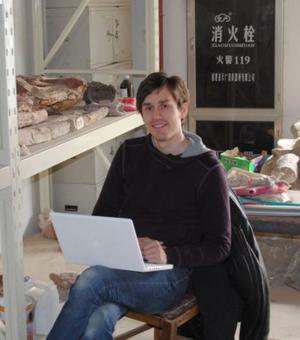
Roger Benson is a Visiting Fellow at the University of Oxford specializing in paleontology and evolutionary biology. His research integrates fossil discovery, 3D morphometric analysis, and quantitative macroevolutionary studies to investigate vertebrate evolution across deep time, with particular expertise in dinosaurs, marine reptiles, and early synapsids. His primary research domains include: Phylogenetic Paleobiology : Resolving evolutionary relationships in key vertebrate clades using cladistic methods and fossil data Macroevolutionary Dynamics : Analyzing large-scale patterns of morphological diversity and species richness over 100+ million years Earth-Life Interactions : Quantifying links between environmental change, rock record biases, and biodiversity patterns using multivariate statistics Extant-Fossil Integration : Applying anatomical datasets from living species to test ecological hypotheses about extinct organisms Recent publications reveal consistent methodological innovation through synchrotron imaging, computational morphometrics, and big-data approaches to evolutionary questions. His work demonstrates how quantitative analysis of anatomical variation can resolve long-standing debates in vertebrate phylogeny while revealing fundamental principles of adaptive radiation. Though no specific awards are documented in the source material, Benson's research impact is evidenced by publications in premier journals including Nature, Science, and PNAS, reflecting significant contributions to evolutionary science. Benson actively mentors graduate students and leads international collaborations, as demonstrated by multi-institutional projects on Permian-Triassic extinction dynamics and dinosaur sensory evolution. His research group bridges field paleontology with computational biology to address fundamental questions in vertebrate evolution. Based within Oxford's Earth Sciences framework, his work leverages advanced imaging facilities and computational resources for fossil analysis and evolutionary modeling, contributing to the university's leadership in paleobiological research.
Jonathan Nelsonمشاهده پروفایل
استادیار
Jonathan Nelson is an Assistant Professor in the Division of Nephrology & Hypertension at the University of Southern California (USC) Keck School of Medicine. He holds a PhD in Molecular and Medical Genetics from Oregon Health & Science University (OHSU), where he also completed clinical training in Anesthesiology, Cardiovascular Medicine, and Nephrology. His research focuses on vascular biology and the renin-angiotensin system's role in kidney microvasculature regulation, with funding from the NIH, American Heart Association, and Collins Medical Trust. Education: Bachelor’s degree in Biochemistry, University of Washington PhD in Molecular and Medical Genetics, Oregon Health & Science University Research interests include understanding how angiotensin II signaling impacts kidney and cardiovascular health, particularly in hypertension and microvascular dysfunction. His work bridges molecular mechanisms with clinical implications, leveraging mouse models to study renal physiology and disease pathways. Publications highlight his focus on renal transporters, endothelial signaling, and angiotensin system dynamics. Recent work explores ACE2 filtration in kidneys and COP9 signalosome roles in renal injury. Grants & Funding: NIH, American Heart Association, Collins Medical Trust. Labs/Teams: His research is conducted within the USC Keck School of Medicine’s Division of Nephrology & Hypertension, collaborating with cardiovascular and renal biology experts.
نمایش نتایج تا ۷۵۰ مورد اول. برای یافتن نتایج دقیقتر، جستجوی خود را با فیلترها محدود کنید.