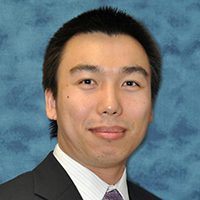
Dr. Tao Hong is the Duke Energy Distinguished Professor and NCEMC Faculty Fellow at the Department of Systems Engineering and Engineering Management, University of North Carolina at Charlotte. He directs the Big Data Energy Analytics Laboratory (BigDEAL) and has been a Founding Chair of the IEEE Working Group on Energy Forecasting (2011-2019). Ph.D., Electrical Engineering & Operations Research (2010), NC State University M.S., Operations Research & Industrial Engineering (2008), NC State University B.Eng., Automation (2005), Tsinghua University His research focuses on Energy Forecasting with applications in power systems operations, renewable integration, risk management, and cross-sector forecasting for healthcare, transportation, and sports. He has led major Delivery point level load analysis (2017-present) Short-term probabilistic forecasting (2016) Demand response modeling using smart meter data (2014-2015) Dr. Hong's scientific contributions include 9+ journal articles on energy forecasting methodologies and 3 major forecasting competitions (GEFCom2012-2017, BigDEAL Challenge 2022). His work has been cited in leading journals like International Journal of Forecasting and IEEE Transactions on Smart Grid . Charlotte Business Journal Energy Education Leader of the Year (2017) IEEE PES PSPI Technical Committee Prize Paper Award (2016) As a dedicated educator , Dr. Hong has advised multiple PhD and Master's students including Shreyashi Shukla (2023), Yike Li (2022), and Jordan McCorey (2021). He teaches specialized courses in energy systems planning and computational intelligence.
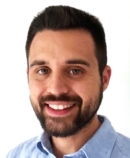
Dr. Marios Georgakis is a Clinician-Scientist and Junior Group Leader at the Institute for Stroke and Dementia Research (ISD) at Ludwig-Maximilians-Universität München (LMU Munich). He also serves as a Visiting Scientist at the Broad Institute of MIT and Harvard and is completing his clinical residency in Neurology at LMU University Hospital. As Principal Investigator of the Georgakis Lab, he leads a research team focused on developing precision medicine approaches for cerebrovascular diseases. Education: Medical studies (M.D.): Medical School, National and Kapodistrian University of Athens, Greece (2009-2015) Master studies (M.Sc.): Molecular Physiology (Neurosciences), National and Kapodistrian University of Athens, Greece (2015-2017) Doctoral studies (D.Sc.) in Epidemiology, National and Kapodistrian University of Athens, Greece (2015-2019) Doctoral studies (Ph.D.) in Graduate School of Systemic Neurosciences (GSN), LMU Munich, Germany (2017-2020) Dr. Georgakis' research focuses on leveraging big data from epidemiological studies and human biobanks to develop precise and personalized preventive and therapeutic strategies for cerebrovascular diseases. His work spans biomedical neuroscience with particular emphasis on cerebrovascular disease, stroke, atherosclerosis, cerebral small vessel disease, multi-omics, data science, epidemiology, and population genetics. He employs innovative bioinformatic tools including genome-wide association studies, Mendelian randomization, multi-omics integration, single-cell transcriptomics, spatial transcriptomics, and machine learning to discover causal mechanisms, identify therapeutic targets, develop risk stratification tools, and create accurate biomarkers for cerebrovascular diseases. His laboratory has established the AtherOMICS biobank for human atherosclerotic plaque samples and developed computational pipelines for big data analyses. Recent publication trends show a strong focus on genetic architecture of stroke, inflammatory pathways in cerebrovascular disease, and development of polygenic risk scores for clinical application. Scientific Awards: Emmy Noether Independent Group Leader Award, German Research Foundation (DFG), 2023 Early Career Achievement Award, CHARGE Consortium, 2023 Fellow of the Hertie Network of Excellence in Clinical Neuroscience, 2023 Clinician-Scientist Fellow of the Excellence Munich Cluster for Systems Neurology (SyNergy), 2023 Walter-Benjamin Fellowship for postdoctoral research by German Research Foundation (DFG), 2021-2022 Dr. Georgakis actively mentors a diverse team of 12 current students and postdocs including PhD students, MD students, and clinician scientists, with several alumni who have completed their training in his lab. His research is supported by multiple grants including the Emmy Noether program from the German Research Foundation, focusing on multi-omics characterization of immune mechanisms driving human atheroprogression, dissecting cerebrovascular atherosclerosis with population genetics, and developing personalized biomarkers using deep learning. The Georgakis Lab operates two main research platforms: the AtherOMICS Biobank for human atherosclerotic plaque samples and the Big Data Lab for computational analyses. These platforms enable his team to conduct deep phenotyping of human atherosclerosis, develop in vivo diagnostics, discover therapeutic targets, and create personalized diagnostic and risk prediction tools for cardiovascular diseases.
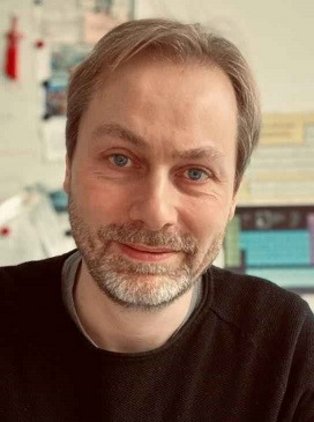
Andrew J Whelton is a Professor of Civil and Construction Engineering at Purdue University's College of Engineering, with concurrent appointments in Sustainability Engineering and Environmental Engineering. He serves as Director of the Healthy Plumbing Consortium and Lead for the Center for Plumbing Safety, focusing on water quality, chemical contamination, and public health in building plumbing systems. Professor, Civil and Construction Engineering Professor, Sustainability Engineering Professor, Environmental Engineering Director, Healthy Plumbing Consortium Lead, Center for Plumbing Safety His research spans environmental engineering and public health, with key themes including chemical contamination from plastic pipe degradation, post-disaster water system recovery, wildfire-related water quality impacts, and microbial risks in premise plumbing. Recent work addresses crises like the East Palestine chemical spill and Maui wildfires, while also developing predictive models for water quality and evaluating sustainable infrastructure materials. Scientific awards and recognitions include: Rapid Response Research (RAPID) Grants from NSF for disaster-related studies Environmental Protection Agency (EPA) support for building water quality programs Leadership in interdisciplinary consortia focused on plumbing safety Development of novel tools for water quality monitoring and remediation His publications reveal trends in: Chemical leaching from plastic piping materials Environmental justice in water contamination crises Integration of machine learning for water quality prediction Microbial ecology in stagnant plumbing systems Policy recommendations for disaster response Sustainable material innovation for infrastructure
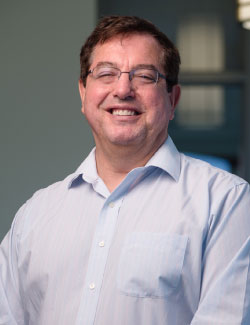
Kelsey Canada is an incoming Assistant Professor in the Department of Psychological and Brain Sciences at the University of Massachusetts Amherst, starting Fall 2025. She is based in Tobin Hall and will lead a research program focused on developmental cognitive neuroscience. Her research centers on understanding how memory and brain development, particularly in the hippocampus, evolve during childhood and adolescence. She examines how socioeconomic factors influence neurodevelopment, using interdisciplinary methods including MRI , EEG , behavioral testing , and structural equation modeling . Her work emphasizes representative sampling and data integration to uncover modifiable risk and protective factors. Dr. Canada's recent publications highlight her leadership in hippocampal subfield research, quality control in neuroimaging, and collaborative data practices. Her work spans developmental trajectories, methodological innovation, and social determinants of brain health. She earned her PhD from the University of Maryland, College Park, and is establishing her lab at UMass Amherst. Prospective students are encouraged to contact her directly. Research Areas: Developmental Science, Neuroimaging, Cognitive Development Affiliation: Department of Psychological and Brain Sciences, UMass Amherst Dr. Canada has been involved in major collaborative initiatives, including the Hippocampal Subfields Group, and her research is supported by recent publications in top journals such as Human Brain Mapping , Hippocampus , and Developmental Cognitive Neuroscience . While no formal grants or advising roles are listed yet, her active publication record and lab formation indicate a growing research program.
Gisela B. Fritz is a Researcher at the Institute of Biomaterials and Biomolecular Systems at the University of Stuttgart. She specializes in limnology, restoration ecology, and invasive species research, particularly focusing on Craspedacusta sowerbii , native crayfish, and crayfish plague. Her work integrates field studies with molecular analyses to understand species distribution and phylogeny. Education: She holds a Master of Arts in Biology from Humboldt State University (USA) and a PhD in Biology from the University of Stuttgart (2007). Her doctoral thesis explored dynamics and stability in lacustrine systems. She also served as a Junior Scientist at Environmental Consulting in California (1998–2001). Teaching & Leadership: Since 2009, she has held roles such as Study Guide for the Joint Commission for Mechanical Engineering and Program Manager for the B.Sc. Technical Biology. She teaches courses like Monitoring and Documentation of Aquatic Systems , Aquatic Ecology , and Marine and Freshwater Algae . Her teaching spans undergraduate and graduate levels, emphasizing practical fieldwork (e.g., excursions in Croatia, Italy, and Germany). Research Focus: Her publications examine anoxic habitats, sulfur bacteria, invasive species impacts, and restoration ecology. She has collaborated internationally on projects including sponge sampling techniques and tardigrade desiccation tolerance. Fieldwork Experience: She leads limnological and marine excursions, including studies in Adriatic sponges, Rocky Intertidal zones in California, and coastal wetland recovery in Oregon.
Selamawit Fisseha Mekuria is a Research Fellow at Lund University, Faculty of Medicine , affiliated with the Lund University Cancer Center (LUCC) . Her work focuses on improving cervical cancer screening in Ethiopia and low/middle-income countries (LMIC), with expertise in Human Papillomavirus (HPV) , medical oncology, and cost-effectiveness analysis. Research Interests include cervical cancer prevention, HPV genotypes, self-sampling methodologies, triage protocols (e.g., acetic acid, Lugol's Iodine), and health economics in LMICs. She employs systematic reviews, meta-analysis, and community-based cohort studies. Recent Articles highlight HPV prevalence in Ethiopia, comparative triage methods, and cost-benefit analyses for self-sampling. These align with UN Sustainable Development Goals for health equity in LMICs.
Dr. Hans-Joachim Grafe is a group leader at the Institute for Solid State Research within the Leibniz Institute for Solid State- and Materials Research (IFW Dresden) in Germany. His research focuses on Nuclear Magnetic Resonance (NMR) studies of quantum materials, particularly investigating high temperature superconductors and quantum magnets. Dr. Grafe completed his diploma thesis at TU Braunschweig on NMR measurements of Sr 14 Cu 24 O 41 under the guidance of Hans-Henning Klauß. He then pursued his PhD at IFW Dresden and TU Dresden, working with Bernd Büchner and Nicholas Curro at Los Alamos National Laboratory on NMR studies of rare earth co-doped lanthanum cuprates. His research interests span Nuclear Magnetic Resonance spectroscopy, high temperature superconductivity, quantum magnetism, and the development of novel NMR instrumentation. Dr. Grafe has made significant contributions to understanding the electronic and magnetic properties of unconventional superconductors using NMR techniques. Recently, he has been involved in developing self-assembled rolled-up microcoils for NMR on nanoliter-sized samples, expanding the capabilities of NMR spectroscopy for studying minute quantities of materials. Analysis of Dr. Grafe's recent publications (2021-2025) reveals a strong focus on applying NMR techniques to investigate quantum magnetic systems, high-temperature superconductors, and novel instrumentation development. His work spans condensed matter physics, materials science, and NMR methodology, with particular emphasis on frustrated magnets, iron-based superconductors, and innovative approaches to enhance NMR sensitivity for nanoscale applications. Dr. Grafe has presented his research at numerous international conferences and seminars, including the Mitteldeutsches Resonanztreffen, Analytica, and various university seminars across Europe. His invited talks often focus on NMR applications in quantum materials and recent advances in NMR instrumentation.
Mark Nigrini is an Associate Professor at the College of Business and Economics, Department of Accounting , West Virginia University. He is renowned for his expertise in forensic accounting, Benford's Law, and fraud detection, with a focus on applying mathematical and statistical techniques to financial data. Ph.D., University of Cincinnati M.B.A., University of Stellenbosch B.Com (Hons), University of Cape Town His research spans Forensic Accounting , Benford's Law , Cybersecurity , biases in government statistics, and Sports Betting analysis. He has pioneered methods to detect fraud using digital analysis and has consulted for major corporations like Procter & Gamble and American Airlines. The 15 most recent articles highlight his interdisciplinary work, including applications of Benford's Law in auditing, cybersecurity risk assessment, public health statistics, and medical research. Notable trends include integrating mathematical rigor into fraud detection and analyzing publication length and pandemic impacts. Scientific Awards : 2014 Lawler Award for best article in the Journal of Accountancy Nigrini's career combines academic research with practical forensic consulting and expert witness work. He has appeared in global media outlets like the BBC, NPR, and the New York Times, and his books Benford's Law (2012) and Forensic Analytics (2020) are seminal texts in the field.
James M Martin-Hayden serves as an Associate Professor in the Department of Earth, Ecological and Environmental Sciences within the College of Natural Sciences and Mathematics at the University of Toledo. With over 25 years of service at the institution, he has established himself as a prominent hydrogeologist specializing in groundwater systems and environmental geology. Education: B.A. from University of Maine, M.S. and Ph.D. from University of Connecticut (1994) Current Position: Associate Professor of Geology Department: Earth, Ecological and Environmental Sciences University: University of Toledo Dr. Martin-Hayden's research focuses on hydrogeology, with particular emphasis on groundwater-surface water interactions in wetland ecosystems, numerical groundwater modeling, and hydrogeologic field methods. His work primarily investigates the Oak Openings Region of northwest Ohio, examining how drainage modifications have altered natural groundwater flow regimes that support wet prairies. He has made significant contributions to understanding wellbore flow dynamics, groundwater sampling methodologies, and the impacts of evapotranspiration on groundwater recharge. His research integrates field observations, numerical modeling, and geophysical techniques to address complex hydrogeological problems. Analysis of Dr. Martin-Hayden's publication record reveals a consistent research trajectory focused on hydrogeological systems, particularly in the Great Lakes region. His work spans from fundamental investigations of wellbore flow dynamics to applied studies of regional aquifer systems and wetland hydrology. Recent publications demonstrate increasing integration of geophysical methods with traditional hydrogeological approaches, reflecting an evolution toward more comprehensive characterization of complex subsurface systems. His research shows particular strength in addressing the hydrological impacts of human modifications to natural systems, especially in wetland ecosystems. Dr. Martin-Hayden has mentored several students, including Lucas Groat (thesis on Hydrogeology of Wet Prairies) and Pryanka More (undergraduate thesis on Influences of ET on Groundwater Recharge). His collaborative work shows strong connections with researchers including Timothy G. Fisher, Kennedy Okioghene Doro, and Richard H. Becker, indicating active participation in research networks focused on Great Lakes geology and hydrogeology.
Şule Alıcı is an Associate Professor in the Department of Basic Education, Faculty of Education, at Kırşehir Ahi Evran University , Turkey. Since 2022 she has held the rank of Doçent (Associate Professor) on a full-time basis, and since 2022 she also serves as Deputy Director of the University Research & Application Centre. Previously she was Assistant Professor (Dr. Öğretim Üyesi) at the same university (2022-2025) and Research Assistant at Middle East Technical University (2007-2018) and Queensland University of Technology (2017). Education PhD in Preschool Education, Middle East Technical University, Institute of Social Sciences, 2013-2018 MA in Preschool Education (Thesis), Middle East Technical University, Institute of Social Sciences, 2009-2013 BA in Mathematics & Science Education, Gazi University, Gazi Faculty of Education, 2002-2007 Research Focus Dr Alıcı’s scholarship lies at the intersection of early childhood education , education for sustainability , creative drama , and media literacy . She explores how preschool teachers can be empowered to integrate sustainability principles into daily practice, how creative drama can be harnessed to enhance children’s environmental awareness, and how critical media literacy can be used as a transformative tool in teacher professional development. Her work spans curriculum development, teacher education reform, and cross-cultural comparative analyses. Her recent publications reveal a consistent trajectory toward re-orienting early childhood teacher education for sustainability . Using mixed-methods and case-study designs, she investigates teacher candidates’ experiences during practicum, the role of forest schools and outdoor learning, and generational changes in traditional children’s play. Collectively, these studies highlight systemic challenges and innovative pathways for embedding sustainability and creativity within Turkish and international ECE contexts. Awards & Recognition TÜBİTAK Publication Incentive Award (2023) OMEP Special Achievement Commendation – Education for Sustainable Development (2017) National Publication Incentive Award (2011) Projects & Grants Dr Alıcı has led or co-investigated five funded projects, including ReNCitReScArCe (2024, UN & EU supported), Dijital Dünyada Siber Kimlik Farkındalığı (TÜBA-TÜBİTAK 2021-2022), and Müzede Yeşeren Umutlar (Ministry of Development, 2019). These initiatives engage pre-service teachers, school counsellors, rural women, and museum visitors in sustainability and digital citizenship education. Professional Service & Leadership She is Vice-Chair of the Transnational Dialogues in Research in Early Childhood Education for Sustainability network and of the EECERA Sustainability SIG , an active member of AERA, EECERA, OMEP and TEMA, and has organised several international conferences and special journal issues.
PD Dr. habil. Anna Schnauber-Stockmann is a prominent researcher in media and communication science at Johannes Gutenberg University Mainz, where she has been a member of the Media Structure and Media Effects research group since 2010. She completed her habilitation in October 2024 with the thesis 'The Importance of the Situation in Media Use and Media Effects Research' and was awarded Venia Legendi in Communication Science. Previously, she served as an interim professor at IJK (HMTM Hannover) from April to September 2021. Her academic journey includes earning a Dr. phil. in Communication Research in May 2016 with a dissertation on 'Day-to-day Media Selection. The Role of Habits in the Selection Process' and completing her Master's degree at the University of Mainz in 2007. Dr. Schnauber-Stockmann's research focuses on media use and effects, particularly examining how situational factors influence media selection and consumption patterns. Her work explores media habits, mobile communication behaviors, self- and feedback-effects in media contexts, and the application of quantitative research methods, especially in situ methodologies. She investigates how daily routines shape media platform usage and how these patterns affect individual behavior and social interactions. Her research bridges theoretical frameworks with practical applications in digital media environments, with particular attention to how time, context, and personal characteristics interact in media consumption. Her recent publications reveal a strong emphasis on situational media research, with significant contributions to understanding phubbing behavior, mobile media habit formation, and the distinction between person-specific and situation-specific variations in media use. Through meta-analyses and longitudinal studies, she has advanced methodological approaches for measuring media habits and examining real-time media effects. Her work consistently applies sophisticated quantitative methods to capture the dynamic nature of contemporary media consumption. Top Faculty Paper 2023 of ICA's Mobile Communication Division Top Student-led Paper 2023 of ICA's Mobile Communication Division Best Proposal Award 2017 of the DGPuK division Methods Research grant from the 'Friends of the University of Mainz' for outstanding dissertation (2017) Award for best dissertation on media convergence, University of Mainz (2016) As an active member of the academic community, Dr. Schnauber-Stockmann serves as treasurer of the German Communication Association (DGPuK) since May 2020 and previously served as spokesperson for the Media Reception and Effects division (2019-2021). She is an editorial board member for 'Media Psychology' and 'Mobile Media & Communication' and regularly reviews for leading communication journals. Her work demonstrates significant influence through numerous invited presentations and collaborations with international researchers across multiple institutions.
Ulrich Schroeders is a Professor of Psychological Diagnostics at the University of Kassel, where he has been employed since October 2017. His work focuses on developing and validating psychological assessment tools, with particular expertise in cognitive diagnostics and educational measurement. He teaches various programs for approximately 500 students annually and serves as a supervisor for teacher training students preparing for their oral state examinations in Pedagogy/Psychology. Dr. Schroeders earned his PhD from Humboldt University of Berlin in 2010 with a dissertation titled "Measurement of Cognitive Abilities Using Modern Technologies: Artifacts, Equivalence, and New Constructs." Prior to that, he completed his Diploma in Psychology at Julius-Maximilians-University Würzburg in 2004 with a thesis on diagnosing dyscalculia in first-grade students. His research spans several key areas in psychological assessment. He specializes in technology-based competency diagnostics, developing innovative methods for measuring cognitive abilities and school competencies. A significant portion of his work involves applying Machine Learning and metaheuristics to psychometric problems, particularly in structural equation modeling. His methodological expertise includes advancing techniques in Local Structural Equation Modeling (LSEM) and Meta-Analytic Structural Equation Modeling (MASEM), with applications across educational and clinical psychology contexts. Analysis of Dr. Schroeders' recent publications reveals a strong focus on computational approaches to psychological assessment. His work frequently employs optimization algorithms like Ant Colony Optimization and Bee Swarm Optimization to address challenges in test construction and validation. There's a clear trajectory toward game-based and technology-enhanced assessment methods, as seen in studies using Mastermind and Wordle as assessment tools. His research also demonstrates growing interest in applying machine learning to predict behavioral outcomes, including juvenile delinquency, suicide risk, and psychotherapy outcomes. Dr. Schroeders has secured significant research funding, including projects funded by the German Research Foundation (DFG) and the Hector Foundation. His current projects include "Facing the Replication Crisis in Machine Learning Modeling" (2025-2027) and "PINGUIN: Potenzialidentifikation IN der GrUndschule" (2024-2027), which focuses on identifying elementary students' initial competencies. He leads the development of the BEFKI assessment system (Berliner Test zur Erfassung fluider und kristalliner Intelligenz), which includes versions for different age groups (5-7, 8-10, and 11+). His methodological toolbox includes specialized approaches for test construction and validation, particularly focusing on optimization algorithms applied to psychological measurement problems.
Pierre Duchesne is a Full Professor in the Department of Mathematics and Statistics at the University of Montreal . He serves as Professor-responsibility for the M.Sc. and Ph.D. in Statistics programs (2000-2004). His research focuses on applied statistics with emphasis on: Time Series Analysis (univariate and multivariate models, serial correlation testing, portmanteau statistics) Sampling Theory (robust estimation methods, calibration estimators) Multivariate Analysis (ARCH effects, vector autoregressive models, causality testing) Applications in Econometrics and Financial Econometrics His work combines theoretical development with practical implementation through: Wavelet-based diagnostic methods Simulation studies for model validation Software development (S-PLUS/SAS) for statistical analysis Collaboration with organizations like Statistics Canada and Canadian Journal of Statistics He has served as Associate Editor for journals including Computational Statistics & Data Analysis (CSDA) and Canadian Journal of Statistics (CJS/RCS) .
Calle Preger is a postdoctoral researcher at MAX IV Laboratory (Lund University) and affiliated with the Division of Ergonomics and Aerosol Technology. He is actively involved in NanoLund: Centre for Nanoscience, LTH Profile Area: Aerosols, and LU Profile Area: Light and Materials. His research focuses on in-flight characterization of aerosols and nanoparticles using synchrotron-based X-ray techniques, particularly X-ray Photoelectron Spectroscopy (XPS). Key projects include developing advanced sample delivery systems for synchrotron experiments and studying surface oxidation , alloy properties , and magnetic nanostructures . Recent publications highlight applications in gas sensing, catalysis, and functional nanostructure design. Collaborations span departments at Lund University and international networks in nanoscience and aerosol technology.
Jose Jimenez is a Professor of Chemistry at the University of Colorado Boulder and a researcher at the Cooperative Institute for Research in Environmental Sciences (CIRES). He received his Ph.D. from the Massachusetts Institute of Technology in 1999 and maintains his office in the Chemistry building (CHEM - 436). His research focuses on atmospheric aerosols, particularly organic components and their impacts on climate, health, and air quality. Dr. Jimenez's research interests center on aerosol science, with particular emphasis on organic aerosols (OA) and secondary organic aerosols (SOA). His work investigates the sources, properties, and evolution of aerosols from anthropogenic pollution, biogenic compounds, and biomass burning. He combines field measurements, laboratory studies, modeling, and instrument development to advance understanding of atmospheric chemistry. Recent research has focused on wintertime air pollution in the northeastern United States and springtime conditions over the Korean Peninsula, with particular attention to SOA production and aging processes. His publication record shows consistent research output with numerous high-impact papers through 2025, demonstrating active engagement in atmospheric science. His work spans multiple domains including urban air quality, wildfire smoke chemistry, aerosol instrumentation, and climate impacts. A significant portion of his recent publications stem from major field campaigns like KORUS-AQ and FIREX-AQ, highlighting his leadership in collaborative atmospheric research efforts. Dr. Jimenez leads a research group that conducts both field and laboratory investigations, with recent work involving aircraft-based measurements, chamber studies, and indoor air quality research. His group has made significant contributions to understanding aerosol evolution in urban plumes, biomass burning emissions, and the chemical processes governing secondary aerosol formation.