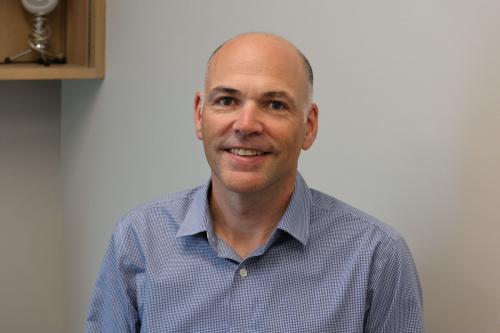
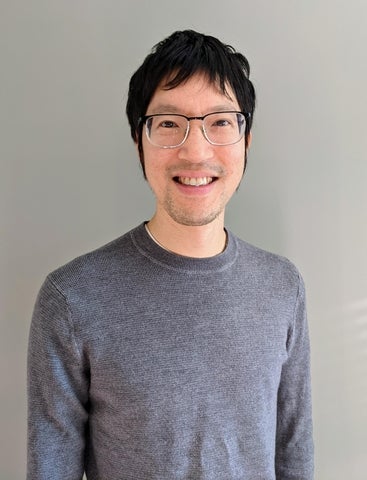
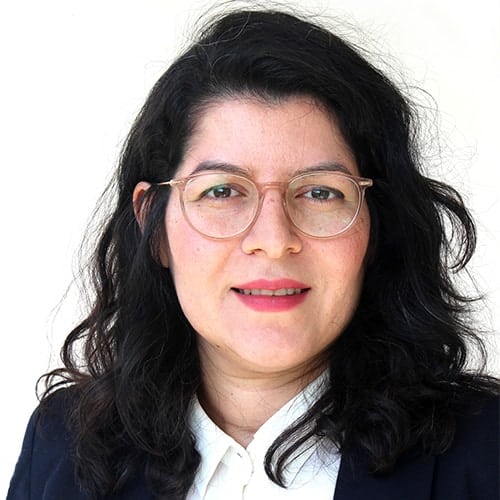
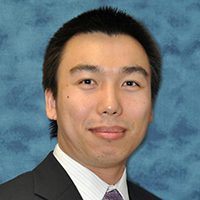
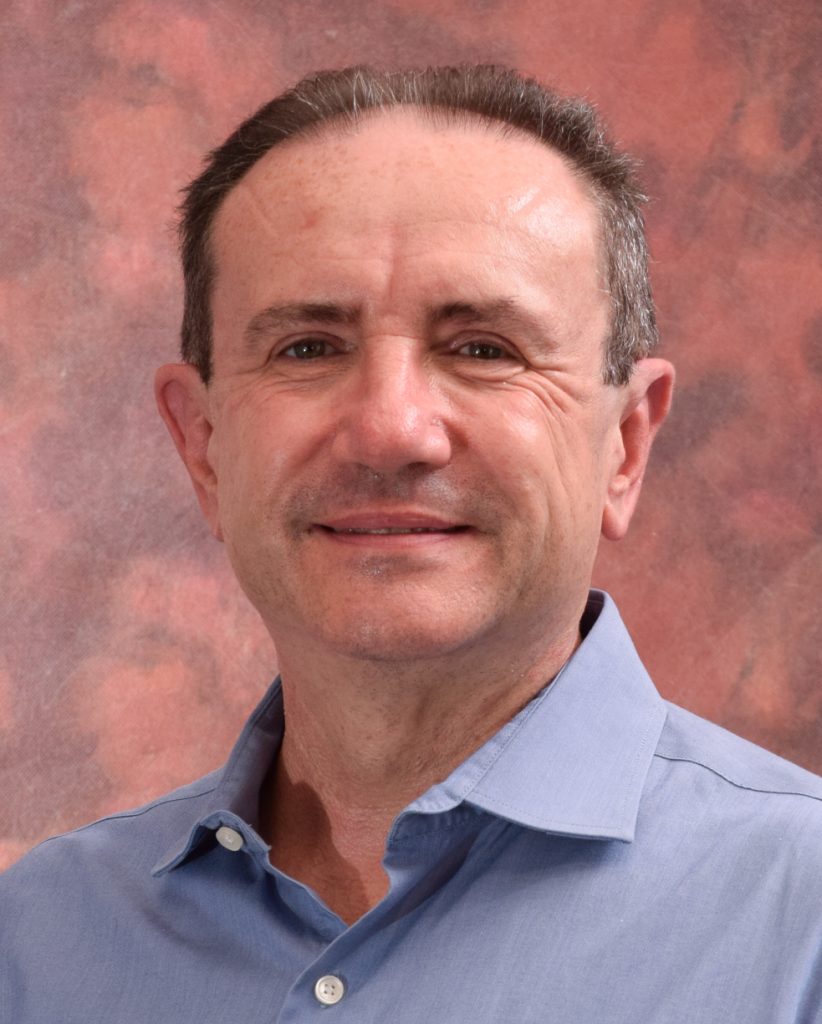
Dr. Vishnu Unnikrishnan is an Assistant Professor at the Department of Electrical Engineering, Tampere University, within the Faculty of Information Technology and Communication Sciences. His research focuses on energy-efficient high-performance analog/digital/RF integrated circuits and systems in nanometer-scale CMOS technologies. Key areas include time-based data conversion, high-speed serial links, and 5G/6G wireless transceivers. He leads research on analog interfaces using digital/switch components and collaborates with the SoC Hub ecosystem to bridge academic and industrial interests in system-on-chip design. He has secured significant funding, including an EU Marie Curie ITN grant (SMArT) worth €818k and an Academy of Finland Project (2021) of €821k. His work spans over 40 peer-reviewed publications, emphasizing innovations in time-based ADCs, beamforming receivers, and RF system design. Dr. Unnikrishnan actively supervises doctoral and postdoctoral researchers, offers paid master's theses and summer jobs in IC design, and collaborates with industry through the SoC Hub. His research aims to advance cross-technology portable analog interfaces and high-performance mixed-signal systems.
Dr. Jeroan Allison is Chair and Professor at UMass Chan Medical School's Department of Population and Quantitative Health Sciences. Trained as a primary care physician and epidemiologist (Harvard SPH), he leads research in narrative interventions for health behavior change, with continuous funding from NIH, AHRQ, and RWJF. His work spans hypertension control in Vietnam, AI-driven health communication, and implementation science for non-communicable diseases. Harvard School of Public Health: Master of Science in Epidemiology University of Alabama at Birmingham: MD Samford University: BS in Chemistry Research interests include narrative medicine , health disparities , mHealth , and health services research . He has published extensively on hypertension interventions in Vietnam, digital health tools, and tobacco cessation strategies using peer engagement. Recent publications focus on AI applications , global implementation science , and social determinants of health . His team has developed culturally adapted interventions for HPV vaccination and hypertension management using community storytelling methods. Scientific contributions include: Co-Editor-in-Chief of Medical Care Developing simulation-based training for research assistants Designing peer recruitment models for smoking cessation Dr. Allison holds multiple grants and leads the UMMS-Vietnam research collaboration , focusing on late-stage translation research in low-resource settings.
Lenka Zdeborová is an Associate Professor at EPFL, jointly affiliated with the School of Basic Sciences and School of Computer and Communication Sciences. She leads the Laboratory of Statistical Physics of Computational Systems, where her research bridges statistical physics, machine learning, and computational biology. Education: PhD in Physics, Université Paris-Cité (2012) MSc in Fundamental Physics, École Normale Supérieure (2009) BSc in Physics, École Normale Supérieure de Lyon (2007) Her work focuses on phase transitions in learning algorithms, high-dimensional statistics, and neural network theory. Current projects investigate fundamental limits of machine learning, dynamics of graph neural networks, and applications to biological systems. Recent publications explore attention mechanisms in transformers, neural network depth advantages, and Bayes-optimal learning. Methodological innovations include cavity methods for hypergraphs and analysis of high-dimensional inference problems. Supervises doctoral students researching statistical physics approaches to machine learning and optimization. Teaches graduate courses in data science and machine learning for physicists.
Ryan Danby is an Associate Professor in the Department of Geography and Planning and the School of Environmental Studies at Queen's University, with a joint appointment in the Faculty of Arts and Science. He holds a PhD in Environmental Biology and Ecology from the University of Alberta (2006), an MES in Geography & Environmental Studies from Wilfrid Laurier University (1999), and a BES in Environmental Studies from the University of Waterloo (1989). His research focuses on terrestrial ecosystem change, particularly in Arctic and alpine environments, using methods such as remote sensing, GIS, and dendrochronology. Key interests include alpine treeline dynamics, habitat change, and conservation biology in protected areas. Dr. Danby leads research programs in Yukon and Alaska, with over 25 years of fieldwork in the region. He has supervised numerous graduate students and contributed to studies on wildlife road mortality, caribou habitat, and vegetation encroachment. His work bridges ecology and geography, emphasizing landscape-scale patterns and climate impacts. He is affiliated with the Beaty Water Research Centre and serves as Director of the School of Environmental Studies. His research highlights include studies on treeline expansion, shrub encroachment in tundra ecosystems, and the ecological implications of climate change. Articles often address remote sensing applications, biodiversity conservation, and spatial analysis of ecological trends. While no formal awards are listed, his contributions to Arctic and alpine ecology are widely recognized in academic circles. Dr. Danby advises current students on topics like caribou ecology and wildlife-vehicle collisions. His teaching spans courses in landscape ecology, biogeography, and environmental sustainability. He maintains active collaborations with institutions like the Arctic Institute of North America and the Natural Areas Association.
Dr. Samuel Wong is Associate Professor in the Department of Statistics and Actuarial Science at the University of Waterloo. His research develops statistical methods for complex data science problems in protein structure analysis, dynamic systems inference, and materials reliability. Education includes PhD from Harvard Statistics Department (2013). Research addresses challenges in conformational sampling for protein folding, inference for differential equation models, and uncertainty quantification in materials science. Leads development of MAGI software for manifold-constrained Gaussian processes. Publications showcase innovations in Sequential Monte Carlo methods, spatial data fusion, and Bayesian approaches to industrial problems. Recent work focuses on protein structure variability and COVID-19 transmission modeling. Supervises graduate students in Bayesian analysis and computational statistics. Teaches courses including Analysis of Spatial Data and Applied Linear Models.
Jelena Diakonikolas is an Assistant Professor at the Department of Computer Sciences at the University of Wisconsin-Madison, with a courtesy appointment in the Department of Statistics. She is also an affiliate of the Data Science Institute at UW-Madison. Her research focuses on large-scale optimization and its applications in machine learning. Prior to UW-Madison, she held postdoctoral positions at UC Berkeley and Boston University. She completed her Ph.D. in Electrical Engineering at Columbia University. Her academic journey includes a postdoctoral fellowship at the Simons Institute for the Theory of Computing and affiliations with leading institutions such as the Fields Institute and the Qualcomm Innovation Fellowship program. She has organized numerous workshops, including sessions on optimization and sampling at the Simons Institute and NeurIPS. Key research interests span optimization algorithms, distributed systems, wireless networking, and energy-efficient systems. Her work has been recognized with prestigious awards like the NSF CAREER Award and AFOSR Young Investigator Program Award. She co-founded the WISCERS program, which supports underrepresented undergraduates in research, earning Google’s exploreCSR award. Jelena has advised multiple Ph.D. students, including Dr. Lin and Dr. Cai. Her contributions to mentoring earned her the Award for Mentoring Undergraduates in 2023. She remains active in academic service, serving on program committees for ICML, ICLR, and other conferences.
Jeff M Phillips is a Professor in the Kahlert School of Computing at the University of Utah, specializing in algorithms for big data analytics, computational geometry, and machine learning. He holds a BS in Computer Science and Mathematics from Rice University (2003) and a PhD in Computer Science from Duke University (2009). He serves as Director of the Utah Center for Data Science, Director of the Data Science Program in the Kahlert School of Computing, and Faculty Co-Director of the One U Data Science Hub. His research focuses on geometric data analysis, coresets, sketches, and handling uncertainty in data. Education: BS/BA (Rice University, 2003), PhD (Duke University, 2009) CI Postdoctoral Fellow at University of Utah (2009–2011) His research interests include algorithms for big data analytics, computational geometry, machine learning, spatial statistics, and AI. He has led NSF-funded projects on spatial data analysis, cosmic origins via AI, and reactive flow data modeling. Phillips has advised numerous PhD and master’s students, contributing to topics like trajectory classification and bias mitigation in word embeddings. His publications span computational geometry, data science, and machine learning. Notable work includes coresets for kernel density estimates, bias mitigation in language models, and scalable spatial scan statistics. Phillips is also active in academic service, serving as co-PC chair for SoCG 2024 and on program committees for major conferences like NeurIPS and ICML.
Professor Alexandros Taflanidis holds a concurrent faculty position as Professor in the Department of Civil and Environmental Engineering and Earth Sciences and the Department of Aerospace and Mechanical Engineering at the University of Notre Dame's College of Engineering. He serves as the Director of Graduate Studies for CEEES. His research focuses on uncertainty quantification, disaster risk reduction, Bayesian model updating, and enhancing the sustainability and resilience of civil infrastructure systems, particularly in natural hazard contexts like hurricanes and earthquakes. His work integrates computational statistics and surrogate modeling to improve real-time emergency response and long-term risk mitigation strategies. Prof. Taflanidis earned a Ph.D. from the California Institute of Technology (2007), and M.S. and B.S. degrees in Civil and Environmental Engineering from Aristotle University of Thessaloniki (2003 and 2002). He leads projects such as the Coastal Hazards System (CHS) for Louisiana and Puerto Rico, advancing probabilistic coastal hazard analysis frameworks. His research also explores storm surge emulation, seismic response estimation, and innovative protective device designs for structures. He won the ASCE Huber Prize for his contributions to community resilience through scientific computing. His collaborative efforts include advancing machine learning for data imputation in coastal hazards and developing lifecycle assessment workflows for resilient buildings. Current research trends in his publications emphasize computational efficiency, multi-fidelity modeling, and adaptive strategies for real-time predictions. Prof. Taflanidis's work bridges academic and practical domains, addressing challenges such as climate change impacts on coastal regions and earthquake early warning systems. His lab focuses on integrating interdisciplinary approaches to create actionable solutions for infrastructure resilience.
Susann Rohwedder is a Senior Economist at RAND and Professor of Economics at the RAND School of Public Policy. She is a leading scholar in the economics of aging, focusing on health economics, retirement, financial security, and survey methodology. Her research aims to improve the well-being of older populations through rigorous empirical analysis using large-scale longitudinal datasets such as the Health and Retirement Study (HRS) and the RAND American Life Panel. Ph.D. in Economics, University College London Master's in Economics, University of Warwick Master's in Economics, Sorbonne (University of Paris) Her research spans several key areas: Health Economics , particularly dementia, long-term care, and out-of-pocket medical expenditures; Life-Cycle Economics , including retirement spending, adequacy of retirement resources, and old-age poverty; Demography , with focus on life expectancy and differential survival; and Survey Research Methodology , especially measurement error and elicitation of subjective expectations. She has made significant contributions to understanding the retirement-consumption puzzle, cognitive aging, and financial decision-making in later life. The 15 most recent publications reflect a strong focus on cognitive health, retirement spending, life satisfaction, and health inequalities in aging populations. Her work frequently employs advanced econometric techniques and large representative datasets to produce policy-relevant insights. Trends include early detection of dementia, longitudinal analysis of life satisfaction, forecasting mortality inequalities, and evaluating the financial impacts of health shocks. Her scientific leadership includes: Research Fellow, Network for Studies on Pensions, Aging, and Retirement (NETSPAR), Netherlands Director for Strategic Planning, Michigan Disability and Retirement Research Center Associate Editor, Journal of the Economics of Ageing Member, Board of Directors, Western Economic Association International Rohwedder has advised on major national and international studies and has published in top journals such as the American Economic Review , Demography , and Journal of Health Economics . She leads data initiatives like the RAND HRS Longitudinal File and the Singapore Life Panel, demonstrating her commitment to high-quality data infrastructure. Her work bridges academic research and public policy, with implications for Social Security, pension reform, and long-term care financing. She is actively involved in research teams and collaborative projects across the U.S. and internationally, including studies on financial security over the lifespan and cross-national comparisons of retirement systems. Future work is likely to expand on cognitive screening, health equity in aging, and the economic impacts of demographic change.
Fariba Karimi is a Professor of Social Data Science at Graz University of Technology and leads the Algorithmic Fairness research group at the Complexity Science Hub (CSH) in Vienna. Her work sits at the intersection of computational social science, network science, and AI ethics, with a strong focus on fairness, inequality, and bias in algorithmic systems. She holds a PhD in Physics and Computational Science from Umeå University, Sweden (2015), and was a Postdoctoral Researcher at GESIS – Leibniz Institute for Social Sciences, Germany. Her research combines large-scale data analysis, agent-based modeling, and network science to study how social structures and algorithms interact to shape disparities, particularly for underrepresented groups. Computational Social Science Algorithmic Fairness and Bias Network Science and Homophily Digital Humanism Urban Inequality and Implicit Bias Gender and Age Equity in Academia Her recent publications reveal a consistent focus on understanding and mitigating algorithmic and structural inequities. Themes include the visibility of minorities in networks, the impact of segregation on health and cognition, gender citation gaps in physics, and the development of fair ranking and recommendation systems. She employs interdisciplinary methods to analyze both digital and real-world social systems. Fariba Karimi has received several prestigious recognitions, including: Young Scientist Award from the German Physical Society (2023) ERC Starting Grant (2024) Nomination for the Hedy Lamarr Award (2021) She leads the 'Humanized Algorithms' project at CSH, funded by the ERC, and co-leads an EU Horizon project (MAMMOth) on multi-criteria fairness in AI. She advises PhD researchers such as Lisette Espín-Noboa and collaborates with institutions like the University of Mannheim and the Centre for Social Sciences. Her work contributes to both academic knowledge and practical solutions for fairer AI systems and more equitable societies.
Yan Zhang is a scientific leader at Meshcapade and a guest lecturer at ETH Zurich's Computer Vision and Learning Group (VLG). He previously served as a postdoctoral researcher at ETH Zurich (2020-2023) and research intern at Max Planck Institute for Intelligent Systems (2018-2020). His research focuses on generative human foundation models, human motion and behavior synthesis, 3D human perception, and applications in AR/VR, embodied AI, and interactive avatars. He has pioneered methods for scene-conditioned motion generation, contact-aware reconstruction, and egocentric interaction modeling. His recent publications (2025-2020) span Real-time motor models for avatars (PRIMAL, ICCV'25) Diffusion architectures for motion (RoHM, CVPR'24) Scene-population algorithms (Odysseus, CVPR'22) Physics-aware reconstruction (EgoHMR, ICCV'23) Whole-body grasping models (SAGA, ECCV'22) Multi-modal datasets (EgoBody, ECCV'22) Scientific recognition includes the Qualcomm Innovative Fellowship Europe 2023 . He organized workshops at CVPR'25, ECCV'24, and ECCV'22, and served on senior program committees (AAAI'26) and area chairs (CVPR'25). As co-supervisor, he mentored student projects on diffusion-based hand motion capture, 3D pose estimation, body-scene interaction, and mixed reality navigation at ETH Zurich (2020-2023). His work bridges computer vision, machine learning, and computer graphics to advance human-centric AI systems.
Dr. Tao Hong is the Duke Energy Distinguished Professor and NCEMC Faculty Fellow at the Department of Systems Engineering and Engineering Management, University of North Carolina at Charlotte. He directs the Big Data Energy Analytics Laboratory (BigDEAL) and has been a Founding Chair of the IEEE Working Group on Energy Forecasting (2011-2019). Ph.D., Electrical Engineering & Operations Research (2010), NC State University M.S., Operations Research & Industrial Engineering (2008), NC State University B.Eng., Automation (2005), Tsinghua University His research focuses on Energy Forecasting with applications in power systems operations, renewable integration, risk management, and cross-sector forecasting for healthcare, transportation, and sports. He has led major Delivery point level load analysis (2017-present) Short-term probabilistic forecasting (2016) Demand response modeling using smart meter data (2014-2015) Dr. Hong's scientific contributions include 9+ journal articles on energy forecasting methodologies and 3 major forecasting competitions (GEFCom2012-2017, BigDEAL Challenge 2022). His work has been cited in leading journals like International Journal of Forecasting and IEEE Transactions on Smart Grid . Charlotte Business Journal Energy Education Leader of the Year (2017) IEEE PES PSPI Technical Committee Prize Paper Award (2016) As a dedicated educator , Dr. Hong has advised multiple PhD and Master's students including Shreyashi Shukla (2023), Yike Li (2022), and Jordan McCorey (2021). He teaches specialized courses in energy systems planning and computational intelligence.
Dr. Marios Georgakis is a Clinician-Scientist and Junior Group Leader at the Institute for Stroke and Dementia Research (ISD) at Ludwig-Maximilians-Universität München (LMU Munich). He also serves as a Visiting Scientist at the Broad Institute of MIT and Harvard and is completing his clinical residency in Neurology at LMU University Hospital. As Principal Investigator of the Georgakis Lab, he leads a research team focused on developing precision medicine approaches for cerebrovascular diseases. Education: Medical studies (M.D.): Medical School, National and Kapodistrian University of Athens, Greece (2009-2015) Master studies (M.Sc.): Molecular Physiology (Neurosciences), National and Kapodistrian University of Athens, Greece (2015-2017) Doctoral studies (D.Sc.) in Epidemiology, National and Kapodistrian University of Athens, Greece (2015-2019) Doctoral studies (Ph.D.) in Graduate School of Systemic Neurosciences (GSN), LMU Munich, Germany (2017-2020) Dr. Georgakis' research focuses on leveraging big data from epidemiological studies and human biobanks to develop precise and personalized preventive and therapeutic strategies for cerebrovascular diseases. His work spans biomedical neuroscience with particular emphasis on cerebrovascular disease, stroke, atherosclerosis, cerebral small vessel disease, multi-omics, data science, epidemiology, and population genetics. He employs innovative bioinformatic tools including genome-wide association studies, Mendelian randomization, multi-omics integration, single-cell transcriptomics, spatial transcriptomics, and machine learning to discover causal mechanisms, identify therapeutic targets, develop risk stratification tools, and create accurate biomarkers for cerebrovascular diseases. His laboratory has established the AtherOMICS biobank for human atherosclerotic plaque samples and developed computational pipelines for big data analyses. Recent publication trends show a strong focus on genetic architecture of stroke, inflammatory pathways in cerebrovascular disease, and development of polygenic risk scores for clinical application. Scientific Awards: Emmy Noether Independent Group Leader Award, German Research Foundation (DFG), 2023 Early Career Achievement Award, CHARGE Consortium, 2023 Fellow of the Hertie Network of Excellence in Clinical Neuroscience, 2023 Clinician-Scientist Fellow of the Excellence Munich Cluster for Systems Neurology (SyNergy), 2023 Walter-Benjamin Fellowship for postdoctoral research by German Research Foundation (DFG), 2021-2022 Dr. Georgakis actively mentors a diverse team of 12 current students and postdocs including PhD students, MD students, and clinician scientists, with several alumni who have completed their training in his lab. His research is supported by multiple grants including the Emmy Noether program from the German Research Foundation, focusing on multi-omics characterization of immune mechanisms driving human atheroprogression, dissecting cerebrovascular atherosclerosis with population genetics, and developing personalized biomarkers using deep learning. The Georgakis Lab operates two main research platforms: the AtherOMICS Biobank for human atherosclerotic plaque samples and the Big Data Lab for computational analyses. These platforms enable his team to conduct deep phenotyping of human atherosclerosis, develop in vivo diagnostics, discover therapeutic targets, and create personalized diagnostic and risk prediction tools for cardiovascular diseases.
Lori Graham-Brady is a Professor in the Department of Civil and Systems Engineering at Johns Hopkins University's Whiting School of Engineering. She serves as Vice Dean for Faculty and directs the Center on AI for Materials in Extreme Environments (CAIMEE), while also holding secondary appointments in Mechanical Engineering and Materials Science and Engineering. Her research focuses on stochastic mechanics, multiscale modeling, and machine learning applications for understanding material variability under extreme conditions. Research areas include probabilistic mechanics, AI-driven materials design, and fragmentation modeling. Leadership roles: Director of CAIMEE, former Director of Center for Materials in Extreme Dynamic Environments, founding Director of HT-MAX, and founding Associate Director of HEMI (2012-2024). Education: PhD in Civil Engineering and Operations Research from Princeton University. Her recent work emphasizes AI for multiscale mechanics, error propagation in material characterization, and digital microstructure generation. Publications highlight stochastic modeling of ceramics, composites, and metals under impact and high-strain-rate loading. Scientific awards include the Presidential Early Career Award, Huber Civil Engineering Research Prize, and Fellowships in ASCE EMI and USACM. She led NSF IGERT programs and serves as Associate Editor for the ASCE Journal of Engineering Mechanics.
Fabrizio Riguzzi is a Full Professor at the Department of Mathematics and Computer Science of the University of Ferrara, Italy. His academic career spans over two decades at the same institution, having served as Associate Professor (2014-2020) and Assistant Professor/Ricercatore (1999-2014). He is an active researcher in the fields of Logic Programming and Statistical Relational Artificial Intelligence with numerous publications and leadership roles in international conferences. His educational background includes: PhD in Electronic and Computer Engineering from the University of Bologna (1999) Laurea in Computer Engineering from the University of Bologna (1995) Riguzzi's research focuses on probabilistic approaches to artificial intelligence, particularly probabilistic logic programming and statistical relational AI. His work bridges symbolic reasoning with probabilistic methods, developing frameworks for uncertain knowledge representation and reasoning. He has made significant contributions to probabilistic answer set programming, neuro-symbolic integration, and applications in areas like network intrusion detection and knowledge graph completion. His research demonstrates how logical formalisms can be enhanced with probabilistic reasoning to tackle real-world problems with uncertainty. An analysis of his recent publications reveals a strong trend toward integrating neural and symbolic approaches in AI, with significant work on probabilistic answer set programming frameworks. His research spans theoretical foundations of probabilistic logic programming, practical implementations, and applications in cybersecurity, knowledge graphs, and decision-making under uncertainty. The interdisciplinary nature of his work connects computer science theory with practical AI applications. His notable awards include: Alain Colmerauer 10-Year Test-of-Time Award at ICLP 2021 Best Paper Award for "BUNDLE: A Reasoner for Probabilistic Ontologies" at RR-2013 Highly Commended Paper Award for "Probabilistic declarative process mining" at KSEM 2010 Riguzzi has supervised several PhD students to completion, including Elena Bellodi, Riccardo Zese, and Giuseppe Cota, who have gone on to win prestigious awards for their theses. He has served in numerous editorial roles, including Associate Editor of the Journal of Artificial Intelligence Research and Editor in Chief of Intelligenza Artificiale. His leadership extends to organizing major conferences like ILP 2018 and serving on program committees for top AI venues including IJCAI, AAAI, and ECAI. He is a member of the ML@unife research group and has developed several online systems including cplint, TRILL, and an Online AUC calculator. His work has fostered collaborations across the AI research community, particularly in the areas of probabilistic logic programming and neuro-symbolic AI.