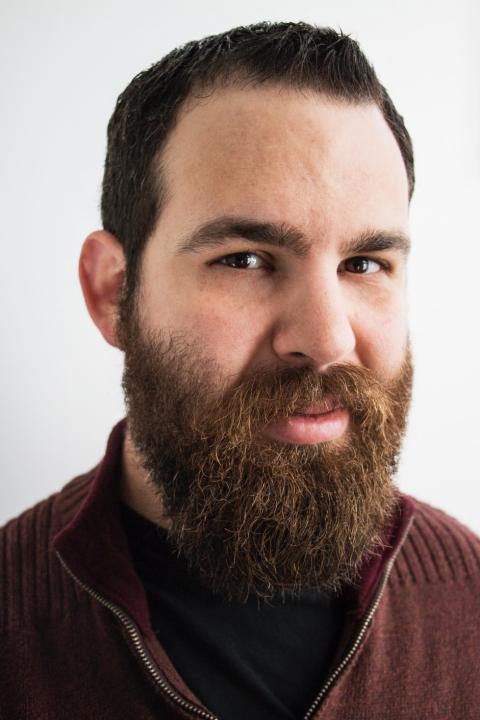
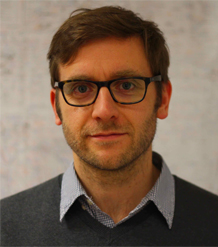
Professor James Whisstock is a renowned structural biologist at Monash University, holding roles as Deputy Dean of Research in the Faculty of Medicine, Nursing and Health Sciences (since 2022). He leads research in protein structures, focusing on membrane attack complex/perforin-like proteins and blood coagulation pathways. His work contributes to UN Sustainable Development Goals related to health and innovation. He completed his PhD at the University of Cambridge and has held prestigious fellowships, including ARC Australian Laureate and NHMRC Senior Principal Research Fellowships. Key achievements include directing the ARC Centre of Excellence in Advanced Molecular Imaging (2014–2021) and leading EMBL Australia (2017–2024). Research interests span structural biology, protease inhibitors, and immunology. He has developed technologies like the Monash Ramaciotti Cryo-Electron Microscopy platform. Awards include the Gottschalk Medal (2010) and Science Minister’s Prize (2006). Over 300 publications and 10 patents highlight his impact. Collaborations span global institutions, advancing biomedical research and drug discovery.
Curt Pettersson is a Professor at Uppsala University's Department of Medicinal Chemistry (Analytical Pharmaceutical Chemistry). His research focuses on advanced analytical techniques, including liquid chromatography-mass spectrometry (LC-MS), capillary electrophoresis (CE), and supercritical fluid chromatography (SFC), applied to pharmaceutical analysis, metabolomics, and environmental science. His primary research interests include: Method development for chromatographic separations and mass spectrometry Metabolomics in biomedical and environmental contexts Biodegradation of pharmaceuticals and environmental pollutants using fungal systems Doping control analysis through metabolite profiling Pettersson's recent publications (2019-2024) demonstrate strong emphasis on: Optimization of LC-MS methodologies for complex biological matrices Environmental applications of white-rot fungi ( Trametes versicolor ) in pollutant degradation Metabolomic investigations in cancer, ototoxicity, and marine biology Innovations in doping control detection for equine and human sports
Professor Ashley Cadby is a faculty member in the School of Mathematical and Physical Sciences at the University of Sheffield, holding the position of Professor of Soft Matter Physics within the Department of Physics and Astronomy. Her research focuses on cutting-edge imaging techniques applied to biological systems. Her research interests center on Soft Matter Physics , High-resolution Imaging , and Nano-science , with particular emphasis on super-resolution microscopy techniques applied to biological systems. Her work bridges physics, biology, and nanotechnology to investigate cellular structures and processes at unprecedented resolution. Analysis of her recent publications reveals a consistent focus on developing and applying advanced imaging methodologies, particularly super-resolution and correlative microscopy techniques. Her research spans bacterial cell wall architecture, sperm biology, protein dynamics, and nanoscale biological structures, demonstrating interdisciplinary applications across microbiology, reproductive biology, and cellular biophysics. Professor Cadby contributes to teaching through undergraduate courses including PHY 101 Tutorials, PHY 113/114 Computing Laboratory, PHY 245 Materials, and specialized courses in Bio-Physics (PHY 411/412) and Mechanistic Biology (PHY 6120). As Biological Safety Officer and member of the IOP Nano-science group and PARC consortium, she maintains active professional engagement. She leads the Biological Physics Group research team, focusing on innovative imaging approaches to solve complex biological problems through physical methodologies.
Jose Rodriguez is an Associate Professor at the Department of Chemistry and Biochemistry, University of California, Los Angeles (UCLA), with a focus on Structural Biology , Computational Biology , and Biophysics . His research spans Nanoscience , Biochemistry , and Amyloid Research . His lab develops advanced methods in Electron Diffraction (MicroED) and X-ray Imaging to study: Prions & Amyloid Structures in neurodegenerative diseases Structural Dynamics under electron beam damage 3D Nanocrystallography for molecular lattices Viral Glycoproteins for therapeutic targeting Recent publications highlight his work on MicroED methodology (2025), radiolytic damage analysis (2025), and prion-like domain regulation (2025). His lab is based in Boyer Hall at UCLA. His graduate students include Becky, Jess, Lily, Niko, Nina, Eric, Nima, Aldo, Cameron, and Phoebe. No scientific awards are explicitly mentioned in the provided text.
S. Paul Smith is a Professor of Mathematics at the Department of Mathematics, University of Washington. His research focuses on Noncommutative Geometry and Algebra , with an emphasis on theoretical and applied aspects of these fields. Personal Blog Google Scholar Profile (conflicting biomedical diagnostics publications) arXiv Papers Research Interests Smith's work spans Noncommutative Geometry and Algebra, with a parallel focus on biomedical diagnostic technologies evident from publication metadata. His recent articles highlight innovations in point-of-care diagnostics , nucleic acid amplification , and paper-based microfluidics . Academic Service He serves as an editor for the Journal of Algebra and Its Applications and Algebras and Representation Theory .
Leon Terstappen is a Full Professor of Medical Cell Biophysics. His research focuses on circulating tumor cells (CTCs), extracellular vesicles, and liquid biopsy technologies for cancer diagnosis and prognosis. He has pioneered advancements in CTC isolation, enrichment, and analysis, with applications in breast, prostate, and lung cancers. His work contributes to UN Sustainable Development Goals related to health and well-being. Key research interests include tumor heterogeneity, biomarker discovery, and therapeutic monitoring. He has received prestigious awards such as the Max Fulwyler Award (2012) and Prix Galien USA (2009). His team develops innovative tools like magnetic microneedles and nanowell platforms for single-cell analysis. Recent studies explore CTC-tdEV interactions, cell cycle-dependent biomarker secretion, and CCR8 peptide therapies. He actively participates in international conferences and collaborates globally on projects like CANCER-ID and EU GoNano. Terstappen’s 387+ publications span journals like Lab on a Chip and Cancers , with over 22,000 citations (h-index 61). He has supervised 27 graduate students and contributed to datasets like Zenodo’s colorectal cancer karyotype analysis.
Luke Schaeffer is an Assistant Professor at the University of Waterloo, affiliated with the Cheriton School of Computer Science and the Institute for Quantum Computing (IQC). His academic journey includes a BMath and MMath from Waterloo, a PhD from MIT under Scott Aaronson, and postdoctoral positions at Waterloo and UMD. His research bridges quantum computing and theoretical computer science, with focuses on quantum circuit complexity, classical simulation of quantum systems, and combinatorics on words. Notable projects include studying the Clifford group's structure, low-depth quantum vs. classical circuits, query complexity of regular languages, and fermion-to-qubit encodings. He also explores non-quantum areas like combinatorial game theory and cellular automata. His work on interactive quantum advantage protocols demonstrated separations between quantum and classical circuit models, including results against AC⁰[p] and NC¹ classes. He co-developed sample-optimal classical shadow algorithms for pure states and classified Clifford gates over qubits into 57 distinct classes. Education: BMath and MMath, University of Waterloo PhD in Computer Science, MIT (advisor: Scott Aaronson) Key Research Themes: Quantum advantage and circuit complexity Automata and combinatorics on words Classical simulation techniques for quantum systems Algorithmic foundations of quantum computing He advises students in the Cheriton School of Computer Science, emphasizing quantum computing and theoretical computer science. His contributions include foundational results in quantum-classical separations and decidability of word properties via first-order logic.
Dr. Rebecca Roubin is a Lecturer in the Department of Pharmaceutical and Medicinal Chemistry at the University of Sydney's Faculty of Pharmacy. She holds a BSc (Hons) from UNSW and a PhD. Her research focuses on molecular mechanisms of the tumor microenvironment, particularly in blood cancers like Multiple Myeloma, alongside exploring synergistic nuclear receptor agonists and traditional Chinese medicine (TCM) applications. Collaborations include work with Hong Kong Polytechnic University on PPARγ pathways and immunomodulatory glycoproteins. Her research themes include Cancer, Cardiovascular/ Diabetes, and Health Services. She has published widely on topics ranging from PPAR agonist design to ethnobotanical drug discovery. Key grants include projects on PPARγ agonists (2006) and glycoproteomic diagnostics (2003). She also contributes to pharmacy education and anti-doping practices in athlete care. Education: BSc (Hons) UNSW, PhD International Collaborations: Hong Kong Polytechnic University, Shanxi University (China) Grants: 4 major grants including PPARγ therapy and cartilage gene therapy Labs/Teams: Cancer Immunotherapy Group, TCM Anticancer Research Unit Her work bridges basic science and translational medicine, emphasizing drug development for hard-to-treat cancers and leveraging traditional medicinal knowledge.
Rachel Townsend is a Lecturer in Biomedical Sciences and MSc Programmes Manager at Swansea University Medical School. She holds a PhD in Analytical Chemistry (2019) with expertise in Liquid Chromatography-Mass Spectrometry (LC-MS), environmental monitoring of pharmaceuticals and biocides, and QuEChERS sample preparation techniques. Her research focuses on developing analytical methods for environmental pollution analysis, collaborating with organizations like Natural Resources Wales and Biotage GB to address regulatory challenges. She teaches across undergraduate and postgraduate programs, including BSc Medical Pharmacology, BSc Biochemistry, and MSc Nanomedicine. Her academic roles include managing the Analytical Chemistry laboratories in the Talbot Building and supporting the MSc Nanomedicine programme. Rachel is an active member of professional societies: Royal Society of Chemistry, British Mass Spectrometry Society, and British Society for Nanomedicine. Her work emphasizes industrial partnerships and advancing high-throughput analytical protocols for environmental matrices. Her research trends highlight QuEChERS methodology optimization, nanomaterials for pollution remediation, and sustainable hydrogen production linked to environmental cleanup. Grants and collaborations underpin her projects, though specific grants are not detailed here.
Dr. Kenneth Williams is a Professor (Adjunct) of Research in Molecular Biophysics and Biochemistry at Yale University, affiliated with the Yale School of Medicine. He is the Founder of the W.M. Keck Foundation Biotechnology Resource Laboratory and Co-Director of the Yale/NIDA Neuroproteomics Center. His research focuses on proteomics, mass spectrometry technologies, and biomarker discovery for diseases like cancer and addiction. Williams earned his B.S. in Chemistry from Boston University (1971) and his Ph.D. in Biochemistry from the University of Vermont (1976). He completed postdoctoral training at Yale in Molecular Biophysics and Biochemistry. His work includes developing targeted proteomic assays for kidney transplant recovery and ovarian cancer diagnostics, leveraging advanced mass spectrometry techniques. He has held leadership roles in organizations like the Association of Biomolecular Resource Facilities (ABRF) and secured major NIH grants for proteomics initiatives. Education: B.S., Chemistry, Boston University, 1971 Ph.D., Biochemistry, University of Vermont, 1976 Key Research Areas: Neuroproteomics and addiction mechanisms Proteomic biomarkers for kidney and ovarian diseases High-throughput proteomics technologies Affiliations: Yale/NIDA Neuroproteomics Center (Co-Director since 2015) Keck Biotechnology Resource Laboratory (Founder since 1980) Grants & Recognition: NIH/NIDA Neuroproteomics Center funding (since 2004) ABRF Executive Board member (1988–present) His research integrates proteomics with clinical applications, emphasizing translational medicine and technological innovation. Collaborators include experts in neuroscience, oncology, and bioinformatics. Current projects explore single-cell proteomics and biomarker validation for early disease detection.
Kathleen C. Garwood is an Associate Professor in the Department of Decision and System Sciences at Saint Joseph’s University. She holds a PhD in Statistics from Temple University (2014), with prior degrees from Villanova University (MS, 2004) and Drexel University (BS, 2000). Her work bridges academic research, pedagogy, and social impact through data-driven initiatives. Dr. Garwood’s research focuses on statistical methodologies for sustainability rankings, cyber-physical systems trustworthiness, and educational analytics for underserved populations. Notable projects include UN collaboration on PRME school assessments and data visualization work with Fe y Alegría schools in Bolivia. She leads the St. Joseph’s Tableau Users Group (SJU TUG), fostering industry connections through Tableau skill development. Her teaching spans 14+ years in business analytics, emphasizing real-world datasets and pedagogical innovation. Awards include the 2019 MAACBA Innovation in Teaching Award and 2020 Ignatian Paradigm grant for educational case studies. Key grants include work on CPS modeling (2018-2019) and a Morris Grant for curricular research (2015). Publications highlight interdisciplinary approaches in data mining, sustainability metrics, and healthcare analytics. Ongoing projects integrate Ignatian pedagogy principles with quantitative education, emphasizing ‘magis’—the pursuit of excellence for others.
Li Ye is a Professor at the Department of Neuroscience, The Scripps Research Institute (TSRI), and an HHMI Investigator. He holds the Abide-Vividion Chair in Chemistry and Chemical Biology. His research focuses on the integration of brain metabolism and systemic physiology, employing advanced imaging and high-throughput screening technologies. Ye earned his Ph.D. from Harvard University (2012) and B.S. from Tsinghua University (2006). Prior to TSRI, he was a Postdoctoral Fellow at Stanford University/HHMI (2013-2017) and a Visiting Student at MIT/Broad Institute (2007-2008). Research interests include understanding how the brain adapts to metabolic changes and regulates whole-body physiology. His lab develops tools like HYBRiD tissue clearing, light-sheet imaging, and activity-defined optogenetics. Key projects target metabolic disorders (obesity, diabetes) and neurodegenerative diseases by exploring molecular and circuit mechanisms. Awards: HHMI Investigator (2024), NIH New Innovator Award (2020), Chan Zuckerberg Initiative Award (2023), and others. Grants/Projects: NIH/NIDDK funding, Abide-Vividion collaboration, and CZI support for neurodegenerative disease research. Publications highlight breakthroughs in neuronal metabolism (e.g., pyruvate dehydrogenase phosphorylation), adipose sensory innervation (PIEZO2 channels), and brain-wide mapping techniques. The Ye Lab actively seeks researchers across all levels to join interdisciplinary efforts in neuroscience and chemical biology.
Ian Stewart is an Assistant Professor in the Music Production and Engineering (MP&E) department at Berklee College of Music, where he teaches audio mastering and music technology. He also operates Flotown Mastering, a professional audio mastering studio he has run since 2011, and has collaborated with artists such as KRS-One and Mr. Lif. He co-developed the Basslane Pro plugin with Tone Projects in 2022 and is a recognized thought leader in hybrid learning technologies for audio education. B.S. in Music Engineering Technology, University of Miami (2007) Stewart's research and teaching focus on audio mastering, digital audio fundamentals, loudness standards (LUFS), and the integration of technology in music production. He is a passionate advocate for audio quality and has authored numerous educational articles on topics such as multiband compression, dynamic EQ, AI in mastering, and headphone-based mastering workflows. His work bridges academic instruction with real-world engineering practice, emphasizing accessibility and adaptability in non-ideal acoustic environments. His recent publications reflect a strong trend toward practical, accessible mastering techniques for modern platforms like Spotify and Apple Music, with emphasis on loudness normalization, tonal balance, and workflow efficiency. He explores both technical and aesthetic aspects of mastering, including the use of tools like Ozone, dithering, true peak limiting, and AI-assisted processing. His articles are widely used in audio education and industry training. Commercial Integrator's 40 Under 40 (2021) Stewart has contributed to the development of online mastering academies for the Audio Engineering Society (AES) and has helped pioneer hybrid learning models during the pandemic. While no formal grants are mentioned, his work in educational technology and plugin development indicates active engagement in research and innovation. He has advised on best practices for remote mastering, home studio setups, and collaborative audio workflows. He runs Flotown Mastering, offering services in music mastering, audio restoration, and forensic audio analysis. The studio emphasizes collaboration, customer service, and technical excellence. Stewart also contributes to iZotope’s educational content as an author and is active in promoting audio literacy among producers and engineers.
Roman Slipets is a Postdoc Researcher at the Drug Delivery and Sensing section of the Department of Health Technology at the Technical University of Denmark (DTU) . His work focuses on advanced spectroscopic techniques for biomedical and chemical threat detection applications. Research Interests : Surface-enhanced Raman Spectroscopy (SERS) for drug monitoring Centrifugal microfluidic platforms for chemical detection Chemometric analysis of complex biological samples Supercritical CO2-based drug delivery systems Nanoscale sensor development Key Trends in Publications : Roman's research spans analytical chemistry , pharmaceutical science , and microsystem technology , with recent work emphasizing automated SERS systems for methotrexate monitoring , chemical warfare agents , and multicomponent drug mixtures . Collaborations with experts in atomic force microscopy and computational modeling are evident. Project Involvement : Principal supervisor for the SERSing project (2021–2024) developing SERS algorithms for chemical threat response PhD researcher in a Samfinansieret project (2017–2021) on drug monitoring systems
Dr. Michael Plevin is a Senior Lecturer in Molecular Biophysics and Royal Society Industry Fellow at the University of York's Department of Biology. His research focuses on biomolecular recognition mechanisms, protein engineering for industrial applications, and liquid-liquid phase separation. He employs structural biology tools like X-ray crystallography, cryoEM, and NMR spectroscopy. Current collaborations include Eluceda Ltd, Syngenta, and Oxford Nanopore Technologies. Dr. Plevin also explores aromatic interactions in proteins and promotes positive research culture through initiatives like the Enhancing Research Culture working group. His teaching emphasizes biophysical techniques and protein engineering, including modules on biomacromolecule structure determination. He supervises PhD students in protein engineering, molecular recognition, and sequence-structure-function relationships. Dr. Plevin has held grants from UKRI, The Royal Society, and industry partners. His work bridges academic and industrial challenges, with projects on non-antibody scaffolds, DNA helicases, and nanopores. Key research themes include phase separation dynamics in cellular organization, weak transient interactions, and Rubisco's role in algal photosynthesis. He collaborates with experts in algal biology and single-molecule biophysics. His contributions to isotopic labeling methods for NMR have advanced structural studies of large proteins.