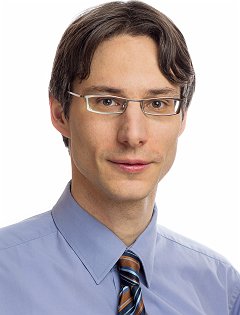
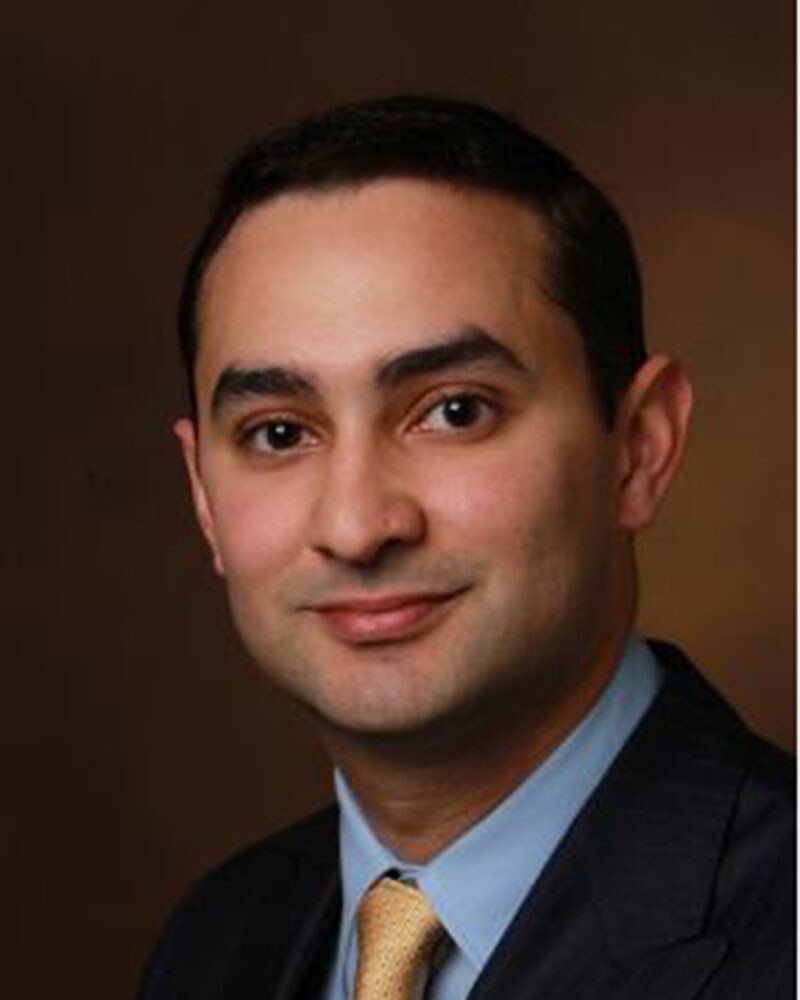
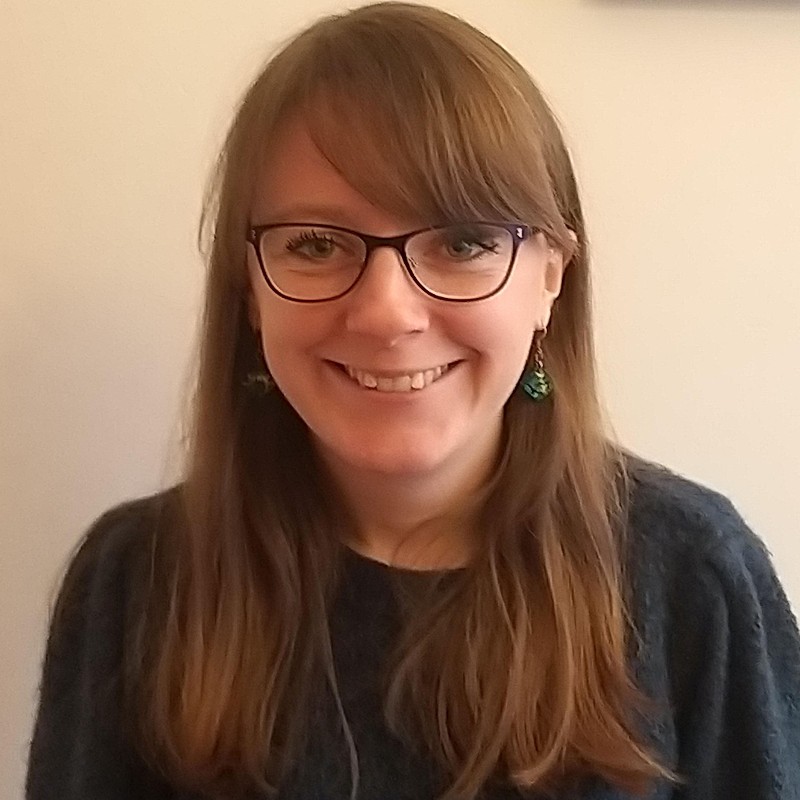
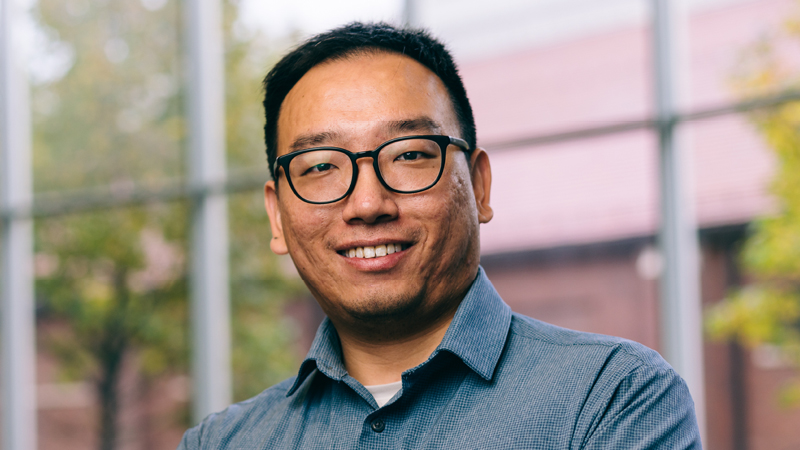
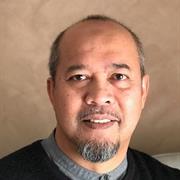
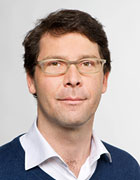
Bram Duivenvoorde is an Associate Professor at the Molengraaff Institute for Private Law , Utrecht University , specializing in advertising law , consumer law , and e-commerce . He holds a PhD from the University of Amsterdam (2014) and combines academic research with practical legal experience, including roles as an attorney-at-law at Hoogenraad & Haak (2014-2020) and interim legal counsel at Heineken International (2018). His work focuses on digital society , personalized marketing , and AI regulation in consumer contexts. Education : PhD (UvA, 2014), LLM (Utrecht, 2009), LLB (Utrecht, 2007) Key Research Areas : Advertising Law, Consumer Law, Digital Regulation, EU Law, Personalized Marketing Recent publications analyze generative AI , deepfakes , and DSA compliance , emphasizing consumer protection in evolving digital landscapes. He supervises PhD candidates Thijs Kelder and Jorn Torenbosch and leads the LLM Honours Programme . Duivenvoorde contributes to European consumer law through RENFORCE initiatives and serves as Editor for journals like Intellectuele Eigendom en Reclamerecht .
Karoline Faust is an Associate Professor at KU Leuven, affiliated with the Laboratory of Molecular Bacteriology (Rega Institute) and the Faculty of Medicine . She contributes to the iSi Health and Leuven One Health institutes, and serves on senior academic councils. Her research spans microbial systems biology, focusing on community dynamics and network analysis. Education: PhD in bioinformatics (2010, KU Leuven) Affiliations: KU Leuven, ISME Journal editorial board, Belgian Society for Microbiology Her research investigates microbial community dynamics , systems biology approaches to microbiomes, and bioinformatics tool development . She specializes in modeling human gut microbiota , synthetic microbial communities , and environmental microbiomes (e.g., microplastic impacts on Daphnia microbiomes). Her work integrates metabolic modeling , network analysis , and experimental systems to understand microbial interactions. Recent publications highlight her contributions to microbial network inference , 16S rRNA sequencing protocols , microfluidics , and ecological modeling of microbiomes. She develops tools like manta , miaSim , and CoNet to analyze community structures. Teaching: Karoline co-teaches courses in microbiology, bioinformatics, and network analysis at KU Leuven, and has contributed to international workshops on microbial network inference. Scientific Engagement: She serves as Senior Editor at ISME Journal and Secretary of the Belgian Society for Microbiology .
Daniel Varro is a Professor affiliated with McGill University (Faculty of Engineering, School of Computer Science), with strong ties to Budapest University of Technology and Economics and Linköping University. He is a leading researcher in model-driven engineering, cyber-physical systems, and software engineering, actively contributing to top-tier conferences such as MODELS, ICSE, and ASE. His research focuses on model-based systems engineering (MBSE) , automated model generation , model transformations , and constraint-based consistency checking . Recently, his work has expanded into integrating large language models (LLMs) and machine learning into modeling workflows, including model querying, domain modeling, and bug detection. The recent publications reveal a strong trend toward AI-augmented modeling, logic-based solvers (e.g., Refinery), and safety assurance of autonomous systems (e.g., COLREGs compliance). His work bridges formal methods with practical software engineering challenges in industrial and safety-critical domains. Scientific Awards: No specific awards mentioned in the text. Advising and Grants: While no explicit list of students or grants is provided, his mentorship in the Doctoral Symposium and repeated leadership roles suggest active supervision and likely grant funding. He has led projects on automated model generation, model quality, and AI integration in modeling. Labs and Teams: Daniel Varro is associated with research groups focused on model-driven engineering and software evolution, likely leading or co-leading teams working on the VIATRA and Refinery frameworks for model transformation and solving.
Tim Ibell is a Professor in the Department of Architecture & Civil Engineering at the University of Bath, affiliated with the Centre for Climate Adaptation & Environment Research (CAER). He has held leadership roles including Head of Department, Associate Dean (Graduate Studies), and Associate Dean (Research). His career includes a Fulbright Distinguished Scholar Award (2002) and a stint as Sir Kirby Laing Professor of Civil Engineering at the University of Cambridge. He is a Fellow of the Royal Academy of Engineering and has received six best journal-paper awards. Education: Postdoctoral research at the University of Cambridge following industry experience. Joined Bath in 1997. Research focuses on sustainable construction materials, FRP reinforcement, and embodied carbon reduction in concrete structures. His work aligns with UN SDGs on climate action and sustainable cities. Key innovations include fabric-formed concrete structures and low-carbon pile foundations. Recent projects include EPSRC-funded studies on pile optimization, creative design teaching, and resource efficiency in industrial strategy. Collaborations span UK and international institutions. Awards include the Institution of Structural Engineers' recognition and Royal Academy of Engineering Fellowship. Advising and grants: Supervises PhD students in sustainable construction. Leads multi-million-pound research projects addressing embodied carbon and material efficiency. Labs/Teams: Directs CAER and collaborates with interdisciplinary teams on projects like ACORN (Automating Concrete Construction) and MEICON (Minimising Energy in Construction).
Prof. Dr. Andrea Stocco is a Professor at the Technische Universität München (TUM), affiliated with the TUM School of Computation, Information and Technology. His research focuses on the intersection of software engineering and deep learning, particularly addressing the robustness and reliability of data-intensive systems. Key areas include autonomous vehicles, web application testing, and automated functional oracles for deep learning systems. He leads initiatives such as the Lehrstuhl für Software und Systems Engineering , collaborating on projects like CrESt and SUPPRA – Algorand Center of Excellence . Research interests encompass monitoring techniques for AI-driven systems, test suite maintainability, and scenario-based testing of cyber-physical systems (CPS). His work emphasizes practical applications, such as improving testing frameworks for evolving web applications and enhancing interoperability in autonomous driving systems (ADS). Recent efforts include leveraging large language models (LLMs) for secure code assessment and benchmarking generative AI for test input generation. No scientific awards are explicitly mentioned in the provided texts. His publications reflect a strong focus on testing methodologies, with over 40 articles since 2013, covering domains like web test automation, dependency-aware testing, and safety-critical failure prediction in autonomous systems. Advising and grants details are not detailed in the current data, but his lab contributes to TUM's broader efforts in software engineering and systems reliability.
Xavier Brusset is a Professor in Supply Chain at SKEMA Business School since 2016, where he also serves as Director of the PRISM Research Center since 2017. Previously, he held professorial positions at Toulouse Business School (2015-2016) and ESSCA School of Management (2009-2015), where he was responsible for the Master 2 in Purchasing and Supply Chain Management program. His academic journey includes a PhD in Management Sciences from Université Catholique de Louvain (2010) and a Habilitation à Diriger des Recherches from Université Paris Ouest Nanterre La Défense (2016). His research spans multiple critical areas in supply chain management, with particular focus on supply chain resilience, blockchain applications, weather risk management, and pandemic impacts on supply chains. Brusset has developed innovative approaches to understanding how supply chain partners interact, how information affects their behavior, and how external disruptions like weather anomalies and pandemics impact operational efficiency. His work bridges theoretical models with practical applications, often developing decision-support tools for managers facing complex supply chain challenges. Brusset's publication record shows a clear evolution of research interests, beginning with foundational work on supply chain contracts and information sharing, then expanding to weather risk management, and most recently focusing on pandemic disruptions and blockchain applications. His 15 most recent publications (2018-2025) demonstrate increasing sophistication in modeling complex supply chain phenomena, with particular emphasis on network effects, ripple effects, and multi-echelon optimization under disruption scenarios. Editorial board member of Logistics Research Editor of International Journal of Retail and Distribution Management (2022-2023) Recognized EU expert for CINEA research projects evaluation Organizer of the Colloquium on European Research in Retailing (CERR) Reviewer for multiple top journals including International Journal of Production Economics As an advisor, Brusset has supervised doctoral students including R. Alkhudary (co-director, Université Paris 2 Panthéon-Assas) and V. Capocasale (rapporteur). His professional experience extends beyond academia to include industry roles in financial markets and logistics technology, having co-founded WebLogistix, a platform for sharing logistics information in Argentina. His research has practical applications across multiple sectors, particularly in retail, food supply chains, and manufacturing, where he develops tools to help managers mitigate risks and optimize operations under uncertainty.
Daniel Balasubramanian is an Adjunct Associate Professor of Computer Science and Research Scientist at Vanderbilt University's School of Engineering. His research focuses on cybersecurity, software verification, and cyber-physical systems, with expertise in symbolic execution, code analysis, and formal methods. He contributes to advancing secure systems through frameworks like RAMPART for adversarial defense and Syntheto for formal verification. His work intersects edge computing, hardware security, and autonomous systems resilience. Research Interests: Cybersecurity (including ethical hacking, network defense), formal methods (verification, theorem proving), edge computing (tinyML, cloud integration), and cyber-physical systems (emulation, testbeds). His recent work emphasizes assurance provenance in software documentation and adversarially robust autonomous systems. Publications since 2019 highlight contributions to cybersecurity testbeds, reinforcement learning for penetration resistance, and hardware security against rowhammer attacks. He has explored domain-specific languages (Syntheto), incremental modeling techniques (differential-formula), and cloud-edge service resilience against adversarial perturbations. Labs/Teams: Affiliated with the Institute for Software-Integrated Systems (ISIS), focusing on integrating software with physical systems through model-driven approaches and cybersecurity innovations.
Dr. Alice Earley is a Researcher at the UK Collaborative Centre for Housing Evidence (CaCHE) within the Division of Urban Studies and Social Policy at the University of Glasgow. Her work focuses on urban regeneration, gentrification, housing inequalities, and community enterprises. Prior roles include Research Fellow at UCL’s Bartlett School of Planning and Tutor in Urban Studies at the University of Glasgow. Education: PhD in Urban Studies (University of Glasgow, 2022) MRes in Urban Research (University of Glasgow) MSc in Urban Regeneration (Bartlett School of Planning, UCL) MA(Hons) in Geography (University of Edinburgh) Research Interests: Alice’s research explores debates on regeneration vs. gentrification, housing inequalities, community asset management, and urban governance. Her work emphasizes structural inequalities and the role of partnerships in policy processes. She advocates for equitable urban development through community-led initiatives and policy reforms. Teaching & Collaboration: At the University of Glasgow, Alice has taught courses on urban policy, public policy, and planning. She also contributed to teaching at UCL. Her collaborations include projects with CaCHE, the Scottish Government, and community organizations like BS3 Community Development. Current projects address housing policy in Scotland and England, including affordable housing strategies and private rented sector regulation. Labs/Teams: Affiliated with CaCHE and the Neighbourhoods, Welfare and Wellbeing Research Group at Glasgow’s Urban Studies department. Engaged in interdisciplinary collaborations across urban studies, public policy, and geography.
Tianyi Zhang is a Tenure-Track Assistant Professor in the Department of Computer Science at Purdue University, part of the College of Science. He leads the Human-Centered Software Systems Lab, focusing on AI-driven systems that synergize human expertise with machine intelligence to enhance programming productivity and software reliability. Prior to Purdue, he was a Postdoctoral Fellow at Harvard University under Dr. Elena Glassman and earned his Ph.D. from UCLA (2019) and B.Sc. from Huazhong University of Science and Technology (2013). Education: Ph.D. in Computer Science, University of California, Los Angeles (2019) Bachelor's in Computer Science, Huazhong University of Science and Technology (2013) Research Interests: His work spans Software Engineering, Human-Computer Interaction, and AI. Key areas include program synthesis, interactive debugging tools, autonomous driving system testing, and mitigating biases in AI models. He develops systems like Interpretable Program Synthesis and SQLucid to bridge human and machine intelligence. Recent Trends in Publications: Recent work emphasizes human-in-the-loop AI, including mixed-initiative systems for data wrangling (Dango), interactive program repair, and bias analysis in text representations (STILE). He also explores challenges in autonomous driving testing and LLM-based code generation errors. Awards & Grants: NSF Career Award (2024) Amazon Research Award Showalter Trust Research Award for pre-diabetes research $1.5M NSF grant for software supply chain security Best Paper Honorable Mentions at CHI and VAHC Advising & Teams: Supervises 12+ PhD/Master's students and 30+ research interns. Notable advisees include Bonan Kou (API misuse studies) and Yuan Tian (text-to-SQL systems). Collaborates with Harvard Medical School on healthcare data analysis. Labs & Initiatives: Directs Purdue's Human-Centered Software Systems Lab. Co-founded the Societal Impact Fellows program. Active in open-source projects like Examplore for API usage visualization and JShrink for Java debloating.
Associate Professor Bambang Trigunarsyah holds a position at RMIT University since 2018, affiliated with the School of Property, Construction and Project Management (PCPM). He earned his BSc in Civil Engineering from Colorado School of Mines, a Master's in Civil Engineering (Construction Management) from the University of Indonesia, and a PhD in Engineering Project Management from the University of Melbourne. His career spans industry roles, including project engineering in Indonesia's oil and gas sector, academic leadership at the University of Indonesia, and international teaching/research appointments at Queensland University of Technology (QUT) and King Fahd University of Petroleum and Minerals in Saudi Arabia. Research interests focus on post-disaster reconstruction, infrastructure project governance, constructability of infrastructure, and project management in developing countries. Notable projects include risk management frameworks using blockchain, circular economy in Saudi construction, and BIPV energy solutions. He actively supervises HDR students in areas like public-sector project success determinants and thermal environment studies. Bambang serves as Higher Degree Research Delegate Authority (HDR DA) for the School of PCPM and teaches postgraduate project management programs. Professional memberships include AIPM, PMI, and ASCE. His industry advisory roles include Indonesia's National Construction Service Development Board (2002-2007) and Australia-Indonesia Centre's Infrastructure Cluster (2016-2018). Recent research emphasizes BIM applications in infrastructure preservation, risk assessment methodologies, and climate-resilient construction. His work bridges theory and practice, addressing challenges in emerging economies and complex project environments.
Ahmed Hassoon is an Assistant Research Professor at the Johns Hopkins Bloomberg School of Public Health, with a primary appointment in the Department of Epidemiology and joint appointments in the Department of Neurology at the School of Medicine and the School of Engineering. He is affiliated with several key research centers, including the Welch Center for Prevention, Epidemiology and Clinical Research, the Center for Diagnostic Excellence, and the Center for Humanitarian Health. MPH, Johns Hopkins Bloomberg School of Public Health, 2014 MD, Baghdad College of Medicine, 2004 Dr. Hassoon’s research is centered on leveraging data science and artificial intelligence to improve healthcare quality and safety, particularly in diagnostic accuracy. His work spans applications in lung cancer, stroke, and emergency medicine, with a strong emphasis on reducing diagnostic errors using frameworks like symptom-disease pair analysis (SPADE). He is deeply engaged in developing AI models that reason across multiple clinical modalities to enhance patient outcomes. His recent publications highlight a strong trend in diagnostic safety, AI-driven interventions, and epidemiological analysis of misdiagnosis harms. Key themes include the validation of computable phenotypes, measurement of diagnostic error burden, and the impact of mental health on acute care diagnostics. Hubert Humphrey Fellowship Award, U.S. Department of State (2010) US President Appreciation Certificate, The White House (2011) Atlas Corps Award (2012) Sommer Scholarship Award (2013) State of Maryland Cigarette Restitution Fund Faculty and Translational Research Awards (2016–2017) Institute for Healthcare Improvement (IHI) Fellowship (2024) Dr. Hassoon is a recipient of the AHRQ K08 Career Development Award focused on improving cancer diagnostic safety at Johns Hopkins Hospital. He co-instructs graduate-level courses in data science and AI with Professor Brian Caffo, contributing to the training of the next generation of public health data scientists. He has not formally advised students listed in the provided texts. His collaborative research spans multiple institutions and has been widely disseminated through policy, news, and social media, indicating significant real-world impact. His work is deeply integrated with the Welch Center and the Center for Diagnostic Excellence, where he contributes to translational research initiatives aimed at improving clinical decision-making and patient safety through innovative data-driven approaches.
Marketta Kyttä is a Professor of Land Use Planning at Aalto University's Department of Built Environment. She holds a PhD in Architecture from Helsinki University of Technology (2004) and leads the Spatial Planning and Transportation Engineering Master’s program. Research Interests: Child- and age-friendly urban environments SoftGIS methodology for participatory mapping Social sustainability and urban health Public participation in planning Activity space modeling Scientific Awards: Lea Pulkkinen award Tapio Nummenmaa award Geospatial World Forum's WebGIS Innovation Award (2010) Oskari Vilamo award (2020) Oppikirja-palkinto for urban planning literature Methodological Contributions: SoftGIS (PPGIS innovation) Commercialization as Maptionnaire software International Collaborations: Affiliated with universities in Italy, Australia, and the US. Her work spans 80+ countries through Maptionnaire’s global adoption.
Gizem Kayişoğlu is an Assistant Professor in the Department of Maritime Transportation and Management Engineering at Istanbul Technical University. Her research focuses on cybersecurity challenges in maritime systems, human error probability, and risk assessment methodologies. She actively explores vulnerabilities in shipboard systems such as ECDIS, VDR, and radar while emphasizing regulatory compliance and maritime safety standards. Her work integrates frameworks like CORAS, Fuzzy FUCOM, and SLIM to address cybersecurity dynamics and human factors in maritime operations. Key collaborations involve analyzing ransomware threats, AIS system vulnerabilities, and port infrastructure protection through interdisciplinary approaches. Her articles highlight trends in maritime cybersecurity, including ransomware mitigation, cyber hygiene practices, and critical infrastructure protection. She has contributed to developing risk assessment tools and checklists tailored for maritime environments, emphasizing both technological and human aspects of safety. No scientific awards have been explicitly mentioned. She has not listed formal advisees, and her professional activities focus on advancing maritime cybersecurity through academic and applied research.
Prof. Alexander Pretschner is a Professor of Software & Systems Engineering at the Technical University of Munich (TUM) and Founding Director of the Bavarian Research Institute for Digital Transformation (bidt). He also serves as Scientific Director of fortiss, a Bavarian research institute for software-intensive systems. His research focuses on software engineering, testing, information security, and ethical software development. Pretschner holds a PhD from TUM and has held academic positions at Karlsruhe Institute of Technology (KIT) and TU Kaiserslautern. He is a co-editor of several prestigious journals, including IEEE Transactions on Reliability and the Journal of Software Testing, Verification and Reliability. Education: PhD in Computer Science, Technical University of Munich MSc in Computer Science, University of Kansas (on Fulbright Scholarship) Diplom in Computer Science, RWTH Aachen University Research Interests: His work spans testing methodologies, secure software design, and ethical considerations in agile development. Notable contributions include frameworks for metamorphic testing, distributed data usage control, and accountability mechanisms for cyber-physical systems. Awards: IBM Faculty Award (2012, 2013) Google Focused Research Award (2011, 2012) EARTO Innovation Prize (2014) 2nd Platz Supervisory Award (2020) Advising & Grants: Pretschner has supervised numerous PhD and Master’s students, contributing to over 200 publications. He leads projects like EDAP (Ethical Deliberation in Agile Processes) and collaborates with industry partners on cybersecurity and AI ethics initiatives. Labs & Teams: His work is anchored in bidt, fortiss, and TUM’s Chair of Software & Systems Engineering, focusing on societal impacts of digitalization and trustworthy AI systems.
Christian Lindh is an active Associate Professor and Senior Lecturer at Lund University's Division of Occupational and Environmental Medicine. He serves as Research Team Manager for Applied Mass Spectrometry in Environmental Medicine and is affiliated with EpiHealth: Epidemiology for Health. His research focuses on environmental and occupational exposures and their health impacts, with particular expertise in biomonitoring and analytical chemistry. His research interests span Occupational Health , Environmental Health , Analytical Chemistry , Exposure Assessment , and Epidemiology . Lindh specializes in studying human exposure to environmental pollutants including PFAS, heavy metals, phthalates, and polycyclic aromatic hydrocarbons, with particular focus on vulnerable populations such as pregnant women and children. His work contributes to UN Sustainable Development Goals related to health and environmental protection. Analysis of his recent publications reveals a strong focus on environmental epidemiology, particularly examining PFAS exposure patterns, heavy metal toxicity, and the health impacts of environmental contaminants across different life stages. His research employs advanced analytical techniques, particularly mass spectrometry, to precisely measure exposure levels and investigate dose-response relationships. Lindh has secured significant research funding, currently leading projects including 'Temporal Trends in Lead, Mercury, and Cadmium Levels in Children' (Swedish Environmental Protection Agency, 2025-2026) and 'Trade-offs between food safety and food security' (FORMAS, 2024-2027). He serves as Principal Investigator on multiple active research projects totaling 15, with 7 currently active and 7 completed. As Manager of the 'Targeted Exposomics at Lund University' infrastructure, Lindh leads the Applied Mass Spectrometry in Environmental Medicine research team. His work bridges analytical chemistry with public health research, developing methodologies to assess human exposure to environmental chemicals and evaluating their health consequences through epidemiological studies.