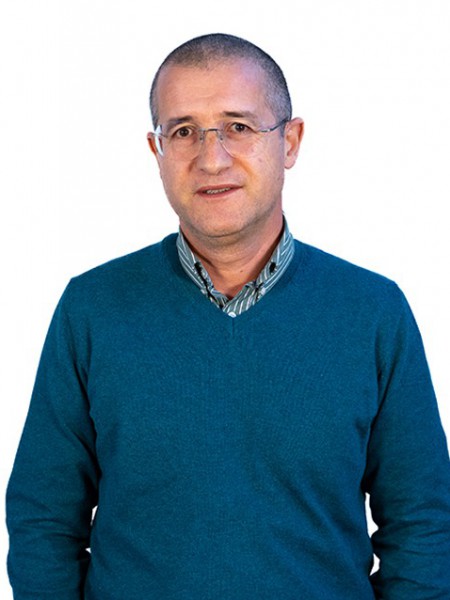
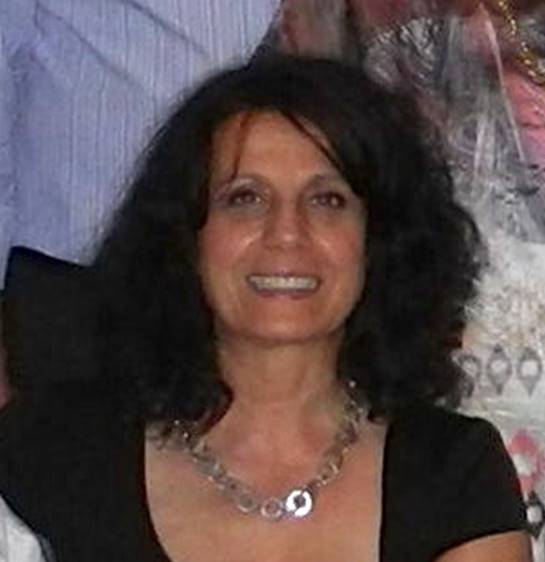
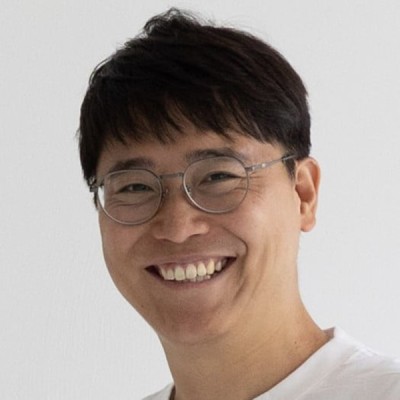
Armando J. D. Silvestre is a Full Professor at the Department of Chemistry, University of Aveiro. He holds academic degrees including a Licenciatura in Chemistry (1990), PhD in Chemistry (1994), and Agregação in Chemistry (2008) from the University of Aveiro. His research focuses on renewable materials, circular economy, and functional biomaterials. Research interests include: Development of biopolymer-based functional materials Valorization of biological residues for value-added chemicals Novel polymeric materials from renewable resources Sustainable nanocomposites and coatings Professor Silvestre has supervised 18 MSc and 11 PhD students to completion and currently mentors 3 PhD and 3 MSc candidates. Research projects include EU-funded initiatives like AFORE (Forest Biorefineries) and national projects on membrane technology and biomass valorization. Scientific contributions include over 180 SCI journal publications and patents on extraction methods. He serves on editorial boards for Industrial Crops and Products and actively participates in academic activities including Erasmus coordination and Bologna process implementation.
CARMEN PADILLA RASCÓN is a Researcher at the Department of Chemical, Environmental and Materials Engineering at the University of Jaén. She obtained her Doctorate in 2022 with the thesis "Production of furfural and bioethanol from olive stones." Education: PhD in Chemical Engineering, University of Jaén (2022) Her research focuses on lignocellulosic biomass valorization through biorefinery systems, particularly using agricultural residues like olive stones and vine shoots for producing biofuels and high-value chemicals. Key techniques include steam explosion, acid/alkaline pretreatments, and microwave-assisted processing. Recent publications highlight integrated biorefinery strategies, furfural production optimization, and recovery of bioactive phenolic compounds. The work often involves process engineering, catalytic transformations, and circular economy principles.
Knud Villy Christensen is an Associate Professor at the Department of Green Technology (IGT), University of Southern Denmark (SDU), and serves as Head of Section for SDU-Chemical Engineering. His research focuses on Chemical Engineering with emphasis on Membrane Technology , Biofuels , and Biowaste Valorization . He is actively involved in projects targeting sustainable energy and resource recovery from agricultural and industrial waste streams. His work spans Membrane Separation Technology (e.g., membrane distillation for food processing), Chemical Reactor Engineering , and Mathematical Modeling of unit operations. Recent publications highlight his expertise in green extraction of natural compounds biocascade approaches for biomass valorization biofuel production optimization Christensen has supervised numerous internships and projects at institutions like Fjernvarme Fyn, Carlsberg A/S, and Biogas Clean. His current projects include SUSTEPS (sustainable biofuel scaling) and ReCaP (phosphorus recycling). His research aligns with environmental sustainability and industrial process intensification.
Jane Wang is a Professor in the Department of Food Science at the University of Arkansas , where she has served since 1999, progressing from Assistant to Full Professor. She also holds the title of Director of the Experiment Station in the Department of Food Science. Her research focuses on starch structure-functionality relationships , rice quality , and biomaterial utilization , with over 120 refereed publications and 5 patents. Education: B.S. in Agricultural Chemistry (1986) from National Taiwan University , M.S. in Food Science (1989) from the University of Minnesota , and Ph.D. in Food Science (1992) from Iowa State University . Postdoctoral research in starch chemistry at Iowa State University (1993-1994). Research Interests: Jane Wang's work explores starch chemistry, rice processing optimization, and value-added applications of agricultural byproducts. She investigates how starch modifications affect food and pharmaceutical properties, with a particular focus on parboiling, germination, and enzymatic treatments. Her research also examines the impact of environmental factors on rice starch development and quality. Scientific Awards: Outstanding Departmental Research Award (2008) Outstanding Volunteer, IFT Carbohydrate Division (2007) Outstanding Mentor, University of Arkansas (2005) Grants & Professional Service: She has secured over $3M in research funding, including USDA-NIFA grants and industry contracts with more than 50 food companies. Jane has served on numerous academic committees (Patent, Promotion & Tenure, Curriculum) and held leadership roles in professional organizations like IFT and AACC. She has also acted as associate editor for Cereal Chemistry and Carbohydrate Polymers , and reviewed for multiple journals and agencies. Labs & Teams: Dr. Wang leads the Carbohydrate Research Program at the University of Arkansas, focusing on starch structure-functionality, rice fortification, and biomaterial development. Her lab collaborates with industry partners and academic institutions to advance food science applications.
Giulia De Lorenzo is a Full Professor of Plant Physiology at Sapienza University of Rome since 2000, with prior roles as Associate Professor at Sapienza University of Rome (1994-1999) and University of Bari (1991-1994). Her research focuses on plant immunity, molecular recognition, and cell wall dynamics, particularly in plant-pathogen interactions involving damage-associated molecular patterns (DAMPs) and their role in signal transduction. Education: Laurea in Biology (1980, Sapienza University of Rome, cum laude), PhD in Evolutionary Biology (1987, Sapienza University of Rome) Her work explores the structural and functional basis of plant defense mechanisms, including the inhibition of cell wall-degrading enzymes and engineering plant resistance through chimeric receptors. Articles highlight her contributions to understanding DAMPs, PGIP proteins, and their applications in crop protection and bioconversion. Notable scientific awards include the 2011 Sapienza University of Rome Award for Excellence in Research , 1997 Giovanni Armenise-Harvard Foundation Award , and the 1983 Fondazione V.V. Landi Award from the Accademia dei Lincei. She has served on editorial boards and organized international conferences in plant science.
Ming-Hsun Cheng is an Assistant Professor of Energy and Environment at the University of Idaho's Department of Natural Resources and Society within the College of Natural Resources. His research focuses on biorefinery design, bioenergy innovation, and sustainability analysis through techno-economic evaluations and life-cycle assessments. Dr. Cheng holds a Ph.D. in Agricultural and Biosystems Engineering from Iowa State University (2017), following a postdoctoral stint (2017–2022) at the University of Illinois' CABBI center studying biorefinery systems and biofuel conversions. His academic background includes a B.S. in Forest Products Science (National Chiayi, 2008) and an M.S. in Forestry and Resource Conservation (National Taiwan University, 2010). Courses taught include NRS 501: Natural Resources and Society Graduate Seminar and ENVS 501: Environmental Science Graduate Seminar. Research interests span biomass valorization, green technologies, and environmental impact modeling. Key contributions include studies on hydrothermal pretreatment for cellulosic sugar recovery, transgenic energycane utilization, and microbial fuel cell integration into waste-to-energy systems. Dr. Cheng's work emphasizes bridging technical innovations with economic and environmental sustainability. Professional activities include advising graduate students and collaborating on USDA-funded projects. His lab focuses on advancing biorefinery systems through both experimental and computational modeling approaches, with a focus on lignocellulosic biomass and industrial hemp applications.
Dr. Kwang Ho Kim serves as an Assistant Professor in the Department of Wood Science within the Faculty of Applied Science at the University of British Columbia (UBC), having joined the institution in July 2024. Previously, he held positions as a Principal Researcher at the Korea Institute of Science and Technology (KIST) and as an Adjunct Professor at UBC from 2018 to 2021, where he collaborated extensively with campus researchers. His research centers on sustainable biorefinery processes for maximizing biomass carbon conversion into value-added products. Key focus areas include catalytic lignin valorization, deep eutectic solvent applications in biomass pretreatment, and waste plastic conversion technologies. His interdisciplinary work bridges chemical engineering, green chemistry, and materials science to develop circular economy solutions for biomass and polymer waste streams. Analysis of Dr. Kim's recent publications (2022-2024) reveals dominant trends in catalytic biomass conversion, particularly using deep eutectic solvents for lignocellulose fractionation and plastic glycolysis. His work demonstrates strong emphasis on hydrogenolysis techniques for lignin depolymerization, electrochemical battery material analysis, and machine learning applications in renewable energy systems. These publications collectively advance sustainable pathways for biofuels, biobased chemicals, and waste-to-value processes.
Ron Hajrizaj is a Researcher at the Department of Green Technology (IGT) within the University of Southern Denmark, specializing in renewable energy and chemical engineering. His work focuses on biomass valorization through advanced biochemical processes. Education: Master of Science in Chemical Engineering and Biotechnology from the Department of Green Technology (IGT) Research interests center on sustainable conversion of industrial waste into biofuels, particularly using enzymatic hydrolysis and fermentation of brewer's spent grain. His 2022-2024 publications explore supercritical extraction techniques, kinetic modeling, and hybrid saccharification-fermentation systems for bioethanol production. Collaborations span Denmark and international institutions, with emphasis on optimizing biomass processing parameters through response surface methodology. Key applications include waste reduction and renewable resource development to address climate challenges. Scientific contributions: 4 research outputs (3 journal articles, 1 conference paper) with 31 citations and 320+ downloads Active in circular economy and sustainable process design networks
Thelmo A. Lu-Chau is an Assistant Professor at the Department of Chemical Engineering, Faculty of Sciences, University of Santiago de Compostela. He holds a Chemical Engineering degree from the Universidad Nacional de Trujillo (Peru) and a PhD from the University of Santiago de Compostela. His research focuses on biofuel and biopolymer production from lignocellulosic biomass, enzymatic processes using microorganisms, and valorization of agro-industrial residues. He has supervised multiple doctoral and master's theses, including studies on PHA biopolymers, bioethanol production from palm oil byproducts, and ABE fermentation optimization. He has authored over 55 SCI-indexed papers (H-index 19) and holds 2 Spanish patents. His work integrates biorefinery processes, waste valorization, and sustainable chemistry, with funding from the European Commission, Spanish Ministry of Science, and industry partners like Abengoa Bioenergy. He collaborates with the LIGNOCEL Network and evaluates research projects in Chile and Colombia. Research highlights include the 2024 review on agro-waste valorization, 2023 studies on lignin valorization and bioethanol byproduct utilization, and 2022 work on enzymatic bioadhesive synthesis. His projects emphasize circular economy principles, integrating biomass conversion, contaminant removal, and biocatalyst development. He advises students on topics like PHA production from halophilic bacteria, biofuel optimization from agricultural residues, and enzymatic transformation of bioactive compounds. His labs focus on bioreactor design, microbial physiology, and biocatalytic processes for industrial applications.
Lope G. Tabil, Ph.D., P.Eng., is a Professor in the Department of Chemical and Biological Engineering at the University of Saskatchewan. He holds a half-time faculty appointment as of July 2024 and has transitioned to reduced student advising. His career includes roles as Department Head (2008–2010) and academic promotions from Assistant Professor (2000) to Associate Professor (2004) and full Professor (2008). Prior to academia, he worked as a Research Engineer at the Agricultural Value-added Engineering Centre in Alberta (1997–2000), focusing on postharvest technology and agricultural product processing. Dr. Tabil’s research emphasizes biomass valorization, biofuel production, and agro-industrial byproduct utilization. Key areas include biomass pelleting, torrefaction, microwave-assisted processing, and enzymatic saccharification of lignocellulosic materials. He has pioneered studies on flax straw reinforcement for biocomposites and lentil milling optimization. Current projects address biofuel pellet densification, microbial pretreatment of biomass, and techno-economic analysis of bioenergy systems. He is a Professional Engineer in Saskatchewan and Alberta, and serves on the editorial board of the International Journal of Agricultural and Biological Engineering. His work spans 30+ years, with over 100 peer-reviewed publications and collaborations in biorefinery design, agricultural waste recycling, and sustainable energy systems. Notable contributions include optimizing cannabis drying, improving pulse protein applications, and advancing microwave-thermal hybrid technologies. Though no longer accepting graduate students, Dr. Tabil actively collaborates on projects involving biojet fuel production, circular economy models, and lignocellulosic waste conversion. His research bridges engineering, agriculture, and environmental science to address global challenges in sustainable resource management.
Lucília Domingues is an Associate Professor with Habilitation at the Biological Engineering Department of University of Minho's School of Engineering. She serves as Director of the Master Course on Biotechnology and Deputy Director of the Centre of Biological Engineering (CEB) research unit. With over two decades of academic experience, she leads the Molecular Biotechnology and Precision Fermentation research group and maintains active collaborations with international institutions including a 2024 Visiting Professorship at the Biological Engineering Center at the University of Kobe. Her educational background includes a Chemical Engineering degree from University of Porto (1994) with an ERASMUS stay at Universitat Politècnica de Catalunya, a Master in Biotechnology - Bioprocess Engineering (1997), a PhD in Chemical and Biological Engineering (2001) in collaboration with VTT Technical Research Center of Finland, and Habilitation in Chemical and Biological Engineering (2018), all from University of Minho. Professor Domingues' research focuses on Molecular and Industrial Biotechnology, particularly developing microbial cell factories using molecular biotechnology tools for eco-sustainable production of biofuels and bio-based chemicals. Her work emphasizes renewable substrates and applications across food, energy, chemical and biomedical industries. She has pioneered approaches in precision fermentation, microbial metabolic engineering, and biorefinery development for lignocellulosic biomass valorization. Her publication record demonstrates consistent high-impact research across biotechnology domains, with particular emphasis on yeast engineering, waste valorization, and sustainable production systems. The research shows strong integration of molecular biology techniques with industrial applications, especially in developing microbial systems for bio-based chemical production from renewable resources. World's Top 2% Scientists (2021, 2022, 2023) Research Merit Prize (2021, 2022, 2023) Scientific Merit Award 2022 from School of Engineering Professor Domingues has extensive experience supervising graduate researchers with 51 Master's and 23 PhD students completed. She has coordinated numerous national and European funded projects including New protein-based technology platform for mycotoxin purification, EssenTial, Biostarv, and YEaSt innovation. Her research group actively collaborates with industrial partners on molecular biotechnology and biorefineries development. She serves as Associate Editor for Biotechnology for Biofuels and Bioproducts and editor for Bioengineered and Biomed Research International. Her laboratory, the Molecular Biotechnology Laboratory (LBM), focuses on developing advanced microbial systems for precision fermentation and sustainable bioproduction. The research team works at the intersection of molecular biology, metabolic engineering, and bioprocess development to create innovative solutions for industrial biotechnology challenges.
Svein Jarle Horn is a Professor of Bioprocess Technology at the Norwegian University of Life Sciences (NMBU), leading the research group BioRef. His work focuses on advancing bioprocess technologies, particularly in fermentation, enzymatic saccharification of lignocellulosic biomass, and bio-based product development. He specializes in optimizing biorefinery systems, anaerobic digestion, and microbial conversion processes. Research interests include: Enzymatic degradation of plant biomass via lytic polysaccharide monooxygenases (LPMOs) Biogas production optimization and mitigation of hydrogen sulfide toxicity Valorization of agricultural and industrial residues (e.g., spruce, seaweed, poultry byproducts) Development of sustainable feedstocks for aquaculture using microbial biomass Techno-economic assessments of biorefinery systems Articles Overview: Recent work emphasizes innovations in lignocellulosic biomass processing (e.g., enzymatic saccharification improvements), biogas production from diverse feedstocks, and biofilm-based anaerobic digestion systems. A recurring theme is leveraging light exposure and chemical additives to enhance enzymatic efficiency. Key applications include circular bioeconomy models and alternative protein sources for aquaculture. Advising & Grants: No explicit student advisees or grant details provided in text. Labs/Teams: Leads the BioRef research group, focused on biorefinery systems and bioprocess engineering.
Daehwan Kim is an Associate Professor of Biology and holds the Hodson/Maryland Endowed Chair in Advanced Bioproducts Research and Education at Hood College. His research focuses on biochemical and microbial engineering, particularly in converting agricultural waste into biofuels and bioproducts through fermentation and enzymatic processes. Ph.D., Agricultural & Biological Engineering, Purdue University (2017) M.S., Biotechnology Engineering, Yonsei University (2010) B.S., Biotechnology Engineering, Korea University (2008) Kim’s work spans lignocellulosic biomass pretreatment, enzymatic catalysis, and sustainable microbial platforms for bioenergy and biomaterials. He has developed innovative fermentation methods using coffee waste and hemp without conventional pretreatment, reducing costs and environmental impact. Recent research trends include lignocellulose conversion, inhibitor detoxification in biofuel production, and functional food applications of Monascus pigments. His publications emphasize bioprocess optimization and computational modeling of fermentation systems. Top Reviewer 2019, Global Peer Review Awards National Ethanol Conference Scholarship (2017) BIOPRO World Talent Campus (2016) Corn Utilization and Technology Conference Poster Award (2016) Kim mentors undergraduate students, including Specht, J., and collaborates with academic and commercial labs. His projects integrate environmental sustainability with industrial biotechnology, aligning with Hood College’s focus on applied research and education.
Dr. Hema Khedun is a Lecturer in the Department of General Engineering at Clemson University, located in B01-L Holtzendorff Hall. Her research focuses on renewable energy, biomass conversion, solid waste management, and environmental engineering. She holds a Ph.D. in Environmental Engineering from the University of Mauritius (2012), an M.S. in Environmental Science and Management from Université de la Réunion (2002), and a B.Eng. in Chemical and Environmental Engineering from the University of Mauritius (2001). Her teaching includes courses such as ENGR 1020 (Engineering Disciplines and Skills) and ENGR 1410 (Programming and Problem Solving). Her professional experience includes a postdoctoral position at Texas A&M University and prior lecturing roles at the University of Mauritius. Notable awards include the Fulbright Scholarship (2007) and a French Government scholarship (2001). Her research spans topics like biofuel production from agricultural residues, thermochemical waste treatment, and fermentation processes. Recent publications highlight innovations in biomass pretreatment, wastewater sludge conversion, and bioenergy systems. She has contributed to collaborative projects like the CODWAP curriculum development initiative (2009-2011) and consulted on hazardous waste characterization in Mauritius (2008).
André M. da Costa Lopes is an External Researcher in the Department of Chemistry at the University of Aveiro, Portugal. He holds a PhD in Sustainable Chemistry from the New University of Lisbon (2017), with a thesis on ionic liquids in biomass valorization. His research focuses on developing green technologies for biomass and lignin conversion using deep eutectic solvents and ionic liquids, contributing to biorefineries and circular economy initiatives. He is affiliated with CICECO-Aveiro Institute of Materials and CECOLAB, collaborating on projects like PROVIDES and BIOSURPLIER. Education: B.Sc. in Biotechnology (University of Aveiro, 2010) M.Sc. in Biotechnology (University of Aveiro, 2012) PhD in Sustainable Chemistry (New University of Lisbon, 2017) Research Interests: Lignin valorization, bio-based materials, sustainable solvents, biomass fractionation, circular economy, and biorefinery systems. His work emphasizes the use of alternative solvents to create value-added chemicals and materials from agricultural and industrial waste. Publications & Impact: Co-author of 33 peer-reviewed articles (h-index 17, >2100 citations), 5 book chapters, and 3 patents. Recent articles address lignin dissolution in deep eutectic solvents, biomass pretreatment strategies, and valorization of olive tree pruning. Awards & Projects: PI of the BIOSURPLIER project and co-investigator in PRIDES and BIOVINO. His research has contributed to CICECO’s recognition in global rankings, including Stanford’s 2024 List of the World’s Top 2% Scientists. Labs & Teams: Active in CICECO and CECOLAB, focusing on interdisciplinary collaborations in sustainable materials and green chemistry.