Dr Andrew Love is currently an Honorary Professor at the School of Molecular Biosciences , University of Glasgow. His research focuses on molecular plant-virus interactions, particularly mechanisms of viral suppression and plant immune responses through autophagy and signaling pathways. Key Research Areas: Plant virology, autophagy-mediated viral resistance, RNA silencing, salicylic acid signaling, SUMO protease regulation, and molecular mechanisms of plant cell death. Publications (2008–2017): Investigate regulatory overlaps in plant defense systems, including viral protein P6 domain mapping, SUMO protease stability, and NBR1-mediated autophagy against cauliflower mosaic virus.
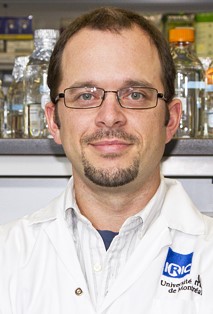
Étienne Gagnon is an Associate Professor at the Department of Microbiology and Immunology, Faculty of Medicine, University of Montreal, and Principal Investigator at the Institute for Research in Immunology and Cancer (IRIC). He earned his BSc in Immunology from the University of Montreal before completing a PhD in Cell Biology under Dr. Michel Desjardins. His postdoctoral work at Dana-Farber Cancer Institute with Dr. Kai Wucherpfennig established foundational discoveries in T cell receptor activation. Academic Appointments : Associate Professor (2025-present) Principal Investigator, IRIC (2011-present) Scientific Director, Flow Cytometry Core Education : BSc in Immunology, University of Montreal PhD in Cell Biology, University of Montreal His research focuses on molecular immunology and cancer immunobiology , particularly: T cell receptor signaling mechanisms Impact of tumor microenvironments on immune activation Zinc homeostasis in T cell development Redesign of CAR-T receptors for improved immunotherapy Live-cell imaging of receptor dynamics Transcriptomic analysis of immune-tumor interactions Recent publications highlight: 2025: CAR-T optimization through modular receptor design 2024: Hypoxia adaptation in cancer cells 2022: HSV-1 propagation mechanisms 2021: Nanoparticle-based cross-presentation Scientific recognition: Sherring-Plough Medal of Excellence (2008) FRQS Junior Faculty Awards AAI Travel Award He advises a team of five doctoral candidates and collaborates with bioinformatics groups to develop in-silico RNA therapies. His work is funded by NSERC, CIHR, and CRS grants.
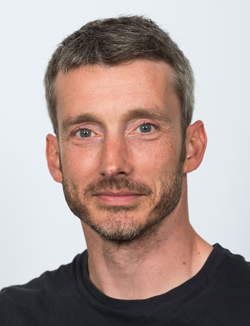
Dr. Chris Boutell is a Programme Leader in Virology at the University of Glasgow's Centre for Virus Research, Garscube Campus. His research focuses on the molecular interplay between viruses and host cellular modification pathways, particularly ubiquitin and SUMO systems, in regulating antiviral immunity. His primary research interests lie in virus-host interactions with emphasis on: Ubiquitin and ubiquitin-like modifications in cellular antiviral pathways Mechanisms of viral immune evasion through SUMO and ubiquitin pathways Molecular regulation of intrinsic immunity during herpesvirus, influenza, and hepatitis C infections Role of PML nuclear bodies in viral restriction and latency His laboratory investigates these processes using clinically relevant viruses including HSV-1, HCV, and influenza virus. Recent publication trends reveal a strong focus on: Viral manipulation of host SUMOylation pathways (30% of recent work) Epigenetic regulation of viral genomes (25%) Novel antiviral restriction factors (20%) Machine learning applications in viral pathogenesis (15%) His work bridges molecular virology, immunology, and computational biology. Dr. Boutell has secured significant research funding including: Medical Research Council Quinquennial Core Funds (2016-2021) UKRI grant for dissecting innate immune determinants in COVID-19 (2020-2022) BBSRC Monkeypox Rapid Response grant (2022-2023) He leads the Boutell Group at the Centre for Virus Research, which maintains active collaborations across virology, immunology, and computational biology disciplines. The group utilizes advanced techniques including proteomics, single-genome analysis, and machine learning frameworks to investigate viral pathogenesis mechanisms.
Joëlle Sobczak and Mathieu Boissan are co-leaders of a research team at Sorbonne University in partnership with Inserm, based at Saint-Antoine Hospital in Paris. Sobczak holds the position of Professor (PU) while Boissan serves as a University Lecturer-Hospital Practitioner (MCU-PH). They jointly lead Equipe 3, which focuses on metastatic dissemination, epithelial-mesenchymal transition, cell senescence, invasion, and chemoresistance in cancer biology. Their research investigates the dual role of TGF-β signaling in cancer progression, from early tumor suppression to late-stage metastatic promotion. Their research interests center on TGF-β signaling in cellular plasticity and cancer, with specific focus on nucleoside diphosphate kinases in metastasis, KIF20A kinesin in tumor progression, and metal-based anti-tumor drugs. They study how cellular processes like epithelial-mesenchymal transition, senescence, and invasion contribute to cancer aggressiveness and chemoresistance. Their work bridges fundamental molecular mechanisms with potential therapeutic applications, particularly in understanding how TGF-β signaling can be targeted to prevent metastasis. Analysis of their recent publications reveals a strong focus on cancer cell signaling mechanisms, particularly TGF-β pathways and their role in metastasis. Their work spans molecular biology, cell signaling, and cancer pharmacology, with increasing emphasis on therapeutic development in recent years. Key research themes include ubiquitin ligases in TGF-β signaling, nucleoside diphosphate kinases as metastasis suppressors, and novel metal-based anti-cancer compounds that overcome chemoresistance. As team leaders, they supervise multiple PhD students and postdoctoral researchers including J. Selot, S. Amhaz, and C. Monraz. Their laboratory is part of a larger collaborative structure at Saint-Antoine Hospital that includes three specialized teams investigating different aspects of TGF-β signaling in cancer. The team benefits from collaborations with chemists at IPCM, Paris, for developing novel metallodrugs, and maintains strong connections with both basic science and clinical researchers. Their laboratory is housed at Saint-Antoine Hospital in the Kourilsky Building at 184, rue du Faubourg Saint-Antoine, 75012 Paris, France. The team operates within a multidisciplinary environment that includes molecular biologists, clinicians, and biochemists working collaboratively on cancer research. They are part of Sorbonne University's research ecosystem with strong ties to Inserm, facilitating both fundamental research and potential clinical translation of their findings.
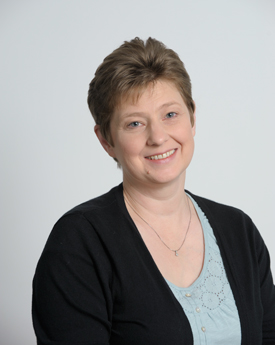
Dr. Elaine Taylor is a Senior Lecturer in Medical Sciences and the Director of Student Support at Lancaster Medical School. Her research focuses on genome integrity, DNA damage response, and post-translational modifications like ubiquitin and SUMO. She teaches modules such as MEDI101, MEDI106, BIOL386, and BIOL466, emphasizing genome instability and human health. Research Interests Her work explores: Ubiquitin/SUMO modification in genome maintenance DNA repair mechanisms and replication stress Chromosomal abnormalities in cancer and neurodegeneration Drug discovery for genome stability targets Teaching She leads PBL sessions and research projects in DNA damage response and cell cycle control. Labs & Research Groups Dr. Taylor's lab is affiliated with the Cancer Biology and Genome Stability and Experimental Medicine research groups at Lancaster Medical School. Current projects include analysis of ubiquitin/SUMO modifications in DNA damage and replication stress.
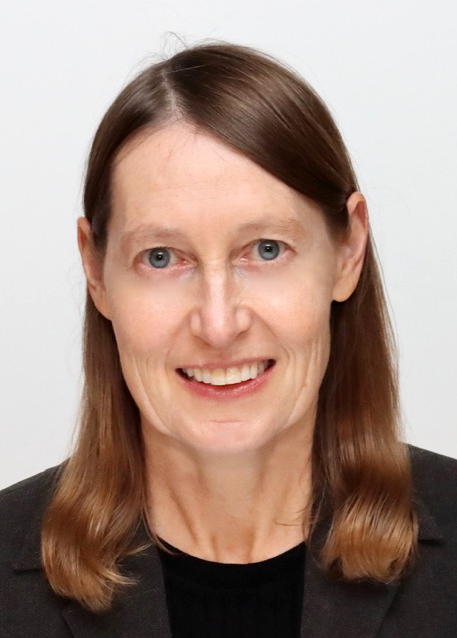
Dr. Kathrin Schrick is an Associate Professor at the Division of Biology, Kansas State University, with a focus on plant molecular biology and developmental genetics. Her research explores lipid-protein interactions, particularly sterols and START domain proteins, using Arabidopsis as a model organism. She is affiliated with the Johnson Cancer Research Center, linking plant studies to human health insights. Education: Ph.D. in Genetics, University of Washington (1994) Her work investigates how sterols and metabolic lipids regulate cell division in plant embryogenesis and epidermal differentiation, with implications for understanding analogous human processes and cancers. Recent studies examine: START domains in HD-Zip transcription factors Lipid signaling in cellulose synthesis Phospholipid metabolism Her 2022–2024 publications highlight mechanistic links between lipid metabolism and transcriptional regulation in Arabidopsis. No specific awards are listed, but she contributes to student education and interdisciplinary research. Her lab website details ongoing work and collaborations.
Anne Hege Alm-Kristiansen is an Associate Professor at the Department of Biotechnology, Inland Norway University of Applied Sciences. She holds a PhD in Biochemistry and Molecular Biology from the University of Oslo (2008). Her research focuses on reproductive biotechnology, fertility, and embryo development in domestic animals. She has led multiple projects funded by national and regional research councils, including studies on bovine semen preservation and biomarker identification. Education: Bachelor of Chemistry, 2001 MSc in Biochemistry, 2003 PhD in Biochemistry and Molecular Biology, University of Oslo, 2008 Research Interests: Fertility and reproductive biotechnology Sperm functionality and cryopreservation Embryo development optimization Breeding efficiency in livestock Sexual maturity biomarkers in swine Project Leadership: "Enabling study for the use of multiparameter technology for the identification of new biomarkers for successful bull spermatozoa" (2023–2024) Work package leader for Zygote Project's breeding efficiency optimization (2022–2028) Past projects on semen immobilization and fertility improvement Teaching: Course administrator for BIO4102 , BIO4106 , and BIO4107 Previously taught BIOING1106 and BIOING1203 Labs/Teams: Active in the Reproductive and Cell Biotechnology research group.
Stephanie A Pangas is a Professor at Baylor College of Medicine, holding the Roger Rossen Endowed Professorship of Reproductive Pathology. Her research focuses on reproductive biology, ovarian development, and ovarian cancer. She leads the Pangas Lab, established in 2007, which investigates mechanisms underlying fertility, ovarian dysfunction, and cancer using mouse models, patient samples, and genetic engineering. Key areas include SUMOylation regulation, BMP/TGF-β signaling, and early detection of ovarian cancer. Her work emphasizes translational research to address clinical challenges like infertility and cancer diagnostics. Education: PhD in Reproductive Biology (Northwestern University), MS in Neurobiology & Physiology, BA in Biochemistry (Kent State University). Research Interests: Ovarian physiology, reproductive disorders, ovarian cancer biomarkers, and genetic models of disease. Dr. Pangas has secured grants from NIH, Burroughs Wellcome Fund, and others. Her lab collaborates on projects such as developing diagnostics for early ovarian cancer and understanding TGFβ signaling in tumors. She mentors researchers and contributes to Baylor’s academic community through teaching and advisory roles.
Hui-Ming Chang is a Professor in the Department of Pharmacology and Toxicology at the University of Arkansas for Medical Sciences (UAMS) College of Medicine, with a joint appointment in Internal Medicine. He previously held academic roles at Harvard Medical School, the University of Texas Health Science Center at Houston, and the University of Missouri. His clinical and research expertise spans cardio-oncology, cancer therapy-induced cardiotoxicity, and pain management. Education: MD: National Taiwan University MPH and MS: Harvard T.H. Chan School of Public Health Clinical Training: George Washington University, Boston University, and Harvard Medical School/Boston Children’s Hospital Research Interests: Focuses on preventing anthracycline-induced cardiotoxicity via early dexrazoxane administration (NIH-funded), SUMOylation pathways, and opioid mechanisms in pain. His lab elucidated the role of Topoisomerase 2 isoforms in doxorubicin’s dual effects on tumors vs. cardiomyocytes. He co-discovered Sentrin/SUMO, a critical post-translational modifier. Grants/Awards: Principal Investigator of NIH R01 HL151993 (2020–2025). Served on national pain management guidelines committees, including the American Society of Anesthesiologists (ASA). Member of scientific advisory boards at MD Anderson Cancer Center and University of Texas clinical research centers. Publications: Over 30 peer-reviewed articles since 1996, including seminal work on SUMO biology, cardio-oncology trials, and pain mechanisms. His 2020 Physiological Reviews paper on SUMO highlights translational research impact. Labs/Teams: Active in UAMS’ cardio-oncology translational research programs. Collaborates with multidisciplinary teams on clinical trials, sepsis immunology, and cancer pain management strategies. Former director of the American Academy of Pain Medicine’s education initiatives.
Nico Dantuma is a Professor of Molecular Cell Biology at Karolinska Institutet, affiliated with the Department of Cell and Molecular Biology. He leads the research group focusing on the ubiquitin/proteasome system in neurodegenerative diseases and cancer, exploring therapeutic modifiers of this system. His work integrates cellular and animal models with real-time imaging and biochemical approaches. Education: Awarded Docent in Molecular Cell Biology by Karolinska Institutet in 2009. His research spans protein degradation mechanisms, cellular stress responses, and their implications in diseases. Research Interests: Dantuma’s group investigates the ubiquitin/proteasome system’s role in neurodegeneration and cancer, emphasizing protein quality control and therapeutic interventions. Key areas include ubiquitin signaling, stress granule dynamics, and autophagy regulation. Scientific Awards: Recipient of the Eric K. Fernström Award (2009) for pioneering protein degradation studies and The Svedberg Award (2007) for contributions to neurodegeneration research. Grants and Funding: Holder of grants from the Swedish Research Council, Swedish Brain Foundation, Novo Nordisk Foundation, and others, supporting projects on proteasome inhibition, protein aggregation, and ALS mechanisms. Labs/Teams: The 'ubiquitin/proteasome system in neurodegenerative diseases and cancer – Nico Dantuma's Group' develops tools to study protein degradation and therapeutic compounds targeting the ubiquitin system.
Dejian Zhao is an Associate Research Scientist in the Department of Genetics at Yale School of Medicine, with affiliations to the Keck Microarray Shared Resource and Yale Center for Genome Analysis. His research spans molecular biology, immunology, and biomedical data science, focusing on mechanisms of cellular aging, cancer immune evasion, and neuroimmune interactions in disease. Education: Postdoctoral Research Fellow, Albert Einstein College of Medicine (2018) PhD in Eco-genomics, Institute of Zoology, Chinese Academy of Sciences (2010) BS in Bioscience, Ocean University of China (2004) Research Interests: Dr. Zhao's work investigates protein sumoylation in aging, alternative RNA processing in atherosclerosis, epigenetic regulation in endometriosis, and tumor microenvironment dynamics. His interdisciplinary approach combines genomics, bioinformatics, and translational medicine to address fundamental mechanisms in cancer, metabolic disorders, and neurological conditions. Collaborations: Frequent collaborators include James Knight (Genetics), Ellen F Foxman (Immunobiology), Francesc Lopez-Giraldez (Genomics), and Marie-Louise Landry (Virology). His research is supported by Yale's state-of-the-art facilities, including the Yale Center for Genome Analysis. Professional Activities: Dr. Zhao serves on the editorial board of Cancer and acts as a reviewer for journals including Frontiers in Immunology and Wellcome Open Research .
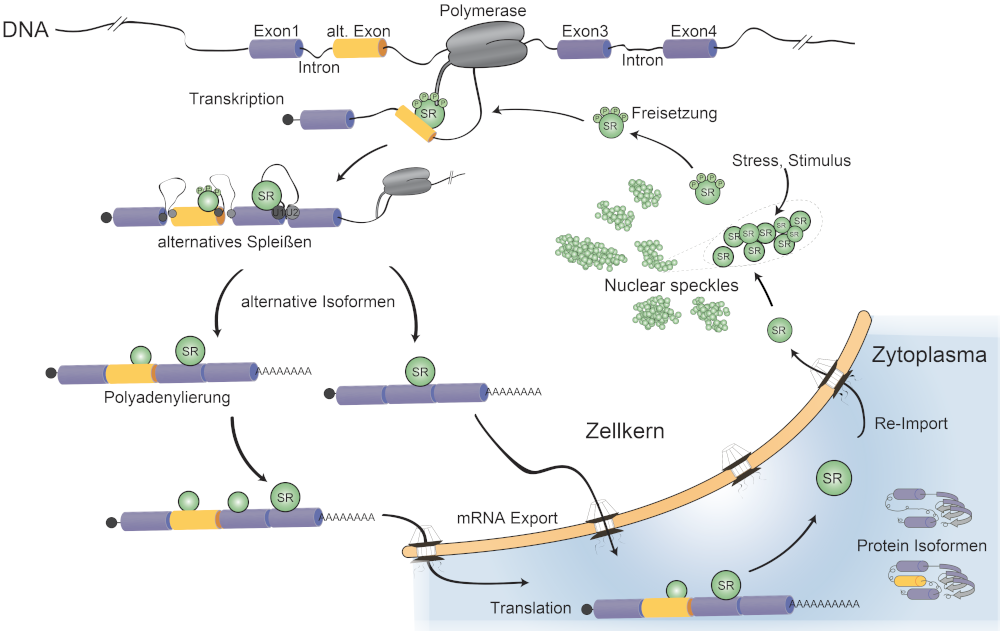
Professor Michaela Müller-McNicoll is a Principal Investigator leading the AK 'RNA Regulation in Higher Eukaryotes' research group at Goethe University Frankfurt's Institute of Molecular Biosciences. Her laboratory investigates RNA-binding proteins, particularly SR proteins, and their roles in mRNA processing, nuclear-cytoplasmic transport, and gene expression regulation. Based at the Biologicum on Campus Riedberg, her team employs cutting-edge approaches including mammalian cell culture, BAC recombineering, and genome-wide computational analyses. Her research focuses on how RNA-binding proteins regulate constitutive and alternative splicing, alternative polyadenylation, mRNA export, and translation. Key interests include mRNP assembly dynamics, nuclear quality control mechanisms, and the structural basis of RNA-protein interactions. Recent work explores stress responses in nuclear bodies, RNA condensation phenomena, and therapeutic targeting of splicing defects in neurodegenerative diseases. Professor Müller-McNicoll's publication record reveals strong emphasis on nuclear speckle dynamics, SR protein multifunctionality, and RNA processing in disease contexts. Her team has developed innovative tools like hGRAD for acute protein depletion in condensates. Collaborative work spans structural biology, plant science, and immunology, demonstrating interdisciplinary impact. Scientific contributions include: Development of hGRAD system for RNA-binding protein degradation (2023) Mechanistic insights into SRSF5 roles in nuclear speckle-paraspeckle crosstalk (2024) Elucidation of Arid5a's dual DNA/RNA recognition mechanisms (2024) Discovery of m6A-dependent RNA condensation in ALS pathways (2025) She actively mentors PhD candidates and Master's students, with recent thesis defenses by Hannah and Clara. Professor Müller-McNicoll serves as Max Planck Fellow at the MPI for Biophysics and co-leads the Excellence Initiative SCALE. Her group maintains strong international collaborations, particularly in RNA biology and structural cell research.
Cheng Luo is a Researcher in the Department of Computing and Mathematical Sciences. Their work focuses on interdisciplinary research at the intersection of molecular biology, genetics, and bioengineering. Key areas include AAV vector engineering for targeted gene therapy, piRNA pathway mechanisms in germline development, and SUMOylation-mediated gene regulation. They specialize in developing viral vectors for precise delivery to nervous system cell types and investigating epigenetic silencing processes in Drosophila. Research interests emphasize advancing gene therapy technologies through AAV capsid design, understanding RNA-guided silencing pathways (piRNA/SiRNA systems), and applying molecular engineering to address challenges in neurobiology and cancer immunology. Their contributions span virology, epigenetics, and developmental biology with applications in both fundamental science and translational medicine. Publications highlight advancements in AAV library construction, systemic delivery strategies, and mechanisms underlying transposon control. Work on SUMOylation pathways links molecular biology to chromatin dynamics, while studies on trogocytosis explore immunological applications. Though no awards or grants are explicitly listed, the volume and technical sophistication of their publications indicate active research engagement in high-impact areas.
Michael N. Boddy is an Associate Professor in the Department of Molecular and Cellular Biology at The Scripps Research Institute (TSRI). He specializes in studying DNA repair mechanisms and genomic stability using the fission yeast Schizosaccharomyces pombe as a model system. His research focuses on the interplay between SUMOylation, ubiquitination, and DNA damage response pathways, particularly involving STUbLs (SUMO-targeted ubiquitin ligases) and the Smc5-Smc6 complex. Boddy's work has identified novel proteins like RNF4 and Rad60 that mediate genome stability through molecular mimicry and crosstalk between post-translational modification systems. Education: Ph.D., King's College, University of London & Cancer Research UK (1996) Professional Experience: Associate Professor, Cell and Molecular Biology (CMB), Scripps Research (2013–present) Assistant Professor, Molecular Biology, Scripps Research (2002–2007) Research Associate, Molecular Biology, Scripps Research (1997–2002) Key Research Themes: STUbL-mediated ubiquitination of SUMO-modified proteins Role of Smc5-Smc6 in chromosomal stability and DNA repair Molecular mechanisms of genome instability in cancer Structural and functional analysis of Rad60 SUMO-like domains Awards & Recognition: Leukemia & Lymphoma Society Scholar Award (2014) NIH Study Section memberships (ZRG1 GGG-R, MGB) EMBO Editorial Board (2010) Lab & Collaborations: Hosts high school STEM students for laboratory training Collaborates with John Tainer (TSRI) on structural biology projects Funded by NIH and private foundations
Dr. Christine Schmidt is a Senior Lecturer in the Division of Cancer Sciences within the Faculty of Biology, Medicine and Health at the University of Manchester, where she leads the Genome Stability Lab (GSL). Her research program focuses on understanding genome maintenance mechanisms and developing novel approaches for cancer detection and treatment, with particular emphasis on ovarian cancer. Dr. Schmidt completed her PhD at University College London under Dr. Frank Uhlmann (2004-2009), followed by postdoctoral positions at the National Cancer Institute/NIH with Dr. Tom Misteli (2009-2011) and at the Gurdon Institute/University of Cambridge with Prof. Stephen Jackson (2011-2016). Her research spans two primary areas: (1) investigating how ubiquitylation pathways regulate the DNA damage response using cell biology, biochemistry, bioinformatics, and advanced microscopy techniques; and (2) developing nanotechnology-based approaches for early detection and targeted treatment of ovarian cancer, which has notoriously low long-term survival rates. Her lab integrates cutting-edge methodologies including high-throughput quantitative microscopy, microarray techniques, and biohybrid drug-delivery systems. Analysis of her recent publications reveals a consistent focus on ubiquitin and ubiquitin-like proteins (UBLs) in genome stability mechanisms, with particular attention to SUMO, ISG15, and UFMylation pathways. Her work bridges fundamental molecular mechanisms with translational applications, especially in ovarian cancer therapeutics. The publications demonstrate increasing interdisciplinary collaboration, incorporating nanotechnology, chemical biology, and advanced imaging approaches. BBSRC David Phillips Fellowship (2016) FBMH Dean's Prize Early Career Research Development Award (2016) Cambridge Nanoforum Fellowship (2012) FEBS Return-to-Europe Fellowship (2011) EMBO Long-term Fellowship (2008) Dr. Schmidt mentors an extensive research team including multiple postdoctoral researchers, PhD students across various funding schemes (BBSRC, EPSRC, Cancer Research UK), and Master's students. Her lab collaborates with numerous external partners including AstraZeneca, international academic institutions, and nanotechnology experts. Current research directions include photo-crosslinking techniques for mapping protein interactions, small molecule inhibitors targeting DNA repair pathways, and innovative biohybrid drug-delivery vehicles using sperm robotics. The Genome Stability Lab maintains strong connections with the Manchester Cancer Research Centre and participates in the NEMO (Novel Early Markers for Ovarian Cancer) consortium, reflecting its translational focus on improving ovarian cancer outcomes through early detection and targeted therapies.