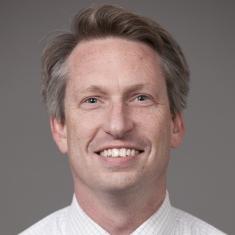
Steve M Taylor is a Professor of Medicine and Research Professor of Global Health at Duke University , specializing in Malaria and its intersections with Epidemiology , Genetics/Genomics , and Infectious Diseases . Based in the School of Medicine and Duke Global Health Institute , his work spans field and translational research in Western Kenya , Mali , Mozambique , and Democratic Republic of the Congo . Duke University, School of Medicine (2004 MD) University of North Carolina, Chapel Hill (2003 MPH) Duke University (1998 BS) Taylor's research focuses on falciparum malaria , particularly: Transmission dynamics and vector control in hyperendemic regions Genetic epidemiology of drug resistance markers Impact of sickle cell trait on parasite pathogenesis First-trimester malaria effects on pregnancy outcomes Development of nanophotonic diagnostic tools His recent publications emphasize molecular tracking of parasite haplotypes, vector behavior modulation, and longitudinal cohort analyses of immunity development. Scientific Awards : American Society for Clinical Investigation (2024) Grants : Major NIH/NIAID funding (2023-2028) for malaria immunity studies, plus multiple R01 and R21 grants for chemoprevention trials and genetic surveillance projects.
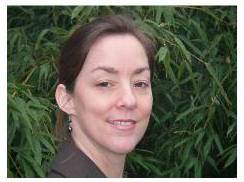
Diana Hall is an Associate Professor at the Faculty of Biology and Medicine, University of Lausanne (UNIL), and leads research at the Forensic Genetics Unit of the Romandie University Center for Forensic Medicine (CURML) since 2010. She also teaches at the UNIL School of Criminal Justice and was appointed to her current academic rank in 2024. Her research focuses on forensic genetics, particularly the development of molecular methods for analyzing complex and unbalanced DNA mixtures. Her pioneering work on DIP-STR markers has advanced forensic DNA profiling in criminal investigations, prenatal paternity testing, and transplant monitoring. She has conducted extensive research on individual ancestry inference using genetic markers as investigative leads. The recent publications highlight a consistent trend in the development and validation of DIP-STR technology for forensic applications, especially in cases involving trace DNA, touch samples, and high-ratio mixtures. These studies demonstrate both technical innovation and practical implementation in real forensic settings. Scientific Affiliations: Faculty of Biology and Medicine, University of Lausanne Romandie University Center for Forensic Medicine (CURML) UNIL School of Criminal Justice Research and Advising: Diana Hall leads a research group focused on novel molecular approaches in forensic genetics. She has not publicly listed any students, but her team has produced impactful research in forensic DNA analysis. Her work is supported by institutional affiliations rather than specific grant mentions in the text. She has contributed significantly to forensic science through methodological innovation. Laboratories and Teams: She is affiliated with the Forensic Genetics Unit at CURML, where her research integrates molecular biology, genetics, and forensic science to solve practical challenges in criminal justice and clinical monitoring.
Heather Miller Coyle, Ph.D., serves as Associate Professor in the Forensic Science Department within the Henry C. Lee College of Criminal Justice and Forensic Sciences at the University of New Haven. Her academic appointments span forensic biology, DNA analysis, and botanical evidence applications in criminal investigations. She maintains an active research profile with publications spanning forensic botany, DNA mixture interpretation, and touch DNA analysis. Ph.D. in Plant Biology, University of New Hampshire (1994) M.S. in Plant Science, University of New Hampshire (1989) B.S. in In Vitro Cell Biology, SUNY Plattsburgh (1986) Dr. Miller Coyle's research centers on forensic applications of biological evidence, with particular expertise in DNA for human identification, touch DNA transfer dynamics, DNA mixture interpretation challenges, and botanical evidence analysis. Her work bridges plant biology with forensic science through forensic botany applications, including pollen analysis, seed identification, and plant DNA profiling for criminal casework. She has developed specialized methodologies for botanical evidence collection and interpretation in crime scene contexts. Her publication record shows consistent focus on improving forensic DNA analysis reliability, with recent work examining STR quality control measures, probabilistic genotyping software validation, and haplotype analysis for ancestry determination. The research demonstrates strong interdisciplinary connections between plant biology, molecular genetics, and criminalistics, with practical applications in courtroom testimony preparation and evidence interpretation standards. Dr. Miller Coyle has contributed significantly to forensic education through curriculum development that links laboratory practices to courtroom testimony requirements. Her work includes developing engaging lesson models for biological evidence collection training and classroom resources that prepare students for forensic science careers.
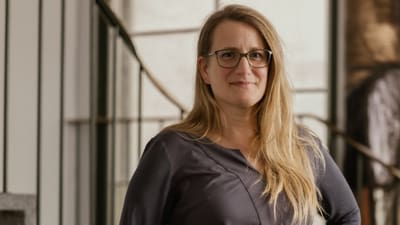
Dr. David Ballard is a Senior Lecturer in Forensic Genomics at King's College London, affiliated with the School of Cancer & Pharmaceutical Sciences within the Department of Analytical, Environmental and Forensic Sciences. He serves as programme director for the MSc/MRes Forensic Science programmes, teaching forensic genetics at undergraduate and postgraduate levels. With over 20 years of experience, he combines forensic casework as principal scientist at King's ISO17025-accredited DNA laboratory with research in forensic genomics. Ballard holds a BSc in Physiology from University College London (1998), an MSc in Forensic Science from King's College London (2000), and a PhD from the University of London (2013) titled 'Characterization and differentiation of three British population groups'. His research focuses on four primary areas: Genomic discovery of forensically relevant variation through massively parallel sequencing (MPS) Implementation of MPS in kinship and criminal casework DNA intelligence applications including phenotype prediction (age, ancestry, physical features) Metagenomics for forensic intelligence from non-human DNA sources Current investigations examine MPS technology for STR/SNP analysis, international forensic standards development, DNA methylation for age estimation, and biogeographical ancestry prediction. Ballard's extensive publication record shows consistent focus on forensic genomics innovations, particularly novel sequencing applications for kinship analysis, STR nomenclature standardization, DNA intelligence tools, and epigenetic age prediction methods. His work frequently involves international collaborations and methodological validations. As programme director, Ballard leads postgraduate forensic science programmes and advises students. He directs multiple research projects including forensic genomics discovery, MPS implementation in kinship, international casework applications, and wildlife crime forensics. He co-leads King's Forensics research group and represents King's on the International Society of Forensic Genetics DNA Commission developing sequencing standards.
Professor Dennis McNevin is a leading academic in forensic genetics at the University of Technology Sydney (UTS), where he has held the position since 2018. He previously served at the Australian National University and the University of Canberra, progressing through roles from Lecturer to Associate Professor. His expertise spans forensic DNA analysis, biogeographical ancestry prediction, and the application of cutting-edge technologies like nanopore sequencing and machine learning in forensic science. McNevin's research addresses challenges in human remains identification, missing persons investigations, and DNA phenotyping. He is affiliated with UTS's Centre for Forensic Science and contributes to national initiatives like Australia's National DNA Program for Unidentified and Missing Persons. His work integrates interdisciplinary approaches, combining genetics, proteomics, and forensic anthropology to advance investigative capabilities. McNevin has received grants from agencies like the Australian Research Council and collaborates internationally on forensic training programs for law enforcement agencies in countries like Indonesia and Thailand. His teaching focuses on forensic genetics and criminalistics, and he has supervised numerous postgraduate students now employed in forensic laboratories across Australia. Key research themes include optimizing DNA recovery from challenging samples, developing forensic tools for ancestry and phenotype prediction, and enhancing DNA database interoperability for familial searching. Education: PhD (Chemical Engineering, University of Sydney, 1998), Graduate Diploma in Education (University of Western Sydney, 1991), Bachelor of Engineering (Chemical Engineering, University of NSW, 1989) Affiliations: Faculty of Science at UTS, Centre for Forensic Science Research Focus: Forensic genetics, DNA sequencing technologies, biogeographical ancestry, kinship inference, and forensic intelligence McNevin's funded research includes projects on ultrasensitive microRNA detection, forensic DNA phenotyping frameworks, and the operationalization of advanced DNA kits for missing persons investigations. He is a member of professional societies such as the Australian Academy of Forensic Sciences and the International Society for Forensic Genetics. His contributions to forensic science have led to advancements in disaster victim identification, DNA preservation techniques, and the ethical use of genetic data in law enforcement. Recent articles highlight his work on identity-informative markers, kinship inference using SNP panels, and proteomic approaches for body fluid identification. These studies underscore his commitment to bridging technological innovation with practical forensic applications to resolve cold cases and humanitarian identification challenges.
Pet-Paul Wepeba is a Lecturer in the Faculty of Science and Engineering, School of Life Sciences at Anglia Ruskin University (ARU), Cambridge. He specializes in Forensic Science with expertise in forensic genetics, population genetics, and mass fatality investigations. His academic journey includes a BMLS from Kwame Nkrumah University of Science and Technology (Ghana), an MSc in Forensic Science from ARU, and a PhD in Forensic Genetics from the University of Central Lancashire (UCLan). Research interests include forensic genetic genealogy, kinship analysis, and genomic medicine applications in post-mortem investigations. He is a founding president of the Ghana Academy of Forensic Sciences (GAFS) and a member of the International Society for Forensic Genetics (ISFG). His recent work focuses on STR locus analysis in Ghanaian and Saudi Arabian populations, as well as innovative forensic solutions. Teaching modules include Forensic Biology, Forensic Pathology, and Advanced Forensic Genetics. He has contributed to international databases such as the Y-chromosome STR Haplotype Reference Database (YHRD) and the ENFSI STRidER database. His consultancy includes roles with the Africa Centre for Human ID and Genomic Medicine in Ghana.
Mikkel Meyer Andersen is an Associate Professor in the Department of Mathematical Sciences at Aalborg University, Denmark, within The Faculty of Engineering and Science. His research focuses on forensic genetics, statistical analysis of DNA evidence, and the application of mathematical models to evaluate genetic data. He specializes in Y-chromosome and mitochondrial DNA analysis, contributing to forensic investigations through methodologies like the discrete Laplace method for haplotype frequency estimation. He has participated in research projects such as Y Chromosome DNA Analysis (2010–2013) and Statistical models for forensic DNA data (2010–2012). His work bridges theoretical statistics with practical forensic applications, including collaborations on DNA evidence interpretation and genetic genealogy. Andersen is also actively involved in public engagement, appearing as an expert in media, television, and podcasts to discuss forensic science and DNA analysis. His research outputs include over 68 publications, datasets on DNA methylation and SNP genotyping, and impactful contributions like the DNAtools R package for forensic data analysis. He frequently presents at conferences and public forums, emphasizing the societal implications of forensic genetics. His recent work addresses advancements in next-generation sequencing and probabilistic genotyping methods for forensic applications. Andersen’s contributions have assisted law enforcement agencies, notably Norwegian investigators, through mathematical models for DNA evidence evaluation. His interdisciplinary approach integrates biostatistics, genetics, and computational methods to advance forensic science and public understanding of genetic evidence.
Sevil Atasoy is a Professor and Vice Rector at Uskudar University, where she also leads the Forensic Sciences Department and Forensic Medicine Department as Director of BABE (Brain and Behavior Research Center). With over 30 years of academic experience, she specializes in forensic genetics, crime scene analysis, and drug-related criminalistics. 1972: Licence in Chemistry, Istanbul University 1976: MSc in Biochemistry, Istanbul University 1980: PhD in Medical Sciences/Biochemistry, Istanbul University Her research spans DNA analysis , forensic toxicology , and crime scene investigation , with recent work on rapid DNA technology, spectroscopic evidence examination, and cybercrime legal frameworks. Her 2025 articles include studies on twin handwriting imitation and AI applications in forensic interviews. Key article trends include forensic DNA methods (2004-2023), drug analysis (1988-2021), and multidisciplinary forensic applications (2019-2025). She has contributed to United Nations drug control reports and authored books on benzodiazepine alternatives. She has held administrative roles since 2013 as Vice Rector and directed research centers like ÜSATAM (2020-present) and ŞİDAM (2014-present). Her teaching covers forensic science fundamentals , scientific evidence litigation , and addiction prevention at both master's and PhD levels since 2023.
Iris Schulz is a forensic geneticist and current head of the Department of Forensic Genetics at the Institute of Forensic Medicine, University of Basel since 2018. She holds a doctorate in forensic medicine from the University of Cologne (2006) and has extensive experience in private industry (2008–2018) with no publications during that period due to confidentiality constraints.
Vania Alves E Silva Pereira serves as an Associate Professor in the Section of Forensic Genetics at the Department of Forensic Medicine, University of Copenhagen. With over 15 years of experience in population and forensic genetics, she leads multiple research initiatives focused on advancing DNA analysis methodologies for forensic applications. Her educational background includes: BSc. in Biology from University of Porto (2003-2007) MSc. in Forensic Genetics from University of Porto (2007-2008) PhD in Biology (Population and Forensic Genetics) from University of Porto (2009-2012) Dr. Pereira's research centers on understanding genetic diversity patterns in human populations and translating this knowledge to practical forensic casework. She has extensive experience with various genetic markers including STRs, SNPs, and Indels across all genomic regions, with a particular focus on massively parallel sequencing technologies since 2013. Her work bridges fundamental population genetics with real-world forensic challenges, developing innovative approaches to human identification and investigative leads. Analysis of her recent publications reveals a strong emphasis on four interconnected research streams: improving genetic information recovery from challenging samples, comprehensive mtDNA genome analysis (including her role as co-coordinator of a global heteroplasmy initiative), forensic age estimation through DNA methylation, and development of novel markers like microhaplotypes for specific forensic applications. These research directions demonstrate her commitment to addressing current limitations in forensic genetic analysis while anticipating future needs in the field. Dr. Pereira actively supervises PhD and MSc students and has presented her research at numerous international conferences. Her collaborative approach is evident in her extensive co-authorship network spanning multiple countries and institutions, reflecting the global nature of forensic genetics research. Her laboratory work involves state-of-the-art DNA sequencing technologies and bioinformatic analysis, contributing to the development of improved guidelines and methodologies for forensic DNA analysis worldwide. Through her research and teaching, she continues to advance the scientific foundation of forensic genetics while training the next generation of specialists in this critical field.
Dr. Benjamin Crysup is a Researcher at the University of North Texas Health Science Center, affiliated with the College of Biomedical and Translational Sciences and the Department of Microbiology, Immunology & Genetics. Ph.D. in Scientific Computation, Florida State University B.S. in Chemical Engineering and Computer Science, University of Texas at Austin His research focuses on bioinformatics and genomics , employing mathematics and computation to develop algorithms for genetic analysis in forensic applications. Key areas include machine learning for error filtering, Y-chromosome STR haplotype interpretation, and novel genotyping methods for DNA mixtures. Recent publications (2021–2024) demonstrate expertise in forensic genetics , genetic genealogy , and sequencing technology . Dr. Crysup collaborates on projects like Democratizing Investigative Gen (2024–2025, funded by NIJ) with Dr. Woerner and Dr. Coble, advancing forensic applications of genomic data.
Mitchell M. Holland is a Professor of Biochemistry and Molecular Biology and Forensic Science at The Pennsylvania State University. He holds a B.S. in Chemistry from Hobart College (1984), a Ph.D. in Biochemistry from the University of Maryland (1989), and postdoctoral training at Johns Hopkins University School of Medicine. He has held leadership roles, including Director of the Penn State Forensic Science Program (2009–2014) and Senior Vice President at Bode Technology Group (2000–2005). His research focuses on advancing forensic DNA techniques, particularly mitochondrial DNA (mtDNA) analysis and next-generation sequencing (NGS). He has pioneered high-throughput DNA identification methods for mass disasters, such as the World Trade Center attacks, and served on editorial boards of journals like the Journal of Forensic Sciences . Holland is a Fellow of the American Academy of Forensic Sciences and has received awards including the Honorary Doctorate from the University of Split (2017). His work bridges molecular biology, forensic genetics, and applied technologies in criminal investigations. Education: B.S. Chemistry (Hobart College, 1984), Ph.D. Biochemistry (University of Maryland, 1989), Postdoctoral Fellow (Johns Hopkins University, 1990). Research Interests: Forensic DNA analysis, mitochondrial DNA sequencing, NGS applications in forensics, human identification from degraded samples, and heteroplasmy assessment. His group develops tools for mtDNA MPS data analysis and explores DNA recovery from challenging materials like ammunition. Recent projects include optimizing NGS for maternal lineage studies and improving forensic mixture interpretation. Awards and Recognition: Over 25 court testimonies as an expert in forensic DNA, leadership roles in SWGDAM (FBI), and advisory boards for legal and forensic organizations. His expertise spans academic, industrial, and governmental sectors, including roles at the Armed Forces DNA Identification Laboratory (AFDIL) and consulting for crime labs globally. Labs/Teams: Leads the Holland Research Group at Penn State, collaborating internationally on forensic genomics projects. Active in training forensic scientists through workshops in Croatia, Minnesota, and beyond.
Dr. Pet-Paul Wepeba is a Lecturer in the Faculty of Science and Engineering at Anglia Ruskin University , specializing in Forensic Science and Crime . He holds a BMLS from Kwame Nkrumah University of Science and Technology (Ghana), an MSc in Forensic Science from Anglia Ruskin University, and a PhD in Forensic Genetics from the University of Central Lancashire. Expertise in population genetics, forensic genealogy, and kinship analysis Active researcher in post-mortem microbiome genotyping His research focuses on forensic genetics , including Y-chromosome haplotyping, STR locus analysis, and innovative solutions for mass fatality investigations. Publications highlight collaborations with international societies like ISFG and contributions to DNA databases. Pet-Paul also co-supervises PhD projects on genetic markers in the Ghanaian population.
Jennifer McElhoe is an Associate Research Professor in the Department of Biochemistry and Molecular Biology at Penn State University, affiliated with the Holland Lab. Penn State University—Ph.D. in Environmental Engineering (2011) University of Florida—M.S. in Environmental Engineering Sciences (1998) Coastal Carolina University—B.S. in Marine Science (1997) Her research spans bioremediation and microbial ecology, focusing on chlorinated ethene degradation using chitin and crab shell substrates. She has also conducted pioneering work in forensic genetics, including mitochondrial DNA analysis (MPS), heteroplasmy, and DNA recovery from unconventional sources like ammunition. Her STEM education outreach includes K-12 programs, curriculum mentoring, and workshop leadership. Jennifer's scientific contributions are recognized through awards such as the NSF Graduate Teaching Fellowship in K-12 Education and Penn State's Iron Scientist Competition (1st place). She has received multiple scholarships, fellowships, and honor society inductions throughout her academic career. Her publications cover diverse subfields, including bioremediation, molecular genetics, and forensic DNA analysis. These works often involve interdisciplinary collaboration with environmental engineers, bioinformaticians, and K-12 educators.
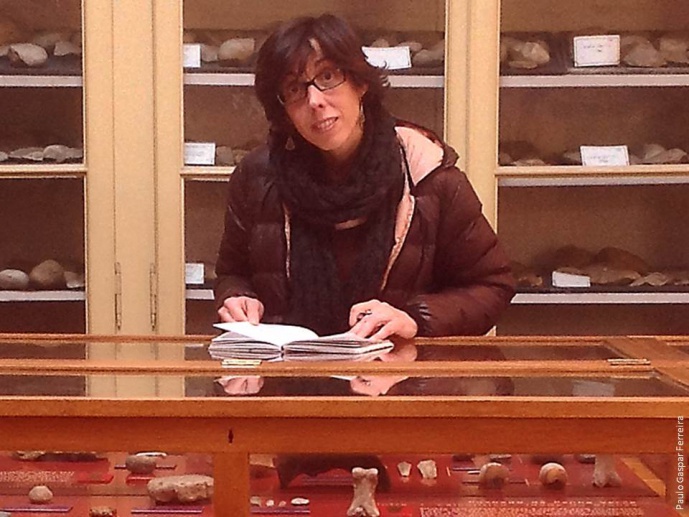
Catarina Jorge Ginja is an Auxiliary Researcher at CIBIO-InBIO (Research Centre in Biodiversity and Genetic Resources), Universidade do Porto, where she holds a research contract (IF2014). She specializes in phylochronological genetic studies of domestic animal species, with particular focus on Iberian and North African cattle, sheep, and pigs. Her research integrates ancient DNA methods with high-throughput sequencing to investigate evolutionary trajectories and post-domestication changes in inheritable traits. Dr. Ginja completed her PhD in Animal Breeding and Genetics from Universidade Técnica de Lisboa in 2009. She gained significant expertise as a Marie Curie fellow (2011-2015), specializing in zooarchaeogenetics, and previously worked as a Research Assistant at the University of California, Davis (2008-2010). Her doctoral research focused on novel SNP-STR haplotypes in the cattle Y-chromosome to investigate male-mediated gene flow and the genetic diversity of Iberian livestock species. Her research interests span zooarchaeogenetics, ancient DNA analysis, and the evolutionary history of domestic animals. She investigates how domestic animal species have evolved from their wild ancestors, examining temporal changes in population dynamics and genetic markers. Her work combines archaeological evidence with genetic data to reconstruct domestication processes and subsequent breed formation across historical time periods, with particular emphasis on the Iberian Peninsula and North Africa. Analysis of her publication record reveals consistent focus on livestock biodiversity, with particular emphasis on cattle, goat, and horse populations. Her research demonstrates sophisticated integration of archaeological contexts with genetic data, showing expertise in both ancient DNA recovery and contemporary population genetics. The publications span methodological development (osteometry, genetic markers), conservation applications, and historical reconstructions of domestication processes. Marie Curie fellowship (2011-2015) Research contract (IF2014) at InBIO-CIBIO Chairperson and cattle representative of the FAO/ISAG Committee on Farm Animal Genetic Diversity (since July 2014) Dr. Ginja actively collaborates with national Breeder Associations to define conservation and management programs for livestock genetic resources. Her research portfolio includes multiple significant projects including ARCHAIC (The archaeogenetics of Iberian cattle), WOOF (Tracing the origins of Iberian and Maghreb dogs), and studies of ancient husbandry practices in the Western Mediterranean. She has established herself as a specialist in recovering DNA from ancient remains as old as 16,000 years, contributing substantially to our understanding of domestic animal evolution in the Iberian context.