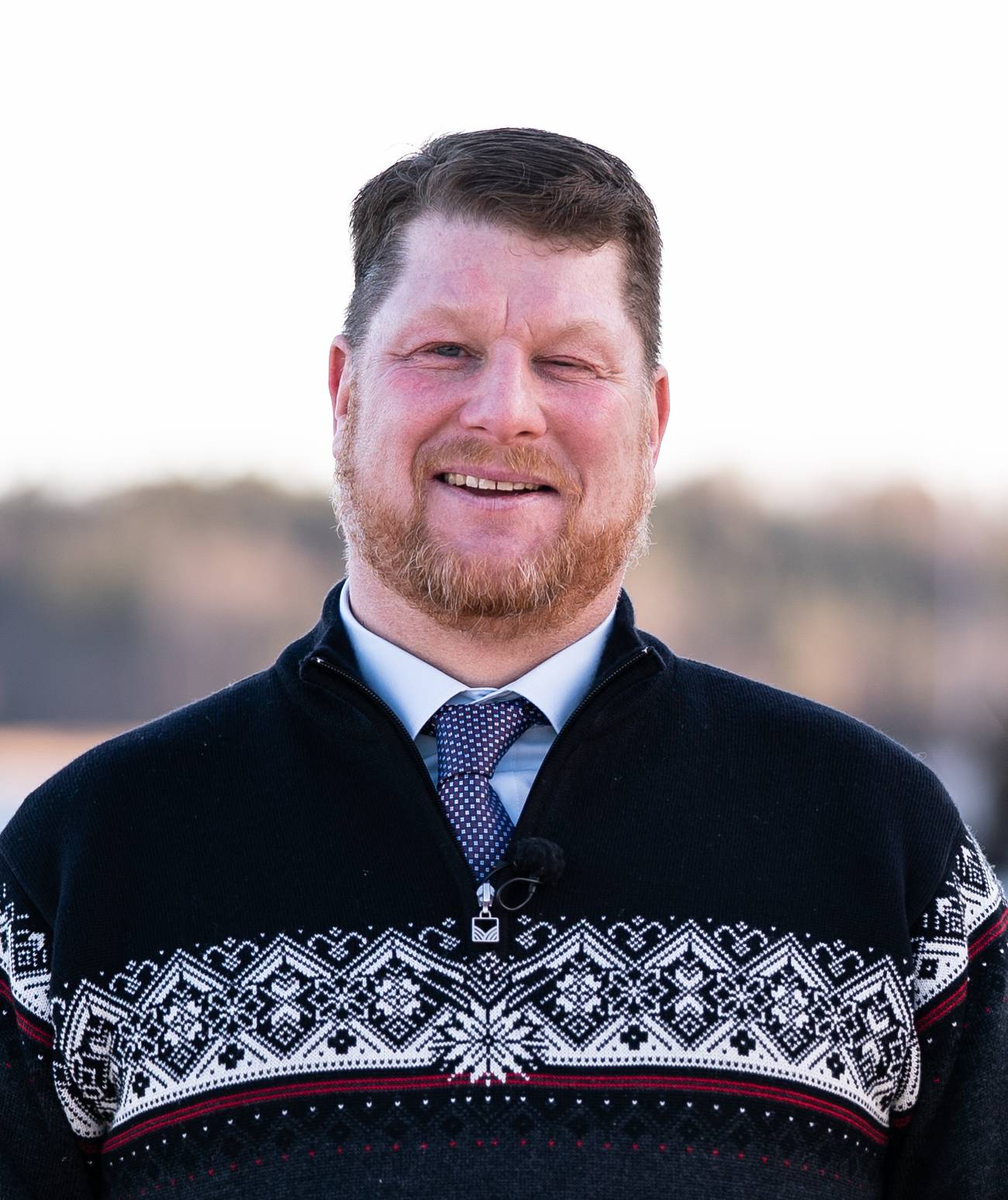
Fulvio Lauretani is an Associate Professor at the Department of Medicine and Surgery, Università di Parma. He teaches across multiple programs including Theory and Methods of Preventive and Adapted Physical Activities (Second Cycle Degree), Geriatrics (Nursing), Internal Medicine (Audioprothetic Techniques), and Medicine and Surgery (Full Cycle Degree). His academic role spans both clinical education (e.g., Medical Clinic and Geriatrics Internship) and research-focused activities. Academic Appointments: Geriatrics, Internal Medicine, Physiotherapy, Nursing Current Teaching: 2025/2026 academic year His research focuses on geriatric medicine , with particular emphasis on the interplay between cognitive evaluation and motricity in elderly populations. Key interests include cardio-sarcopenia syndrome management, adapted physical exercise for aging adults, and Vitamin D applications in human health optimization. Recent publications highlight his work in neuroimaging applications (PET/SPECT for neurodegenerative disorders), dopamine pharmacodynamics, and historical perspectives in geriatric medicine. He actively contributes to interdisciplinary research bridging preventive medicine with clinical geriatrics. Professional Affiliations: AO Parma Hospital (clinical practice) Università di Parma (academic research)
Professor Khuloud Al-Jamal holds the Chair of Drug Delivery & Nanomedicine at King’s College London , affiliated with the Institute of Pharmaceutical Science and London Centre for Nanotechnology . A registered pharmacist, she combines clinical expertise with advanced nanomaterials research. Education: PhD in Drug Delivery (UCL School of Pharmacy, 2005), Postgraduate Certificate (King’s College London, 2013) Research Focus: Specializes in nano-engineered delivery systems for therapeutic and diagnostic applications. Key areas include BBB penetration , CRISPR-based cancer therapy , and stem cell-derived vesicles . Scientific Achievements: Developed carbon nano-needles for brain tumor targeting Recipient of BBSRC New Investigator Award and Royal Pharmaceutical Society Science Award Led 64 projects funded by Royal Society , EPSRC , and Marie Curie Programs
Christian E. Haarmark Nielsen is a Clinical Associate Professor at the Department of Clinical Medicine, specializing in Clinical Physiology and Nuclear Medicine at the University of Copenhagen's Faculty of Health and Medical Sciences. He is affiliated with Copenhagen University Hospital (Region H) where he conducts clinical research and patient care in nuclear cardiology and related fields, based at Blegdamsvej 3 in Copenhagen. Dr. Haarmark Nielsen's primary research interests focus on advanced cardiac imaging techniques, particularly nuclear cardiology applications. His work spans several key areas: Nuclear cardiology and radionuclide imaging techniques Cardiac amyloidosis diagnosis and management Prostate cancer imaging and bone metastasis detection Electrophysiology and cardiac rhythm disorders Cardio-oncology applications of nuclear imaging Technical advancements in CZT-SPECT imaging systems His recent publication record shows a strong focus on clinical applications of nuclear medicine, with particular emphasis on cardiac imaging and prostate cancer diagnostics. From 2020-2025, he has published extensively on CZT-SPECT technology, cardiac amyloidosis algorithms, and comparative studies of PET/CT imaging for bone metastases. His work bridges technical nuclear medicine advancements with practical clinical applications, appearing in high-impact journals including the Journal of Nuclear Medicine and Journal of Nuclear Cardiology. Dr. Haarmark Nielsen maintains active collaborations across multiple institutions, with research spanning cardiology, oncology, and nuclear medicine specialties. His work on cardiac imaging protocols has gained significant attention, as evidenced by citation metrics including 127 Scopus citations for his 2011 paper on Tpeak-Tend interval prognostic value and Mendeley readership ranging from 6 to 65 across different publications.
Jørn Carlsen is a Clinical Associate Professor at the University of Copenhagen's Department of Clinical Medicine, specializing in Internal Medicine with a focus on Cardiology. His research integrates clinical cardiology with advanced diagnostic technologies, including AI-assisted imaging and wearable devices. Research Focus: Dr. Carlsen's work centers on cardiopulmonary conditions such as pulmonary embolism, pulmonary hypertension, and COPD. Recent studies explore: AI-driven quantification of lung perfusion in pulmonary embolism Biomarker dynamics (e.g., troponins) in acute pulmonary events Smartwatch-based cardiac monitoring for hypertension management Nutritional factors (e.g., Vitamin K) in respiratory disease Research Trends: His 8 most recent publications (2024-2025) demonstrate: Strong emphasis on pulmonary vascular diseases and thrombosis Integration of digital health technologies for real-time monitoring Multidisciplinary approaches combining imaging, biomarkers, and AI Focus on clinical trial design for cardiopulmonary interventions
Jann Mortensen serves as a Clinical Professor at the Department of Clinical Medicine, Faculty of Health and Medical Sciences, University of Copenhagen. His primary specialization is within Clinical Physiology and Nuclear Medicine, with his office located at Blegdamsvej 3, 2200 København N. With an extensive publication record totaling 176 research outputs, Professor Mortensen maintains an active research profile in pulmonary medicine and nuclear imaging techniques. His research interests span pulmonary physiology, nuclear medicine applications, lung cancer diagnostics, COPD management, and respiratory function testing. Professor Mortensen's work demonstrates particular expertise in diffusion capacity measurements, ventilation/perfusion imaging, and the application of nuclear medicine techniques to respiratory conditions. His recent publications indicate a strong focus on innovative diagnostic approaches and longitudinal studies of respiratory function. Analysis of his recent publications shows a consistent emphasis on clinical applications of pulmonary function testing, with significant contributions to understanding lung cancer diagnostics, COPD rehabilitation, and post-COVID respiratory complications. His work frequently employs advanced imaging techniques including SPECT and PET/CT, demonstrating expertise at the intersection of nuclear medicine and respiratory physiology. Professor Mortensen collaborates extensively with researchers across multiple institutions, as evidenced by his numerous multi-author publications. His work appears in high-impact journals across respiratory medicine, oncology, and nuclear medicine specialties. While specific grant information isn't detailed in the provided text, his extensive publication record suggests successful research funding. His laboratory work appears to focus on clinical pulmonary physiology testing and nuclear medicine imaging, with particular emphasis on developing and refining diagnostic techniques for respiratory conditions. Professor Mortensen's research group likely includes both clinical and technical staff working on pulmonary function testing protocols and nuclear medicine applications.
Matthias Keicher is a Postdoc and Research Manager at the Chair for Computer Aided Medical Procedures at the Technical University of Munich , affiliated with the IFL Lab at Klinikum Rechts der Isar. His work focuses on deploying AI for clinical applications, particularly vision-language models and large language models for structured report generation and decision support systems. Education: Dipl.-Ing. in Mechanical Engineering and Management from TUM (2006-2013) Industry Experience: Former CTO and Managing Director at SurgicEye GmbH (2016-2018) Research Interests: Medical Vision-Language Models (VQA, structured reporting) Multimodal Deep Learning for diagnostics Interpretable AI with generative models Decision support systems integrating patient data Article Trends: Over 2024-2014, his publications span surgical phase recognition (TeCNO), vertebral fracture grading (iMIMIC best paper), chest X-ray classification (FlexR), radiology report generation (RaDialog), and toxin prediction (ToxNet). Keywords include Medical Imaging, Graph Networks, Language Models , with subfields like 3D Computer Vision, Federated Learning, Clinical Reasoning . Scientific Awards: MICCAI iMIMIC 2023 Best Paper Teaching: He organizes two lectures ( Computer Science for Medical Students , Innovation Generation in Healthcare ) and tutors courses such as Deep Learning for Medical Applications and Machine Learning in Medical Imaging . Labs & Teams: Works at the IFL Lab (Intelligent Future Lab) in Munich, leading a research team funded by the DIVA project focused on vision-language models in clinical settings.
Rajendra Kopalli Spandana is an Assistant Professor at Sejong University's Department of Integrative Bioscience and Biotechnology, with a research focus on endocrinology, neurodegenerative diseases, and natural products in drug discovery. His career spans institutions in India, Sudan, and South Korea. Education Ph.D., Seoul National University, 2013 M.Pharm, Andhra University, 2004 B.Pharm, Andhra University, 2001 His research explores intersections between neuropharmacology and therapeutic interventions, emphasizing stress-related and age-associated disorders. Recent publications highlight advancements in neuroimaging, AI-driven stroke rehabilitation, and neuroadaptation mechanisms. Scientific recognitions include: Graduate Scholarship for Excellent Foreign Students (GSFS), Seoul National University, 2009 Brain Korea 21 Fellowship, Seoul National University, 2012 Outstanding Paper Awards, Korean Society of Ginseng, 2014, 2016 Dr. Kopalli's work bridges pharmacological research, neurodegenerative disease modeling, and translational therapies, supported by collaborations across five countries. His 59 publications have been cited 844 times (h-index 18), reflecting significant academic impact.
Marva L. Mizell Price is a researcher at Duke University School of Nursing , specializing in prostate cancer screening and socio-cultural factors in cancer detection . She has led funded studies on cervical, breast, and prostate cancer screening among African American , American Indian , and Caucasian populations. Early research funded by the National Cancer Institute (NCI) on cervical cancer screening in rural North Carolina. Corporate funding from AVON, Inc. for breast cancer studies. Exclusively funded by the Department of Defense (DoD) for prostate cancer screening initiatives since 2002. Her work has explored the correlation between obesity and prostate-specific antigen (PSA) findings , receiving national and international media attention. She has contributed to nursing education literature, particularly regarding practice doctorate programs and curriculum models. Scientific Awards : Pre-doctoral Fellow, NCI-sponsored Cancer Control Education Research Program (CCEP) Training Grant She has collaborated on clinical trials and mentoring programs in prostate cancer, with publications spanning urology , nursing , and public health . Her research emphasizes community-based approaches to improving cancer screening participation and understanding racial disparities in healthcare access.
Jens Pahnke is a Professor at the University of Oslo, Department of Pathology (PAT) at the National Hospital. He leads the Pahnke Lab in Dementia Research, focusing on molecular mechanisms and treatment options for neurodegenerative diseases with special emphasis on Alzheimer's disease. His laboratory investigates clearance mechanisms of toxic peptides via the blood-brain barrier, new imaging techniques, mitochondrial function, and neuroimmunological mechanisms. Dr. Pahnke's primary research interests include ABC transporters, Alzheimer's disease, Parkinson's disease, Huntington's disease, blood-brain barrier function, and mouse models of neurodegeneration. His work particularly emphasizes the role of ABC transporters in neurodegenerative processes, with significant contributions to understanding how these transporters affect disease progression and potential treatment avenues. His lab utilizes advanced techniques including mass spectrometry imaging (MSI), AI/ML-assisted data analysis, and comprehensive OMICS approaches (metabolomics, lipidomics, proteomics). Analysis of his 15 most recent publications reveals a strong focus on ABC transporter function in neurodegenerative diseases, particularly ABCA7 in Alzheimer's and Huntington's disease. His research demonstrates sex-dependent treatment responses, connections between lipid metabolism and neurodegeneration, and promising repurposing of existing drugs like FTY720 for Huntington's disease. His work bridges basic science with translational applications, including the development of imaging techniques to assess transporter function and the investigation of natural compounds like St. John's Wort for therapeutic potential. Dr. Pahnke is actively involved in several major research initiatives including the HDFTY study investigating FTY720 for Huntington's disease treatment (planned start 2025) and the A7HD project examining ABCA7 dysregulation in Huntington's disease (2025-2028). His laboratory has established collaborations with researchers across Norway, Latvia, Israel, Germany, Czech Republic, France, and Sweden, creating a strong international network focused on neurodegenerative disease research. His lab employs cutting-edge methodologies including mass spectrometry imaging with 20µm resolution, AI/ML-assisted segmentation of MS spectra, and sophisticated mouse models of neurodegenerative diseases. They have demonstrated that ABCA7 functional modulation significantly affects disease onset and severity in Huntington's disease, with female mice showing complete rescue until 57 weeks of age when ABCA7 is knocked out, while male mice exhibit a significant delay in disease progression of more than 10 weeks.
Professor Juhani Knuuti serves as Professor and Director of the Turku PET Centre at the University of Turku, Finland. His research integrates cardiovascular medicine with advanced imaging science, focusing on coronary artery disease, heart failure, and metabolic disorders through noninvasive diagnostic techniques including PET, SPECT, MRI, CT, and echocardiography. His research program targets disease pathophysiology, novel therapy development, and imaging innovation with three key thrusts: vulnerable plaque characterization in coronary disease, cardiac remodeling processes, and multimodality/hybrid imaging integration. Recent work increasingly incorporates machine learning for complexity reduction in cardiovascular modeling while maintaining clinical interpretability. Organ-heart interaction studies in metabolic disease represent another growing focus area. Analysis of Professor Knuuti's 2025 publications reveals a strong emphasis on technical innovation in quantification methods (total-body perfusion, pulmonary blood flow), AI-driven diagnostic tools (plaque burden cut-offs, COME-CCT calculator), and translational tracer development ([18F]SYN2 dosimetry). His work bridges molecular imaging (e.g., CD206-targeted macrophage imaging) with clinical applications in elderly populations and acute coronary syndrome. Information regarding specific grant funding and student advising load was not available in source materials. However, his leadership of the Turku PET Centre and extensive collaborative network indicate active research programs with substantial infrastructure support. The Turku PET Centre operates as a comprehensive imaging research facility under Professor Knuuti's direction, featuring cutting-edge PET/CT technology and multidisciplinary teams. Current activities include tracer development, quantitative imaging protocol validation, and international consortium leadership (e.g., COME-CCT), with strong emphasis on translating technical advances into clinical cardiovascular practice.
Juho Joutsa serves as Professor of Neurology at the University of Turku and Chief Neurologist at Turku University Hospital since 2023, while chairing the Turku Brain and Mind Center. His academic journey includes progression from Adjunct Professor (2015) through Assistant and Associate Professor roles in Neuroimaging at the Turku Brain and Mind Center, alongside clinical specialization in Neurology (2020). Professor of Neurology, Clinical Neurosciences, University of Turku (2023-present) Chief Neurologist, Neurocenter, Turku University Hospital (2023-present) Chair, Turku Brain and Mind Center (current) Adjunct Professor, Department of Neurology, University of Turku (2015-present) Professor Joutsa's research focuses on elucidating neurobiological mechanisms of brain disorders through innovative lesion network mapping combined with advanced neuroimaging and neuromodulation techniques. His work spans neurological movement disorders (dystonia, tremor), addiction neuroscience, and epilepsy, with particular emphasis on translating circuit discoveries into therapeutic interventions. The laboratory employs a multimodal approach integrating causal brain lesion analysis, state-of-the-art MRI/PET/SPECT imaging, and brain stimulation methods (TMS, DBS, MRgFUS) to identify and modulate pathological brain networks. Recent publication trends reveal a strong focus on lesion-based circuit mapping across diverse neurological conditions. High-impact 2022-2025 papers in Nature Medicine, Brain, and Neurology demonstrate consistent methodological innovation in identifying disease-specific brain networks for movement disorders, stuttering, and addiction. The research shows increasing international collaboration and translational emphasis, with recent work directly informing neuromodulation treatment targets. As Lead Teacher in Neurology for the M.D. curriculum, Professor Joutsa integrates clinical expertise with research insights. His laboratory leverages the Turku PET Centre's exceptional resources including multiple PET/CT scanners and hybrid MRI/PET systems, facilitating cutting-edge multimodal studies. The laboratory maintains close operational ties with Turku University Hospital's clinical neurology and neurophysiology departments, enabling direct patient-researcher collaboration. The Brain Stimulation and Neuroimaging Laboratory (Turku Brainlab), established in 2018, operates within the Turku Brain and Mind Center with access to neuronavigated TMS, transcranial electrical stimulation, and comprehensive electrophysiology systems. This environment supports interdisciplinary research bridging clinical neurology, neuroscience, and engineering to develop novel diagnostic and therapeutic approaches for brain disorders.
Antti Saraste serves as Professor of Internal Medicine at the University of Turku, Finland, holding MD and PhD qualifications. Recognized as a Fellow of the European Society of Cardiology (FESC), his clinical and research activities center on advancing cardiovascular diagnostics through cutting-edge imaging methodologies. Professor Saraste's research program focuses on coronary artery disease pathophysiology, with particular emphasis on plaque burden quantification , myocardial ischemia detection , and AI-enhanced diagnostic algorithms . His work bridges nuclear cardiology (SPECT/PET), coronary CT angiography, and molecular imaging to establish more accurate diagnostic criteria for atherosclerotic disease. Key innovations include developing safety thresholds for plaque burden interpretation and validating hybrid imaging protocols endorsed by European cardiology societies. His 2025 publication surge reveals strategic focus areas: artificial intelligence integration in cardiovascular imaging (40% of output), European consensus guideline development (20%), and translational cardio-oncology research (10%). This output demonstrates consistent leadership in moving imaging diagnostics from technical validation to clinical implementation. Scientific recognition includes: Fellow of the European Society of Cardiology (FESC) Lead contributor to ESC consensus statements on SPECT/CT imaging and hybrid cardiovascular modalities Professor Saraste maintains active supervision of medical trainees and early-career researchers through University of Turku's cardiology programs. His participation in European imaging task forces provides students access to multinational research networks and clinical datasets. Current projects emphasize AI-driven diagnostic refinement and molecular biomarker validation for precision cardiology. While no dedicated laboratory name is specified, his research group operates within University of Turku's cardiology infrastructure, leveraging partnerships with Turku PET Centre and European imaging consortia to conduct translational studies from single-cell analysis to clinical trials.
Petra Gröger MSc serves as a Research Associate at the University of Applied Sciences Wiener Neustadt (FHWN), working within the Faculty of Health under the Competence Center for Preclinical Imaging and Medical Technology. She is actively associated with the Master's Program in MedTech – Functional Imaging, Conventional and Ion Radiotherapy, contributing to both research and academic components of the program. Her research specializes in the integration and validation of preclinical molecular imaging modalities for radiotherapy applications. Dr. Gröger's work bridges multiple disciplines including radiation biology, medical radiation physics, and biomedicine, with particular emphasis on advancing personalized precision radiotherapy techniques. Her research portfolio demonstrates a consistent focus on improving imaging methodologies to enhance the precision and effectiveness of radiation-based cancer treatments. Analysis of Dr. Gröger's publications reveals a strong emphasis on technical validation of imaging workflows, with particular attention to quantitative accuracy in preclinical settings. Her work spans both PET and SPECT-CT imaging modalities, addressing critical challenges in absolute quantification and workflow optimization for radiotherapy applications. Development, evaluation and validation of a novel kinetic model approach using an image-derived arterial input function for absolute micro-PET quantification (2024) Design, evaluation and verification of a small animal SPECT-CT workflow for biologic adaptive radiotherapy (2021) Dr. Gröger is actively engaged in two major research initiatives: the 'Applied Molecular Imaging in Personalized Precision Radiotherapy' project (2021-2026) and the PAIR project (2022-2026). These projects collectively aim to expand the radiobiological understanding of ion beams across multiple biological scales to optimize cancer treatment protocols. Her contributions to the field focus on advancing radiotherapy techniques through improved imaging methodologies, with potential applications in enhancing cancer treatment outcomes through more precise radiation delivery and personalized treatment planning.
Dr. Sibel Göksel is an Associate Professor at Aydın Adnan Menderes University's Faculty of Medicine, holding a dual appointment in the Department of Internal Medical Sciences and Department of Nuclear Medicine. Her academic trajectory reflects specialized expertise in diagnostic and therapeutic nuclear medicine applications within internal medicine contexts. Education Medical Degree : Black Sea Technical University Faculty of Medicine (2002-2009) Specialization : Nuclear Medicine, Adnan Menderes University (2012-2017) Research Focus Her research interests center on Nuclear Medicine technologies and clinical practices, with cross-disciplinary connections to Internal Medicine . This alignment suggests work in radiotracer development, diagnostic imaging (PET/CT, SPECT), and therapeutic radiopharmaceuticals for endocrine, oncological, or neurological disorders. Language Proficiency Dr. Göksel has demonstrated English proficiency through the YÖKDİL examination (2019), scoring 71.25, enabling international academic collaboration. Contact Primary contact: sibel.goksel@adu.edu.tr
Professor Albert Güveniş is a distinguished faculty member in the Department of Biomedical Engineering at Boğaziçi University's Faculty of Engineering. Holding a PhD from Drexel University, he previously served as an Assistant Professor at the University of Pennsylvania's Radiology Department specializing in Positron Emission Tomography. His current research focuses on high-efficacy biomedical system design and cancer theranostics through molecular imaging and radiomics. His primary research interests span Molecular Imaging , Radiomics , Cancer Theranostics , and Clinical Engineering , with emphasis on improving diagnostic/therapeutic systems for cancer and Alzheimer's disease. His group develops computational frameworks for tumor delineation, radiotherapy planning optimization, and early cancer detection using PET/CT and SPECT-CT technologies. His recent publications (2019-2023) demonstrate strong focus on radiomic biomarkers for cancer staging, treatment response prediction, and tumor characterization across multiple disease sites including lung, renal, and oropharyngeal cancers. The work integrates machine learning , Monte Carlo simulations , and statistical decision theory to solve clinical challenges in precision medicine. Research Fellowship from Drexel University BUVAK Publication Award for Class A publication Best Oral Presentation Award at Budapest conference (2017) ISO Innovation Award among 5,000+ projects Reviewer Appreciation Certificate (2019) Professor Güveniş actively mentors PhD and MSc students, with recent graduates including Ayşegül Oral and Alpaslan Koç. His research receives international collaboration support, particularly with US-based cancer research laboratories. He leads projects funded by major grants including 1/2 M USD from EU educational programs. His core team includes Didar Talat, Alpaslan Koc, and Niyazi Erturk, with frequent international researcher exchanges.