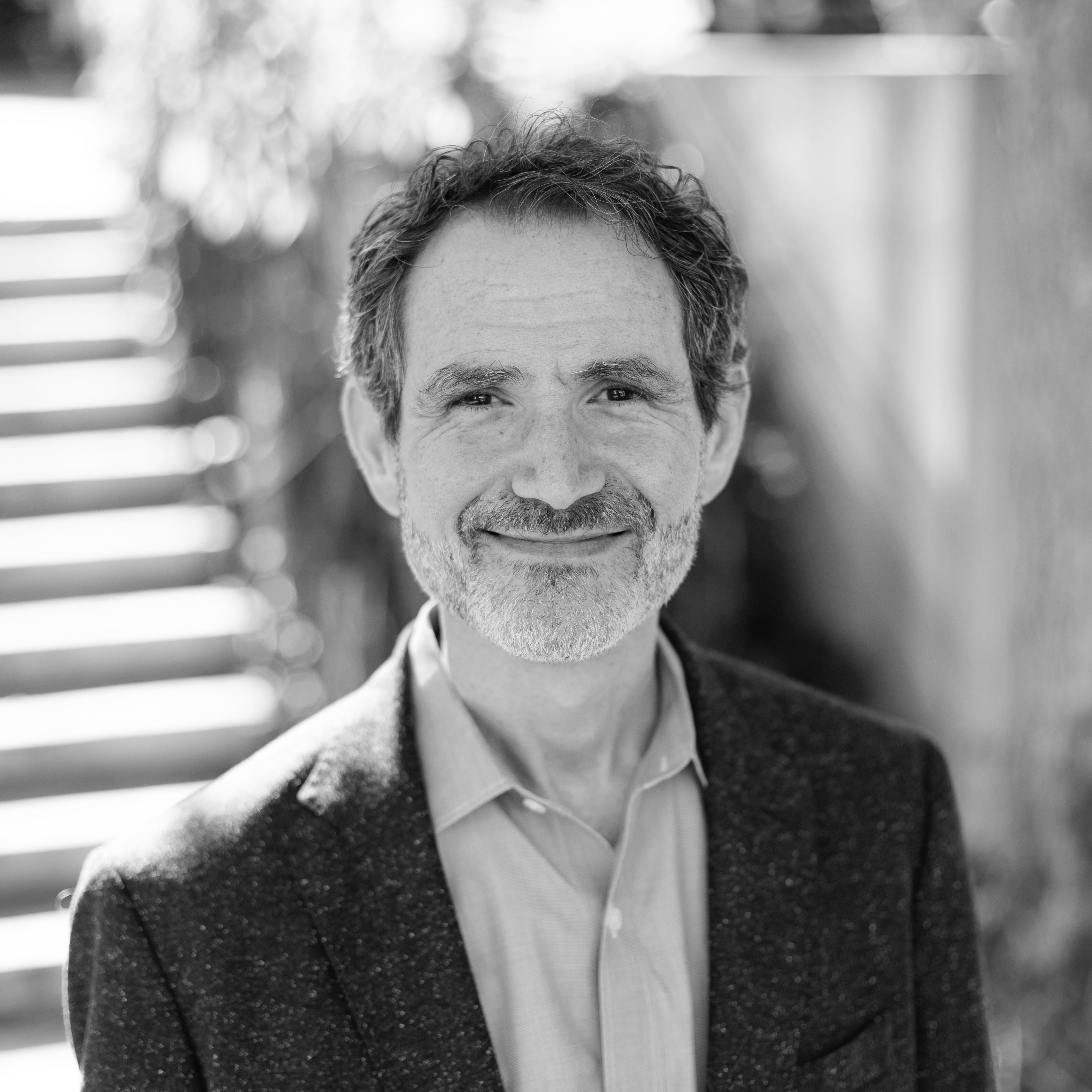
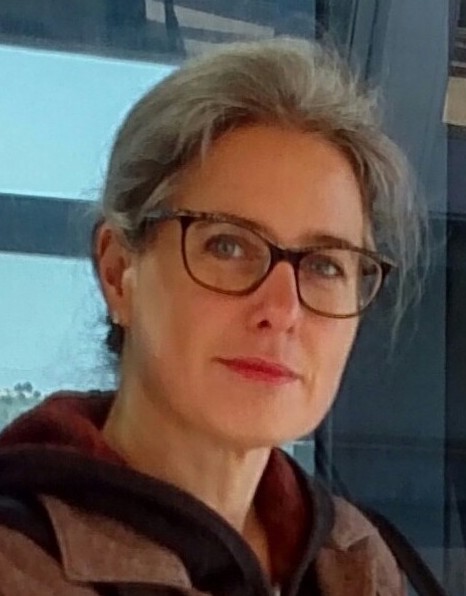
Joel Andreas is a Professor of Sociology at Johns Hopkins University since 2003, serving as Program Director of the East Asian Studies Program. His research focuses on political contention, social inequality, and social change in contemporary China. He holds a PhD in Sociology from UCLA and teaches social theory, political sociology, and courses on Chinese society. He has held visiting positions at universities including the University of Sydney, Hong Kong University, and Ningxia University. His work examines labor movements, rural land policies, and class dynamics in China. Recent research includes analyses of staff-worker congresses, rural land dispossession, and the persistence of militarism in U.S. policy. He critiques market reforms and explores the legacy of the Cultural Revolution. Andreas has contributed to debates on China’s transition to capitalism and the decline of socialist systems. His publications span topics from urbanization to state coercion in rural development. He maintains an active role in academic exchanges and policy-relevant research on China’s socio-political landscape.
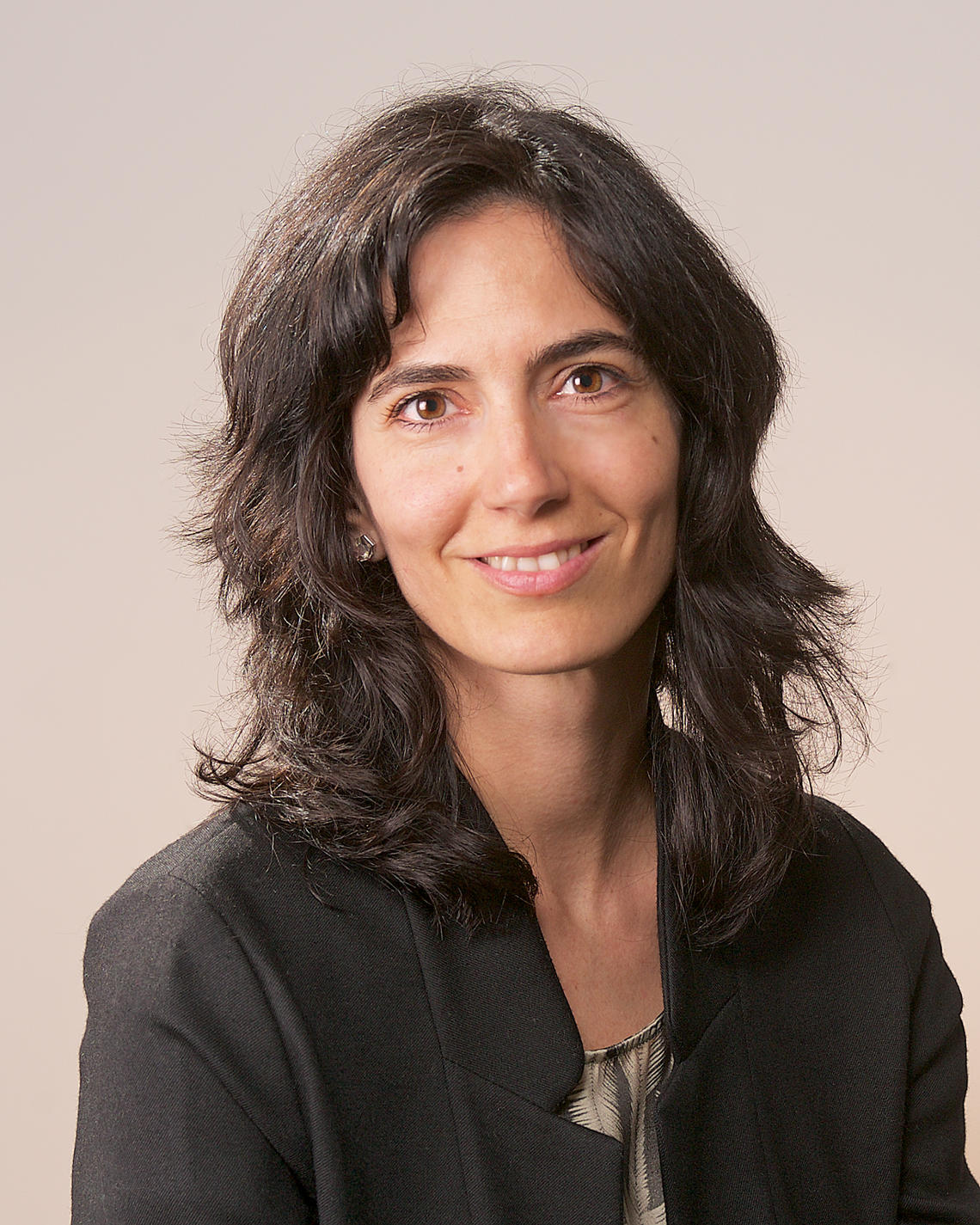
Dr. Enrica Dall'Ara serves as the Associate Dean of Planning and Landscape Architecture and an Associate Professor at the University of Calgary's School of Architecture, Planning and Landscape. Her work bridges academic research and professional practice, exemplified through her firm PARC, which specializes in public space design, urban renewal, and the rehabilitation of industrial sites. She emphasizes interdisciplinary collaboration, integrating fields like environmental engineering and biology into landscape architecture. Education: Laurea in Architettura (Master Degree equivalent in Architecture), University of Ferrara, Italy Master in Landscape Architecture, ETSAB, Polytechnic University of Catalonia, Spain PhD in Landscape Design, University of Florence, Italy Research Interests: Dr. Dall'Ara focuses on practice-based research, public space design, service landscapes, and the integration of cultural advocacy into landscape architecture. Her work explores site-specific design solutions, the role of agriculture in urban-rural dynamics, and the preservation of traditional rural landscapes. She advocates for designs that serve life through poetic, functional, and culturally sensitive approaches. Contributions: Through her teaching, Dall'Ara encourages students to view design as research, fostering critical thinking and interdisciplinary dialogue. Her firm’s projects, such as the roundabout gardens in Imola, Italy, demonstrate her commitment to merging ecological, functional, and aesthetic considerations in landscape interventions. Professional Affiliations: Canadian Society of Landscape Architects (CSLA) Alberta Association of Landscape Architects (AALA) Associazione Italiana di Architettura del Paesaggio (AIAPP) Ordine degli Architetti, Pianificatori, Paesaggisti e Conservatori (Province of Forlì-Cesena, Italy)
Brad D. Jokisch is a Professor and Undergraduate Chair in the Department of Geography at Ohio University’s College of Arts and Sciences. He is affiliated with International Studies and Latin American Studies, and his research focuses on population, environment, and development, particularly in Latin America. His work explores transnational migration, land-use change, and livelihoods in the Ecuadoran Andes. Education: Ph.D., Clark University, 1998 B.A., Augustana College, 1989 His research interests lie at the intersection of cultural/political ecology, population dynamics, agriculture, and development. He investigates how migration influences environmental change and how development shapes population movements, with a regional focus on Latin America. His fieldwork in the Ecuadoran Andes examines the impact of remittances and emigration on landscapes and rural communities. Recent publications highlight trends in transnational migration, land-use change, and development policy. His work spans interdisciplinary journals in geography, anthropology, and development studies, reflecting a strong emphasis on human-environment systems and migration. Key themes include remittances, land cover change, indigenous urbanization, and migration policy in South America. Scientific Awards: Fulbright Scholarship (2023–2024) for research on family emigration in southern Ecuador Dr. Jokisch advises undergraduate students as chair and teaches core courses such as Population Geography, Geography of Latin America, and Agricultural Ecosystems. While specific grant details and advisees are not listed, his sustained research output and leadership in the department suggest active mentorship and scholarly engagement. He is currently conducting research in Ecuador under a Fulbright award, indicating ongoing international collaboration and field-based inquiry. He is a key contributor to human-environment geography and migration studies, with a long-standing commitment to theoretical and empirical research in Latin America.
Kären Wigen is the Frances and Charles Field Professor in History at Stanford University, specializing in Japanese history and the history of cartography. She holds a Ph.D. in Geography from the University of California, Berkeley (1990). Her research spans: Historical geography of East Asia Early modern Japanese regional economies Geographies of the imagination Transnational maritime histories Critical cartography and spatial analysis Her publications include eight major works from 1992-2025 analyzing spatial transformations in Japan and global metageography, with recent projects focusing on temporal dimensions in cartographic representation. She co-edited Seascapes (2007) and Cartographic Japan (2016), and serves as Director of Stanford’s Mellon Fellowship of Scholars in the Humanities since 2022.
Reade Davis is Associate Professor of Anthropology at Nipissing University's Faculty of Arts and Science, specializing in environmental anthropology and political economy. Research examines: Fisheries management and aquaculture conflicts Neoliberal impacts on small-scale fisheries Protected area conservation politics Risk construction and commodity chains Historical memory in Eastern North America Publications critically analyze marine conservation in Newfoundland, industrial aquaculture resistance, and the socioeconomic effects of gambling in rural communities. His work employs ethnographic methods to document how coastal communities navigate environmental policy changes and economic restructuring. Regional expertise covers Newfoundland and Labrador and Eastern Ontario. Education includes: PhD and MA, Memorial University BA(Hons) and BA, Queen's University
Allen J. Scott is a Distinguished Research Professor at the University of California, Los Angeles, with a joint appointment in the Department of Public Policy (School of Public Affairs) and Department of Geography. He has held prestigious positions at UCLA since 1994 and previously at the University of Toronto (1969–1994). His career spans over five decades, focusing on urban geography, regional development, and cultural economy. Education : BA (1961) from Oxford University; MA and PhD (1962, 1965) from Northwestern University. Research Interests include: Creative cities and cognitive-cultural capitalism Political economy of urbanization and globalization Industrial clusters and labor-intensive economies Human capital distribution in metropolitan areas Cultural landscapes and peripheral development Publication Trends (2005–2014) emphasize: Globalization's impact on low-technology industries Cognitive-cultural capitalism in urban contexts Human capital dynamics in metropolitan hierarchies Celebrity culture and urban glamour Creative field theories and urban policy implications Scientific Awards : 1986 Guggenheim Fellow 2003 Vautrin Lud Prize 2005 Meridian Book Prize 1999–2013: Chaires d’Excellence, Fellowships, and Doctor Honoris Causa 2008 Carol and Bruce Mallen Lifetime Achievement Award 2003 ISI Highly Cited Author
Marina Alberti is a Professor of Urban and Environmental Planning at the University of Washington, affiliated with the Department of Urban Design and Planning. She directs the Interdisciplinary Ph.D. Program in Urban Design and Planning and leads the Urban Ecology Research Laboratory. Her expertise lies in studying the interactions between urban development patterns and ecosystem dynamics, focusing on resilience, socio-ecological innovation, and biocomplexity. Her research emphasizes interdisciplinary approaches to urban ecological problems, with a strong focus on Geographic Information Systems (GIS), land cover change, and environmental performance metrics. She has developed simulation models integrating urban development and ecological processes, supported by NSF, NOAA, and Washington state grants. NSF Biocomplexity Program Grant : Developing simulation models for urban-ecological integration. Washington State Department of Transportation Grant : Remote sensing for impervious surface estimation. NOAA/Washington Department of Ecology Grant : GIS analysis of land use and shoreline habitats. Her work spans urban planning, ecological assessment, and policy-making, with a methodological emphasis on GIS, remote sensing, and land use dynamics. She has contributed extensively to journals like International Regional Science Review , Urban Ecosystems , and BioScience , addressing topics such as urban gradients, biodiversity, and environmental sustainability. Alberti's teaching includes Urban Ecology, Environmental Planning, GIS, and advanced research design, reflecting her commitment to training the next generation of urban ecologists.
Dr. Giulia Donati is a Researcher at Eawag – Swiss Federal Institute of Aquatic Science and Technology, affiliated with the Department of Environmental Social Sciences. She holds a PhD from ETH Zürich and has extensive experience in conservation biology, inter/transdisciplinary research, and project management. Her work focuses on social-ecological systems, ecological connectivity, and biodiversity conservation in aquatic and terrestrial ecosystems. Education: PhD (2016–2020, ETH Zürich), MSc (2013–2015, University of Lausanne), BSc (2010–2013, University of Lausanne). Notable roles include postdoctoral research on BlueGreenNet (2021–2024) and Connect-HDL (2020), and leadership in the Save Our Seas Foundation project (2019–2020). Research emphasizes social-ecological networks, blue-green infrastructure, and amphibian connectivity in human-dominated landscapes. Projects like BlueGreenNet and Connect-HDL integrate ecological modeling with stakeholder collaboration to enhance biodiversity. Her work bridges ecology, policy, and urban planning to address global conservation challenges. Publications span topics from clownfish genetics to urban biodiversity frameworks, reflecting interdisciplinary approaches. Active in science communication and policy-relevant research, she collaborates across sectors to foster sustainable solutions. Current affiliations include Eawag’s PEGO research group and the Department of Environmental Social Sciences.
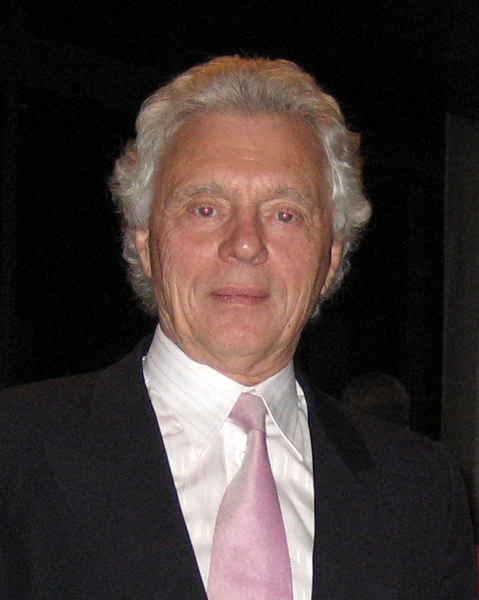
Professor D Graham J Shipley is the Professor of Ancient History at the University of Leicester's School of Archaeology and Ancient History since 2002. His research focuses on Hellenistic and Classical antiquity, particularly on political landscapes, environmental studies, and urban planning. He holds a D.Litt. from the University of Oxford (2020) and is a Senior Fellow of the Higher Education Academy (2014). Education: Graduated in Classics from Oxford University. Academic roles include serving on the Oxford Classical Texts Committee and the UK Education Honours Committee. Previously chaired the Council of University Classical Departments and convened the Dorothy Buchan Memorial lectures. Research interests emphasize ancient geography, socio-political structures, and environmental interactions. His work spans studies of Sparta, Greek urban planning, and the cultural impact of Hellenistic expansion. Recent publications examine Pseudo-Skylax's geographical texts and post-Alexandrian political dynamics. Scientific Awards: Senior Fellow of the Higher Education Academy (2014) D.Litt. (Doctor of Letters) from University of Oxford (2020) Advising and Grants: No specific advisees listed, but supervises research in ancient history and archaeology. Active in collaborative projects such as the Laconia Survey. Grants have supported archaeological fieldwork and publication initiatives. Labs/Teams: Collaborates with the Oxford Classical Texts Committee and has led interdisciplinary teams in regional archaeological surveys.
Freek Persyn is a Full Professor of Architecture and Urban Transformation at ETH Zurich, where he has held the NEWROPE Professorship since 2019. He leads the Design in Dialogue Lab within the Department of Architecture, focusing on spatial design and social innovation. Persyn co-founded the spatial planning firm 51N4E in 1998, which specializes in urban and social transformation across Europe. Persyn's research centers on the concept of 'Design in Dialogue,' which emphasizes transdisciplinary collaboration to address the complexity of contemporary urban challenges. His work explores innovative solutions for European urban spaces, aiming to rediscover Europe as a habitable terrain and shared living space. Key research areas include urban design, spatial planning, social transformation, and the intersection of architecture with social innovation. The NEWROPE initiative seeks to examine diverse urban practices that shape Europe, fostering radical openness and learning from various urban practitioners through transdisciplinary projects. His scholarly output demonstrates a strong focus on reimagining urban spaces through dialogue-based approaches. Persyn's work examines European urban transformation, rural-urban connections, industrial heritage sites, and innovative design methodologies. Key themes across his publications include sustainable approaches to building, the social dimensions of space, and transformative design processes that challenge conventional architectural practices. His research often bridges theoretical frameworks with practical design applications, emphasizing participatory methods and material investigations. Persyn delivered his inaugural lecture at ETH Zurich on October 20, 2021, titled 'Wouldn't it be nice if architects started dreaming about building less?' The lecture explored his professional background, inspiration, and future plans for the NEWROPE Chair. The event featured collective sensing exercises developed by students of Studio Seebach with theater and dance maker Manuela Runge, highlighting his commitment to experiential and collaborative approaches to architectural education and practice. The Design in Dialogue Lab serves as a hub for exploring innovative approaches to urban transformation through projects across European cities including Brussels, Piraeus, Basel, and Plovdiv. Current initiatives examine topics such as urban spaces for more than human communities, collaborative processes, design approaches, and hybrid applications for European urban environments. Persyn's work consistently emphasizes transdisciplinary collaboration, bringing together spatial and strategic knowledge with other disciplines and urban practitioners to address complex contemporary challenges.
Andrew Mondschein is Associate Professor of Urban and Environmental Planning at University of Virginia School of Architecture, serving as Associate Dean of Research. His work focuses on equitable transportation systems, sustainable accessibility, and impacts of emerging technologies on urban mobility. Education includes: PhD, University of California, Los Angeles MA Urban Planning, University of California, Los Angeles BA Architecture, Yale University Research examines how transportation technologies affect social equity and urban form, with emphasis on pedestrian wellbeing, autonomous vehicle adoption, parking policy, and community-centered planning. Recent publications demonstrate strong focus on psychophysiological impacts of urban walking, cross-cultural mobility studies, and spatial analysis of transportation preferences. Articles show consistent themes: urban walkability (especially health impacts), autonomous vehicle integration, parking policy analysis using novel data sources, and community-centered planning approaches. Methodologically, employs mixed methods including biometric sensing, sentiment analysis of social media, geospatial modeling, and participatory design. No specific awards mentioned. Teaching covers transportation policy, land use, environmental impacts, and research methods with emphasis on ethical planning practices.
Tong Lam is an Associate Professor in the Department of Historical Studies and the Graduate Department of History at the University of Toronto, where he also directs the Dr. David Chu Program in Asia-Pacific Studies at the Asian Institute. His research sits at the intersection of media studies, environmental history, and science and technology studies (STS), focusing on the politics and aesthetics of mobilization in China’s special zones across socialist and postsocialist eras. Employing interdisciplinary methodologies, his work explores themes such as state-precipitated violence, industrial ruination, and the socio-political implications of technology. He is a visual artist whose lens-based projects interrogate military violence, surveillance, and postindustrial landscapes. His recent scholarship analyzes postsocialist urbanism, digital governance, and the temporalities of infrastructure. While the absence of explicit scientific awards or student advisement records in the provided text precludes their inclusion here, his publications and creative practice reflect a sustained engagement with critical historical inquiry and contemporary socio-technological challenges.
Professor Cedo Maksimovic is a leading academic in the Department of Civil and Environmental Engineering at Imperial College London, Faculty of Engineering. He is a Principal Research Fellow and heads the Urban Water Research Group (UWRG), with affiliations to the Environmental and Water Resource Engineering group, Grantham Institute, Space Lab, and Urban Systems Lab. His research focuses on urban water systems , including storm drainage, urban flooding, water supply, and the interaction between urban infrastructure and the environment. He has pioneered work in applied fluid mechanics , smart water infrastructure , and flood risk management , with innovations such as the AOFD method for urban surface flood modelling and intelligent sensor networks recognized by the ICE Telford Gold Medal. His recent research, as reflected in publications, spans urban pluvial flooding , leakage detection , integrated urban water management , and blue-green infrastructure . These works emphasize computational modelling, real-time monitoring, and climate resilience in urban environments. UNESCO/IAHR Lecturer of the Year 2001 ICE Telford Gold Medal (WINES project team) Prof. Maksimovic has led major projects funded by EPSRC, EU (Climate-KIC, Interreg), UNESCO, and ERANET_CRUE. He advises postgraduate students and has created international educational initiatives like the EDUCATE programme. He also serves as Editor-in-Chief of the Urban Water Book Series and co-founded the Urban Water journal. He leads the UNESCO-endorsed IRTCUD/CUW network with centres in Banjaluka, Belgrade, Cairo, Kuala Lumpur, London, Porto Alegre, Tehran, and Trondheim, promoting global collaboration in urban water research and education.
Mesha M Maren is an Associate Professor of the Practice of English at Duke University's Trinity College of Arts & Sciences since 2023. She holds an M.F.A. from Queens University of Charlotte (2014). Her academic career includes prior roles as Assistant Professor of the Practice (2019-2023) and extensive teaching in creative writing. Maren’s work focuses on narrative-driven creative writing, particularly exploring themes of rural life, family dynamics, and social issues through fiction and literary essays. Her acclaimed novel Sugar Run (2019) examines the complexities of Appalachian culture. She has received prestigious fellowships including the Fulbright Research Award (2018) and MacDowell Colony residency (2015). Recognition highlights include the Thomas Wolfe Fiction Prize (2015) and multiple short story contest victories. Her teaching portfolio spans introductory creative writing courses to advanced fiction workshops. Maren’s research interests intersect literary arts with sociocultural narratives, evident in publications like West Virginia in Transition (2019) and Milk River (2019). She actively engages in cultural initiatives through Duke's arts programs, co-teaching interdisciplinary courses on New York’s cultural landscape. Awards & Fellowships: Fulbright Research Award (2018) MacDowell Colony Fellowship (2015) Thomas Wolfe Fiction Prize (2015) Multiple short story contest victories (2011–2012) Teaching emphasizes craft development in fiction writing, with courses like Advanced Workshop in Fiction and Writing the City: New York as Subject . No formal lab affiliations are noted, though her creative projects often involve collaborative cultural research initiatives.
Lauren Leve is an Associate Professor of Religious Studies and Director of Graduate Studies at the University of North Carolina at Chapel Hill. Her academic career centers on the intersection of religion, culture, and changing forms of life in contemporary Nepal and South Asia. Trained as an anthropologist, she examines how religious practices and subjectivities interact with broader political, economic, and social trends, particularly those associated with neoliberal globalization. Ph.D., Princeton University B.A., University of Chicago A.A., Simon's Rock of Bard College Professor Leve's research interests span ethnographic methods, the ethnography of religion, personhood, subjectivity, the anthropology of ethics, democracy, law, violence, international development, globalism, postcoloniality, and the religious landscapes of Nepal, South Asia, and Buddhist Southeast Asia. Her work explores how religious practices mediate and are mediated by political and economic transformations, with particular attention to how human agents use religion to reflect on their world and aspirations. Her scholarly output reveals a consistent focus on Theravada Buddhism's revival in Nepal, particularly among Newar communities, and how this religious movement intersects with democratic reforms, economic liberalization, and changing forms of personhood. Her publications demonstrate expertise in both ethnographic methodology and theoretical contributions to understanding modern religious subjectivity, with a special emphasis on how global processes are reflected and reflected upon by Nepali Buddhists. James Fisher Prize for First Books on the Himalayan Region (2018) UNC FIRE grant (2016) Carolina Women's Center, Faculty Fellow (2013-14) Institute for Arts and Humanities, Faculty Fellow (2007) Harry Frank Guggenheim Foundation, Research Award (2004) Program in Agrarian Studies, Yale University, Program Fellow (2004-2005) As Director of Graduate Studies in Religious Studies, Professor Leve mentors graduate students and teaches courses on ethnographic methodologies, Theravada Buddhism, Himalayan Buddhism, and topical theories reflecting her research interests. She has consulted on research studies in international development, focusing on women's literacy and empowerment, and provides expert witness services in US courts. Her current research projects explore the globalization of Buddhist meditation through the Goenka tradition and follow rural women's experiences through development projects, Maoist insurrection, and conversion to Christianity.