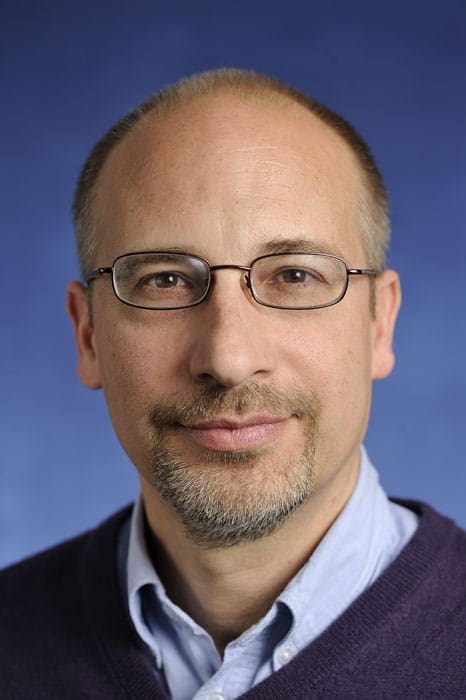
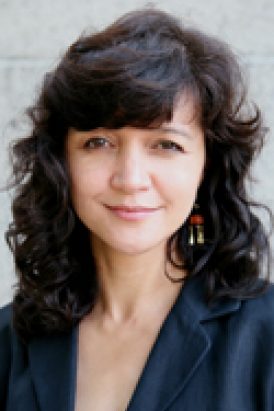
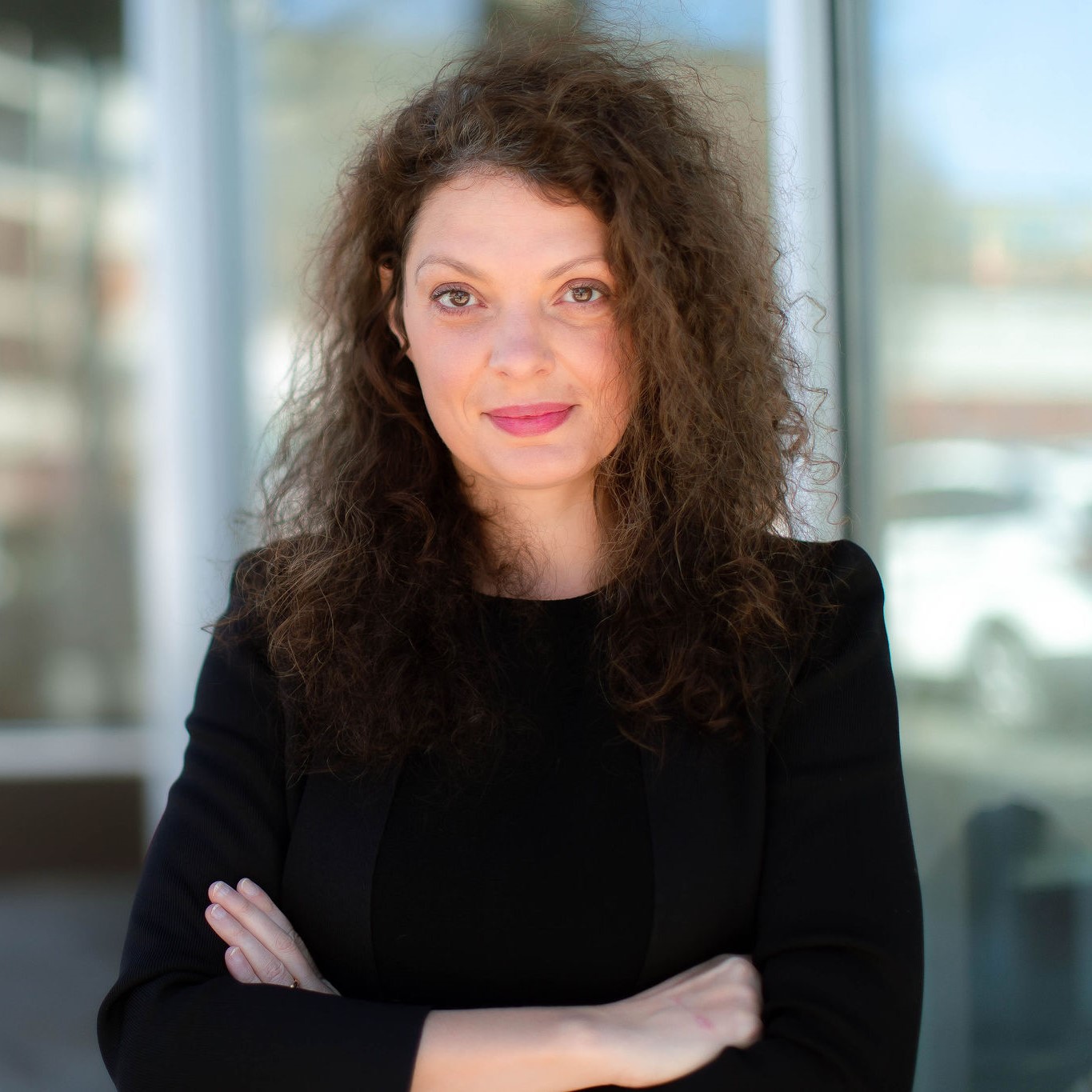
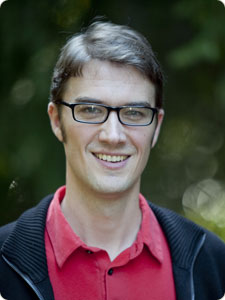
Joel Andreas is a Professor of Sociology at Johns Hopkins University since 2003, serving as Program Director of the East Asian Studies Program. His research focuses on political contention, social inequality, and social change in contemporary China. He holds a PhD in Sociology from UCLA and teaches social theory, political sociology, and courses on Chinese society. He has held visiting positions at universities including the University of Sydney, Hong Kong University, and Ningxia University. His work examines labor movements, rural land policies, and class dynamics in China. Recent research includes analyses of staff-worker congresses, rural land dispossession, and the persistence of militarism in U.S. policy. He critiques market reforms and explores the legacy of the Cultural Revolution. Andreas has contributed to debates on China’s transition to capitalism and the decline of socialist systems. His publications span topics from urbanization to state coercion in rural development. He maintains an active role in academic exchanges and policy-relevant research on China’s socio-political landscape.
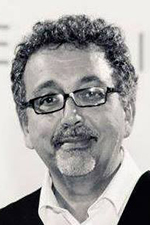
Tong Lam is an Associate Professor in the Department of Historical Studies and the Graduate Department of History at the University of Toronto, where he also directs the Dr. David Chu Program in Asia-Pacific Studies at the Asian Institute. His research sits at the intersection of media studies, environmental history, and science and technology studies (STS), focusing on the politics and aesthetics of mobilization in China’s special zones across socialist and postsocialist eras. Employing interdisciplinary methodologies, his work explores themes such as state-precipitated violence, industrial ruination, and the socio-political implications of technology. He is a visual artist whose lens-based projects interrogate military violence, surveillance, and postindustrial landscapes. His recent scholarship analyzes postsocialist urbanism, digital governance, and the temporalities of infrastructure. While the absence of explicit scientific awards or student advisement records in the provided text precludes their inclusion here, his publications and creative practice reflect a sustained engagement with critical historical inquiry and contemporary socio-technological challenges.
Alexander Dunlap is a Research Scientist at Boston University's Institute for Global Sustainability (IGS) and a visiting research fellow at the University of Helsinki's Global Development Studies department. He holds a PhD in Social Anthropology from Vrije Universiteit Amsterdam, an MSc in Modules from the University of Sussex (UK), an MA in Environment, Development and Policy from Sussex, and a BS in Political Science from Portland State University (USA). His work critically examines energy transitions, extractive industries, and the socioecological impacts of green capitalism. Research Interests: Political ecology of low-carbon technologies Green extractivism in global contexts Decolonial and anarchist approaches to sustainability State violence and counterinsurgency tactics Environmental justice in renewable energy projects Publications: Dunlap’s recent work focuses on solar energy injustices in California, industrial solar manufacturing in Ohio, and the militarization of nature. His articles interrogate how 'green' infrastructure reinforces colonial and capitalist systems, often through spatial dispossession and anti-Indigenous violence. Labs/Teams: Active in IGS research clusters studying infrastructural harm and energy justice. Co-editor of Human Geography , a journal promoting radical interdisciplinary scholarship. Future Work: Continuing research on solar project lifecycles, particularly mining-to-decommissioning impacts, and expanding analysis of Europe’s energy grid conflicts.
Kelly Askew is a Professor of Anthropology and Afroamerican & African Studies at the University of Michigan’s College of Literature, Science, and the Arts. She holds a PhD in Anthropology (Harvard, 1997) and a BA in Music and Anthropology (Yale, 1997), with over three decades of fieldwork in Tanzania and Kenya. Education PhD in Anthropology, Harvard University (1997) BA in Music and Anthropology, Yale University Key Roles Chair of the Department of Anthropology Niara Sudarkasa Collegiate Professor Her research bridges three primary domains: Postsocialist transitions (e.g., property rights formalization and land conflicts), art and political aesthetics (e.g., Swahili music, African visual arts, ethnographic filmmaking), and indigenous political movements (e.g., Maasai and Parakuyo pastoralists). She has produced award-winning documentaries like The Chairman and the Lions (2013) and Maasai Remix (2019), which examine cultural resilience and land rights. Scientific awards include being a finalist for the African Studies Association Herskovits Award (2002). Recent publications analyze land dispossession mechanisms, postsocialist cultural production, and media’s role in political identity. She has secured grants from the National Science Foundation, National Endowment for the Humanities, and Ford Foundation.
Adriana Chira is an Associate Professor of Atlantic World History at Emory University. She holds a Ph.D. from the University of Michigan, an M.A. from Cornell University, and a B.A. from Cambridge University (UK). Her research focuses on race, law, and property in Cuba and Puerto Rico during and after slavery. Her award-winning book Patchwork Freedoms examines how enslaved and free Afro-descendants navigated legal systems to claim land and freedom in 19th-century Cuba. Dr. Chira’s work has been supported by the National Endowment for the Humanities and fellowships at Yale and Harvard. She teaches courses on global history, Cuba, Puerto Rico, and the Caribbean. She also leads a study abroad program in Cuba focused on food sovereignty and environmental history. Her current research includes projects on labor markets in 18th-century Cuba/Colombia, land ownership theories in Cuba, and 20th-century Puerto Rican land policies. She has published widely in journals like the American Historical Review and Law and History Review , and her work has earned multiple prizes, including the James A. Rawley Prize and Elsa Goveia Prize. Education: B.A. Cambridge University (2005), M.A. Cornell (2008), Ph.D. University of Michigan (2016) Key Awards: Outstanding First Book Prize (ASWAD), James A. Rawley Prize (AHA), Peter Gonville Stein Award (ASLH) Teaching: Courses include Human Trafficking in World History , Globalization: The Atlantic World , and Cuba in World History
London School of Economics and Political Science (LSE)United Kingdom
Kasia Paprocki is an Associate Professor in the Department of Geography and Environment at the London School of Economics and Political Science (LSE). She directs the MSc in Environment and Development Programme and serves as a Research Associate at the Grantham Research Institute on Climate Change and the Environment. Her work critically examines the intersections of political ecology, development studies, and climate change adaptation in South Asia, particularly Bangladesh. Dr Paprocki holds a PhD and MSc in Development Sociology from Cornell University (USA), alongside a Bachelor’s degree from Hampshire College (USA). Her research is supported by prestigious grants including the National Science Foundation, Fulbright Program, and Social Science Research Council. Her research interests focus on how development interventions and knowledge systems shape communities and landscapes, especially in Bangladesh. She interrogates the colonial, capitalist, and agrarian histories influencing contemporary climate adaptation policies, emphasizing how these processes dispossess rural populations. Key themes include climate justice, urban-agrarian solidarity, and the political economy of environmental transformation. She received the LSE Excellence in Education Prize (2021) for her teaching contributions. Beyond research, she co-organizes the Social Life of Climate Change seminar series and actively engages in both academic and popular media discussions about climate politics.
Amity Doolittle is a Senior Lecturer II at the Yale School of the Environment (YSE), Yale University. Her research focuses on property rights, natural resource management, and the social and political processes shaping environmental inequities. She employs interdisciplinary methods from anthropology, political science, environmental history, and political ecology. Notable projects include historical land-use studies in New Haven, Connecticut, and analyses of indigenous rights in global climate policy. She teaches graduate courses on qualitative research methods, environmental justice, and property rights, emphasizing active, collaborative learning. Doolittle holds a B.A. from Harvard University and M.E.S./Ph.D. from Yale University. Her office is located in Kroon Hall, Yale’s environmental campus. Education: B.A., Harvard University; M.E.S., Ph.D., Yale University Her research interests include legal pluralism, historical resource conflicts, and the intersection of colonial and postcolonial discourses. Current projects examine urban land-use changes in New Haven and the rhetorical strategies of indigenous leaders in climate negotiations. She advises 10–12 master’s students annually on thesis projects and placements worldwide. Teaching highlights include Qualitative Research Methods , Environmental Justice , and Political Ecology of Tropical Forests . Her courses integrate hands-on methods, such as analyzing oral histories and policy documents. Labs/Teams: Collaborates with the Urban Resources Initiative (URI) on greenspace stewardship and community-led projects.
Sunila Kale is a Professor at the Jackson School of International Studies , University of Washington. She serves as Chair and Director of the South Asian Studies program. Her work bridges Indian politics, political economy, and global development. Education: PhD in Government from University of Texas, Austin (2007); BA in Political Science from University of Chicago (1995). Her research explores: Energy and infrastructure politics in India Extractive industries and rural development Yoga studies and transnational cultural politics Capitalism and informal labor Recent work includes the book The Yoga of Power (2024) and studies on solar energy in Western India (2018) and rural land dispossession in China and India (2020). Her publications span journals like Energy Research & Social Science and Journal of Peasant Studies , often analyzing intersections of state, capital, and community. Grants and fellowships include: Fulbright-Hays Faculty Research Abroad Fellowship (2023-24, $40K) Carnegie Opportunity Fund (2020, 2019, $5K each) Harry Bridges Center grants (2024, 2020, $3K-$3.8K) She teaches courses like Introduction to Capitalism and Political Economy of India , advising MA students and contributing to interdisciplinary programs.
Christopher Heurlin is an Associate Professor in the Government and Legal Studies department at Bowdoin College , with a dual affiliation in Asian Studies . His research focuses on comparative politics, particularly authoritarianism, protests, and institutional trust in China and other communist regimes. Specializations: Chinese politics, protest movements, NGO governance, political economy of land dispossession His book Responsive Authoritarianism in China (Cambridge University Press, 2016) explores how protests influence policymaking in China. Current research compares the collapse and resilience of communist regimes across Asia, including China, North Korea, Vietnam, Laos, and Mongolia. He also investigates socioeconomic consequences of land loss, such as unemployment among rural populations. Publications emphasize land disputes, institutional trust, and NGO-state relations under authoritarian systems. Key themes include authoritarian adaptation , protest dynamics , and state-civil society interactions . Heurlin earned his PhD and MA from the University of Washington and a BA from Carleton College. He teaches courses on dictatorship politics , protest movements , and Chinese political systems .
John Galaty is a Professor in the Department of Anthropology at McGill University, affiliated with the Faculty of Arts. He holds a Ph.D. from the University of Chicago (1977). His research focuses on pastoralism, legal anthropology, land tenure systems, and conflict dynamics in East Africa, with particular attention to Maasai communities. Recent work addresses pastoral livelihood adaptations, land dispossession, and the impacts of globalization on rangeland societies. Key research areas include: Pastoralist mobility and sedentarization Legal pluralism and land rights Conflict mediation and state intervention Cultural semiotics and ritual practices Publications highlight transformative pressures on pastoral systems, including land grabbing, conservation policies, and climate vulnerability. His work bridges academic analysis with policy critique, emphasizing Indigenous perspectives in development contexts. No scientific awards explicitly mentioned. Advising and grants sections remain under-documented in available texts.
Brian Williams is an Assistant Professor of Geography in the Department of Geosciences at Mississippi State University. He holds affiliations with the African American Studies program and the Gulf Scholars Program, focusing on race, social inequalities, and their environmental impacts in the U.S. South and Latin America. Position: Assistant Professor, Geography University: Mississippi State University Affiliations: African American Studies, Gulf Scholars Program Research Interests include political ecology, environmental justice, food and health geography, and critical race studies. His work explores how systemic racism and socio-environmental injustices intersect, particularly in agrarian systems and carceral geographies. Publication Trends reflect his focus on agrarian racial regimes, pesticide politics, and Black geographies, with recent works addressing resilience in small-scale farming, plantationocene critiques, and racialized urban development. Collaborative efforts with scholars like Mansfield, Freshour, and Shelton highlight interdisciplinary approaches. Teaching Areas encompass Political Ecology, Cultural Geography, Human Geography, and regional courses on the U.S. South and Latin America. He co-edits the Southeastern Geographer , contributing to academic discourse on southern and Black geographic traditions.
Youjin B. Chung is Assistant Professor at UC Berkeley with joint appointments in Energy and Resources Group and Environmental Science, Policy and Management. Her research examines gender, development, and agrarian change in Tanzania. Research focuses on: Political ecology of land acquisitions Gender dimensions of resource conflicts Pastoralism and climate justice Decolonial approaches to development Her award-winning book Sweet Deal, Bitter Landscape analyzes the gendered impacts of agricultural enclosures. Recent articles investigate sustainable livestock intensification through multispecies justice frameworks and the political exclusion mechanisms in land disputes. She leads the Critical Ruralities Lab and has received funding from NSF, Fulbright-Hays, and UC Berkeley grants for work on mining and pastoralism. Awards include the AAG's Outstanding Book Award (2025).
Fouad Makki is an Associate Professor in the Department of Global Development at Cornell University. His work bridges sociology, political economy, and historical analysis with a focus on Ethiopia and northeast Africa. He teaches courses on sociological theory, development, and African studies. Makki holds a Ph.D. in historical sociology from Binghamton University and a B.A. in Comparative Studies from Cornell. Education: Ph.D. in Sociology, Binghamton University B.A. in Independent Major: Comparative Studies in Society and History, Cornell University (Summa cum laude, 1993) His research centers on uneven and combined development , exploring state-society relations, ecological dynamics, and modernity's impact. Key themes include land enclosures in Ethiopia, revolutionary trajectories, and the metabolic rift between society and nature. His work integrates global historical frameworks with on-the-ground ethnographic insights. Recent publications analyze Ethiopia's developmental pathways, global economic structures, and the socio-ecological consequences of land grabs. He has presented widely on topics like water scarcity, postcolonial political economy, and Red Sea cultural history. Awards: CALS Young Faculty Teaching Excellence Award (2010) Cornell University Summa cum laude (1993) Makki leads projects funded by the Polson Institute for Global Development, focusing on equity and sustainability. He advises students in global development and directs research teams addressing environmental justice and historical sociology. His interdisciplinary approach connects theoretical frameworks with empirical studies, fostering collaboration across departments and international partners.
Dr. A. Haroon Akram-Lodhi is a Professor of Economics, Global Justice, and Development at Trent University, Canada. He holds adjunct or visiting roles at institutions including SOAS, University of London, Emory University, and York University. His research focuses on agrarian political economy, feminist development economics, and sustainable rural livelihoods in the Global South. He has contributed to prominent works like the Handbook of Critical Agrarian Studies and served as Editor-in-Chief of the Canadian Journal of Development Studies . Awards include the 2015 Trent University Distinguished Research Award and multiple Merit Awards. He advises UN agencies on gender, poverty, and rural development. His teaching emphasizes global inequality, smallholder communities, and gender policy. Education: B.A. (SOAS, London), M.Phil. (Cambridge), Ph.D. (Manitoba) Research Interests: Agrarian political economy, gender and economic policy, political ecology, and food systems analysis. He critiques neoliberal policies and advocates for food sovereignty frameworks. Recent work addresses the impact of global crises (e.g., Ukraine war) on food systems and youth engagement in farming. Awards: Trent University Distinguished Research Award (2015), Merit Award for Research (2008, 2010, 2013, 2018) Advisory Roles: UN Capital Development Fund, UN Environment Programme, UN Women. His interdisciplinary approach bridges academic and activist networks, emphasizing policy relevance and grassroots perspectives.
Saba Joshi is a Lecturer in the Department of Politics at the University of York, where she contributes to research and teaching in political science, gender studies, and international development. Her work is centered on gender, land dispossession, and resistance in South and Southeast Asia. Education: PhD in International Relations and Political Science, Graduate Institute of International and Development Studies (2020) Masters in International Studies (Politics), Graduate Institute of International and Development Studies (2012) Master's in Politics and International Relations, Jawaharlal Nehru University (2009) BA in History (Honours), St Stephen's College, University of Delhi (2007) Her research interests lie at the intersection of feminist political ecology, legal geographies, and agrarian transformation, with a focus on women's resistance to land grabbing, gendered impacts of climate change, and decolonial research practices. She employs qualitative, ethnographic, and feminist methodologies to examine how marginalized communities, particularly women, navigate dispossession and assert agency. The trends in her recent publications reveal a strong thematic consistency: gendered resistance to land dispossession, feminist legal geographies, and the contradictions of international development governance. Her work critically engages with how gender expertise is institutionalized (or marginalized) in food security and land governance policies, especially in Cambodia and India. She also contributes to methodological debates on decolonizing research and feminist epistemologies. Scientific Awards: Enloe Award (2022) Saba Joshi is the Principal Investigator on multiple funded research projects, including those supported by The British Academy, focusing on gender, agriculture, climate change, and land-use change in South and Southeast Asia. She actively supervises PhD students and collaborates with international scholars. Her work bridges academic research with activism, emphasizing participatory and ethical research practices. She is actively involved in academic networks and has presented her research in seminars, workshops, and international conferences, contributing to global dialogues on land justice, feminist theory, and decolonial scholarship.