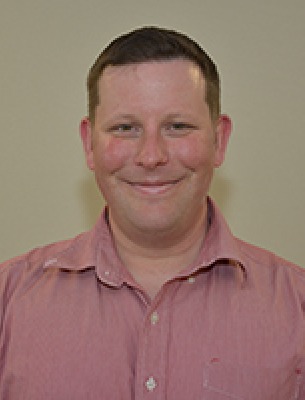
Dr. Naokazu Miyamoto is a Professor at Juntendo University's School of Sport and Sciences, with a PhD in Human and Environmental Studies from Kyoto University. His research spans sports sciences, focusing on neuromuscular physiology, biomechanics, and training science. Affiliation : Juntendo University (2020-present), Waseda University (2005-2012), National Institute of Fitness and Sports in Kanoya (2012-2013) His research explores muscle elasticity, genetic polymorphisms affecting athletic performance, and training interventions for muscle quality. Recent work examines adaptive walking mechanics, post-training muscle stiffness changes, and corticospinal responses during complex motor tasks. Article trends highlight muscle-tendon interactions, genetic markers for flexibility/strength, and neuromuscular adaptations across sports disciplines. Studies employ ultrasound shear-wave elastography, genetic screening, and biomechanical modeling. Scientific Awards : Young Researcher Encouragement Award (2024), Otsuka Sports Medicine Award (2017), multiple Encouragement Awards (2011-2012)
Dr. Joan M Eckerson is a Professor in the Department of Exercise Science and Pre-Health Professions within Creighton University's College of Arts and Sciences. Her research program centers on the intersection of nutrition, exercise physiology, and human performance, with particular expertise in dietary supplements like creatine. She investigates their effects on athletic performance, body composition, immune function, and therapeutic applications in clinical populations. Her research interests span: Exercise Nutrition : Efficacy of ergogenic aids (creatine, pre-workout supplements) on athletic outcomes Clinical Applications : Mitigating chemotherapy-induced muscle wasting and cardiotoxicity using creatine/creatinine Physiological Assessment : Developing and validating performance tests (e.g., 3-min rowing test for VO2max estimation) Dietary Interventions : Impact of meal composition on satiety, nutrient intake, and metabolic health Gender-Specific Physiology : Nutritional needs and supplement responses in female athletes across the lifespan. Analysis of her recent publications reveals strong trends in exercise oncology and the immunomodulatory effects of creatine . Her work demonstrates increasing focus on clinical applications beyond athletic performance, particularly using creatine/creatinine to counteract doxorubicin toxicity in skeletal and cardiac muscle. Methodologically, she employs diverse techniques from cellular models (myoblasts) to athlete testing and dietary intervention studies. Dr. Eckerson maintains an active role in scientific dissemination, regularly presenting findings at major conferences including the American College of Sports Medicine (ACSM) and the National Strength and Conditioning Association (NSCA). She also engages in public science communication through radio appearances discussing dietary supplements.
Dr. Lisa Jaubert serves as Assistant Professor in Orthopedics at Tulane University School of Medicine with secondary gratis faculty appointment at Louisiana State University School of Medicine. Her clinical practice spans Tulane Lakeside Hospital, Sports Medicine Plus, and Northshore Surgery Clinic across Greater New Orleans. Her academic foundation includes: Bachelor of Science in Biochemistry (California State University Northridge) Master of Science in Neuroscience (LSU Health Sciences Center, research on neuronal synaptic plasticity) Doctor of Medicine (Louisiana State University School of Medicine) Postgraduate training comprised Internal Medicine Internship at Ochsner Foundation Hospital, PM&R Residency at LSU (as Associate Chief Resident), and Sports Medicine Fellowship at Baton Rouge General Hospital. Her research on neural recovery mechanisms in stroke and spinal cord injury has been published in Visual Neuroscience and Neuron. Dr. Jaubert maintains dual board certification in Physical Medicine & Rehabilitation and Interventional Pain Medicine. Key honors include: Alpha Omega Alpha Honor Society membership Professional affiliations encompass the American Academy of PM&R, American Society of Interventional Pain Physicians, Spine Intervention Society, and American Medical Society for Sports Medicine. Her clinical focus integrates interventional spine techniques with sports medicine and specialized rehabilitation, particularly for aging athletes. Outside clinical duties, she volunteers with Utah's National Abilities Center while pursuing wellness activities including distance running, skiing, and yoga instruction.
Dr. Flora Hammond is Professor and Chair of the Department of Physical Medicine & Rehabilitation at Indiana University School of Medicine, as well as Chief of Medical Affairs and Brain Injury Co-Medical Director at the Rehabilitation Hospital of Indiana. She serves as Project Director of the Indiana Traumatic Brain Injury Model System and holds leadership positions in multiple national organizations focused on brain injury rehabilitation. Dr. Hammond's research program focuses on long-term issues confronting individuals with disability, treatment effectiveness, and the transition from acute to lifelong care models for brain injury. Her work spans both traumatic brain injury and spinal cord injury rehabilitation, with particular emphasis on functional outcomes, comorbidities, and social determinants of health. She has helped pioneer the understanding that brain injury care must extend far beyond initial rehabilitation to optimize lifelong outcomes. With over 220 peer-reviewed publications, Dr. Hammond has made significant contributions to understanding recovery trajectories 5-15 years following traumatic brain injury, the impact of comorbidities on long-term outcomes, and the development of assessment tools for functional recovery. Her recent work addresses critical contemporary issues including telemedicine, voting accessibility for people with disabilities, and opioid prescribing guidelines for TBI patients. 2001 Association of Academic Physiatrists Young Academician Award 2011 Brain Injury Association of America William Caveness Award 2016 Robert L. Moody Prize for Distinguished Initiatives in Brain Injury Rehabilitation and Research 2017 American Academy of Physical Medicine and Rehabilitation Distinguished Member Award As Project Director of the Indiana Traumatic Brain Injury Model System, Dr. Hammond leads one of the longest-running longitudinal research programs on TBI outcomes in the United States. Her work has informed national guidelines and policy through collaborations with the American Congress of Rehabilitation Medicine and the National Institute on Disability, Independent Living, and Rehabilitation Research. She actively mentors junior researchers and clinicians while maintaining her commitment to patient care, education, and advocacy for individuals with disabilities.
Valentina Camomilla is an Associate Professor in the Department of Human Motor Sciences and Health at the University of Rome 'Foro Italico'. She serves as the Vice-Director of the Interuniversity Center for Bioengineering of the Human Neuromusculoskeletal System (BOHNES) and acts as the Technology Transfer Representative for the Departmental Commission for the Third Mission/Social Impact. Professor Camomilla is also a member of the Re-Examination Group for the Master's Degree in Science and Technology of Sport and leads research at the Bioengineering and Neuromechanics of Movement Laboratory. Her research interests focus on biomechanical analysis of sports movements, characterization of injury risk using wearable sensors, and protocols for movement analysis. Professor Camomilla specializes in developing algorithms and measurement protocols that bridge theoretical biomechanics with practical applications in sports, clinical settings, and ergonomics. Her work emphasizes creating accessible measurement systems using low-cost sensors and machine learning techniques. Professor Camomilla's recent publication trends show a strong focus on wearable sensor technology for sports injury prevention and performance assessment, with particular attention to soft tissue artifact standardization in motion capture systems. Her research has evolved from foundational work on hip joint center determination to current applications involving inertial measurement units for field-based assessments. Member of the International Field Study Team on Running Injury Mechanisms coordinated by the University of Bath Coordinator of the 'Wearable Assistant for Veterans in sport (WAVE)' project (2019-2025) Lead researcher on 'SPORTHEALTH' project (2023-2025) Principal investigator for multiple industrial collaborations including Diadora S.p.A. and GoSport S.r.L. Professor Camomilla actively supervises doctoral students through industrial PhD programs and maintains strong connections with industry partners for technology transfer. Her laboratory focuses on using inertial sensors for movement analysis in various sports contexts, with special attention to injury risk assessment for anterior cruciate ligament and ankle injuries in special populations.
Prof. Dr. Patric Eichelberger is a Professor and Head of the Bern Movement Lab at the Bern University of Applied Sciences, School of Health Professions, Department of Physiotherapy. He leads the Foot Biomechanics and Technology Research Group, focusing on quantitative assessment of human movement and biomechanics in injury prevention and rehabilitation. His work bridges clinical practice with technological innovation, particularly in foot biomechanics and orthopedic technology applications. Dr. Eichelberger's research interests center on movement biomechanics of the lower extremity, with special emphasis on foot biomechanics, movement analysis techniques, and biomechanics applications in injury prevention and rehabilitation. His work explores how current technologies can be applied to transfer objective assessment of movement biomechanics from laboratory settings into clinical routine. Specific areas of investigation include footwear and orthoses for running-related injuries, the relationship between running biomechanics and injury, and the development of innovative measurement techniques for dynamic postural stability. His recent publication trends show a strong focus on clinical biomechanics applications, with particular emphasis on ankle and foot biomechanics, movement analysis in injury contexts, and innovative measurement techniques. His work frequently appears in journals related to biomechanics, physiotherapy, orthopedics, and sports medicine, demonstrating interdisciplinary collaboration across these fields. The research consistently applies quantitative methods to address clinically relevant questions in movement science. Prof. Eichelberger actively supervises master's thesis projects through the Bern Movement Lab and teaches across multiple health profession programs. His teaching portfolio includes Quantitative Research Methods and Applied Statistics, Movement Biomechanics, Gait Analysis, and Biomechanical Models. He is also involved in the Center Health Technologies as Co-Head and serves on the Committee for 'Human Digital Transformation' at BFH. His laboratory infrastructure includes the Bern Movement Lab, Bern Mobility Centre, and Bern Pain & Stress Lab, which provide comprehensive facilities for biomechanical assessment, movement analysis, and clinical testing. Through partnerships with institutions like Ortho-Team AG, Praxisklinik Rennbahn AG, and Bern University Hospital, his research maintains strong clinical relevance while advancing methodological approaches in movement science.
Prof. Rigerta Selenica serves as Associate Professor in the Department of Education and Health at the Faculty of Movement Sciences, University of Sports of Tirana, where she has been full-time academic staff since 2011. Her career uniquely bridges 20 years as a national/international elite athlete in Athletics (1992-2012) with academic rigor, earning her Doctorate in Sports Sciences in 2017 and Associate Professor title in 2023. Her educational milestones include: Doctorate in Sports Sciences, University of Sports of Tirana (2017) Associate Professor promotion (2023) Prof. Selenica's research centers on Sports Performance and Physical Activity and Health, with specialized focus on biomechanics of athletic movements. Her work investigates plyometric/strength training effects on volleyball performance, strength-power-speed relationships in running, and posture disorders in children. This research directly informs practical training methodologies for athletes and health promotion strategies. Her 15 publications (2012-2017) reveal consistent scholarly output with increasing sophistication, evolving from national team comparisons to nuanced biomechanical analyses. The works demonstrate strong regional engagement through Balkan conferences while addressing universal sports science questions about performance optimization. As an educator, she delivers core modules including Theory of Training, Sports Training, and Biomotor Skills Training while contributing to nationwide Physical Education curriculum development for Albanian pre-university institutions. Her athlete background provides distinctive practical perspective in translating research to real-world applications.
Joost P H Seeger is a Lecturer at HAN University of Applied Sciences in Arnhem, Netherlands. His academic work focuses on the intersection of exercise physiology and clinical healthcare, with particular emphasis on cardiovascular health and rehabilitation. Dr. Seeger's research interests span several key areas in health sciences: Exercise physiology and its application in clinical populations Cardiovascular health and rehabilitation, particularly for heart failure patients Physical activity promotion in hospitalized settings Vascular function and responses to exercise interventions Parkinson's disease and associated orthostatic challenges Development and validation of mobility monitoring technologies His publication record demonstrates a strong focus on evidence-based approaches to physical therapy and rehabilitation, with numerous studies examining the effects of different exercise modalities on physiological outcomes. Dr. Seeger frequently collaborates with researchers from Radboud University Medical Centre, indicating a strong connection between academic and clinical research environments. Dr. Seeger's scientific contributions include: Research demonstrating gaps in physical activity promotion within myocardial infarction treatment protocols Studies comparing high-intensity interval training versus continuous training for heart failure patients Investigations into how exercise protects against ischemia-reperfusion injury Validation of wireless sensor technology for monitoring patient mobility Examination of vascular responses in Parkinson's disease patients with orthostatic hypotension His work appears to have significant clinical implications for improving rehabilitation protocols and understanding physiological responses to exercise in various patient populations. Dr. Seeger's research methodology often involves detailed physiological measurements and comparative studies of different intervention approaches.
Dr. Thijs Eijsvogels is an Associate Professor in the Department of Physiology at Radboud University Medical Centre (Radboudumc) in Nijmegen, Netherlands. With a background in exercise physiology trained at Radboud University, Hartford Hospital, and Liverpool John Moores University, he has established himself as a leading researcher in the field of exercise cardiology and physiology. Dr. Eijsvogels' research primarily focuses on the physiological and cardiac responses to exercise across the entire activity spectrum, from sedentarism to extreme endurance exercise. His work investigates both the benefits and potential deleterious effects of exercise, with particular attention to cardiovascular risk, coronary atherosclerosis in athletes, exercise-induced cardiac troponin elevations, and thermoregulation during physical activity. He has published extensively on how different exercise volumes and intensities affect cardiovascular health outcomes. His recent publication record (2024-2025) shows a strong focus on the 'exercise paradox' - examining why while exercise generally improves cardiovascular health, very high volumes may be associated with increased coronary artery calcification in some middle-aged and older athletes. His research employs diverse methodologies including large cohort studies, randomized controlled trials, and systematic reviews, often using objective measurement tools for activity and cardiovascular assessment. Dr. Eijsvogels leads his own research lab at Radboudumc and maintains extensive collaborative networks with institutions worldwide. His work has significant clinical implications for exercise prescription, athlete monitoring, and cardiac rehabilitation programs, particularly regarding sedentary behavior interventions for coronary artery disease patients and understanding exercise-induced biomarker changes.
Derek Pamukoff serves as an Associate Professor in the School of Kinesiology at Western University, where his research program centers on biomechanical and neuromuscular adaptations following joint injury and in obesity contexts. His academic credentials include: PhD from the University of North Carolina at Chapel Hill MS from Wake Forest University BSc from McMaster University Professor Pamukoff's primary research examines modifiable characteristics contributing to accelerated knee osteoarthritis incidence and progression, developing novel intervention strategies to improve mobility and physical function. His secondary interests span running-related performance optimization, injury prevention mechanisms, and rehabilitation science. This work bridges clinical biomechanics with practical mobility solutions for at-risk populations. He actively supervises graduate students in the Integrative Biosciences program (MSc/PhD), welcoming new candidates to discuss training opportunities through direct contact. Current research initiatives focus on translating biomechanical findings into clinical interventions for obesity-related joint disorders.
Sebastian Bohm is a Researcher in the Department of Training and Movement Sciences at Humboldt University of Berlin, where he has served as a research associate since 2011 and heads the working group on Muscle-tendon interaction and mechanics. His primary academic affiliation remains active within the university's sports science framework. Education Background: Completed sports science studies at Humboldt University of Berlin (graduated 2011) Worked as a sports therapist prior to doctoral studies Received doctorate from the Department of Training and Movement Sciences in early 2015 Research Focus: Dr. Bohm specializes in muscle-tendon biomechanics during human locomotion, investigating how mechanical loading drives tissue adaptation. His work bridges fundamental physiology with clinical applications in sports medicine, particularly examining imbalances in athletic populations and age-related changes in movement control. Current projects emphasize personalized exercise interventions for tendon health and injury prevention. Publication Trends: Recent work (2022-2024) demonstrates consistent focus on tendon adaptation mechanisms across diverse populations—from adolescent athletes to older adults. Key themes include sex-specific responses to loading, speed-dependent muscle-tendon interactions, and computational modeling of tissue behavior. His research increasingly integrates longitudinal clinical data with biomechanical analysis to develop evidence-based rehabilitation protocols. Scientific Recognition: No formal awards or fellowships were documented in available sources. Academic Activities: While leading a dedicated research working group, no student supervision or major grant funding details were specified. His operational base remains the Department of Training and Movement Sciences facilities at Philippstraße 13. Research Infrastructure: Operates within the Muscle-tendon interaction and mechanics working group, utilizing university biomechanics laboratories for in vivo human movement analysis and tissue property assessment.
Risto Renkonen serves as a Professor in Chemistry and Microbiology within the Department of Bacteriology and Immunology at the University of Helsinki's Faculty of Medicine. He acts as a Supervisor in the Doctoral Programme in Biomedicine and maintains an active research profile with 248 publications and 10 ongoing projects, including significant EU-funded initiatives running through 2027-2028. His work is centered at the Helsinki University Hospital (HUS) and involves extensive collaboration with both academic and industry partners across Finland and internationally. Professor Renkonen's research spans multiple domains of biomedical science with particular emphasis on glycoproteomics, inflammation research, and comorbidity analysis. His work integrates advanced proteomic techniques with clinical applications, focusing on biomarker discovery for various conditions including obesity, cancer, transplantation outcomes, and respiratory diseases. His approach combines cutting-edge quantitative proteomics with data-driven methodologies to uncover disease mechanisms and develop predictive models for clinical applications. Analysis of his recent publications reveals a strong trend toward data-driven approaches in biomedicine, with increasing integration of machine learning techniques with proteomic data. His work bridges basic science and clinical applications, particularly in cancer research, transplantation medicine, and chronic inflammatory conditions. The research demonstrates a consistent focus on identifying biomarkers that can predict disease progression, treatment response, and clinical outcomes across multiple medical specialties. Hgin yo hopeinen mitali (August 12, 2010) Duodecim Lauri Saxen mitali (August 12, 2010) Medix palkinto (September 6, 2010) Professor Renkonen actively supervises doctoral students in the Biomedicine program and has served as a dissertation supervisor or co-supervisor. His research is supported by diverse funding sources including EU funding through the Uusimaa Federation, Business Finland, corporate partnerships with pharmaceutical companies (AstraZeneca, Pfizer, Orion), and TILT Biotherapeutics. His projects demonstrate strong translational potential with clear pathways to clinical applications. The Veturi_BF_100K_Cancer project (2025-2027) exemplifies his industry-academic collaboration model, bringing together multiple pharmaceutical partners to advance cancer research. His research activities connect with multiple laboratories and teams across the University of Helsinki and Helsinki University Hospital, with particular emphasis on proteomics and glycoproteomics facilities. The research network extends to international collaborators and includes partnerships with Aalto University, the University of Eastern Finland, and Turku University through the SPARK Finland initiative. His work on the AirGOs2 project demonstrates collaboration with multiple European research groups focused on airway inflammation research.
David Heikkinen serves as Associate Professor in the Exercise and Sports Science department within Fitchburg State University's School of Health and Natural Sciences, teaching courses including Biomechanics of Sport, Exercise Physiology Lab, and Scientific Foundations of Strength Training & Conditioning. His office resides in Room #107 with Fall 2025 office hours held Mondays through Wednesdays from 9:30-10:30 a.m. His academic credentials include: Ph.D. in Exercise Physiology from Springfield College (2012) M.S. in Kinesiology from University of Maine Orono (2003) B.S. in Health from University of Maine Farmington (1998) Research focuses on exercise physiology and sports biomechanics , with significant work in triathlon performance, cyclocross physiology, and ergogenic aids. His investigations examine physiological adaptations to endurance training, transition dynamics in multisport events, and hormonal responses to caffeine during exercise. Conference presentations consistently address practical applications including injury prevention strategies, environmental challenges for athletes, and evidence-based coaching methodologies across 15+ NSCA and ACSM events since 2008. Recent publications reveal evolving trends toward field-based physiological monitoring in elite youth athletes and sport-specific metabolic demands, particularly in cycling-to-running transitions and extreme environmental conditions. His work bridges laboratory research with practical coaching applications in endurance sports. Professional recognition includes: 2015 NSCA National Conference Award for Service and Outstanding Leadership As a Certified Strength & Conditioning Specialist (CSCS) and United States Ski & Snowboard Association National Level 400 Alpine Coach, he integrates applied coaching with academic instruction. His professional development sessions for coaches emphasize translating scientific principles into training programs while navigating nutritional misinformation in athletic communities.
Felipe García Pinillos is a distinguished Associate Professor in the Faculty of Health Sciences at the University of Granada, Spain, specializing in sports performance optimization and injury prevention for endurance runners. His research integrates physiological, neuromuscular, and biomechanical analysis of High-Intensity Interval Training (HIIT) protocols, establishing him as a globally recognized expert ranked fourth worldwide for publications in distance running research and within the top 1% globally in running science according to ExpertScape. He earned his Doctorate from the University of Jaén in 2016 with a thesis titled "Physiological, Neuromuscular and Biomechanical Response to HIIT in Endurance Runners," which received an Extraordinary Mention in 2019. His academic leadership includes coordinating the Master's Program in Research in Physical Activity and Sport since 2023. Research interests focus on evidence-based strategies for athletic performance enhancement and injury reduction in runners, with significant contributions to exercise physiology methodology and biomechanical efficiency metrics. His work bridges laboratory findings with practical sports training applications through rigorous analysis of neuromuscular fatigue and metabolic adaptations. Scientific recognition includes: Extraordinary Mention for Doctoral Thesis (University of Jaén, 2019) As an academic supervisor, he has directed nine doctoral theses (all Cum Laude, with three International Mentions and one Extraordinary Award) and over 50 undergraduate/master's theses. He leads major research initiatives including the national EduSport project (PID2020-115600RB-C21) and two University of Granada Young Researchers Plan projects (2020, 2022), contributing to his team's participation in over 15 competitively funded research programs. He actively contributes to the CTS-545 research group, directing specialized teams in running biomechanics and performance analytics that translate scientific findings into practical training frameworks for athletic communities.
Alfonso Martínez Nova serves as Associate Professor at the University of Extremadura's Faculty of Health Sciences, Centro Universitario de Plasencia, with continuous academic service since 2001. Holding a PhD in Podiatry (2009, Sobresaliente Cum Laude ), he directs the BIOPIEX research group and serves as Associate Editor of the Spanish Journal of Podiatry, contributing to over 75 Scopus-indexed publications with an h-index of 17. His academic credentials include: PhD in Podiatry, University of Extremadura (2009) Licentiate in Podiatry, CESPU CRL (Portugal) (2002) Diploma in Podiatry, University of Barcelona (1999) Research focuses on human gait biomechanics, foot thermography, and functional textile analysis. His team evaluates plantar pressure reliability across populations, develops thermoregulatory socks using non-invasive thermal devices, and creates biomechanically integrated hosiery that reduces metatarsal pressure. Innovations include patented metatarsal-unloading socks and therapeutic children's footwear, demonstrating direct clinical translation of biomechanical research. Recent publications (2022-2024) reveal strong trends in orthotic intervention efficacy, post-surgical wound healing, and biomechanical adaptation to physiological changes. These works consistently bridge fundamental gait analysis with practical clinical applications, particularly in pressure redistribution for pathological feet and footwear lifecycle impacts on athletes. Key recognitions include: Virginia Novel Award (General Council of Podiatrists of Spain) Biomechanics Institute of Valencia Accésit and First Prize University of Extremadura Extraordinary Doctoral Award With 10 doctoral theses supervised and €93,750 secured for the IMEDESCAL project (2024-2027), his research leadership spans international collaborations with institutions in Belgium, Australia, and the UK. Educational contributions include 5,200+ teaching hours in podiatric surgery and biomechanics, plus innovation in gamified learning and service-based pathology detection programs. The BIOPIEX research group drives pediatric foot development studies and commercializes innovations like plantar sensory stimulation mats, maintaining active partnerships with textile manufacturers and clinical networks across Europe.