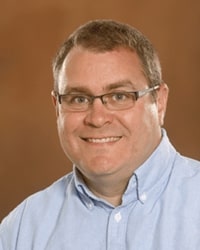
Liangliang Xiang is a Postdoctoral Researcher at the Department of Engineering Mechanics, KTH Royal Institute of Technology, Stockholm, Sweden, affiliated with the MoveAbility Lab under the Division of Aerospace, Moveability and Naval Architecture. His research focuses on human movement biomechanics, particularly walking and running under pathological conditions including stroke, osteoarthritis, and sports injuries. By integrating wearable technologies , artificial intelligence , and digital twin modeling , he develops predictive systems for movement patterns, bone stress, and rehabilitation outcomes. This work bridges engineering and medical sciences to advance personalized treatment strategies, injury prevention protocols, and performance optimization in clinical and athletic contexts. Dr. Xiang's contributions within the MoveAbility Lab emphasize translational applications of biomechanical engineering, with potential impacts on rehabilitation robotics, gait analysis systems, and data-driven healthcare interventions for mobility disorders.
Shirra Moch is a Senior Lecturer at the University of the Witwatersrand's Centre for Health Science Education. She holds qualifications including BPharm, MEd, MSc Med, and BScHons(Pharm). Her research focuses on medical education, healthcare access, and blended learning, particularly in post-pandemic contexts. Dr. Moch has published extensively on topics such as antibiotic usage in ICUs, colorectal cancer treatment costs, and student-run clinic frameworks. She leads initiatives exploring institutional culture’s impact on medical learners and has contributed to studies on patient medication adherence and HIV-associated neuropathy analgesia. Her work spans over three decades, with notable contributions to psychiatry and pharmacy practice. Education: BPharm, MEd, MSc Med, and BScHons(Pharm). Key Research Interests: Medical education pedagogy, healthcare cost disparities, and qualitative studies on clinical training environments. Recent trends in her articles emphasize post-COVID educational adaptation and healthcare equity issues in South Africa. Awards: No specific awards listed. Grants/Advising: Not explicitly detailed, but her publications suggest sustained research funding and mentorship roles in collaborative projects. Labs/Teams: Affiliated with the Centre for Health Science Education, contributing to interprofessional education and clinical training frameworks.
Keith A. Pray is an Adjunct Lecturer in the Computer Science department at Worcester Polytechnic Institute (WPI). He concurrently serves as a section lead for the Electronic Systems sector at BAE Systems. His research focuses on temporal data analysis, machine learning, and automated UI generation. He holds a BS (1998), MS (2004), and is pursuing a PhD (in progress) in Computer Science from WPI. Education: Bachelor of Science in Computer Science, WPI, 1998 (High Distinction) Master of Science in Computer Science, WPI, 2004 PhD candidate in Computer Science, WPI Research Interests: Keith’s work emphasizes mining temporal association rules from complex data, automated user interface generation, and event detection in time series sequences. His system ‘ASAS’ is widely used at WPI. He holds a provisional patent for his data modeling innovations. Awards: Geo. I. Alden Fellowship (2002) Professional Roles: He led projects at the MA Norfolk County Sheriff's Office and served as a Research Engineer at WPI’s Bioengineering Institute (2003–2004). He runs the Kapowee incubator service and has held leadership roles in ACM, UPE, and campus organizations. Teaching: Courses include CS 3043 (Social Implications of Information Processing) and CS 525W (Web Ware).
Saman Lashkari is an Assistant Professor at the Department of Animal and Veterinary Sciences (ANIVET) at Aarhus University. His primary research focuses on optimizing animal nutrition with special emphasis on lipid metabolism, vitamin bioavailability, and feed evaluation methods in ruminants. He is actively involved in developing strategies to improve dairy product quality while reducing environmental impacts like methane emissions. Research Interests His work spans fat-to-starch ratio optimization, vitamin E supplementation effects on calves, and in vitro feed digestibility assessment. He explores how heat treatment alters nutrient digestion sites in ruminants and evaluates feed additives (essential oils, enzymes) for their impact on performance and emissions. Recent projects emphasize sustainable farming practices through carbon/nitrogen emission modeling and organic farming trials. Grants & Projects - Fat supplements to dairy cows in early lactation (2021-2023) - Extending Danish Normative Values for Animal Manure (2021-2025) - KALVe: Stabilized Natural Vitamin E for Weaning Calves (2017-2020) Labs/Teams Affiliated with the Ruminant Nutrition (RUN) group at ANIVET, collaborating on projects involving feed formulation, metabolic studies, and on-farm trials in Denmark.
David Zanatta is a Professor in the Department of Biology at Central Michigan University (CMU), where he leads the Zanatta Lab and conducts research in molecular ecology and conservation genetics of freshwater mussels. He is affiliated with the Institute for Great Lakes Research and teaches courses in Conservation Biology, Ecology, Evolution, and Invertebrate Biology. Education: B.Sc., Laurentian University, 1998 M.Sc., University of Guelph, 2001 Ph.D., University of Toronto, 2008 Postdoc., Trent University, 2007–2008 His research focuses on evolutionary and ecological questions in aquatic systems, particularly the conservation of imperiled freshwater mollusks in the Great Lakes region. His lab combines field surveys with genetic analyses (mitochondrial DNA, microsatellites, DNA barcoding) to study population structure, postglacial biogeography, and host-fish relationships. A key area of study is the co-evolution between mussels like the Snuffbox (Epioblasma triquetra) and their host fish, such as the logperch. His work supports endangered species recovery through projects funded by the U.S. Fish and Wildlife Service. The 15 most recent articles reflect strong interdisciplinary trends, combining molecular genetics, behavioral ecology, and conservation planning. They span topics including population structure, DNA barcoding, island biogeography, host specificity, and phylogenetics, with keywords indicating deep engagement in conservation biology, evolutionary genetics, and aquatic ecology. Scientific Contributions: Developed genetic frameworks for conservation units in endangered mussels Advanced understanding of host fish infestation behavior Applied island biogeography to freshwater mollusks Established CMU’s Aquatic Habitat facility for propagation David Zanatta actively mentors graduate and undergraduate students, with recent successes including thesis defenses by Gabby Sanfilippo, Dr. Nichelle VanTassel, and Dr. Shay Keretz. He collaborates with Dr. Daelyn Woolnough on host fish identification and has trained students such as Phil Mathias, Tonya Neuman, and Andy Harris, some of whom have presented at the North American Benthological Society. His lab’s work is critical for informing scientifically sound decisions in the recovery of some of the most endangered animals in North America. Laboratory and Teams: The Zanatta Lab operates within the Department of Biology at CMU, with field sites across the Great Lakes and eastern U.S. It maintains molecular genetics capabilities and collaborates with federal and state agencies on conservation initiatives. The lab runs an aquatic habitat facility for host fish and mussel propagation, supporting federally listed species recovery.
Prof. Dr.-Ing. Christoph Holst is a Full Professor of Engineering Geodesy at the Technical University of Munich (TUM), leading the Chair of Engineering Geodesy since 2021. His academic journey includes a PhD from the University of Bonn (2015) and prior roles as research associate, lecturer, and group leader there. He specializes in geodetic monitoring using terrestrial laser scanning (TLS), focusing on infrastructure, industrial, and environmental applications. His research emphasizes high-precision static/mobile TLS automation, sensor calibration, and deformation analysis. Education: Bachelor and Master in Geodesy & Geoinformation, University of Bonn (Focus: Engineering Geodesy & Parameter Estimation) PhD in Geodesy, University of Bonn (2015, summa cum laude ) Research Interests: His work bridges engineering and environmental geodesy, with key areas: - Advanced TLS Methods : Calibration, registration, and error modeling for deformation analysis. - Interdisciplinary Applications : Monitoring radio telescopes, landslides, and agricultural systems. - Digitalization & Automation : AI integration, 3D point cloud processing, and real-time monitoring systems. His team develops innovative tools like the Simulation Tool for Point Accuracy , enhancing TLS reliability in complex environments. Publications & Awards: Over 100 peer-reviewed articles in journals like Remote Sensing and ISPRS Journal . Notable awards include the GKGM Prize (2019) for TLS calibration and the Teaching Award (2019) from the University of Bonn. His work has been recognized by the Bavarian Academy of Sciences and IEEE societies. Grants & Leadership: He leads TUM's Leonhard Obermeyer Center for Digital Methods and chairs the DVW Working Group on Mobile Sensor Systems. Active in national/international committees (DGK, IEEE, PhenoRob cluster). Labs & Teams: Runs the Geodetic Testing Laboratory with calibration fields and monitoring setups. Collaborates on projects like AImon5.0 for landslide AI monitoring and TUM2TWIN urban digital twin benchmarking.
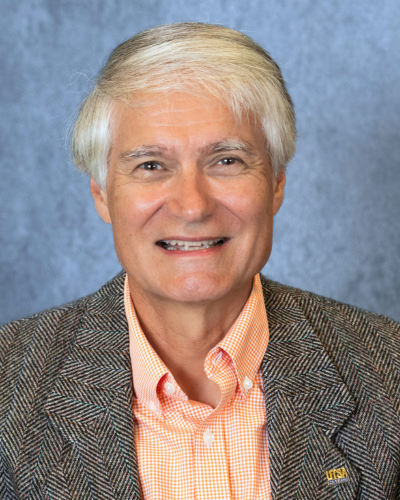
Thomas A. Thomson is a Professor of Finance at the Carlos Alvarez College of Business, University of Texas at San Antonio (UTSA). He specializes in real estate finance, focusing on mortgage defaults, subprime lending, and sustainability in property valuation. Prior to UTSA, he held faculty positions at the University of Michigan and University of Illinois, and worked in Fortune 500 companies. He holds a Ph.D. from the University of Michigan, Ann Arbor (Finance), another Ph.D. from University of California, Berkeley, an M.S. from Virginia Tech, and a B.S.F. (Honours) from the University of British Columbia. His research interests include real estate taxation, brokerage dynamics, and the impact of 'green' features on property value. Notable work analyzes racial disparities in mortgage approvals and the economic implications of manufactured housing appraisals. He has been honored with multiple Carlos Alvarez College of Business awards: Overall Faculty Excellence, Research, Academic Service, and Community Service. He advises the UTSA Running Club and remains active in marathons, skiing, and hiking.
Dr. Ilka Vari-Lavoisier is a Research Fellow at the University of Oxford's Department of Education and Junior Research Fellow at Kellogg College. She holds a PhD in Sociology from the École Normale Supérieure de Paris and has held prestigious fellowships at Princeton University and the University of Pennsylvania. Her research focuses on international migration, transnational mixed-methods, and the migration-development nexus. She collaborates across disciplines, involving economists, anthropologists, and cognitive scientists. Ilka is an advocate for hybrid pedagogy and leads video training programs, producing short films for Oxford. She has been affiliated with the Migration and Mobility Network, the Department of Sociology, and the School of Anthropology and Museum Ethnography. Education: BA in Political Science (Science Po Aix-en-Provence), Joint Master’s in Social Sciences (ENS/EHESS Paris), PhD in Sociology (École Normale Supérieure de Paris). Research Interests: International migration patterns, transnational research methodologies, and the role of education in migration dynamics. Ilka’s work bridges cognitive science and sociology, exploring how networks shape future-oriented cognition and policy implications. Her interdisciplinary approach addresses systemic challenges in migration studies. Awards: 2024 Teaching Development Award (with Chihab El Khachab), Procter Fellowship (2013–2015), and Penn Postdoctoral Fellowship (2015–2017). Teaching & Impact: Taught research methods at UPenn, Oxford, and others. Runs video training programs for multiple departments and produced Oxford’s short films. Her video projects emphasize innovative pedagogy and research dissemination. Labs/Teams: Collaborates with the HOMInG project, Migration and Mobility Network, and DIAL (LEDa) at Institut de Recherche pour le Développement. Her work spans Oxford’s interdisciplinary networks, blending theory with practical impact.
Gina Neff is a Professor of Responsible AI at Queen Mary University of London and runs the Minderoo Centre for Technology & Democracy at the University of Cambridge. She serves as Deputy Chief Executive Officer of UKRI Responsible AI UK and Associate Director of the ESRC Digital Good Network. Her expertise spans AI ethics, digital governance, and the societal impacts of technology. She holds a PhD in Sociology and a BA in Economics from Columbia University. Her research has been recognized with awards including the 2019 Teaching Excellence Award from Oxford University and a 2021 Webby Award for the A to Z of AI educational initiative. Her books include Human-Centered Data Science (MIT Press, 2022) and Venture Labor (MIT Press, 2012). Neff’s work focuses on reconfiguring power dynamics between technology, society, and democracy. Current priorities include safeguarding election integrity through AI governance, addressing algorithmic bias, and fostering equitable digital innovation. She chairs boards for organizations like the Social Science Research Council and Reset.tech. Her research bridges sociological theory and practical policy, emphasizing participatory approaches to cybersecurity and interdisciplinary collaboration. Recent projects explore AI’s impact on women’s labor, data-driven decision-making in healthcare, and the ethical implications of workplace surveillance technologies. Her academic contributions span over 100 publications, including policy briefs for governments and industry leaders. She co-leads initiatives like the A to Z of AI , a multilingual educational resource used by millions globally. Neff advocates for human-centered frameworks to ensure technology serves societal good while mitigating risks to democracy and human rights.
Dr. Karen Mickle is a Senior Lecturer in Biomechanics within the discipline of Exercise and Sports Science at the University of Newcastle. She holds ESSA Sports Science (L2) and Athletics Australia running coach accreditation. Her research focuses on lower limb biomechanics, particularly foot structure and function, footwear, and running biomechanics. She is internationally recognized for her work on ultrasound assessment of foot structures and serves as President of the Australian and New Zealand Society of Biomechanics and Secretary-General of the Footwear Biomechanics Group. Education: PhD in Biomechanics from the University of Wollongong (2009) and Bachelor of Science (Honours) from the same university (2006). Research interests include the biomechanics of foot function in aging, obesity-related foot issues, and injury prevention in sports. Her work emphasizes novel techniques like ultrasound imaging to study muscle and tendon dynamics. Recent studies explore footwear interventions for hallux valgus and the role of plantar flexor muscles in medial tibial stress syndrome. Publications highlight her contributions to understanding foot biomechanics across diverse populations, including athletes, older adults, and children. She has secured over $461,000 in grants, including a Women in STEM initiative for mentoring girls in biomechanics. Supervised 12 research students (8 completed, 4 current) in areas like sports science, injury prevention, and foot health. Current roles include course coordinator for Advanced Biomechanics and Biomechanics courses at the University of Newcastle. Her interdisciplinary collaborations span sports science, gerontology, and pediatric health.
Shota Momma is an Assistant Professor in the Department of Linguistics at the University of Massachusetts Amherst, serving as TA Coordinator. He holds a Ph.D. in Linguistics from the University of Maryland, a B.S. in Psychology, and a B.A. in Linguistics from the University of Washington, Seattle. His research focuses on the cognitive mechanisms underlying sentence production and comprehension, particularly the interaction between syntax and psycholinguistics. He runs the Grammar And Processing (GAP) lab, where he investigates real-time sentence structure assembly in languages like English and Japanese using EEG, eye-tracking, and computational modeling. Current projects explore dependency planning, cross-linguistic production differences, and the role of grammatical constraints in spoken language. His academic background includes an Associate of Arts from Pierce College, Fort Steilacoom. Research interests span psycholinguistics, syntax, bilingual processing (especially Japanese/English), and experimental methods. He teaches courses on psycholinguistics, research methods, and syntax. Lab members include graduate students Erika Mayer (Semantics/Psycholinguistics) and Michael Wilson (Syntax/Production), along with multiple undergraduates working on syntax, computational linguistics, and sentence processing. No scientific awards are explicitly listed in the provided texts, though his prolific publication record since 2014 indicates active research engagement. His work often addresses the timing and mechanisms of verb selection, dependency formation during production, and the relationship between syntactic structure and real-time processing. Major themes include how speakers mentally represent grammatical structures and how these representations influence speech generation and comprehension accuracy.
Carol L Dieckmann is a Professor in the Department of Molecular and Cellular Biology at the University of Arizona , where she has held a faculty position since 1984. Her work bridges fundamental cellular processes across yeast and green algae, with particular emphasis on mitochondrial function and eyespot assembly mechanisms. PhD in Biology (University of California, San Diego) BSc in Biological Science (University of California, Irvine) Research interests focus on: Coordination of mitochondrial fatty acid synthesis with RNA processing and respiratory complex assembly Genetic regulation of phototaxis through eyespot-chloroplast interactions Microtubule rootlet dynamics in cellular asymmetry establishment Lipoic acid biosynthesis and its role in enzyme complex activation Her 15 most recent publications (2003-2021) span mitochondrial gene expression regulation, phototaxis mutants, and cross-kingdom studies of organelle biogenesis. Key subfields include: Mitochondrial-nuclear crosstalk Protein lipoylation pathways Cytoskeletal patterning of organelles Photoreceptor trafficking mechanisms RNA processing-degradation interplay Evolution of eukaryotic flagella Teaching includes: Molecular Basis of Life (MCB 301) Senior Capstone courses (BIOC 498/MCB 498) Directed Research (MCB 392/BIOC 392)
Guillaume Millet is a Professor at Jean Monnet University in Saint-Étienne, France, where he leads the ActiFS (Physical Activity, Fatigue, Health) academic chair. He is also the Director of the inter-university Laboratory of Human Movement Biology and a Senior Member of the Institut Universitaire de France. Previously, he directed the Neuromuscular Fatigue Lab at the University of Calgary and held research positions at INSERM. His work bridges exercise science, clinical rehabilitation, and human performance. PhD, Dr. Guillaume Millet Professor, Jean Monnet University Senior Member, Institut Universitaire de France (2019) Director, Laboratory of Human Movement Biology (2020) Recipient, IDEXLYON Fellowship (1.16 million €) His research centers on neuromuscular fatigue, exploring its physiological, neurophysiological, and biomechanical underpinnings in both elite athletes and clinical populations such as those with neuromuscular disorders, cancer, or ICU-related fatigue. He aims to translate fatigue mechanisms into tailored rehabilitation strategies to improve quality of life. His work spans extreme endurance, hypoxia, and locomotor biomechanics. Analysis of his recent publications reveals a strong focus on endurance performance, ultra-running, trail running, and the application of elite sport research to public health. His work integrates biomechanics, physiology, and clinical outcomes, with recurring themes of fatigue assessment, performance optimization, and cross-disciplinary translation. He frequently publishes in high-impact sports medicine journals such as Sports Medicine , Journal of Strength and Conditioning Research , and European Journal of Applied Physiology . IDEXLYON Fellowship (1.16 million €) Senior Member, Institut Universitaire de France (2019) Guillaume Millet has supervised 37 postdoctoral fellows and PhD students from 13 countries and served as an external reviewer for over 60 PhD candidates. His research is supported by major grants including the IDEXLYON fellowship, enabling interdisciplinary work on fatigue and physical activity. He actively collaborates across institutions and disciplines, particularly in exercise oncology and rehabilitation science. He leads the ActiFS academic chair and previously directed the Neuromuscular Fatigue Lab at the University of Calgary. His teams integrate researchers, clinicians, and trainees focusing on fatigue mechanisms, human movement, and clinical applications. The inter-university Laboratory of Human Movement Biology fosters collaboration across Saint-Étienne, Lyon, and Chambéry.
Johannes Kruse is a Senior Research Fellow at the Max Planck Institute for Research on Collective Goods , where he focuses on Competition Law , Procedural Law , Judicial Decision-Making , Computational Legal Studies , and Behavioural Law and Economics . His work bridges legal theory with empirical and computational approaches. He earned his Dr. iur. (Doctor in Law) from the University of Münster in 2023 and passed the Second State Exam in Law in 2022 after a Legal Clerkship (2020–2022) . He studied Law and Economics at the University of Münster, University of Turin, and FernUniversität in Hagen. Kruse’s research integrates computational methods with legal analysis , particularly in competition law and procedural law. His recent work includes AI-driven legal commentary, empirical studies on judicial behavior, and neuroscientific perspectives on fundamental rights. His publications emphasize quantitative legal analysis , AI applications , and evidence-based legal frameworks . Key trends include computational antitrust , economic evidence in court , and neurojurisprudence . Scientific recognition includes the WuW Award „Future of Competition” (2024) for his computational analysis of Article 102 TFEU. He contributes to legal education through empirical case studies and digital legal tools , with a focus on interdisciplinary collaboration.
Professor Barbara Bollard is a distinguished academic at the University of Wollongong with over 20 years of experience in computational conservation and remote sensing. She is recognized as a leader in the field, particularly for her innovative use of drone technology for ecosystem mapping and monitoring, with special emphasis on Antarctic environments. Her research interests span multiple domains within environmental science and technology: Computational conservation methodologies Remote sensing applications for ecosystem monitoring Drone technology for environmental data collection Machine learning applications in ecological research Antarctic and polar ecosystem studies Conservation of fragile ecosystems Professor Bollard's publication record demonstrates a strong focus on applying cutting-edge drone technology and artificial intelligence to monitor and conserve vulnerable ecosystems, particularly in Antarctica. Her work bridges the gap between technological innovation and practical conservation applications, with numerous publications on drone-based monitoring of moss communities, lichen distribution, and other fragile Antarctic vegetation. Her research has significant implications for understanding climate change impacts on polar environments. Among her notable achievements is the leadership of the major ARC-funded project "Securing Antarctica's Environmental Future" which runs from 2021-2030, demonstrating her standing as a key researcher in Antarctic environmental science. Professor Bollard is actively involved in mentoring the next generation of researchers, currently supervising PhD students working on: Remote sensing and conservation of Antarctic moss communities Using remote sensing and hydrological mapping to determine water availability for nonvascular plants in Antarctica