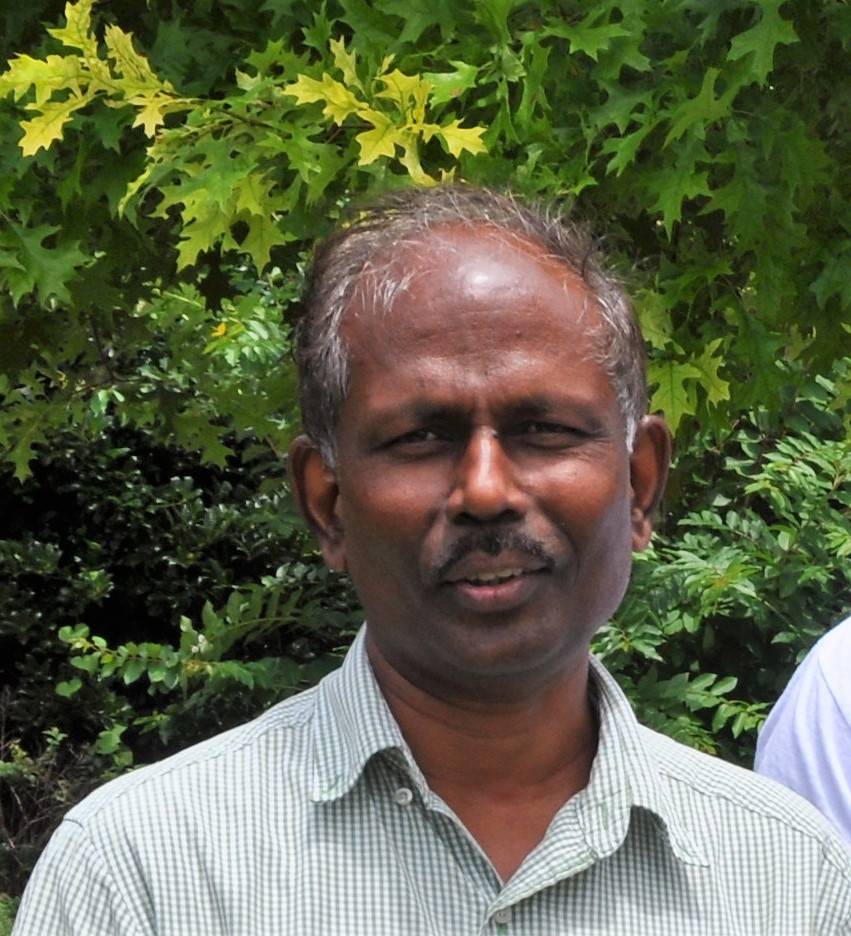
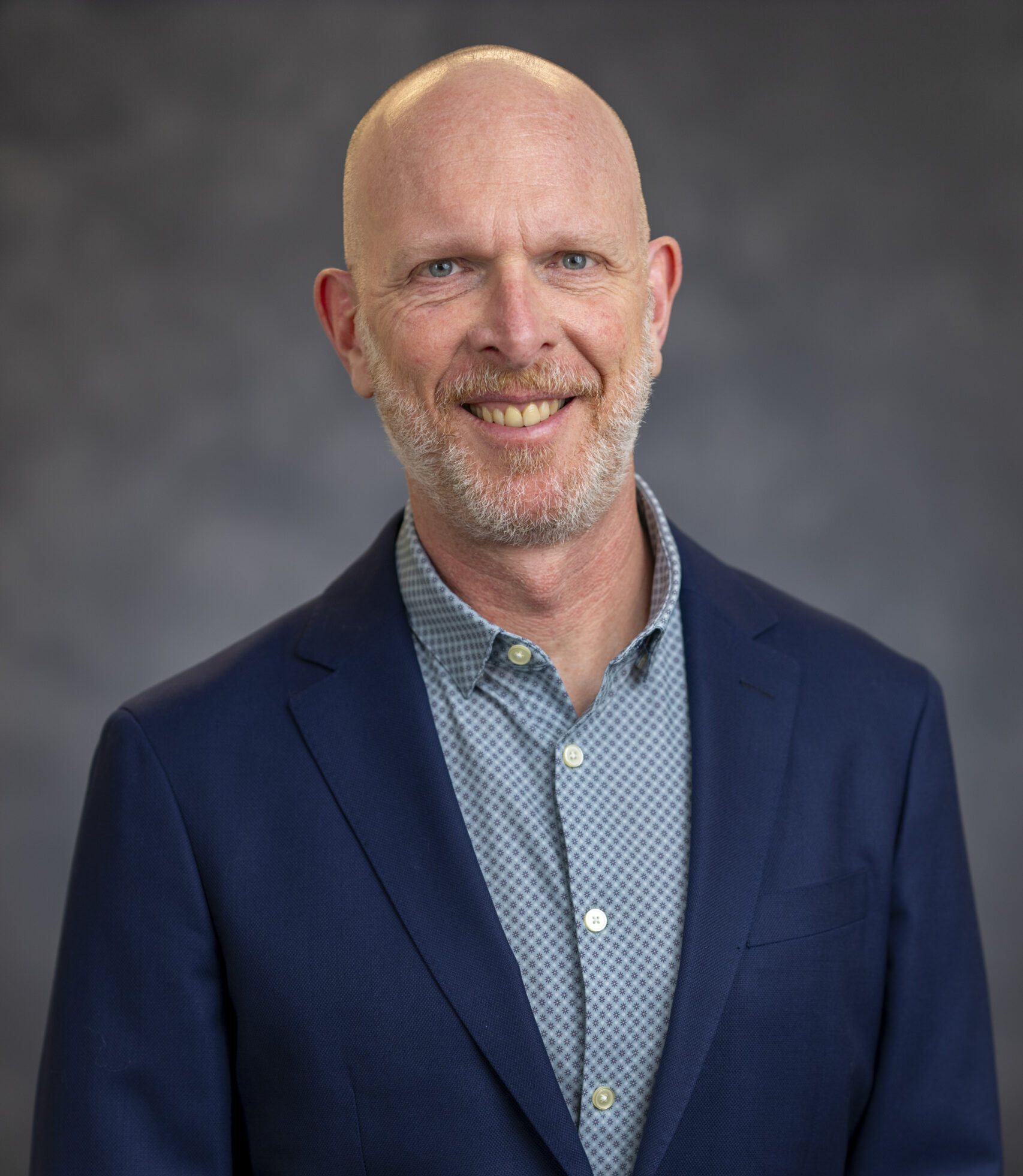
Dharma Pitchay is Professor and Director of the Agricultural Research and Education Center in the Department of Agricultural Sciences and Engineering at Tennessee State University's College of Agriculture. His research focuses on sustainable plant nutrition systems, organic farming methodologies, and greenhouse production technologies. Education includes: Ph.D. in Horticultural Science from North Carolina State University M.S. in Horticultural Science from West Virginia University B.Agric.Sc. from University of Agriculture, Malaysia Dr. Pitchay has received multiple awards including recognition from the USA President's Council and American Society of Horticultural Science. His extension work develops best practices for vegetable and tropical fruit cultivation.
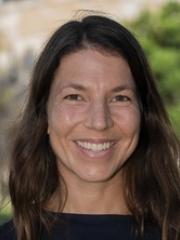
Dr. Wilma J. Blaser Hart is a Postdoctoral Research Fellow at the University of Queensland's School of the Environment. Her research focuses on optimizing tropical agricultural landscapes to address biodiversity conservation, climate change mitigation, and food security. She collaborates with the Centre for Biodiversity and Conservation Science (CBCS) to study agroforestry systems in West Africa, particularly cocoa production regions. Her work emphasizes quantitative analysis of trade-offs between agricultural productivity and ecological outcomes. Her research interests include agroforestry design, mycorrhizal nutrient dynamics, and the impacts of deforestation on cocoa production. She has conducted fieldwork across Ghana, Côte d’Ivoire, Indonesia, and Zambia, producing over 24 peer-reviewed journal articles and datasets. Notable projects include ground-truthing cocoa agroforestry practices and assessing cocoa's feasibility in new regions like Tonga. Publications consistently explore themes of sustainable agriculture, climate resilience, and biodiversity coexistence. While no specific awards are highlighted, her work contributes significantly to global efforts to balance agricultural expansion with environmental preservation. Dr. Hart’s research includes collaborations with international teams and NGOs, emphasizing actionable solutions for smallholder farmers. She has advised on policy-relevant projects like certification systems and disease management in cocoa systems. Her current work aims to inform large-scale agricultural optimization strategies in West Africa, where tropical forests face rapid conversion.
Giovanni Sena is an Associate Professor in the Department of Life Sciences at Imperial College London, where he heads the Laboratory of Plant Morphogenesis. His research focuses on understanding the biophysical and molecular mechanisms controlling plant root development and environmental interactions. Sena earned a Laurea in Theoretical Physics from the University of Milan, followed by a PhD in Molecular Genetics from New York University, and postdoctoral training at Rockefeller University and NYU. His work integrates plant biology, biophysics, and engineering to study root patterning, bioelectric signaling, and regeneration processes. Key areas of investigation include electrotropism, plant-microbe interactions, and applications of plant biology in space agriculture and sustainable systems. Recent studies highlight the role of bioelectric fields in root behavior, root regeneration dynamics, and the development of 3D-printed hydrogel substrates for soilless cultivation. Sena’s lab uses advanced imaging techniques like light-sheet microscopy and collaborates on interdisciplinary projects addressing plant-environment interactions. His academic leadership includes organizing conferences and special issues on topics like plant chronobiology and bioelectricity. Current initiatives explore bioelectricity’s role in plant development and its potential for future agricultural innovations in space and terrestrial environments.
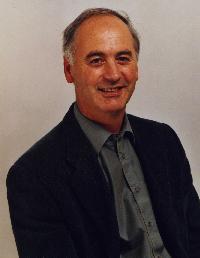
Professor Colin Turnbull is a Professor of Plant Sciences at the Department of Life Sciences, Faculty of Natural Sciences, Imperial College London. His research focuses on plant defense mechanisms against aphids, signaling pathways in plant development, and the molecular basis of plant immunity. He leads the Agri Futures Lab and is affiliated with multiple research groups including the Institute of Chemical Biology and the Molecular Plant and Microbial Systems network. Education: BSc Biological Sciences (Botany) from the University of Edinburgh (1976-1979), PhD from the University of Cambridge (1979-1983). Research interests include aphid effector proteins, plant resistance genes, cytokinin signaling, and the impact of climate change on plant immunity. Recent grants include studies on aphid chitinase-like effector proteins (BBSRC 2023-2026) and plant-fungal symbiosis (NERC 2022-2025). Key contributions include discoveries on FT protein as a mobile florigen, cytokinin perception mechanisms, and tools for studying phloem/xylem signaling. The lab actively recruits PhD students and postdocs for projects in plant defense and development. Contact: c.turnbull@imperial.ac.uk
Dr. Monique Tourell is a Research Fellow at the School of Electrical Engineering and Computer Science, Faculty of Engineering, Architecture and Information Technology, University of Queensland. Her work bridges engineering, physics, and medical applications, with a strong focus on advancing MRI technology for clinical and research use. Dr. Tourell's research interests span three interconnected domains: MRI sequence development - creating pulse sequences and imaging methods for human MRI at 3T and 7T Molecular modeling of water in tissues - developing simulations to understand water motion and its MRI signal implications Micro-MRI of porous media - conducting high-resolution imaging of organic and artificial materials to understand structure-function relationships Her recent publications (2020-2024) demonstrate a strong focus on quantitative susceptibility mapping (QSM) techniques, with significant contributions to high-resolution brain imaging, distortion correction methods, and clinical translation of advanced MRI techniques. These works consistently address challenges in image quality, acquisition speed, and clinical applicability. Dr. Tourell serves as an associate advisor for PhD students working on projects related to QSM validation, MRI quality assurance, and clinical applications of MRI techniques. She is currently leading an ARC Early Career Industry Fellowship project on pulse sequence development for ultra-high field MRI (2025-2028). Her research has practical applications in neurological imaging, breast tissue characterization, and understanding tissue microstructure across various biological systems. Dr. Tourell collaborates extensively with clinicians and researchers across multiple institutions to translate technical MRI advances into clinical practice.
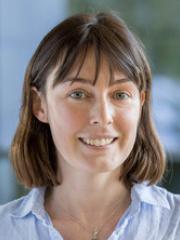
Peri Tobias is a Research Fellow at the University of Sydney's Faculty of Science. She holds affiliations with the Sydney Institute of Agriculture and the Charles Perkins Centre. Her work focuses on plant molecular responses to pathogens, particularly the Myrtle rust pathogen Austropuccinia psidii . She completed her Honours (First Class with University Medal) in Agricultural Chemistry and a PhD at the University of Sydney, following a career in horticulture, arboriculture, and environmental management. Her research emphasizes genomic approaches to understand pathogen-plant interactions and develop diagnostic tools for invasive fungal pathogens. Notable projects include sequencing the gigabase-sized myrtle rust genome and developing molecular markers for resistance in Myrtaceae species. She has secured grants including the 2022 NSW Department of Planning contract for myrtle rust resistance research and a 2017 Australian Flora Foundation grant for molecular marker development. Publications highlight her work on pathogen susceptibility in Melaleuca species, effector localization in fungi, and genome resources for coffee rust and cacao diseases. Her interdisciplinary approach bridges agricultural science, genomics, and biodiversity conservation.
Eelon Lappalainen is a Postdoctoral Researcher at Aalto University's Department of Civil Engineering, focusing on construction management and design processes. His work bridges civil engineering with innovative digital systems, emphasizing situational awareness in infrastructure projects. He contributes to the UN Sustainable Development Goals through research on sustainable design and lean construction practices. Research interests include digital visual management systems, design process optimization, and decision-making models in construction. His studies explore challenges faced by self-managed teams and the impact of technology adoption on project outcomes. Key projects like the 'Building 2030' initiative investigate process improvement and sustainability in construction workflows. Publications highlight themes such as design manager perspectives on situational awareness, user experiences with digital systems, and empowerment in self-managed work environments. Collaborative efforts with industry partners emphasize practical applications of research findings.
Dr Stuart Casson is a Senior Lecturer at the School of Biosciences, University of Sheffield. He holds a PhD from Durham University (1996-2000) and completed postdoctoral research at Durham University and the University of Bristol before joining Sheffield in 2013. His research focuses on plant molecular biology, particularly the mechanisms of plant development and environmental signaling through stomata. He investigates how light, CO₂, and temperature influence stomatal development and water use efficiency, using Arabidopsis and avocado as model systems. Dr Casson has been awarded the 2008 FESPB Young Scientist Award for his contributions to plant biology. He leads or co-investigates grants from the Leverhulme Trust and BBSRC, including projects on stomatal evolution, metabolic control of photosynthesis, and improving water use in avocado. He teaches modules on genetics, plant biology, and developmental regulation. Grants: Leverhulme Trust: Investigating stomatal evolution (2019-2023) BBSRC: Enhancing avocado water use (2019-2022) BBSRC: Light regulation of plant water use (2016-2019) Professional Roles: Associate Editor, Frontiers in Plant Science (Plant Development section) Advisory Board Member, New Phytologist His research group includes PhD students Magda Dabrowska, Kishwar Shethi, and Julian Adams, alongside postdoctoral researchers. He actively mentors students in plant molecular biology and biotechnology.
Professor Alastair H. Fitter is a faculty member in the Department of Biology at the University of York, specializing in plant-soil interactions. His research examines how root systems and arbuscular mycorrhizal (AM) fungi function in natural environments, focusing on nutrient acquisition strategies under soil heterogeneity constraints. He directs the UK Population Biology Network (UKPopNet), a NERC-funded consortium bridging ecological and socio-economic research. Research Focus Professor Fitter investigates the ecological dynamics of AM fungi and their symbiotic relationships with plants. Key research themes include: Specificity and diversity of AM fungi in field conditions Impacts of environmental gradients on fungal communities Carbon allocation patterns in root-fungal systems Climate change effects on belowground processes Current projects study maple trees in arboreta, speedwell species in grasslands, and soil transitions in woodland ecosystems. Publication Analysis Recent publications (2002-2006) demonstrate consistent focus on mycorrhizal responses to environmental stressors. Predominant themes include temperature acclimation of symbiotic systems, carbon flow dynamics in soil ecosystems, molecular analysis of fungal communities, and root architecture adaptations. Over 80% of articles address climate change impacts on belowground ecology. Awards & Recognition No scientific awards are mentioned in the source material. Leadership & Collaboration As Director of UKPopNet, Professor Fitter oversees interdisciplinary research initiatives including upland manipulation experiments. His work involves extensive collaboration with researchers across institutions, evidenced by multi-author publications on field experiments at Castle Howard arboretum, Hetchell Wood, and grassland sites.
Gerhard Braus is a Professor of Microbiology and Genetics at the University of Göttingen, leading the Department of Molecular Microbiology and Genetics. His research focuses on fungal developmental biology, protein turnover, and pathogenic mechanisms. Education: 1983: Diploma in Biology, Albert-Ludwig University, Freiburg 1987: Dr.sc.nat., ETH Zurich 1991: Habilitation in Microbiology, ETH Zurich Research Interests: Coordination of fungal development with secondary metabolism via light Role of Nedd8 and COP9 signalosome in protein turnover Molecular control of fungal adhesion and biofilm formation Fungal models for Parkinson's disease and human/plant pathogens Publications Trends: Braus' recent work emphasizes fungal developmental pathways, ubiquitin-like systems, and pathogenic mechanisms in Aspergillus and Verticillium species. Studies often combine molecular genetics with biochemical approaches to uncover regulatory networks. Affiliations: Molecular Biology (IMPRS) Biomolecules: Structure-Function-Dynamics (GZMB) International Research Training Group 2172 - PRoTECT Laboratory: The Braus lab is located at Grisebachstrasse 8, Göttingen, with a dedicated webpage at http://www.uni-goettingen.de/molmibio .
Andrey Guber is a Professor in the Department of Plant, Soil and Microbial Sciences at Michigan State University, part of the College of Agriculture & Natural Resources. His research focuses on soil physics, hydrology, and modeling water, chemical, and microbial transport in soils. He holds a Ph.D. from Moscow State University and has extensive experience spanning academic roles, including postdoctoral research at the University of California and the USDA-ARS. Dr. Guber has supervised numerous graduate students, contributed to over 100 peer-reviewed publications, and secured significant grants totaling millions of dollars. His work integrates advanced techniques like X-ray tomography and zymography to study soil pore structure and microbial activity. Key awards include the 1997 Medal from the Government of Russia and the Senior Researcher status in 1995. Education: Ph.D. in Soil Science from Moscow State University (1994), M.Sc. in Hydraulic Engineering (1982). Research Interests: Soil pore heterogeneity, zymography, and multiscale modeling of transport processes. Notable Contributions: Developed the STWIR and SWAT-SIR models, and pioneered time-lapse zymography. His research emphasizes soil health and carbon sequestration, with findings published in high-impact journals. Collaborations include international teams and institutions like USDA-ARS, and his grants support projects on soil microbial dynamics and bioenergy systems.
Spence Behmer is a Professor in the Department of Entomology at Texas A&M University and Founding Chair of the Ecology & Evolutionary Biology PhD program. His research focuses on insect nutritional physiology, ecology, and plant-herbivore interactions, with emphasis on species like ants, aphids, grasshoppers, and honey bees. He has secured over $15M in federal funding and published 85 peer-reviewed articles, cited over 5,400 times. Behmer co-edits the Journal of Insect Physiology and serves on editorial boards for Current Opinion in Insect Science , Insect Science , and others. He has led national and international conferences, including the Gordon Research Conference on Plant-Herbivore Interactions. Education: B.S. Biology, University of Nebraska-Lincoln M.S. Biology/Ecology, University of Nebraska-Lincoln Ph.D. Entomology, University of Arizona Research Interests: Behmer’s work integrates in vitro and field studies to explore how insects regulate nutrient intake, adapt to dietary limitations, and interact with host plants. Key themes include sterol nutrition, Bt toxin susceptibility, and the ecological consequences of herbivore nutritional strategies. His lab develops novel pest management techniques leveraging nutritional and molecular insights. Recent Article Trends: Behmer’s recent publications emphasize RNAi-mediated pest control, plant-insect sterol dynamics, and nutritional regulation in social insects. Key innovations include using cricket powder in ant diets and exploring leaf-mining fly evolution to understand herbivory adaptations. Grants & Funding: Over $15M secured through USDA and NSF programs for projects on nutritional physiology, Bt toxin efficacy, and plant defense mechanisms. Current work includes sterol-modified crops and nano-pesticide interactions. Labs/Teams: Leads Texas A&M’s Entomology Nutrition Lab, collaborating with ecologists, geneticists, and agricultural engineers to bridge lab and field studies. Initiatives include the Schistocerca gregaria genome project and Bt toxin-nutrition interaction studies.
Stephen Strelkov is a Professor in the Department of Agricultural, Food and Nutritional Sciences at the University of Alberta, within the Faculty of Agricultural, Life and Environmental Sciences. He holds a PhD from the University of Manitoba. His research focuses on plant pathology, particularly host-parasite interactions involving fungal pathogens such as Pyrenophora tritici-repentis (tan spot of wheat) and Plasmodiophora brassicae (clubroot of canola). He leads investigations into host-specific toxins, pathogen genetics, and integrated disease management strategies. His work emphasizes applied and basic research on emerging diseases like clubroot, including pathotype diversity, molecular responses in plants, and sustainable control methods. Dr. Strelkov teaches courses such as AFNS 583 (Principles of Plant Pathology), AFNS 601 (Seminar), and PL SC 380 (Principles of Plant Pathology), contributing to graduate education and professional development. He collaborates with researchers across Canada to advance disease management and agricultural resilience. His research integrates field studies, molecular biology, and genomics to address critical challenges in crop protection. His most recent publications (2024–2025) highlight advancements in clubroot resistance mechanisms, pathogen diversity analysis, and sustainable management practices. He emphasizes interdisciplinary approaches to crop health, combining genetics, ecology, and agronomy to mitigate disease impacts in Alberta’s agricultural systems.
Anne Orford is Melbourne Laureate Professor and Michael D Kirby Chair of International Law at Melbourne Law School, University of Melbourne, with visiting appointments at Harvard Law School. Her research spans international law, dispute settlement, economic law, climate change, and legal history. She has served on the Permanent Court of Arbitration and advised the Pacific Islands Forum on climate law. Her research focuses on decolonizing international legal frameworks and examining power asymmetries in global governance. Recent work explores historical imperialism's impact on modern legal systems and climate securitization. Award recognition includes the 2022 European Society of International Law Monograph Prize, Woodward Medal, and honorary doctorates from Lund, Gothenburg, and Helsinki universities. She directs the Laureate Program in International Law and has mentored 27 early-career researchers globally. Grants include ARC Kathleen Fitzpatrick Laureate Fellowship and Swedish Research Council funding for climate security research. She established the Institute for International Law and Humanities and co-founded the Annual Junior Faculty Forum.
Adam Runions is an Assistant Professor in the Department of Computer Science at the University of Calgary, within the Faculty of Science. His research focuses on computational modeling of plant development, integrating principles from computer graphics, computational morphodynamics, and procedural modeling. He holds a PhD and MSc in Computer Science from the University of Calgary. His work explores how genetic and mechanical factors influence leaf shape diversification, with a particular emphasis on growth dynamics, tissue patterning, and the interplay between auxin signaling and developmental processes. He develops computational tools like MorphoGraphX to analyze biological images and simulate morphogenetic processes. Runions teaches courses on computer animation and computational morphodynamics (CPSC 587, CPSC 601.10, CPSC 687). His research spans topics such as auxin-driven patterning, biomechanical forces in cell shape formation, and evolutionary mechanisms underlying plant form. His contributions bridge computational methods and biological systems, advancing understanding of developmental biology and plant morphology.