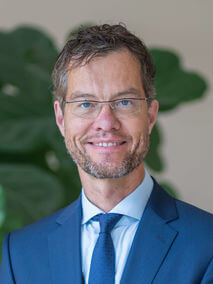
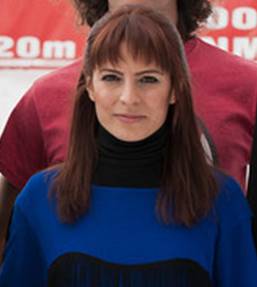
Peter Jax is a Full Professor at RWTH Aachen University , leading the Chair of Communication Systems . His research focuses on speech and audio processing , with expertise in active noise control , spatial audio , and machine learning applications for acoustic systems. Diploma in Electrical Engineering (1997), RWTH Aachen University PhD (2002), RWTH Aachen University Research areas include binaural direction-of-arrival estimation , MIMO acoustic system identification , and adaptive filtering for consumer and medical audio applications. Recent articles highlight innovations in ambisonics upscaling , noise control for UAVs , and data-driven uncertainty modeling in headphones. Scientific honors : Distinguished Member of Technicolor Fellowship Network (2010) Johann-Philipp-Reis Preis Borchers Medal E-Plus Award for Best Dissertation With over 25 patents in speech/audio processing and leadership roles in industry (Deutsche Thomson OHG, 2005–2015), he bridges academic research and industrial innovation.
Jan Heiberg Johansen is an Associate Professor at the Department of Clinical Medicine, Aalborg University's Faculty of Medicine. His research focuses on organizational paradoxes, leadership well-being, and governance in complex systems, particularly within public-private partnerships and healthcare contexts. He contributes to sustainable development through organizational theory and leadership education. University: Aalborg University School: Faculty of Medicine Department: Department of Clinical Medicine Research Interests: Johansen's work explores: Paradox management in organizational governance Leadership well-being and sustainability Public-private partnership dynamics Complex systems in healthcare management Meta-theoretical frameworks for organizational contradictions Scoping reviews of leadership research Scientific Awards: Årets underviser 2021 (Educational Prize) Årets underviser 2020 - Master of Public Governance MBA Coursework Excellence Prize (2015) Advising: No formal advisees listed in available data. Research Projects: Led the 2023-2024 Scoping Review on Leadership Well-being with 698 studies spanning 1953-2024.
Professor Martin Bendszus serves as the Medical Director of the Department of Neuroradiology at Heidelberg University Hospital. He has held this position since 2007 and is a leading figure in advanced neuroimaging techniques. His academic career includes medical studies in Bonn, specialized training in Neuroradiology at the University of Würzburg (2003-2007), and a professorship in Neuroimaging at the University of Würzburg. Professor Bendszus's research focuses on innovative imaging methods, particularly in Magnetic Resonance Imaging (MRI). He pioneered Magnet Resonance Neurography for diagnosing peripheral nervous system disorders and made significant contributions to Dental-MRI as a radiation-free diagnostic tool for dental conditions. His expertise also extends to brain and spinal cord diagnostics, including aneurysms, strokes, and arteriovenous malformations. His work bridges clinical practice with advanced imaging research, resulting in numerous high-impact publications across neurology, radiology, and oncology. His publication record shows consistent high-impact contributions, with recent work spanning stroke intervention, neuropathic pain, brain tumor imaging, and advanced MRI techniques. The research trends demonstrate his leadership in translating imaging advances into clinical practice, particularly in time-sensitive neurological conditions where imaging guides critical treatment decisions. Kurt-Decker-Preis Röntgen-Preis Coolidge-Award Lucien-Appel-Award Hermann-Holthusen-Ring der Deutschen Röntgengesellschaft Professor Bendszus leads major multicenter clinical trials and collaborative guideline development efforts, including work with the Response Assessment in Neuro-Oncology (RANO) group and European Association for Neuro-Oncology (EANO). His research has secured significant funding for advancing neuroimaging techniques and their clinical applications. He collaborates extensively with neurologists, neurosurgeons, oncologists, and radiologists to improve diagnostic and therapeutic approaches for neurological conditions. His department serves as a reference center for complex neuroradiological cases and trains the next generation of neuroradiologists. Professor Bendszus maintains active leadership roles in professional societies and regularly contributes to shaping clinical guidelines in neuroimaging and stroke care.
Dr. Danelle Agnew serves as a Research Fellow in the Environmental Sustainability and Management department (ESC) under Griffith Sciences at Griffith University. She is a core member of the Coastal Management Program, with research directly supporting Sustainable Development Goal 14 (Life Below Water). Her research focuses on marine and estuarine ecology, specializing in river recovery processes and coastal ecosystem management. Key areas include: Identification of geomorphic river recovery corridors GIS-based landscape analysis for river management Cost-benefit frameworks using Marxan software Soil carbon dynamics in tropical wetlands Integration of ecological and geomorphic data for decision support Analysis of her 2021-2024 publications reveals a cohesive research trajectory centered on practical river management solutions. Her work consistently addresses Australian coastal systems—particularly in New South Wales—while bridging theoretical ecology with applied decision-making tools. A notable trend is the progression from spatial identification of recovery corridors (2021-2022) to economic valuation frameworks (2024). No scientific awards or honors are documented in available sources. Public records indicate no formal student supervision roles or grant funding details. Her Research Fellow position suggests collaborative project involvement within the Coastal Management Program framework. She operates within Griffith University's Coastal Management Program, which develops evidence-based strategies for river and coastal system restoration through interdisciplinary research combining field ecology, geospatial analysis, and environmental economics.
Amit Ranjan Trivedi is an Associate Professor in the Department of Electrical and Computer Engineering at the University of Illinois at Chicago (UIC). He completed his B.Tech. and M.Tech. at the Indian Institute of Technology (IIT) Kanpur (2003-2008), where he received an Academic Excellence Award, and earned his Ph.D. at Georgia Institute of Technology (Georgia Tech) from 2010 to 2015. His research focuses on Artificial Intelligence (AI) at the edge , Hardware Security , and Nano-robotics , with an emphasis on low-power and neuromorphic computing using emerging technologies like Tunneling field-effect-transistors and magneto-tunneling junctions. Trivedi's publications reveal a strong interdisciplinary approach spanning VLSI Systems , Neural Networks , Nanotechnology , and Embedded Systems . His work addresses challenges in device authentication , energy-efficient AI , and nonvolatile memory , often leveraging nanoscale phenomena for novel applications. NSF CAREER Award (2021): Robust and Ultra-low-power Spatial Intelligence Sigma Xi Best PhD Dissertation (2015) IEEE Electron Device Society Fellowship (2014) Academic Excellence Award, IIT Kanpur (2005) At UIC, he has secured the College of Engineering Seed Funding award and the Phase-I Chancellor’s Proof-of-Concept award. His prior roles included research internships at IBM T.J. Watson Research Center (2012) and Intel’s Circuit Research Lab (2014), following his tenure at IBM Semiconductor Research and Development Center (2008-2010).
Perry Elliott is a Professor of Cardiovascular Medicine at University College London (UCL) , where he serves as Director of the Institute of Cardiovascular Science . He is also a Consultant Cardiologist at St. Bartholomew's Hospital, London. His leadership roles include Chairmanship of the European Society of Cardiology (ESC) Heart Academy and past chair of multiple ESC councils and working groups. Academic Appointments : Professor of Cardiovascular Medicine, UCL (2012–present) Director, UCL Institute of Cardiovascular Science (2012–present) Research Focus : Gene identification in inherited cardiovascular diseases Risk prediction models for sudden cardiac death Biomarker discovery (e.g., lumican in hypertrophic cardiomyopathy) Clinical trials for rare cardiomyopathies (e.g., tafamidis, mavacamten) Genomics and proteomics in cardiomyopathy pathophysiology Collaborative Networks : Coordinated global consortia (Americas, Europe, Asia, India, Australasia) Founder of the International Cardiomyopathy Network (ICON) Contributor to US and European clinical guidelines Editorial & Advocacy : Executive Editor, European Heart Journal Advocate for cardiovascular genomics education and multi-stakeholder research collaboration
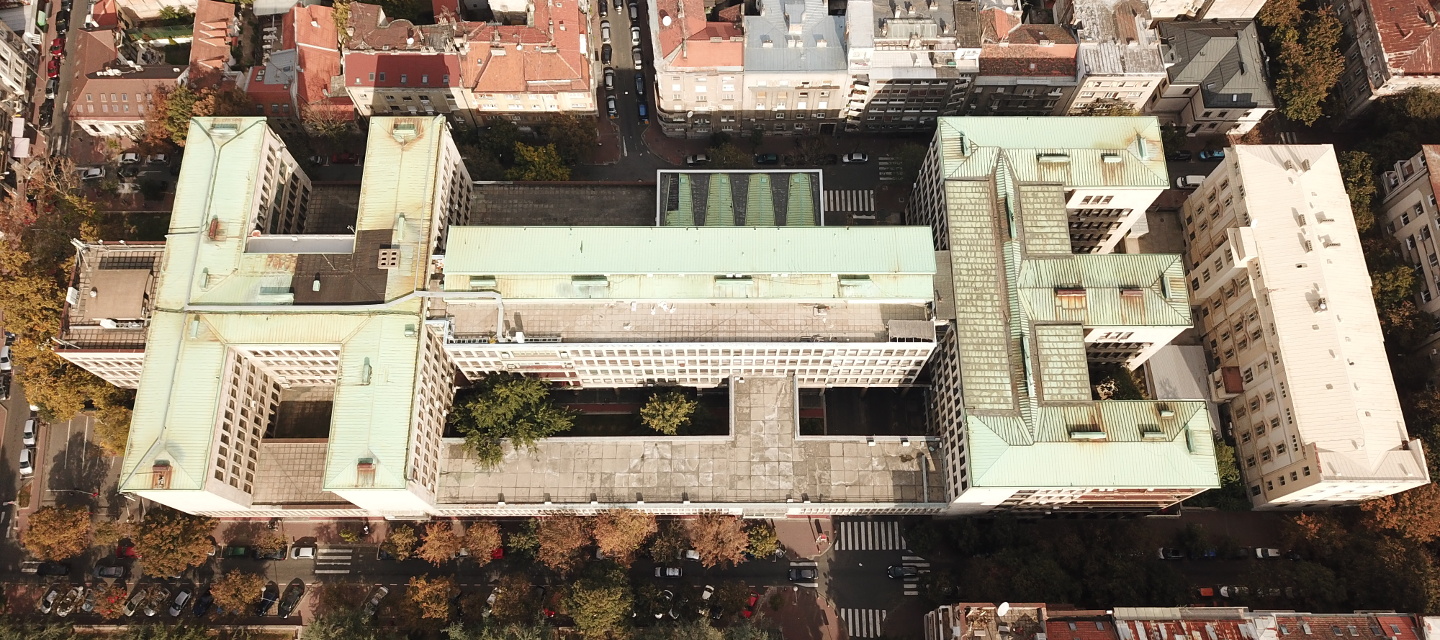
Rada M. Baosic is a Full Professor at the Department of Analytical Chemistry , Faculty of Chemistry, University of Belgrade. She has held multiple academic roles including Associate Professor (2014-2022), Assistant Professor (2004-2014), and various administrative positions such as Vice-Dean for Academic Affairs and Secretary of the Serbian Chemical Society. Education : Undergraduate (1985-1992), Master's (1992-1997), and Ph.D. (1997-2004) in Chemical Sciences from University of Belgrade - Faculty of Chemistry. Research interests focus on analytical chemistry with specializations in planar chromatography , electrochemical sensors , structure-retention relationships , and antioxidant activity studies . Her work explores molecular separation mechanisms, sensor development, and chromatographic modeling. Research trends include: (1) Electrochemical sensor optimization for pharmaceutical compounds, (2) Structure-retention modeling of metal complexes, (3) Environmental applications like honey analysis and lichen biomonitoring, and (4) Cultural heritage studies using mass spectrometry. Scientific awards : 2019 Medal from Serbian Chemical Society for teaching excellence 2021 Meritorious Member award from Serbian Chemical Society 2023 Gratitude Sign for long-term contributions Administrative roles include Vice-Dean for Academic Affairs (2013-2015, 2020-2023), Head of Publishing Center Council, and numerous committee memberships. She also collaborates with Petnica Science Center and contributes to national chemistry competitions.
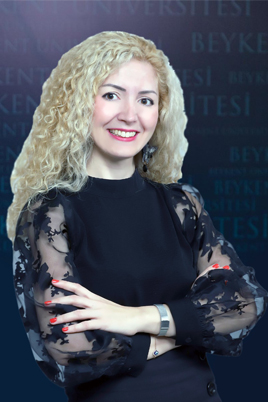
Sevgi AYDIN serves as an Assistant Professor in Logistics Management at Beykent University's Faculty of Business. Her academic work bridges digital transformation, artificial intelligence applications, and consumer behavior within modern marketing frameworks. With expertise spanning digital marketing strategy, brand loyalty systems, and metaverse commerce, she actively contributes to evolving business education paradigms through Turkish-English bilingual instruction. Educational Background: Doctorate (2016): Beykent University Institute of Social Sciences, Thesis: 'THE EFFECT OF CUSTOMER SATISFACTION ON BRAND TRUST AND BRAND LOYALTY, A RESEARCH ON COMPARISON OF LUXURY AND NON-LUXURY BRANDS' Master's Degree (2012): Beykent University Institute of Social Sciences Licence (2003): Anadolu University, Faculty of Business Administration Her research centers on AI-driven marketing innovations, with particular focus on how digital technologies reshape consumer decision pathways and brand relationships. Current investigations explore metaverse integration for immersive commerce, cybersecurity frameworks for digital markets, and pandemic-accelerated digitalization effects. Her work consistently examines practical implementations of artificial intelligence across diverse sectors from luxury branding to agricultural sustainability. Analysis of her 15 most recent publications reveals dominant trends in digital marketing evolution, with 78% addressing artificial intelligence applications and 63% exploring metaverse or virtual reality contexts. Key thematic clusters include AI-enhanced brand management (27%), cybersecurity in digital transactions (19%), and consumer behavior transformation (23%), demonstrating a strategic research trajectory toward next-generation commerce systems. Academic Supervision: SEVİL AYDIN (2024): 'THE USE OF SOCIAL MEDIA IN HOSPITAL CHOICE AND THE EFFECT OF WORD-OF-MOUTH MARKETING ON BRAND LOYALTY' RUKEN BAYONET (2021): 'The role of the food engineer in ensuring occupational health and safety management in food businesses producing hot meals' MERYEM BALTACI (2023): 'The Future of Graphic Design and the Impact of Artificial Intelligence on Graphic Design: Maw Agency Client Applications'
Selda Güney is an Assistant Professor in the Department of Electrical and Electronics Engineering at Başkent University's Faculty of Engineering. She holds a PhD (2013), Master's (2007), and Bachelor's (2004) in Electrical-Electronics Engineering from Karadeniz Technical University. Her professional experience includes roles as an R&D Engineer at DEKA Digital (2004-2005), Research Assistant at Karadeniz Technical University (2005-2013), and Assistant Professor at Başkent University (2013-present). Her research spans: Machine Learning : Applications in medical imaging, radar, and industrial systems Signal/Image Processing : Focus on real-time classification and fault detection Pattern Recognition : Electronic nose systems and biometric analysis Her recent publications demonstrate strong emphasis on deep learning applications in healthcare (chest X-ray classification, fracture detection) and industrial automation (real-time fault detection systems). Over 70% of her last 15 articles involve medical/industrial AI implementations using convolutional networks. Awards & Honors: TÜBİTAK Domestic PhD Scholarship IBEC ERASMUS Scholarship Research Leadership: Supervised 20+ graduate theses (e.g., radar data classification, medical image steganography) and led 9 R&D projects including: AI-based pathology classification in lung X-rays VR glove development Smart parking systems She is a member of IEEE and ISOCS, and teaches courses including Pattern Recognition, Signals and Systems.
Rachel Loewy is a Professor in the Department of Psychiatry at the University of California, San Francisco (UCSF) School of Medicine. She is affiliated with the UCSF Weill Institute for Neurosciences and maintains a clinical profile and lab profile at UCSF. Education: PhD (2005) in Clinical Psychology, University of California, Los Angeles MA (1999) in Clinical Psychology, University of Pennsylvania BA (1997) in Psychology, Emory University Her research focuses on early identification and intervention in schizophrenia , including risk factors for psychosis, prodromal psychosis screening, and novel interventions for early psychosis. Current work emphasizes implementing evidence-based practices for early psychosis intervention in community settings through the EPI-CAL network. Recent publications address topics like brain age gaps, neuroimaging biomarkers, and digital mental health tools in early psychosis care. Grants and roles include NIH R01MH120555 (Co-Investigator), NIH R01MH102063 (Principal Investigator), NIH K23MH086618 (Principal Investigator), and NIH T32MH018261 (Co-Principal Investigator). Collaborations span institutions like UC Davis, UCLA, and UCSD.
Lars B. Sonderegger serves as a Lecturer at the Lucerne University of Applied Sciences and Arts (HSLU), School of Business, within the Institute for Business and Regional Economics. He teaches management and leadership modules while simultaneously leading his research and consulting firm Quantonomics LLC. His work bridges academic theory with practical business applications, focusing on translating behavioral neuroscience into organizational solutions. His educational background includes neuroscience and behavioral sciences studies at the University of Zurich, culminating in a magna cum laude doctorate in stress management under Prof. Dr. Ulrike Ehlert. This foundation combines with his Swiss Federal Diploma in Business Administration and family background in SME entrepreneurship to create his unique practitioner-scholar approach. Sonderegger's research centers on behavioral economics and neuroscience applications in management, with particular emphasis on leadership development, organizational transformation, and human capital optimization. His work explores how neurobiological principles can reshape traditional management practices, especially in hybrid work environments, decision-making processes, and talent retention strategies. Current projects include the VR Board Assessment Tool, Transformation Tracking, and Agile Collaborative People Management. His publication portfolio demonstrates consistent focus on practical neuroscience applications, with recent work examining leadership in VUCA environments, employee well-being frameworks, and cognitive bias mitigation in governance. The trajectory shows increasing integration of neuroscientific evidence into management literature, moving from foundational stress research toward actionable leadership tools. Schulze Award for Outstanding Applied and Practice Publication (2023) Fellow of the Royal Society for the Encouragement of Arts, Manufactures & Commerce (2017) Sonderegger actively advises Master's students at HSLU on topics ranging from performance management to organizational transformation, while securing consulting engagements that translate academic insights into business value. His Quantonomics firm implements behavioral strategies for clients, supported by research projects tracking transformation effectiveness and developing neuroscience-based leadership tools. He serves on multiple boards including SHL Schweizerische Hotelfachschule Luzern and Eigthwell, applying his expertise to real-world organizational challenges. Through Quantonomics and his university role, Sonderegger maintains a dynamic research-practice ecosystem where academic inquiry directly informs consulting solutions. His teams develop tools like the VR Board Assessment platform while conducting field research on agile people management and SME internationalization, ensuring continuous feedback between theory and practice.
Neil Bruce is a Lecturer in Sound Design at the School of Digital Arts, Manchester Metropolitan University. With a PhD in Soundscapes and an MSc in Signal Processing, he bridges practice-led research with academic inquiry. Education: PhD in Soundscapes, MSc in Signal Processing, Dip Mus (Open) His research focuses on soundscapes, perception, and immersive audio, particularly in urban decay and liminal spaces. He explores how emerging technologies like VR/AR can enhance sonic storytelling and inclusivity in soundscape research. Recent publications and presentations highlight trends in ethical field recording, soundscape commodification, and inclusive methodologies like soundsitting. Collaborations with institutions like the University of the Arts London and EPSRC-funded projects underscore his interdisciplinary approach. Beyond academia, Bruce works with UK artists, performs as a guitarist, and hosts the Creativity Kickstarter podcast, authoring a book on creativity as a skill.
Thanos Karatzias is a Professor and Associate Dean for Research & Innovation at Edinburgh Napier University's School of Health and Social Care, with clinical expertise at the Rivers Centre for Traumatic Stress in Edinburgh. His career spans clinical and academic work in psychological trauma, particularly interpersonal trauma, with a focus on Complex PTSD (CPTSD) under ICD-11. Collaborating internationally, he studies trauma effects on general populations, veterans, prisoners, and individuals with learning disabilities. Editor : Traumatology Leadership Roles : Former Chair of British Psychological Society Scotland Working Party for Adult Survivors of Sexual Abuse His research explores trauma's impact on mental and physical health, with recent work validating diagnostic tools like the International Trauma Interview (ITI) and investigating treatment approaches for CPTSD. He has received significant funding, including from the Chief Scientists Office, and contributes to policy through advisory boards like Changing Faces Scotland.
Dr. Lin Chen is a tenured Professor of Biostatistics in the Department of Public Health Sciences at The University of Chicago, where they have been faculty since 2010, progressing from Assistant Professor (2010-2017) to Associate Professor (2017-2024) and now Professor (2024-present). Previously, they completed postdoctoral research at Fred Hutchinson Cancer Research Center (2008-2010) under Drs. Ross L. Prentice and Li Hsu, and at Princeton University (2008) under Dr. John D. Storey. Dr. Chen earned their Ph.D. in Biostatistics from the University of Washington in 2008 under Dr. John D. Storey, following a B.S. in Economics from Peking University (2002). Their research focuses on developing advanced statistical methods for statistical genomics , big omics data analysis , multivariate analysis , missing data analysis , and mixed-effects models . Their work has significantly advanced methodologies in Mendelian randomization, multi-omics integration, and genetic association studies. Dr. Chen's recent publications reveal a strong emphasis on integrative approaches that connect multiple layers of genomic data across different biological contexts. Their research demonstrates particular expertise in developing statistical frameworks that bridge genetic variation with molecular phenotypes and complex traits, often addressing critical challenges in causal inference and mediation analysis within genomic studies. The work consistently appears in top-tier journals including Nature Communications, Nature Genetics, and The American Journal of Human Genetics. The Best Paper in Genetic Epidemiology Award for the Year 2021 The Departmental Best Dissertation Award 2017-2018 (awarded to Jiebiao Wang) Dr. Chen actively mentors graduate students and postdoctoral fellows, with several former lab members now in faculty positions or industry roles at major pharmaceutical companies. Their lab currently has ongoing postdoctoral openings. They have developed multiple widely-used software packages including GMAC, Primo, mvMISE, ofGEM, MixRF, mixEMM, PEMM, Trigger, RHT, SNPath, and EigenR2, available through CRAN, GitHub, and Bioconductor. Dr. Chen teaches courses including Applied Regression Analysis, Introduction to Biostatistics, Statistical Analysis with Missing Data, and Introductory Statistical Genetics at the University of Chicago.
Carl Regnéll is a Senior Lecturer in Geosciences at Kristianstad University's Faculty of Natural Sciences, Department of Environmental Sciences, where he leads the Sustainable multifunctional landscapes (SMULA) research group. With a PhD and an h-index of 7 based on 205 citations, he has published 41 research outputs with significant activity in recent years, including 12 publications in 2024 and 2 in 2025. His educational background includes advanced training in Quaternary geology and geoscience methodologies, though specific degrees are not detailed in the available information. His research focuses on glacial and climate history during the last ice age cycle with particular emphasis on Scandinavian landscape development. Dr. Regnéll employs a wide range of methods including sediment sampling from terrestrial climate archives, geomorphological and sedimentological mapping, and spatial analyses using Geographic Information Systems (GIS). His laboratory work involves analyzing sediment geochemical and physical properties through techniques like grain size analysis, loss on ignition (LOI), X-ray fluorescence (XRF), and computed tomography (CT scan). For dating, he utilizes carbon-14 dating of macrofossils, cosmogenic exposure dating, tephrachronology, optically stimulated luminescence (OSL), and Uranium-Thorium dating. His recent publications reveal a strong focus on ice sheet dynamics, deglaciation processes, and landscape evolution in Scandinavia, with particular interest in ice-dammed lakes, varve chronology, and sedimentary ancient DNA applications. These works span disciplines including glaciology, geomorphology, paleoclimatology, and Quaternary science, with specific attention to methodological advances in dating techniques and multi-proxy sediment analysis. Dr. Regnéll currently leads two major research projects: The role of ice-dammed lakes in ice sheet demise (2021-2025) and Ice Age pioneers – Sediment DNA provides new knowledge about our oldest ecosystems (2023-2025). His academic service includes peer review for journals like Quaternary Science Reviews and Norwegian Journal of Geology, participation in the Geological Society of Sweden, and organization of scientific events such as the Processes and Palaeo–Environmental Changes in the Arctic conference in 2024. At Kristianstad University, he teaches geosciences and geographic information systems (GIS), contributing to education in earth sciences and environmental studies. His research aligns with UN Sustainable Development Goals related to environmental protection and climate action.