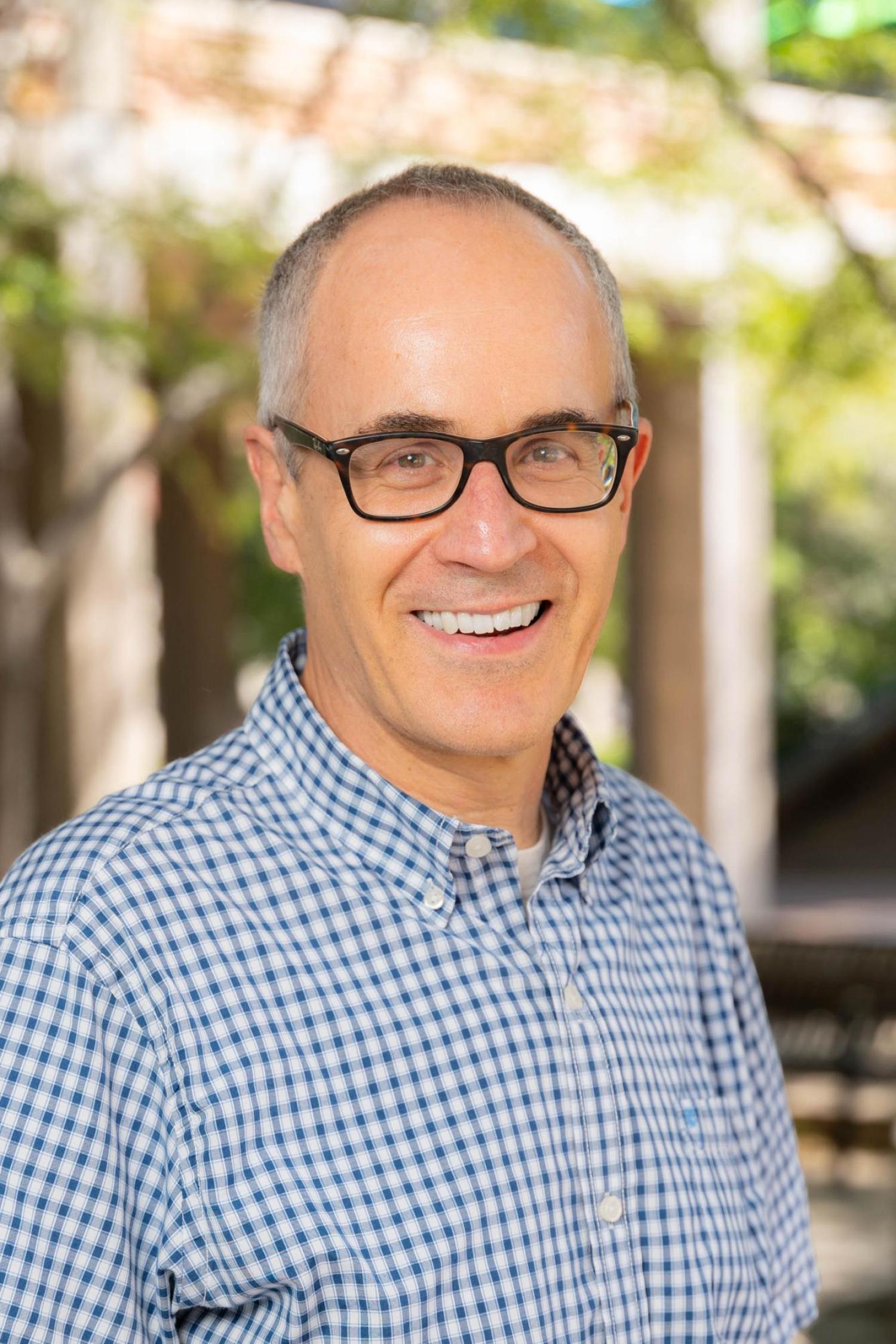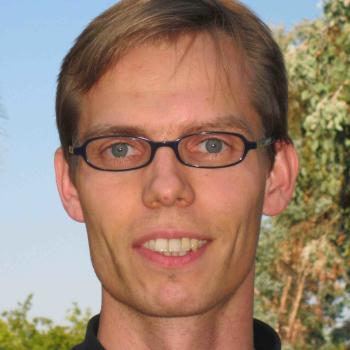
Brandon Lucia is a Professor in the Department of Electrical and Computer Engineering at Carnegie Mellon University's College of Engineering. He holds the Kavčić-Moura Professorship and leads the Abstract research group. As CEO and co-founder of Efficient Computer Corp., he bridges academic research with commercial applications in energy-efficient computing. Dr. Lucia received his Ph.D. in Computer Science and Engineering from the University of Washington in 2013, following an MS from the same institution in 2010 and a BS in Computer Science from Tufts University in 2007. His research focuses on the intersection of computer architecture, computer systems, and programming languages, particularly in energy-constrained environments. His primary research interests include intermittent computing, energy harvesting computers, orbital edge computing, and parallel computing systems. Lucia's work addresses fundamental challenges in creating programmable, reliable computing devices that operate without batteries by harvesting energy from their environments, with applications in sensing, medical implants, and space systems. He also investigates software systems and architectures for making parallel computing correct, reliable, and efficient in the post-Moore's Law era. Lucia's publication record shows a clear trajectory toward orbital edge computing and nanosatellite systems, with recent work focusing on computational constellations, visual navigation for satellites, and energy-efficient processing in space. His research spans both theoretical foundations of intermittent computing and practical implementations in hardware and software. 2021 Sloan Research Fellowship 2018 NSF CAREER Award 2018 ASPLOS Best Paper Award IEEE MICRO Top Picks in Computer Architecture (2009, 2010, 2016) 2015 OOPSLA Best Paper Award 2019 IEEE TCCA Young Computer Architect Award 2022 Engineering Faculty Award As an advisor, Lucia has mentored numerous graduate students including Brad Denby, Zhuo Cheng, and Kyle McCleary, many of whom have become co-authors on his significant publications. His lab developed the world's first batteryless PocketQube nanosatellite (Tartan-Artibeus-1), which was deployed to low-Earth orbit aboard the SpaceX Transporter-3 Rocket. Lucia's research has received funding from sources including NSF, DARPA, Google, and VMware, supporting both fundamental research and practical implementations of energy-harvesting computing systems.