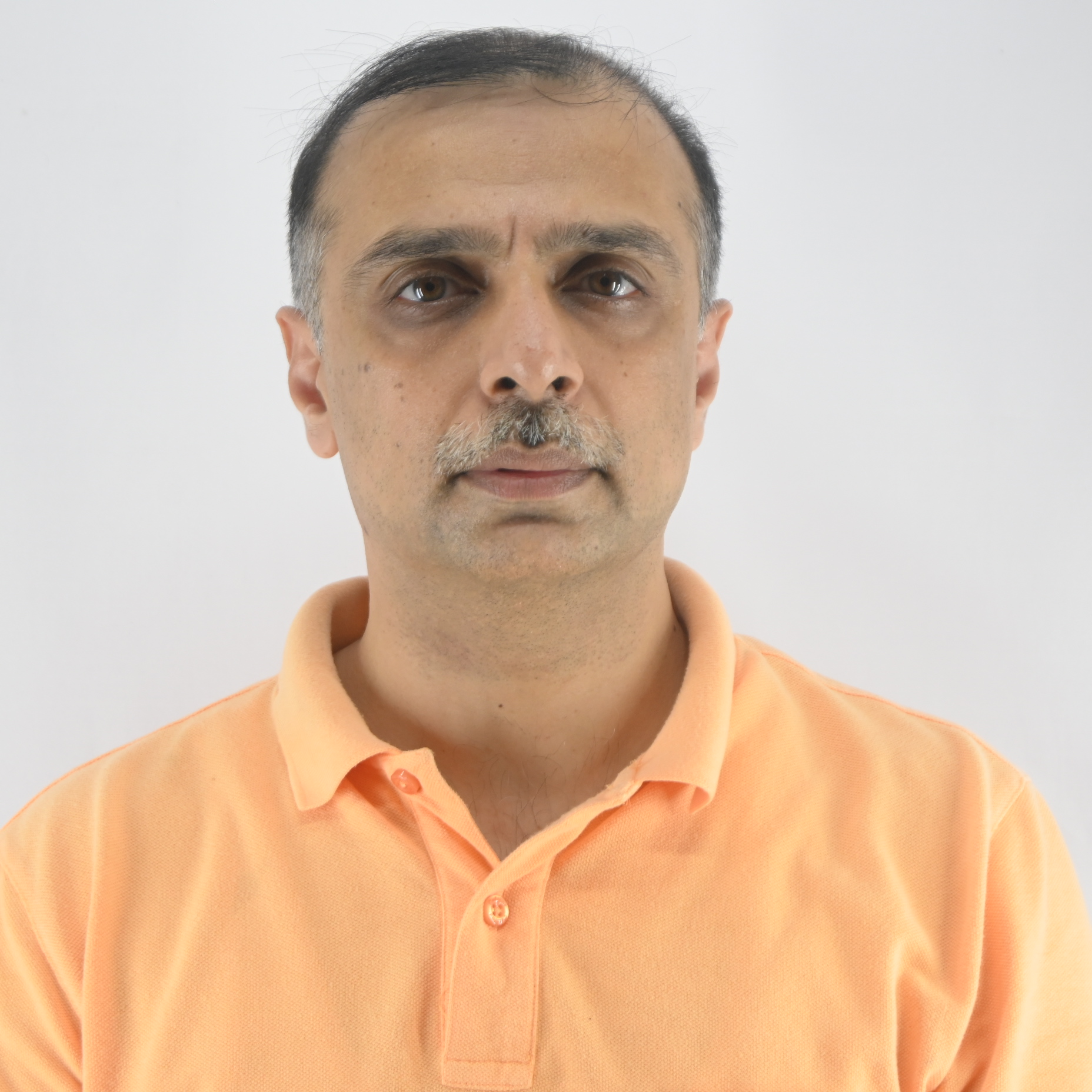
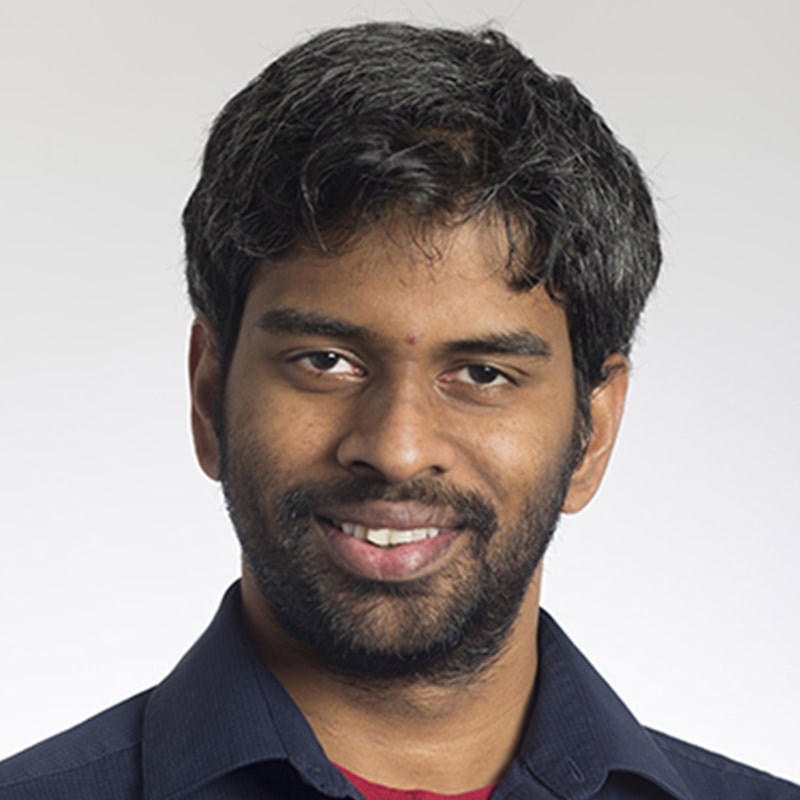
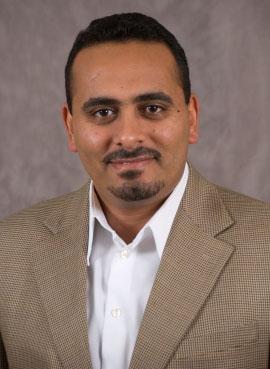
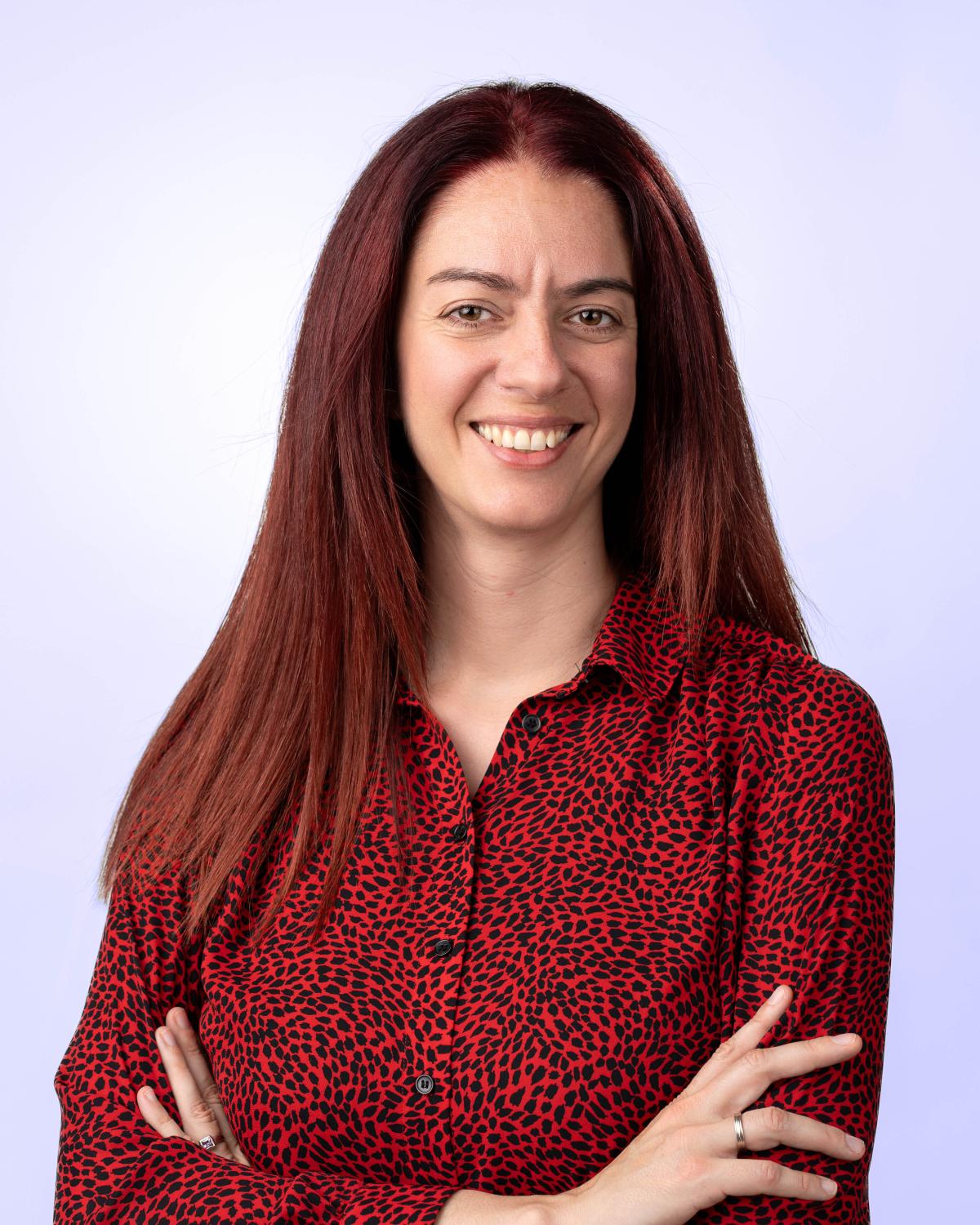
Ajit Rajwade is a Professor at the Department of Computer Science and Engineering , Indian Institute of Technology Bombay. His research spans Artificial Intelligence , Compressed Sensing , and Medical Imaging , with affiliations to the Centre for Machine Intelligence and Data Science and the Koita Centre for Digital Health . Education : PhD in Computer and Information Science and Engineering, University of Florida (2010) MSc in Computer Science, McGill University (2004) BTech in Computer Engineering, University of Pune (2002) His research interests focus on intelligent data acquisition, particularly in neural network analysis , graph signal processing , and medical imaging . He develops compressed sensing algorithms for inverse problems like tomography and MRI reconstruction , alongside applying group testing to pandemic response. Scientific awards include the Prof. S. P. Sukhatme Award (2024) and Departmental Teaching Excellence (2019). His publications demonstrate expertise in image restoration , noise modeling , and epidemiological algorithms . He has advised PhD students like Sabyasachi Ghosh and Jerin Geo James , with a focus on computationally efficient methods in medical imaging and machine learning .
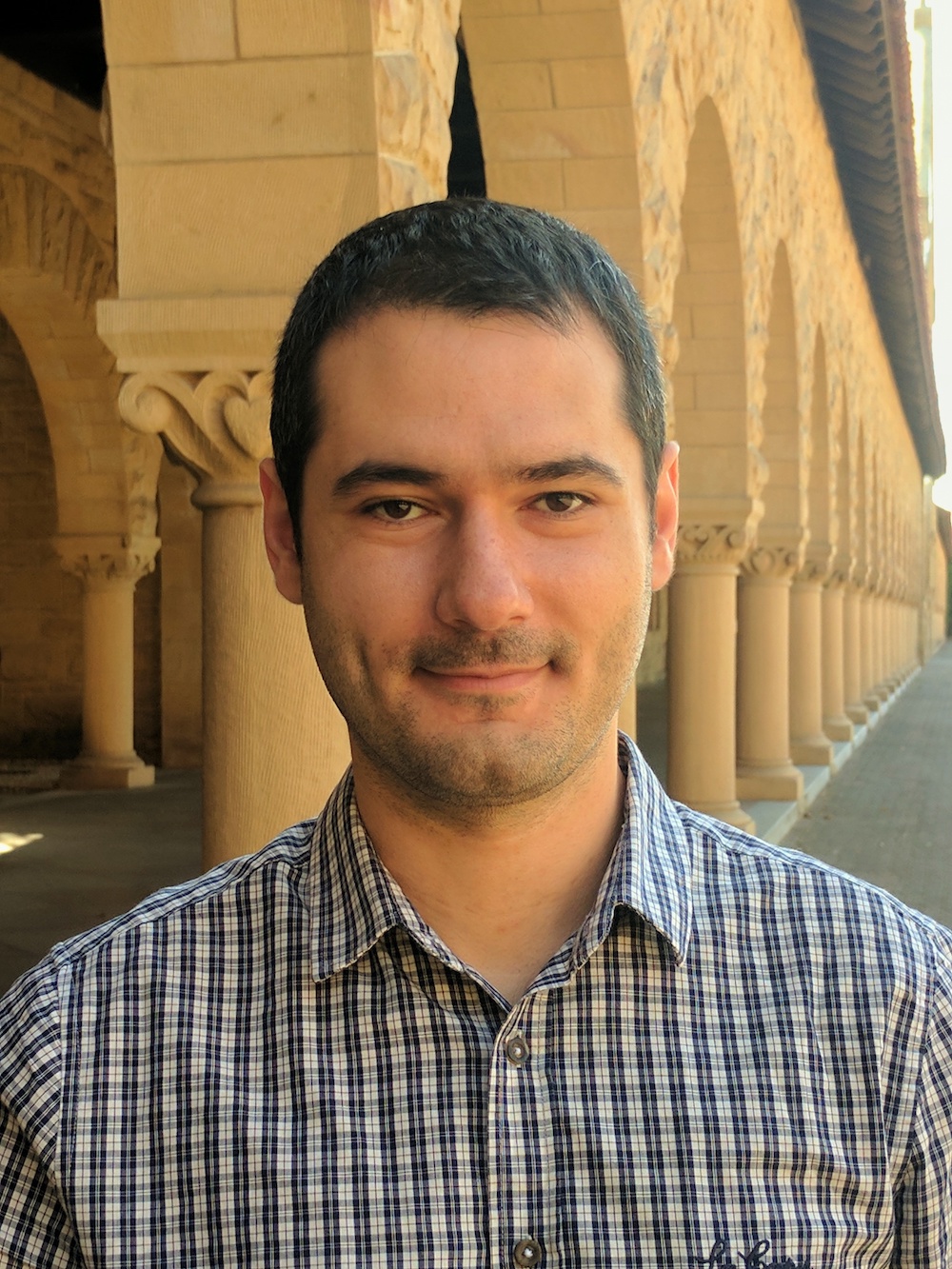
Professor Richard Samworth is a leading academic at the University of Cambridge , affiliated with the Department of Pure Mathematics and Mathematical Statistics and serving as Director of the Statistical Laboratory . His research focuses on Nonparametric and High-dimensional Statistics , addressing challenges in data analysis, statistical learning, and computational methods. Research Interests : Richard Samworth's work emphasizes Nonparametric Statistics , High-dimensional Data , and Statistical Learning . His research spans topics such as Missing Data , Changepoint Detection , Log-concave Density Estimation , and Subgroup Analysis , with applications in Machine Learning and Data Science . Key methodologies include Score Matching , Random Projections , and Minimax Estimation . Recent publications highlight advancements in Semi-Supervised Learning , Robust Statistical Testing , and High-dimensional PCA with heterogeneous missingness. His work bridges theoretical rigor with practical applications, particularly in Statistical Algorithms and Optimization .
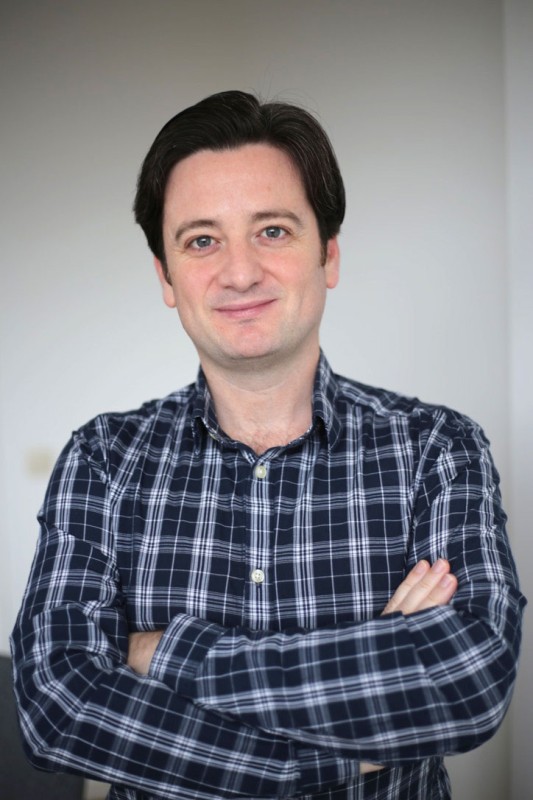
Martin T. Wells is the Charles A. Alexander Professor of Statistical Sciences at Cornell University, with joint appointments in the Department of Statistical Science, Department of Biological Statistics and Computational Biology, Department of Social Statistics, and as Professor of Clinical Epidemiology and Health Services Research at Weill Medical School. He serves as Editor-in-Chief of the ASA-SIAM Book Series and Co-Editor of the Journal of Empirical Legal Studies. Cornell University, Ithaca, NY Weill Cornell Medical College Research Interests span applied and theoretical statistics, Bayesian methods, biostatistics, clinical epidemiology, and computational biology. His work bridges disciplines like finance, legal studies, and health services research. Article Trends highlight advancements in Bayesian modeling, quantum cognition machine learning, tensor analysis, and misclassification correction, with applications in genomics, finance, and public health. Fellow of the American Statistical Association Fellow of the Royal Statistical Society Contributions include developing statistical software (e.g., rTensor), methodological innovations in clinical trials, and empirical legal studies on civil rights and the death penalty.
Professor Janet B. Pierrehumbert is a leading academic in computational linguistics and natural language processing, holding the position of Professor of Language Modelling at the Oxford e-Research Centre, University of Oxford. She is also a Senior Research Fellow at Trinity College and affiliated with the Faculty of Linguistics, Philology and Phonetics. Her work bridges interdisciplinary research in phonology, sociolinguistics, and computational models of language dynamics. Education: PhD in Linguistics from MIT (1980), A.B. in Linguistics from Harvard University (1975). Research Interests: Focuses on computational linguistics, dialect variation, language dynamics, and the societal impacts of NLP. Her group develops algorithms for analyzing social media discourse, forecasting trends, and modeling language evolution. Recent work includes studies on dialect fairness in LLMs and semantic shifts in political discourse. Key Projects: EPSRC-funded research on online forum dynamics, the Wordovators project on lexical innovation, and collaborations with institutions like the Oxford Man Institute. Her work emphasizes robust NLP systems and theoretical linguistics. Awards: ISCA Medal (2020), National Academy of Sciences membership (2019), Fellowships from the American Academy of Arts and Sciences and Cognitive Science Society. Grants & Advising: Over £6M in research funding, including EPSRC and Templeton grants. Supervised over 30 PhD students and postdocs, many now leading academics and industry researchers in NLP and linguistics. Labs/Teams: Leads the Pierrehumbert Language Modelling Group, collaborating with the Oxford e-Research Centre and international partners like Stanford and the University of Canterbury.
Robert Jenssen is a Professor in the Machine Learning Research Group at UiT The Arctic University of Norway and serves as the Director of Visual Intelligence , an 8-year Research Council of Norway-funded SFI center. His research focuses on solving societal challenges in healthcare, marine mapping, energy, and Earth observation through collaborations with industry and public stakeholders. Director, Visual Intelligence (SFI) Center Professor, UiT Adjunct Professor, Pioneer Centre for AI (University of Copenhagen) and Norwegian Computing Center His methodological expertise spans neural networks, information-theoretic learning, self-learning, and explainable AI (XAI). Recent work emphasizes multimodal learning, uncertainty estimation, and medical image analysis. Scientific awards include: Best Paper, Pattern Recognition Letters (2024) Dissertation Award, Norwegian AI Society (2023) Best Paper, Color and Visual Computing Symposium (2022) IEEE GRS Society Letters Prize (2013) Prize for Young Researchers, University of Tromsø (2007) He contributes to international leadership as a member of the Scientific Advisory Board (SAB) for the Max Planck Institute for Intelligent Systems, France's SequoIA AI Excellence Cluster, and Denmark's DIREC center.
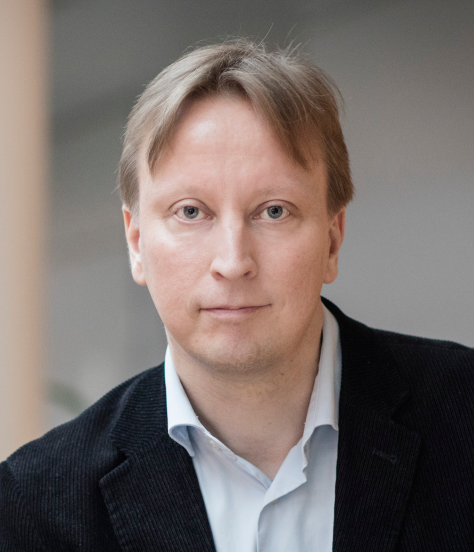
Professor Simo Särkkä holds a position in Sensor Informatics and Medical Technology at the Department of Electrical Engineering and Automation (EEA), Aalto University. His research focuses on multi-sensor data processing, Bayesian filtering, machine learning, and their applications in medical technology, brain imaging, and inverse problems. He leads research groups including the Helsinki Institute for Information Technology (HIIT) and Sensor Informatics and Medical Technology. His work bridges theoretical advancements in probabilistic methods with practical implementations in healthcare and engineering. Key research interests include Gaussian processes, stochastic differential equations, quantum machine learning, and signal processing. He has contributed to advancements in algorithms for nonlinear state-space models, parallel computing techniques, and medical imaging technologies such as scatter correction in CT scans. His methodologies are applied across domains like autonomous systems, robotics, and bioengineering. Notable publications span topics like quantum-assisted Gaussian regression, physics-informed machine learning for industrial processes, and parallel-in-time numerical methods. His work emphasizes computational efficiency and robustness in high-dimensional and real-time systems.
Dr Henry Moss is a Researcher at the Department of Applied Mathematics and Theoretical Physics within the School of Physical Sciences at the University of Cambridge. His work focuses on machine learning applications in climate modeling, Bayesian optimization, and Gaussian processes, bridging computational mathematics with environmental science and chemistry. His research interests include: Bayesian optimization for environmental and chemical systems Reinforcement learning in climate modeling Gaussian processes for molecular property prediction High-throughput machine learning in scientific domains Interpretable AI for coastal flooding prediction Hybrid ML-physics modeling Dr Moss's publications highlight his contributions to federated learning for climate models, sparse Gaussian process techniques, and multi-objective optimization frameworks. These works span applications in weather prediction, chemical engineering, and oceanography. Email: hwm26@cam.ac.uk
Prof. Dr. Gonzalo Guillén Gosálbez is a Full Professor at the Department of Chemistry and Applied Biosciences , ETH Zürich. He holds a PhD in Process Systems Engineering (UPC, 2005) and has held academic positions at Imperial College London (Reader), University of Manchester (Senior Lecturer), and Universitat Rovira i Virgili (Assistant/Associate Professor). His research focuses on Sustainable Chemical Processes , integrating life cycle assessment, optimization techniques, and planetary boundary analysis to evaluate and design low-carbon technologies. Current position: Full Professor, ETH Zürich (2019–present) Prior roles: Imperial College London (2016–2019), University of Manchester (2014–2016), URV Spain (2008–2014) Education: PhD (UPC, 2005), MEng/BEng (University of Murcia) His research explores CO2 valorization , green methanol synthesis , circular marine fuels , and planetary boundary compliance in energy and chemical systems. Recent work emphasizes machine learning for process modeling, single-atom catalysis , and decentralized ammonia production . Scientific contributions include 15+ peer-reviewed articles (2023–2025) in journals like Nature Chemical Engineering , ACS Sustainable Chemistry & Engineering , and Energy & Environmental Science . Key themes: Optimization of hybrid fossil/renewable carbon systems Environmental impacts of energy transitions Catalyst design for sustainable chemistry Life cycle assessment of emerging technologies Awarded UPC Top Doctoral Student Award and Top National Student Award , he combines process systems engineering with sustainability metrics to address global challenges in chemical and energy systems.
Siva Balakrishnan is an Associate Professor at Carnegie Mellon University with a joint appointment in the Department of Statistics and Data Science and the Machine Learning Department . He holds an affiliation with the Dietrich College of Humanities and Social Sciences. Previously, he was a postdoctoral researcher at UC Berkeley's Department of Statistics, advised by Martin Wainwright and Bin Yu, and earned his Ph.D. in Computer Science from CMU's Language Technologies Institute under Jaime Carbonell. His research focuses on statistical machine learning, causal inference, and high-dimensional statistics, with notable contributions to domain adaptation, optimal transport, and robust statistics. Education: Ph.D. in Computer Science, Carnegie Mellon University (Language Technologies Institute) Postdoctoral Researcher, University of California, Berkeley (Department of Statistics) Research Interests: His work bridges theoretical foundations and algorithmic development, emphasizing robust statistical methods and their applications in causal inference, public policy, and machine learning. Key areas include nonparametric methods, optimization, and high-dimensional data analysis. He has pioneered techniques in domain adaptation, such as the RLSbench framework for relaxed label shift scenarios. Awards & Grants: Amazon Research Award (2021) Google Research Scholar Award (2021) NVIDIA Pioneer Award (2018) IMS Lawrence D. Brown Student Award (2020, 2022) National Science Foundation Grants (CCF-1763734, DMS-1713003, etc.) Professional Activities: He serves as an Associate Editor for JASA and on the editorial boards of Foundations and Trends in Statistics . His work has been featured in top venues like NeurIPS, ICML, and the Annals of Statistics. He currently holds a sabbatical at UC Berkeley's Department of Statistics (Spring 2025). Labs & Collaborations: He actively participates in the Statistics and Machine Learning Reading Group and the Causal Inference Working Group , fostering interdisciplinary research in CMU's vibrant academic community.
Murat Erdogdu is an Assistant Professor at the University of Toronto, jointly appointed in the Department of Computer Science and Department of Statistical Sciences . He is also a faculty member at the Vector Institute and holds the CIFAR Chair in Artificial Intelligence . PhD in Statistics, Stanford University (advised by Mohsen Bayati and Andrea Montanari) MSc in Computer Science, Stanford University BSc in Electrical Engineering and Mathematics, Bogazici University His research focuses on machine learning theory , high-dimensional statistics , and optimization . He has contributed to understanding gradient-based algorithms, sampling methods, and feature learning in structured data. Recent publications address problems in: Heavy-tailed sampling Mean-field Langevin dynamics Robust feature learning Minimax regression Stochastic optimization under infinite noise Scientific Awards: CIFAR Chair in Artificial Intelligence ICLR 2023 Spotlight NeurIPS 2019 & 2021 Spotlights He teaches graduate courses like STA 414/2104 (Statistical Methods for Machine Learning II) and STA 4273 (Modern Learning Theory) , emphasizing probabilistic modeling and theoretical analysis.
Joan Bruna is a Full Professor of Computer Science, Data Science, and affiliated Mathematics at New York University's Courant Institute and Center for Data Science. He leads the CILVR group and co-founded the MaD group. His research focuses on mathematical foundations of machine learning, deep learning, signal processing, and their applications in computational science, climate modeling, and geophysics. He holds a Ph.D. in Applied Mathematics from École Polytechnique and has held roles at UC Berkeley, the Institute for Advanced Study, and the Flatiron Institute. Education: Ph.D. (2013) and M.Sc. (2005) in Applied Mathematics, École Polytechnique and ENS Cachan; dual B.Sc./M.Sc. in Telecommunications and Mathematics from UPC Barcelona (2002–2004). Awards include the NSF CAREER Award (2019) and Alfred P. Sloan Fellowship (2018). Research interests span theoretical aspects of deep learning, optimization, and statistical methods, with applications to climate science and inverse problems. He has advised numerous PhD students and postdocs, contributing to seminal work on scattering networks, geometric deep learning, and neural ODEs. Professional service includes editorial roles at TMLR, JMLR, and TPAMI, plus program chairs for major conferences. His work bridges mathematics and machine learning, emphasizing rigorous analysis and real-world impact.
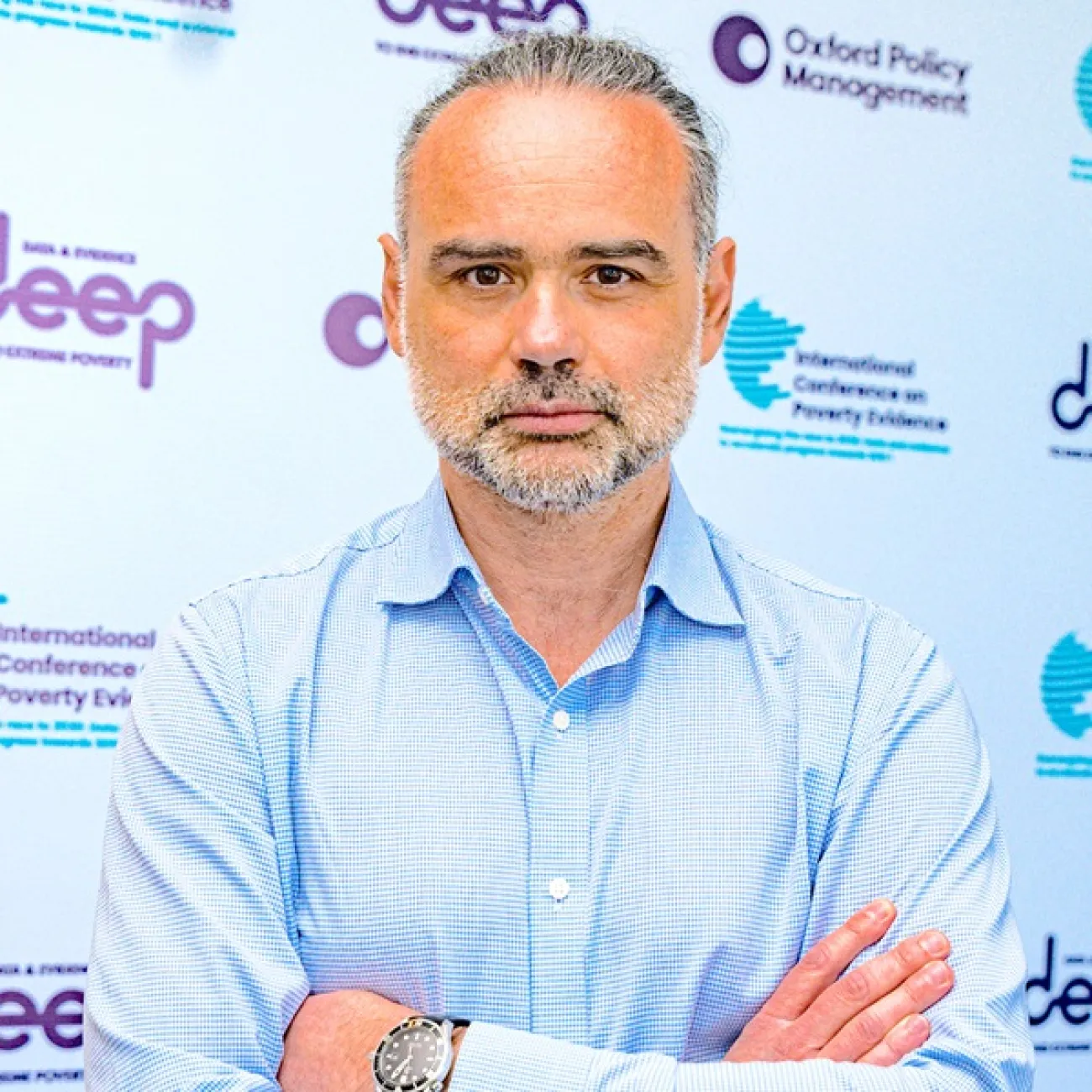
Professor Nikos Tzavidis is a Professor of Statistical Methodology at the University of Southampton . He has held academic positions at institutions including University College London and the University of Manchester, and currently leads research initiatives integrating statistical methodology with geospatial and survey data. His work focuses on Small Area Estimation, official statistics, and poverty mapping, with applications across global development and public policy. Research interests: Small Area Estimation and Official Statistics Outlier Robust Inference Quantile and M-quantile Models Geospatial Data Analysis Poverty Mapping Machine Learning Applications in Statistics Recent research trends emphasize machine learning integration, geospatial data utilization, and advanced quantile modeling for poverty and demographic studies. His publications span journals like the Journal of Official Statistics and the Journal of the Royal Statistical Society . Scientific awards: ISI Fellow (2013) American Statistical Association (2004) Vice Chancellor's Teaching Award (2013) Johann von Spix Professor (2023) He supervises PhD students in social statistics, demography, and geography, and serves on editorial boards for journals including the Journal of Official Statistics . Externally, he has held leadership roles in the International Statistical Institute and contributed to United Nations and World Bank projects.
Professor Nagi Gebraeel serves as the Georgia Power Early Career Professor in the H. Milton Stewart School of Industrial and Systems Engineering at Georgia Institute of Technology, where his research integrates predictive analytics, machine learning, and optimization for industrial IoT applications. His work focuses on real-time equipment diagnostics, prognostics, and operational decision-making in critical infrastructure systems. Education: Ph.D. in Industrial Engineering (2003), Purdue University M.S. in Industrial Engineering (1998), Purdue University Research Focus: Dr. Gebraeel develops statistical learning algorithms for IoT-enabled maintenance, repair, and operations (MRO), with emphasis on federated learning frameworks for distributed fault diagnosis and cybersecurity protection against Industrial Control System (ICS) attacks. His research spans manufacturing, power generation, and deep space habitats through NASA's HOME Space Technology Research Institute, where he pioneers self-aware habitat systems. Recent work addresses data heterogeneity in high-consequence industrial environments using causal-informed analytics. Publication Trends: His 2024-2025 publications demonstrate a strong trajectory toward distributionally robust optimization for maintenance logistics, federated learning architectures for distributed fault diagnosis, and prognostics for complex systems like offshore wind farms and industrial robots. Key themes include handling imbalanced data in fault diagnosis, state-space representations for interdependent systems, and cybersecurity integration in manufacturing networks. Awards and Recognition: NSF CAREER Award (2007) SAE Aircraft Electrical Power System Recognition Award (2008) SAE Materials Modeling and Testing Recognition Award (2006) IEEE-AUTOTESTCON Certificate (2006) Fellow of the Institute of Industrial and Systems Engineers Advising and Funding: Dr. Gebraeel mentors doctoral students including Michael Ibrahim (2025 IISE Best Student Paper winner), Heraldo Rozas (now Assistant Professor at University of Chile), Ayush Mohanty, and Nazal Mohamed. He secured a $500,000 NSF grant in August 2025 for AI-driven cybersecurity in distributed manufacturing networks and leads NASA-funded research on deep space habitat systems. His work bridges academic research with industry applications through Georgia Tech's Strategic Energy Institute collaborations. Research Infrastructure: He directs the Analytics and Prognostics Systems laboratory at Georgia Tech's Manufacturing Institute and leads the Predictive Analytics and Intelligent Systems (PAIS) research group. Previously, he served as associate director of Georgia Tech's Strategic Energy Institute (2014-2019), fostering data science applications in energy systems.
Prof. Eleni Chatzi is a Full Professor and Chair of Structural Mechanics at ETH Zurich's Department of Civil, Environmental and Geomatic Engineering. She holds a PhD from Columbia University (2010) and has held roles from Assistant to Full Professor at ETH since 2010. Her research focuses on intelligent structural monitoring and data-driven asset management, emphasizing nonlinear dynamics and sensor integration. Affiliations : Institute of Structural Engineering, European Academy of Wind Energy (EAWE President), Swiss Community for Computational Methods (SWICCOMAS Chair) Research interests include Structural Health Monitoring (SHM), system identification, and advanced simulation tools. She pioneered work on data-driven diagnostics and self-aware infrastructure, supported by grants like the ERC Starting Grant (2015). Awards include the 2020 Walter L. Huber Prize and 2024 SHM Person of the Year Award. Her work spans wind energy infrastructure, metamaterials for vibration control, and AI-driven structural analytics. Over 600 publications and 200k+ citations highlight her impact. She teaches computational science and structural dynamics in ETH's programs and collaborates globally on sustainable infrastructure projects.
Heather Battey is a Professor in the Department of Mathematics at Imperial College London's Faculty of Natural Sciences. Her work bridges foundational statistical theory with practical scientific applications, focusing on parametrization effects, sparsity, and high-dimensional inference. Education PhD, University of Cambridge (2008-2011) Research Interests Battey's research examines how model structure and parametrization influence inferential procedures, particularly in high-dimensional settings. She investigates the equivalence between sparsity and reparametrization, and challenges traditional Fisherian statistical abstractions through modern practices. Her publications reveal a pattern of innovation in high-dimensional regression, covariance matrix analysis, and statistical methodology for complex data. Collaborations span disciplines including machine learning, economics, and biomedical research. Scientific Awards Fellow of the Institute of Mathematical Statistics (2023) EPSRC Early Career Research Fellowship (2020-2026) EPSRC Postdoctoral Research Fellowship (2017-2020) Advising and Grants Battey supervises PhD students Charlotte Edgar, Jakub Rybak, and Rebecca Lewis, with informal guidance to Henrique Hoeltgebaum. Over 15 pre-doctoral researchers have been mentored in topics ranging from support vector machines to spatial point processes. Current funding includes an EPSRC grant for theoretical foundations of inference with nuisance parameters and prior support for covariance matrix inference.