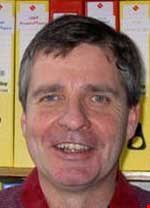
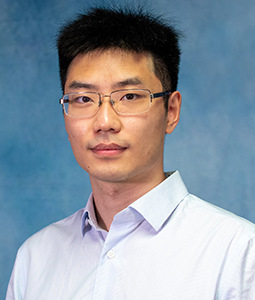
Dr. Cormac Lucas is a Senior Lecturer in the Department of Mathematics at Brunel University London, affiliated with the College of Engineering, Design and Physical Sciences. His work bridges mathematical optimization with practical applications in finance and operations management. Lucas specializes in Mathematical Optimisation Stochastic Optimisation Asset and Liability Management (ALM) Risk Analytics Portfolio Optimization Supply Chain Planning Under Uncertainty His research combines theoretical advancements with industrial projects, such as US Coast Guard Cutter Scheduling, Insight Investment's ALM, and Unilever's Natural Oil Buying Policy. Recent publications (2013–2024) highlight his focus on Portfolio Rebalancing with Transaction Costs Scenario Generation for Stochastic Programming Heuristic Algorithms for Cardinality Constraints Queuing Systems with Standby Servers Robust Supply Chain Planning Financial Derivative Modeling These works utilize methods like Variable Neighbourhood Search, Differential Evolution, and Lagrangian Relaxation. Email: cormac.lucas@brunel.ac.uk
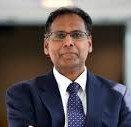
Krish Muralidhar is the Baldwin Chair and Professor of Marketing & Supply Chain Management at the University of Oklahoma's Price College of Business. He holds a Ph.D. from Texas A&M University, an MBA from Sam Houston State University, and a B.Sc. from the University of Madras, India. His research centers on data privacy , developing techniques for secure data analysis, sharing, and dissemination. Key areas include statistical disclosure limitation, differential privacy, database reconstruction risks, and perturbation methods. He patented the Data Shuffling technique for secure data release. Recent publications (2022–2025) focus on census data privacy, reidentification vulnerabilities, and critiques of differential privacy in machine learning. Trends highlight rigorous evaluations of privacy risks in statistical databases and policy-relevant solutions. Awards: Distinguished Doctoral Alumni Award (Texas A&M, 2006) Teaching Incentive Program Award (1994) Excellence in Research Award (1995) Best Inter-disciplinary Paper Award (2002) Best Paper Award (2005) No advising, grant, lab, or team details were provided.
Anthony Kelly serves as a Postdoctoral Research Fellow in the Department of Electronic and Computer Engineering within the Faculty of Science and Engineering at the University of Limerick, Ireland, with his office located in E2-006. His affiliation spans both engineering and healthcare domains through interdisciplinary research initiatives. His research demonstrates dual expertise in artificial intelligence applications for healthcare and advanced power electronics. In healthcare AI, he develops interpretable mental health models, diabetes management chatbots, and comorbid condition interventions with emphasis on clinician trust and safety evaluation. In power systems, he pioneers digital control techniques for DC-DC converters, FPGA power management, and machine learning-integrated circuit designs. This bifurcated focus reveals a strategic transition from hardware-centric research (2005-2019) toward AI-health convergence (2024-2025). Analysis of his 15 most recent publications shows a pronounced shift toward healthcare AI since 2024, with 80% of current work addressing mental health modeling, diabetes chatbots, and comorbid condition management. Earlier publications (2009-2019) consistently focused on power electronics innovations including current-sharing algorithms, adaptive controllers, and FPGA-based systems, establishing foundational expertise later applied to healthcare technology development.
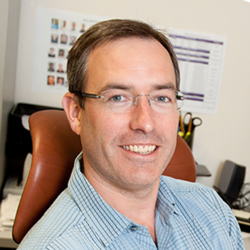
Dr Matthias Kramer is a Senior Lecturer at the UNSW Canberra , School of Engineering and Information Technology. He has previously worked at the University of Queensland and the University of Stuttgart. His research focuses on open-channel hydrodynamics with an emphasis on multiphase flows, hydraulic structures, and measurement instrumentation. Education: PhD from University of Stuttgart (2015) on 'Air demand of impulse turbines in counter pressure operation' His research interests include open-channel flow dynamics, multiphase flow analysis, and the development of innovative flow measurement technologies . He has extensively published on topics such as air-water flow properties , turbulent free-surface flows , and plastic pollution transport in fluvial systems. His recent publications demonstrate a focus on environmental engineering , with strong emphasis on fluid dynamics , instrumentation , and hydrological systems . These works include studies on air-water flow measurement , plastic transport modeling , and hydraulic structure design . Dr Kramer has received multiple scientific awards including: UNSW Rector Funded Visiting Fellowship Research Infrastructure Scheme (Combined open-channel/wave flume) Substantial merit-based startup grant (UNSW Canberra) Establishment award (UNSW Canberra) DFG research fellowship on 'Air-water mass transfer at hydraulic structures' He currently supervises PhD candidate Hanwen Cui (joint with Dr Stefan Felder) and Masters student Reilly Cox (UNSW Sydney). Dr Kramer is involved in hydro-environmental research infrastructure at UNSW and serves on the Editorial Panel of ICE Water Management .
Professor Shan Rajendra is a distinguished researcher in the Faculty of Medicine at the University of New South Wales, specializing in gastroenterology with a particular focus on the relationship between human papillomavirus (HPV) and esophageal pathologies. His work is conducted through NSW Health in Liverpool, NSW, where he leads research investigating the infectious causes of gastrointestinal cancer with special emphasis on Barrett's oesophagus. Professor Rajendra's research interests center on oesophageal cancer , human papillomavirus , Barrett's oesophagus , and the Barrett's metaplasia-dysplasia-adenocarcinoma sequence . His laboratory employs histopathology and molecular biology techniques to investigate the mechanisms by which high-risk HPV contributes to esophageal carcinogenesis. A significant contribution to the field was his world-first demonstration of the strong association between transcriptionally active high-risk HPV and both Barrett's dysplasia and oesophageal adenocarcinoma, with increasing viral load correlating with greater disease severity. His publication record includes 53 journal articles, 10 conference papers, and 1 book chapter, reflecting substantial contributions to understanding HPV's role in esophageal cancer development. The research has important implications for potential vaccination strategies against a subset of esophageal cancers. Professor Rajendra maintains active clinical and research connections through his work at NSW Health, with his findings contributing to both basic science understanding and potential clinical applications in cancer prevention and early detection.
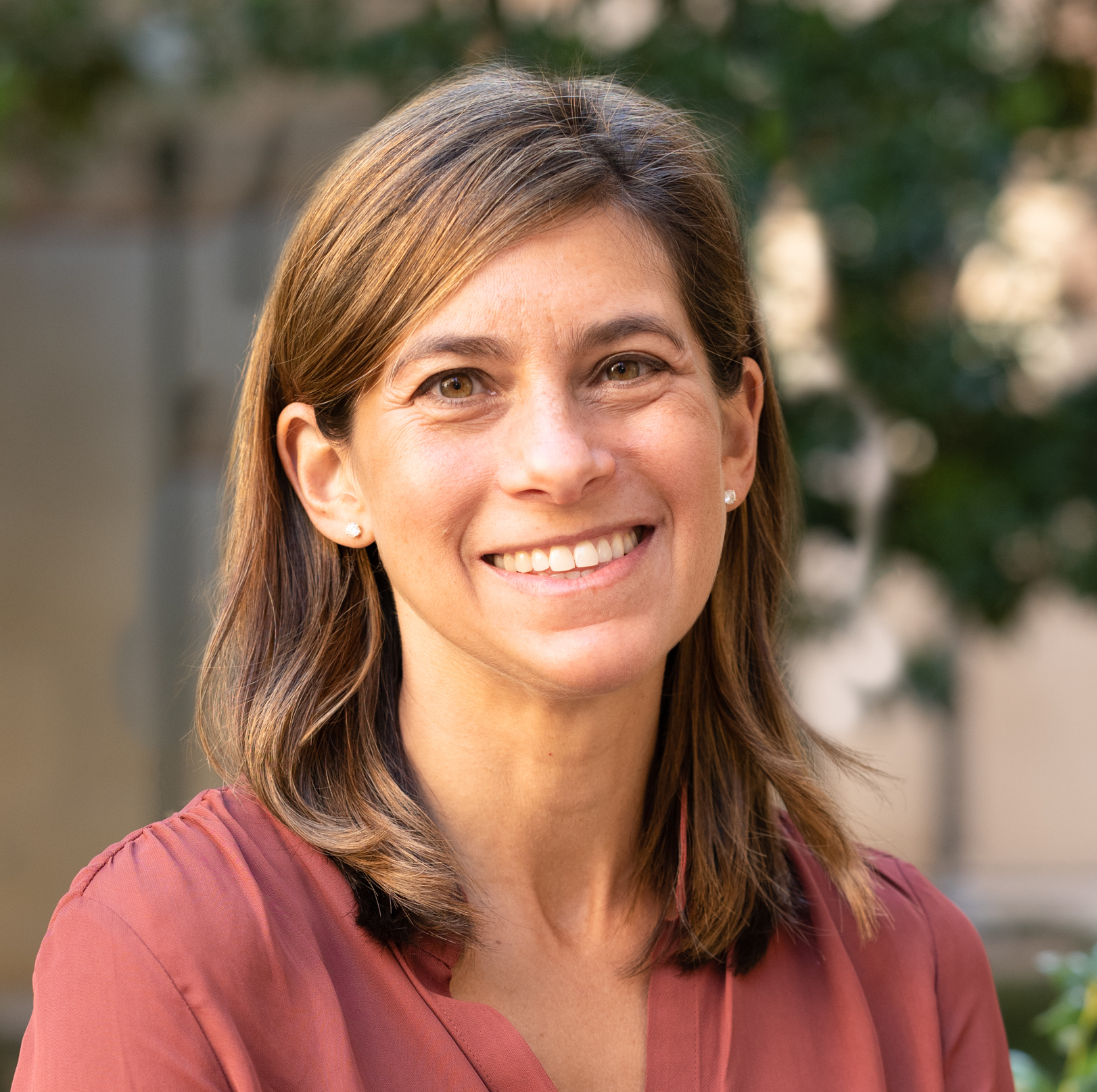
Associate Professor Judith Greer is a prominent immunologist at the University of Queensland Centre for Clinical Research , affiliated with the Faculty of Health, Medicine and Behavioural Sciences . Her work bridges neuroimmunology and autoimmune disease research, particularly focusing on multiple sclerosis and emerging connections to psychosis . As co-founder of Neuroimmunology Australia and Asia-Pacific representative for the Global Schools of Neuroimmunology , she has shaped international collaboration in this field. PhD in Cancer Immunology, University of Queensland Postdoctoral Training: Harvard Medical School Holds leadership roles in UQ's School of Medicine (2000-2023) Her research spans three key domains: autoimmune targeting of CNS components in MS, epigenetic mechanisms in immune disorders, and preclinical model refinement for better therapeutic translation. Analysis of her 15 most recent publications reveals consistent focus on HLA interactions , neuroinflammatory signaling (NF-κB pathway), and helminth-derived therapeutics for autoimmune modulation. She maintains active roles in research training and scientific editorial boards including Frontiers in Immunology and Journal of Neuroimmunology , while her clinical work connects peripheral immune profiling with CNS lesion localization . Despite no explicit awards listed, her 146 total publications and 2018 International Congress leadership demonstrate significant impact.
Prof. Dr. Eileen Eckmeier serves as Director of the Institute for Ecosystem Research at Christian-Albrechts-University of Kiel and holds a W3 Professorship in Geoarchaeology and Environmental Risks. She concurrently acts as Co-spokesperson of the ROOTS Cluster of Excellence (since October 2023), Spokesperson of the ROOTS subcluster "Socio-Environmental Hazards," Vice President of DEUQUA (German Quaternary Association), and Board member of multiple academic organizations including the Soil and Archaeology Working Group of the German Soil Science Society. Her educational background includes a Dr. sc. nat. from the University of Zurich (2007) with award from the Faculty of Mathematics and Natural Sciences for her dissertation "Detecting prehistoric fire-based farming using biogeochemical markers," and a Diploma in Geography from the University of Cologne (2002) with minors in Soil Science, Prehistory and Early History, and History. Eckmeier's research centers on soil geography and geoarchaeology , particularly human-environment relationships during the Holocene where soils serve as both resources and archives of human activity. Her work investigates changes in soil properties due to land use and climate change across spatial and temporal scales, with geographical focus spanning European and Asian loess/steppe landscapes (Central Europe, Middle East, Mongolia), North Frisian Islands, the Alps, and African savannahs. She employs interdisciplinary approaches combining soil science, archaeology, and paleoenvironmental reconstruction. Analysis of her 15 most recent publications reveals strong emphasis on paleoenvironmental reconstruction through soil archives , with significant contributions to understanding prehistoric agriculture, loess-paleosol sequences, and human impacts on landscapes. Key thematic clusters include Neolithic fertilization practices, ridge and furrow cultivation systems, wildfire impacts on soils, and tectonic-landscape-human interactions in critical regions like the Kenya Rift and European loess belts. Award from Faculty of Mathematics and Natural Sciences, University of Zurich As Director of the Institute for Ecosystem Research and Co-spokesperson of the ROOTS Cluster of Excellence, Eckmeier leads major research initiatives examining societal, environmental, and cultural change. Her leadership extends to the Scientific Advisory Board of the Stone Age Park Dithmarschen and multiple institutional boards focused on Quaternary research and soil-archaeology integration. Current projects investigate socio-environmental hazards through the ROOTS framework while maintaining active fieldwork in diverse global landscapes from European loess regions to African savannahs. Eckmeier directs research teams within the Institute for Ecosystem Research's Geoarchaeology and Environmental Risks group, coordinating work across multiple specialized units including Geobotany, Environmental History and Archives, Applied Ecology and Paleoecology, and Technical Platform teams. Her ROOTS Cluster leadership integrates these efforts into a comprehensive framework examining human responses to environmental change over millennia.
Stefan Rass is a Professor at the Institute of Networks and Security within the Faculty of Engineering & Natural Sciences at Johannes Kepler University Linz (JKU), where he leads the LIT Secure and Correct Systems Lab. As Principal Investigator for FFG-funded projects including reSilienz (digital supply chain resilience, 2023–2025) and ITPUK (AI signature verification, 2022–2024), he bridges theoretical game theory with practical cybersecurity solutions for critical infrastructures and robotics systems. His research spans game-theoretic security models (patrolling games, defense-in-depth strategies), quantum cryptography (QKD network architectures), and cyber deception frameworks like Honeyquest for measuring honeypot effectiveness. Recent work addresses robotics security benchmarking (RobotPerf), cryptographic instruction chaining for control flow protection, and risk assessment methodologies for interdependent infrastructures. His mathematical decision-making approach integrates bounded rationality and stochastic modeling to solve real-world security challenges. Professor Rass actively shapes the field through program committee roles (ARES 2023), peer reviews, and invited talks on security transparency. His current projects focus on cost-benefit-aware monitoring for cyber-physical systems and quantum key distribution standardization, reflecting Austria’s strategic priorities in digital resilience. The LIT Secure and Correct Systems Lab under his direction develops foundational theories while deploying tools for industrial applications, particularly in critical infrastructure protection and secure robotics workflows.
Dr Helen Parker is a Research Fellow in the Discipline of Exercise & Sport Science, School of Health Sciences, at the University of Sydney. Her work bridges nutrition, exercise science, and women's health. She holds a PhD (2015) and a Graduate Certificate in Educational Studies (2019), and is a Fellow of the Higher Education Academy. Her research explores body composition, omega-3 supplementation, gamified mobile apps for cardiac rehabilitation, and weight stigma in young women. Research trends from her 15 most recent publications (2025–2015) span cardiometabolic health, digital health interventions, obesity management, and behavioral nutrition. Key projects include the MyHeartMate gamification app and the everyBODY study targeting weight stigma. Scientific awards: Heart Foundation Vanguard Grant Rotary Mental Health Australia Funding Australia Nutrition Trust Fund Scholarship Multiple Higher Education and Research Society Awards She teaches in the Bachelor of Applied Science (Exercise & Sport Science, Exercise Physiology) and guest lectures across Physiotherapy, Nursing, and Nutrition programs. Active in professional societies including the Nutrition Society of Australia and Australian Cardiac Rehabilitation Association .
Ernest Blatchley is the Lee A. Rieth Professor in Environmental Engineering and Professor in Environmental and Ecological Engineering at Purdue University's Lyles School of Civil and Construction Engineering. His research focuses on advancing UV-based technologies for water and air disinfection, mitigating disinfection byproducts, and sustainable water systems in underserved regions. He leads projects addressing public health challenges through innovative engineering solutions. Blatchley’s work spans indoor pool water chemistry, far-UVC radiation applications, and microbial risk assessment during pandemics. His lab develops UV photoreactor designs and evaluates their performance in real-world settings. Key contributions include frameworks for bioaerosol control in HVAC systems and sustainable water treatment in the Dominican Republic. Key Research Themes: UV Disinfection, Water Quality, Environmental Health Notable Projects: Far-UVC for Pandemic Control, Sustainable Water Access, Swimming Pool Chemistry His recent studies analyze UV-C air cleaners’ efficacy, UV-induced byproduct formation in chlorinated pools, and dual-wavelength UV microbial inactivation. Blatchley’s research bridges fundamental science and practical implementation, emphasizing scalability and global impact. Advising and grants: Blatchley’s research is supported by grants focused on water security and public health, though specific student advisees are not listed here. He collaborates with interdisciplinary teams to address environmental challenges in developing regions. Labs/Teams: Active in Purdue's Environmental Engineering research groups, contributing to initiatives like the Global Engineering Program.
Lauren Ancel Meyers is the Cooley Centennial Professor of Integrative Biology, Statistics and Data Sciences, and Population Health at The University of Texas at Austin. She serves as Director of the Center for Pandemic Decision Science and founded the UT COVID-19 Modeling Consortium. An expert in infectious disease modeling, Dr. Meyers develops computational tools for pandemic forecasting and control strategies used by CDC, NIH, and global health agencies. Education includes: Ph.D. in Biological Sciences, Stanford University (2000) B.A. in Mathematics & Philosophy, Harvard University (1996) NSF Postdoctoral Fellow at Emory University and Santa Fe Institute (2000-2002) Her research focuses on network epidemiology, machine learning applications in public health, and optimization of disease surveillance systems. She leads interdisciplinary teams studying influenza, Ebola, Zika, and COVID-19 transmission dynamics, with work featured in over 100 peer-reviewed publications. Recent research demonstrates strong focus on pandemic modeling (COVID-19 forecasting dashboards), vaccination strategies, and healthcare resource optimization during outbreaks. Publications show emerging interest in zoonotic disease interfaces and antiviral treatment effectiveness. Awards and honors: MIT Technology Review TR100 Top Global Innovators Under 35 (2004) Samuel Karlin Prize for PhD Thesis (2000) Donald D. Harrington Faculty Fellowship (2010-2011) National Science Foundation Postdoctoral Fellowship (2000-2002) College of Natural Sciences Teaching Excellence Award (2005) Dr. Meyers directs NIH/CDC-funded initiatives developing decision-support tools for public health agencies, and has trained numerous graduate students who now hold positions in academia and industry. She leads laboratories focused on pandemic response innovation and computational epidemiology.
Seyyed Abolfazl Hosseini is a Research Professor at the Bureau of Economic Geology within the Jackson School of Geosciences at The University of Texas at Austin. His expertise spans fluid flow in porous media, CO2 sequestration, reservoir modeling, and unconventional reservoir engineering. He holds a B.Sc. in Chemical Engineering from the University of Isfahan (2002), an M.Sc. in Chemical Engineering (Biotechnology) from Sharif University of Technology (2005), and a Ph.D. in Petroleum Engineering from the University of Tulsa (2008). Education: B.Sc., Chemical Engineering, University of Isfahan (2002) M.Sc., Chemical Engineering (Biotechnology), Sharif University of Technology (2005) Ph.D., Petroleum Engineering, University of Tulsa (2008) Professional History: Research Professor, Bureau of Economic Geology (2023–Present) Senior Research Scientist, Bureau of Economic Geology (2021–2023) Research Scientist, Bureau of Economic Geology (2016–2021) Research Associate, Bureau of Economic Geology (2010–2016) His research focuses on enhancing oil recovery, CO2 geological storage, upscaling techniques, and multiphase flow dynamics. Key areas include reservoir simulation, CO2 sequestration risk assessment, and machine learning applications in subsurface modeling. He has contributed to over 100 peer-reviewed publications and holds awards for his impactful work in carbon storage and reservoir engineering. Recent work emphasizes leveraging AI/ML for rapid CO2 plume prediction, optimizing site selection workflows for large-scale storage projects, and advancing understanding of hydrogen storage mechanisms in subsurface formations. Awards: 2024 Tinker Family BEG Publication Award Best Paper Award at 2013 COMSOL Conference Career-Development Publications Award (2011) Grants & Funding: Principal Investigator: Science-Informed Machine Learning for Real-time Decisions in Subsurface Applications (DOE) Co-PI: SECARB USA Regional CO2 Storage Project (2019–2024) He leads initiatives such as the SMART Initiative (Machine Learning for CCS) and serves on editorial boards and professional committees in petroleum engineering and geoscience.
Daniel W. Apley is Professor of Industrial Engineering and Management Sciences at the McCormick School of Engineering and Applied Science, Northwestern University, where he has served since 2003. He is Editor-in-Chief-Elect of Technometrics and previously Editor-in-Chief of the Journal of Quality Technology . He is also affiliated with Northwestern’s Master of Science in Machine Learning and Data Science Program. Education PhD Mechanical Engineering, University of Michigan, Ann Arbor MS Electrical Engineering, University of Michigan, Ann Arbor MS Mechanical Engineering, University of Michigan, Ann Arbor BS Mechanical Engineering, University of Michigan, Ann Arbor Research Interests Professor Apley is an industrial statistician whose work sits at the intersection of engineering modeling, statistical analysis, and predictive analytics. His major thrusts include statistical modeling of complex engineering and enterprise systems, machine learning for manufacturing data, quality engineering and Six Sigma methodologies, and computer-experiment–based design optimization under uncertainty. Recent applications span healthcare risk modeling, credit-risk analytics, materials microstructure prediction, and autonomous process control. Scientific Awards NSF CAREER Award IIE Transactions Best Paper Award (Quality & Reliability) Wilcoxon Prize for best practical application paper in Technometrics Teaching & Advising At Northwestern he teaches undergraduate courses in Statistical Methods for Quality Improvement, Introductory Statistics, and Statistical Tools for Data Mining, as well as graduate courses in Predictive Analytics, Engineering Applications of Data Mining, and Intermediate Statistics. His research has been supported by numerous industrial partners and federal agencies, underscoring a strong record of funded graduate and post-doctoral advising. Leadership & Service Beyond editorial roles, Professor Apley has chaired the Quality, Statistics & Reliability Section of INFORMS and served as Director of the Manufacturing and Design Engineering Program at Northwestern, shaping interdisciplinary curriculum and research initiatives.
Glen McGee is an Assistant Professor in the Department of Statistics and Actuarial Science at the University of Waterloo. He holds a PhD in Biostatistics from Harvard University and a BScH in Mathematics from Queen's University. His research focuses on developing statistical tools for epidemiology, environmental health, and health policy, with a particular emphasis on environmental mixture analysis, cluster-correlated data modeling, and outcome-dependent sampling methodologies. Education : PhD in Biostatistics, Harvard University BScH in Mathematics, Queen's University Research Interests : McGee advances methodologies for analyzing complex environmental mixtures and their health impacts, including incorporation of biological knowledge into statistical frameworks. His work addresses challenges in multigenerational studies, informative cluster sizes, and measurement error correction in case-crossover designs. Key application areas include hospital profiling, exposure misclassification, and longitudinal health data analysis. Research Trends : His publications emphasize Bayesian methods for mixture modeling, innovative sampling strategies for clustered data, and causal inference techniques. Notable contributions include frameworks for integrating biological pathways into environmental health analyses and developing efficient sampling approaches for healthcare performance evaluation. Grants & Labs : McGee collaborates on projects involving CMS data applications and maintains GitHub repositories like hospODS for hospital profiling methodology implementation. His work bridges statistical theory with practical public health applications, particularly in environmental epidemiology and healthcare analytics.
Qi Zhang is an Assistant Professor in the Department of Computer Science and Engineering, AI Institute at the Molinaroli College of Engineering and Computing, University of South Carolina. His research focuses on developing safe, reliable, and trustworthy AI systems through advancements in reinforcement learning and decision-making algorithms for uncertain environments. He holds a Ph.D. from the University of Michigan (2020) and a B.E. from Shanghai Jiao Tong University (2015). Research interests include artificial intelligence, reinforcement learning, multi-agent systems, and decision-making under uncertainty. Key themes involve leveraging domain knowledge for robust AI solutions and ensuring ethical, transparent, and risk-aware system designs. His work spans applications in autonomous systems, healthcare, robotics, and materials science. Current projects emphasize improving algorithmic trustworthiness, safety, and adaptability across diverse contexts. He is affiliated with the AI Institute at USC and maintains an active research lab focused on these areas.