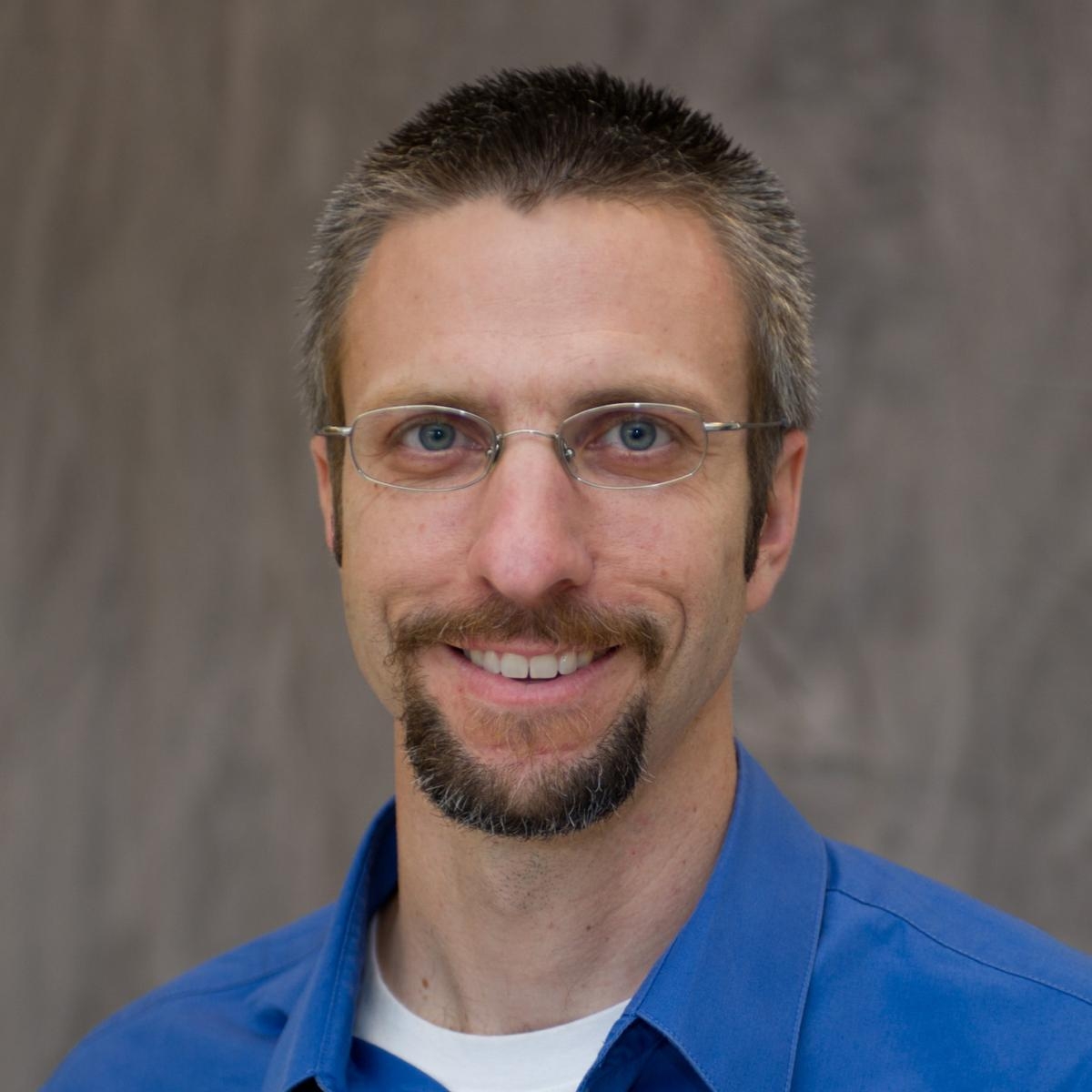
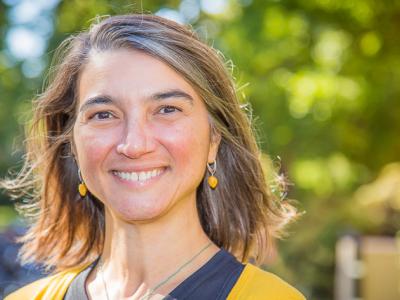
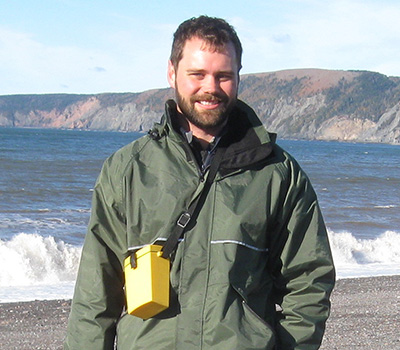
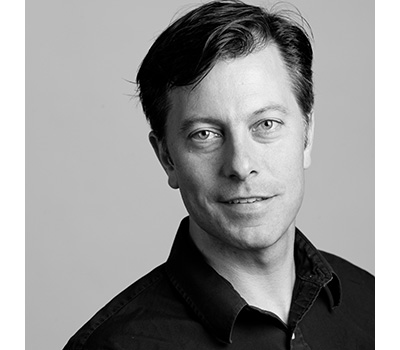
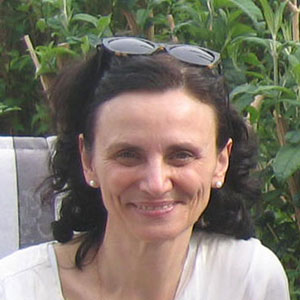
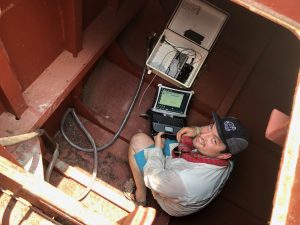
Professor Gerd Masselink is a leading authority on coastal geomorphology at the University of Plymouth, specifically in the School of Biological and Marine Sciences. He heads the Coastal Processes Research Group (CPRG), the largest such group in the UK, specializing in extreme storm impacts, climate change adaptation, and coastal management. His work spans global research, including coral reef islands, sediment dynamics, and beach hazard mitigation. He holds a PhD from Sydney University and has over 25 years of field and numerical modeling expertise, with 150+ publications (h-index 68). Current projects include the EA-funded 'Making Space for Sand' and UKRI's ARISE project on atoll resilience. He co-founded CMAR consultancy and authored textbooks like Introduction to Coastal Processes and Geomorphology . Research focuses on extreme storms' coastal effects, including erosion, flooding, and dune dynamics. He supervises 25+ PhD students and collaborates internationally on rip current forecasting, sediment budgets, and climate adaptation strategies. His work informs coastal policy and safety, such as RNLI beach hazard research and UK National Marine Park initiatives.
Kevin A. Haas is a Professor of Civil Engineering and Associate Chair for Undergraduate Programs at the Georgia Institute of Technology's School of Civil and Environmental Engineering, part of the team developing Coastal Engineering programs in Savannah. He holds a B.S. (Ohio State University, 1994), M.S. (Ohio State University), and Ph.D. (University of Delaware, 2001) in Civil/Coastal Engineering, followed by a postdoctoral fellowship at the University of Delaware. Education: B.S. in Civil Engineering (Distinction), The Ohio State University, 1994 M.S. in Civil Engineering, The Ohio State University, 1997 Ph.D. in Coastal Engineering, University of Delaware, 2001 Research Interests: Focuses on coastal dynamics, numerical modeling of nearshore circulation, sediment transport, and hydrodynamics of rip currents. Explores wave energy extraction, tidal marsh sediment transport, and applications of video-based field observations. His work bridges environmental engineering and renewable energy, emphasizing sustainable coastal systems. Key Achievements: Recipient of the Delaware Sea Grant Award for outstanding Ph.D. research on rip currents Lead in securing a $1M educational grant for undergraduate programs at Georgia Tech Active in developing tidal and wave energy assessment methodologies Grants & Labs: Principal investigator on projects funded by federal agencies and industry partnerships Conducts fieldwork and modeling at Georgia Tech's Savannah campus and coastal sites Collaborates with USGS, NOAA, and international teams on marine energy initiatives
Christine Baker is an Assistant Professor in Civil & Environmental Engineering at Stanford University , part of the School of Engineering . She leads the Environmental Fluid Mechanics Lab , focusing on coastal processes, wave dynamics, and climate change impacts. Her research explores nearshore currents, sediment transport, and coastal hazards like rip currents, using tools such as LiDAR, 3D modeling, and a custom wave tank (11m x 5m) to simulate multidirectional waves. Her work addresses how rising sea levels and extreme storms reshape coastlines, emphasizing interdisciplinary approaches to coastal ecosystems, public health, and infrastructure resilience. She collaborates with federal agencies like the Army Corps of Engineers to improve predictive models for coastal management. Dr. Baker prioritizes equitable student admission and fosters a lab environment centered on mental health and diversity. Key research themes include surfzone eddies, rip current dynamics, and dune erosion during storms. Her studies integrate field measurements (e.g., LiDAR for dune evolution) with experimental and numerical models to enhance understanding of coastal processes. Labs/Teams: Environmental Fluid Mechanics Lab (wave tank experiments) Future Work: Interdisciplinary projects on coastal ecosystems and public health impacts
Eric Barthélemy is a University Professor at Grenoble Institute of Technology (ENSE3) and has been a member of the Laboratory of Geophysical and Industrial Flows (LEGI) since 1989. His research focuses on wave dynamics , coastal physics , and hydro-sedimentary mechanisms driving coastal evolution. Research Interests Gravity wave and soliton gas dynamics Coastal morphological changes (event and long-term scales) Vorticity dynamics in surge zones Sediment transport mechanisms (sheet/plug flow) Substrate stability under non-permanent flows Publications & Research Trends : His work spans experimental (wave channels, wind tunnels), analytical, and numerical studies of shallow water wave turbulence, rip current vorticity, sediment transport in coastal zones, and soliton gas statistics. Collaborations include N. Mordant, H. Michallet, and R. Cienfuegos. Teaching : Lectures on wave mechanics , sediment transport , and free surface flows at the master's level. Labs & Teams : Works with the MEIGE team and utilizes LEGI facilities like the wave channel and variable slope channel. Technical collaborators include J.-M. Barnoud and C. Rousseau (ENSE3).
Tuba Ozkan-Haller is the current Dean of the College of Earth, Ocean, and Atmospheric Sciences and a Professor in the Department of Civil and Construction Engineering at Oregon State University. She holds a B.S. from Bogazici University (1991), an M.C.E. from the University of Delaware (1994), and a Ph.D. in Civil Engineering from the University of Delaware (1998). Her research focuses on nearshore ocean dynamics, including wave modeling, coastal circulation, and bathymetric change prediction. She applies numerical models to study coastal hazards like sneaker waves and extreme runup events, integrating field data with laboratory experiments. Key research interests include the impact of wave energy converters on coastal systems, data assimilation techniques for improving bathymetry estimates, and the physics of wave breaking in deep water. Ozkan-Haller collaborates on projects like the Pacific Marine Energy Center (PMEC) and uses machine learning to refine wave model accuracy. Her work bridges academia and policy, advocating for federal support in ocean science and advancing equity in STEM education through institutional transformation initiatives. Her articles highlight contributions to understanding coastal hazards, wave-structure interactions, and interdisciplinary applications of oceanography. Collaborations include biologging studies with marine species and multi-scale modeling efforts for tidal inlets. Ozkan-Haller’s research has implications for coastal resilience, renewable energy development, and informed environmental policy.
Greg Wilson is an Associate Professor in the College of Earth, Ocean, and Atmospheric Sciences (CEOAS) at Oregon State University, where he leads the Wilson Nearshore Research Group within the Coastal Imaging Laboratory (CIL). His research centers on the physics of nearshore coastal processes, including wave dynamics, sediment transport, and current systems, utilizing observational tools and probabilistic modeling approaches. Wilson specializes in acoustic remote sensing, data assimilation for bathymetry inversion, and rip current forecasting, with applications extending from beaches to rivers and inlets. His work emphasizes field measurements using Argus beach cameras, UAVs, and novel instrumentation to address coastal hazards and morphological changes through statistical and numerical frameworks. Analysis of his 2024-2025 publications reveals a pronounced focus on rocky shore dynamics, wave runup prediction on composite beaches, and innovative marine-bird-based environmental monitoring. These studies integrate multiscale remote sensing, field experiments, and modeling to tackle challenges in nearshore circulation, sediment transport, and wave energy dissipation. No scientific awards were mentioned in the provided text. Wilson actively recruits graduate and undergraduate researchers for projects involving surf zone modeling, data assimilation, and coastal hazard prediction. His collaborations with coastal engineers indicate applied research translating into practical coastal management solutions, though specific grant details were not provided. As part of the CIL, he utilizes advanced technologies including Argus imagery, marine radar, and biologging to study nearshore processes, with recent work emphasizing rocky shore environments and infragravity wave interactions.
Dr. Tim Scott is an Associate Professor of Ocean Exploration at the University of Plymouth , leading the MSc Hydrography programme and serving on the Executive Board of the National Centre for Coastal Autonomy. His research focuses on coastal hazards, geomorphology, and autonomous survey technologies, with over 20 years of field experience in hydrographic data analysis and international collaborations. Research Interests : - Beach and submarine geomorphology - Coastal morphodynamics and sediment transport - Rip currents and storm impacts - Seagrass habitat monitoring via autonomous platforms - Coastal hazard risk assessment tools for operational use Awards : - 2021 SSTAR Programme Leader of the Year Award - 2001 Derbyshire Prize for Oceanography Excellence Advising & Grants : Supervised 13 PhD students (3 as Director of Studies) and led/co-investigated ~£12M in grants, including: £3M NERC gravel beach resilience project (2024–2026) £870K FISP Ropes to Reefs ecological assessment (2023–2025) Autonomous seagrass survey innovations with Innovate UK/DEFRA Labs/Teams : Leads the Coastal Marine Applied Research (CMAR) consultancy and collaborates with RNLI, UK Met Office, and international universities on coastal risk mitigation.
Merrick Haller is a Professor in the School of Civil and Construction Engineering at Oregon State University, College of Engineering. He holds a joint appointment and is actively involved in coastal and ocean engineering research and education. His work is centered at the interface of remote sensing and coastal dynamics, with strong institutional support and collaboration across multiple agencies. Education: Ph.D., Civil Engineering, University of Delaware, 1999 M.C.E., Civil Engineering, University of Delaware, 1996 B.S., Earth & Atmospheric Sciences (Geophysics), Purdue University, 1993 Professor Haller’s research focuses on developing and applying remote sensing tools—particularly X-band marine radar—to study coastal ocean processes. His primary interests include nearshore remote sensing, wave transformation, rip currents, sediment transport, wave-current interaction, and hazardous waves at navigational inlets. His teaching encompasses hydraulics, wave mechanics, and coastal engineering. He previously coordinated the coastal and ocean program (2003–2010) and served as associate head of the School for seven years. The trends in his research, as reflected in recent and representative publications, emphasize real-time monitoring, data assimilation, and predictive modeling using radar and optical systems. Key themes include bathymetry estimation (e.g., cBathy), wave forecasting for wave energy applications, and submesoscale frontal dynamics. His work integrates field deployments, laboratory experiments, and numerical modeling, often in collaboration with NOAA, ONR, and USACE. Scientific Awards: 2007 Editors' Citation for Excellence in Refereeing, Journal of Geophysical Research-Oceans 2002 Editors' Citation for Excellence in Refereeing, Journal of Geophysical Research-Oceans Professor Haller leads the Haller Research Group and has advised numerous Ph.D. and M.S. students, many of whom have pursued careers in coastal engineering, government agencies, and academia. His research has been funded by the Office of Naval Research, Department of Energy, National Science Foundation, NOAA, Sea Grant, and the U.S. Army Corps of Engineers. He is a key contributor to major projects such as DARLA and NANOOS, involving radar deployments at New River Inlet, Cape Disappointment, and Yaquina Bay. He also collaborates with the Coastal Imaging Laboratory and the University of Washington’s Applied Physics Laboratory. Labs and Research Teams: He is affiliated with the Haller Research Group, the Nearshore Remote Sensing Group, and the DARLA project team. His group operates the Wave Imaging Marine Radar (WIMR) system and contributes to the National Marine Renewable Energy Center (now Pacific Marine Energy Center). Field sites include the Columbia River mouth, Newport, and New River Inlet, where radar and camera systems are deployed for coastal monitoring.
Luciana Fenoglio is an Associate Professor at the Space Geodesy and Geodynamics Unit, Onsala Space Observatory (Chalmers University of Technology) and a Senior Academic Councillor at the Institute for Geodesy and Geoinformation, University of Bonn. She joined the University of Bonn in 2015 and holds a habilitation in Physical Geodesy from the Technical University of Darmstadt (2014). Her research focuses on satellite geodesy, altimetry, and monitoring water cycle dynamics. Research Interests: Dr. Fenoglio investigates small-scale ocean variability, sea level change, satellite altimetry techniques (conventional and delay Doppler), coastal data retracking methods, and height reference systems. Her work bridges geodesy, oceanography, and hydrology, emphasizing high-resolution satellite applications for coastal and inland water monitoring. Publication Focus: Her recent articles (2020-2025) predominantly analyze advanced satellite altimetry methods (SAR, SWOT, Sentinel-3) for coastal sea level monitoring, river discharge estimation, and geodetic model validation. Key themes include radar signal processing, hydrological applications, climate-related ocean dynamics, and international mission collaboration. Awards: Italian Ministry of Education Award for Physics/Astronomy (scholarship abroad) First Prize for Astronomy Research Report (University of Turin) Projects & Leadership: She leads/participates in major initiatives including ESA's Climate Change Initiative, DFG-EDDY, SWOT Science Team projects (CONWEST-DYCO, REFECCT), and chairs the IAG Sub-Commission on High-Resolution Altimetry. She also coordinates validation for Sentinel-3 and Copernicus missions. Affiliations: Dr. Fenoglio directs research at the Astronomical, Physical and Mathematical Geodesy Group (University of Bonn) and collaborates globally through the Ocean Sea Surface Topography Science Team and Coastal Altimetry Working Group.
Rip Hale is an Associate Professor in the Department of Ocean, Earth, and Atmospheric Sciences at Old Dominion University (ODU). He holds a Ph.D. in Geological Oceanography from the University of Washington (2014) and has conducted postdoctoral research at Vanderbilt University. Hale joined ODU faculty in 2016, focusing on sediment dynamics across spatial and temporal scales. His research integrates acoustic/optical sensor data with sediment core analyses to understand coastal processes, particularly in tidal deltas like the Ganges-Brahmaputra Delta in Bangladesh and estuaries like the Lafayette River in Virginia. Education: Ph.D. in Geological Oceanography, University of Washington, 2014 Research Interests: Hale investigates sediment transport mechanisms, tidal delta evolution, and human impacts on coastal systems. His work emphasizes linking modern sediment dynamics to ancient geological records. Current projects include studying sediment resuspension's role in harmful algal blooms in the Chesapeake Bay, SAR-based bathymetry in tidal inlets, and delta sustainability in Bangladesh. He collaborates with international organizations like the World Bank and the National Science Foundation. Key Projects: Hydrodynamics of the lower James River, VA Bathymetry using Synthetic Aperture Radar (SAR) Sediment resuspension and HABs in the Lafayette River Sediment dynamics in the Ganges-Brahmaputra Delta Advising & Grants: Hale mentors graduate students (e.g., Jim Metz, Adriana Amrhein) and REU participants. His funding includes grants from the National Science Foundation (Coastal SEES), Office of Naval Research, and Virginia Space Grant Consortium. He leads interdisciplinary teams studying delta sustainability and coastal adaptation strategies. Labs/Teams: Director of the Coastal Sedimentology Lab at ODU, focusing on fieldwork, sensor deployment, and sediment core analysis. Collaborates with the Mulholland Lab on algal bloom research and the Goodbred Lab on deltaic processes in Bangladesh.