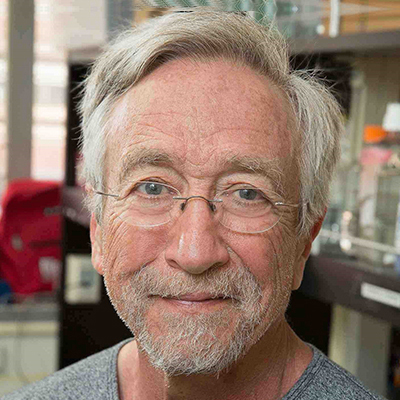
Mary Harrington is the Tippit Professor in the Life Sciences (Neuroscience) at Smith College, where her research group investigates how circadian clocks are altered by aging, exercise, and environmental lighting, and how these changes impact neurodegenerative processes such as Alzheimer’s disease. She teaches neuroanatomy, sensory systems, and experimental neuroscience while actively mentoring undergraduates who frequently co-author peer-reviewed publications. Education Ph.D., Dalhousie University M.A., University of Toronto B.Sc., Pennsylvania State University Research Focus Professor Harrington’s laboratory employs genetic mouse models, bioluminescence imaging, behavioral assays, and molecular techniques to dissect the neural and molecular mechanisms governing circadian rhythms. A major theme is understanding how aging weakens the precision of circadian clocks and how voluntary exercise can restore robust rhythmicity. Recent work explores how dim light at night disrupts internal synchrony among brain and peripheral clocks, leading to cognitive and metabolic dysfunction. Across 2020–2023, her team has published extensively on (1) circadian regulation of the neurovascular unit during aging, (2) the biological basis of fatigue, (3) clinical chronobiology tools, (4) cell-type-specific clock gene reporters in vivo, and (5) the impact of evening light on memory consolidation. Laboratory and Mentorship The Harrington Lab—located in Sabin-Reed Hall—integrates undergraduate researchers into every phase of inquiry, from animal handling and stereotaxic surgery to data analysis and scientific writing. This apprenticeship model has produced numerous student co-authors and contributes to Smith’s reputation for excellence in neuroscience education.