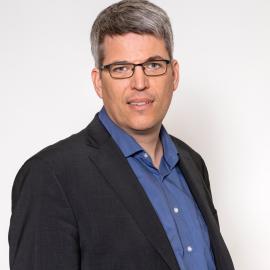
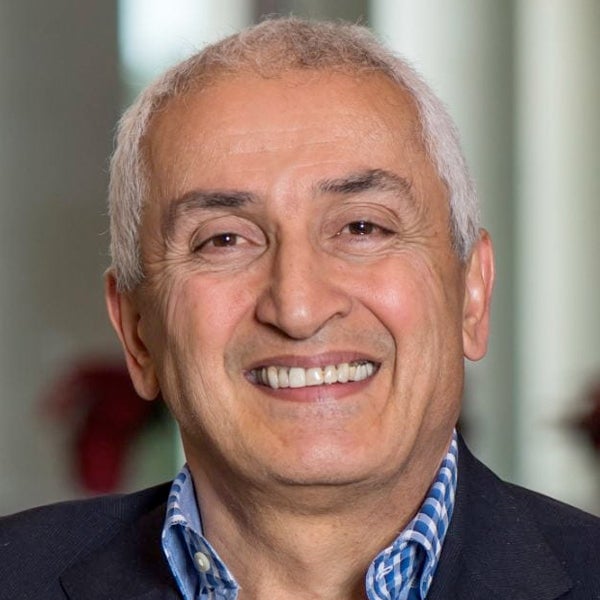
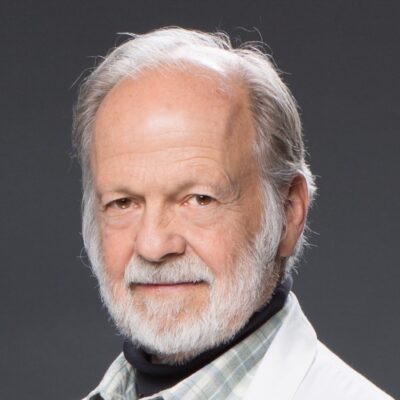
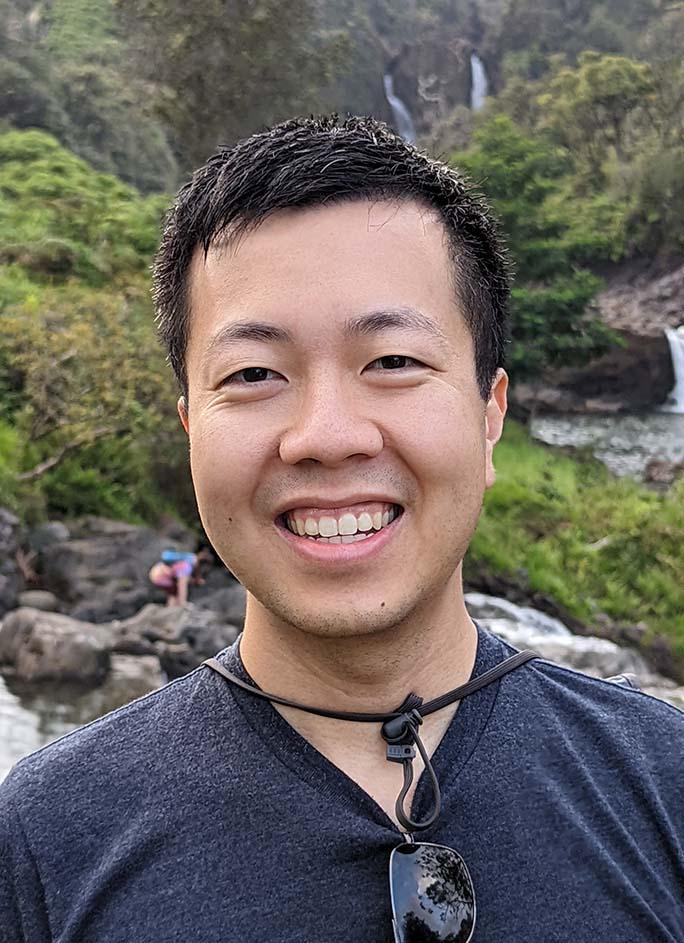
Chris Donahue is an Assistant Professor in the Computer Science Department at Carnegie Mellon University . He also serves as a part-time Research Scientist at Google DeepMind on the Magenta team. His work focuses on leveraging generative AI to enhance human creativity, particularly in music. Education: PhD in Computer Science (UC San Diego), Postdoctoral Scholar (Stanford University) His research spans controllable generative modeling of music and audio , with a focus on real-time interactive systems. Projects like Piano Genie , Beat Sage , and Copilot Arena demonstrate his commitment to real-world deployment. His Generative Creativity Lab (G-CLef) explores AI applications beyond music, including programming and natural language. Recent publications highlight advancements in multimodal music evaluation , real-time adaptation , and AI-driven sound morphing . He co-developed Magenta RealTime , an open-weight real-time music generation model, and MusicFX DJ Mode . Scientific Awards: Best Paper Award (top 1) at NAACL Student Research Workshop 2025 Best Paper Award (top 1% of submissions) at CHI 2025 Best Paper Runner-up at ISMIR 2021 He co-advises PhD students like Wayne Chi (NDSEG Fellow) and mentors Irmak Bukey . His lab receives support from the AIxArts incubator fund at CMU .
Jeff Huang is an Associate Professor and Associate Chair of Computer Science at Brown University. His research focuses on Human-Computer Interaction (HCI), with emphases on personalized systems using behavioral data, health informatics, and user interfaces. Huang holds a PhD from the University of Washington and degrees from the University of Illinois at Urbana-Champaign. His work is funded by NSF, NIH, and ARO, and he has received awards including the NSF CAREER Award and ARO Young Investigator Award. Education: PhD in Information Science, University of Washington (2013) MS in Computer Science, University of Washington (2013) BS and MS in Computer Science, University of Illinois at Urbana-Champaign (2007) Research Interests: His work spans health informatics (e.g., sleep tracking systems like Self-E and SleepCoacher), user interface design, and leveraging behavioral data for personalized systems. Notable projects include WebGazer (webcam eye tracking), filtered.ink (creative illustration tools), and Sochiatrist (mental health analytics). Teaching: He teaches courses on user interfaces, HCI, and research methods, including CSCI 0130/1300 (User Interfaces), CSCI 2300 (HCI Seminar), and CSCI 2000 (Research Methods). Awards: NSF CAREER Award Facebook Fellowship ARO Young Investigator Award Grants & Advising: Huang leads a research group advising over 50 students, many of whom have pursued academic and industry roles. His grants support projects in HCI, health tech, and collaborative systems.
Martin T. Wells is the Charles A. Alexander Professor of Statistical Sciences at Cornell University, with joint appointments in the Department of Statistical Science, Department of Biological Statistics and Computational Biology, Department of Social Statistics, and as Professor of Clinical Epidemiology and Health Services Research at Weill Medical School. He serves as Editor-in-Chief of the ASA-SIAM Book Series and Co-Editor of the Journal of Empirical Legal Studies. Cornell University, Ithaca, NY Weill Cornell Medical College Research Interests span applied and theoretical statistics, Bayesian methods, biostatistics, clinical epidemiology, and computational biology. His work bridges disciplines like finance, legal studies, and health services research. Article Trends highlight advancements in Bayesian modeling, quantum cognition machine learning, tensor analysis, and misclassification correction, with applications in genomics, finance, and public health. Fellow of the American Statistical Association Fellow of the Royal Statistical Society Contributions include developing statistical software (e.g., rTensor), methodological innovations in clinical trials, and empirical legal studies on civil rights and the death penalty.
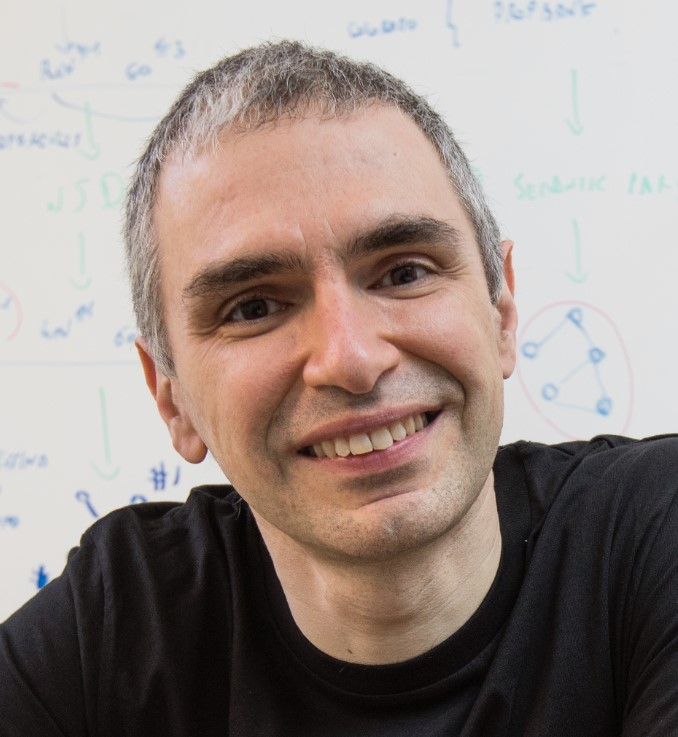
Roberto Navigli is a Full Professor in the Department of Computer, Control and Management Engineering at Sapienza University of Rome, where he leads the Sapienza NLP Group. He has held academic positions at Sapienza since 2007, progressing from Researcher to Associate Professor, and now Full Professor. Navigli is internationally recognized for his groundbreaking work in multilingual natural language processing and computational semantics. His research spans multiple areas within Natural Language Processing, with a particular focus on multilinguality , lexical semantics (Word Sense Disambiguation and induction), sentence-level semantics (Semantic Role Labeling and Semantic Parsing), and Large Language Models . As the leader of the Minerva LLM project, he pioneered the development of the first pretrained LLM in Italian. His creation of BabelNet, the largest multilingual encyclopedic computational dictionary covering 271 languages and about 14 million concepts, represents a landmark achievement in computational linguistics. Professor Navigli's recent publications demonstrate a strong focus on advancing multilingual capabilities of language models, addressing challenges in semantic understanding across languages, and developing robust evaluation frameworks. His work on Italian LLM optimization, lexical ambiguity in machine translation, and cross-lingual safety gaps reflects his commitment to building more accurate and reliable language technologies that work effectively across diverse linguistic contexts. AAAI Fellow (2025) EurAI Fellow (2024) ELLIS Fellow (2024) ACL Fellow (2023) Outstanding Paper Awards at ACL 2024, ACL 2023, and NAACL 2021 Best Resource Paper Award at ACL 2022 Prominent Paper Awards from the Artificial Intelligence Journal (2023, 2017) META Prize 2015 for BabelNet Professor Navigli has successfully secured substantial research funding, including two prestigious ERC Grants (MultiJEDI ERC Starting Grant 2010-2016 and MOUSSE ERC Consolidator Grant 2017-2023, totaling around 3 million euros), PI of PRIN 2017 and PRIN 2020 projects (overall 1.4 million euros), and a Google Focused Research Award (around 300k$). He has mentored over 30 PhD students, many of whom have gone on to successful careers in academia and industry. His leadership extends to major international conferences, serving as General Chair of ACL 2025 and Program Co-Chair of ACL-IJCNLP 2021. As the director of the Sapienza NLP Group and co-leader of the Transversal Project on Large Language/Multimodal Models in the FAIR (Future Artificial Intelligence Research) project, Professor Navigli oversees a vibrant research ecosystem focused on advancing the state-of-the-art in natural language understanding across languages. His spinoff company, Babelscape, translates academic research into practical applications for industry.
Mayank R. Mehta is a Professor at the University of California, Los Angeles (UCLA), holding joint appointments in the Departments of Physics & Astronomy, Neurology, and Neurobiology. He is a member of the Brain Research Institute and the W. M. Keck Center for Neurophysics at UCLA. His research bridges experimental and theoretical neuroscience, focusing on how neuronal networks encode space-time, the role of brain rhythms in learning and memory, and the impact of sleep and virtual reality on neural dynamics. His recent publications highlight breakthroughs in understanding hippocampal spatiotemporal selectivity, dendritic activity during behavior, and the causal influence of visual cues on memory neurons. Notable findings include the discovery that dendrites generate ten times more spikes than neuronal cell bodies and the modulation of hippocampal theta rhythms in virtual reality. Research Themes: Neurophysics of spatial-temporal coding Dendritic contributions to learning Virtual reality and brain plasticity Neural oscillations in memory consolidation Key Collaborators: Bert Sakmann (Max Planck Florida Institute) Thomas Hahn (Bernstein Center Heidelberg/Mannheim) Maryam Ghorbani (UCLA) Mehta's lab at UCLA trains graduate and postdoctoral researchers in cutting-edge techniques combining hardware development, electrophysiological recordings, and biophysical modeling. His work has significant implications for treating learning and memory disorders like Alzheimer's disease.
Xavier Serra is a Full Professor at the Department of Engineering at Universitat Pompeu Fabra (UPF), Barcelona. He is the founder and director of the Music Technology Group (MTG), and leads the UPF-BMAT Chair on AI and Music. He also coordinates the Master in Sound and Music Computing and serves as President of the Phonos Foundation. His research focuses on audio signal processing, sound and music computing, and computational musicology, emphasizing open science and open innovation. Education: BSc in Biology, University of Barcelona (1981) Master in Music, Florida State University (1983) PhD in Computer Music, Stanford University (1989) Research Interests: Audio Signal Processing Data-Driven and Knowledge-Driven Methodologies Music Information Retrieval Cultural Music Analysis (e.g., Carnatic/Turkish/Andalusian Music) Music Education Technology Notable Projects: CompMusic (ERC Advanced Grant, 2010-2017): Multicultural computational music analysis Open datasets: Freesound, Saraga, FSD50K Technologies: Reactable, Vocaloid, Essentia API Recent Trends in Articles: Focus on AI-driven audio processing (neural fingerprints, generative models), cross-cultural music analysis, and explainable music difficulty estimation. Awards: ERC Advanced Grant (2010) for CompMusic Project. Labs/Teams: Director of MTG, Phonos Foundation, and UPF-BMAT Chair. Active in open-source projects and international collaborations.
Dr. Birgit Frauscher is the Lincoln Financial Group Distinguished Professor in Neurobiology at Duke University School of Medicine, where she serves as Professor of Neurology and holds a secondary appointment in the Department of Biomedical Engineering at the Duke Pratt School of Engineering. She is currently the Director of the Duke Comprehensive Epilepsy Center and leads the Analytical Neurophysiology (ANPHY) Lab. Her clinical and research work focuses on epilepsy and sleep medicine, utilizing both invasive and non-invasive electrical recordings to study brain activity in humans. Dr. Frauscher completed her medical training, neurology residency, and subspecialty training in electroencephalography, epilepsy, and sleep medicine at the Medical University of Innsbruck in Austria. After completing her clinical training in 2008, she earned her habilitation degree in 2011. She further specialized in intracranial EEG and signal analysis during a visiting professorship at the Montreal Neurological Institute and Hospital, McGill University (2013-2015), where she later served as an Attending Epileptologist and Group Leader of Epilepsy. Her research interests focus on developing novel seizure-independent EEG markers for the epileptogenic zone, investigating sleep-epilepsy interactions, and using intracranial EEG to study brain physiology during wakefulness and sleep. Her work aims to improve epilepsy diagnosis, prognosis, and treatment outcomes by better localizing the epileptic focus. Dr. Frauscher's recent publications demonstrate her continued leadership in epilepsy research, with over 170 peer-reviewed papers and an H-index of 62. Dr. Frauscher has received several prestigious awards including the Clinician-Scientist awards of the FRSQ (2018-2023), the Michael Prize of the International League against Epilepsy (2019), and the Ernst Niedermeyer Prize from the Austrian Epilepsy Society (2015). Her scholarly work has significantly advanced clinical knowledge in epilepsy and sleep medicine, establishing her as a leading figure in the field. As Director of the Duke Comprehensive Epilepsy Center and head of the ANPHY lab, Dr. Frauscher oversees a research program dedicated to advancing neuroscience through innovative approaches to studying brain activity. Her lab employs quantifiable tools to investigate neurophysiological and pathological processes related to epilepsy and sleep, with the ultimate goal of improving patient outcomes through better understanding of brain function.
Holly J. Benjamin, MD is a distinguished sports medicine specialist at the University of Chicago, serving as the inaugural Director of the Primary Care Sports Medicine Program at UChicago Medicine Student Wellness Center. She holds leadership positions including Chair of the Committee on Sports Medicine & Fitness for the Illinois Chapter of the American Academy of Pediatrics, and serves as Head Medical Team Physician for the WNBA Chicago Sky and medical officer for major events including the Bank of America Chicago Marathon, US Soccer, and USA Triathlon. Her educational background includes: B.S. in Integrated Life Sciences, Kent State University (1994) Combined BS/MD, Northeastern Ohio Universities College of Medicine (1994) MD, Northeastern Ohio Universities College of Medicine (1994) Residency in Pediatrics, The University of Chicago Children's Hospital (1997) Fellowship in Primary Care Sports Medicine, Lutheran General Hospital (1998) Dr. Benjamin specializes in sports medicine with particular expertise in youth, adolescent, and collegiate athletes. Her research spans acute and overuse sports injuries, concussion management, sport biomechanics, and musculoskeletal ultrasound. She has made significant contributions to understanding injury prevention strategies, safe return-to-play protocols, and the psychological aspects of sports injuries. Her work frequently addresses female athletes and elite/professional athletes, with emphasis on evidence-based approaches to optimize performance while minimizing injury risk. Recent publications demonstrate a strong focus on concussion research, with multiple studies examining diagnostic approaches, recovery trajectories, and factors influencing outcomes. Her work spans biomechanics, mental health considerations in sports injuries, and innovative approaches to injury prevention across various athletic populations. Her scientific recognition includes: Election as Fellow of the American College of Sports Medicine (2003), becoming the second female pediatrician ever elected Election as Fellow of the American Medical Society of Sports Medicine Distinguished Alumni Award from The New Aurora High School Alumni (1999) Invitation to serve as volunteer physician for the Olympic Training Center (2008) Multiple expert contributions to national media including Runner's World and the Naperville Sun Dr. Benjamin actively mentors through her coaching roles at high school and collegiate levels, emphasizing safe return-to-play post-injury and injury prevention. She has developed educational content through video productions for the American Academy of Pediatrics and serves as head team physician for the University of Chicago Lab School and the NCAA Division III UChicago Maroons. Notably, she is one of only a few sports medicine specialists in the country offering diagnostic and procedural musculoskeletal ultrasound in her office, demonstrating her commitment to advanced diagnostic capabilities for patient care.
Jeffrey Schall is a Full Professor of Biology and Program Director of the Visual Neurophysiology Centre at York University. He holds the Canada Research Chair in Translating Neuroscience. His research focuses on neural mechanisms underlying behavior, integrating neurophysiological and computational approaches across multiple scales. Schall is a core member of the Centre for Vision Research and the Canada First Research Excellence Fund Connected Minds initiative. Education: PhD in Anatomy (University of Utah School of Medicine, 1986), postdoctoral training at MIT. Awards include the Troland Research Award, Sloan Foundation Fellowship, and AAAS Fellowship. He served as Vision Science Society President in 2019. Research interests include visual attention, executive control, error monitoring, and translational neuroscience applications in law. His work bridges basic science with applied studies in clinical populations like schizophrenia patients. Collaborative projects involve EEG/MEG analysis, cortical microcircuitry modeling, and neuromodulation techniques. Teaching: YU_NRSC 2100 Systems, Behavioral, and Cognitive Neuroscience. Active in interdisciplinary initiatives linking neuroscience with legal systems through scholarship and policy engagement.
Aidan J Horner is a Professor in the Department of Psychology at the University of York. He holds a BSc in Psychology (2005) and MSc in Cognitive Neuroscience (2006) from the University of York, followed by a PhD in Cognitive Neuroscience from the University of Cambridge (2010). His career includes postdoctoral research at Otto-von-Guericke University (2010–2011) and University College London (2011–2016), and a visiting scholar position at Stanford University (2008). He returned to York as a Lecturer in 2016, advancing to Senior Lecturer and his current Professorship. Research Focus: Horner’s work examines how the brain encodes and retrieves long-term memories, particularly spatial and event-based information. He employs experimental psychology, virtual reality, neuroimaging (e.g., fMRI, MEG), and computational modeling to study hippocampal and cortical mechanisms underlying memory formation, consolidation, and forgetting. His recent studies explore the role of theta oscillations in memory binding, the impact of emotion on memory coherence, and forgetting dynamics. Publications & Awards: Over 50 peer-reviewed articles, including high-impact work in Current Biology , Nature Communications , and Cognition . Recognized with the Annual Cognitive Paper Prize Award (2022) for groundbreaking contributions to memory research. Grants & Projects: Lead investigator on ESRC-funded projects (e.g., "Promoting rapid and sustained learning of novel information" , 2018–2022). Collaborates with institutions like the York Neuroimaging Centre (YNiC) to advance neuroimaging techniques in cognitive studies. Labs & Teams: Affiliated with the York Neuroimaging Centre (YNiC), integrating neuroimaging with behavioral and computational approaches to memory systems. Active in interdisciplinary teams studying memory plasticity and cognitive neuroscience.
Patrick Rérat is a Professor at the University of Lausanne, affiliated with the Institute of Geography and Sustainability within the Faculty of Geosciences and Environment. He is a prominent researcher at LIVES (Interdisciplinary Centre of Excellence for Research on Life Course Changes), where he focuses on urban mobility, transportation patterns, and sustainable mobility transitions. His research interests span transportation studies, urban mobility, sustainable transportation systems, cycling research, residential mobility, and the geography of daily mobility practices. Rérat employs interdisciplinary approaches to examine how individuals navigate urban spaces across different life stages, with particular attention to cycling infrastructure, e-mobility adoption, and the relationship between transportation modes and broader social patterns. Rérat's recent work demonstrates a strong focus on cycling practices, with numerous publications examining cargo bike adoption, e-bike usage patterns, and the effects of cycling infrastructure. His research employs various methodological approaches including user segmentation, longitudinal mobility studies, and spatial analysis of urban transportation patterns. He has made significant contributions to understanding how transportation choices evolve across the life course, particularly during youth transitions. His scholarly output includes numerous publications in leading transportation and geography journals, with recent work focusing on contemporary mobility challenges including pandemic-era transportation changes, telework impacts on mobility patterns, and the political dimensions of cycling infrastructure. As a professor at the University of Lausanne, Rérat contributes to advancing research on sustainable urban mobility while training the next generation of geographers and transportation specialists. His work bridges theoretical geographic concepts with practical urban planning applications, making significant contributions to both academic scholarship and urban policy development.
James Manning is a Lecturer in Digital Design at RMIT University's School of Design. His research focuses on game design, digital media, and cultural memory, exploring topics such as game preservation, livestreaming practices, and the intersection of play and technology. He is particularly interested in 'anarchaeological' approaches to defunct games and the documentation of everyday play practices. His teaching interests include game studies, interactive media, animation aesthetics, and design methodology. He actively supervises research in strategies for reflective shortform game design and has contributed to projects like the Astrosurf interactive dome experience. Key research themes include media archaeology, esports culture, and the sociocultural dimensions of digital games. His work bridges theoretical frameworks with empirical studies, examining how digital platforms shape media consumption and cultural production.
Behnaam Aazhang is the J.S. Abercrombie Professor of Electrical and Computer Engineering at Rice University and Director of the Rice Neuroengineering Initiative (NEI). He holds a B.S., M.S., and Ph.D. from the University of Illinois at Urbana-Champaign. His roles include leading the multi-university Rice Neuroengineering Initiative and directing the Center for Neuroengineering. He has held an Academy of Finland Distinguished Visiting Professorship (FiDiPro) at the University of Oulu (2006-2014) and received an Honorary Doctorate from the University of Oulu in 2017. Education: Ph.D. in Electrical Engineering, University of Illinois at Urbana-Champaign (1986) M.S. in Electrical Engineering, University of Illinois at Urbana-Champaign (1983) B.S. in Electrical Engineering, University of Illinois at Urbana-Champaign (1981) Research Interests: Dr. Aazhang’s work focuses on signal/data processing, information theory, and neuroengineering applications. Key areas include: Neuronal circuit connectivity and learning impacts Real-time closed-loop neuromodulation for neurological disorders (epilepsy, Parkinson’s, depression) Patient-specific cardiac pacing systems Cybersecurity in cloud computing Awards & Honors: 2022 Rice Outstanding Doctoral Thesis Advisor Award 2019 SIGMOBILE Test of Time Award 2017 Honorary Doctorate (University of Oulu) 2013 IEEE Communication Society Advances in Communication Award AAAS and IEEE Fellowships (2012 and 1999) Grants & Advising: His research is supported by multi-university collaborations and grants. He has advised numerous graduate students in electrical engineering and neuroengineering, though specific names are not listed here. Labs & Teams: Leads the Aazhang Lab and the Rice Neuroengineering Initiative, focusing on translational technologies for neurological and cardiac disorders, including non-invasive neuromodulation and cloud security systems.
Jerome Engel, M.D., Ph.D. is a Professor at the Jane and Terry Semel Institute for Neuroscience and Human Behavior , University of California, Los Angeles (UCLA). He serves as Director of the Epilepsy Telemetry Unit within the Seizure Disorder Center and is a member of the Brain Research Institute and the Neuroscience GPB Home Area. His work spans neurology, psychiatry, and biomedical research. Research Focus: Epilepsy, epileptogenesis, high-frequency oscillations (HFOs), neuroimaging, surgical interventions, and biomarker development. Key Contributions: Pioneering studies on fast ripples as biomarkers, network-based surgical outcome prediction, and advanced HFO detection algorithms. Publications (15 most recent) address topics such as kainic acid models of epileptogenesis, thalamic sleep spindles in pediatric epilepsy, self-supervised HFO analysis, and graph theoretical measures for surgical planning. His work frequently employs medRxiv and Epilepsia as platforms for translational findings. Contact: engel@ucla.edu
Julie Dethier is a Research Fellow at the University of Liège, affiliated with the Faculty of Applied Sciences and Montefiore Institute. Her research bridges cellular neuroscience and network dynamics, with focus on pathological rhythms in Parkinson's disease and brain-machine interface development. She completed her Ph.D. in 2015 under Prof. Sepulchre's supervision. Her academic journey includes: Ph.D. in Systems and Modeling (2015), University of Liège with Princeton University research stay (2014-2015) Master of Science in Bioengineering (2011), Stanford University (Brains in Silicon lab) Master of Applied Sciences in Biomedical Engineering (2010, summa cum laude), University of Liège Bachelor of Applied Sciences (2008, summa cum laude), University of Liège Dr. Dethier investigates how cellular feedback mechanisms generate pathological beta oscillations in basal ganglia circuits, disrupting motor function in Parkinson's disease. Her computational approaches model the transition from unicellular rhythms to network-level oscillations, with implications for deep-brain stimulation therapies. She integrates electrophysiological data with dynamical systems theory to explain robustness and modulation in neural circuits. Her publication record demonstrates evolving expertise from brain-machine interface hardware (2011-2012) to fundamental neural mechanism studies (2013-2015). Key themes include spiking neural network decoders, cellular feedback loops, and pathological oscillation generation. Work spans computational modeling, neuromorphic engineering, and translational neuroscience with applications in neuroprosthetics. Major recognitions include: WBI excellence grant for Princeton research (2014) LEAR Foundation Fellowship for Cambridge research (2013) Audience Award at ULg thesis competition (2013) IEEE EMBS Best Poster Award (2011) Fulbright Honorary Fellowship and Rotary International Fellowship (2010) Funded by competitive F.R.S.-FNRS and international fellowships, her research involved cross-institutional collaboration with Princeton, Cambridge, and Stanford teams. While no formal advisees are listed, her publications reflect mentorship through co-supervised projects and conference presentations. Current work extends her doctoral thesis on multiscale neural dynamics. She maintains active ties with the Systems and Modeling Research Unit at Liège, Brains in Silicon lab at Stanford, and participates in Benelux neuroscience networks through the Montefiore Institute.




.jpg)