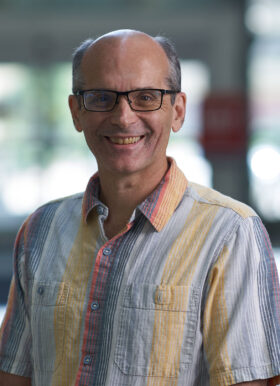
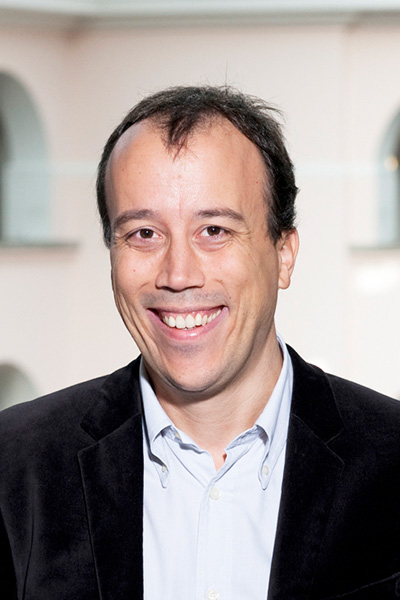
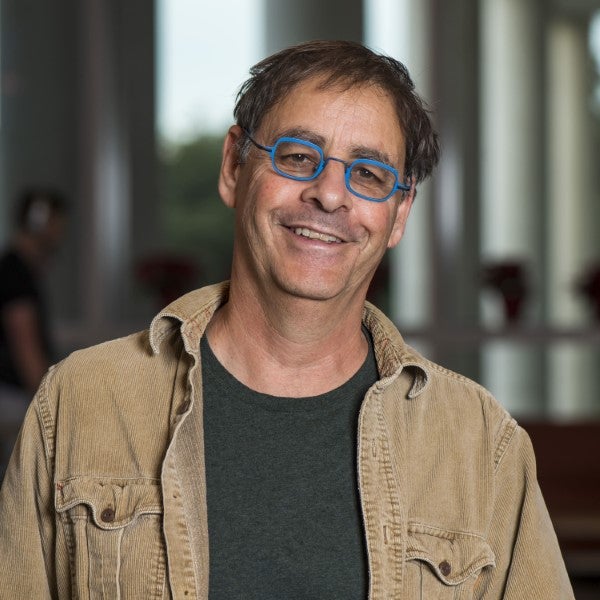
David V. Smith is an Associate Professor of Psychology and Neuroscience at Temple University's College of Liberal Arts, directing the Neuroeconomics Laboratory. His work bridges neuroscience, psychology, and economics to investigate neural mechanisms underlying social and economic decision-making. Department: Psychology and Neuroscience Email: david.v.smith@temple.edu Research interests focus on neuroeconomics , reward processing , social neuroscience , and brain connectivity . Key questions include how humans compare rewards, build trust in group settings, and why decision-making varies across individuals. Recent publications highlight reward circuit abnormalities in depression , corticostriatal interactions , and age-related changes in neural trust mechanisms . His interdisciplinary approach integrates neuroimaging (fMRI), behavioral economics, and computational modeling. The lab actively recruits graduate students (PhD in Cognition & Neuroscience or Social Psychology) and supports undergraduate researchers. Opportunities include participation in studies with monetary compensation and collaboration via GitHub, Twitter, and Open Science Framework platforms.
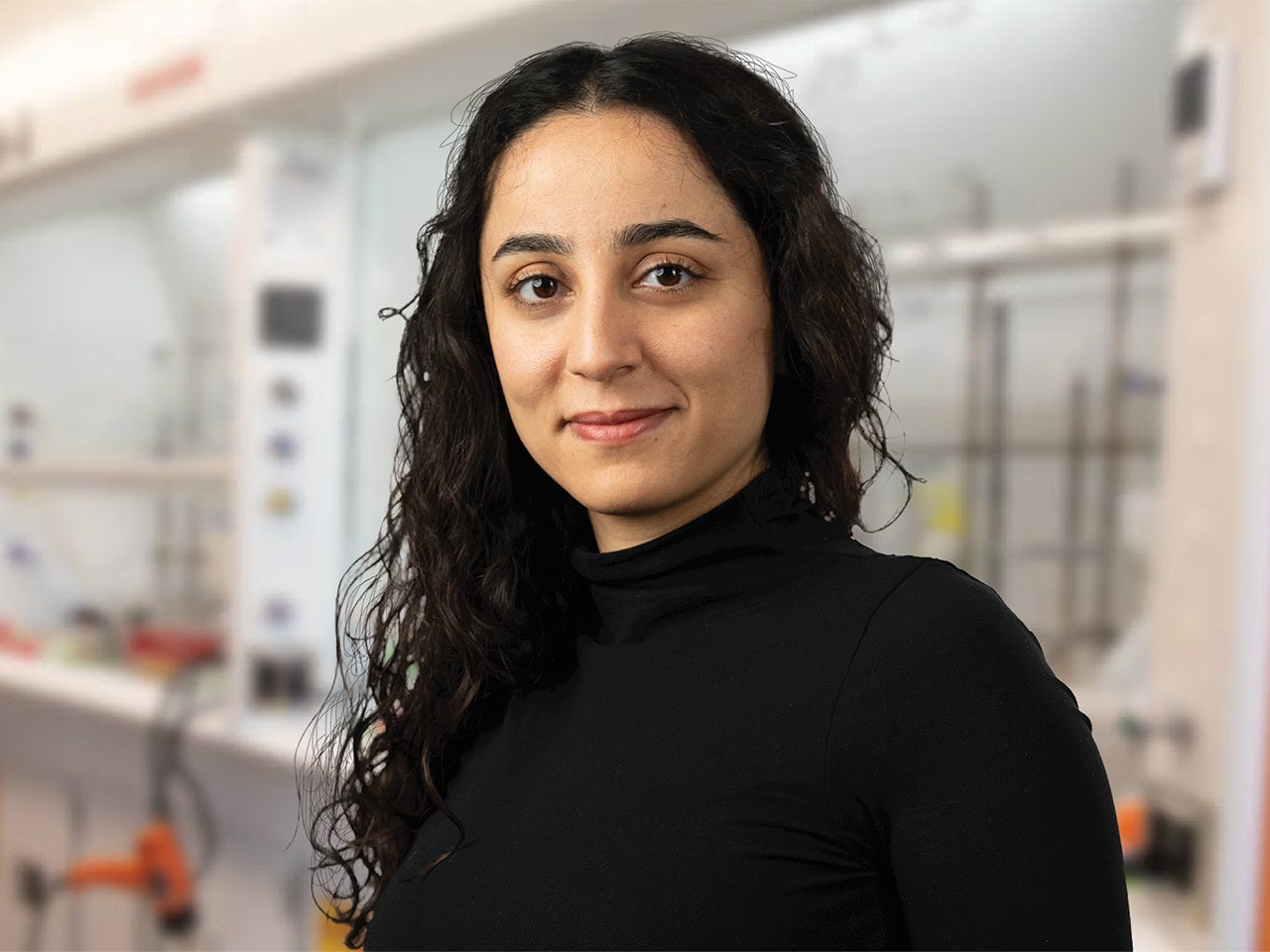
Mitra Javadzadeh is a CSHL Fellow at Cold Spring Harbor Laboratory , where she leads the Javadzadeh Lab . Her research focuses on understanding how distributed neural population dynamics in the neocortex underpin flexible perception, employing a combined experimental and computational approach involving multi-region electrophysiology, optogenetics, and dynamical systems analysis. Education : Ph.D. in Neuroscience from University College London (2021) Research Interests : High-dimensional neural activity during visual perception Role of long-range cortico-cortical and transthalamic pathways in sensory integration Dynamical systems principles in cortical network interactions Excitatory-inhibitory balance and multi-area coordination Publications Trends : Her work spans neuroscience and computational modeling , with a focus on visual cortex , optogenetics , and cross-areal communication . Earlier research (2011) also intersects with computer science in wireless sensor networks. Contact : Email: javadzadeh@cshl.edu
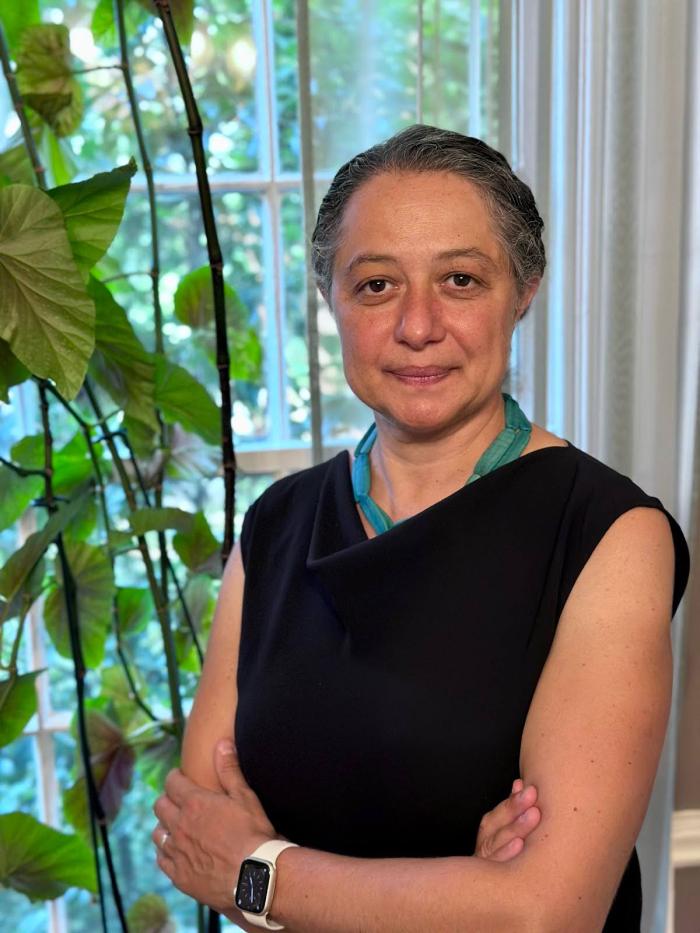
Dr. Regina Lapate serves as an Assistant Professor in the Department of Psychological and Brain Sciences at the University of California, Santa Barbara (UCSB), within the College of Letters & Science. She directs the LEAP Neuro Lab (Lapate Experimental Affective Psychophysiology and Neuroscience Laboratory), where her team investigates neural mechanisms of emotion-cognition interactions using multimodal methodologies including TMS, EEG, fMRI, and psychophysiology. Her educational trajectory includes a PhD from the University of Wisconsin-Madison (2015) under Dr. Richard Davidson, followed by an NIH postdoctoral fellowship at UC Berkeley (2016) with Dr. Mark D'Esposito. She co-edited the 2nd edition of The Nature of Emotion: Fundamental Questions in 2018. Dr. Lapate's research centers on emotional processing, cognitive control, and adaptive emotion regulation, with particular emphasis on temporal memory dynamics and prefrontal cortex function. Her lab employs causal inference approaches to explore how emotional states sculpt sensory processing and behavioral goals, aiming to uncover mechanisms that promote resilience against psychopathology. Recent work demonstrates how emotional context modulates temporal memory and action goal representations, revealing critical prefrontal circuitry involved in emotional adaptation. Her publication trends reveal deep integration of time perception with emotional processing, neurostimulation-based causal testing of prefrontal mechanisms, and translational applications for mood and anxiety disorders. The 2024-2025 publications particularly highlight anorexia nervosa symptomatology, temporal coding in emotion, and open-loop motor circuit dissociations. Scientific recognition includes: Hellman Fellowship (2024) Prestigious NIH grant for prefrontal mechanism research (2023) Regent’s Junior Faculty Award (2023) Dr. Lapate has secured substantial grant funding including an NIH award to elucidate prefrontal mechanisms of emotional processing and regulation. Her LEAP Neuro Lab functions as a collaborative hub where graduate and undergraduate researchers investigate fundamental questions about how emotional experiences dynamically interact with cognitive processes to shape adaptive functioning and psychopathology vulnerability.
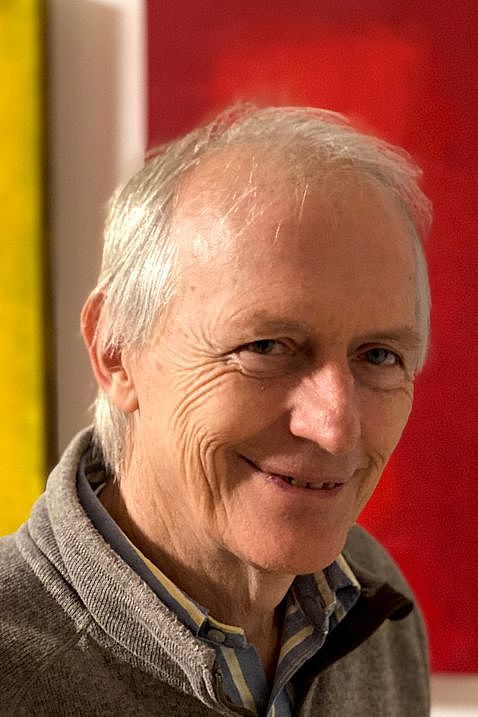
Timothy Holy, PhD is the Alan A. & Edith L. Wolff Professor of Neuroscience and Vice Chair of Research at Washington University School of Medicine. He leads the Holy Lab, which focuses on the neural mechanisms of olfactory coding and the development of innovative imaging technologies for neuroscience research. His educational background includes a BA in Mathematics and Physics (summa cum laude) from Rice University (1991), an MA in Physics from Princeton University (1992), and a PhD in Physics from Princeton University (1997) under thesis advisor Stanislas Leibler. Dr. Holy's research spans multiple domains of neuroscience with particular emphasis on the olfactory system of mice. His lab has pioneered light sheet microscopy for calcium imaging, enabling simultaneous recording from tens of thousands of neurons. More recently, they developed PhOTseq, a technique for optically tagging neurons for later sequencing. His work bridges physics, neuroscience, and computational approaches to understand how sensory systems process information. He is also among the world's foremost creators of the Julia programming language, which has gained exponential adoption in scientific computing. Analysis of his recent publications reveals a strong focus on neural coding in decision-making circuits, olfactory processing, and the development of computational tools for biological research. His work increasingly integrates machine learning approaches with traditional neuroscience techniques. Distinguished Teaching Service Award (2005, 2008, 2014) McKnight Technological Innovation in Neuroscience Award (2007) St. Louis Academy of Sciences Innovation Award (2009) NIH Director's Pioneer Award (2009) Society for Neuroscience Research Award for Innovation in Neuroscience (RAIN) (2009) Dr. Holy has mentored numerous students and postdoctoral researchers who have gone on to establish their own research programs. His lab has secured significant grant funding supporting technology development and fundamental neuroscience research. Current projects include investigating cellular mechanisms of individuality and plasticity, navigation using olfactory cues, and developing new mathematical tools for optimization and machine learning. The Holy Lab combines a focus on understanding neural circuits and behavior with a willingness to pioneer new technologies. It maintains strong collaborations across disciplines, particularly in the development and application of the Julia programming language for biological research.
Sarah Shomstein is a Professor of Cognitive Neuroscience and Department Chair in the Department of Psychology at George Washington University. She is affiliated with the Neuroscience Institute and Mind-Brain Institute. Her research focuses on understanding the neural and psychological mechanisms of attentional selection, including spatial and object-based attention, and how semantic and sensory information influence perception and memory. Shomstein holds a Ph.D. in Psychology from Johns Hopkins University (2003). Her methodologies include behavioral experiments, eye tracking, functional neuroimaging, and studies with individuals with attentional deficits due to brain damage. She directs the Attention and Cognition Laboratory , exploring how attention modulates sensory processing and memory across the lifespan. Her work highlights interactions between working memory and perception, the role of semantics in visual attention, and the neural basis of attentional control. Recent studies investigate real-world object processing, crossmodal semantic effects, and the impact of reward on attentional allocation. No scientific awards or grants are explicitly mentioned, but her research has been widely published in top journals.
Dr. Katrin Vogt is a researcher at the University of Konstanz, specializing in neuroethology and sensory systems. Her work focuses on understanding recurrent neural circuits governing state-dependent behavior, particularly in olfactory systems of Drosophila larvae. She leads a subproject investigating hunger-dependent serotonergic modulation in the antennal lobe, collaborating with a doctoral student. Her research bridges vertebrate and invertebrate models to identify conserved network principles across species. Dr. Vogt is part of a DFG-funded interdisciplinary team examining recurrent circuits' roles in flexible behavioral responses to environmental changes. Her research interests include neural circuitry modulation, sensory integration, and behavioral plasticity. Key projects involve analyzing how sensory inputs are modulated by internal states like hunger, and how recurrent connections enable adaptive responses. She has contributed to studies on visual and olfactory memory formation, multisensory integration, and navigational strategies in Drosophila. Publications highlight work on dopamine signaling in taste punishment, social behavior in larvae, and cross-species odor coding principles. Her findings aim to uncover fundamental mechanisms underlying sensory-driven behavior and neural plasticity in both vertebrates and invertebrates.
Prof. Dr. Karl R. Gegenfurtner is a full Professor for General Psychology at the Department of Psychology, Faculty of Psychology and Sports Science, Justus-Liebig-University Giessen. He has held this position since 2001 and leads a prominent research group on visual perception. His work bridges low-level sensory processing with higher cognitive functions and motor control. Education: Psychology Student at the University of Regensburg, Diploma in Psychology, 1986 Ph.D. in Experimental Psychology, New York University, 1990 Postdoc at Howard Hughes Medical Institute and Center for Neural Science, NYU, 1990–1993 Research Scientist at Max Planck Institute for Biological Cybernetics, Tübingen, 1993–2000 Habilitation in Medical Psychology and Behavioral Neurobiology, 1998 Professor for Biological Psychology, Otto-von-Guericke University Magdeburg, 2000–2001 His research focuses on the neural and cognitive mechanisms of visual perception, particularly color vision, object recognition, eye movements, and sensorimotor integration. He investigates how humans perceive complex scenes and objects in natural environments, how these are represented in the brain, and how visual information guides motor actions. His recent work explores topics such as color categorization in neural networks, lightness perception, dynamic size recalibration, and the role of eye movements in perceptual decisions. The 15 most recent articles reflect a strong trend toward understanding perception in real-world contexts, integrating computational modeling, psychophysics, and neuroscientific methods. Key themes include color and shape perception, attention, eye movement control, and the interplay between perception and action. Scientific Awards: Member, German National Academy of Sciences Leopoldina (2015) Wilhelm Wundt Medal, German Society for Psychology (2016) Palmer Lecture, Colour Group (UK) (2019) Turrell Lecture Berlin (2019) Russell Devalois Memorial Lecture, UC Berkeley (2024) ICVS Verriest Medal (2024) Pineapple Science Award (2024) Prof. Gegenfurtner has supervised numerous research projects and training networks, including the DFG Collaborative Research Center TRR 135 on 'Cardinal mechanisms of perception' and the International Research Training Group BrainAct. He has received major funding, including an ERC Advanced Grant (2020) for 'Color 3.0'. He has served on editorial boards of top journals such as Journal of Vision , Vision Research , and Psychological Review , and was President of the Vision Science Society (2012–2013). He is actively involved in academic service, including the Alexander von Humboldt Foundation’s fellowship selection committee. He leads the Visual Perception research group at Giessen, which investigates cortical mechanisms of vision, perception of natural scenes, and the integration of sensory and motor information. The lab employs psychophysical experiments, eye tracking, computational modeling, and neuroimaging to study perception in ecologically valid settings.
Jason Chami is a Clinical Associate Lecturer at the Central Clinical School within the Faculty of Medicine and Health at the University of Sydney. His academic appointment focuses on clinical teaching and research in cardiology and medical informatics, with affiliations spanning the Sydney Medical School and Central Clinical School. His research interests center on cardiology, particularly congenital heart disease complexity stratification, registry systems, and medical coding accuracy. He also investigates ophthalmology (glaucoma devices), metabolism (cardiometabolic biomarkers), and neuroscience (pain pathways). His work integrates clinical data analysis with informatics approaches to improve diagnostic precision and patient outcomes. Analysis of his 2020-2025 publications reveals dominant themes in congenital heart disease research, including algorithmic risk stratification, registry optimization, and coding error reduction. Secondary streams include ophthalmology (PreserFlo MicroShunt safety studies), metabolism (Slc16a13 gene impacts), and neuroscience (neuroreceptor changes in pain models), demonstrating cross-disciplinary clinical research methodology.
Aldo Faisal is a Professor of AI & Neuroscience at Imperial College London's Department of Bioengineering and Faculty of Engineering. He is also the Founding Director of the UKRI Centre for Doctoral Training in AI for Healthcare (£20M), leading the Faisal Lab. His roles include associate investigator at the MRC London Institute of Medical Sciences and affiliation with the Gatsby Computational Neuroscience Unit (UCL). His research bridges AI, neuroscience, and healthcare, focusing on neurotechnology, human behavior analysis, and clinical applications. Education: Studied Computer Science and Physics in Germany, followed by Biology at the University of Cambridge (Emmanuel College). Earned a PhD in Neuroscience under Simon Laughlin, and postdoctoral work with Daniel Wolpert on sensorimotor control. Prior professional experience includes roles at McKinsey & Co. and Credit Suisse. Research Interests: Combines cross-disciplinary approaches to study brain-behavior relationships, developing technologies for neurological disorders and amputees. Key labs include the Brain & Behaviour Lab (neurotechnology) and Behaviour Analytics Lab (behavioral data science). Techniques include machine learning, robotics, and neuroimaging (EEG/fNIRS). Publications: Over 100+ peer-reviewed articles, spanning AI in healthcare, motor learning, and neurotechnology. Recent work emphasizes safety of AI in critical care, wearable biomarkers for neuromuscular diseases, and human-AI collaboration. Awards: UKRI Turing AI Fellowship, Toyota Mobility Prize ($50k), Rosetree Interdisciplinary Award (£300k), and fellowships from German National Merit Foundation and Böhringer-Ingelheim Foundation. Elected to Global Futures Council (WEF, 2016). Grants & Labs: Leads £20M CDT in AI for Healthcare, £2M Turing Fellowship project, and manages labs at Imperial and University of Bayreuth (Germany). Collaborates with institutions like CRUK Convergence Science Centre and Data Science Institute.
Dr. Andrew Lin is a Senior Lecturer and School Director of One University at the University of Sheffield's School of Biosciences. He holds a PhD from the University of Cambridge and a BA in Biology from Harvard University. His career includes roles as a Lecturer (2019-2022), Vice-Chancellor’s Fellow (2015-2019), and Postdoctoral Fellow at the University of Oxford (2009-2015). Research focuses on how the brain encodes sensory information for memory formation, using Drosophila's olfactory system as a model. Key areas include sparse coding in Kenyon cells, synaptic inhibition/excitation balance, and neural circuit dysfunction links to epilepsy. Teaching includes modules like BMS11004 Introduction to Neuroscience and BMS248 Neural Circuits, Behaviour and Memory. He has secured grants from the European Research Council, BBSRC, and Wellcome Trust. Professional memberships include the FENS-Kavli Network and BBSRC Pool of Experts. Lab research employs techniques like in vivo two-photon imaging, electrophysiology, and genetic manipulation. PhD opportunities are available in neural circuitry and sensory processing.
Philippe Tobler is a Professor of Neuroeconomics and Social Neuroscience at the University of Zurich's Department of Economics. He leads the Zurich Center for Neuroeconomics and focuses on neural mechanisms underlying decision-making, reward learning, and social behavior. His research employs fMRI, pharmacological interventions, and behavioral methods to investigate how the brain processes economic and social parameters like risk, delay, and probability. Teaching roles include courses such as 'Decision Neuroscience,' 'Introduction to Neuroeconomics,' and 'Neuroeconomics Seminar.' He collaborates extensively with researchers like Ernst Fehr and Christian Ruff, contributing to interdisciplinary studies on social neuroscience and neuroeconomics. Tobler's work examines dopamine's role in value processing, individual vs. social learning systems, and the neural basis of fairness and efficiency trade-offs. His research has implications for understanding psychiatric disorders, aging, and economic decision-making processes.
Marius Golubickis is a Lecturer at the School of Psychology, University of Aberdeen . His research focuses on computational social cognition , investigating how self-relevance and stereotypical beliefs influence decision-making, attention, and learning through methodologies like Drift Diffusion Modeling and EEG . Research Areas : Computational Social Cognition, Self-Bias, Stereotype-Based Processing, Attention, and Neural Correlates of Self-Relevance. His recent publications (2023–2025) explore the temporal dynamics of self-prioritization , mindfulness interventions on learning efficiency, and stereotype-based associative learning . Methodologies span EEG spectral analysis , predictive coding , and behavioral experiments . Teaching : Courses include Perception , Advanced Psychology B , and Current Topics in Psychological Studies . He accepts PhD students in Psychology and collaborates with researchers like C. Macrae and J. Falben .
Joshua I. Gold is a Professor of Neuroscience at the Perelman School of Medicine, University of Pennsylvania , where he co-directs the Computational Neuroscience Initiative . His research focuses on the neural mechanisms underlying inference and learning in decision-making, integrating computational modeling with human and non-human primate studies . Education: Sc.B. in Neural Sciences from Brown University (1991), Ph.D. in Neurosciences from Stanford University (1997) Grants: NIH R01 EY015260, NIH F31 MH093099, NIH F21 MH093099 Gold's work explores how uncertainty, contextual information , and neural computations shape adaptive behavior. His lab employs psychophysics, electrophysiology , and pupillometry to study decision-making in dynamic environments. Recent publications highlight Bayesian inference, dual anticipatory processes , and neural correlates of reward prediction . Scientific Contributions: Developed computational models for learning rate regulation Investigated subthalamic nucleus and caudate nucleus roles in decision-making Linked noradrenergic systems to adaptive learning
Harel Shouval is a Professor in the Department of Neurobiology and Anatomy at The University of Texas Health Science Center at Houston (UTHealth) and a Professor in the Electrical and Computer Engineering department at Rice University. His office is located in the McGovern Medical School Building (MSB) 7.264, and he can be reached at 713-500-5708 or harel.shouval@uth.tmc.edu. Dr. Shouval's research focuses on identifying the rules by which changes in synaptic strength—believed to be the basis of learning, memory, and development in the cortex—take place. His work spans multiple levels of analysis, from molecular mechanisms to functional implications, with an emphasis on theoretical and computational approaches. Key areas of investigation include: The molecular basis of synaptic plasticity, including complex simulations of signal transduction pathways and calcium dynamics Development of simplified cellular models of synaptic plasticity, such as his unified calcium-dependent plasticity model The contribution of synaptic plasticity to receptive field development in visual cortex Long-range horizontal connections in visual cortex and their role in map formation The stability mechanisms of long-term synaptic plasticity His extensive publication record demonstrates a consistent focus on computational and theoretical aspects of synaptic plasticity. Dr. Shouval's work bridges molecular neuroscience with systems-level understanding, particularly through his development of the unified calcium-dependent plasticity model that accounts for various induction paradigms including spike time-dependent plasticity. His research shows strong interdisciplinary connections between neuroscience, electrical engineering, and computational modeling, with applications to understanding learning, memory, and developmental processes in neural circuits. Dr. Shouval teaches courses in theoretical neuroscience at both institutions, including 'Theoretical Neuroscience I: Cells, Circuits and Systems' and 'Theoretical Neuroscience II: Learning, Perception and Cognition.' His teaching spans from biophysical foundations of neuronal cells to advanced topics in learning, perception, and cognition, reflecting his integrated approach to neuroscience education. The Shouval Lab for Theoretical Neuroscience maintains an active research program investigating the fundamental mechanisms of synaptic plasticity. The lab has trained numerous graduate students and postdoctoral fellows who have contributed to the field of theoretical neuroscience, as indicated by the 'Former Graduate Students' and 'Former Postdoctoral Fellows' sections on the lab website.
Stephan Kramer is an Associate Professor of Accounting and Control at the RSM, Erasmus University . He holds a PhD from WHU – Otto Beisheim School of Management and an MSc in Business Information Systems from the University of Münster. Research interests focus on incentive system design , governance mechanisms , target setting practices , and performance evaluation . His work bridges archival/experimental methods with practical applications in management accounting , corporate governance , and managerial behavior . Recent articles explore color-coded feedback in decision-making , CEO incentives under competition , and age-related executive biases . Scientific awards include the David Solomons Prize (2016) European Accounting Review Outstanding Reviewer Award (2021) Professor of the Year Award (2023) IMA/CIMA research grants Teaching spans Financial Analytics , Management Accounting , and Fraud Investigations across bachelor, master, and executive programs. He has served as AACSB/NVAO accreditation team member and Academic Director at RSM.