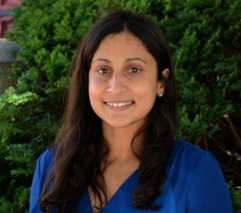
Yiming Yang is a Professor at the Language Technologies Institute and Machine Learning Department within the School of Computer Science at Carnegie Mellon University , where he has held faculty positions since 2003. His research spans foundational and applied aspects of machine learning , artificial intelligence , and scientific computing . Professor, Carnegie Mellon University (2003–Present) Associate Professor, Carnegie Mellon University (1996–2003) Yang's research focuses on LLM-based problem-solving agents , combinatorial optimization , and scalable oversight frameworks . His work explores diffusion models, Langevin dynamics, and Fourier neural operators for NP-hard problems, while advancing reinforcement learning techniques for self-play supervision and principle-driven fine-tuning of large language models. Recent publications highlight his contributions to code synthesis , PDE solving , and multi-agent reinforcement learning . Key methodologies include demonstration-guided control, retrieval-augmented reasoning, and test-time scaling laws. His team has developed frameworks like FEEDER for efficient in-context learning and μTransfer-FNO for zero-shot hyperparameter transfer in PDE solvers. Notable scientific achievements include: Best Student Paper Runner Up (2013) Best Theoretical Paper Award (1994) Best Theoretical Paper Award (1993) Yang has mentored over 20 PhD students and postdocs, including Shengyu Feng , Zhiqing Sun , and Aman Madaan , across domains like graph learning , extreme multi-label classification , and language model alignment .
Matt Nassar is an Associate Professor of Neuroscience and Assistant Professor of Cognitive and Psychological Sciences at Brown University. He leads the Learning, Memory and Decision Lab, which is part of the Department of Neuroscience and the Robert J. & Nancy D. Carney Institute for Brain Science. His research focuses on understanding how the brain flexibly processes information to achieve complex and adaptive behaviors through computational approaches that bridge cognitive psychology and neuroscience. Education: PhD, University of Pennsylvania (2012) BA, Colgate University (2004) Nassar's research examines how different cognitive systems—learning, memory, and perception—leverage common computational principles to optimize decision-making. His work particularly focuses on how the brain balances stability and flexibility in processing information, how uncertainty is represented and utilized in learning, and how neural computations underlie complex behaviors. Through computational modeling and empirical research, he investigates how modular information-processing systems impact decisions and complex behavior in dynamic environments. His research integrates methods from cognitive psychology, neuroscience, and computational modeling to address fundamental questions about human cognition. Analysis of Nassar's recent publications (2020-2024) reveals a strong focus on computational neuroscience applied to decision-making, learning, and psychiatric conditions. His work frequently employs Bayesian modeling approaches to understand belief updating, uncertainty processing, and structure learning. Key themes include the neural basis of flexibility in learning, computational mechanisms underlying psychiatric symptoms, and age-related changes in cognitive processing. His research bridges cognitive psychology, neuroscience, and computational modeling to provide insights into both healthy cognition and disorders such as depression and schizophrenia. Scientific Contributions: Developed computational models of belief updating and learning under uncertainty Investigated neural mechanisms of stability-flexibility tradeoffs in cognition Examined age-related differences in learning and memory processes Explored computational mechanisms underlying psychiatric conditions Studied the role of noise correlations in neural learning systems Investigated how prefrontal cortex representations shape decision processes Nassar actively mentors researchers in his lab, with recent announcements highlighting postdocs joining from prestigious institutions like Max Planck UCL and Freie Universität Berlin. His lab appears to receive significant research funding, supporting multiple postdoctoral positions and research projects. Collaborations span multiple departments at Brown University, particularly with researchers in Cognitive and Psychological Sciences, Neurology, and Psychiatry. The lab has produced numerous high-impact publications in top journals including Nature Human Behaviour, Brain, and eLife. The Learning, Memory and Decision Lab, led by Nassar, is an active research group that uses computational models to understand how the brain represents and stores information for effective decision making. Recent lab announcements (as of February 2025) indicate the lab is expanding with new postdoctoral researchers joining from Harvard, Max Planck UCL, and Freie Universität Berlin, suggesting strong research momentum and funding support. The lab appears to be well-integrated within Brown's neuroscience community, with collaborations spanning multiple departments and research centers.
Dr. Alastair Key serves as Director of Studies in Archaeology and Official Fellow in Archaeology at Queens' College, University of Cambridge. His research bridges Paleolithic archaeology, stone tool technology, and hominin behavioral evolution through experimental and computational approaches. Director of Studies and Official Fellow at Queens' College, Cambridge Specializes in Paleolithic stone tool analysis, Acheulean technology, and hominin adaptation Conducts experimental archaeology and computational modelling to assess tool functionality Key's research focuses on Acheulean handaxe production , lithic microwear patterns , and ergonomic constraints in prehistoric tool use . He has extensively published on topics including glacial-stage hominin occupations , Oldowan toolmakers , and machine learning applications to archaeological analysis . His recent publications (2025-2023) span diverse subfields: Acheulean chronology , hominin tool use biomechanics , experimental projectile testing , and computational morphometric methods . The work often integrates multidisciplinary datasets and open-source analytical tools to address fundamental questions about human technological evolution. Current research directions include stone tool sharpness quantification , handaxe social signaling potential , and cross-species tool use comparisons through primate studies.
Dr. João F. Henriques is a Research Fellow at the Royal Academy of Engineering and a core member of the Visual Geometry Group (VGG) at the University of Oxford. His work spans the intersection of machine learning , deep learning , and computer vision , with notable contributions to visual tracking , 3D reconstruction , and robotics . He actively mentors DPhil students and collaborates across disciplines including AI safety , NeRFs , and optimisation . Current Students: Marian Longa, Tim Franzmeyer, Dominik Kloepfer, Yash Bhalgat, Shivani Mall, Lorenza Prospero, Mark Eid Graduated Students: Xu Ji, Mandela Patrick, Shu Ishida, Andreea Oncescu Research Trends from his recent work include advances in 3D scene reconstruction (e.g., Flash3D, GST), robotic adaptation (Rapid Motor Adaptation), and multimodal learning (Text2Loc, SCENES). His publications frequently address theoretical guarantees in unsupervised detection and reinforcement learning for POMDP environments. Scientific Recognition includes: Research Fellow, Royal Academy of Engineering CVPR Best Paper Finalist (2012) for Kernelized Correlation Filters (KCF) SIGBOVIK 2020 Most Timely Paper Award for Deep Industrial Espionage He also develops open-source tools like OverBoard , a Python dashboard for deep learning experiment monitoring, and advocates for preregistration workshops to improve machine learning research transparency.
Professor Christian F. Doeller is a leading cognitive neuroscientist serving as Director of the Department of Psychology at the Max Planck Institute for Human Cognitive and Brain Sciences (MPI CBS) in Leipzig and Vice President of the Max Planck Society (since 2023). His roles include honorary professorships at the University of Leipzig (2019) and TU Dresden (Cognitive Neuroscience of Learning and Memory). He holds a PhD in Psychology from Saarland University (2005) and has held positions at institutions such as UCL (London), Radboud University (Nijmegen), and NTNU (Trondheim). His research focuses on spatial navigation, memory systems, and cognitive mapping in the human brain, leveraging neuroimaging (fMRI, EEG) and computational modeling. Key areas include hippocampal/entorhinal cortical function, grid cells, and the neural basis of spatial and conceptual representations. Recent work explores non-Euclidean spatial cognition, value-based decision making using grid-like maps, and hormonal influences on navigation. His lab combines experimental psychology, neuroimaging, and theoretical neuroscience to understand how brains build predictive models of environments and concepts. Publications emphasize cognitive maps, neural representations of space/value, and memory formation mechanisms. Over 100 journal articles span high-impact journals like Nature Neuroscience , Neuron , and Current Biology . His work bridges basic research and translational applications in neurodegenerative disorders and spatial cognition deficits.
Jeffrey L. Krichmar is a Professor in the Department of Cognitive Sciences and Department of Computer Science at the University of California, Irvine. His academic journey includes a B.S. in Computer Science from the University of Massachusetts Amherst (1983), an M.S. in Computer Science from The George Washington University (1991), and a Ph.D. in Computational Sciences and Informatics from George Mason University (1997). Prior to UCI, he served as Assistant Professor at George Mason University (1997-1999) and Senior Fellow at The Neurosciences Institute (1999-2007). University of California, Irvine (2007-present) George Mason University (1997-1999) The Neurosciences Institute (1999-2007) His research focuses on neurorobotics , exploring how embodied cognition and biologically plausible neural models can enhance robotic systems. Key areas include spiking neural networks , neuromodulation , path planning , and interactive tactile robots for therapeutic applications. His work bridges neuroscience , robotics , and cognitive science , with applications in autonomous vehicles , neuroprosthetics , and AI explainability . Recent publications emphasize spiking neural networks for navigation , neuromodulated attention , and neuromorphic hardware integration. The development of CARLsim, a GPU-accelerated spiking neural network simulator now in version 6.0, represents a major technical contribution. His team's work on socially assistive robots like CARL-SJR targets therapeutic applications for autism and ADHD. Scientific Awards IJCNN 2020 Best Paper Award Finalist for Best Student Paper at IJCNN 2018 Best Paper Award at IEEE IJCNN 2009 Grants include National Science Foundation funding for neural models of decision-making (2009). His lab (Cognitive Anteater Robotics Laboratory) develops systems that use large-scale brain simulations for autonomous behavior , with applications in adaptive robotics , sensorimotor learning , and neuroethology . Current projects explore neuromodulatory influences on attention systems and cognitive flexibility .
Talia Ringer is an Assistant Professor in the Department of Computer Science at the University of Illinois, where she is a member of the PL/FM/SE (Programming Languages/Formal Methods/Software Engineering) research group. She leads the Illinois Theorem Provers (ITP) lab, which focuses on advancing proof engineering technologies to make formal verification accessible to programmers of all skill levels across all domains. Research Interests Dr. Ringer's research spans multiple aspects of proof engineering with a strong focus on integrating techniques from dependent type theory, program transformations, and neural proof synthesis to solve real-world verification challenges. Her work addresses how to build systems that allow programmers to prove the absence of costly or dangerous bugs in software. She is particularly interested in proof repair, machine learning for proofs, and developing new methodologies that can drive the creation of large, secure, and robust verified software and hardware systems. Research Trends Dr. Ringer's recent publications demonstrate a strong shift toward integrating machine learning with formal verification, particularly in proof repair and synthesis. Her work explores how large language models can assist with theorem proving, how reinforcement learning can automate verification processes, and how to make proof engineering more practical for real humans. Many publications involve collaborations with students and researchers from multiple institutions, reflecting her commitment to interdisciplinary research. Awards and Recognition Distinguished Paper Award at ESEC/FSE 2023 for "Baldur: Whole-Proof Generation and Repair with Large Language Models" ACM SIGPLAN Distinguished Service Award in 2023 Mentoring and Service Dr. Ringer is a dedicated mentor who has advised numerous undergraduate and graduate students. She is the founder and president of the Computing Connections Fellowship, which provides transitional funding for computer science PhD students needing to escape unhealthy environments. She is also the founder and previous chair of the SIGPLAN Long-Term Mentoring Committee (SIGPLAN-M), which connects more than 200 mentors and 300 mentees across more than 44 countries. Her service work was formally recognized with the 2023 ACM SIGPLAN Distinguished Service Award. Laboratory and Collaborations Dr. Ringer leads the Illinois Theorem Provers (ITP) lab with current members including postdocs, PhD students, masters students, and undergraduates. She collaborates extensively with researchers at the University of Washington, UMass Amherst, Google Research, Galois, and other institutions on various proof engineering projects.
Professor Rosalyn Moran is a Professor of Computational Neuroscience and Deputy Director of King's Institute for Artificial Intelligence at King's College London. She holds roles in the Department of Neuroimaging and School of Neuroscience within the Institute of Psychiatry, Psychology & Neuroscience. Her research focuses on computational neuroscience, computational psychiatry, and neurology, particularly integrating brain connectivity with algorithmic principles like the free energy principle. She explores neurotransmitter roles in decision-making and disease modeling, with applications in artificial intelligence and neurodegenerative disorders. Moran serves as an editor for Neuroimage and collaborates with leading institutions. Key projects include global neuroimaging initiatives (UNITY) and low-field MRI advancements in low-resource settings. Her work bridges Bayesian inference, AI, and neurobiology, with recent emphasis on pediatric neuroimaging and treatment-resistant psychosis. Education & Research Interests Rosalyn Moran's research spans computational psychiatry, neuroimaging techniques, and AI applications in healthcare. Her lab investigates serotonin and dopamine signaling, brain connectivity patterns, and predictive coding frameworks. Notable contributions include modeling NMDA receptor dysfunction in encephalitis and developing super-resolution MRI methods for global health contexts. Grants & Collaborations Funded projects include MRC Human Functional Genomics (2024-2028), NIHR Maudsley BRC (2022-2027), and Gates Foundation initiatives for low-field MRI enhancement. Collaborators include Karl Friston (UCL), Read Montague (Virginia Tech), and Klaas Enno Stephan (University of Zurich). Recent events include presenting the Free Energy Principle's role in generative AI (May 2023). Labs & Teams Her lab focuses on computational psychiatry and AI-driven neuroimaging solutions, collaborating with the King’s Global Health Institute to advance medical imaging accessibility in low-income regions.
Joe Paton is a Professor and Principal Investigator at the Champalimaud Neuroscience Programme, Champalimaud Foundation in Lisbon, Portugal. He leads the Paton Lab which focuses on understanding how animals determine which environmental cues are predictive of behaviorally relevant events, known as the credit assignment problem. His research combines behavioral experiments with neurophysiological recordings in rodents to investigate neural mechanisms of time perception and decision making. Dr. Paton's research interests center on interval timing, temporal processing in the brain, and the neural basis of learning. His work particularly examines how the striatum and dopamine systems contribute to time perception and how animals solve the credit assignment problem through statistical inference in the time domain. His lab employs advanced techniques including optogenetics, neural recordings, and computational modeling to address these questions. Analysis of Dr. Paton's recent publications reveals a strong focus on striatal function in timing processes, with particular attention to how neural populations encode temporal information. His work bridges behavioral neuroscience with computational approaches, demonstrating how timing mechanisms influence decision making and learning processes. The research spans multiple levels from cellular mechanisms to behavioral outputs. Midbrain dopamine neurons control judgment of time (2016) Striatal dynamics explain duration judgments (2015) A Scalable Population Code for Time in the Striatum (2015) The Neural Basis of Timing: Distributed Mechanisms for Diverse Functions (2018) Dr. Paton has mentored numerous PhD students and postdoctoral researchers through the INDP (International Neuroscience Doctoral Program) and supervises a diverse team including research technicians, postdocs, and students. His lab has contributed significantly to understanding the neural basis of time perception and its role in learning and decision making. The Paton Lab also develops experimental tools and frameworks like Bonsai for behavioral neuroscience research.
David Klindt is Assistant Professor at Cold Spring Harbor Laboratory, leading research at the intersection of biological systems and artificial intelligence. His lab investigates how brains process sensory information and generalize knowledge across contexts, studying neural representations to inspire robust AI models. Research combines computational neuroscience and machine learning to develop algorithms mimicking biological learning efficiency. Current projects examine latent computing in biological neural networks through dynamical systems frameworks, sparse coding principles in neural representations, and geometric organization in visual processing. His group develops methods for mechanistic interpretability, self-supervised learning identifiability, and compute-efficient inference. Recent publications analyze toroidal representations in grid cells, retinal feature detection, and Cryo-EM structure disentanglement. Dr. Klindt's work has been recognized through publications in Nature Communications, eLife, and NeurIPS. Before joining CSHL, he was a Machine Learning Research Scientist at Meta Reality Labs and postdoctoral researcher at Stanford University and NTNU. He holds a Ph.D. in Computational Neuroscience and Machine Learning from the University of Tübingen.
Prof. Sander Bohte is a part-time full professor of Computational Neuroscience at the University of Amsterdam (Swammerdam Institute of Life Sciences) and an honorary full professor of Bio-inspired Neural Networks at the University of Groningen. He serves as a Scientific Staff Member and Group Leader in the Machine Learning department at CWI, Amsterdam. His work bridges computational neuroscience and machine learning with a focus on continuous-time information processing. Key research interests include: Spiking Neural Networks with predictive coding and multi-compartment models Biologically Plausible Learning in recurrent and deep architectures Working Memory modeling via reinforcement learning Neuromorphic Computing for real-time systems and GPU acceleration His recent publications highlight trends in neural adaptation , predictive coding , and SNN hardware-software co-design . Awards include the Veni Innovational Research Grant (2004) and ERCIM grant (2013) . He actively supervises MSc theses and leads grants like the NWO KIC project 'Selfhealing Neuromorphic Systems' (2024).
Michael Qizhe Shieh is an Assistant Professor in the Department of Computer Science at the National University of Singapore (NUS), affiliated with the Tree and Rock AI Lab (TRAIL). He holds a PhD and Master's from Carnegie Mellon University (Machine Learning and Language Technologies) and a Bachelor's from Shanghai Jiao Tong University's ACM Class. His research focuses on Large Language Models, Deep Learning, and Natural Language Processing, with notable contributions to semi-supervised learning techniques like Noisy Student and UDA, and the RACE benchmark for reading comprehension. Education: PhD in Machine Learning, Carnegie Mellon University (2020) Master's in Language Technologies, Carnegie Mellon University (2018) Bachelor's in Computer Science, Shanghai Jiao Tong University (2016) His research explores robustness, safety, and scalability of AI systems. He has served as Area Chair for top conferences like NeurIPS, ICML, and ICLR. Current research directions include adversarial robustness, LLM self-evaluation, and alignment mechanisms. His lab, TRAIL, emphasizes foundational AI research. Selected contributions include: Developing UDA and Noisy Student techniques for semi-supervised learning Creating the RACE benchmark for exam-based reading comprehension Advancing methods for LLM safety and adversarial defense Prospective students are encouraged to apply to NUS's PhD program for collaborative research opportunities.
Lief Fenno, MD, PhD, is an Assistant Professor at The University of Texas at Austin, affiliated with Dell Medical School’s Department of Psychiatry and Behavioral Sciences and the College of Natural Sciences’ Department of Neurology. He is a board-certified psychiatrist specializing in addiction medicine, particularly medication-assisted treatment (MAT) for opioid use disorder. His research focuses on molecular and viral tools to study neuron circuitry and behavior, with applications in precision medicine for neurological and psychiatric conditions. Fenno earned his MD and PhD from Stanford University and a BA in neurobiology from Harvard University. His research integrates neuroscience, bioengineering, and clinical medicine to develop novel tools for understanding neural circuits. Key interests include optogenetics, chemogenetics, and optical imaging of neuronal activity in awake subjects. The Fenno Lab explores mechanisms of neurological diseases, particularly addiction, and aims to translate findings into clinical treatments. Recent work emphasizes brain-wide mapping of neural circuits, including studies on glutamate neuron subtypes and VTA-lateral habenula interactions. His lab also develops sono-optogenetic technologies and nanotransducers for deep brain stimulation. Fenno’s educational background includes residency in psychiatry and a bioengineering fellowship at Stanford, underscoring his interdisciplinary approach to neuroscientific challenges.
Tina Gupta will join the University of Oregon as an Assistant Professor in the Department of Psychology under the College of Arts and Sciences in Fall 2025. With expertise in clinical psychology and affective neuroscience, she focuses on adolescent emotional development and severe mental illness risk markers. Research Interests: Adolescent Development, Psychosis-risk, Resilience, Emotion Processing, Reward Processing, Early Intervention Methods: Clinical interviews, behavioral measures, facial expression coding, neuroimaging, eye-tracking, computational statistics Her work bridges clinical psychology and developmental psychopathology to identify biological and environmental factors contributing to severe mental illnesses like schizophrenia. She specifically examines disruptions in emotional processes and protective resilience mechanisms in at-risk adolescents. Dr. Gupta employs multi-modal approaches including fMRI , EMG , and longitudinal tracking to map brain-behavior relationships. Her recent publications analyze anhedonia trajectories, facial expressivity changes, and inflammation's role in adolescent mental health.
Sean Welleck is an Assistant Professor at Carnegie Mellon University's School of Computer Science, specifically within the Language Technologies Institute (LTI). He leads the L3 Lab and serves as an advisor for the AI for Math Fund. His academic journey includes a PhD from New York University under Kyunghyun Cho and postdoctoral positions at the Allen Institute for Artificial Intelligence and the University of Washington with Yejin Choi. Dr. Welleck's educational background shows a strong foundation in computer science. He earned his PhD in Computer Science from New York University, where he worked under the mentorship of Kyunghyun Cho and Zheng Zhang. Prior to this, he completed his MSE and BSE in Computer Science from the University of Pennsylvania, demonstrating a long-standing commitment to the field. Dr. Welleck's research focuses on bridging informal and formal reasoning with AI, with particular emphasis on developing learning, inference, and evaluation algorithms for large language models. His work spans multiple cutting-edge areas including mathematical reasoning , code generation , inference algorithms , and AI reasoning agents . A significant portion of his recent work involves combining AI with formal methods for mathematics, where he has developed frameworks like Llemma (an open-source language model for mathematical reasoning) and meta-generation (for inference-time algorithms). His research is characterized by a strong theoretical foundation coupled with practical applications that push the boundaries of what AI systems can achieve in formal reasoning domains. Analysis of Dr. Welleck's recent publications reveals a clear research trajectory focused on enhancing language models' capabilities in formal reasoning and mathematical problem-solving. His work demonstrates an evolution from foundational research in neural text generation to increasingly sophisticated approaches that integrate formal methods with deep learning. Key trends include the development of inference-time algorithms that improve model performance without additional training, frameworks for mathematical reasoning that connect informal and formal proofs, and novel evaluation methodologies for language models. His publications consistently appear in top-tier conferences including NeurIPS, ICLR, ICML, and ACL, reflecting the high impact of his contributions to the field. Dr. Welleck's scientific achievements have been recognized with several prestigious awards: NAACL 2025 Best Paper Award ICLR 2025 Oral Presentation (Top 2%) ICLR 2025 Spotlight Presentation (Top 5%) NeurIPS 2021 Outstanding Paper Award (Top 0.1%) for MAUVE NVIDIA AI Labs Pioneering Research Award (2017 and 2018) As an educator and mentor, Dr. Welleck actively guides the next generation of AI researchers. He currently advises multiple PhD students including Pranjal Aggarwal, Weihua Du, Andre He, and Seungone Kim (some co-advised with other faculty), along with MS students Riyaz Ahuja, Jiewen Hu, Qinyue Tan, and Thomas Zhu, and undergraduate Tate Rowney. At CMU, he teaches advanced courses such as Neural Code Generation and Advanced NLP, and has previously taught at New York University and the University of Washington. His commitment to education extends to creating resources like the Thesis Review Podcast and developing tutorials on neural theorem proving that have been presented at major conferences. Dr. Welleck leads the L3 Lab at CMU, which focuses on the intersection of language, learning, and logic. The lab brings together students and researchers to tackle challenging problems in AI reasoning, with particular emphasis on mathematical reasoning and code generation. Recent initiatives include the development of Llemma, an open-source language model specialized for mathematical reasoning, and work on inference-time algorithms that enable language models to improve their performance through additional computation during inference rather than through additional training.