

Maryellen Fullerton is the Suzanne J. and Norman Miles Professor of Law at Brooklyn Law School. She served as Interim Dean from 2018 to 2019. Her expertise spans asylum/refugee law, immigration, international law, human rights, civil procedure, and federal courts. She holds a J.D. from Antioch School of Law and a B.A. from Duke University. Fullerton’s research examines comparative refugee law, EU asylum systems, and U.S. policies. She has held distinguished visiting roles at institutions like National Taiwan University and the University of Trento (via Fulbright). Her scholarship includes co-authored casebooks on immigration and refugee law, and she founded the multilingual Refugee Law Reader. She has advised Human Rights Watch on missions in Germany, consulted for UNHCR, and supports Refugee Law Clinics in Eastern Europe. Awards include the Fulbright Scholar designation and German Marshall Fund Fellowship. Affiliations: Dennis J. Block Center for International Business Law, Brooklyn Law School International Human Rights Fellowship Program. Grants/Awards: Fulbright Scholar (multiple), German Marshall Fund Fellow, Distinguished Chair at University of Trento. Labs/Teams: Leads Refugee Law Reader project; collaborates with global human rights organizations.
جستوجوی استاد و پژوهشگر
استاد راهنما، استاد دانشگاه یا پژوهشگر مناسب برای مسیر پژوهشیتان را پیدا کنید و با او ارتباط بگیرید.
نمایش ۳۱-۴۵ از ۱٬۰۹۳ استاد راهنما
اطلاعات این پروفایلها از صفحات عمومی دانشگاهها جمعآوری شده و ممکن است بهروز نباشد.

- Self-governance
- Security Studies
- Political Economy
- +۷ مورد دیگر
Jennifer Brick Murtazashvili is an associate professor at the University of Pittsburgh's Graduate School of Public and International Affairs and founding director of the Center for Governance and Markets. She also serves as a nonresident scholar in the Asia Program at the Carnegie Endowment for International Peace. Her academic career bridges rigorous scholarly research with practical policy engagement across multiple international institutions. Dr. Murtazashvili's research focuses on self-governance, security, political economy, and public sector reform in the developing world, with particular expertise in Afghanistan and Central Asia. Her work examines the intersection of formal state institutions and customary governance structures, challenging conventional approaches to state-building and democracy promotion. She argues that top-down imposition of centralized governance models often undermines local legitimacy and creates unintended consequences, as documented in her award-winning book Informal Order and the State in Afghanistan . Her recent publications and media commentary analyze evolving geopolitical dynamics in Central Asia following the Russian invasion of Ukraine and the Taliban's return to power in Afghanistan. She has identified significant shifts in regional power dynamics, with Central Asian states increasingly asserting strategic autonomy while navigating complex relationships with both Russia and China. Best Book Award in Social Sciences by the Central Eurasian Studies Society Honorable mention from the International Development Section of the International Studies Association As president-elect of the Central Eurasian Studies Society and an elected board member of the Section for International and Comparative Public Administration of the American Society of Public Administration, Dr. Murtazashvili has advised numerous international organizations including USAID, the World Bank, the U.S. Department of Defense, UNDP, and UNICEF. Her policy work bridges academic research with practical governance challenges, particularly in post-conflict settings where state capacity intersects with local governance traditions.

Volkan İpekمشاهده پروفایل
دانشیار
Assoc. Prof. Dr. Volkan İpek serves as a faculty member at Yeditepe University's Faculty of Economics and Administrative Sciences within the Department of Political Science and International Relations. Holding a PhD from Bilkent University, he has been actively teaching courses including African Society and Politics, Turkish Foreign Policy, and Political Ethics since 2017, contributing significantly to international relations scholarship with a focus on Africa-Turkey dynamics. Dr. İpek completed his undergraduate studies in International Relations at Bilkent University (1999-2004) followed by an integrated PhD in Political Science at the same institution (2004-2015), where his doctoral thesis examined Morocco's quest for European Community membership through post-colonial theory. His research centers on African Studies and Turkish Foreign Policy, particularly analyzing Turkey's diplomatic engagement with Sub-Saharan Africa, migration governance, and EU-Africa relations. He employs interdisciplinary and post-colonial frameworks to investigate political identity formation, humanitarian responses, and emerging power dynamics, with notable contributions to understanding Turkey's soft power expansion in Africa. Analysis of his 2018-2024 publications reveals intensifying focus on contemporary African challenges including pandemic response (Ebola), counterterrorism strategies, sports diplomacy (FIFA World Cup), and Sahel region politics. His works demonstrate methodological diversity spanning theoretical analyses, case studies on Somalia and Ethiopia, and multi-volume regional assessments. Dr. İpek has supervised four master's theses on migration patterns, humanitarian aid comparisons, and counterterrorism approaches in Africa. He has contributed as researcher to three externally funded projects: Supporting Capacities of the Presidency of Migration Management (2023), Supporting Development of Return Counselling Capacities in Türkiye (2022), and Türkiye's Migration Management Support Project (2019-2020), all addressing EU-Turkey migration cooperation.
Christine Chengمشاهده پروفایل
استادیار
- Taxation
- Data Analytics
- Financial Reporting
- +۱ مورد دیگر
Christine Cheng serves as Assistant Professor of Accountancy at the University of Mississippi's Patterson School of Accountancy, specializing in Tax and Data Analytics. She previously held a visiting scholar position at the Securities and Exchange Commission Division of Economic and Risk Analysis (2020-2022) and currently contributes to the Financial Accounting Standards Board Taxonomy Advisory Group. Her academic credentials include: Ph.D. in Business Administration from Pennsylvania State University (2011) M.B.A. in Business Administration from Pennsylvania State University Harrisburg (2003) Dr. Cheng's research examines machine-readable financial reporting determinants, tax-influenced decision making, and the intersection of tax analytics with corporate strategy. Her work bridges theoretical accounting frameworks with practical data science applications, particularly in post-Wayfair e-commerce taxation and marriage tax policy analysis. She employs advanced tools like Alteryx and robotic process automation to model complex tax scenarios. Publication trends reveal a strategic shift toward data-driven tax education and regulatory compliance, with 60% of recent work integrating analytics into financial reporting. Her articles frequently address real-world policy impacts, such as same-sex marriage tax implications and hail damage fraud detection, demonstrating applied relevance to both academic and practitioner audiences. Major recognitions include: 2023 Public Interest Section Best Paper Award (American Taxation Association) 2023 Graduate Teacher Award (American Accounting Association) Three ATA/Deloitte Teaching Innovation Awards (2019-2022) 2019 Best Article Award from The Tax Adviser As an educator, she pioneered Ole Miss's Master's of Taxation and Data Analytics program and maintains a YouTube channel with 200+ instructional videos. Her advising includes master's student Taylor, J. (lead author on a 2015 publication), and she has secured multiple curriculum development grants through Deloitte partnerships. Current projects focus on SEC disclosure analytics and blockchain-based tax compliance systems.

Fabio Peroccoمشاهده پروفایل
دانشیار
- Migration Studies
- Sociology
- Social Inequality
- +۴ مورد دیگر
Fabio Perocco is an Associate Professor at the Department of Philosophy and Cultural Heritage at Ca' Foscari University of Venice. His work focuses on migration, social inequality, racism, and labor precarity. He has conducted extensive research on racialized welfare discourses, migrant labor conditions, and Islamophobia in Europe. Key research interests include the intersection of migration and social policy, structural violence against migrants, and the precarization of labor in the digital economy. His studies often highlight systemic discrimination within welfare systems and analyze the socioeconomic impact of migration policies. Recent publications examine topics such as the racialized discourse on social welfare, gig economy labor dynamics, and the structural roots of torture against migrants. He is affiliated with the Research Institute for Social Innovation, contributing to projects addressing territorial inequalities and global migration challenges.

George K. Danns is a Professor of Sociology in the Department of Sociology and Human Services at the University of North Georgia, Gainesville Campus. Holding a PhD from SUNY Stony Brook, he has received prestigious awards including the Ford Foundation Fellowship and Complete College Georgia Champion Award. His leadership roles include Chair of UNG Faculty Senate (2015-2016), former Dean of Social Sciences at the University of Guyana, and Senior Fulbright Fellow at the University of Michigan. Ph.D. in Sociology, State University of New York at Stony Brook M.A. in Sociology, State University of New York at Stony Brook B. Soc. Sc. in Social Sciences (Distinction), University of Guyana Dr. Danns specializes in Caribbean socio-political dynamics with emphasis on Guyana, examining race/ethnic relations, political leadership, national security, and community development. His research explores intersections of identity, class, and power in postcolonial contexts, addressing critical issues like environmental disasters, homicide patterns, youth vulnerability, and gender disparities. His fieldwork combines theoretical rigor with practical applications for policy development. His 15 most recent publications (2014-2020) reveal three dominant thematic clusters: Caribbean political economy (35%), diaspora/identity studies (30%), and entrepreneurship/financial literacy (35%). The work demonstrates consistent focus on Guyana while expanding to broader Latin American and Caribbean contexts, with increasing attention to youth entrepreneurship and financial inclusion in developing economies since 2017. Ford Foundation Fellowship for Doctoral Research in Latin America and the Caribbean Complete College Georgia Champion Award (2016) Senior Fulbright Fellowship Dr. Danns has mentored students through diverse sociology courses while securing consultancy grants from major international organizations including UNICEF, UNFPA, USAID, IADB, OAS, and PAHO. His funded research focuses on social policy development, with particular emphasis on youth programs, gender initiatives, and national security frameworks for Caribbean governments. As former Director of the Center for Economic & Social Research & Action (CESRA) at the University of Guyana, he led multidisciplinary teams conducting critical studies on suicide prevention, military roles in national security, and environmental disaster response. His current UNG affiliation involves collaborative research networks addressing regional social challenges through the Sociology and Human Services department.
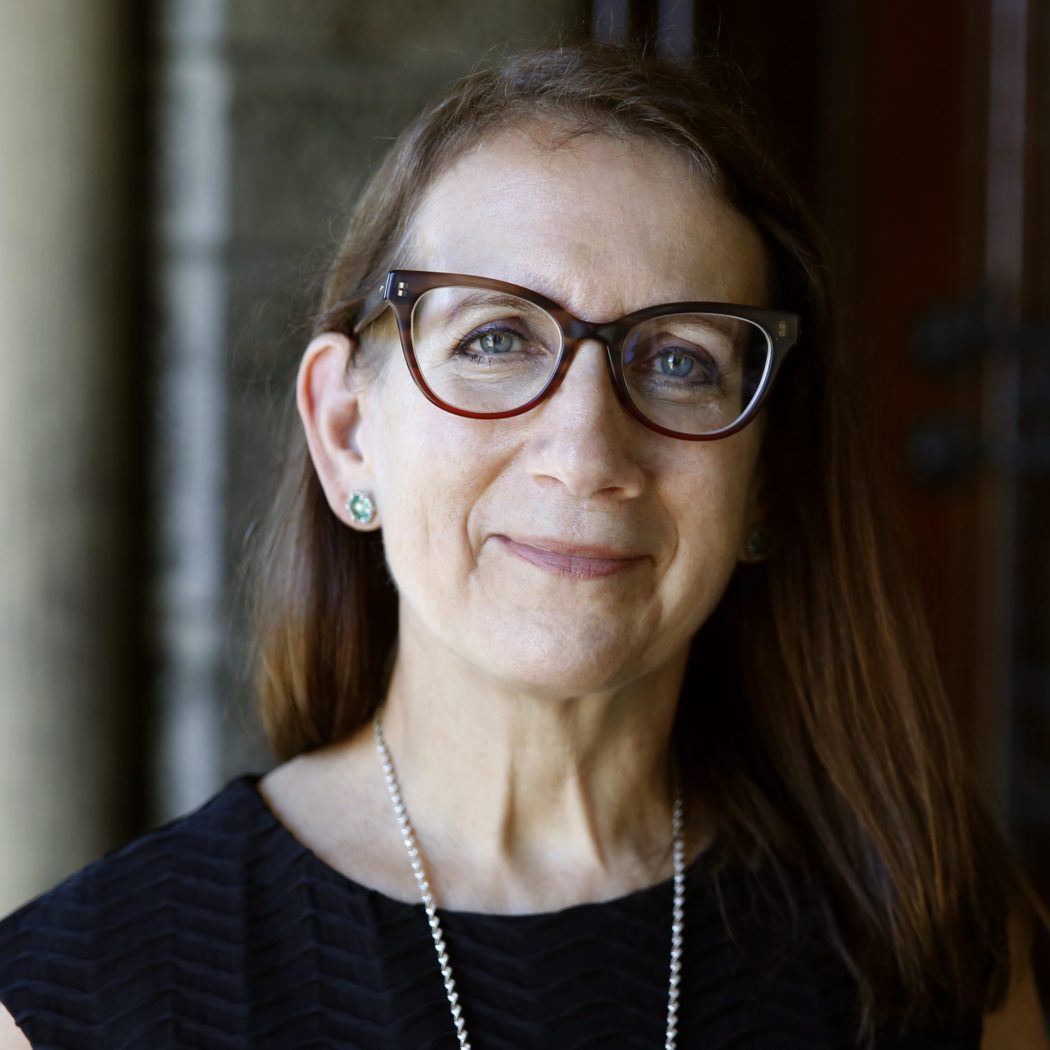
Katharine M. Donato is the Donald G. Herzberg Professor of International Migration and former Director of the Institute for the Study of International Migration (ISIM) in the School of Foreign Service at Georgetown University. Her work focuses on migration's economic, health, and social dimensions, including U.S. immigration policy, refugee integration, environmental migration drivers, and migrant health. Donato has held faculty positions at Vanderbilt and Rice Universities and was a visiting scholar at the Russell Sage Foundation (2017–2018). Her research explores topics such as deportation impacts, Mexican labor markets, and the legal visa system. Key contributions include co-authoring Gender and International Migration: From Slavery to Present (2015) and Refugee and Migrant Integration (2019). She leads projects funded by the National Science Foundation (NSF), Russell Sage Foundation (RSF), and others, including studies on Bangladeshi environmental migrants and assimilation of unaccompanied minors in the U.S. Donato’s work bridges disciplines, linking migration to health, policy, and climate change. Recent articles address extreme weather’s role in migration, medical-legal partnerships for immigrants, and predictive modeling of forced migration using social media data. Her scholarship emphasizes interdisciplinary approaches to global governance challenges and migrant well-being.
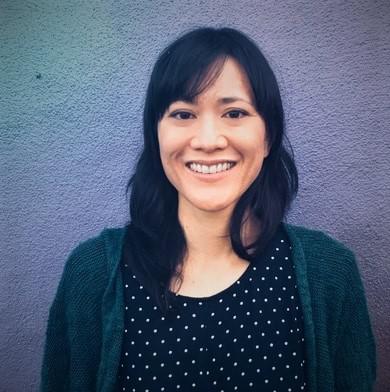
Jennifer Candipanمشاهده پروفایل
استادیار
- Stratification
- Urban Sociology
- Race/Ethnicity
- +۷ مورد دیگر
Jennifer Candipan is the Stanley J. Bernstein Assistant Professor of Sociology at Brown University and a faculty affiliate at Brown's Population Studies and Training Center, Spatial Structures in the Social Sciences (S4), and Urban Studies Program. She completed her PhD, MA, and BA in Sociology at the University of Southern California and was a Postdoctoral Research Fellow in Sociology at Harvard University (2019-2020). Her research focuses on stratification, urban sociology, race/ethnicity, and education, examining how neighborhoods and schools shape opportunities and produce inequality. Key themes include neighborhood change, gentrification, school choice, and health disparities. Her work has been funded by the National Science Foundation, National Institutes of Health, Spencer Foundation, and Russell Sage Foundation. Teaching includes courses like Spatial Data Analysis Techniques , Statistics for Social Sciences , and Urban Inequality . She advises on multivariate statistical methods and urban sociology topics. Notable grants include a $375,000 Spencer Foundation grant (co-PIs Katrina Walsemann & Nicole Hair) and a NIH LRP Award for Health Disparities Research.

George Z. Gasyna is a Professor at the Department of Slavic Languages & Literatures and the School of Literatures, Cultures & Linguistics at the University of Illinois at Urbana-Champaign (UIUC). He also serves as Co-Director of Undergraduate Studies and is affiliated with the Program in Comparative and World Literature, the Unit for Criticism and Interpretive Theory, and the Program in Jewish Culture and Society. Education: PhD, University of Toronto MA, McGill University BA, McGill University Gasyna’s research spans 20th-century Polish literature, diasporic and minority cultures, and Jewish cultural history in pre-1939 multiethnic Poland. His work explores migration, exile, autobiography, memory, postmemory, and travel literature, with a focus on heterotopia and transcultural narratives. His recent publications analyze Polish literature through transnational and postcolonial lenses, emphasizing borderlands, national identity, and cultural displacement. Themes like imperialism, diaspora, and avant-garde poetics recur across his scholarship. Scientific Awards: Conrad Humanities Scholar (2020-2025) Humanities Research Institute Fellowship (2017-18) Gasyna has taught courses on Polish culture, modernism, Joseph Conrad, and radical political thought. His affiliations with interdisciplinary programs reflect his broad scholarly engagement.
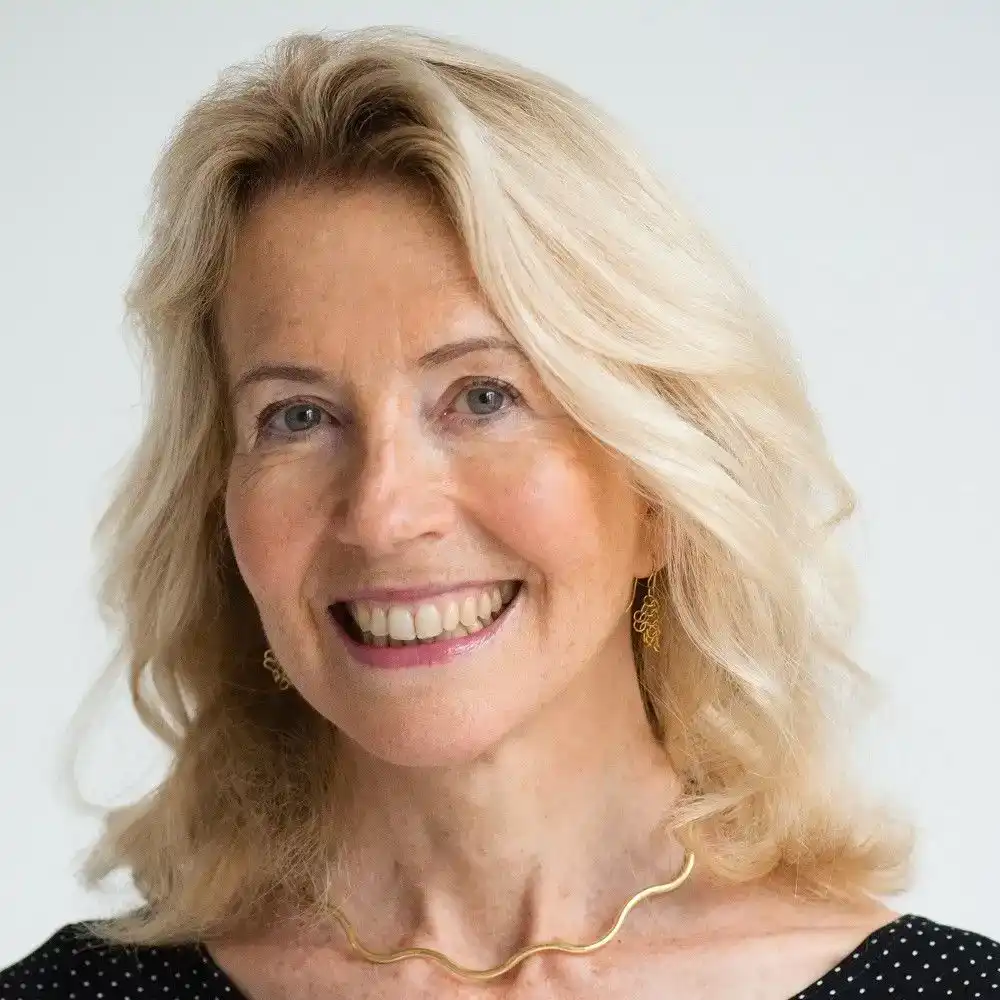
Horatia Muir Watt is a Full Professor at Sciences Po's Law School, where she is a leading figure in private international law and comparative law. She is Co-Director of the Global Governance Studies program and founder of the PILAGG research group. Her scholarship is widely published in top legal journals, and she serves as Director of the Revue critique de droit international privé , the premier French-language journal in her field. She is affiliated with the Institute of International Law and the Institut Universitaire de France. PhD in Private International Law, University of Panthéon-Assas Paris 2 (1985) Agrégation in Private Law, ranked second (1986) Former faculty at University of Tours, Paris XI, and Paris I Panthéon-Sorbonne Appointed to Sciences Po in 2009, instrumental in founding its Law School Her research centers on international private law in global governance , comparative law with new theoretical approaches , and fundamental rights . She critically examines the role of law in transnational disputes, arbitration, migration, and environmental justice. Her work often explores the philosophical and cultural dimensions of legal reasoning, including alterity, translation, and ecological jurisprudence. Her recent publications, spanning 2023–2024, demonstrate a consistent focus on the evolving landscape of private international law. Key themes include jurisdiction in transnational litigation, the recognition of foreign judgments, the impact of war on family law, and the ethics of legal publishing. Her articles appear predominantly in the Revue critique de droit international privé , with additional contributions to journals like Rabels Zeitschrift and Transnational Legal Theory . The body of work reflects a blend of doctrinal precision and critical theory, engaging with EU regulations, comparative methodologies, and global legal challenges. Member of the Institute of International Law (since 2013) Member of the Institut Universitaire de France (since 2018) Horatia Muir Watt has supervised numerous PhD candidates and leads the PILAGG research group, which has produced several influential books with publishers such as Oxford University Press and Edward Elgar. She is part of the core faculty at the Institute for Global Law and Policy (IGLP) and serves on the editorial boards of multiple international legal journals, including the Journal of Private International Law and Transnational Legal Theory . Her work is supported by institutional affiliations and collaborative research projects rather than specific grant mentions in the text. She directs the PILAGG (Private International Law and Global Governance) research group at Sciences Po, which fosters interdisciplinary and critical approaches to transnational law. The group has organized collective research projects resulting in major publications and contributes to shaping contemporary discourse in private international law.

Emilio J. Castilla is the NTU Professor of Management and Professor of Work and Organization Studies at the MIT Sloan School of Management. He co-directs the MIT Institute for Work and Employment Research and has previously held faculty positions at the Wharton School. Research Focus: Organizational Theory and Behavior Economic Sociology Human Resources Management Workplace Inequality Mechanisms of Meritocracy Social Networks in Employment Scientific Contributions: Identified the "Paradox of Meritocracy" with Stephen Benard Documented systematic racial/gender pay disparities despite formal merit systems Investigated legacy admissions practices and their inequality-reinforcing effects Developed frameworks for longitudinal analysis of employment processes Selected Honors: Richard Beckhard Memorial Prize (2017) Career Trajectory: Joined MIT Sloan in 2005 after Wharton faculty appointment. Serves as Research Fellow at Wharton Financial Institutions Center and Center for Human Resources. His work appears in top journals across sociology, management, and economics.

John Rand is a Professor in Development Economics at the Department of Economics, University of Copenhagen, where he has been employed since 2021. He previously served as Professor (mso) at the Faculty of Social Sciences (2015-2020) and Faculty of Science (2011-2014), Associate Professor (2008-2011), and Assistant Research Professor (2005-2008) at the same institution. He is currently Vice-chair of The Consultative Research Committee for Development Research (FFU) and co-director of the Development Economics Research Group (DERG). Professor Rand's research focuses primarily on development economics, with specific expertise in applied econometrics, impact measurement, industrial economics, and interdisciplinary methods. His work spans topics including climate-smart agriculture, economic policy in developing countries, trade and productivity, and governance issues. He leads multiple externally funded research projects including 'Energy transition and climate-smart agriculture in Vietnam', 'Economic Research and Policy Making in Kenya', and 'Sedentarization and climate change resilience in Nigeria'. His extensive publication record shows a strong focus on empirical research in developing countries, particularly in Africa and Southeast Asia. His recent work demonstrates consistent attention to practical policy implications, with a growing emphasis on climate change adaptation, resource allocation efficiency, and the intersection of economic development with environmental sustainability. His research often employs rigorous quantitative methods to address real-world development challenges. Professor Rand is actively involved in several research networks including the Copenhagen Center for Disaster Research (COPE) as part of the steering group and the UCPH Migration Research Platform. He serves as Head of Studies for Global Development and teaches Development Economics (BA) and Theories, Facts and Current Issues (MSc Global Development). He has presented his research at numerous international conferences including UNU WIDER conferences, Nordic Conference in Development Economics, and various country-specific development forums. His work has been referenced in policy sources and picked up by news outlets, indicating its relevance to current development debates.

Joseph Nwadiukoمشاهده پروفایل
استادیار
Joseph Nwadiuko is an Assistant Professor of Medicine at the University of Pennsylvania's Perelman School of Medicine, specializing in internal medicine and health economics. He is affiliated with the Center for Global Health as an Associate Scholar, with research focused on health systems, migration, incarceration, and global workforce dynamics. MD: University of Pittsburgh PhD: UCLA, Health Policy and Management (Economics Cognate) MPH & Residency: Johns Hopkins BA: Amherst College Fellowship: General Internal Medicine, University of Pennsylvania Dr. Nwadiuko’s research centers on global health systems, particularly the intersection of migration, health workforce mobility, and health equity. His work explores how economic and policy factors influence physician migration in low- and middle-income countries and examines health outcomes within U.S. immigration detention facilities. He employs administrative data and mixed methods to assess health labor markets and structural determinants of care. His recent publications span high-impact journals such as The Lancet , JAMA , and Health Policy and Planning , highlighting trends in solitary confinement, sexual assault in detention, and diaspora contributions to global health. These works reflect a consistent focus on vulnerable populations, health policy reform, and ethical healthcare delivery. Dr. Nwadiuko has served as a consultant for the World Bank and has advised U.S. government agencies including the State Department, USAID, and the Department of Homeland Security. His interdisciplinary collaborations with physicians and lawyers underscore a commitment to policy-relevant, justice-oriented research. Health Systems Strengthening Migration and Health Refugee Health Incarceration and Health Health Economics Non-communicable Diseases He is actively involved in mentoring and global health training programs at Penn, contributing to the education of medical and public health students. His work group investigates healthcare quality in immigration detention, advocating for transparency and accountability.
Dr. Ceri Oeppen is a Lecturer in Human Geography at the University of Sussex and a Global Fellow of the Peace Research Institute Oslo (PRIO). Her research focuses on migration, conflict, and development, particularly in Afghanistan and among Afghan asylum seekers and refugees. Her current project, Possibilities and Realities of Return Migration (PREMIG) , funded by the Research Council of Norway, examines return migration in Afghanistan, Pakistan, and three other countries. Her work bridges academic research with policy and community engagement, emphasizing displacement economies, returnee integration, and gender dynamics in migration. Her recent publications highlight trends in forced and voluntary migration, reintegration challenges, and displacement economies, with case studies across Afghanistan, Pakistan, Europe, and Africa. She employs interdisciplinary methodologies, linking migration discourse to broader social and policy contexts. Scientific Awards Global Fellow, Peace Research Institute Oslo (PRIO) She has contributed to grants like the PREMIG project and collaborated with institutions such as the Sussex Asia Centre. Her research also explores public scholarship, ethical engagement, and activism in migration studies.

Yining Tanمشاهده پروفایل
استادیار
Yining Tan is an Assistant Professor of Practice in the School of Geography, Development & Environment at the University of Arizona. Her research focuses on urban geography, human mobility, international migration, and transnational connections, with a particular emphasis on skilled migrants' spatial, occupational, and social mobility. University of Arizona: Assistant Professor of Practice Her work combines intersectionality theory with capital-mobility frameworks to analyze migration patterns and urban equity challenges in economic development, built environments, and socio-cultural integration. Current research funded by the Faculty Small Grants from the Social & Behavioral Sciences Research Institute examines intergenerational care practices and access to housing/healthcare in Arizona among "zero generation" migrant families. Yining's publications span journals such as The Professional Geographer, Journal of Ethnic and Migration Studies, Cities, Asian Geographer, and International Migration. Research trends show consistent focus on US-China migration dynamics, transnational networks, gender dimensions, and policy implications for urban development. AAG Dissertation Grant She earned a bachelor's degree from Sun Yat-sen University (China), Master of Planning from University of Southern California, and PhD in Geography from Arizona State University.