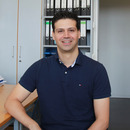
Deborah L Stenkamp serves as Professor in the Department of Biological Sciences within the College of Science at the University of Idaho. She maintains cross-disciplinary affiliations as Member of the Initiative for Bioinformatics and Evolutionary Studies and Institute for Interdisciplinary Data Sciences, and Participating Faculty of the Institute for Modeling Collaboration and Innovation. Her educational foundation includes a PhD in Neuroscience from Johns Hopkins University (1993) and BA in Biology from Whitman College (1987). These qualifications underpin her research program focused on molecular mechanisms of retinal development and regeneration. Dr. Stenkamp's research centers on thyroid hormone regulation of photoreceptor plasticity in zebrafish models, with particular emphasis on cone opsin gene expression dynamics. Her work integrates endocrinology, molecular genetics, and regenerative biology to investigate how retinal circuitry rewires following injury. Current projects examine transcriptional heterogeneity in photoreceptor subtypes and develop scalable lesion models for regeneration studies. Analysis of her recent publications reveals a cohesive research trajectory exploring thyroid signaling in visual system development. Her lab has pioneered methods for analyzing opsin expression in 3D retinal organoids while maintaining zebrafish as the primary model for in vivo studies of retinal regeneration. She directs the Stenkamp Lab which employs transgenic reporter systems, gene expression profiling, and functional assays to study retinal development. The lab's work bridges fundamental developmental biology with translational applications for retinal degenerative diseases, leveraging interdisciplinary collaborations across data science and bioengineering domains.
Ratna Chaturvedi serves as an Instructor in the Department of Neurobiology at UMass Chan Medical School, affiliated with the T.H. Chan School of Medicine. Her research leverages Drosophila melanogaster models to investigate fundamental neurobiological processes including sleep regulation, circadian rhythms, and visual function. Her educational background includes a BS in Biology and Chemistry and an MS in Zoology from the University of Lucknow, India, followed by a PhD from the Indian Institutes of Technology Kharagpur. She completed postdoctoral training at UMASS Medical School. Dr. Chaturvedi's primary research interests encompass Neurobiology, Glial Cells, Neuronal Function, Sleep Regulation, Circadian Rhythms, Animal Behavior, and Vision Science . Her work has significantly advanced understanding of glial networks in neurotransmitter recycling and GABAergic control of sleep-wake cycles. Earlier research also explored plant-pathogen interactions and marine biomaterials. Publication analysis reveals a dominant neurobiological focus since 2010, with recent work (2022-2024) establishing critical mechanisms of astrocytic GABA transporters in sleep regulation. Her 2014-2016 publications defined foundational principles of visual processing in Drosophila, while pre-2016 works spanned plant pathology and nacre bioactives. No scientific awards or major grant funding are documented in available profiles. Collaborative networks include Patrick Emery and colleagues in the Neurobiology Department such as Michele Lemons, Peter M'Angale, and Andrew Tapper. Information regarding student mentorship, laboratory facilities, and future research directions remains unspecified in current documentation, though her work shows consistent progression in Drosophila neurogenetics with increasing social media engagement (e.g., 3 news outlets covered her 2024 publication).
Rasmus Schmidt Davidsen serves as a Tenure Track Assistant Professor in the Department of Electrical and Computer Engineering at Aarhus University. His research is centered within the Electronics and Photonics laboratory, where he investigates interdisciplinary topics at the intersection of electrical engineering, photonics, and biomedical applications. His primary research interests include photovoltaics (with a focus on perovskite solar cells, selenium-based photovoltaics, and black silicon technology) and biomedical engineering (specifically neural interfaces, retinal prosthetics, and microfabrication of implantable devices). He also explores microfabrication techniques for carbon microelectrodes and their application in neural stimulation. An examination of his recent publications reveals two dominant research themes: advancing solar cell efficiency through novel materials and structures, and developing biomedical devices for vision restoration. His photovoltaic work addresses critical challenges in tandem solar cells and defect engineering, while his biomedical research pioneers carbon-based retinal implants and long-term retinal tissue culture. Scientific Awards: No scientific awards were mentioned in the provided information. Advising and Grants: There is no information provided regarding graduate students or research grants supervised by Dr. Davidsen. Laboratory Affiliation: Dr. Davidsen is actively involved in the Electronics and Photonics research group at Aarhus University, contributing to both fundamental and applied research in micro- and nanofabrication for energy and biomedical applications.
KÜBRA UYAR is a Lecturer at Alanya Alaaddin Keykubat University's Rafet Kayış Faculty of Engineering, Department of Computer Engineering. She previously worked as a Research Assistant at Selçuk University's Faculty of Technology (2022-2023) and continues her academic contributions in image processing and artificial intelligence. PhD in Computer Engineering (2022), Selçuk University MSc in Computer Engineering (2017), Selçuk University BSc in Computer Engineering (2014), Melikşah University Double Major in Mathematics (2014), Melikşah University Her research focuses on Artificial Intelligence , Computer Vision , and Medical Image Analysis , with a strong emphasis on Machine Learning and Image Processing . Current work includes developing explainable AI models for retinopathy diagnosis and optimizing CNN architectures for biomedical applications. Recent publications highlight trends in Deep Learning for agriculture (chestnut classification), Medical Imaging (retinopathy, leukocyte detection), and Optimization (CNN hyperparameters, B-spline algorithms). Her work bridges Computer Science with Healthcare and Industrial Applications . Key projects include the Data-Intensive and Computer Vision Research Laboratory Infrastructure Project (2020-2021) and the Selçuk University Weather Monitoring System (2018-2020), both funded by higher education institutions.
Dr. Olivier de Jong is an Assistant Professor in the Department of Pharmaceutics within the Faculty of Science at Utrecht University. His research focuses on biology-inspired methods of drug delivery, specializing in extracellular vesicles, cell-penetrating (lipo)peptides, and novel strategies for delivering biotherapeutics. He maintains an active research group with significant contributions to the field of gene therapy and drug delivery systems. Dr. de Jong's research interests center on extracellular vesicle-mediated RNA transfer, CRISPR/Cas9 delivery systems, and the development of innovative therapeutic approaches using nanotechnology. His work bridges the gap between fundamental biological mechanisms and practical therapeutic applications, with particular emphasis on overcoming delivery challenges in gene therapy. His research employs cutting-edge techniques in molecular biology, nanotechnology, and cell engineering to develop more efficient delivery systems for genetic material. Analysis of his recent publications reveals a clear trajectory toward increasingly sophisticated delivery systems for gene editing tools, particularly CRISPR/Cas9. His work demonstrates a progression from basic extracellular vesicle characterization to engineered systems with specific targeting capabilities and controlled release mechanisms. The research spans multiple therapeutic areas including cardiovascular disease, inherited retinal disorders, and cancer, highlighting the versatility of his delivery platform technologies. Dr. de Jong also serves as a Scientific Advisory Board Member of The Organoid Company, demonstrating his engagement with industry applications of his research. His collaborative work spans multiple disciplines and institutions, reflecting the interdisciplinary nature of modern drug delivery research. His laboratory likely focuses on both fundamental mechanisms of extracellular vesicle biology and translational applications of these findings to therapeutic development.
Noel Marysa Ziebarth serves as Associate Professor and Associate Dean of Graduate Studies in the Biomedical Engineering Department within the College of Engineering at the University of Miami. His academic leadership role alongside his research activities demonstrates his significant contribution to both education and scholarship at the institution. His position as Associate Dean indicates substantial administrative responsibilities in addition to his research and teaching duties. Dr. Ziebarth's research spans multiple critical areas in biomedical engineering with a strong emphasis on ocular biomechanics. His work investigates corneal and lens mechanical properties, glaucoma pathophysiology, and diabetes-related biomedical applications. He has developed expertise in atomic force microscopy (AFM) techniques to study tissue mechanics at microscopic levels, particularly applied to eye tissues. His research program examines photosensitizer penetration for antimicrobial therapy, lipid metabolic pathways in glaucoma, and innovative encapsulation methods for pancreatic islet transplantation in diabetes treatment. This multidisciplinary approach bridges engineering principles with clinical ophthalmology and endocrinology challenges. Analysis of Dr. Ziebarth's recent publication record reveals three dominant research trajectories: 1) Corneal biomechanics and antimicrobial therapy, with multiple studies on photosensitizer penetration and iontophoresis techniques; 2) Glaucoma mechanisms, particularly focusing on lipid pathways, aqueous humor vesicles, and trabecular meshwork mechanics; and 3) Diabetes-related biomedical engineering, specifically developing and evaluating islet encapsulation techniques for transplantation. His work consistently employs advanced imaging and mechanical testing methodologies, with atomic force microscopy serving as a cornerstone technique across multiple projects. The interdisciplinary nature of his research connects engineering principles with clinical applications in ophthalmology and diabetes treatment. While specific awards aren't detailed in the available information, Dr. Ziebarth maintains an active research laboratory producing numerous high-impact publications annually. His work appears in reputable journals across ophthalmology, biomedical engineering, and diabetes research domains, indicating recognition within multiple scientific communities. His research program likely involves multiple funding sources supporting his investigations into ocular biomechanics and diabetes-related biomedical engineering. Dr. Ziebarth's laboratory appears to focus on advanced biomechanical testing of ocular tissues, particularly using atomic force microscopy for high-resolution mechanical characterization. His team investigates both fundamental tissue properties and applied therapeutic approaches, including drug delivery systems for eye infections and encapsulation technologies for diabetes treatment. This dual focus on basic science and translational applications demonstrates a comprehensive research program addressing multiple stages of the research continuum from basic mechanisms to potential clinical applications.
Dr. Sanda Boca-Farcău is a Leading Researcher at the Institute for Interdisciplinary Research in Molecular and Isotopic Technologies (TIM) within the Department of Isotopic and Molecular Technologies at Babeș-Bolyai University, Cluj-Napoca, Romania. She holds a PhD in Physics (2011), MSc in Biophysics and Medical Physics (2008), and BSc in Medical Physics (2006) from the same university. Education PhD Physics (2011) - Babeș-Bolyai University MSc Biophysics and Medical Physics (2008) - Babeș-Bolyai University BSc Medical Physics (2006) - Babeș-Bolyai University Her research focuses on nanoparticles for biomedical applications, including theranostic nanocompounds , optical and vibrational spectroscopy , and plasmonic hyperthermia . She has developed gold nanoparticle-based systems for targeted drug delivery in leukemia treatment, bioimaging via SERS and dark field microscopy , and nanoscale manipulation using atomic force microscopy. Notable projects include: NanoMEDLeuKemist: Spectroscopic encoded gold nanoparticles for acute lymphoblastic leukemia treatment GLANCE: Plasmonic nano-gap arrays for light emission control RETSTEM: Stem cell therapies for retinal diseases using gold nanoparticle delivery systems NanoDetCTC: Detection of chemoresistant tumor cells via bioconjugated noble-metal nanoparticles DEONOS: Dual electrical/optical nano-sensors on flexible substrates NANOBIOFUN: Multifunctional nanoparticles for bioimaging and cancer therapy Her work bridges physics, chemistry, and biology to develop non-invasive diagnostic tools and nano-chemotherapy approaches. She has contributed to cost-effective SERS substrates and DNA-mediated nanoparticle crystallization for future optoelectronic materials.
Ching-Hwa Sung is a Professor at Weill Cornell Medical College , with appointments in both the Neuroscience and Ophthalmology departments. As the Betty Neuwirth Lee and Chilly Professor in Stem Cell Research , her work bridges fundamental cell biology with translational neuroscience and retinal disease research. Ph.D., National Yang-Ming Medical College (1989) B.S., National Taiwan University (1984) Her research focuses on: Retinal Degenerative Diseases (e.g., retinitis pigmentosa, age-related macular degeneration) Ciliary Biology in photoreceptors and neural progenitors Endosomal Trafficking mechanisms in retinal and neuronal development Stem Cell Research applications in vision restoration Current research projects include: Endosome-regulated retinal homeostasis (NIH R01 funding 2023-2027) CLIC4-deleted mouse model for dry AMD mechanistic studies (2021-2026) Her publications reveal key insights into: Tctex-1's role in ciliary resorption and cell cycle progression CLIC4's regulatory functions in endosomal trafficking and RPE biology Molecular mechanisms of rhodopsin and Tulp1 mutations in retinal degeneration Honors include being named the Betty Neuwirth Lee and Chilly Professor in Stem Cell Research . She has trained extensively in Taiwan and leads research at the intersection of cell biology, neuroscience, and ophthalmology at Cornell.
Prof. Marc van Zandvoort is a Professor at the Institute for Molecular Cardiovascular Research (IMCAR), specializing in advanced microscopy applications for cardiovascular and tissue engineering research. His work bridges molecular imaging, cellular dynamics, and clinical pathology through interdisciplinary collaborations. His primary research focuses on cardiovascular microvasculature, tissue engineering maturation, and cellular death mechanisms. He employs multiphoton microscopy, two-photon endoscopy, and super-resolution techniques to investigate placental pathologies in preeclampsia, atherosclerotic plaque microvasculature, mitochondrial networks, and cerebrovascular glycocalyx integrity. Key methodologies include quantitative imaging of nuclear morphology, 3D structural analysis, and biomaterial characterization for drug delivery systems. Analysis of his 2023-2025 publications reveals dominant themes in cardiovascular imaging (68%), placental/obstetric research (20%), and neural applications (12%). Technical innovations center on multiphoton imaging for tissue engineering maturation (32%), hydrogel-based biomaterials (24%), and mitochondrial dynamics in cell death pathways (16%), with strong cross-disciplinary links to obstetrics, cardiology, and nanomedicine. Scientific Awards: None mentioned in the provided text. Information on student advising, research grants, and educational background was not provided in the available text. Prof. van Zandvoort leads microscopy-focused research within IMCAR, utilizing two-photon endoscopy systems and multiphoton imaging platforms. His collaborative network spans 17 institutions across Europe, with frequent co-authorship on projects involving tissue-engineered heart valves, placental microvasculature quantification, and super-resolution pathology profiling.
James Gagnon is an Assistant Professor in the School of Biological Sciences within the College of Science at the University of Utah, where he leads a research program investigating fundamental mechanisms of embryonic development, organ maintenance, and responses to injury, aging, and infection using zebrafish as a model organism. His research integrates traditional developmental biology with cutting-edge techniques including CRISPR genome editing, single-cell sequencing, advanced microscopy, and mathematical modeling. Key focus areas include cell lineage tracing, heart regeneration, germ cell development, and host-pathogen interactions, with work spanning developmental biology, regenerative medicine, infectious disease, and computational biology. Analysis of his recent publications reveals a consistent emphasis on leveraging zebrafish to develop and apply novel genomic tools like MIC-Drop-seq and orthogonal CRISPR-Cas systems. His work shows strong interdisciplinary trends connecting single-cell profiling with mathematical modeling to decode developmental processes and disease mechanisms, particularly in organ regeneration and environmental adaptation. Dr. Gagnon maintains a collaborative lab environment where undergraduate researchers are treated as peer scientists. His mentoring approach includes weekly team meetings with a small group (currently one postdoc, one graduate student, and one undergraduate), individual career planning sessions, and opportunities to present at seminars and conferences. Students gain hands-on experience in experimental design, data analysis, and scientific communication within a supportive intellectual community.
Ellen Christine Leth Løkkegaard serves as a Clinical Professor in the Department of Clinical Medicine at the University of Copenhagen, with clinical responsibilities at Copenhagen University Hospital (Region H). Her work bridges academic research and clinical obstetrics/gynaecology practice, focusing on evidence-based women's health interventions across Denmark. Her research spans critical domains in reproductive health: Contraceptive safety and thromboembolic risk assessment Optimization of assisted reproductive technologies (IVF/ICSI) Perinatal mental health screening protocols Digital interventions for pregnancy weight management Neurodevelopmental outcomes in preterm infants Ocular complications associated with hormonal therapies Analysis of her 2025 publications reveals a strong emphasis on methodologically rigorous clinical studies, including multi-center randomized trials and large-scale observational research. Key trends include the integration of digital health tools in antenatal care, comprehensive safety profiling of reproductive interventions, and longitudinal assessment of developmental outcomes. Her work consistently addresses clinically significant questions with direct implications for obstetric practice guidelines.
Peng Jiang is an Assistant Professor at Cleveland State University, affiliated with the Center for Gene Regulation in Health and Disease (GRHD). His research focuses on developing statistical methods and data-driven approaches to analyze genomic and transcriptomic data, with applications in understanding gene regulation, cellular heterogeneity, and human diseases. Dr. Jiang's research interests span statistical bioinformatics, machine learning applications in genomics, network modeling, and single-cell RNA sequencing analysis. His work integrates computational approaches to leverage large-scale omics datasets, aiming to maximize knowledge extraction from complex biological data. He has made significant contributions to the development of methods for quality control of single-cell RNA-seq data, temporal gene expression analysis, and understanding transcriptome dynamics in various biological contexts including embryonic development, neural progenitor cells, and disease models. His publication record reveals a strong focus on methodological development in bioinformatics, particularly for single-cell RNA sequencing analysis. His work has addressed challenges in quality control, temporal analysis, and spatial patterning of gene expression. He has also applied these methods to study various biological systems including stem cell differentiation, neural development, and disease mechanisms across multiple species from axolotl to human models. Dr. Jiang currently leads a research group that includes postdoctoral researchers, PhD students, and undergraduate honors students. His lab, the Jiang Lab, seeks "inspired, highly motivated, and curious graduate students" to join their research efforts in computational genomics and bioinformatics.
Patrick Griffin is a Professor and Scientific Director at The Scripps Research Institute (TSRI) Scripps Florida, where he serves in the Department of Molecular Therapeutics. With over 25 years of experience in drug discovery and development, Dr. Griffin has established himself as a leading researcher in protein structure and nuclear receptor signaling. His career spans both industry and academia, with significant contributions to pharmaceutical development including key work on Januvia (a DPP4 inhibitor now in clinical use). Ph.D. in Chemistry from the University of Virginia under Professor Donald F. Hunt Postdoctoral Fellowship with Professor Leroy Hood at Caltech Former Chief Science Officer at ExSAR Corporation Former Senior Director of Chemistry at Merck Research Laboratories Dr. Griffin's research program focuses on understanding nuclear receptor (NR) signaling using structural, chemical and biological approaches. His laboratory has made significant contributions to understanding the mechanism of ligand activation of NRs such as PPARs, RORs, REV-ERBs, LRH1, VDR, ER, GR, and PR. Through the use of mutagenesis, HDX-MS, crystallography, proteomics and genomics, his team studies the structure-function relationships of nuclear receptors, enzymes, and G protein coupled receptors (GPCRs). A major emphasis of his chemical biology program is developing functionally selective and promoter-specific modulators targeting diseases such as cancer, autoimmune disorders, obesity, and diabetes. Dr. Griffin's lab is particularly well-known for developing and applying biophysical methods including HDX and XL-MS platforms for analyzing protein plasticity, with a focus on nuclear receptors, enzymes, and GPCRs. Dr. Griffin's recent publications (2022-2025) demonstrate continued innovation in structural proteomics, nuclear receptor biology, and therapeutic development. His work shows a clear trajectory from fundamental protein structure research toward translational applications, particularly in metabolic disorders, cancer, and neurological conditions. A significant theme across his recent work is the development of non-muscle myosin II inhibitors with therapeutic potential, reflecting his long-standing interest in protein structure-function relationships and their therapeutic modulation. His research continues to bridge structural biology, chemical biology, and drug discovery, with particular emphasis on nuclear receptor signaling pathways and their role in metabolic regulation. Dr. Griffin's research impact is evidenced by his publication record of over 240 peer-reviewed manuscripts, an h-index of 83 (58 since 2016), and an i10-index of 223 according to Google Scholar. Dr. Griffin has served as PI, Co-PI, and co-investigator on numerous NIH-funded grants. Notable funding includes leadership of "The Comprehensive Center for Chemical Probe Discovery and Optimization at Scripps," a 6-year U54 MLPCN Roadmap initiative. He co-founded Ember, a biotech company funded by Third Rock Ventures, based on work from a RC4 collaboration with Bruce Spiegelman at Dana Faber. Dr. Griffin has maintained a 13-year collaboration with Eli Lilly and serves as PI on grants with private biotechs including Synkine Therapeutics. As Co-PI on a NIH Blueprint UH3 grant, he co-founded Myosin Therapeutics, whose clinical candidate emerged from this NIH-funded program. Dr. Griffin leads a research program that integrates structural biology, chemical biology, and drug discovery approaches. His laboratory has developed advanced HDX-MS and XL-MS platforms for protein structure analysis. The team's work spans from fundamental protein structure studies to translational drug discovery, with particular expertise in nuclear receptor biology. His lab has made significant contributions to understanding nuclear receptor signaling mechanisms and developing novel therapeutic approaches targeting these pathways.
Prof. Dr. Stylianos Michalakis is a faculty member at Ludwig Maximilian University of Munich (LMU Munich), specializing in Epigenetics and Bioinformatics . His research focuses on retinal gene therapy , mechanisms of retinal degeneration , and the therapeutic potential of adeno-associated virus (AAV) vectors . He leads investigations into inherited retinal diseases like Achromatopsia and Retinitis Pigmentosa , aiming to develop pharmacological and genetic neuroprotection strategies. Current research targets the role of cGMP and its downstream pathways in photoreceptor degeneration. Develops AAV-based vaccines and advanced vector engineering techniques for retinal delivery. Investigates CRISPR/dCas9-VPR systems for gene activation in inherited retinal dystrophies. His recent publications highlight innovations in AAV vector design, long-term therapeutic efficacy in animal models, and molecular diagnostics for retinal disorders. Key subfields include Retinitis Pigmentosa , Stargardt Disease , photoreceptor survival , and neuroinflammatory modulation . Collaborations span preclinical testing, clinical trials, and translational research in ophthalmology and molecular biology.
Yan Li, Ph.D., is a Professor in the Department of Chemical and Biomedical Engineering at the FAMU-FSU College of Engineering, Florida State University. She serves as Postdoctoral Fellow Director and Honors in the Major Program Director, leading cutting-edge research in stem cell bioprocessing and tissue engineering. Dr. Li earned her B.S. in Chemical Engineering from Tsinghua University (Beijing, China) in 1995 and her Ph.D. from The Ohio State University in 2002. Her academic journey bridges chemical engineering fundamentals with biomedical applications. Her research focuses on stem cell technology and engineering , tissue engineering and biomaterials , and cell processing and bioprocessing . She pioneers bioreactor-based systems for scaling extracellular vesicle production, with transformative applications in regenerative medicine. Her work reveals how culture conditions affect stem cell metabolism and vesicle cargo, enabling novel therapeutic strategies for neurological disorders. Recent publications demonstrate a clear trajectory toward organoid-based EV biomanufacturing and neurological disease modeling . The research spans from fundamental bioprocess engineering to translational applications in stroke, neurodegeneration, and cancer, consistently leveraging advanced bioreactor platforms for clinical-scale production. Major recognitions include: ELATES Fellow (2023) Developing Scholar Award (2021) from Florida State University NSF CAREER award (2017) Geronosity Award and Award of Achievement from Geron Corporation Presidential Fellowship from The Ohio State University Dr. Li has secured significant NIH and NSF funding, including her CAREER award focused on stem cell bioprocessing. She mentors graduate students and postdocs while directing honors programs, fostering the next generation of engineers. Her collaborations span academia, industry (notably Geron Corporation), and clinical partners to accelerate therapeutic translation. Her laboratory operates at the chemical engineering-neuroscience interface, utilizing vertical wheel bioreactors and organoid models to engineer extracellular vesicles for CNS applications. The team comprises chemical engineers, neuroscientists, and clinicians working on EV-based drug delivery systems and disease models for stroke and neurodegeneration.