- Biophysics
- Biochemistry
- Membrane proteins
- +۶ مورد دیگر
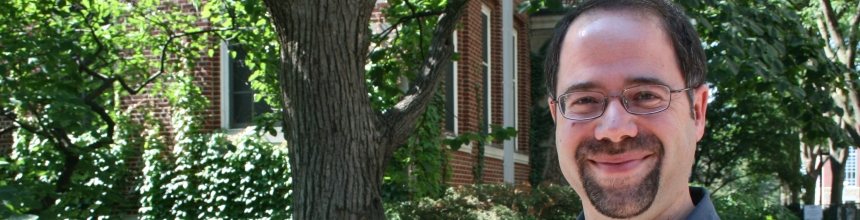
Leonid S. Brown is a full Professor in the Department of Physics at the University of Guelph and serves as Associate Dean (Research & Graduate Studies) for the College of Engineering and Physical Sciences. His research focuses on light-activated membrane proteins important in bioenergetics and vision, particularly microbial rhodopsins. Dr. Brown obtained his PhD in Biology (Biophysics) from Moscow State University in 1991 and joined the University of Guelph in 2002. His work combines modern biophysics with molecular biology and biochemistry techniques to study retinal-binding proteins. His research primarily investigates three major areas: exploring novel microbial rhodopsins for bioenergetics and sensory transduction; studying protein-lipid interactions and folding using NMR spectroscopy; and developing methods for structural characterization of medically important membrane proteins. His recent publications show a strong focus on channelrhodopsins for optogenetics applications, membrane protein structure determination using advanced NMR techniques, and the molecular mechanisms of proton and ion transport in various rhodopsin families. Premier's Research Excellence Award (2003) Research Innovation Award (2003) Member of Editorial Board of the Biophysical Journal (2009-2015) DAAD and Ontario-Baden-Württemberg scholarships (2016) Visiting Professorships at Nagoya Institute of Technology (2015) and Sogang University (2009) Dr. Brown leads the Photobiophysics Group and collaborates extensively with researchers worldwide. His laboratory utilizes advanced instrumentation including high-end time-resolved vacuum infrared spectrometers, Raman/FTIR combination spectrometers, and time-resolved visible range laser spectrometers. The group specializes in membrane protein expression, isotope labeling, purification, lipid reconstitution, and spectroscopic characterization of biomolecules. His research has received international recognition, particularly for discovering the first eukaryotic rhodopsin that functions as a light-driven transmembrane proton pump.