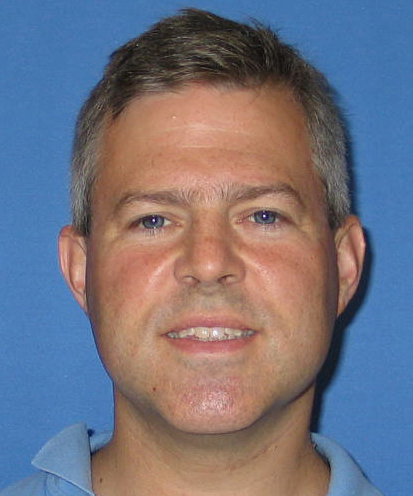
Oliver Deussen is a Professor of Visual Computing at the University of Konstanz, recognized by the German Informatics Society (GSI) as a Fellow for his contributions to computer science. His research focuses on visualization, robotics, and environmental modeling, particularly in plant and landscape representation. He has pioneered methods in image manipulation and robotic painting, emphasizing digitalization's societal impacts. His work spans computational biology (e.g., schooling fish behavior) and AI-driven creative technologies. Research Interests: Visualization techniques, swarm behavior analysis, robotic creativity, and interdisciplinary applications of computer science. He explores how computational methods can model natural systems and enhance human-machine interaction. Awards: Fellow of the German Informatics Society (GSI) His research often bridges theory and practice, with contributions to SLAM frameworks, style transfer algorithms, and uncertainty visualization tools. Collaborations in robotics and biology reflect his commitment to applied computational research.
Maria Neimark Geffen is a Professor at the Perelman School of Medicine , University of Pennsylvania , with appointments in the Department of Otorhinolaryngology, Neuroscience, and Neurology . She directs the Lab for Auditory Coding since 2010, focusing on how the brain encodes auditory information and how perception is shaped by experience and emotion. Her work combines two-photon imaging , optogenetics , electrophysiology , and behavioral experiments . Dr. Geffen earned her A.B. in Molecular Biology from Princeton University and a Ph.D. in Biophysics from Harvard, where she discovered a novel retinal circuit. After a postdoc at Rockefeller University, she joined UPenn, uncovering mechanisms like inhibitory neuron roles in sensory acuity and emotional learning links to auditory perception . Her recent publications highlight computational models of auditory cortex circuits , inhibitory neuron subtypes in adaptation , and cross-modal integration , reflecting her interdisciplinary approach. Scientific awards include the Burroughs Wellcome Career Award and Klingenstein Fellowship . Burroughs Wellcome Career Award at the Scientific Interface Klingenstein Foundation Award in Neurosciences Human Frontiers Young Investigator Award Auditory Neurophysiology Spotlight Award Kaufman Foundation New Initiative Grant Dr. Geffen mentors extensively, with trainees winning NIH Ruth L. Kirschstein NRSA and Brain Research Foundation Awards . Her lab collaborates across Computational Neuroscience Initiative , Hearing Sciences Center , and international institutions.
T V Raziman is a Researcher in the Department of Mathematics at Imperial College London within the Faculty of Natural Sciences. He specializes in nanophotonics, focusing on light-matter interactions through theoretical models and simulations. His academic journey includes postdoctoral roles at Eindhoven University of Technology (2017–2021) and École Polytechnique Fédérale de Lausanne (2016–2017), and holds a PhD from EPFL and an Integrated MSc in Physics from IIT Kanpur. Raziman's research spans Optical Physics , Applied Mathematics , and Artificial Intelligence , with a strong emphasis on Nanophotonics . He explores cutting-edge topics like synthetic optical motion, retinomorphic machine vision, and topological optimization of nanostructures. His work bridges theoretical frameworks with practical applications in photonics and materials science. Key contributions include studies on semiconductor network lasers, surface lattice resonance lasers, and neural network-driven laser mode control. He collaborates within the Complex Nanophotonics Group , advancing interdisciplinary projects at the intersection of photonics and machine learning. No scientific awards are explicitly mentioned, but his prolific publication record highlights sustained innovation in photonics research. He has advised no recorded students, focusing primarily on independent and collaborative research efforts.
Siegrid Löwel is a Full Professor of Systems Neuroscience at the University of Göttingen, affiliated with the Department of Systems Neuroscience within the Johann-Friedrich-Blumenbach-Institute for Zoology and Anthropology. She is also a Board Member of the Göttingen Campus Institute for Dynamics of Biological Networks since 2021, highlighting her leadership in interdisciplinary neuroscience research. Her educational background includes a Dr. phil. nat. from the University of Frankfurt am Main, completed under Prof. Wolf Singer at the Max Planck Institute for Brain Research. Her career includes professorships at the University of Jena (2005–2010), a guest professorship at Magdeburg, and a research associate professorship at the University of California, San Francisco. Siegrid Löwel's research focuses on the development and plasticity of neuronal circuits in the mammalian cortex. Her lab employs optical and 2-photon imaging, electrophysiology, and viral gene knockdown to study how experience and learning shape neural networks. Her work has pivotal implications for brain regeneration and rehabilitation after injury or disease. She was among the first to demonstrate that correlated neural activity underlies long-range cortical circuit development—famously summarized as 'neurons that fire together, wire together.' The recent publications reflect a strong focus on structural and functional cortical plasticity, particularly in the visual system. Themes include silent synapses, critical period regulation, optogenetic interventions for blindness, and the impact of environmental enrichment and exercise on neural plasticity. These studies span molecular, cellular, and systems levels, contributing to both basic neuroscience and translational applications. Scientific awards and recognitions include: Hertie Excellence Program Scholarship in Neurosciences (2004–2005) Dorothea Erxleben Guest Professorship, University of Magdeburg (2003–2004) Löwel leads an active research group and is affiliated with the Göttingen Graduate Center for Neurosciences (GGNB) in multiple programs, including Systems Neuroscience and Sensory and Motor Neuroscience. She has secured long-term research support through institutional roles and collaborative networks. While specific grant details are not listed, her sustained publication record and leadership positions indicate robust funding and research activity. Her lab continues to explore mechanisms of neural plasticity with potential clinical applications in stroke recovery, amblyopia, and neurodegenerative conditions. She is associated with the research group homepage: http://systemsneuroscience.uni-goettingen.de .
Emanuele (Manuel) Trucco is a Professor of Computing and holds the NRP Chair of Computational Vision in the School of Science and Engineering at the University of Dundee. He is also an Honorary Clinical Researcher at NHS Tayside and previously served as an Adjunct Professor at the Chinese Academy of Sciences (2018–2021). His research is centered on computational vision and medical image analysis, particularly in retinal imaging and its applications in systemic disease detection. PhD, Electronic Engineering, University of Genoa (1990) MSc, Electronic Engineering, University of Genoa (1984) Manuel Trucco's research focuses on computer vision and medical image analysis , with a strong emphasis on retinal image analysis for early detection of diseases such as diabetes, cardiovascular conditions, stroke, dementia, and neurodegenerative disorders. He co-directs the VAMPIRE (Vessel Assessment and Measurement Platform for Images of the Retina) initiative, a collaborative effort between the Universities of Dundee and Edinburgh. This platform enables automated, multi-modal analysis of retinal images and has been used in biomarker studies across the UK and internationally. His work integrates deep learning , artificial intelligence , and biomedical engineering to develop non-invasive, scalable diagnostic tools. Industrial collaborations include Canon Medical, OPTOS plc, NIDEK, and Epipole plc, while institutional partners include the Royal College of Ophthalmologists and the UK Biobank Eye and Vision Consortium. Recent publications highlight a strong trend in using AI and deep learning to extract clinical insights from retinal images, including predicting cardiovascular outcomes in diabetic patients, estimating biological age, and analyzing retinal vasculature changes under physiological stress. His work bridges computer science, ophthalmology, and public health, contributing to precision medicine and health equity. His scientific contributions have been recognized through fellowships: FRSA (Fellow of the Royal Society of Arts) FIAPR (Fellow of the International Association for Pattern Recognition) Trucco has led or co-led major research projects, including a £7M NIHR grant on precision medicine for diabetes (Dundee-Chennai), a £1.1M EPSRC grant on vascular dementia biomarkers (PI), the 3M-Euro ITN "REVAMMAD", and several PhD studentships sponsored by OPTOS, NIDEK, SINAPSE, and Toshiba. He has served on the organizing and program committees of major international conferences such as MICCAI and the European Conference on Computer Vision. He is a key member of the VAMPIRE research team and the UK Biobank Eye and Vision Consortium , contributing to large-scale data analysis efforts in vision and systemic disease. His work is at the forefront of AI-driven healthcare innovation, with real-world applications in early disease detection and personalized medicine.
Joshua Trachtenberg is a Professor in the Department of Neurobiology at the School of Medicine, University of California Los Angeles (UCLA) . His research focuses on understanding how early sensory experiences shape synaptic and network connectivity in cortical circuits, particularly in the visual system. Key Research Areas: Mechanisms of experience-dependent cortical plasticity Role of vision in neural circuit development Molecular pathways in autism-related models Inhibitory interneuron dynamics Long-term in vivo imaging of dendritic spines Recent Publications highlight studies on dendritic spine clustering, critical period plasticity, and retinal cell type evolution, with methodologies spanning multi-photon imaging and single-cell transcriptomics. Funding Highlights: NIH R01EY027407 (Disinhibition & Visual Plasticity) NIH R01EY023871 (Inhibitory Circuit Regulation) NIH R01MH082935 (PTEN-Associated Autism Models) Labs & Collaborations include work with the Silva, Golshani, and Geschwind groups, focusing on synaptic stability, cortical dysfunction, and autism-related protein studies.
Donald S. Sakaguchi is the Morrill Professor in the Department of Genetics, Development and Cell Biology at Iowa State University (ISU), and serves as Director of the Biology and Genetics Undergraduate Programs. He holds an adjunct professorship at the ISU College of Veterinary Medicine. His research focuses on regenerative and repair strategies for the nervous system, particularly using stem cells and biomaterials for neuroprotection and tissue repair. Dr. Sakaguchi earned his B.S. and Ph.D. in Biology/Neurobiology from SUNY Albany and completed postdoctoral training at UC San Diego. Education: B.S. Biology (SUNY Albany, 1979), Ph.D. Neurobiology (SUNY Albany, 1984), Postdoctoral Fellow (UC San Diego). Research Interests: Developing cell-based therapies for neurodegenerative diseases and injuries using mesenchymal stem cells (MSCs) and neural progenitor cells (NPCs). Key areas include: 1) Stem cell engineering for neurotrophic factor delivery, 2) Biomaterials for neural regeneration (e.g., 3D-printed conduits), 3) Peripheral nerve repair via transdifferentiation, and 4) In vitro models of traumatic brain injury. Collaborations span neuroscience, bioengineering, and veterinary medicine. Labs/Teams: Sakaguchi Lab at ISU, part of the Nanovaccine Institute and interdisciplinary programs in Neuroscience, MCDB, and Bioinformatics. The lab emphasizes diversity and inclusion, fostering training for undergraduate and graduate researchers.
Wendy Huddleston is an Associate Professor in the Department of Physical Therapy at the University of Wisconsin-Milwaukee. Her research focuses on the cortical mechanisms underlying motor selection during visually guided goal-directed behavior, particularly the interaction between visual attention, motor attention, and cognitive neuroscience. She directs the Visuomotor Lab and serves as a mentor in the Rehabilitation Science and Technology graduate programs. She utilizes functional magnetic resonance imaging (fMRI) and psychophysical testing to study sensory processing for movement preparation. Her funded projects include investigations into individual differences in attentional mapping, cross-modal attention mechanisms, and the neurophysiological basis of movement variability. Collaborations extend to the Medical College of Wisconsin and the Center for Imaging Research. Huddleston's professional affiliations include the American Physical Therapy Association, Society for Neuroscience, Center for Imaging Research (MCW), and the Evidence-Based Practice Institute. Her work bridges rehabilitation science, biomechanics, and cognitive neuroscience to advance understanding of sensorimotor integration.
Sylvain Faisan is a permanent Assistant Professor at ICube - MIV (University of Strasbourg, France). His research focuses on image processing, statistical modeling, and geometry, with applications in medical imaging and neuroscience. He works on advanced methodologies integrating machine learning and mathematical frameworks. Key Research Areas: Polarimetric image processing, retinal image registration, 3D statistical model comparison, topology-preserving image deformation, and fMRI brain mapping Technical Expertise: Bayesian inference, non-local means filtering, reversible jump MCMC algorithms, causal modeling, and constrained optimization His publications demonstrate interdisciplinary applications in optics, biomedical imaging, and computational anatomy. He contributes to developing algorithms that maintain physical admissibility and topological integrity in complex imaging problems.
Nicholas J Volpe, MD is the Chair of the Department of Ophthalmology and George W. and Edwina S. Tarry Professor of Ophthalmology at Northwestern University's Feinberg School of Medicine. He leads the Department of Ophthalmology within the Feinberg School of Medicine, overseeing clinical, educational, and research activities in ophthalmology. Dr. Volpe received his education from Stuyvesant High School (1980), Brooklyn College of CUNY (BS, 1983), and SUNY/State University of New York (MD, 1987). His postgraduate training included an internship in Medicine at Beth Israel Medical Center (1988), residency in Ophthalmology at Massachusetts Eye & Ear Infirmary, Harvard Medical School (1991), fellowship in Neuro-ophthalmology at Massachusetts Eye & Ear Infirmary, Harvard Medical School (1992), and served as Chief Resident in Ophthalmology at Massachusetts Eye & Ear Infirmary, Harvard Medical School (1993). He is board certified in Ophthalmology by the American Board of Ophthalmology. Dr. Volpe's research spans neuro-ophthalmology, retinal diseases, glaucoma, and medical education. His work includes investigations into optic nerve disorders, neurodegenerative diseases with ophthalmic manifestations, imaging technologies like Optical Coherence Tomography, and innovative approaches to ophthalmology education and surgical training. His recent publications show a trend toward integrating advanced imaging techniques, artificial intelligence applications in ophthalmic diagnosis, and exploring connections between systemic diseases and ocular manifestations. Dr. Volpe has received numerous awards and honors throughout his career: American Ophthalmological Society membership (2015) Honor for 'A.E. Finley Distinguished Visiting Professor', University of North Carolina (2014) Dubins Professor, Albany Medical College (2010) Silver Apple for Best Surgery Teacher, University of Pennsylvania (multiple years) Senior Achievement Award, American Academy of Ophthalmology (2008) Marianna Mead Lectureship, Massachusetts Eye and Ear Infirmary (2007) Robert Dunning Dripps Memorial Award for Excellence in Graduate Medical Education (2006) As an educator, Dr. Volpe has held numerous leadership positions in medical education, including Chair of the Residency Selection Committee at the Scheie Eye Institute, University of Pennsylvania, and various roles with the American Academy of Ophthalmology's education committees. He has been instrumental in developing surgical simulation programs and innovative approaches to ophthalmology residency training. His department has received significant research funding, including grants from Research to Prevent Blindness to support investigators advancing the field of ophthalmology and vision science. Dr. Volpe serves in numerous professional leadership roles and is actively involved with multiple ophthalmology and neuro-ophthalmology societies.
Eric Gaier, MD, PhD is an Assistant Professor of Ophthalmology at Harvard Medical School and a pediatric neuro-ophthalmologist at Massachusetts Eye and Ear Infirmary and Boston Children's Hospital. As both a clinician and scientist, he specializes in treating children with vision disorders rooted in the nervous system, with particular expertise in amblyopia, optic nerve disorders, strabismus, and complex neuro-ophthalmic conditions. Dr. Gaier received his undergraduate education at Ithaca College, followed by MD/PhD training at the University of Connecticut. He completed his residency at Massachusetts Eye and Ear Infirmary and dual fellowships in neuro-ophthalmology at Mass Eye and Ear and pediatric ophthalmology at Boston Children's Hospital. He is board-certified by the American Board of Ophthalmology and serves as the Ophthalmology Residency Site Director at Boston Children's Hospital. His research program focuses on understanding the neural mechanisms of amblyopia using both mouse models and advanced clinical imaging techniques. As a National Eye Institute K08 awardee, he conducts basic science research in Dr. Mark Bear's laboratory at the Picower Institute for Learning and Memory at MIT, while also leading multiple clinical research projects in ophthalmology. His work has significantly contributed to the understanding of amblyopia treatment, optic nerve imaging, and pediatric neuro-ophthalmic conditions. Analysis of Dr. Gaier's recent publications reveals a strong focus on amblyopia mechanisms and treatment innovations, advanced ocular imaging techniques for neuro-ophthalmic conditions, and clinical research addressing complex pediatric vision disorders. His work spans both basic science (using animal models to understand visual development) and clinical applications (improving diagnostic and therapeutic approaches for children). National Eye Institute K08 Mentored Clinician-Scientist Career Development Awardee Active contributor to the field through numerous high-impact publications Regular presenter at national and international ophthalmology conferences Recipient of research funding from multiple sources to support his amblyopia research program Dr. Gaier actively mentors medical students, residents, and fellows in both clinical and research settings. He oversees the ophthalmology residency program at Boston Children's Hospital and is involved in teaching across Harvard Medical School's ophthalmology curriculum. His laboratory at MIT's Picower Institute focuses on understanding the neural mechanisms of amblyopia using mouse models, with the goal of developing novel therapeutic approaches. The department at Boston Children's Hospital provides comprehensive care for children with complex eye conditions through multiple specialized services including Pediatric Cataract, Medical Retina, Ocular Oncology, and Adult Strabismus services.
Yali Jia, PhD is Professor of Ophthalmology and Biomedical Engineering and Jennie P. Weeks Professor of Ophthalmology at Oregon Health & Science University (OHSU). She serves as associate director of the Center for Ophthalmic Optics & Lasers and co-founded the International Ocular Circulation Society. Recognized as a world-leading expert in advanced ophthalmic imaging, Dr. Jia pioneered functional optical coherence tomography (OCT) and OCT angiography (OCTA) technologies with over 180 peer-reviewed publications, 13,000+ citations (h-index=48), and six co-edited books. Her research centers on Optical Coherence Tomography, OCT angiography, retinal imaging, and artificial intelligence applications for ophthalmic diagnostics. Dr. Jia's revolutionary SSADA technique enabled clinical deployment of OCTA across 1,000+ international centers. Current work integrates AI with multimodal imaging for automated pathology detection, widefield pediatric applications, and quantitative perfusion analysis. Recent breakthroughs include OCT oximetry (PNAS, 2020) and deep learning models for diabetic retinopathy classification (PRER, 2021). Analysis of her 15 most recent publications (2023-2025) reveals dominant trends in AI-enhanced OCT/OCTA systems, with 80% incorporating machine learning for vascular segmentation and pathology detection. Research spans pediatric applications (Retinopathy of Prematurity), neuro-ophthalmology (MS/glaucoma differentiation), and widefield imaging, demonstrating consistent focus on clinical translation of imaging biomarkers. Dr. Jia's scientific honors include: Special Scholar Award from Research to Prevent Blindness Carl Camras Translation Research Award from ARVO Fellow of the American Institute for Medical and Biological Engineering Senior Member of the National Academy of Inventors As principal investigator on federal, foundation, and industry-sponsored grants, she has secured funding for clinical translation of OCTA with over 10 licensed patents. Her NIH-funded projects focus on AI-driven diagnostic systems and handheld pediatric OCT devices, emphasizing real-world clinical implementation. Leading the imaging research arm of OHSU's Center for Ophthalmic Optics & Lasers, Dr. Jia directs a multidisciplinary team developing next-generation OCT systems. Her lab specializes in projection-resolved angiography, oximetry, and multimodal platforms for neuronal-vascular imaging, with active collaborations across neurology, pediatrics, and biomedical engineering departments.
Dr. Heidi Baseler is a Senior Lecturer in Imaging Sciences at the Hull York Medical School and the Department of Psychology , University of York . She serves as INSPIRE Programme Lead for undergraduate research and contributes to research governance and public/patient involvement in research through committees like the York Neuroimaging Centre Research Governance Committee and Involvement@York . Education : AB in Biology/Psychology from Dartmouth College (1986), PhD in Vision Science from University of California, Berkeley (1995) Career : Research Fellow at Stanford, Smith-Kettlewell Eye Research Institute, and University of York; Lecturer in Imaging Sciences at Hull York Medical School (2012-2021) Her research focuses on neural mechanisms for central/peripheral vision processing, cortical responses to sensory loss (e.g., AMD, deafness), and neuroprotective strategies like photobiomodulation. Techniques include structural and functional MRI , magnetic resonance spectroscopy , multifocal EEG , and electroretinography . Key findings include cortical reorganization in macular degeneration and superior visual performance in deaf adults. Recent article trends highlight: Neuroimaging biomarkers for AMD progression Cross-modal plasticity in deaf individuals Long-term effects of sensory deprivation on brain structure Photobiomodulation for neurodegeneration Functional connectivity in face-selective regions Contrast perception dynamics across aging Scientific awards include: Exceptional Contribution to Student Experience Finalist , Hull York Medical School (2024) Pursuing Excellence Award , Hull York Medical School (2023) Vice-Chancellor's Teaching Award , University of York (2020) Multiple Teacher of Excellence Finalist recognitions (2016-2018) She teaches undergraduate medical students in Foundations of Medicine and Neurological Diseases , and supervises MSc Cognitive Neuroscience projects. Collaborations span institutions like University of Hull , University of Lille , and University of Regensburg . Current students include Sharyfah Alasiri (PhD, Biomedical Sciences) and Erin English (PhD, Psychology) at the University of York.
Dr. Cameron N. Riviere is a Research Professor at Carnegie Mellon University (CMU), affiliated with the Robotics Institute, Department of Biomedical Engineering, and Department of Mechanical Engineering. He also holds an Adjunct Professorship at the University of Pittsburgh’s Department of Rehabilitation Science and Technology. His research focuses on surgical robotics, medical devices, and control systems, emphasizing minimally obtrusive robotic systems for microsurgery and minimally invasive surgery. Key projects include the Micron handheld tremor-canceling device and the HeartLander cardiac robot. Education: B.S. in Aerospace and Ocean Engineering from Virginia Tech (1989), Ph.D. in Mechanical Engineering from Johns Hopkins University (1995). Research Interests: Medical robotics, rehabilitation robotics, control systems, human-machine interfaces for biomedical applications, and physiological motion compensation. Recent work includes development of robotic systems for retinal surgery, cardiac therapy, and assistive technologies for individuals with movement disorders. Awards Best Paper of 2016 (IEEE/ASME Transactions on Mechatronics) Finalist for Best Medical Robotics Paper (IEEE ICRA 2016) Best Paper (IEEE MFI 2015, IROS 2014) Advising and Grants: Mentor to PhD students (e.g., Arpita Routray) and masters students (e.g., Aditti Ramsisaria). Projects include the HeartLander epicardial therapy robot and advanced tracking systems for handheld surgical tools. Collaborates with institutions like Mayo Clinic and NIH-funded initiatives. Labs: Director of the Surgical Mechatronics Laboratory at CMU’s Robotics Institute, focusing on interdisciplinary development of robotic systems for clinical applications.
Clinical Associate Professor Tim Roberts is a cataract and glaucoma specialist at the University of Sydney and Royal North Shore Hospital. He holds a MBBS from UNSW, MMed from Sydney, and is a Fellow of RANZCO. His academic roles include Academic Lead for Ophthalmology at SERT Institute and Academic Coordinator at the Northern Clinical School. Education: MBBS (UNSW), Master of Medicine (Sydney), specialist training at Sydney Eye Hospital. Research focuses on femtosecond lasers, IOL power formulas, MIGS, and presbyopia-correcting lenses. He has published >60 articles and serves on editorial boards for major ophthalmology journals. Recent articles emphasize IOL technology advancements and surgical efficiency improvements. Awards include Global Achievement Awards from AAO and APACOS. Leadership roles include NSW QEC Chair and National Medical Director of Vision Eye Institute. Advises on >38 students via collaborative research projects. Labs/Teams: Leads surgical training programs at SERT Institute and collaborates with international eye care initiatives like Myanmar Eye Care Program.