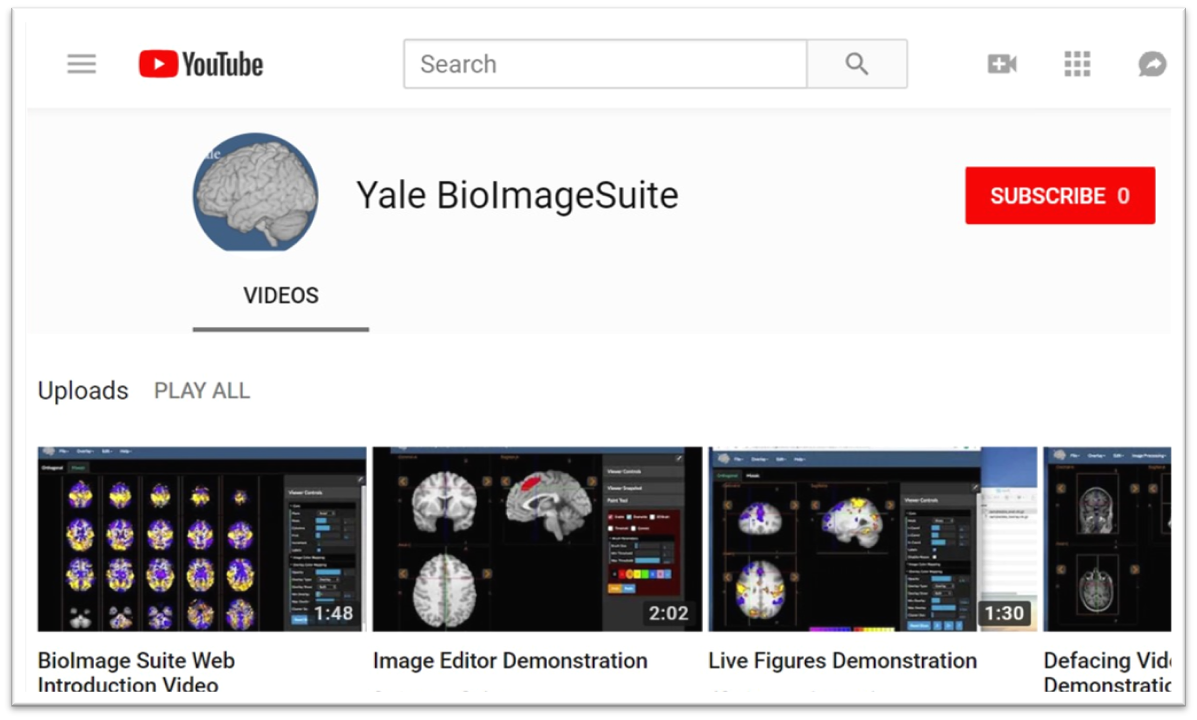
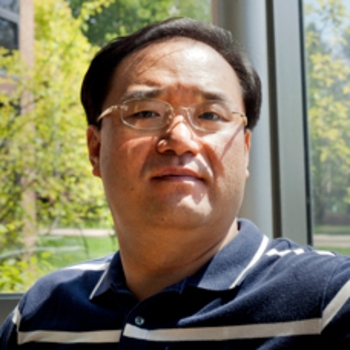
Xenophon Papademetris is a Professor of Biomedical Informatics & Data Science and Radiology & Biomedical Imaging at Yale School of Medicine. He serves as Associate Director of Biomedical Imaging Data Sciences at Yale Biomedical Imaging Institute and directs the Medical Software and Medical Artificial Intelligence Certificate Program. PhD in Electrical and Information Sciences from Yale University (2000) BA from Cambridge University (1994) Postdoctoral Fellowship at Yale University (2002) His research focuses on medical image analysis, machine learning, and biomedical software development. He has developed tools like BioImage Suite Web and contributed to standards committees at the Association for the Advancement of Medical Instrumentation (AAMI). His work spans modalities including MRI, CT, PET, and optical imaging. Recent publications emphasize neuroimaging analysis, explainable AI in healthcare, and multimodal data integration across species. He leads NIH-funded research under the BRAIN Initiative (R24 MH114805) and has authored a textbook on Medical Software published by Cambridge University Press. IEEE Senior Member Yale Brown-Coxe Postdoctoral Fellowship Harding Bliss Prize for Excellence in Engineering He directs the BioImage Suite Project, creating web-based image analysis tools using JavaScript and WebAssembly. His teaching includes both academic courses and a Coursera program on Medical Software with over 14,000 enrollments.
Professor Athina E Markaki serves as Professor of Materials & Biomedical Engineering in the Department of Engineering at the University of Cambridge, leading research in advanced biomaterials and tissue engineering solutions for regenerative medicine with emphasis on vascularization and tubular scaffold development for human conduit replacement. Her academic credentials include a Diploma in Metallurgical Engineering (8.6/10) from the National Technical University of Athens and a PhD in Materials Science from the University of Cambridge. Markaki's research program centers on vascularisation techniques for clinically relevant tissue dimensions and tubular scaffolds to replace diseased or damaged human conduits, integrating biomaterials science with regenerative medicine principles. Key applications span liver tissue engineering, neural crest-derived stem cell differentiation, and vascular graft development, with strong translational focus on orthopaedic and cardiovascular medical devices. Analysis of her recent publications reveals dominant trends in biomimetic scaffold design, particularly collagen-based tubular structures and hydrogel systems for vascularized tissue constructs. Her work demonstrates interdisciplinary convergence of AI-driven retinal assessment, glioblastoma modeling, and self-healing cementitious materials, with consistent emphasis on clinically applicable regenerative solutions for liver, bone, and neural tissues. Her distinguished scientific contributions are recognized by major awards: Rosetrees Trust 2017 Interdisciplinary Award European Research Council (ERC) Starting Grant (2010) Advanced EPSRC Fellowship (2005) De Montfort Award at SET for Britain National Event (2004) Young Scientist Prize 2003 (5th Euromech Solid Mechanics Conference) Multiple academic excellence awards from Greek foundations Markaki directs a well-funded research program including ERC and EPSRC grants, mentoring graduate students in tissue engineering while teaching core engineering curricula covering plastic deformation, fracture mechanics, and medical materials design. Her group maintains strong industry and clinical partnerships to advance regenerative technologies. Her laboratory, accessible via http://www-memti.eng.cam.ac.uk/, specializes in vascularized tissue constructs and tubular scaffolds using laser-based manufacturing, biomimetic design, and hydrogel engineering to address critical challenges in tissue replacement and disease modeling.
Istvan Albert is a Research Professor of Bioinformatics at Pennsylvania State University , affiliated with the Department of Biochemistry and Molecular Biology . He leads the Bioinformatics Consulting Center and teaches BMMB 852: Applied Bioinformatics . Research Interests: Specializing in bioinformatics, large-scale biological data analysis, microarray and sequence analysis, scientific programming, algorithm development, and database-driven web development. His work spans gene ontology visualization , RNA-Seq analysis , and coronavirus research . Software Development: Created GeneScape for gene function visualization and bio for bioinformatics workflows. Maintains the Biostar Handbook series and the Biostars Q&A Forum , a leading bioinformatics resource.
Prof. Dr. Kathrin Schumann is an Assistant Professor at the Technical University of Munich (TUM), leading the 'Engineering Immune Cells for Therapy' group within the TUM School of Medicine and Health. Her research focuses on CRISPR-based engineering of human immune cells to develop novel therapies for autoimmune and tumor diseases. She holds a doctorate from the Max Planck Institute of Biochemistry and has conducted postdoctoral research at the University of California, San Francisco, under Professors Alex Marson and Jeffrey Bluestone. Dr. Schumann’s academic career includes a Presidential Postdoc Fellowship at Novartis (Basel) and a tenure-track appointment at TUM since 2018. Her work emphasizes genomic editing of T cells to study gene function and improve cell therapy safety. Key research themes include CRISPR-mediated gene silencing, T cell receptor engineering, and HIV-host interaction studies. Education: Bachelor/Master in Biochemistry, University of Tübingen PhD, Max Planck Institute of Biochemistry (Martinsried) Postdoc, University of California, San Francisco (UCSF) Her research has yielded breakthroughs in CRISPR applications for T cell therapy, including PD-1 disruption to enhance anti-tumor efficacy and targeted editing of T cell receptors. Awards include a DFG research grant (2016). Notable achievements include the development of CRISPR ribonucleoprotein platforms for primary T cells and insights into metabolic checkpoints in T cell exhaustion. Her lab collaborates globally to translate CRISPR-based discoveries into clinical therapies.
Dr. Teresa Puthussery is an Associate Professor in the School of Optometry & Vision Science at the University of California, Berkeley. Her research focuses on retinal neurobiology and neurophysiology, investigating how visual signals are encoded in healthy retinas and disrupted during degeneration. She uses advanced techniques like patch-clamp electrophysiology, immunohistochemistry, and microscopy to study retinal circuits, neurotransmitter receptors, and ion channels. Dr. Puthussery teaches courses on vision science anatomy, physiology, and problem-based learning, including VISION SCIENCE 206B/C and 260C. Her research explores questions such as how retinal neurons extract motion/spatial details, how photoreceptor mutations cause degeneration, and how inner retinal circuits adapt post-photoreceptor loss. Recent work includes studies on ON-type direction-selective ganglion cells, optogenetic therapy for vision restoration, and calcium dynamics in foveal ganglion cells post-degeneration. She collaborates on projects involving primate and rodent models, contributing to understanding retinal disease mechanisms and therapeutic targets. Dr. Puthussery’s lab (retinalab.berkeley.edu) emphasizes translational research, bridging basic science and clinical applications. Her work has been published in journals like Nature and Cell Reports , with a focus on retinal degeneration, synaptic plasticity, and optogenetic interventions. She actively participates in training future vision scientists through Berkeley’s Optometry program and oversees GSI affairs as a faculty advisor.
Joel Zylberberg is an Adjunct Assistant Professor at the University of California, Los Angeles (UCLA), affiliated with the Department of Ophthalmology within the School of Medicine . His research bridges Computational Neuroscience , Neural Networks , and Machine Learning , focusing on how neural activity and biological mechanisms inform artificial intelligence and visual cortex dynamics . Joel's work explores retinal computation , population coding , and neural adaptation , often analyzing mouse visual cortex and neurophysiological data . His recent publications highlight trends in dynamic retinal processes , stimulus-driven network topology , and brain-inspired machine learning , emphasizing the interplay between biophysics and computational modeling . Collaborators include Greg Field (UCLA), Richard Born (Harvard), and Michael DeWeese (UC Berkeley), with affiliations spanning institutions like University of Washington and University of California, San Diego (UCSD). His work appears in journals such as Nature Neuroscience , Neuron , and PLOS Computational Biology .
Yu-Chong Tai is the Anna L. Rosen Professor of Electrical Engineering and Medical Engineering at the California Institute of Technology. He holds the Cherng Leadership Chair (2017–22) and has served as Executive Officer (2005–2008, 2013–22). His research focuses on applying MEMS/NEMS technologies to medical applications, including medical implants, microfluidics, and lab-on-a-chip systems. Tai leads the Caltech MEMS Laboratory, an 8,000-square-foot facility with clean-room and biological labs dedicated to biomedical device development. Education: B.S., National Taiwan University (1981); M.S., University of California (1986); Ph.D., 1989. Academic progression: Assistant Professor (1989–95) → Associate Professor (1995–2000) → Professor (2000–13) → Rosen Professor (2013–present). Research interests span medical devices, Bio-MEMS, microfluidics, drug delivery, and implantable systems like retinal prosthetics and spinal stimulators. His group collaborates with UCSF, USC, UCLA, and industry partners to advance neural implants and micro-scale medical technologies. Key awards: Member of the National Academy of Engineering, Elected to the National Academy of Inventors Notable projects include HPLC-on-a-chip, wireless drug delivery systems, and oxygen-permeable implant coatings. Tai teaches courses on medical device design and micro/nano technology, fostering interdisciplinary innovation.
Professor David Ackerley (Victoria University of Wellington) is a leading microbiologist and enzyme engineer specializing in directed evolution of bacterial enzymes for biotechnological applications. As Biotechnology Programme Director since 2006, he lectures in foundational courses like BTEC101 and BTEC201. Academic rank: Professor of Biotechnology Institutional affiliation: Victoria University of Wellington Research focus areas: Microbial Biotechnology, Drug Discovery, Synthetic Biology His research employs Darwinian evolutionary principles to engineer enzymes with enhanced activities, particularly targeting non-ribosomal peptide synthetases and nitroreductases for antibiotic development and cancer therapy. Recent work explores metagenomic domain substitution in pyoverdine biosynthesis and Purpuramine R from marine sponges. Key publications demonstrate innovations in metagenomic library construction , CRISPR screening for regeneration genes, and structural characterization of engineered enzymes. His team has developed NTR 2.0 , a high-efficacy nitroreductase for targeted cell ablation. Current research projects include: Clean solutions from dirty genes: Plastic-degrading enzyme discovery Engineering enzymes for CAR T-cell-chemotherapy synergy Repurposing niclosamide against Gram-negative superbugs Grants from the Health Research Council of New Zealand, Royal Society of New Zealand, and Cancer Society of NZ support his work. Collaborations span biomedical research, synthetic biology, and environmental applications.
Jessica E. Treisman is a Professor in the Department of Cell Biology and Department of Ophthalmology at NYU Grossman School of Medicine. Her research focuses on developmental genetics and molecular neuroscience, particularly in the context of visual system development and synapse formation in Drosophila . Research Interests: Cell fate determination, tissue morphogenesis, neural circuit assembly, and corneal lens development Contact: Jessica.Treisman@nyulangone.org | 212-263-1031 Lab: Treisman Lab, Skirball Institute, New York, NY Her work explores how intrinsic transcription factors and extrinsic signaling pathways interact to regulate cell differentiation and tissue organization in the Drosophila visual system, with implications for understanding human corneal development and neural connectivity disorders. Recent publications highlight her contributions to understanding: Molecular mechanisms of corneal lens curvature formation Regulation of synaptic targeting specificity Role of Sidekick in epithelial junction dynamics Transcriptional synergy between Glass and EGFR signaling The Treisman Lab employs interdisciplinary approaches in Drosophila genetics to uncover fundamental principles of cell signaling and neural circuit development, with potential applications in human vision research and developmental disorders.
Dr. Ling Zhu is an Associate Professor and Senior Research Fellow at the Save Sight Institute, University of Sydney. He holds dual affiliations with the Centre for Drug Discovery Innovation and the University of Sydney Nano Institute. His research focuses on retinal diseases, including diabetic retinopathy, age-related macular degeneration, and macular telangiectasia type 2, combining clinical and basic research approaches. Dr. Zhu leads a lab with a postdoc, two research assistants, and one HDR student, emphasizing innovative techniques like human retinal explant culture and nanomedicine. Dr. Zhu obtained his PhD in Biochemistry from Rutgers University (USA) in 2008. His work has attracted over $2 million in research funding in the past five years and includes 93 publications (3590 citations, H-index 34). He is a major author in leading journals like eLife and Ophthalmology . Current research projects include preclinical RNA-LNP therapy for retinal degeneration, targeting retinal metabolism for macular diseases, and developing a 'Macula-on-a-Chip' drug screening platform. His expertise spans biochemistry, molecular biology, and translational nanomedicine. Key achievements include establishing human retinal explant models and advancing lipid nanoparticle-based drug delivery systems. Dr. Zhu collaborates widely, with projects addressing unmet clinical needs in ophthalmology and drug discovery.
Ehud Gazit is a distinguished Professor in the Department of Molecular Microbiology and Biotechnology at Tel Aviv University's Faculty of Life Sciences. He holds the Chair for Nano-Biology and serves as Vice President for Research and Development at Tel Aviv University. Professor Gazit has held numerous prestigious visiting appointments including at Umeå University, Fudan University, and Cambridge University. His academic journey began with a B.Sc. (summa cum laude) from Tel Aviv University's Special University Program for Outstanding Students in 1991, followed by a Ph.D. (with distinction) from the Weizmann Institute of Science in 1997, and postdoctoral training at MIT from 1997-2000. Professor Gazit's research focuses on molecular structure and self-assembly at the nano-scale, particularly examining protein folding, unfolding, and misfolding phenomena. His laboratory investigates the mechanisms and significance of protein unfolding and misfolding, with experimental systems including bacterial toxin-antidote systems, type II diabetes-related amyloidogenic proteins, and the VHL tumor suppressor protein. His work bridges fundamental biochemistry with nanotechnology applications, exploring how molecular self-assembly can be harnessed for technological innovation. His recent publications demonstrate a strong trajectory in peptide-based nanomaterials, with particular emphasis on amyloid formation mechanisms, peptide self-assembly for functional materials, and therapeutic applications targeting neurodegenerative diseases. His work spans multiple disciplines including biochemistry, nanotechnology, materials science, and biomedical engineering, showing increasing integration of fundamental research with practical applications. Professor Gazit has received numerous prestigious awards including: 2020 Landau Prize in Sciences and Arts in the Field of Healthy Aging 2019 Rappaport Prize for Excellence in Biomedical Research 2018 Foreign Fellow of the National Academy of Sciences, India 2016 ERC Advanced Grant from the European Research Council 2015 Elected Member of the European Molecular Biology Organization (EMBO) Professor Gazit has been actively involved in mentoring students and researchers, as evidenced by his extensive publication record with numerous collaborators. He has secured significant research funding including an ERC Advanced Grant. His professional activities include editorial board memberships for journals including Journal of Peptide Science, Nanoscience & Nanotechnology - Asia, and Amyloid. He previously served as Chief Scientist of the Ministry of Science and Technology (2012-2014). His laboratory has developed innovative approaches to studying molecular self-assembly, with particular expertise in peptide nanostructures. The research team has made significant contributions to understanding amyloid formation mechanisms while simultaneously developing novel biomaterials with applications ranging from electronics to medicine. They have established strong collaborations with research groups worldwide, creating a dynamic interdisciplinary research environment focused on the intersection of biology and nanotechnology.
David R. Williams is the William G. Allyn Professor of Medical Optics at the University of Rochester's Institute of Optics. He holds joint appointments in Ophthalmology, Biomedical Engineering, and Brain & Cognitive Sciences. His research focuses on advancing retinal imaging techniques, particularly using adaptive optics, to study vision mechanisms and disorders. Williams directs the Center for Visual Science, an interdisciplinary initiative with over 40 faculty members. Education: B.S. from Denison University (1975), Ph.D. from University of California, San Diego (1979), postdoctoral fellowship at Bell Labs (1980). Research Interests: Adaptive optics for high-resolution retinal imaging Retinal physiology and photoreceptor function Optogenetic therapies for vision restoration Pathological mechanisms in macular diseases Publications Highlight: His work spans foundational studies in retinal ganglion cells, optogenetic therapies, and innovations in adaptive optics systems. Recent trends focus on in vivo imaging of photoreceptors and neural activity restoration. Scientific Awards: Champalimaud Vision Award (2012) National Academy of Sciences Membership (2014) David F. Weeks Award (2020) Advising & Grants: As director of the Center for Visual Science, he oversees interdisciplinary grants and mentorship in vision science. His lab collaborates with leading institutions globally to advance translational research in ophthalmology and neurobiology. Labs/Teams: Core leader of the Center for Visual Science, with teams specializing in adaptive optics, retinal imaging, and optogenetic therapies.
Ignacio Provencio is a Professor of Biology at the University of Virginia. His research focuses on melanopsin-based photoreception and its role in non-visual light responses, including circadian rhythm regulation, fear modulation, and glaucoma pathophysiology. His lab investigates melanopsin signaling pathways and their broader implications for vertebrate physiology. Education: B.A., Swarthmore College, 1987 Ph.D., University of Virginia, 1996 Postdoctoral Research, Uniformed Services University, 1996–1999 Key research interests include: Melanopsin phototransduction mechanisms Role of intrinsically photosensitive retinal ganglion cells (ipRGCs) in non-image-forming vision Impact of light on circadian rhythms and neurodegenerative diseases like glaucoma Light’s influence on fear behavior and weight regulation Recent work highlights: ipRGC survival in glaucoma models Melanopsin’s role in weight loss under dietary challenges Clinical applications of melanopsin-based light therapy His research spans in vivo and in vitro studies, integrating molecular, cellular, and behavioral approaches to understand light’s multifaceted effects on physiology.
Jinsang Kim is a Professor in the Department of Materials Science and Engineering at the University of Michigan, with affiliations in Biomedical Engineering (BME). His research focuses on bio-micro/nanotechnology, bio-nanomaterials, and biomedical imaging technologies. He specializes in developing advanced materials for applications such as retinal hypoxia detection, organic light-emitting diodes, and sensor technologies. His work integrates polymer chemistry, organic electronics, and biomedical engineering to create innovative materials for medical diagnostics, optoelectronics, and nanotechnology. Key research areas include surface functionalization strategies, organic phosphorescent nanosensors, and stimuli-responsive materials. Kim’s publications emphasize cutting-edge advancements in organic phosphorescence, polymer design for high thermal conductivity, and biomedical imaging tools. His contributions span from fundamental material science to applied biomedical solutions, with a focus on translating discoveries into practical applications.
Karen Hampson is a Senior Lecturer in Optometry at the University of Manchester, serving as the first-year Optics Theme Lead. Her research focuses on adaptive optics systems for vision science, particularly using retinal imaging technology for early diagnosis of neurodegenerative and psychiatric diseases. She is a member of the Consortium for Vision and Oculomics in Psychiatry and co-founder of the European Adaptive Optics Summer School. Education: MPhys (Swansea University, 2000), PhD in Physics (Imperial College London, 2004), Post-Graduate Certificate in Higher Education Practice, and SEDA Professional Development Award. She trained in Transactional Analysis Psychotherapy and mental health first aid. Research interests include adaptive optics applications across vision science, microscopy, and astronomy. She led an EPSRC-funded project on pre-symptomatic disease diagnosis via ocular biomarkers. Key roles include Chair of Optica’s Applications of Visual Science Technical Group (2021–2024) and Associate Editor for Frontiers in Ophthalmology. Teaching contributions include senior laboratory roles at Oxford’s Physics Department and tutorial leadership at Corpus Christie College. Her work aligns with UN SDG targets for health and innovation.