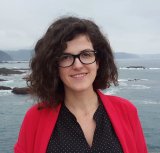
Professor Davinia Fernandez-Espejo holds the Chair of Neuropsychology and Clinical Neuroscience at the University of Birmingham's School of Psychology through The Centre for Human Brain Health (CHBH). Previously, she served as a Professor at Western University from 2015-2018.
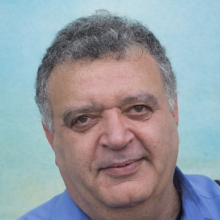
Amir Shmuel is a Professor at McGill University's Faculty of Medicine, holding appointments in the Department of Neurology and Neurosurgery, Department of Biomedical Engineering, and Department of Physiology. He serves as Director of the Brain Imaging Signals Lab and Core Faculty at the McConnell Brain Imaging Centre of the Montreal Neurological Institute. His leadership includes chairing the 2018 International Society for Brain Connectivity conference and securing an $18.7M Canada Foundation for Innovation grant for Quebec's first large-bore 7 Tesla MRI scanner. Dr. Shmuel's research focuses on understanding neuronal mechanisms underlying functional brain imaging signals and visual information processing. His integrative approach combines fMRI, optical imaging, multi-channel neurophysiological recordings, and optogenetics across multiple spatial and temporal scales. Current research priorities include resting-state functional connectivity mechanisms, cortical lamina-resolved neurophysiology, and computational modeling of brain signals. His lab emphasizes parallel model development with experimental data acquisition. Recent publications demonstrate strong trends in multimodal neuroimaging integration, with emphasis on high-resolution fMRI techniques (especially 7T applications), resting-state connectivity analysis across species, and computational modeling of neurovascular coupling. Key subfields include laminar-specific activity mapping, artifact detection in medical imaging using deep learning, and cross-species functional connectivity frameworks. Dr. Shmuel's research is currently funded by the Canadian Institutes of Health Research (CIHR), Natural Sciences and Engineering Research Council of Canada (NSERC), and the US Department of Defense. His lab maintains active collaborations through initiatives like the International Society for Brain Connectivity and the PRIME-DE database consortium. Operating within the Brain Imaging Signals Lab at the Montreal Neurological Institute, Shmuel's team develops and applies advanced multimodal techniques including simultaneous fMRI-electrophysiology, voltage-sensitive dye imaging, and computational modeling frameworks. The lab maintains strong ties with the McConnell Brain Imaging Centre and participates in major open-science initiatives including the Tanenbaum Open Science Institute.
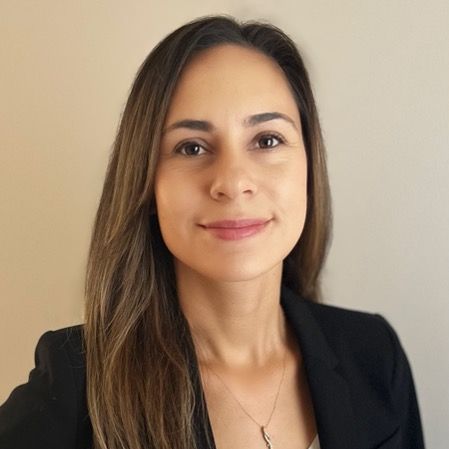
Insa Feinkohl is a Professor at the Chair of Medical Biometry and Epidemiology within the Faculty of Health at the University of Witten/Herdecke . Her research focuses on risk factors for cognitive dysfunction and mental health in older adults, particularly post-surgery, with emphasis on metabolic and cognitive risk factors. Bachelor of Science (BSc) in Psychology (1 st class honors) – University of Dundee (2006-2009) Master of Science (MSc) in Psychology of Individual Differences (with distinction) – University of Edinburgh (2009-2010) PhD in Community Health Sciences – University of Edinburgh (2010-2014) Post Doc in Knowledge Construction Group – Leibniz Institute for Knowledge Media, Tübingen (2014-2015) Postdoc in Molecular Epidemiology Group – Max Delbrück Center, Berlin (2015-2022) Habilitation in Molecular Epidemiology – Charité Universitätsmedizin Berlin (2021) Her research integrates medical biometry and epidemiology to study postoperative cognitive dysfunction (POCD), delirium, and aging-related cognitive decline. Key areas include biomarker validation (e.g., leptin, interleukins), brain connectivity (dopaminergic networks, thalamus), and metabolic risk factors (diabetes, obesity). She contributed to the BioCog project , an EU-funded initiative for personalized risk prediction of postoperative cognitive impairment. Her recent publications highlight trends in perioperative neuroscience, including brain mineralization, cytokine associations with neurocognitive disorders, and structural/functional imaging in delirium. Articles also explore metabolic syndrome, cognitive reserve, and delirium prediction models using machine learning. Insa Feinkohl is affiliated with major academic societies, including the German Society for Epidemiology , German Society for Medical Informatics, Biometry and Epidemiology , and the German University Association .
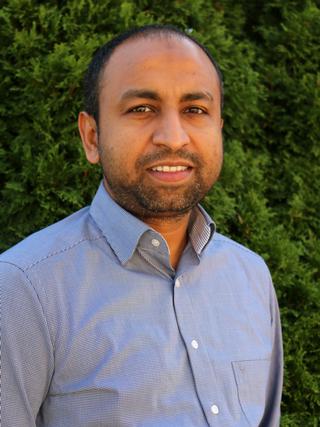
Dr. Tanzil M. Arefin is an Assistant Professor of Neuroscience at the University of Rochester School of Medicine and Dentistry and Associate Director of the Preclinical Imaging Core at the Center for Advanced Brain Imaging and Neurophysiology (CABIN). His research focuses on developing neuroimaging techniques to study brain functions and microstructures in animal models of human disorders, including neurodegenerative and psychiatric illnesses. He holds affiliations with the Del Monte Institute for Neuroscience and the Neuroscience Ph.D. Program. **Education**: Ph.D., Neuroscience, University of Freiburg and University of Strasbourg (2017) M.Sc., Biomedical Engineering, Czech Technical University and University of Groningen (2012) B.Sc., Electrical and Electronic Engineering, Islamic University of Technology (2007) **Research Interests**: Dr. Arefin's lab employs multimodal MRI methodologies (resting-state fMRI, diffusion MRI, ASL perfusion MRI, MR spectroscopy) alongside optogenetics and chemogenetics to elucidate molecular mechanisms impairing brain plasticity. Current projects include studying cerebellar connectivity's role in non-motor behaviors and developing interventions for alcohol-dependent brains. **Awards**: Magna cum Laude, Summa Cum Laude, Erasmus Mundus Fellowships (both Doctoral and Masters). **Grants & Advising**: Not explicitly listed in texts, but lab activities suggest involvement in NIH-funded projects. Advising details are pending explicit student listings. **Lab & Affiliations**: Arefin Lab focuses on translational imaging tools. Affiliated with UR CABIN and URMC's Neuroscience programs. Location: 430 Elmwood Ave, Rochester, NY.
Gabriele Gratton is a Professor in the Department of Psychology and Neuroscience Program at the University of Illinois Urbana-Champaign, and serves as a Theme Lead at the Beckman Institute for Advanced Science and Technology. With over 178 research outputs, Gratton has established a distinguished career in cognitive neuroscience with a focus on brain function, aging, and neuroimaging techniques. Gratton's research interests center around brain function and activity , particularly using Event-related Optical Signal (EROS) and other neuroimaging methods. Key areas include optical imaging , aging effects on cognition , event-related brain potentials , and cerebrovascular health . Much of their work investigates how vascular health, fitness, and aging interact to affect brain structure and cognitive performance across the lifespan. The research portfolio shows a strong trend toward multimodal neuroimaging approaches, with recent work focusing on trimodal brain imaging techniques that simultaneously investigate human brain function. There's also significant emphasis on understanding how physical activity and fitness impact cognitive aging, white matter integrity, and cerebrovascular health. Association for Psychological Science Fellow (2006) Foundation of Augmented Cognition Award (2005) President of Society for Psychophysiological Research (2009) SPR Award for Distinguished Contributions to Psychophysiology (2019) SPR Early Career Award (1997) Gratton has received extensive recognition for their work, with publications being picked up by news outlets and shared across social media platforms. Their research has been referenced by numerous scholars, with several papers accumulating significant reader attention on academic platforms like Mendeley. Much of this work is conducted through the Beckman Institute, where Gratton leads research themes focused on advanced brain imaging and cognitive neuroscience.
Tina Shoa is an Associate Professor in the School of Sustainable Energy Engineering at Simon Fraser University. She holds a Ph.D. in Electrical Engineering from the University of British Columbia (2010), an M.Sc. from the University of Manitoba (2004), and a B.Sc. from Iran University of Science and Technology (2000). Her research focuses on battery performance modeling, electrochemical methods for fault detection, sustainable battery manufacturing, and AI-based diagnostics. Education: Ph.D., Electrical Engineering, University of British Columbia, 2010 M.Sc., Electrical Engineering, University of Manitoba, 2004 B.Sc., Electrical Engineering, Iran University of Science and Technology, 2000 Research Interests: Battery performance modeling, analysis, and optimization Electrochemical and ultrasound-based battery fault detection Sustainable battery manufacturing processes AI-driven battery diagnostics Teaching and Courses: Advanced Battery and Fuel Cell Technologies Power Plant Systems Smart Grids Practicum SEE 354 D100 Energy Storage (Summer 2025) Patents: Battery State-of-health Determination upon charging (US Patent 11079437B2, 2022) Battery State-of-health Determination using multi-factor normalization (US Patent 10,302,709, 2019) Apparatus and Method for testing electrochemical systems (US Provisional Patent 62/994687, 2020) Key Contributions: Her work integrates electrochemical principles and AI to advance battery diagnostics and sustainable energy storage solutions. She has authored over 15 publications in top-tier journals and conferences, addressing battery aging, state estimation, and novel manufacturing techniques.
Leanna Hernandez, Ph.D., is Assistant Professor-in-Residence in the Department of Psychiatry and Biobehavioral Sciences at the David Geffen School of Medicine, University of California, Los Angeles. She directs the Hernandez Lab and can be reached at leannahernandez@ucla.edu . Her research integrates multimodal neuroimaging with large-scale genetics to uncover mechanisms underlying autism spectrum disorders, sex differences in brain development, and the role of immune–neurodevelopment pathways such as the complement system. Core themes include: Mapping how common genetic variation shapes brain structure and function across development. Identifying neural signatures that explain the female protective effect in ASD. Elucidating interactions between sleep physiology and brain maturation in youth. Across more than 40 peer-reviewed publications (2012-2023) she has leveraged data from the Adolescent Brain Cognitive Development (ABCD) Study, the GENDAAR Consortium, and multiple international biobanks, generating insights into white-matter microstructure, functional connectivity, and transcriptomic correlates of psychiatric traits. Scientific collaborations span UCLA, UC San Diego, University of Queensland, and the Busselton Health Study, reflecting an interdisciplinary approach that combines neuroimaging, genomics, lipidomics, and behavioral phenotyping. Dr. Hernandez’s laboratory website ( hernandezlabucla.org ) provides further resources, although specific trainees, grants, and awards are not detailed in the supplied text.
Dr. Adrian Owen is a Professor of Cognitive Neuroscience & Imaging at Western University's Brain and Mind Institute, holding the Canada Excellence Research Chair. His work focuses on consciousness disorders, neurodegenerative diseases, and functional neuroimaging applications. He pioneered techniques like detecting residual cognition in vegetative patients using fMRI and fNIRS. Research Focus: Owen's research bridges cognitive neuroscience and clinical practice, emphasizing disorders of consciousness, Alzheimer's/Parkinson's mechanisms, and neurorehabilitation. He develops brain-computer interfaces for communication in non-responsive patients and investigates anesthesia effects on neural connectivity. Key Contributions: Pioneered covert cognition detection in vegetative patients, advanced fNIRS applications in ICU settings, and established international clinical cohorts for consciousness assessment. His work has appeared in Nature , Science , and The Lancet . Labs/Teams: Leads the Owen Lab at Western University, collaborating with clinicians, engineers, and neuroscientists to translate neuroimaging innovations into clinical tools. Grants/Industry Links: Receives funding for interdisciplinary projects linking brain imaging, neurology, and biomedical engineering, fostering industry partnerships for neurotech development.
Laura E. Martin, PhD, is a Professor in the Department of Population Health at the University of Kansas Medical Center (KUMC) and serves as the Executive Associate Director at Hoglund Biomedical Imaging Center. Her academic journey began with undergraduate training in psychology and dance at the University of Kansas, followed by a Ph.D. in psychology with an emphasis in cognitive neuroscience from Rice University, and a postdoctoral fellowship at KUMC. Dr. Martin is a cognitive neuroscientist whose research focuses on applying neuroimaging methods to understand health behaviors, particularly addictive behaviors such as smoking and eating. Her work examines self-regulation, impulsivity, reward processing, and decision making through functional neuroimaging techniques. As Executive Associate Director at Hoglund Biomedical Imaging Center, she provides technical expertise to investigators and trainees interested in incorporating neuroimaging into their research programs. Her collaborations span diverse areas including aging, depression, obesity, gambling, social neuroscience, decision-making, resting state fMRI, and neuroeconomics. Her research is currently funded by the National Institutes of Health, with a recent focus on using guided episodic future thinking to increase physical activity adherence and promote healthy brain aging among mid-life adults. Dr. Martin is passionate about mentoring students at all levels and sharing her enthusiasm for research methodology, critical evaluation of research, and appropriate method selection for specific research questions. Current research emphasizes health neuroscience examining how health behaviors change the brain and how the brain can be changed to change health behaviors Leads and contributes to team science approaches addressing complex research questions Helps conceptualize research projects and brings specialized data collection and analytic tools to interdisciplinary teams Dr. Martin has published extensively in high-impact journals, with recent work focusing on dementia prevention, neuroimaging methodology, eating disorders, addiction research, and physical activity interventions. Her approach combines cognitive neuroscience with practical applications for improving health behaviors across the lifespan. As an educator and mentor, Dr. Martin works with trainees from high school to faculty level, emphasizing the integration of neuroimaging research with broader research questions and training students in research methodology and critical thinking.
Krish Singh is a Professor and Head of Human Electrophysiology at Cardiff University's School of Psychology. He holds a BSc from Durham University and a PhD from the Open University. As a leader at the Cardiff University Brain Research Imaging Centre (CUBRIC), he drives multimodal neuroimaging research, focusing on MEG/EEG methodologies for clinical and cognitive neuroscience. His work spans epilepsy, schizophrenia, and Alzheimer’s disease, including studies on electrophysiological genetic risk markers. His research bridges physics and neuroscience, emphasizing non-invasive brain imaging (MRI/MEG) to explore neural mechanisms in health and disease. Key interests include: Cortical oscillations and neurophysiological biomarkers Genetic influences on brain networks in psychiatric disorders Multimodal integration of MEG with MRI/PET data Clinical applications in neurodegeneration and epilepsy Publications demonstrate consistent focus on neurophysiology, schizophrenia, Alzheimer’s, and methodological innovations in MEG analysis. Trends include genetic risk modeling, pharmacological modulation of neural oscillations, and longitudinal biomarker discovery. He leads the undergraduate module Introduction to Neuroimaging Methods and Applications , covering MRI, fMRI, EEG/MEG, TMS, and clinical applications. As a supervisor, he supports postgraduate projects in neuroimaging and collaborates internationally via the MEG-UK Partnership to standardize MEG methodologies. He directs research at CUBRIC and collaborates with Cardiff's Neuroscience and Mental Health Innovation Institute, fostering cross-disciplinary studies with medicine and biosciences.
Guillaume Bourque is a Professor in the Department of Human Genetics at McGill University's Faculty of Medicine. He serves as an Investigator at the Victor Phillip Dahdaleh Institute of Genomic Medicine and as the Scientific Director of the Canadian Centre for Computational Genomics (C3G). His laboratory is based at 740 Dr Penfield Ave, Room 6103, Montréal, Québec, Canada, H3A 1A4, where he leads research in computational genomics and bioinformatics. Professor Bourque's research focuses on understanding mammalian genomes using comparative genomic and epigenomic analyses. His lab investigates the evolution of regulatory sequences , the role of transposable elements in gene regulation , and the impact of genome rearrangements in evolution and cancer . His team develops computational methods and resources for the functional annotation of genomes with special emphasis on sequencing-based assays including ChIP-seq, RNA-Seq, exome- and whole-genome sequencing, and single-cell analysis. The lab's work involves examining billions of DNA base pairs to interpret how variation impacts basic biology and disease. Recent publications (2024-2025) demonstrate Bourque's leadership in pangenome graph construction , transposable element analysis , epigenomic profiling , and cancer genomics . His work spans multiple disciplines from basic genome evolution to clinical applications in cancer and infectious disease. Notable projects include the development of tools like DeepPolisher for genome assembly polishing and contributions to understanding the genomic basis of long COVID. Bourque's laboratory is actively recruiting postdocs and graduate students with backgrounds in programming or statistics. The lab emphasizes quantitative approaches to biology, requiring applicants to have experience in quantitative biology as a plus. His collaborative work extends across multiple institutions and international consortia, reflecting the interdisciplinary nature of modern genomic research.
Dr. Raj Rajakumar is an Associate Professor at Western University's Department of Anatomy and Cell Biology, cross-appointed with the Department of Psychiatry. His work focuses on molecular mechanisms underlying schizophrenia symptoms and autism neurobiology, employing animal models to study drug effects and neural signaling. He holds a PhD from the University of Western Ontario, with prior degrees in M.B.B.S. (University of Peradeniya) and M.Sc. (University of Western Ontario). Educations: Ph.D., Anatomy and Cell Biology, University of Western Ontario M.Sc., Anatomy and Cell Biology, University of Western Ontario M.B.B.S., Medicine, University of Peradeniya Research Interests: Molecular pathways in schizophrenia symptom manifestation Neurobiological basis of autism spectrum disorders Pharmacological interventions using antipsychotics and psychotropic drugs Neuroimaging techniques (fMRI, MRS) to study brain connectivity His research combines molecular biology, neuroanatomy, and behavioral assays in animal models to explore schizophrenia pathophysiology. Recent work includes maternal immune activation effects on fetal brain development, cannabinoid impact on executive function, and white matter inflammation in Alzheimer's models. Collaborations with Dr. W.J. Rushlow and others highlight translational research in neuropsychiatric disorders. Key contributions include automated MRI algorithms for medial temporal lobe analysis and longitudinal studies of glutamatergic deficits in schizophrenia. His work bridges basic science with clinical applications in mental health. Dr. Rajakumar's lab focuses on understanding brain circuitry disruptions in psychiatric disorders, with implications for novel therapeutic targets. No formal advisees are listed, but his research team actively engages in interdisciplinary collaborations.
Howard Sirotkin is an Associate Professor in the Department of Neurobiology & Behavior at Stony Brook University's Renaissance School of Medicine. His research focuses on neural development, utilizing zebrafish as a model organism to study processes like neural stem cell differentiation, neurodevelopmental disorders (e.g., autism, epilepsy), and the impact of environmental pollutants like PFAS. He holds a PhD from Albert Einstein College of Medicine and has been at Stony Brook since 2002. His lab employs cutting-edge genetic tools and behavioral assays to investigate molecular mechanisms underlying nervous system formation and dysfunction. Education: B.S. Microbiology (University of Florida, 1991); M.S./Ph.D. Molecular Genetics (Albert Einstein College of Medicine, 1993/1996). Research Themes: (1) Neural stem cell regulation, (2) Disease modeling in zebrafish, (3) Chromosome engineering, (4) Environmental toxicant effects Key Technologies: Zebrafish genetics, high-resolution live imaging, CRISPR-based genome editing Lab Members: Includes PhD students (Carly Gomes, Gina Rizzo), MS students, and undergraduate researchers Grants: NIH-funded projects on PFAS toxicity and neural stem cell signaling Facilities: State-of-the-art lab in Stony Brook's Life Sciences Building with dedicated microscopy and behavioral testing suites
John G. Kerns is a Professor in the Department of Psychology at the University of Missouri, leading the Cognitive and Emotional Control Lab. His research integrates clinical psychology and neuroscience to understand psychotic disorders, with a focus on striatal functioning and aberrant salience. His primary research interests include: Translational clinical neuroscience of psychotic disorders Cognitive and emotional control mechanisms Striatal functioning and feedback-related learning Aberrant salience and positive schizotypy Openness to experience in psychopathology Analysis of Dr. Kerns' recent publications shows a strong emphasis on neuroimaging and behavioral studies of psychosis risk, particularly examining corticostriatal pathways and their relationship to cognitive deficits. His work consistently bridges personality factors with neural mechanisms. No scientific awards are mentioned in the provided text. Dr. Kerns mentors a vibrant team of graduate and undergraduate students. Current graduate students include Megan Liew and Tyler Rogers, and his alumni have secured prestigious positions in academia and clinical practice. He is accepting applications for graduate students starting in Fall 2026. The Cognitive and Emotional Control Lab provides a collaborative environment for research on psychotic disorders, utilizing behavioral, clinical, and neuroimaging methods to advance understanding and treatment.
Dr. Ernesto Elias Vidal Rosas is a Lecturer at the School of Electronics and Computer Science, University of Southampton. Previously, he was a Postdoctoral Researcher at UCL Medical Physics and Biomedical Engineering Department. He specializes in neuroimaging and optical technologies with extensive expertise in near-infrared spectroscopy (NIRS), diffuse optical tomography (DOT), and wearable brain imaging systems. He is currently accepting PhD students. Research Focus: Dr. Vidal-Rosas leads research in neuroimaging methodologies and brain-computer interfaces. His work emphasizes wearable technologies for clinical and home-based monitoring, with applications spanning from neonatal care to motor rehabilitation. Key research domains include: Development of high-density diffuse optical tomography (HD-DOT) systems Integration of EEG and fNIRS for brain-computer interfaces Real-time processing algorithms for neurofeedback applications Non-invasive monitoring of therapeutic responses in oncology He is currently involved in the Horizon Europe PUREMIND project focused on preventing mental illness through multimodal biomarker analysis. Academic Activities: Actively advises PhD candidates in Computer Science and teaches undergraduate courses including Healthcare Technology Design (ELEC2231) and Digital Control System Design (ELEC3206). His pedagogical research includes developing virtual tools for engineering education. Affiliations: Member of the Digital Health and Biomedical Engineering research group and the Institute for Life Sciences at Southampton.