Kelly Arnold is an Associate Professor in the Department of Biomedical Engineering at the University of Michigan. Her research integrates systems engineering principles with immunology to investigate variability in immune responses across infection, vaccination, and injury, with a focus on computational modeling and clinical translation. Research Focus Systems-level immune response modeling Vaccination and antibody functionality Vaginal microbiome-host interactions Chronic lung disease progression Computational serology and proteomics Recent Work Her 2025 studies examine SARS-CoV-2 vaccination responses in cancer patients and computational frameworks for vaginal probiotics. Earlier works (2024-2007) span COPD progression, lupus fibrosis, HIV susceptibility, and tissue engineering for fertility preservation. Methodologies include proteomic profiling, network modeling, and microfluidic systems.
Prof. Waldemar Kolanus leads the Molecular Immunology and Cell Biology department at the University of Bonn's Life & Medical Sciences Institute (LIMES) . His research bridges immunoregulation , stem cell dynamics , and metabolic stress responses in immune cells. Unit 2 member at LIMES Principal investigator in SFB 704 and ImmunoSensation Cluster Leads a multidisciplinary lab with postdocs, PhD students, and technical staff His work focuses on intracellular signaling pathways connecting immune activation to tissue homeostasis, particularly through: Cytohesin proteins in integrin-mediated adhesion and migration TRIM71 in stem cell regulation and congenital hydrocephalus High-salt environments affecting macrophage function Publication trends show expertise in immune cell migration , genetic models , and chemical inhibition , with frequent use of mice and zebrafish for in vivo studies. Key articles explore: TRIM71's dual role in auditory development and germ cell maintenance Cytohesin family's Golgi regulation and insulin signaling Ruxolitinib's off-target migration inhibition of dendritic cells Contact details: Address: LIMES Institute, Carl-Troll-Straße 31, Bonn Email: kolanus.sekretariat@uni-bonn.de Phone: +49 228 73-62788
Prof. Dr. Urs F. Greber is an Ordinary Professor of Molecular Cell Biology at the Department of Molecular Life Sciences, Faculty of Mathematics and Natural Sciences, University of Zurich. His research focuses on understanding how viruses interact with host cells, particularly adenoviruses and rhinoviruses that cause human respiratory diseases. He leads the Greber Lab, which investigates viral entry mechanisms, replication processes, and the cellular responses to infection. Greber's research interests span virology, molecular cell biology, and infection mechanisms. His lab explores how viruses take control over membrane and lipid functions, cytoplasmic transport processes, and cellular metabolism to support their gene expression and progeny formation. They employ system-wide profiling, molecular cell biology approaches, light microscopy, and machine learning for image analysis to map the cell state underlying viral infections of cultured and primary human cells, including lung organoids and iPSC-derived macrophages. A key focus is understanding cell-to-cell variability in infection phenotypes and the mode-of-action of antiviral compounds. The Greber Lab has published extensively on adenovirus biology, including viral entry, uncoating, nuclear import, and assembly mechanisms. Their recent work has identified broad-spectrum antiviral compounds, elucidated alternative virus entry pathways, and developed innovative imaging and AI-based approaches for quantifying virus infectivity. Their research contributes to understanding how viruses break down host defense barriers and has implications for antiviral therapy development. Greber has supervised numerous PhD and Master's students including Cornelia Bircher, Alessandro Savi, Franziska Tomas, Alfonso Gomez-Gonzalez, Anthony Petkidis, and Dominik Olszewski. His lab has received funding from the Swiss National Science Foundation, including a grant for coronavirus research during the pandemic. The lab actively collaborates with other research groups at University of Zurich, ETH Zurich, and international institutions. Current projects include exploring how viral DNA interactions contribute to infection outcome variability, investigating adenovirus egress mechanisms, and developing high-throughput screening methods for antiviral compounds.
Patrick J. Cahill, MD, is a pediatric spine specialist and the Robert M. Campbell Jr. Endowed Chair in Thoracic Insufficiency Syndrome at Children's Hospital of Philadelphia (CHOP). His clinical expertise spans disorders of the pediatric spine, scoliosis, cervical spine conditions, and minimally invasive surgical techniques. He leads the Center for Thoracic Insufficiency Syndrome, collaborating with pulmonology, anesthesia, and physical therapy teams. Academic Role: Physician Scientist Leadership: Director of the Center for Thoracic Insufficiency Syndrome Research Focus: Spinal growth modulation, 3D surgical planning, and reducing anesthesia exposure in young patients His work emphasizes fusionless treatments like magnetically expandable growing rods and Mehta casting, alongside innovations in dynamic MRI for preoperative assessment. Recent publications highlight comparative studies on spinal fusion techniques, surgical complication classifications, and multidisciplinary approaches to complex cases. Awards: Philadelphia Magazine's Top Doctors (2022), SRS Travelling Fellowship (2015) Professional Memberships: Scoliosis Research Society, North American Spine Society, Pediatric Orthopaedic Society of North America
Gabriela Minigo serves as an Honorary Fellow in Global and Tropical Health and Associate Dean - Learning and Teaching within the Faculty of Health. Her academic profile demonstrates active engagement in malaria immunology research with a recent expansion into circadian rhythm and metabolic health investigations. Dr. Minigo completed her PhD at the University of Melbourne (awarded March 31, 2007) and earned a Master of Clinical Epidemiology from the University of Newcastle (awarded December 8, 2017). Her educational background provides a strong foundation in both basic science and clinical epidemiology. Her primary research focuses on immunological responses to malaria, with particular expertise in T follicular helper cells, dendritic cell function, and regulatory T cells in Plasmodium falciparum and Plasmodium vivax infections. Analysis of her research fingerprint reveals significant contributions to Plasmodium falciparum Immunology and Microbiology (100%), Dendritic Cell Immunology and Microbiology (45%), Regulatory T Cell Immunology and Microbiology (38%), and other related fields. In recent years, she has expanded her research to investigate the relationship between photoperiod, circadian rhythm, and metabolic health, as evidenced by her 2024 publications on these topics. Dr. Minigo's scholarly output shows an evolving research trajectory from fundamental malaria immunology toward interdisciplinary investigations connecting circadian biology with metabolic health. Her recent publications (2022-2024) demonstrate continued strong contributions to malaria immunology while incorporating new dimensions related to light exposure, sleep patterns, and glucose control. She has secured research funding for multiple projects including 'Rainmaker start up- Does exposure to artificial light alter circadian rhythm and glucose control in Australian adults? A pilot study' (2023-2026) where she serves as Co-Investigator, and 'Effect of Extended Photoperiod Exposure on Circadian Rhythm and Glucose Control' (2024-present) where she is Principal Investigator. Previously, she contributed as Chief Investigator C to 'Manipulating T follicular helper cells to improve human malaria vaccines' (2020-2023). As Associate Dean for Learning and Teaching, Dr. Minigo holds significant educational leadership responsibilities within the Faculty of Health. She is registered to supervise postgraduate research, indicating her active role in mentoring graduate students in immunology and tropical medicine research.
Professor Siobhán McClean (University College Dublin) is a leading researcher in Biomolecular and Biomedical Science with 24 years of academic experience. Her work focuses on chronic respiratory infections in cystic fibrosis patients and vaccine development against ESKAPE pathogens. Current roles: Professor (2024-present) Associate Dean for Widening Participation (2019-2023) Head of Biochemistry (2019-2022) Academic qualifications: BSc in Biochemistry, UCD PhD, Imperial College London Professional Diploma in Creativity & Innovation, UCD Research Interests: Specializing in bacterial adaptation to hypoxia in chronic infections, she leads studies on Burkholderia cepacia complex, Pseudomonas aeruginosa, and Pandoraea pulmonicola. Her team develops novel vaccine antigens through proteomic analysis of host-pathogen interactions, with recent work on TLR4 agonists and universal stress proteins. Article Trends: Recent publications focus on mRNA vaccine platforms, hypoxia-driven pathogenesis, and cross-reactive antigens for ESKAPE pathogens. Key themes include adjuvant optimization, host cell attachment mechanisms, and immune correlate analysis across bacterial/viral/parasitic agents. Scientific Awards: Principal Investigator for Marie Curie BactiVax network Coordinator of All-island Vaccine Research Alliance (AIVRT) Science Foundation Ireland grant recipient Training Leadership: Supervises 7 active PhD researchers and has trained 15 Marie Curie students across 8 countries. Her lab develops cationic nanoparticles and investigates bacterial stress responses.
Christian J. Hochstim, MD, PhD, is a Clinical Assistant Professor of Otolaryngology at the University of Southern California. His clinical expertise includes complex airway disorders, pediatric tracheostomy management, and vocal cord paralysis. He completed a pediatric otolaryngology fellowship at Stanford University and earned his PhD in developmental biology at Caltech. His research focuses on regenerative medicine strategies for airway reconstruction and preventing stenosis, leveraging stem cell technology. Dr. Hochstim’s education includes a dual MD/PhD, with postdoctoral training in head and neck cancer at Stanford. His research bridges developmental biology and clinical otolaryngology, addressing challenges in airway reconstruction and pediatric surgical outcomes. His clinical interests span aerodigestive disorders, obstructive sleep apnea, and cochlear implantation. He has published extensively on pediatric tracheostomy quality of life, biofilm-associated stenosis, and disparities in healthcare access. Notable studies include repurposing evolutionary gill gene programs for outer ear development and evaluating opioid-free anesthesia in OSA surgery. Key contributions include analyzing prognostic factors in pediatric fungal rhinosinusitis and investigating respiratory risks in endoscopic procedures. His work emphasizes translational research with clinical impact, particularly in underserved pediatric populations.
Dr. Martin Zuidhof is a Professor in the Department of Agricultural, Food & Nutritional Science at the University of Alberta. His primary research focus is on Poultry Systems Modeling and Precision Feeding, particularly in optimizing broiler breeder management and energy partitioning. He holds a PhD in Animal Science from the University of Alberta and has pioneered transformative precision feeding systems that achieve unprecedented flock uniformity ( Education: PhD, Animal Science, University of Alberta Research Interests: Dr. Zuidhof’s work centers on advancing precision livestock systems through mathematical modeling (e.g., multiphasic growth models), optimizing pullet body weight for reproductive efficiency, and addressing societal concerns about animal welfare in poultry production. His innovations in precision feeding systems reduce nutrient waste while enabling precise metabolic studies. Publications: Over 50 peer-reviewed articles since 2004, spanning topics from energy partitioning to smart farming technologies. Recent work emphasizes low-cost sensor applications and Big Data integration in poultry systems. Teaching: Instructs courses like Applied Poultry Science (AFNS 571/AN SC 471) and Principles of Animal Agriculture , emphasizing experiential learning and critical scientific thinking. Grants/Advising: No explicit grants listed, but his research has received institutional support. No advisee names found in provided texts.
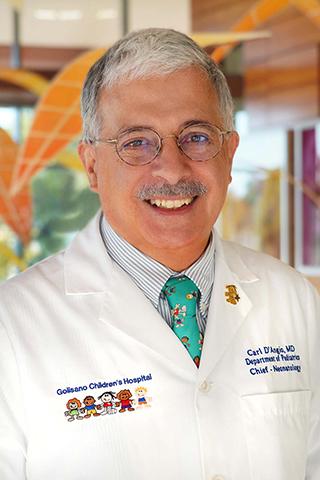
Carl T. D'Angio, M.D. is Professor of Pediatrics at the University of Rochester School of Medicine and Dentistry , Chief of the Division of Neonatology, and attending neonatologist at both URMC and Rochester General Hospital. With over three decades of clinical and research leadership, his work focuses on improving outcomes for at-risk newborns through clinical trials, infection/immunity research, and neonatal ethics. MD from Johns Hopkins University (1983) Pediatrics Residency at Children's Hospital of Philadelphia (1985-1987) Neonatology Fellowship at University of Rochester (1991-1994) His research leadership includes principal investigator roles in the NICHD Neonatal Research Network for multi-center trials on immunizations in premature infants , lung injury prevention , and catheter-related infections . Recent work examines antibiotic effects on preterm outcomes and social determinants of care . Scientific contributions span bronchopulmonary dysplasia pathogenesis , vaccine immunogenicity in preterm infants, and hyperoxia-induced lung injury mechanisms. Awards include Best Doctors in America (multiple years) and Buswell Fellowship . Collaborative studies address neonatal ethics , developmental outcomes , and global perinatal health through publications in JAMA , JAMA Pediatrics , and Pediatrics . As a principal investigator, he bridges clinical practice with research through the Prematurity and Respiratory Outcomes Program (PROP) and AWAKEN acute kidney injury studies.
Prof. Dunja Bruder is a university professor of infection immunology at the Institute of Medical Microbiology and Hospital Hygiene at Otto von Guericke University (OVGU) and Head of the Immune Regulation Research Group at the Helmholtz Center for Infection Research (HZI). She obtained her PhD in immunology from TU Braunschweig and completed postdoctoral training at Harvard Medical School and Yale University School of Medicine. Her research focuses on immune regulation in respiratory viral infections, chronic inflammatory lung diseases, and mucosal immunity. She leads two research groups and holds leadership roles in the Research Focus on Respiratory Viral Infections (HZI), the CRC 854, and the Otto-von-Guericke Graduate Academy. Her work integrates innate and adaptive immunity, with particular emphasis on T-cell responses, microbiota interactions, and vaccine development. She also contributes to teaching in master's programs and human medicine. Education Bachelor/Master: Biotechnology, Technical University of Braunschweig PhD (1996–1999): Immunodominance and T-cell responses to bacterial toxins, HZI Habilitation (2009): Immunology, Hannover Medical School Research Interests Bruder’s work examines immune responses to respiratory pathogens like influenza and SARS-CoV-2, the role of epithelial-T-cell interactions in asthma, and the modulation of immune defenses by microbiota. She investigates vaccine strategies using defective interfering particles and antigen-targeting approaches. Her studies also address antitumor immune training via viral infections and metabolic control of T-cell function in asthma endotypes. Key Contributions She pioneered the analysis of alveolar macrophage dysfunction in chronic lung diseases and demonstrated the protective role of IL-33 in microbiota-mediated antibacterial defenses. Her team developed predictive models for influenza infection using hematological data and identified CD47 as a critical regulator of antiviral macrophage activity. Labs/Teams Leads the Immune Regulation Group at HZI and collaborates with the Institute of Medical Microbiology at OVGU. Active in the HZI’s Respiratory Viral Infections Research Focus and the CRC 854.
Associate Professor Marcus Kitchen is affiliated with Monash University's School of Physics and Astronomy and the Victorian Heart Institute. He specializes in developing advanced X-ray imaging techniques, including Phase Contrast Imaging, Compton Scatter Imaging, and Ultra-Low Radiation Dose methods. His research focuses on enhancing diagnostic capabilities in lung and brain imaging while minimizing radiation exposure. Collaborations with institutions like the Hudson Institute aim to improve neonatal care, particularly for preterm infants with underdeveloped lungs. Key projects include translating synchrotron-based methodologies for clinical and industrial applications. Research interests span biomedical imaging, material discrimination, and radiation dose reduction. He leads or co-leads over 30 projects, including 'X-ray Scatter Imaging: Vast Information with Minimal Radiation' (2025–2028) and 'IMPACT: IMplementation of x-ray PhAse-Contrast Tomography to transform cancer diagnosis' (2022–2026). His work aligns with UN Sustainable Development Goals focused on health and innovation. Publications emphasize novel imaging modalities and their applications in respiratory and neurological disorders. Despite no explicit awards listed, his contributions to reducing radiation exposure and advancing lung mechanics research are significant. He supervises graduate students and actively seeks PhD candidates. His lab integrates theoretical, computational, and experimental approaches to bridge gaps between fundamental physics and clinical medicine.
Prof. Benedetta Bottari is an Associate Professor at the Department of Food and Drug Science, University of Parma. She specializes in food microbiology, focusing on lactic acid bacteria, fermented foods, and microbial dynamics in dairy products like Parmigiano Reggiano cheese. Her research employs molecular techniques like PCR analysis and fluorescence microscopy to study microbial viability and biodiversity. Educational Background: PhD in Food Science and Technology (2006–2009), University of Parma MSc in Food Science and Technology (2004), University of Parma BSc in Agricultural Studies, Diploma from G. Marconi High School (1994–1999) Research Interests: Prof. Bottari’s work centers on microbial ecology in food systems, probiotic development, food safety, and the application of advanced molecular methods to study cheese microbiota. She has contributed to projects on prebiotic effects, UV treatment for microbial abatement, and the role of microbial communities in food quality. Grants & Projects: Co-led projects on Parmigiano Reggiano microbiota and probiotic strain selection Scientific coordination of EU-funded dairy science education initiatives Collaborations with industries like Tetra Pak and CIPACK for food safety solutions Teaching: She teaches courses in Food Microbiology, Probiotics, and Functional Foods across undergraduate and graduate programs in Food Engineering, Gastronomy, and Nutrition. Labs & Teams: Her research group focuses on food microbiology, collaborating with institutions like SIMTREA and the Parmigiano Reggiano Consortium to advance food technology and safety.
David Warburton, MD is a Professor of Pediatrics at the University of Southern California (USC), affiliated with the Saban Research Institute at Children's Hospital Los Angeles (CHLA). His work bridges neonatal-perinatal medicine, developmental biology, and regenerative medicine, with a focus on lung morphogenesis, repair, and fibrosis. He has pioneered studies on molecular embryology of the lung, including growth factor and extracellular matrix roles in lung development and disease. Warburton's research spans clinical and basic science, including management practices for extreme prematurity, fetal lung maturation, and pediatric interstitial lung diseases. He collaborates internationally, particularly in the UK, and mentors doctoral and postdoctoral fellows. His awards include the Order of the British Empire (2009) for UK/US scientific collaboration and fellowships from Royal Colleges of Surgeons, Physicians, and Paediatrics. Key research areas include environmental health impacts (e.g., air pollution in Mongolia), post-COVID-19 pediatric sequelae, and clinical trials for nintedanib in fibrosing interstitial lung diseases. His studies leverage stem cells, extracellular vesicles, and molecular signaling pathways to advance regenerative therapies. Awards: OBE (2009), Royal College Fellowships Grants: NIH, CIRM, UK MRC/BBSRC Key Projects: LungMAP molecular atlas, Mongolian air pollution cohort studies
Yehuda Ben-Shahar is a Professor of Biology at Washington University in St. Louis, where he has served since 2008. His research integrates behavioral, genetic, genomic, and molecular approaches to investigate the genetic architectures underlying animal behavior, primarily using Drosophila melanogaster and honey bees as model systems. He maintains laboratory facilities at the Bayer Laboratory (Room 406) and conducts field research at the Tyson Research Center. Ben-Shahar earned his PhD from the University of Illinois at Urbana-Champaign. His research focuses on how specific genes in neuronal circuits govern behaviors like feeding and mating decisions, with significant contributions to understanding honey bee social behavior evolution. Recent work centers on the gut microbiome's role in nestmate recognition and developing genetic tools for non-model insects. His publication record reveals consistent innovation in behavioral genetics, with recent emphasis shifting toward microbial influences on social behavior and neural circuit analysis. Early work established foundational insights into gene-behavior relationships, while current research explores chemosensory mechanisms across insect and mammalian systems. Scientific recognition includes: Multiple Faculty of 1000 'Must read' designations (2002, 2007, 2009) Cover features in Science (2009) and Journal of Experimental Biology (2002) 'Mutant of the Month' in Nature Genetics (2006) Extensive media coverage including NPR, CBC Radio, and major newspapers Ben-Shahar mentors graduate students including Cassie Vernier (whose 2020 Science Advances paper defined gut microbiome roles in hive membership) and has supervised numerous undergraduates. His lab operates through collaborative grants supporting research at the intersection of genetics, neuroscience, and social behavior. The Ben-Shahar Lab maintains active research teams at the Bayer Laboratory for molecular work and the Tyson Research Center for honey bee studies, with recent projects involving cyborg locust development and odor-guided navigation research.
Prof Gareth Brian Miles is a Professor of Neuroscience at the University of St Andrews, affiliated with the School of Psychology and Neuroscience. His research focuses on understanding the neural control of movement, particularly motor systems of the brainstem and spinal cord, with applications to neurodegenerative diseases like Motor Neuron Disease (MND). His lab studies ion channels, neuronal networks, and synaptic physiology in both healthy and diseased states. Research Interests: His work spans from molecular mechanisms to network dynamics, emphasizing the role of astrocytes, cholinergic pathways, and synaptic dysfunction in motor disorders. Key areas include ALS, dystonia, and the modulation of spinal circuits by glial-derived signaling molecules like adenosine. Selected Achievements: Miles has received the 7th International Paulo Gontijo Award in Medicine (2015) and a teaching award for dissertation supervision (2010). His lab has pioneered techniques like super-resolution microscopy and biointegrated microlasers for studying neural networks and contractility in live tissues. Lab & Collaborations: The lab collaborates on projects involving human iPSC-derived models of ALS, spinal cholinergic interneurons, and optogenetic tools. Current PhD students include Jui-Yi Chen, Alyssa Corbett, Ahmad Jibai, and Struan Nisbet. Miles directs the Institute of Behavioural and Neural Sciences and holds roles in interdisciplinary research centers.