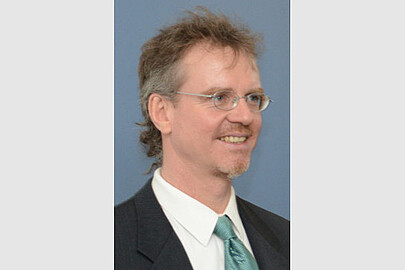
Dr. Cormac Lucas is a Senior Lecturer in the Department of Mathematics at Brunel University London, affiliated with the College of Engineering, Design and Physical Sciences. His work bridges mathematical optimization with practical applications in finance and operations management. Lucas specializes in Mathematical Optimisation Stochastic Optimisation Asset and Liability Management (ALM) Risk Analytics Portfolio Optimization Supply Chain Planning Under Uncertainty His research combines theoretical advancements with industrial projects, such as US Coast Guard Cutter Scheduling, Insight Investment's ALM, and Unilever's Natural Oil Buying Policy. Recent publications (2013–2024) highlight his focus on Portfolio Rebalancing with Transaction Costs Scenario Generation for Stochastic Programming Heuristic Algorithms for Cardinality Constraints Queuing Systems with Standby Servers Robust Supply Chain Planning Financial Derivative Modeling These works utilize methods like Variable Neighbourhood Search, Differential Evolution, and Lagrangian Relaxation. Email: cormac.lucas@brunel.ac.uk
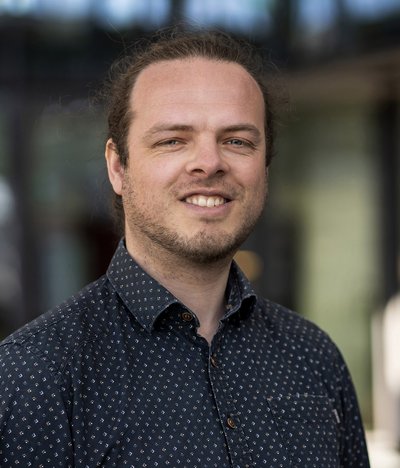
Dr. Kimberly Moore is an Associate Center Director and Professor in the Environmental Horticulture department at the University of Florida's Fort Lauderdale Research and Education Center. Her work focuses on sustainable nutrient management, alternative growing substrates, and plant responses to saline irrigation water. She collaborates with researchers and industry leaders to evaluate bedding plants and rose cultivars in trial gardens, emphasizing resource conservation and environmental stewardship. Role: Associate Center Director and Professor Institution: University of Florida (Fort Lauderdale Research and Education Center) Department: Environmental Horticulture Research Interests Dr. Moore's research explores: Alternative substrates for peat replacement Plant responses to reclaimed wastewater and saltwater intrusion Surfactant applications for deficit irrigation Sustainable ornamental production systems Hydrophobic soil management Salinity stress mitigation in greenhouses Scientific Awards 2021 Award Recipient's Breakfast (By Invitation Only) Affiliation and Lab She leads the Trial Garden Lab at the Fort Lauderdale Research and Education Center, collaborating with industry partners to assess plant performance under environmental stressors. Her extension programs include advanced water management initiatives for Master Gardener Volunteers and educational resources on irrigation water analysis.
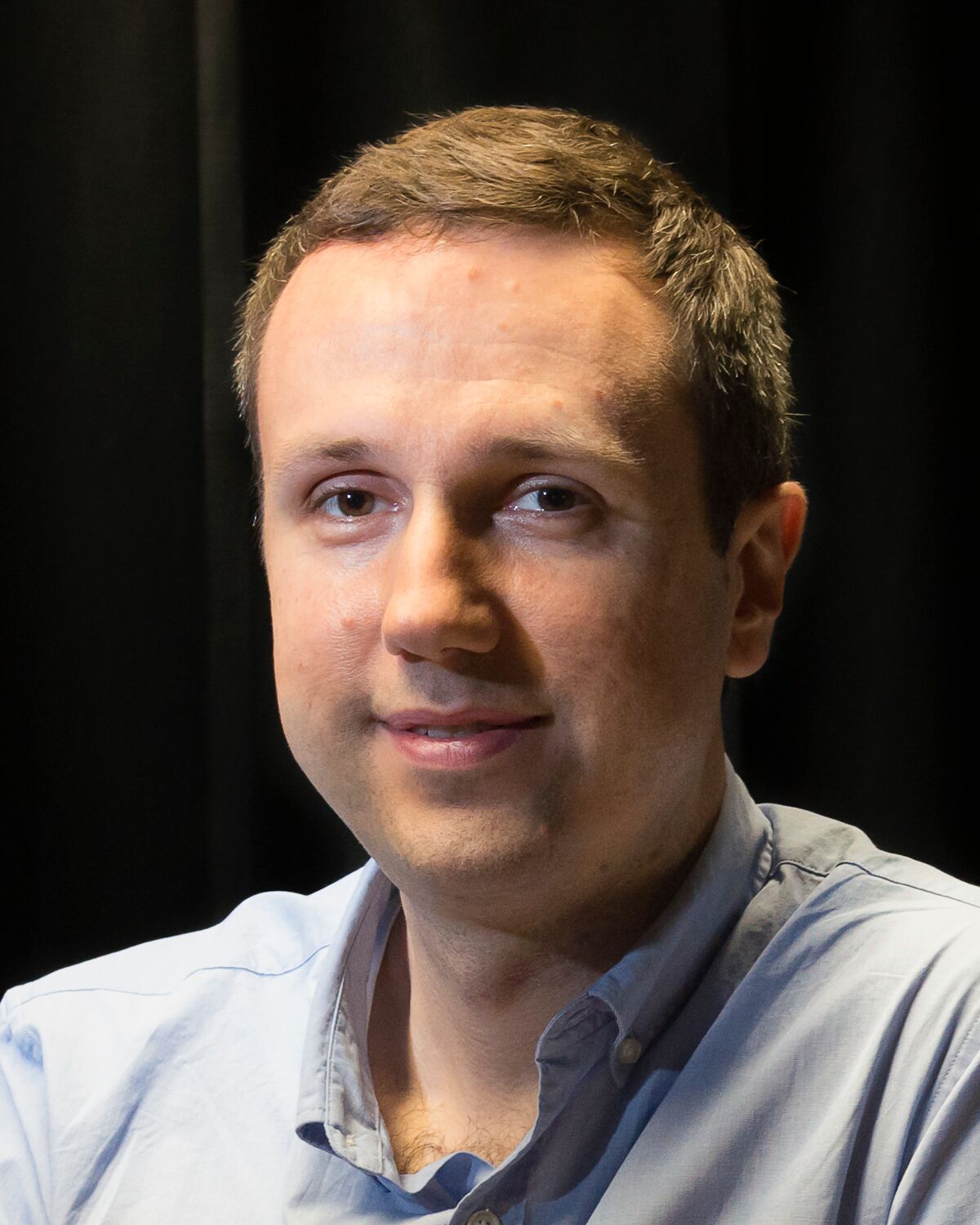
Prof. Dr. Eileen Eckmeier serves as Director of the Institute for Ecosystem Research at Christian-Albrechts-University of Kiel and holds a W3 Professorship in Geoarchaeology and Environmental Risks. She concurrently acts as Co-spokesperson of the ROOTS Cluster of Excellence (since October 2023), Spokesperson of the ROOTS subcluster "Socio-Environmental Hazards," Vice President of DEUQUA (German Quaternary Association), and Board member of multiple academic organizations including the Soil and Archaeology Working Group of the German Soil Science Society. Her educational background includes a Dr. sc. nat. from the University of Zurich (2007) with award from the Faculty of Mathematics and Natural Sciences for her dissertation "Detecting prehistoric fire-based farming using biogeochemical markers," and a Diploma in Geography from the University of Cologne (2002) with minors in Soil Science, Prehistory and Early History, and History. Eckmeier's research centers on soil geography and geoarchaeology , particularly human-environment relationships during the Holocene where soils serve as both resources and archives of human activity. Her work investigates changes in soil properties due to land use and climate change across spatial and temporal scales, with geographical focus spanning European and Asian loess/steppe landscapes (Central Europe, Middle East, Mongolia), North Frisian Islands, the Alps, and African savannahs. She employs interdisciplinary approaches combining soil science, archaeology, and paleoenvironmental reconstruction. Analysis of her 15 most recent publications reveals strong emphasis on paleoenvironmental reconstruction through soil archives , with significant contributions to understanding prehistoric agriculture, loess-paleosol sequences, and human impacts on landscapes. Key thematic clusters include Neolithic fertilization practices, ridge and furrow cultivation systems, wildfire impacts on soils, and tectonic-landscape-human interactions in critical regions like the Kenya Rift and European loess belts. Award from Faculty of Mathematics and Natural Sciences, University of Zurich As Director of the Institute for Ecosystem Research and Co-spokesperson of the ROOTS Cluster of Excellence, Eckmeier leads major research initiatives examining societal, environmental, and cultural change. Her leadership extends to the Scientific Advisory Board of the Stone Age Park Dithmarschen and multiple institutional boards focused on Quaternary research and soil-archaeology integration. Current projects investigate socio-environmental hazards through the ROOTS framework while maintaining active fieldwork in diverse global landscapes from European loess regions to African savannahs. Eckmeier directs research teams within the Institute for Ecosystem Research's Geoarchaeology and Environmental Risks group, coordinating work across multiple specialized units including Geobotany, Environmental History and Archives, Applied Ecology and Paleoecology, and Technical Platform teams. Her ROOTS Cluster leadership integrates these efforts into a comprehensive framework examining human responses to environmental change over millennia.
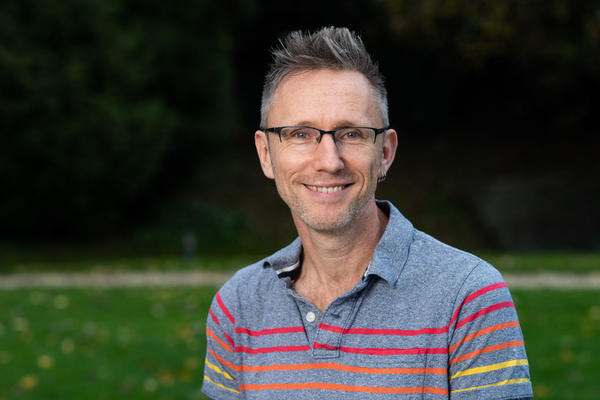
Matthias Becker is a Professor at the Institute for Practical Computer Science within the Faculty of Electrical Engineering and Computer Science at Leibniz University Hannover, where he has been a core member of the Human-Computer Interaction group since 2019. He serves as Internship Coordinator for Computer Science and Computer Engineering and holds key roles in the Computer Science Examination Board and Selection Committee, actively shaping academic governance and student development. His academic journey began with PhD studies at the University of Bremen (1996-2000) supported by a DFG grant, followed by a postdoctoral permanent position at Leibniz University Hannover (2000-2019), an Associated Assistant Professor role at École des Mines de Nantes (2000), and a Habilitation in Computer Science in 2013. This foundation enabled his transition to a full professorship in 2019. Becker's research spans Human-Computer Interaction, Simulation and Modeling, and Bio-inspired Computing, with applications in agriculture, renewable energy, and manufacturing. His work integrates distributed systems, optimization algorithms, and wireless sensor networks to solve complex real-world problems, such as greenhouse monitoring, wind farm logistics, and tire noise reduction. Recent publications reveal a strategic focus on practical validation of simulation models and cross-domain applications of nature-inspired algorithms. His 15 most recent publications (2018-2024) demonstrate consistent innovation in applying simulation techniques to offshore wind farm installation, agricultural pest management, and sports science. These works emphasize real-world validation, collaborative problem-solving, and the development of domain-specific optimization frameworks that bridge theoretical algorithms and industrial implementation. As Internship Coordinator, Becker facilitates critical industry-academia connections for students, while his examination board responsibilities ensure rigorous academic standards. His leadership in the Human-Computer Interaction group drives research on interactive systems for agriculture, energy, and health, with particular emphasis on user-centered design in complex operational environments like wind farm logistics and greenhouse automation.
Scott Goddard serves as Assistant Professor of Statistics at the University of Alaska Fairbanks since 2015, holding a PhD from Texas A&M University (2015). His office is located in CH 201E with contact via sdgoddard@alaska.edu. His research spans Bayesian Statistics , focusing on theoretical development and practical applications. Key interests include hypothesis testing , variable selection , and Bayesian philosophy , with methodologies applied to engineering, ecological, and petroleum systems. Recent work demonstrates interdisciplinary collaboration through reservoir characterization algorithms and wildlife movement modeling. Publications reveal a trend toward real-world Bayesian implementations, particularly in energy extraction and ecological monitoring, often co-authored with graduate researchers. His advising includes UAF students Yuhun and J. M. Eisaguirre, whose thesis work contributed to peer-reviewed publications in SPE Reservoir Evaluation & Engineering and Methods in Ecology and Evolution.
Laurens Bliek is an Assistant Professor at the Department of Industrial Engineering & Innovation Sciences, Eindhoven University of Technology (TU/e). He specializes in combining artificial intelligence (AI) with optimization techniques for computationally intensive problems, focusing on sustainable applications such as public transport, electric vehicles, and CO 2 reduction. Education: MSc in Applied Mathematics (2014), PhD in Systems & Control (2019) from Delft University of Technology. Prior Role: Postdoctoral researcher at the Algorithmics group, Delft University of Technology. Research Interests: His work addresses AI-driven optimization of expensive cost functions, particularly in logistics, communications, and healthcare. He develops methods to handle computationally intensive simulators and digital twins, emphasizing real-time decision-making and sustainability. Recent Publications: His research spans predictive maintenance using Fourier graph neural networks, real-time container yard allocation, and 5G network optimization. Articles appear in journals like IEEE Transactions on Neural Networks and Learning Systems and Computer Networks . Collaborations: Laurens collaborates with industry partners (LioniX, Dutch Railways) and organizations (European Supply Chain Forum, Logistics Community Brabant). He co-leads the 12-PhD program AI Planner of the Future and participates in AI sustainability working groups. Supervision: Co-promotor of PhD students Ya Song and Abdo Abouelrous, focusing on AI applications in routing and maintenance logistics.
Marc Frappier is a full professor at Université de Sherbrooke with over 25 years of academic experience. His research focuses on formal methods , security , and software synthesis . He holds a PhD from the University of Ottawa (1995), a Master's (1990) and Bachelor's (1986) from Université de Sherbrooke. Research Areas: Formal specification/verification, intrusion detection, access control, ASTD/TASTD modeling, automotive systems Grants: NSERC, MITACS, PSEPC, CSE Canada, Natural Resources Canada (total over $2.5M) Selected Publications highlight formal methods in automotive systems, security policy verification, and real-time modeling. His work spans cross-domain collaborations including healthcare, industrial systems, and cybersecurity. Scientific Awards: Distinguished Service Award 2019 (Cs-Can | Info-Can) Committee Roles : Program Committee member for 15+ conferences (2012-2021), including ABZ, ICFEM, HASE, and RAMiCS.
Christopher Conrad is a Professor of Geoecology at Martin Luther University Halle-Wittenberg, where he has served since 2019. His academic journey includes previous positions as Acting Professor at the same university (2017-2019), Junior Professor for Geographical Remote Sensing at Julius-Maximilians-University Würzburg (2011-2017), and research roles at the German Remote Sensing Data Center. He completed his habilitation on remote sensing applications for sustainable land/water use in the Aral Sea Basin in 2017 and earned his doctorate in 2006. Conrad's research integrates remote sensing, geospatial analysis, and landscape ecology to address sustainability challenges. His primary focus areas include: Agricultural landscape dynamics and land use systems Climate change impacts on water resources and migration patterns Advanced remote sensing techniques for environmental monitoring Ecosystem services assessment in vulnerable regions He leads multiple projects such as CawaGreen , MIGRAWARE , and AgriSens Demmin 4.0 focused on climate adaptation and agricultural innovation. His recent publications demonstrate strong thematic coherence around satellite-based environmental monitoring, with 63% focused on remote sensing applications, 25% on climate-water-agriculture nexus, and 12% on socio-ecological systems. The works predominantly utilize Sentinel, MODIS, and RapidEye data with machine learning integration. Conrad coordinates research teams and landscape laboratories investigating hydrological processes, soil erosion, and crop monitoring. His fieldwork spans Central Asia (Aral Sea Basin), West Africa, and European agricultural systems, emphasizing practical solutions for sustainable land management.
Addie M. Thompson is an Assistant Professor at Michigan State University, affiliated with the Plant Resilience Institute, Genetics & Genome Sciences Program, and Molecular Plant Sciences Program. Her research focuses on maize and sorghum genetics, phenomics, and environmental response, with agricultural applications in drought tolerance and climate resilience. Degrees: B.S. from Iowa State University, Ph.D. and postdoc from University of Minnesota, postdoc from Purdue University Research Focus: Thompson's lab investigates genotype-environment interactions in maize and sorghum, integrating quantitative genetics, phenomics, and modeling to address agriculturally relevant questions. Key areas include drought stress response, plant morphology, high-throughput phenotyping, and computational breeding tools. Publication Trends: Her recent work spans maize/sorghum comparative genomics, hyperspectral disease detection, climate-resilient breeding strategies, and computational tools for multi-objective breeding optimization. Grants & Projects: Thompson contributes to USDA-funded corn tar spot resistance research and a $2.7 million Department of Energy project on plant genetics. Laboratory: The Thompson Maize Lab develops digital phenotyping technologies and physiological models for crop improvement.
Dr. Craig F. Purchase is a Professor of Biology in the Department of Biology within Memorial University's Faculty of Science. His research focuses on evolutionary ecology of fishes, particularly salmonid reproduction, hybridization dynamics, and cryptic female choice mechanisms. Leading multiple active field teams (Team Salmon, Team Trout, Team Redfish), he conducts intensive research on Atlantic salmon, brown trout, and Acadian redfish in Newfoundland ecosystems including Gros Morne National Park and Bonne Bay fjord. His research program integrates field ecology with laboratory experiments to investigate: Sperm competition and cryptic female choice in external fertilizers Hybridization barriers between invasive brown trout and native Atlantic salmon Environmental impacts on reproductive physiology Senescence patterns in long-lived fish species Conservation strategies for threatened salmonid populations Recent publications reveal strong focus on reproductive fluid dynamics, hybridization prevention mechanisms, and climate change impacts on salmonid life histories. His work shows particular expertise in ovarian fluid rheology, sperm-egg interactions, and landscape-level invasion dynamics. Scientific recognition includes: Election as Vice-President (2020-2021) and President (2022-2023) of the Canadian Aquatic Resources Section (CARS) of the American Fisheries Society Multiple NSERC-funded projects supporting undergraduate and graduate research Collaborations with international institutions in Sweden, Norway, Australia, and USA He actively mentors numerous graduate and undergraduate students through field-intensive projects, securing substantial grants from Atlantic Salmon Conservation Foundation and Fisheries & Oceans Canada. His lab maintains strong partnerships with Parks Canada, ERMA (Eastern Regional Model Aquaculture), and the Salmonid Association of Eastern Newfoundland.
Vijay Gupta is the Elmore Professor of Electrical and Computer Engineering and Associate Head of Graduate and Professional Programs at Purdue University's College of Engineering. His research focuses on distributed decision-making systems, combining data-driven and model-driven approaches for infrastructure networks like power grids, transportation systems, and water distribution networks. Key areas include compositional control, cyber-physical security, and incentive design in distributed estimation and control. Education: B.Tech from Indian Institute of Technology Delhi, M.S. and Ph.D. from California Institute of Technology, all in Electrical Engineering. Prior roles include faculty positions at Notre Dame and research roles at United Technologies Research Center. Research emphasizes resilient control strategies for large-scale systems, with recent work addressing secure estimation under adversarial attacks, model reduction techniques, and reinforcement learning frameworks for decentralized control. His publications span control theory, cyber-physical systems, and optimization algorithms. Grants and collaborations are not explicitly detailed here, but his work reflects significant engagement with foundational and applied research challenges in networked systems. No specific awards are listed in the provided texts.
Christopher D. Harvey is a Professor of Neurobiology at Harvard Medical School and Director of PiN Admissions. His research focuses on understanding how neuronal circuits in the mammalian cortex perform computations related to decision-making, working memory, and spatial navigation. He utilizes advanced techniques including virtual reality, optogenetics, and computational modeling to study neural dynamics in mice. Harvey earned his Ph.D. from Cold Spring Harbor Laboratory and his B.S. from Vanderbilt University. He has received numerous awards, including the NIH Director’s Pioneer Award and the National Academy of Sciences Troland Research Award. His lab investigates cortical circuits using state-of-the-art imaging and behavioral paradigms to link neural activity to behavior. Education: Ph.D., Cold Spring Harbor Laboratory, 2008 B.S., Vanderbilt University, 2003 (Biomedical Engineering and Molecular/Cellular Biology) Research Interests: Harvey's work combines experimental and theoretical approaches to study how cortical circuits encode information during navigation and decision-making. His lab develops tools like the Harvey Lab miniaturized VR rig and DeepEthogram for automated behavior analysis. Current projects include investigating error-correction signals in inhibitory neurons and the functional architecture of posterior cortical networks. Awards: National Academy of Sciences Troland Research Award (2024) NIH Pioneer Award (2020-2025) Harvard Medical School Harold Amos Award (2022) Society for Neuroscience Young Investigator Award (2018) Advising & Grants: Harvey mentors a diverse team of postdocs and graduate students focusing on neurobiology and computational neuroscience. His funding includes NIH grants for studying cortical networks and mechanisms of decision-making. He has pioneered projects linking synaptic wiring to behavior and developed novel viral drivers for cell-type-specific studies. Labs & Collaborations: The Harvey Lab at Harvard Medical School collaborates with institutions like Janelia Research Campus and Cold Spring Harbor Laboratory. Their work is supported by resources such as the DANDI Archive for open data sharing and GitHub repositories for code and experimental protocols.
Professor Stuart West is a Professor of Evolutionary Biology at the University of Oxford's Department of Biology. His research focuses on the evolution of social behaviors, including cooperation, altruism, and spite, with a particular emphasis on how these phenomena drive major evolutionary transitions. He employs a multidisciplinary approach combining theoretical models, experimental studies, and comparative analyses across species, particularly in bacteria and insects. Key research areas include the evolution of cooperation and division of labor, genomic analyses of social behaviors, and the role of ecological factors in shaping social strategies. His work addresses questions such as how cooperation evolves despite potential cheating, and how symbiotic relationships influence diversification. Professor West is affiliated with two Oxford addresses: the Department of Biology on Mansfield Road (OX1 3SZ) and the South Parks Road campus (OX1 3RB). His research has explored topics ranging from microbial cooperation to the evolutionary dynamics of eusociality in ants. He is actively engaged in advancing methods like SOCfinder, a genomic tool for identifying cooperative genes in bacteria.
Jie Xu is an Associate Professor in the Department of Electrical & Computer Engineering at the University of Florida, part of the College of Engineering. Their primary research area is Computer Engineering, with a focus on Edge computing, wireless communications, federated learning, and reinforcement learning. Xu holds a Ph.D. from UCLA (2015), M.S. and B.S. from Tsinghua University (2010/2008). Key research interests include federated learning frameworks, edge computing optimization, quantum networking, and adversarial machine learning. Their work addresses challenges in distributed systems, IoT integration, and energy-efficient AI solutions. Xu has been recognized with prestigious awards including the NSF CAREER Award (2021) and the Distinguished Ph.D. Dissertation Award (UCLA, 2015). Recent publications emphasize advancements in federated learning techniques (e.g., FedALT, LoRA-FAIR), quantum entanglement routing, and carbon-aware distributed systems (CAFE). Their research bridges theoretical foundations with practical applications in edge computing and wireless networks. Xu’s lab focuses on collaborative edge intelligence, with projects involving automated neural network ensembles and mobility-assisted federated learning. They actively mentor students seeking Ph.D. opportunities in machine learning and communications, requiring strong mathematical and programming skills.
Lisa O'Bryan is an Assistant Research Professor in the Department of Electrical and Computer Engineering at Rice University. She holds a Ph.D. in Ecology, Evolution, and Behavior from the University of Minnesota (2015) and a B.S. in Zoology from Texas A&M University (2008). Her research focuses on understanding communication mechanisms underlying collective social behaviors in both human and non-human species, leveraging computational models and machine learning. She has pioneered the use of wearable dataloggers and audio-visual recording technologies to study animal groups and human teams. Dr. O’Bryan’s interdisciplinary work bridges engineering, biology, and social sciences. Her current research investigates vocal turn-taking in human teams and vocal coordination in animal groups. She has received prestigious fellowships, including the James S. McDonnell Postdoctoral Fellowship (2015) and the Rice Academy Postdoctoral Fellowship (2018). Her long-term goals include applying insights from collective behavior to improve human collaboration, aid wildlife conservation, and inform artificial intelligence design. Research Highlights: Developed novel methodologies for analyzing collective intelligence in human teams Discovered goats use copying rather than voting to coordinate movement Explored communication networks in baboons and chimpanzees Her work has been featured in Nature Magazine and she frequently collaborates across disciplines, integrating engineering tools with ecological and behavioral studies.

-422x272.png)