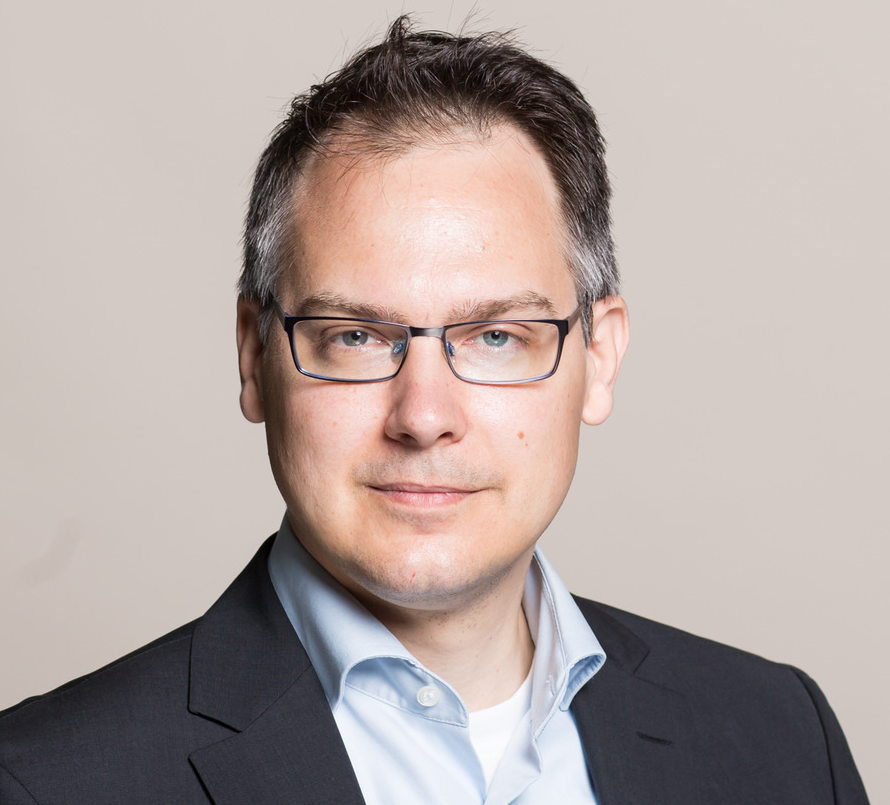
Tobias Bolch is a full Professor at the Institute of Geodesy, Graz University of Technology (TU Graz), Austria, specializing in cryospheric research with a focus on High Mountain Asia and the Tibetan Plateau. His work integrates advanced geodetic and remote sensing methodologies to address critical climate change impacts on glaciers and related systems. His research spans: Glacier dynamics and mass balance monitoring using InSAR and optical satellite data Rock glacier kinematics and permafrost interactions Glacial lake evolution and outburst flood hazards Climate-glacier-hydrology linkages in Central Asian river basins Long-term cryosphere reconstruction using historical satellite archives Analysis of his 2023-2025 publications reveals dominant trends in quantifying ice loss acceleration, particularly from lake-terminating glaciers, and the application of multi-sensor approaches (Sentinel, ASTER, UAV) for decadal-scale change detection. His work consistently emphasizes the hydrological consequences of glacier retreat for downstream water security across High Mountain Asia. No scientific awards or specific grant programs were documented in the provided materials. While student supervision details are absent, his position at TU Graz's Institute of Geodesy indicates active mentorship within geospatial and cryospheric research programs. His homepage (https://ifg.tugraz.at) serves as the primary hub for research dissemination through the university's PURE portal.
Dr. Yunjie Yang is an Associate Professor at the University of Edinburgh's School of Engineering, with affiliations at the Edinburgh Futures Institute (EFI), the Edinburgh Generative AI Laboratory (GAIL), and the Edinburgh Centre for Robotics. He previously held the Chancellor's Fellow in Data Driven Innovation (2018-2023) and Bayes Innovation Fellow (2023-2024) positions. His research focuses on AI-powered sensing and imaging, machine learning, and soft sensors & electronics for robotics. Yang received his PhD in Engineering Electronics from the University of Edinburgh, MSc in Control Science & Engineering from Tsinghua University, and BEng in Measurement & Control Engineering from Anhui University. After his PhD, he worked as a Postdoctoral Research Associate in Chemical Species Tomography before securing his lectureship. His research interests center on developing intelligent sensing systems that replicate human perception capabilities for robotics and intelligent systems. He pioneers flexible sensing and imaging technologies across various scales through innovative multi-modal sensors, soft electronics, and their modeling using machine learning approaches. His work aims to enable autonomous physical artificial intelligence by bridging the gap between robotic systems and human-like perception. Analysis of his recent publications reveals a strong focus on soft robotics perception, particularly through electrical impedance tomography (EIT) and transformer-based architectures. His research spans medical imaging applications, digital twin modeling for industrial processes, and machine learning approaches for sensor data interpretation. The trend shows increasing integration of physics-informed deep learning with traditional tomographic techniques to achieve higher accuracy and efficiency. European Research Council (ERC) Starting Grant (2024) IEEE J. Barry Oakes Advancement Award (2024) IEEE I&M Society Graduate Fellowship Award (2015) Multiple Best Paper Awards Senior Member of IEEE Fellow of the International Society for Industrial Process Tomography Fellow of the Higher Education Academy ESI highly cited papers Dr. Yang serves as Associate Editor for IEEE Transactions on Instrumentation and Measurement and holds editorial positions with Scientific Reports and IEEE Sensors Journal. His research has been licensed to overseas research institutes and industry partners and received wide media coverage including BBC, EFE, USA Today, and STV. He has secured significant grant funding including the prestigious ERC Starting Grant. He leads the Edinburgh SMART Lab (Sensing/imaging + Machine Learning + Robotics), which aims to replicate human perception capabilities for robotics and advance flexible sensing technologies through innovative multi-modal sensors and machine learning approaches. The lab focuses on enabling autonomous physical artificial intelligence with applications spanning medical diagnostics, industrial monitoring, and advanced robotics systems.
Gerald Pruckner is a Professor at the Department of Economics, Johannes Kepler University Linz (JKU), where he serves as Head of the Institute of Health Economics and Dean of the Kurt Rothschild School of Economics and Statistics (RoSES). His academic career spans over three decades with significant leadership roles including heading the Christian Doppler Laboratory for Aging, Health, and the Labor Market (2014-2021), and serving on the board of the Austrian Health Economics Association (ATHEA). He teaches multiple courses including Introductory Microeconomics, Empirical Economics, and Health Economics for the 2025W semester. Pruckner earned his PhD in Economics from the University of Linz in 1993. His academic journey began as an Assistant Professor at JKU (1989-2002), followed by a Professorship at the University of Innsbruck (2002-2006), then returning to JKU as Associate Professor (2006-2010) before his current Professorship (since 2011). He has held visiting positions at the University of Adelaide and UC Berkeley. His research focuses at the intersection of health economics, behavioral economics, and aging, examining healthcare systems, physician behavior, and the relationship between labor markets and health outcomes. Recent work investigates hospital crowding effects, gender differences in medical practice, chronic disease screening effectiveness, and child health services. His research consistently applies economic principles to understand healthcare delivery with emphasis on the Austrian context, often utilizing register data for evidence-based policy insights. Analysis of Pruckner's publication trends shows a sustained focus on practical healthcare issues with policy relevance. His work spans hospital management challenges, gender differences in medical practice, chronic disease screening effectiveness, and child health services. The research consistently bridges academic inquiry with practical health policy applications, with increasing attention to pandemic impacts and digital transformation in healthcare. Board member of Austrian Health Economics Association (ATHEA) since 2015 Member of Health Economics Committee (Verein für Socialpolitik) since 2013 Deputy head of national research network 'The Austrian Center for Labor Economics and the Analysis of the Welfare State' (2008-2013) Head of Christian Doppler Laboratory for Aging, Health, and the Labor Market (2014-2021) Pruckner actively mentors graduate students through dissertation colloquia and master's thesis supervision. His research portfolio includes 23 projects with significant funding, including current work on health services research in Upper Austria and empirical analysis of Linz healthcare provision. As Dean of RoSES and Head of the Health Economics Institute, he provides institutional leadership while maintaining an active research agenda with over 100 publications. He leads multiple research teams focused on health services research, with current projects examining healthcare provision in Linz, health indicators for the region, and broader health system analysis. His work bridges academic research and practical health policy applications through collaborations with regional health authorities and participation in professional associations.
Prof. Tobias Plieninger holds dual appointments as Professor of Social-Ecological Interactions at the Universities of Kassel and Göttingen, Germany, and currently serves as Dean of Research at Kassel’s Faculty of Organic Agricultural Sciences. He specializes in sustainability science focusing on rural landscape dynamics, ecosystem services, and transformative change processes. His work examines intersections between agriculture, forestry, nature conservation, and natural resource management. Education: PhD in Forest and Environmental Sciences (2004, University of Freiburg), Habilitation in Landscape Ecology (Humboldt-Universität zu Berlin). Prior roles include Associate Professorships at the University of Copenhagen and leadership at the Berlin-Brandenburg Academy of Sciences. Research focuses on biocultural landscapes, agroforestry systems, and participatory methods. Notable projects include coordination of the EU’s HERCULES initiative and leadership in IPBES’ Transformative Change Assessment. Recognitions include Clarivate’s Highly Cited Researcher (2019–2022) and the Henriette Herz Fellowship (2022). Editorial roles: Lead Author for IPBES, Associate Editor at Landscape and Urban Planning and People and Nature . Over 200 publications span topics like ecosystem service synergies, high nature value farming, and rewilding strategies. Active in policy engagement through Germany’s Leopoldina Academy and the Joint Programming Initiative on Cultural Heritage. Research Themes: Landscape sustainability, participatory governance, biodiversity in agricultural systems Key Projects: SINCERE (forest ecosystem services), AGFORWARD (agroforestry innovation) Awards: Clarivate’s Highly Cited Researcher, Alexander von Humboldt Foundation fellowship Current initiatives emphasize transdisciplinary approaches, integrating local knowledge with scientific frameworks to address global sustainability challenges.
University College of Teacher Education Lower AustriaAustria
Senad Bećirović serves as a full Professor at the University of Education Lower Austria (Pädagogische Hochschule Niederösterreich), having progressed from assistant professor (2014) to associate professor (2017) before attaining his current rank in 2023. His academic career spans teaching research methodology, pedagogy, and advanced statistics across undergraduate, graduate, and doctoral programs at international institutions, delivered through both online and in-person formats. Bećirović's research focuses primarily on Artificial Intelligence and digital technologies in education , with significant contributions to intercultural education , gifted education , and foreign language pedagogy . His work demonstrates a consistent trajectory toward understanding how emerging technologies reshape educational practices and outcomes. Through four books published by Springer and Nova Science and over 60 articles in top-tier journals, he has established himself as a leading voice in digital educational transformation. His recent publications (2023-2025) reveal a pronounced emphasis on AI applications in education, with multiple studies examining AI literacy, policy frameworks, and implementation strategies across European higher education contexts. This research demonstrates both theoretical depth and practical relevance to current educational challenges. Bećirović actively contributes to the scholarly community as editor and reviewer for numerous Q1 journals including Smart Learning Environments (Springer), Education and Information Technologies (Springer), and TESOL Quarterly (Wiley). He participates in multiple European Commission-funded initiatives such as ENRICH (Enhancing Teaching and Research through Innovative Digital Technologies) and Erasmus+ projects focused on peace learning and English education. His professional activities extend to international collaboration through membership in the European Network Ethical Use of AI and the American Educational Research Association (AERA). He frequently delivers keynote addresses at international conferences, sharing expertise on AI in education, digital transformation, and intercultural competencies.
Associate Professor Aydin Abar is a faculty member at the Institute of Archaeology, University of Innsbruck, where he has held the position of Associate Professor of Mining Archaeology and Resource Research since 2023. He concurrently serves as Spokesperson for the FZ HiMAT research center and sits on the Advisory Board of the Forum for Critical Archaeology. His academic credentials include: Doctorate from Ruhr University Bochum (2018) with thesis: "Beyond the Ecstasy of Copper. Crafting Dwellers in Early Bronze Age Oman" MA from Free University of Berlin (2008) with thesis: "Pottery Assemblage of Chale Ghar Mine 1, Veshnaveh, Iran" Studies in West Asian Archaeology, Prehistoric Archaeology, Iranian Studies, and Assyriology at Ruprecht-Karls University of Heidelberg, Free University of Berlin, and Humboldt University of Berlin (2001/02-2008) Abar's research integrates critical theoretical frameworks with empirical analysis of resource extraction practices across Bronze Age societies. His work spans Mining Archaeology, Archaeology of Alpine Regions, Critical Archaeology, History of Archaeological Ideas, and Archaeology of Work, with concentrated focus on Metal Ages in the Alps, Iranian Highlands, and Southeast Arabian Peninsula. Current projects include "Miners of the Lagorai Mountains" investigating Bronze Age mining in Trentino, Italy, and "Crossing alpine foodways and miningways" examining intersections between subsistence systems and mineral extraction routes. Analysis of his 2023-2025 publications reveals methodological innovation in traceology and material culture studies, particularly regarding Bronze Age mining technologies in the Southern Alps. His work consistently bridges microscopic artifact analysis with broader socio-economic interpretations, demonstrating how surface traces on tools and comparative grindstone studies illuminate labor organization and technological choices in ancient mining communities. Abar actively supervises master's and doctoral theses in mining archaeology and resource research for students focusing on Europe and West Asia. His research leadership extends through significant projects including the international Cherabad Saltmummy & Saltmine Project (2010-2013) and ongoing FZ HiMAT initiatives examining water management in Bronze Age Alpine mining. As Spokesperson of FZ HiMAT, he directs interdisciplinary research on historical mining archaeology and technology in the Alps, while his role with the Forum for Critical Archaeology advances decolonizing approaches in archaeological theory and practice. His recent workshop leadership at the 13th International Congress on the Archaeology of the Ancient Near East (2023) demonstrates commitment to critical discourse in the field.
University of Natural Resources and Life Sciences ViennaAustria
Priv.Doz.DI Dr.nat.techn. Günter Langergraber is a Professor and Head of the Institute of Sanitary Engineering and Water Pollution Control at the University of Natural Resources and Life Sciences, Vienna (BOKU). He also serves as Deputy Head of the Department of Landscape, Water and Infrastructure since 2025. With expertise in nature-based solutions , constructed wetlands , and resource-oriented sanitation systems , his work integrates modelling and simulation with practical applications for wastewater treatment and urban sustainability. Habilitation in Sanitary Engineering (2012), BOKU PhD in Natural Sciences (2001), BOKU His research focuses on developing advanced wastewater treatment technologies using constructed wetlands , biochar systems , and smart sensors . Key areas include urban water circularity , stormwater management , and climate resilience through nature-based infrastructure . He leads major EU-funded projects like ProCleanLakes and UniNEtZ , emphasizing the role of sustainable sanitation in achieving SDG 6 . Recent publications analyze: Design optimization of vertical flow wetlands using numerical models Implementation frameworks for circular cities via nature-based solutions Hydrological dynamics in Mediterranean and tropical wetland systems Soil water balance quantification via stable isotopes Scientific accolades include IWA Fellow (2014) and the IWA Project Innovation Award (2011) . He has supervised 478 publications and 56 projects, including EU Horizon 2020 initiatives and Austrian Science Fund (FWF) programs. As a keynote speaker at international conferences, he advocates for renaturalized urban water systems and decentralized sanitation . Langergraber contributes to technical guidelines (e.g., DWA-A 272) and policy reports for Austrian ministries. His work bridges academic research , industry collaboration , and public engagement through media appearances and training programs for wastewater plant operators.
ao. Univ.-Prof. Dr. Martin Heintel is an Associate Professor at the Department of Geography and Regional Research, University of Vienna. With over 30 years of experience, he focuses on regional development, cross-border cooperation, and sustainable urban-rural linkages. His work spans Europe, Southeast Asia, and North America, emphasizing participatory governance and evidence-based policy. International guest professorships: University of New Orleans, Hebrew University, German University of Technology in Oman Recipient of Marshall Plan Chair and bm:bwk research grants Keynote speaker at conferences in Austria, Germany, Croatia, and Japan Research interests include collaborative governance, regional disparities, and transformative planning in megacities. His recent publications explore EU cohesion policy, cross-sectoral cooperation, and urban resilience frameworks. He has advised regional governments on demographic shifts and sustainable development. Notable trends in his 293+ publications: 100% focus on regional development, 75% sustainable practices, 60% cross-border governance, and 45% urbanization in the Global South. His work bridges academic theory with practical policy interventions. Scientific engagement: Editorial Advisory Board, Europa Regional (2008-2023) Speaker at 243+ international events Media coverage in Der Standard , Österreichische Medien , and public debates Leadership roles include co-founding the Austrian Association for Applied Geography (ÖVAG) and coordinating the IGEN EU project (2011-2013). He mentors young researchers through conference sessions and regional workshops.
Associate Professor at the University of Klagenfurt , affiliated with the Department of Management Control and Strategic Management under the Faculty of Economics and Law . Research focuses on agent-based modeling applied to organizational dynamics , complex systems , and managerial economics . Holds a doctoral degree in Social Sciences and Economics (2012) and venia docendi in Business Economics (2018) . Core faculty member in the Self-Organizing Systems research cluster Academic editor for PLoS ONE and editorial board member for multiple journals Recipient of the 2021 Advancement Award (Humanities/Social Sciences) from Carinthian government Research integrates computational simulation with organizational theory , examining phenomena like decentralized task allocation , incentive mechanisms , and reproducibility in social sciences . Teaching portfolio includes business analytics , management control , and scientific modeling at undergraduate and graduate levels. Recent publications explore organizational resilience , team coordination dynamics , and financial modeling using agent-based simulation techniques. Active participant in international conferences like Social Simulation Conference and European Conference on Operational Research .
Dorret I. Boomsma is a Full Professor of Biological Psychology at the Free University of Amsterdam and the Free University Medical Centre, Amsterdam, where she has served as Head of Department since 1998. She has built a substantial research group of over 40 people, largely funded through competitive grants and awards received over the past two decades. Her educational background includes a BA in Psychology (cum laude, 1979), MA in Psychophysiology (cum laude, 1983), and a PhD in Quantitative Genetics (cum laude, 1992), all from the Free University of Amsterdam. She also earned an MA in Biological Psychology and Behavior Genetics from the University of Colorado. Professor Boomsma's research focuses on the genetic and biological basis of individual differences in normal and abnormal behavior, health, and cognition. Her work explores etiological pathways to complex behavioral and neuropsychiatric traits and common diseases, with particular emphasis on twin studies and large-scale longitudinal genetic-epidemiological research through the Netherlands Twin Register (NTR). She has made significant contributions to understanding the genetics of twinning and has conducted extensive genetic linkage, association, and expression studies through the NTR Biobank project. Her publication record reflects a strong focus on genetic epidemiology, with numerous high-impact papers in prestigious journals. Her work spans diverse areas including ADHD, migraine genetics, brain development, smoking behavior, and the genetic architecture of complex traits. She has published over 730 papers with more than 19,000 citations, demonstrating the significant impact of her research in the field of behavioral genetics. Her scientific achievements have been recognized with numerous prestigious awards: Spinoza Premium (2002) - the highest scientific award in the Netherlands ERC Advanced Grant (2008) Hendrik Muller Award (2009) from the Royal Netherlands Academy of Arts and Sciences KNAW Merian Prize (2011) NARSAD established investigator award (2011) James Shield Award (2002) from the International Society for the Study of Twins Membership in the Royal Netherlands Academy of Sciences (KNAW) (2001) Professor Boomsma has demonstrated exceptional ability in securing research funding, which has allowed her to grow her research team from 12 members in 1998 to over 40 members by 2009. Her group attracts outstanding PhD students, postdoctoral researchers, and professional colleagues. She is also committed to public outreach, ensuring that the results of her scientific work reach beyond academic circles. She directs the Netherlands Twin Register Biobank, a significant resource for genetic epidemiological studies that has enabled numerous genome-wide association studies and other genetic research. Her work with the NTR has established it as one of the world's leading twin registries.
Prim. Assoc. Prof. PD Dr. Walter Struhal MSc FEAN serves as Head of the Clinical Department of Neurology at University Hospital Tulln since 2017 and holds a shared leadership role at the University Clinic for Neurology (Karl Landsteiner Private University of Health Sciences) since 2019. His career bridges clinical neurology and translational research in autonomic nervous system disorders. Research Focus : Struhal specializes in autonomic dysfunction, particularly its role in Alzheimer's dementia, post-COVID-19 neurological sequelae, and neurodegenerative diseases like multiple system atrophy. His work emphasizes modern diagnostic tools such as wearable ECGs and power modulation spectrum algorithms for signal quality control. Recent collaborations include developing the NEUROGED Guidelines for neurogenic urinary/sexual symptoms and mapping autonomic education gaps in European neurology training. Scientific Contributions : As a Fellow of the European Academy of Neurology (FEAN) , he co-led international studies on ECG quality indices (PDQI/MSQI) and participated in the AFFRICATE Project analyzing autonomic impacts of cerebral vascular interventions. His 15 most recent publications (2020-2025) span stroke care economics, dysphagia management, and autonomic testing innovations, reflecting his commitment to clinical-neurological research infrastructure development. Scientific Awards : Metric-based scholarship for Austro-Mir space research Fellow of the European Academy of Neurology (FEAN)
University of Natural Resources and Life Sciences ViennaAustria
Rainer Schuhmacher is a Full Professor for Plant and Microbe Metabolomics at the University of Natural Resources and Life Sciences, Vienna (BOKU), affiliated with the Department of Agricultural Sciences and the Institute of Bioanalytics and Agro-Metabolomics in Tulln an der Donau. His research focuses on metabolomics, analytical chemistry, and plant-microbe interactions, with emphasis on fungal secondary metabolites, mycotoxin resistance, and environmental stress responses in crops. He leads projects funded by the Austrian Science Fund (FWF), European Commission, and national agencies. Research interests span: Metabolomic profiling of plant-pathogen interactions (e.g., Fusarium -wheat systems) Stable isotope-assisted techniques for metabolic pathway analysis Cold stress mitigation in plants using Antarctic bacteria Development of computational tools for untargeted metabolomics data processing His work integrates analytical chemistry, bioinformatics, and molecular biology to study metabolic crosstalk in agricultural systems. Awards include the Fritz-Feigl-Preis (2012) and Dr.-Wolfgang-Houska-Preis (2005). He has supervised multiple PhD projects and leads the Plant-Microbe Metabolomics group, managing core metabolomics platforms and international collaborations. Key projects: Chemical crosstalk in mycoparasitic interactions (FWF) Metabolomics of cold stress tolerance mediated by psychrotolerant bacteria Extension of metabolomics platforms for plant-pathogen studies
Joachim Schätz is a Lecturer at the Institute for Theatre, Film and Media Studies at the University of Vienna . He previously served as a University Assistant (Post-Doc) from March 2019 to February 2024 and has been a researcher in multiple projects, including the FWF-funded Practices of Educational and Teaching Films in Austria (2019–2023) and the Horizon 2020 Innovation Action Visual History of the Holocaust: Rethinking Curation in the Digital Age as a Research Coordinator (2017–2019). His research interests span the contexts of film usage poetics and politics of comedy theories of detail interfaces between economics and aesthetics documentary practices Austrian and German film history educational film historiography with a focus on media materiality and pedagogical applications. His recent publications and projects emphasize educational films, media history, and intermedial analysis. He co-founded the research network BTWH – The Emergence of Modernity and contributed to the FWF research project exploring Austria's educational film practices. Scientific awards include the DOC team scholarship for the project 'Sponsored Films and the Culture of Modernization' which supported his early research into the interplay of economics and aesthetics in Austrian industrial films. Joachim Schätz has no PhD or Master's students listed in his publications or academic contributions. His work often intersects with collaborative projects, such as the digital resource Lehrfilmpraktiken.at , which he co-coordinated.
University of Natural Resources and Life Sciences ViennaAustria
Bano Mehdi-Schulz is an Assistant Professor at the University of Natural Resources and Life Sciences, Vienna (BOKU), leading the 'Eco-hydrological and Land Use Modelling' group at the Institute of Hydrology and Water Management. She is a Substitute Member of the Ethics Committee. Her research focuses on ecohydrology, integrating hydrological and agricultural sciences to address water quality impacts from anthropogenic changes and future climate scenarios. Education: B.Sc. in Soil Science, M.Sc. in Agricultural Engineering, and Ph.D. from McGill University's Department of Geography. Awards include the Alexander Graham Bell Canada Graduate Scholarship (2009) and FWF Elise Richter Fellowship (2019). Her work bridges natural and social sciences, employing models to assess land use change and water resource management. Research Interests: Quantifying impacts of land use and climate change on water quality, ecohydrological modeling uncertainty, sustainable intensification strategies, and nitrate transport dynamics. Her team explores how farming practices and climate interact to influence water systems, with projects like ALUCSI (FWF-funded) and NitroClimAT (ACRP). Grants & Projects: Recent projects include ALUCSI (2019-2023), NitroClimAT (2018-2022), and UnLoadC3 (2014-2017). Current student advisees include researchers studying SWAT model uncertainty, sustainable intensification pathways, and water quality in East African basins. Labs/Teams: Leads the Eco-hydrological and Land Use Modelling group, collaborating with institutions like IIASA and SEC. Research emphasizes model coupling (e.g., SECLAND-SWAT) and satellite data integration for data-scarce regions.
Iñigo J. Losada is a Full Professor at the School of Civil Engineering, University of Cantabria, and Research Director at the Environmental Hydraulics Institute (IHCantabria). He co-founded the Cantabria-Cornell Engineering Exchange Program and serves as Scientific Director of the Cantabria Coastal and Ocean Wave Basin. His work focuses on coastal dynamics, climate change adaptation, and ocean renewable energy. Coordinating Lead Author for IPCC reports (2014-2019) Editor-in-Chief of Coastal Engineering Ranked 2nd in Ocean Engineering citations (1992-2019) His research emphasizes: Coastal protection using green and grey solutions Wave interaction modeling with coastal features Climate change risk assessment and adaptation Wind and wave energy conversion systems Recent publications analyze global wave power variability, coral reef flood protection benefits, and nature-based coastal defenses. His work bridges experimental facilities (Cantabria Coastal Basin) with policy impact across 25+ countries. Scientific Awards King Jaime I Award (2018) John G. Moffat-Frank E. Nichol Award (2017) Navy Medal of Merit (2017) Member of Spanish Royal Academy of Engineering Losada has led over 25 EU/national projects, >80 technology transfer initiatives, and supervised 23 PhD students, shaping coastal protection policies and ocean energy development in Europe. His experimental infrastructure ranks 6th globally in Ocean Engineering (Shanghai Ranking, 2017).