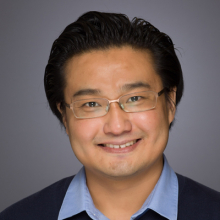
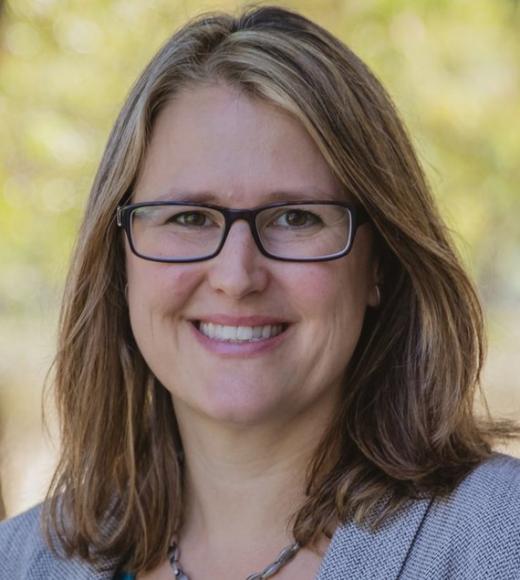
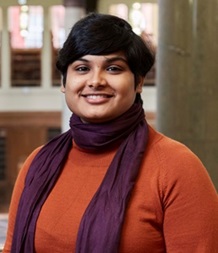
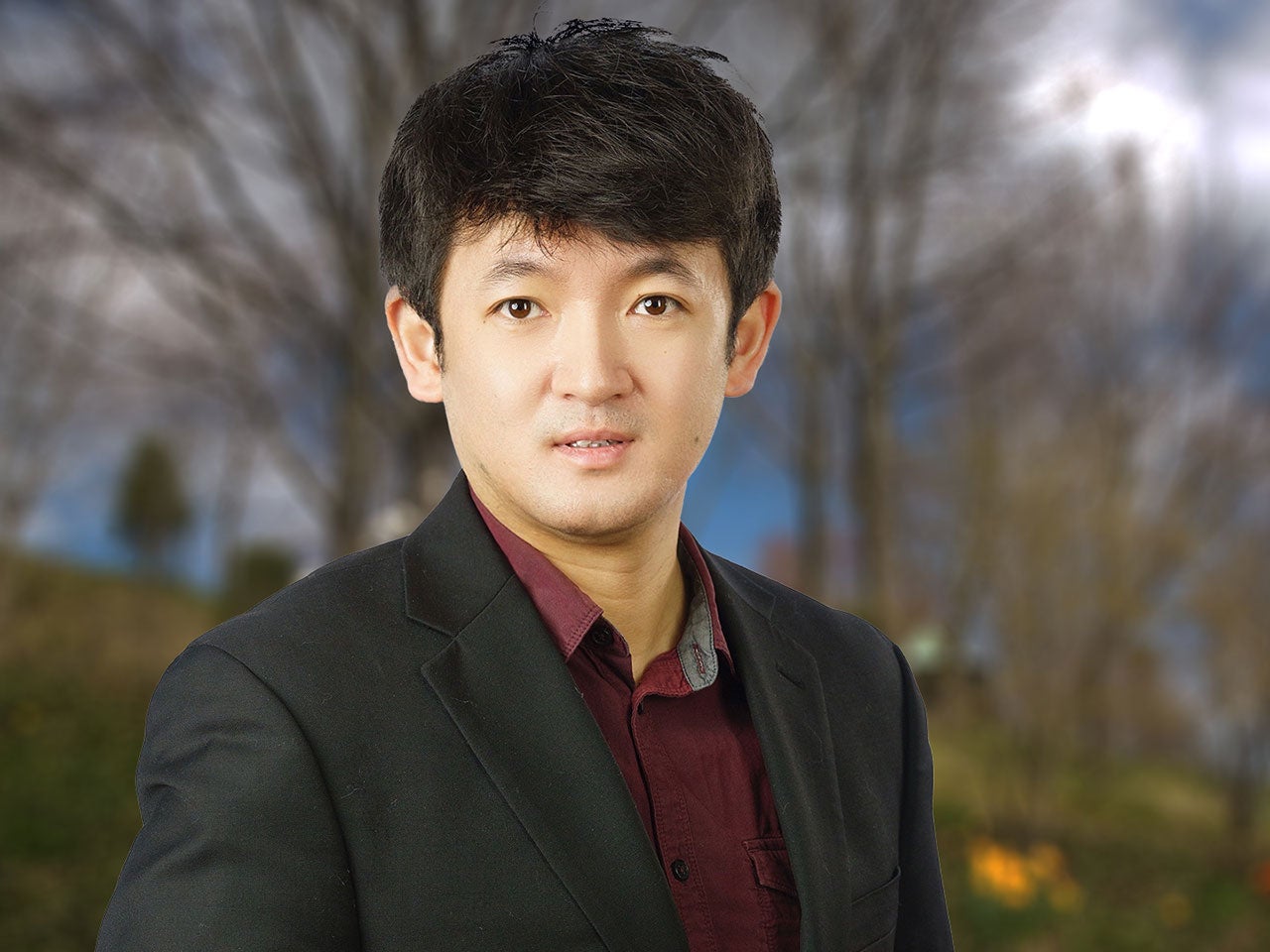
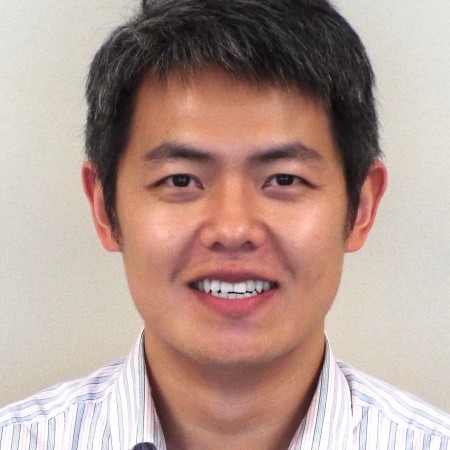
Dongyoung Lee is an Associate Professor of Accounting and Desautels Faculty Scholar at McGill University's Desautels Faculty of Management. He holds a PhD in Business Administration from the University of Utah, an MSc in Accounting from the University of Hawaii at Manoa, and a BA in Business Administration from Hanyang University, Korea. His research focuses on corporate social responsibility (CSR), capital markets, international business strategies, and disclosure practices. Key areas include CSR ratings, technological innovation disclosure, global supply chain dynamics, tax haven implications for U.S. firms, and labor market interactions with corporate governance. Recent articles highlight trends in linking CSR with firm innovation, analyzing how successful technological innovations influence corporate transparency, and cross-country comparisons of manufacturing strategies. His work often bridges accounting practices with broader business strategies. Grants: SSHRC Partnership Engage Grant (2024), SSHRC Insight Development Grant (2022, 2019), FRQSC New Academics Grant (2018) He teaches courses in financial and management accounting. His research is featured in top journals including Strategic Management Journal and The Accounting Review .
Barbara Linke is a Professor in the Department of Mechanical and Aerospace Engineering at the University of California Davis, affiliated with the College of Engineering. She leads the Laboratory for Manufacturing and Sustainable Technologies Research (MASTeR) and serves as Principal Investigator at the Advanced Highway Maintenance and Construction Technology (AHMCT) Research Center. Her research focuses on sustainable manufacturing processes, abrasive machining, and smart manufacturing technologies, with applications in aerospace, biomedical, and automotive sectors. Dr. Linke holds a Dr.-Ing. habil. and has been recognized with the UC Davis Chancellor’s Fellow (2021-2022) and the Outstanding Junior Faculty Award from the College of Engineering. She advises the UC Davis Student Chapter of the Society of Manufacturing Engineers (SME) and the Women Machinists’ Club. She collaborates with the Fire Research Group at UC Berkeley and the Wildfires Research Working Group at UC Davis, integrating sustainability into wildfire-related infrastructure projects. Her research interests include energy-efficient manufacturing systems, lifecycle assessments, and the integration of Industry 4.0 technologies. Notable contributions include developing frameworks for sustainable additive and subtractive manufacturing, analyzing residual stresses in aluminum alloys, and advancing mobile 3D printing for disaster response. Her work bridges engineering education with cutting-edge research, emphasizing hands-on projects like the Shigley Hauler design competition. Dr. Linke’s labs and affiliations include the Materials Decarbonization and Sustainability Center and the UC Davis AI Center in Engineering, reflecting her commitment to interdisciplinary innovation. She has authored over 50 peer-reviewed articles, with recent focus on smart manufacturing systems, renewable energy integration in machining, and sustainable biomedical implant production.
Dr. Eddie M. Clark is a Professor of Psychology in the Experimental Social Psychology program at Saint Louis University's College of Arts and Sciences. He directs the Applied Social Psychology Lab and teaches courses including Social Psychology, Health Psychology, and African American Psychology. Education: Ph.D. and M.A., Ohio State University B.A., Northwestern University His research examines health attitudes/persuasion and close relationships, with emphasis on psychosocial factors affecting African American communities. Current projects investigate the interrelationships between personality, social capital, religiosity and health outcomes. Dr. Clark leads an active research team studying relationship maintenance, infidelity, and health communication. His NIH-funded research on structural racism and cancer disparities involves collaborators from multiple universities. The lab employs longitudinal designs and community-based approaches to examine health behavior determinants. Awards and recognition include selection as a Top Cited Researcher (Research.com, 2024) and major NIH funding for cancer disparities research. His mentorship extends to multiple graduate students investigating predictors of relationship dissolution, health promotion in chronic illness, and substance use disorders.
Purba Hossain is a Lecturer in Modern History (post 1800) at the University of York’s Department of History, based at Vanbrugh College. She holds a BA and MA from Presidency University (Kolkata, India) and a PhD from the University of Leeds. Her research focuses on colonial India, particularly Indian experiences under British rule, indentured labour migration, and colonial language dynamics. She has held fellowships at Christ’s College Cambridge, the Institute of Historical Research (London), and the Royal Historical Society. Education: PhD (History), University of Leeds MA (History), Presidency University BA (History), Presidency University Purba’s work challenges Eurocentric narratives by centering Indian voices in colonial historiography. Her first monograph, Voices from Calcutta: Indian Indenture in the Age of Abolition (Cambridge UP, 2025), examines indentured labour migration from Calcutta’s perspective. Current research explores how Indian language workers mediated British colonial power. She co-edited Across Colonial Lines: Commodities, Networks, and Empire Building (2023) and co-curated a Past & Present special issue on language histories. Her teaching includes modules on historical analysis, empire studies, and the end of slavery. Purba actively supervises PhD students researching colonial Indian history.
Dr. Jing Wang is a Professor in the Department of Bioinformatics at Southern Medical University's School of Medicine, with extensive research at the intersection of artificial intelligence and biomedical applications. Her work demonstrates strong cross-disciplinary collaboration across medical institutions, engineering departments, and computer science research groups. Her primary research interests include Artificial Intelligence in Healthcare , Biomedical Engineering , and Traditional Chinese Medicine Informatics , with recent publications showing particular expertise in medical imaging analysis, diagnostic assistance systems, and clinical decision support. Her work spans both theoretical algorithm development and practical clinical implementations. Analysis of her 15 most recent publications (2025-2026) reveals a strong trend toward clinically applicable AI systems, with approximately 60% of publications focused on medical diagnostics and treatment support systems. The remaining publications demonstrate expertise in industrial applications of computer vision and fundamental AI research. Her work shows consistent collaboration with both domestic Chinese institutions and international research groups. Notable scientific contributions include: Development of 'Tianyi', a traditional Chinese medicine language model for clinical practice Innovations in bionic soft robotics for rehabilitation assistance Novel approaches to medical image analysis for cancer diagnostics Her research program appears well-funded with consistent publication output across high-impact journals in biomedical engineering, AI, and medical informatics. Current work suggests strong emphasis on translating AI research into clinical practice, particularly in diagnostic support systems and rehabilitation technology.
Neelakantan R. Krishnaswami is a Professor of Computer Science at the University of Cambridge's Computer Laboratory , and a Fellow of Trinity College . His research focuses on the intersection of program verification, programming language design, and foundational topics like type theory and semantics. His work spans areas such as refinement types, parser design, separation logic for systems software, and the semantics of reactive programming. Notable contributions include the Datafun language for higher-order Datalog and the λert type theory for explicit refinement types. He has also developed foundational frameworks for verifying imperative programs using advanced type systems and logical relations. Key publications include 'Explicit Refinement Types' (ICFP 2023), 'flap: A Deterministic Parser with Fused Lexing' (PLDI 2023), and 'CN: Verifying Systems C Code' (POPL 2023). His work frequently addresses challenges in efficiency, correctness, and modularity for both functional and imperative systems. His awards include Distinguished Paper Awards at PLDI 2019 and POPL 2020. His research integrates theoretical rigor with practical tooling, exemplified by contributions to languages like Coq, Lean, and Haskell.
Amir Asif is a Professor at the Lassonde School of Engineering, York University, and concurrently serves as Vice President, Research and Innovation. His academic leadership roles include Dean of the Gina Cody School of Engineering and Computer Science at Concordia University (2014-2020). He specializes in signal processing, communications, and their applications in healthcare, power grids, and distributed systems. Asif holds a PhD from Carnegie Mellon University and a Harvard certification in executive leadership. Education: PhD, Electrical and Computer Engineering, Carnegie Mellon University (1996) MS, Electrical and Computer Engineering, Carnegie Mellon University (1993) BSc, University of Engineering and Technology Lahore (1990) Harvard Certificate in Leadership for Senior Executives (2018) Research Interests: Asif’s work spans signal processing for medical imaging (e.g., ultrasound elastography), smart grid optimization, and cybersecurity in power systems. His recent publications address hydrogen energy systems, EMG-based gesture recognition, and resilient control frameworks against cyberattacks. Grants & Leadership: He leads NSERC-funded projects on federated learning and resilient algorithms. He chairs the Ontario Council of University Research and serves on TRIUMF Innovations and the Richmond Hill Board of Trade. His grants include SSHRC funding for equity initiatives and NSERC support for distributed signal processing. Teaching & Mentorship: Asif has supervised over a dozen graduate students and taught courses like Digital Communications and Statistical Signal Processing Theory. Notable advisees include Arash Mohammadi (PhD, 2014) and Nick Sajadi (PhD, 2017).
Dr. Lingbo Zhang is Assistant Professor in the Department of Pathology & Immunology at Cold Spring Harbor Laboratory, where he directs the Zhang Laboratory and serves as Faculty Head of the Flow Cytometry Shared Resource. He holds a Ph.D. from the joint MIT-NUS program where he trained under Dr. Harvey Lodish. His research focuses on metabolic and neuronal regulation of hematopoietic stem/progenitor cells and hematologic malignancies. Key areas include: Nutrient dependencies in leukemia stem cells Neuronal signaling in hematopoietic regeneration Metabolite-driven oncogenic pathways Vitamin B6 addiction mechanisms in AML Recent publications demonstrate consistent focus on metabolic vulnerabilities in myeloid malignancies and neuronal regulation of erythropoiesis. His team utilizes CRISPR screening, metabolomics, and preclinical models to identify therapeutic targets. Awards include NIH MERIT and EvansMDS Young Investigator Awards recognizing his work on metabolic dependencies in hematologic cancers. He mentors 15+ trainees and leads collaborations with medicinal chemists to develop first-in-class therapeutics targeting metabolic pathways.
Jean Walrand is a Professor in the Department of Electrical Engineering and Computer Sciences (EECS) at the University of California, Berkeley. His research focuses on communication networks, performance evaluation, game theory, and stochastic networks. He has authored several influential books, including Communication Networks: A Concise Introduction and Probability in Electrical Engineering and Computer Science , and holds numerous patents in network resource management. Ph.D. in EECS from UC Berkeley IEEE Fellow and recipient of the Stephen O. Rice Prize INFORMS Lanchester Prize for operations research contributions His research interests span communication networks, queueing theory, congestion control, wireless network scheduling, and economic models for network resource allocation. Walrand's work has significantly impacted network design and optimization, particularly in distributed algorithms and game-theoretic approaches. His recent publications emphasize network architecture, delay variability reduction, and distributed optimization algorithms. Walrand has mentored over 20 Ph.D. students, including notable contributors to wireless networks and network economics. IEEE Koji Kobayashi Award (2012) ACM Sigmetrics Achievement Award (2013) INFORMS Lanchester Prize for Communication Networks book As advisor to students like Libin Jiang and Hoi-Sheung Wilson So, Walrand has shaped research in wireless MAC protocols, bandwidth trading, and network security. His technical reports and patents address practical challenges in switch fabric design, bandwidth allocation, and power management.
Ke Wu is a Professor in the Department of Computer Science and Engineering at the University of Michigan. Their research focuses on the intersection of machine learning, biostatistics, and healthcare technology, with an emphasis on mobile health interventions, causal inference, and Bayesian methods. They lead a small, hands-on research group mentoring PhD students and postdocs. Key interests include developing predictive models for health outcomes, improving treatment effect estimation, and leveraging mobile technology for caregiver support. Their work has addressed critical challenges in clinical decision-making, public health surveillance, and healthcare innovation. Research projects span synthetic data generation for electronic health records, mHealth app development for care partners of traumatic brain injury patients, and algorithmic fairness in reinforcement learning. Ke Wu emphasizes interdisciplinary collaboration and has contributed to global health studies, including analyses of pneumonia etiology in low-resource settings and the PERCH study. Their group's methodologies often integrate wearable sensor data and machine learning to address real-world health challenges. Advising priorities include fostering student independence while maintaining close mentorship, with expectations for consistent research productivity and professional development. Students are encouraged to pursue teaching roles (e.g., GSI positions) and internships aligned with career goals. Funding support for conference participation is available through institutional and external grants. Ke Wu's contributions extend to statistical methodology, including Bayesian latent class models and dynamic risk prediction frameworks. They actively engage in translational research, bridging computational methods with clinical and public health applications, and prioritize open-source software development to advance reproducible research practices.
Paul-Eric DOSSOU is a Researcher at ICAM’s Grand Paris Sud campus, specializing in Societal and Technological Transitions of Companies. His work focuses on Industry 5.0, decision-aided systems, logistics optimization, and digital twin applications. He leads projects like Plateforme Life, Urban Logistics, and Healthcare 4.0, aiming to enhance SME efficiency through sustainable digital transformation. Expertise includes AI-driven supply chain management, cybersecurity for legacy systems, and robotic solutions for archaeology. He collaborates with industry partners to bridge theoretical research and practical applications, emphasizing human-centric automation and environmental sustainability. Contact: paul-eric.dossou@icam.fr | Mobile: +33 6 17 81 33 43 Research contributions span over 30 peer-reviewed articles since 2003, addressing topics from energy audits in the nautical industry to multi-agent systems in supply chain optimization.
Aida Jebali is a Professor of Operations and Supply Chain Management at SKEMA Business School's Digitalization Academy. She holds a PhD and Habilitation (HDR) from Grenoble Institute of Technology and has held faculty positions at ESIEE Paris, University of Sharjah, Masdar Institute, and Prince Sultan University. Her research focuses on supply chain resilience, pandemic planning, healthcare operations, and maritime logistics. Education: 2023: HDR in Industrial Engineering, Université Grenoble Alpes 2004: PhD in Industrial Engineering, Grenoble INP 2000: Master of Science in Industrial Engineering, Grenoble INP 1999: National Engineer Diploma, Ecole Nationale d'Ingénieurs de Tunis Research Interests: Pandemic resilience in supply chains Maritime logistics and quay crane optimization Emergency medical service design Healthcare operations and operating room scheduling Environmental sustainability in supply chains Recent Contributions: Her work addresses critical challenges such as pandemic-induced disruptions, ambulance relocation systems, and carbon-efficient supply chains. Recent studies include optimizing production under pandemic conditions and resilience strategies for food supply chains. Awards: High Level Scientific Stay (French Ministry of Foreign Affairs, 2009 & 2007) PhD Scholarship Award (French Ministry of Foreign Affairs, 2000) PhD Supervision: Co-director: G. Pinto, H. NOUIRA, R. BOUJEMAA Jury Member: L. WANG Research Affiliations: Senior Editor of IMA Journal of Management Mathematics and active reviewer for top journals such as International Journal of Production Economics .
Brad Campbell is an Associate Professor in the Department of Computer Science and Electrical and Computer Engineering at the University of Virginia, where he is a member of the Link Lab, a cross-disciplinary research group focused on cyber-physical systems. His research centers on designing and building scalable, effective, and unobtrusive embedded systems for the Internet of Things, with applications in smart buildings, smart cities, and personal health. His work spans hardware design, networking, and cloud infrastructure, with a strong emphasis on energy-harvesting systems, low-power wireless communication, and resilient embedded operating systems. He has led projects such as the Living Link Lab, a heavily instrumented smart building testbed, and has developed open-source platforms for self-powered sensing and IoT ecosystems. His recent publications reflect a strong trend toward privacy-preserving federated learning, contactless occupancy sensing using WiFi and light, decentralized edge computing, and sustainable IoT systems. These works are published in top venues including SenSys, BuildSys, MobiCom, and IPSN, indicating a high impact in the systems and networking community. NSF CAREER Award (2022) Best Paper Award at DFHS’19 Multiple graduate fellowships and teaching awards for his students UVA Engineering Endowed Graduate Fellowships Link Lab Seminar Award CPS Rising Star recognition Brad Campbell has advised numerous PhD and master’s students, many of whom have gone on to academic and industry roles. He has secured significant research funding, including from the NSF, and has contributed to curriculum development in cyber-physical systems. He is actively involved in teaching courses on computer networking, IoT, and operating systems, and has co-taught wireless IoT courses across multiple institutions. His lab focuses on real-world deployment of IoT systems, emphasizing scalability, fault tolerance, and long-term sustainability. He continues to push the boundaries of what embedded systems can achieve in everyday environments, from homes to cities.
Cong Liu is an Associate Professor of Computer Science at The University of Texas at Dallas (UT Dallas), affiliated with the Erik Jonsson School of Engineering and Computer Science. He joined UT Dallas in 2012 as an Assistant Professor and was promoted to his current rank. His research focuses on real-time and embedded systems, cyber-physical systems, and energy-efficient heterogeneous computing. Liu earned his Ph.D. in Computer Science from the University of North Carolina at Chapel Hill (2013), M.S. from Auburn University (2007), and B.E. from Wuhan University of Technology (2005). His research interests include real-time operating systems, cluster/cloud computing, and autonomous systems. He received the NSF CAREER Award in 2017 to develop algorithmic solutions for real-time data processing in autonomous vehicles and robotics. His work emphasizes GPU-accelerated embedded systems that enable autonomous decision-making in resource-constrained environments. Liu has held roles such as TPC member for IEEE RTAS and reviewer for multiple journals/conferences, including IEEE Transactions on Computers and Journal of Parallel and Distributed Computing. His publications address critical challenges in real-time scheduling, heterogeneous computing, and energy efficiency. He leads research on data-induced challenges in embedded systems, aiming to make autonomous driving systems predictable and controllable. Liu’s contributions bridge theoretical foundations with practical implementations in automotive and robotics domains.
Gustavo Vulcano is an Adjunct Professor in the Department of Information, Operations and Management Sciences at the Leonard N. Stern School of Business, New York University, where he has been affiliated since 2002. He served as Assistant Professor (2002–2010), Associate Professor (2010–2017, tenured in 2012), and has held an adjunct role since 2017. His academic work bridges theoretical and applied operations management with strong industry engagement. Education: Ph.D. in Operations Management, Columbia University, 2003 M.Phil. in Operations Management, Columbia University, 2000 M.S. in Computer Science, University of Buenos Aires, 1997 B.S. in Computer Science, University of Buenos Aires, 1994 His research focuses on revenue and pricing analytics , retail operations , and supply chain management , particularly emphasizing customer choice modeling , data-driven optimization , and computational methods in network revenue management . He integrates stochastic modeling and behavioral insights to develop practical pricing and operational strategies. His work is deeply rooted in real-world applications across airlines, retail, and financial services. The analysis of his publications reveals a consistent trend in leveraging data-driven decision-making under uncertainty, with a focus on dynamic pricing, demand learning, and robust optimization. His articles span premier journals such as Operations Research and Management Science , reflecting a strong theoretical foundation combined with empirical and computational rigor. Key thematic areas include customer behavior modeling, network revenue management, and stochastic optimization for service industries. Scientific Awards and Leadership: Chair, INFORMS Revenue Management and Pricing Section (2016–2017) Associate Editor, Operations Research and Management Science Prof. Vulcano has advised numerous PhD and master’s students and has secured research grants through industry collaborations. His consulting projects with Delta Airlines, Sabre Holdings, Aerolíneas Argentinas, and ICBC demonstrate a strong commitment to translating academic research into practical solutions. He has taught core courses such as Operations Management , Pricing and Revenue Management , and Dynamic Programming across undergraduate, MBA, PhD, and MSBA programs, shaping future leaders in data-driven decision-making. He is actively involved in research labs and teams focused on operations analytics and pricing strategy , often collaborating with interdisciplinary groups at NYU Stern and industry partners. His ongoing editorial roles and consultancy reflect sustained engagement in advancing the field of revenue management and operations science.