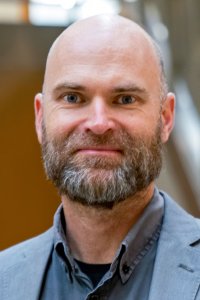
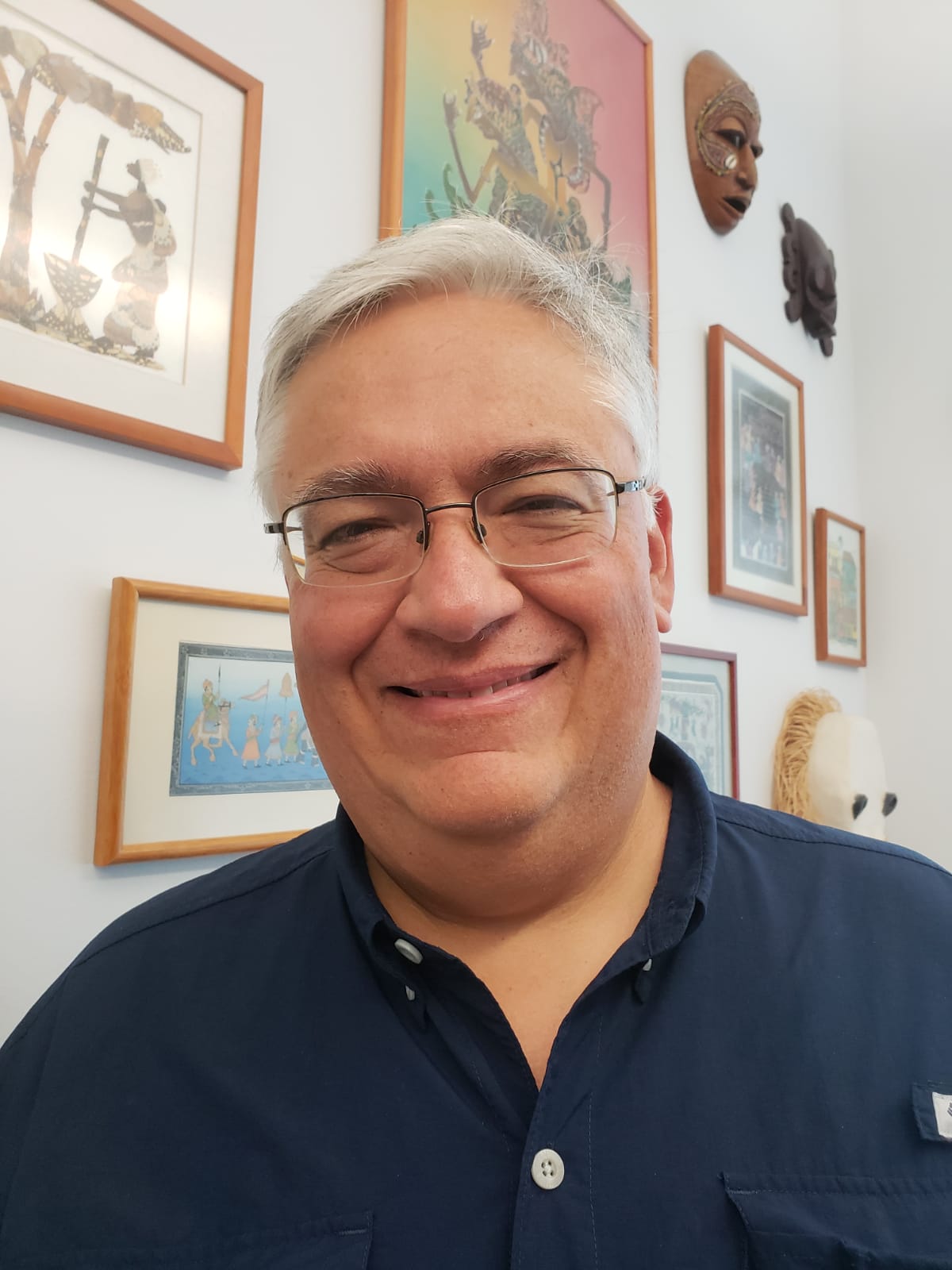
Nicolas Mathevon is a Professor at the University of Saint-Etienne, with a focus on Animal Behavior and Bioacoustics . He currently serves as Director of Studies at Ecole Pratique des Hautes Etudes and leads the ENES Team . His research explores acoustic communication across diverse species, including crocodiles, seals, penguins, and humans, with particular emphasis on vocal recognition, signal evolution, and neurobiological underpinnings. Major collaborations include Dr. T. Aubin (CNRS), Dr. I. Charrier (marine mammals), Dr. N. Grimault (crocodilian bioacoustics), and Prof. D. Reby (human communication). He also co-edits a new book, The Voices of Nature , published by Princeton University Press. His recent work spans ecoacoustic monitoring for conservation, multi-modal communication in crocodiles, and cross-species analysis of distress signals in bonobos, chimps, and humans. Neurobiological studies include brain activation patterns in response to vocalizations and sound localization mechanisms in reptiles. Scientific Awards include senior membership in the Institut universitaire de France .
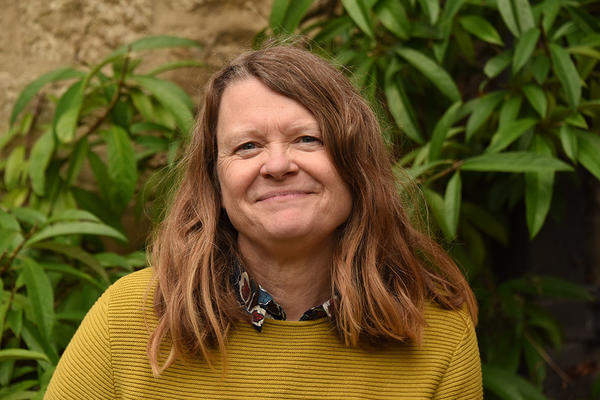
Sophie Sanchez is an Associate Professor at Uppsala University's Department of Organismal Biology, specializing in Evolution and Development. Her research focuses on vertebrate evolution, using advanced imaging techniques like synchrotron microtomography to study fossilized anatomy and developmental processes. She has contributed significantly to understanding sensory organ evolution in jawed vertebrates, early tetrapod development, and the structural adaptations of ancient fish. Key work includes studies on placoderms, osteostracans, and the molecular bases of evolutionary innovations. Her findings bridge paleontology with developmental biology, employing cutting-edge microscopy to reveal hidden biological details in fossils. Publications highlight her expertise in fossil musculature, bone histology, and genomic evolution, with high-impact contributions to journals like Nature and Science . Collaborative projects involve global teams analyzing Devonian and Permian vertebrates, emphasizing interdisciplinary approaches to evolutionary questions.
Professor Wolfgang Wüster is a Professor in Zoology (Molecular Ecology) at Bangor University's School of Environmental and Natural Sciences. His research focuses on evolutionary biology, snake systematics, and venom toxicology, using snakes as model systems. He teaches courses in zoology and herpetology, including Arizona fieldwork and advanced herpetology modules. Education: PhD in Systematics of Asian cobras from the University of Aberdeen (1990). His research interests include the evolution of venom composition, species delimitation in snake complexes, warning signals, biogeography, and conservation genomics. He supervises postgraduate students in topics like European viper conservation and snake systematics. Recent publications highlight his work on snake venoms, taxonomy, and the impacts of climate change on reptile species. He collaborates globally, contributing to antivenom efficacy studies and venom evolution research. Professor Wüster has been involved in projects such as genomic studies of adders and the phylogeography of vipers. His work bridges molecular ecology with conservation, emphasizing practical applications in biodiversity preservation.
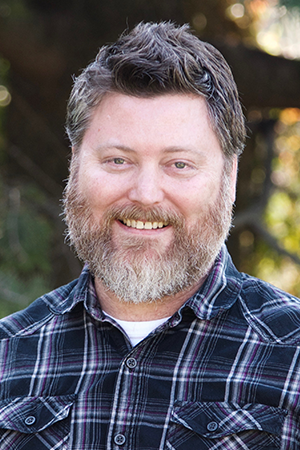
Eric J. Gangloff is an Assistant Professor in the Department of Biological Sciences at Ohio Wesleyan University (OWU). His research focuses on understanding how organisms adapt to environmental changes, particularly in reptiles and amphibians, using integrative approaches combining field studies, lab experiments, and molecular techniques. He holds a B.A. from Cornell University, an M.A. from the University of Denver, and a Ph.D. from Iowa State University. Dr. Gangloff leads a lab investigating physiological and ecological adaptations in species such as the common wall lizard, garter snakes, and red-backed salamanders. Notably, his work on Ohio’s invasive wall lizards has been funded by the NSF, exploring their evolutionary success in urban environments. Collaborations span institutions worldwide, including France, Canada, and Australia. His recent studies examine how temperature, oxygen availability, and urbanization influence lizard physiology, behavior, and survival. Key themes include thermal biology, ecological traps, and resilience to pollutants like lead. The lab actively involves undergraduate students in field and lab research, emphasizing hands-on learning. Gangloff’s lab website (https://glare-owu.wixsite.com/glare) showcases ongoing projects and publications. His work bridges basic science and applied conservation, addressing global challenges in biodiversity and climate change.
Professor Lindsay Turnbull is a Professor of Plant Ecology at the University of Oxford's Department of Biology. Her research focuses on understanding the evolutionary and ecological basis of plant trait diversity and its consequences for ecosystems. Key interests include seed size variation, plant-soil interactions, and the impact of organic farming on biodiversity. She leads a research group exploring topics such as mutualism stability, species coexistence, and island conservation genetics. Turnbull's work integrates experimental, observational, and computational approaches to address fundamental questions in ecology. Her lab, based at the Department of Biology (Mansfield Road and South Parks Road campuses), has contributed to global understanding of biodiversity-ecosystem functioning relationships and plant-microbe symbioses. Notable projects include studies on Aldabra giant tortoises and coral reef connectivity in the Seychelles, highlighting her commitment to applied conservation science. Her research spans multiple scales—from molecular interactions in legume-rhizobia systems to large-scale biodiversity patterns in grasslands and tropical ecosystems. Recent work emphasizes the role of trait-based approaches in predicting ecological responses to environmental changes such as eutrophication and climate variability. Her publications frequently bridge theoretical and applied ecology, offering insights into both natural and human-managed ecosystems.
Dr. Justin Gerlach is a Fellow at Peterhouse College and an Academic Associate at the University Museum of Zoology, University of Cambridge. He specializes in broad-spectrum ecology, integrating conservation biology, evolutionary studies, and biodiversity analysis with a focus on island ecosystems in the Indian and Pacific Oceans. His research has pioneered invertebrate reintroduction programs and revealed groundbreaking insights into giant tortoise behavior. Education: DPhil in Zoology from Oxford University Current projects: Biodiversity assessment across Cambridge colleges, Partula snail reintroduction, tortoise aging studies Research interests center on preventing species extinction through conservation, studying species interactions, and evolutionary dynamics. Key initiatives include saving island invertebrates, investigating tortoise predation, and environmental DNA applications for ecosystem reconstruction. Recent publications highlight island conservation challenges, evolutionary patterns, and ecological innovations. Themes include biodiversity preservation, species reintroduction, and interdisciplinary approaches to conservation biology.
Travis Robbins is an Assistant Professor of Biology at the University of Nebraska Omaha's College of Arts and Sciences. His research focuses on ecological and evolutionary adaptations in reptiles, particularly lizards, emphasizing thermal biology, epigenetics, and responses to environmental stressors such as invasive species. He holds a Ph.D. in Biology and has published extensively on topics including latitudinal clines in lizard physiology, predator-prey dynamics, and the effects of temperature on developmental and metabolic processes. Key research interests include understanding how lizards adapt to thermal environments, the role of epigenetic mechanisms in phenotypic plasticity, and the impacts of invasive species on native populations. His work integrates field observations with controlled laboratory studies to explore questions at the interface of ecology, physiology, and evolution. Recent studies investigate the physiological stress responses in lizards exposed to novel predators and the transgenerational effects of environmental challenges. Dr. Robbins' publications highlight trends in thermal adaptation, behavioral plasticity, and the ecological consequences of anthropogenic changes. His work on Sceloporus lizards has been particularly influential in elucidating mechanisms underlying latitudinal variation in body size, growth rates, and reproductive strategies. He has also examined how invasive species like fire ants affect predator-prey interactions and immune function in reptiles. No scientific awards are explicitly mentioned in the text, but his contributions include significant grants likely tied to fieldwork and laboratory research. He advises students in experimental ecology and conservation biology, though specific advisee names are not listed here. His research extends to habitat restoration and citizen science initiatives, emphasizing community engagement in ecological monitoring and conservation efforts. Dr. Robbins is affiliated with UNO's Biology Department and collaborates with institutions like the University of South Florida on projects involving epigenetic markers in herpetofauna. His lab focuses on translating ecological epigenetics into actionable insights for species conservation under climate change scenarios.
Daniel Rabosky is a Professor in the Department of Ecology and Evolutionary Biology at the University of Michigan, where he also serves as Curator at the Museum of Zoology. His research program spans macroevolution, speciation dynamics, and phylogenetic comparative methods, with particular expertise in Australian reptiles and squamate evolution. Rabosky maintains an active laboratory and is currently seeking new graduate students and postdoctoral fellows to join his research team. Rabosky's research interests focus on macroevolutionary patterns and processes, particularly the connections between microevolutionary dynamics and large-scale biodiversity patterns. His work integrates phylogenetic comparative methods with ecological and morphological data to understand speciation processes, adaptive radiations, and the evolutionary dynamics of reptile communities, especially Australian skinks. He has made significant contributions to methodological developments in evolutionary biology through software tools like BAMM (Bayesian Analysis of Macroevolutionary Mixtures) and BAMMtools for analyzing evolutionary rate heterogeneity across phylogenetic trees. Analysis of Rabosky's recent publication record reveals a strong focus on evolutionary theory, methodological development, and empirical studies of reptile diversification. His work spans theoretical macroevolution, phylogenetic comparative methods, Australian herpetology, and the connections between population-level processes and macroevolutionary patterns. The research demonstrates increasing integration of genomic data with traditional morphological and ecological approaches, reflecting broader trends in evolutionary biology. Rabosky actively mentors graduate students including Matheus Januário and Tristan Schramer, and supervises postdoctoral fellows Michael Harvey, Jonathan Mitchell, Sonal Singhal, and Rudolf von May. His laboratory receives research funding supporting multiple projects in macroevolutionary dynamics, with recent grants likely supporting work on the connections between metapopulation ecology and speciation rates, as evidenced by his 2025 Ecology Letters paper. The Rabosky Lab maintains a strong presence in both theoretical and empirical evolutionary biology, with particular strengths in phylogenetic methods development, squamate reptile evolution, and the interface between micro- and macroevolution. The lab actively collaborates with researchers across institutions and contributes to major initiatives like the openVertebrate project for 3D imaging of museum specimens.
Ananias A. Escalante is a Professor in the Department of Biology at Temple University's College of Science and Technology, and a core faculty member of the Institute for Genomics and Evolutionary Medicine (iGEM). He holds a PhD in Biology from the University of California, Irvine (1995), and has held roles at the CDC (1995–2005) and Arizona State University (2005–2015). His research integrates population genetics with epidemiology, focusing on malaria parasites' evolution, drug resistance mechanisms, and biodiversity. Key areas include Plasmodium falciparum resistance mutations, primate malaria origins, and molecular tools for surveillance. Education: PhD in Biology, University of California, Irvine (1995) MSc in Ecology, Universidad Simón Bolívar, Venezuela Bachelor's Degree in Biology, Universidad Simón Bolívar, Venezuela Research interests span evolutionary genomics, malaria parasite diversity, and the application of genomic tools to epidemiology. He investigates how genetic diversity in parasites influences drug resistance and transmission dynamics, with a focus on nonhuman primate malaria as a model for human malaria origins. His work includes phylogenetic studies of Plasmodium species and the development of mitochondrial genome protocols for pathogen analysis. Notable contributions include studies on Plasmodium vivax population genetics in the Americas, the impact of drug resistance mutations (e.g., pfhrp2/pfhrp3 deletions), and the molecular characterization of novel malaria parasites in reptiles and birds. He collaborates on initiatives like the Amazonian International Center of Excellence for Malaria Research. Advising and grants: While specific student names aren’t listed, his research team likely includes graduate students focused on evolutionary parasitology. Grants support projects on malaria genomics and vector ecology. He leads Temple’s iGEM lab, advancing interdisciplinary research in genomics and evolutionary medicine. Labs/Teams: Core faculty at Temple’s Institute for Genomics and Evolutionary Medicine (iGEM), collaborating on projects integrating genomics, epidemiology, and evolutionary biology.
Dr. Holger Scheib is an Honorary Associate Professor in the School of the Environment at The University of Queensland. His research focuses on venom evolution, toxinology, and biomedical applications, particularly in reptiles, cnidarians, and other venomous organisms. He collaborates extensively with international researchers on projects involving venom structure-function relationships, evolutionary biology, and clinical implications of venom variation. Research interests span venom evolution, toxin structure and function, and their applications in biomedical contexts. He investigates venom diversity across species, including reptiles, sea anemones, and cnidarians, focusing on how these toxins interact with biological systems. His work also explores the intersection of venom components with allergens and their structural similarities, contributing to a deeper understanding of venom’s ecological and medical significance. His recent publications highlight advancements in understanding venom evolution, toxin structures, and clinical implications. Studies include comparisons of venom proteins with allergens, analyses of venom variation in rattlesnakes, and investigations into the molecular mechanisms of bacterial secretion systems. These works contribute to both basic biological research and potential applications in medicine and biodiscovery. No scientific awards or grants are explicitly mentioned in the provided text. Dr. Scheib’s research is primarily conducted through collaborations within the School of the Environment and international academic networks. No specific lab or team affiliations are detailed.
Melissa Kemp is an Assistant Professor in the Department of Integrative Biology at the University of Texas at Austin, affiliated with the College of Natural Sciences. She is based at the Jackson School of Geosciences campus in Austin, Texas, with an office in PAT 102. Her research focuses on Quaternary paleontology, conservation paleobiology, and the ecological dynamics of Caribbean and North American biodiversity hotspots. She teaches GEO 391: Broader Impacts in STEM, emphasizing interdisciplinary approaches and community engagement. Dr. Kemp’s work integrates morphological and molecular data to study evolutionary adaptations, extinction processes, and human impacts on ecosystems. Her NSF CAREER Award supports research on Jamaican fossil ecosystems, while her NSF Postdoctoral Fellowship (2015) advanced studies on North American reptile evolution. She actively promotes equity in STEM through programs like GEOPAths GO Jamaica, which combines service learning with conservation efforts. Key research themes include reconstructing ancient communities, analyzing functional trait diversity in reptiles, and understanding the role of historical contingency in shaping modern biodiversity. Her grants and awards reflect a dual focus on scientific discovery and educational outreach, bridging paleontology with modern conservation challenges.
Stephanie E. Pierce is a Professor of Organismic and Evolutionary Biology and Alexander Agassiz Professor of Zoology at Harvard University, affiliated with the Museum of Comparative Zoology (MCZ). She serves as Curator of Vertebrate Paleontology and Interim Curator of Mammalogy at the MCZ. Her research focuses on the evolution of vertebrate musculoskeletal systems, integrating biomechanics, paleontology, and functional morphology to understand how form and function evolved in tetrapods and synapsids. Key projects include studying postural transitions in synapsids, the evolution of the mammalian vertebral column, and the functional adaptations enabling terrestrialization in early tetrapods. Dr. Pierce's work is supported by grants such as the National Science Foundation (NSF) Grant 1524523, which examines the functional evolution of the mammalian backbone. Her lab, the Stephanie Pierce Lab, collaborates widely and includes postdoctoral researchers, graduate students, and international teams. Recent work has revealed insights into the radiation of reptiles post-mass extinctions and the discovery of early South American predators. She has also been featured in podcasts and media for her contributions to paleontology and evolutionary biology. Her research spans disciplines including evolutionary biomechanics, paleohistology, and computational modeling, with a focus on major transitions in vertebrate evolution. She leads projects that bridge the gap between extant and extinct organisms to reconstruct ancestral functional traits and evolutionary trajectories.
Alan Andersen is a Professor at Charles Darwin University (CDU), holding positions in the Office of Research and Innovation and the Research Institute for the Environment and Livelihoods. Previously, he served as Chief Research Scientist at CSIRO’s Tropical Ecosystems Research Centre in Darwin, leading interdisciplinary teams to address environmental challenges in tropical savannas. His research focuses on ant ecology, bioindicator systems, fire management, and tropical ecosystem dynamics. Research Interests: Global ant community ecology and biogeography Use of ants as bioindicators for ecological change Tropical savanna ecology and management Fire regimes and their ecological impacts Invertebrate biodiversity conservation Recent articles emphasize ant diversity in monsoonal Australia, fire effects on communities, and cross-taxa ecological responses. His work bridges basic and applied research, with practical outcomes for land management and policy. Awards include the 2000 Asian Innovation Award and the 2007 Charles Darwin Medal. He chairs the Australian Academy of Science’s National Committee for Ecology, Evolution, and Conservation, and leads initiatives like the Territory Science Forum to promote innovation in the NT. Key Projects: TERN ant biodiversity surveys Ecosystem restoration genomics Beetaloo Basin environmental surveys Indigenous energy sustainability projects His contributions span over 250 publications, an h-index of 76, and extensive grants, reflecting leadership in tropical ecological science.
Dr. Lorenz Fenk is a Max Planck Research Group Leader at the Max Planck Institute for Biological Intelligence , leading the Neural Dynamics and Evolution department. His research focuses on neural systems function, natural behavior, and evolutionary neuroscience. Education: PhD in Neurobiology/Genetics (2016), University of Cambridge, UK Diploma (Mag. rer. nat.) in Biology/Anthropology (2010), University of Vienna, Austria His work combines quantitative methods and modern tools to study unconventional model systems like reptiles. Research themes include: Mechanisms of neural circuit dynamics during sleep Interhemispheric competition in reptiles Evolutionary aspects of sleep and cognition Internal brain activity and its link to memory/perception Recent publications demonstrate interdisciplinary trends in sleep research, neural computation, and evolutionary biology. Studies span vertebrate ultradian rhythms, reptilian brainstem circuits, and environmental modulation of behavior in Caenorhabditis elegans . Dr. Fenk's current affiliation is with the Max Planck Institute for Biological Intelligence, where he employs molecular, neurophysiological, and computational approaches to unravel cognitive processes and flexible behavior.
Kevin Kohl is an Associate Professor in the Department of Biological Sciences at the University of Pittsburgh, where he joined in 2017 after completing his Ph.D. at the University of Utah and postdoctoral research at Universidad Nacional de San Luis (Argentina) and Vanderbilt University. His work bridges microbial ecology, physiological adaptation, and evolutionary biology with a focus on vertebrate digestive systems. Education: Ph.D., University of Utah, 2015 (Advisor: Dr. Denise Dearing) Postdoctoral Research, Universidad Nacional de San Luis, Argentina (with Dr. Enrique Caviedes-Vidal) Postdoctoral Research, Vanderbilt University (with Dr. Seth Bordenstein) Dr. Kohl's research centers on how host ecology and evolutionary history shape digestive physiology and gut microbial communities, particularly in herbivorous mammals and lizards coping with low-protein, high-fiber, and toxin-rich diets. The Kohl Lab employs comparative, experimental, and computational approaches across fish, amphibians, reptiles, birds, and mammals to uncover functional implications and mechanistic bases of host-microbe relationships. Key research themes include phylosymbiosis, thermal physiology, nutritional ecology, and microbial dynamics in conservation contexts. His recent publications (2023-2025) reveal consistent exploration of diet-microbiome-physiology interactions, with emerging emphasis on methodological innovation (e.g., cryopreservation techniques, museum specimen analysis), climate change impacts on ectotherms, and accessibility in field research. Work spans fundamental mechanisms like gastric lysozyme evolution to applied conservation hologenomics initiatives. Dr. Kohl advises graduate students in biological sciences and leads the Kohl Lab, which maintains active international collaborations. The lab emphasizes rigorous experimental design while addressing real-world challenges like wildlife conservation microbiome applications and inclusive fieldwork practices. The Kohl Lab operates as a multidisciplinary hub investigating host-microbe interactions through projects including Integrative Nutritional Physiology, Landscape Variation in Pond Microbiomes, and Microbial Ecology of Animals Under Human Care. Current work increasingly integrates hologenomic perspectives to address conservation biology challenges and methodological limitations in microbiome research.