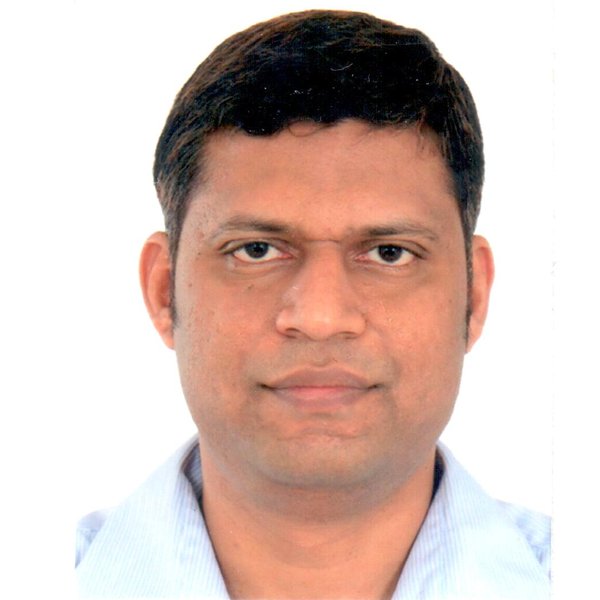
Marco Vinceti is a Full Professor at the Department of Biomedical, Metabolic and Neuroscience Sciences, University of Modena and Reggio Emilia. His work bridges environmental epidemiology, trace element toxicology, and public health policy. Research Interests: Focus on metal/metalloid exposure (selenium, iron, fluoride), neurodegenerative diseases (ALS, dementia), climate change impacts on health, and dietary interventions (MIND diet). Teaching: Leads courses in Hygiene and Public Health for Medicine and Surgery, and Health Research Methodology for Nursing Sciences. Publications: Recent studies analyze metal mixtures and mental health, selenium in drinking water risks, tofersen's impact on ALS biomarkers, and climate change's role in West Nile Virus spread. Environmental Advocacy: Investigates healthcare sector plastic waste reduction through water refill stations. Article Trends: His 2025 publications emphasize environmental toxicology (metals, selenium), neurodegenerative biomarkers, and climate-related health risks. Sub-fields include dose-response meta-analysis, dietary patterns in aging, and urban green space mitigation of noise exposure.
Dr. Patricia Post-Nievelstein is an Assistant Professor at University College Utrecht, part of Utrecht University in the Netherlands. She has been affiliated with University College Utrecht since 2001, initially serving as a tutor (2001-2003), then as a tutor/science laboratory coordinator and biology instructor (2003-2013), Head tutor/instructor (2013-July 2019), and since August 2019 as tutor/instructor/chair of the Admissions Board. Her educational background includes a Bachelor's degree in General Biology (1980) and Master's degree (1983) from State University Utrecht, with research focuses on Plant Ecology and Human and Animal Cell Biology (ultrastructural analysis). She completed a minor in Endocrinology, obtained her higher level secondary school teaching qualification, and earned her PhD from the Department of Hematology, Faculty of Medicine at State University Utrecht in 1988. Dr. Post-Nievelstein's research spans cardiovascular science, cell biology, and hematology, with particular expertise in platelet adhesion mechanisms, atherosclerosis development, and lipoprotein accumulation in vascular tissues. Her work often employs advanced microscopy techniques to examine cellular ultrastructure. She has maintained scholarly activity from the 1980s through the 2000s, with publications appearing in journals such as Blood, Atherosclerosis, and the American Journal of Physiology. Her publication history demonstrates a clear trajectory from fundamental studies of platelet adhesion mechanisms to investigations of pathological processes in cardiovascular disease, particularly examining how lipoproteins accumulate in vascular tissues under various conditions. Her research shows consistent collaboration with prominent researchers like J.J. Sixma and J.S. Frank. At University College Utrecht, she teaches 'Human and Animal Biology' (UCSCIBIO13) and 'Human and Animal Physiology' (UCSCIBIO23). Her office hours are structured around teaching commitments, with specific availability patterns during regular UCU semesters. She is physically present on campus on Mondays, Tuesdays, and Thursdays, while working off-campus on most Wednesdays and Fridays.
Dr. Ruth McGowan serves as an Honorary Clinical Associate Professor at the University of Glasgow's School of Medicine, Dentistry & Nursing. Her academic appointment places her within the clinical research faculty of this prestigious institution. Her primary research investigates the intersection of genetics, endocrinology, and developmental disorders. Key focus areas include: Genetic mechanisms underlying Disorders of Sex Development (DSD) Pediatric endocrine disorders and gonadal function Neurodevelopmental conditions with associated congenital anomalies Genomic diagnostics for rare inherited diseases Clinical applications of exome sequencing She frequently collaborates on multicenter studies including the Deciphering Developmental Disorders (DDD) project. Publication analysis reveals consistent themes across her recent work: Over 60% focus on genetic aspects of DSD and endocrine disorders 30% address neurodevelopmental comorbidities Methodological emphasis on genomic sequencing techniques Strong clinical translation in pediatric diagnostics No awards or supervised students are documented in the available materials.
Anne Goldizen is a Professor at the School of the Environment at the University of Queensland, Australia. With over 130 journal articles, 3 book chapters, 12 conference papers, and 1 data collection throughout her career, she has established herself as a leading researcher in animal behavior and conservation biology. Her work spans multiple continents and ecosystems, focusing particularly on marsupial ecology, predator-prey dynamics, and marine mammal behavior. Dr. Goldizen's research interests center on animal social behavior, particularly in marsupials like kangaroos and wallabies, but also extending to marine mammals and other species. Her work examines social structure, mating systems, vigilance behavior, dispersal patterns, and the impact of environmental factors on animal populations. She has made significant contributions to understanding the complex social dynamics of eastern grey kangaroos, the conservation challenges facing northern quolls, and the acoustic communication of humpback whales. Her research employs sophisticated methodologies including genetic analyses, long-term field observations, and experimental approaches to unravel the intricate relationships between animal behavior and ecological processes. Analysis of her most recent publications reveals a researcher with remarkable breadth and depth. Her work spans terrestrial and marine ecosystems, examining everything from marsupial social networks to coral reef ecology. A consistent theme throughout her career has been investigating how animals respond to environmental pressures, whether through behavioral plasticity, social organization, or physiological adaptations. Her research on kangaroo sociability, quoll conservation, and whale communication demonstrates both theoretical sophistication and practical relevance to wildlife management and conservation. Dr. Goldizen has collaborated extensively with researchers across multiple institutions and disciplines. Her work often involves long-term field studies that require significant logistical coordination and team management. While specific grant information isn't provided in the available text, her extensive publication record suggests successful acquisition of competitive research funding. She has mentored numerous early-career researchers, as evidenced by her collaborations with junior authors on many publications.
William Peterman is an Associate Professor in Wildlife Ecology and Management at The Ohio State University. His research integrates field observation, molecular lab work, and quantitative modeling to study biodiversity responses to climate change, habitat alteration, and urbanization. He focuses on animal population connectivity, habitat restoration, and conservation strategies across spatial-temporal scales. Landscape ecology and conservation biology Population genetics and metapopulation dynamics Climate change impact on amphibians and reptiles Recent publications highlight advancements in landscape resistance modeling, hybridization effects on conservation, and climate-agroecosystem interactions. His lab emphasizes interdisciplinary methods including biophysical models and camera trap technology for biodiversity monitoring. Current students in his lab include Grant Ravary, Olivia Ruppert, Marissa Roseman, Aidan McCarthy, Jess Dong, Ryan Wagner, and Allison Williams. He has developed specialized software (ResistanceGA) and teaches courses like ENR 5370: Management of Wildlife Habitat .
Andrea De Vizcaya Ruiz is a Professor in the Department of Environmental and Occupational Health at the University of California, Irvine (UCI) School of Public Health . She is Graduate Program Director for Environmental Health Sciences and leads research at key centers including the Center for Occupational and Environmental Health (COEH) , Air Pollution Health Effects Lab (APHEL) , and AirUCI Atmospheric Integrated Research Unit . Her expertise spans environmental toxicology, nanotoxicology, and air pollution health impacts , with a focus on particulate matter (PM), microplastics, and nanomaterials. Educational Background: Bachelor's in Veterinary Medicine, National Autonomous University of Mexico (UNAM) Doctorate in Toxicology, University of Surrey, UK Research Interests center on toxic effects of environmental pollutants , including: Health impacts of particulate matter (PM2.5/PM10) Toxicokinetics of nanomaterials Oxidative stress and inflammation mechanisms Health equity in environmental exposure Neurotoxic and cardiorespiratory effects Biomarker development for toxicity assessment Recent Publications highlight her work on PM-induced nephrotoxicity, nanoparticle neurotoxicity, and synergies between urban pollutants and metabolic stressors . Her studies frequently employ in vitro and in vivo models to dissect toxicity pathways. Scientific Awards: 2011 Young Investigator Award, Society of Toxicology, USA 2015 1st place BioNanoTechnology Award, Cinvestav and Neolpharma Inc., Mexico City Student Mentorship includes advising PhD and MSc students like Aidee Solorio Rodriguez and Josefina Poblano Bata, with their work presented at international conferences including the International Nanotoxicology Congress and IUTOX Trainee Awards. Labs & Collaborations: She actively collaborates with research groups in Mexico, the Netherlands, Canada, and the US, integrating toxicology, aerosol science, and public health to address evolving biotechnology challenges. Her advisory roles for the Mexican Ministry of Health and Environment further demonstrate her policy impact.
Susanne S. Renner is an Honorary Professor of Biology at Washington University in St. Louis, where she pursues integrative research that merges plant systematics, phylogenetics, ecology, and evolutionary biology. Her work explores the deep-time evolution of plants and their interactions with animals, especially mutualisms involving ants, bees, moths, and hummingbirds. Research Interests Plant systematics and molecular phylogenetics Evolution of plant–animal mutualisms (ants, bees, moths, hummingbirds) Biogeography and long-distance dispersal Plant sexual systems and sex-chromosome evolution Domestication genomics of crops such as watermelon, cucurbits, and walnuts Phenological responses to climate change History of biological collecting and biodiversity informatics Her recent publications (2023–2025) reveal a strong emphasis on genomics-enabled insights into crop domestication, the genomic architecture of plant sex chromosomes, co-evolutionary dynamics between plants and insects, and the application of AI and large-scale databases to biodiversity research. These studies collectively advance understanding of how plants adapt, diversify, and interact with their biotic environments across evolutionary timescales. Scientific Awards & Honors No specific awards are listed in the provided material. Advising & Grants While the text does not enumerate current students or funded projects, her extensive publication record with numerous international collaborators suggests active mentoring and sustained grant support. Laboratories & Teams She is associated with the Department of Biology at Washington University in St. Louis, but no dedicated laboratory name is provided in the supplied text.
Marcos Gridi-Papp is a Professor in the Department of Biological Sciences at University of the Pacific, specializing in the study of acoustic communication systems in animals. His research investigates the interplay between hearing, vocal anatomy, and communication behavior, with a focus on frogs and crickets. He also teaches courses related to biological sciences and advises biology and pre-dental majors. PhD in Integrative Biology, University of Texas, Austin (2003) MS in Ecology, State University of Campinas, Brazil (1997) BS in Biological Sciences, State University of Campinas, Brazil (1994) Gridi-Papp's research explores how anatomical structures influence vocal performance and auditory sensitivity. His lab investigates: Laryngeal morphology and vocal control in túngara frogs Auditory tuning mechanisms and ultrasound sensitivity Environmental impacts on communication strategies Physiological and behavioral adaptations in vocal systems Signal complexity evolution and middle ear mechanics Eustachian tube control and acoustic reflexes Recent research trends focus on: Bioacoustic adaptations in amphibians Behavioral responses to environmental changes Anatomical constraints on vocalization Acoustic signal optimization Frequency modulation mechanisms Multi-component call structures His lab offers research opportunities in anatomy, electrophysiology, animal behavior, and computational methods, supporting students with credit hours and technical training.
Linda C. Giudice is a Distinguished Professor holding the Robert B. Jaffe, MD Endowed Professorship in Reproductive Sciences at the University of California, San Francisco (UCSF) School of Medicine. She serves as Director of the Center for Research on Origins and Biological Consequences of Human Infertility, the UCSF Women's Reproductive Health Research Career Development Center, the UCSF NIH National Center for Translational Research in Reproduction and Infertility (NCTRI), and the UCSF NIH Human Endometrial Tissue and DNA Bank. Her extensive leadership in reproductive sciences spans decades of groundbreaking research and mentorship. 1969: BS Engineering, Columbia University 1971: MSc, Washington University, St. Louis 1976: PhD Biochemistry, University of California, Los Angeles 1982: MD Medicine, Stanford University 1982-83: Internship in General Internal Medicine, Kaiser Foundation Hospital 1983-84: Residency in Gynecology and Obstetrics, Stanford University Medical Center 1984-86: Residency in Obstetrics and Gynecology, Barnes Hospital, Washington University 1986-87: Fellowship in Reproductive Endocrinology and Infertility, Stanford University Medical Center Dr. Giudice's research focuses on environmental impacts on reproductive health, steroid hormone signaling in human endometrium, endometrial-placental interactions, and the endometrium as a mucosal tissue. Her laboratory employs systems biology approaches to investigate molecular mechanisms underlying normal and abnormal human endometrial development and function, with particular emphasis on endometriosis, infertility, and implantation disorders. Her team explores endometrial renewal through stem cell-focused research and investigates the human female reproductive tract as a portal of entry for infection, including HIV transmission. Recent work has centered on epigenetic regulation of endometrial function and the immune environment in endometriosis using single-cell technologies. Analysis of her recent publications reveals a strong trend toward advanced genomic and transcriptomic techniques, particularly single-cell analysis and multi-omics approaches to understand endometrial biology and endometriosis pathogenesis. Her research spans fundamental molecular mechanisms of endometrial function while maintaining strong translational applications for diagnostic and therapeutic development in reproductive medicine. 2002: Elected to the Institute of Medicine of the National Academies 2006-2007: President of the Society for Gynecologic Investigation 2006: Academia Nazionale dei Lincei Arnaldo Bruno International Prize 2008: American Medical Women's Association Woman in Science Award 2008: SGI Distinguished Scientist Award 2008: American Fertility Society Illuminations Award 2008: American Society for Reproductive Medicine Distinguished Researcher Award 2009: NICHD, NIH, DHHS Perinatology Research Branch Wall of Honor 2013: Journal of Women's Health Award for Outstanding Achievement Dr. Giudice has mentored numerous researchers through her laboratory at UCSF, including postdoctoral scholars, REI fellows, and clinical research coordinators. Her lab maintains the UCSF NIH Human Endometrial Tissue and DNA Bank, established in 1999, which serves as a national repository for endometrial and blood specimens. She has secured significant NIH funding through the National Center for Translational Research in Reproduction and Infertility program, supporting translational research in reproductive sciences. The Giudice Lab, located at 513 Parnassus Avenue in the Health Sciences Education Building, operates as a multidisciplinary team investigating endometrial biology from molecular to clinical perspectives. Current research focuses include epigenetic regulation of endometrial function, immune environment in endometriosis, endometrial stem/progenitor cells, and the reproductive tract as a portal for infection. The lab collaborates extensively with other UCSF researchers and participates in national and international consortia focused on women's reproductive health.
Kana Banno is a PhD Research Fellow at the Department of Biological Sciences Ålesund, Faculty of Natural Sciences at the Norwegian University of Science and Technology (NTNU). Her research focuses on salmon aquaculture, with particular emphasis on fish behavior and welfare in commercial sea cages. She utilizes advanced technologies including underwater cameras, ROVs, echosounders, and sonars for aquaculture monitoring. Banno earned her PhD in Biology from NTNU in 2025, following an MSc in Biology with a focus on aquaculture and genetics from UiT The Arctic University of Norway in 2019. Her educational background includes: PhD in Biology, NTNU (2025) MSc in Biology (Aquaculture & Genetics), UiT The Arctic University of Norway (2019) Banno's research interests center around understanding fish behavior as an indicator of welfare and health in aquaculture settings. She investigates how environmental factors affect the distribution and behavior of Atlantic salmon in commercial sea cages. Her work bridges biology and engineering through the integration of technology for monitoring purposes. She has particular expertise in using computer vision and artificial intelligence to identify growth-stunted salmon and monitor wild fish interactions around aquaculture sites. Her research contributes to developing more sustainable and welfare-conscious aquaculture practices. Analysis of her publication record reveals a strong focus on technological applications in aquaculture monitoring, with particular emphasis on computer vision, sonar technology, and multi-sensor integration. Her work spans both practical applications for the aquaculture industry and fundamental research on fish behavior. The publications show a progression from molecular genetics (her master's work on salmon lice) to more applied technological solutions for monitoring fish welfare in commercial settings. Her notable achievements include: Featured in 'Women in aquaculture' series by The Fish Site (2021) Research on AI for wild fish monitoring highlighted by Norwegian SciTech News (2021) Banno teaches BIA3003 Introduction to scientific method (2024 Autumn) and has been actively involved in the InnoSEA project (Innovations for Sustainable sEabased Aquaculture). Her fieldwork involves regular visits to salmon farms approximately 1.5 hours from her base, where she monitors salmon behavior using underwater cameras and remotely operated vehicles. She collaborates extensively with researchers from multiple countries including Argentina, China, Germany, Japan, and Norway. She maintains strong connections with the aquaculture industry, having previously worked at FRD Japan, a land-based RAS facility producing rainbow trout, where she gained practical experience in fish farming operations before transitioning to research.
Nishant K.T is a Professor in the School of Biology at the Indian Institute of Science Education and Research (IISER) Thiruvananthapuram, where he has served as Professor since 2022, Associate Professor from 2017-2022, and Assistant Professor from 2011-2017. He also served as Head of the School of Biology from 2017-2021. Prior to joining IISER-TVM, he was a Research Associate and Postdoctoral Fellow at Cornell University, USA (2005-2010). Ph.D from Dept. of Biochemistry, Indian Institute of Science, Bangalore (2005) M.S in Biological Sciences from Indian Institute of Science, Bangalore (2000) B.Sc(H) in Biochemistry from Sri Venkateswara College, Delhi University (1997) Dr. Nishant's research focuses on mechanisms that maintain genome stability using baker's yeast Saccharomyces cerevisiae as a model system. His laboratory investigates two key areas: mechanisms of meiotic recombination, with emphasis on meiotic crossover pathways and their role in promoting accurate chromosome segregation during meiosis (errors linked to congenital birth defects like Down syndrome); and mechanisms of mitotic genome stability, studying processes contributing to mutagenesis, loss of heterozygosity and aneuploidy using high-throughput genomic technologies, classical genetics and molecular biology approaches. His work has significant implications for understanding disease progression (e.g., cancer), genome evolution and architecture. Analysis of Dr. Nishant's recent publications (2017-2025) reveals a consistent focus on yeast genetics and genome stability, with particular emphasis on meiotic recombination mechanisms, chromosome segregation, and DNA repair pathways. His work often employs high-throughput genomic approaches to study loss of heterozygosity, crossover formation, and chromosome dynamics in both meiotic and mitotic contexts. The research spans fundamental mechanisms with implications for human health conditions including cancer and congenital disorders. Scientific Awards and Editorial Positions Wellcome Trust-DBT Intermediate Fellow (2012-2017) Editorial board member of the journal YEAST (2021-present) Guest Editor for a special issue of the journal YEAST (2020) Editorial board member for Journal of Genetics (2018-present) Visiting Professor, Osaka University (2018) Visiting scientist, Osaka University, DST-JSPS exploratory exchange (2014) Best Poster awards at Society of Biological Chemists (India) meetings (2001, 2003) CSIR Research Fellowships (Junior 2001-2002, Senior 2002-2004) Dr. Nishant has mentored numerous students through IISER-TVM's PhD and Integrated PhD programs, with several alumni now holding independent research positions. His laboratory (GSL Lab) maintains an active research program with current PhD students working on bioinformatics, yeast genetics, and chromosome stability projects. He has co-organized multiple International Chromosome Stability meetings at various locations in India (Trivandrum 2012, 2016, 2022; Bangalore 2014, 2018, 2024), demonstrating leadership in the field. The GSL Lab operates as a dynamic research team using Saccharomyces cerevisiae as a model system, combining high-throughput genomic technologies with classical genetics and molecular biology approaches. Current lab members include PhD students, postdoctoral researchers, and undergraduate students working collaboratively on projects related to genome stability mechanisms.
Markus Zimmermann is a Senior Lecturer and Researcher at the University of Fribourg , affiliated with the Faculty of Theology and the Department of Moral Theology and Ethics . He specializes in biomedical ethics, with a focus on end-of-life care, reproductive ethics, and healthcare justice. Zimmermann's research explores ethical challenges in healthcare , particularly resource allocation, assisted dying, and the intersection of theology with clinical practice. His recent work addresses care ethics , autonomy in medicine , and solidarity in public health . Key Trends (2023-2025) : Rationing in healthcare, synthetic embryos, assisted dying debates, precision medicine ethics, and relational autonomy in clinical settings. Scientific Awards : Bartolomé de Las Casas Prize Jean-Louis Leuba Prize His email is markus.zimmermann@unifr.ch . Zimmermann contributes to public discourse through opinion pieces and collaborations, emphasizing ethical frameworks for modern medical challenges.
Felix Mittermayer is a researcher at the Helmholtz Centre for Ocean Research Kiel (GEOMAR), affiliated with the Marine Evolutionary Ecology group within the Marine Ecology Division. He has been actively conducting climate change impact research since 2014, with institutional affiliations including the BONUS BIO-C3 project, Integrated School of Ocean Sciences (ISOS), and the Linnaeus Centre for Marine Evolutionary Biology (CeMEB). His research focuses on climate change impacts on marine organisms, particularly fish eggs and larvae. Using experimental ecology combined with genetic and genomic methods, he investigates organismal resilience and adaptation potential, with special emphasis on ocean acidification effects on Atlantic cod larvae. Key methodologies include transcriptomic analysis, epigenetic studies, and transgenerational experiments to assess adaptive capacity under changing ocean conditions. Mittermayer's publication record demonstrates significant contributions to understanding climate-driven changes in marine ecosystems, particularly regarding Baltic Sea species distributions, cod larval survival, and sprat population dynamics. His collaborative research spans multiple European institutions through EU-funded projects like BIO-C3. His academic journey includes: Bachelor in Marine Sciences (2010, University of Gothenburg): Focused on sprat reproductive biology Master in Marine Science (2013, University of Gothenburg): Sequencing aspartate aminotransferase gene in North Atlantic Littorina Mittermayer actively disseminates research through conference presentations at venues including the CeMEB Assembly and Fisheries Society of the British Isles symposiums, with particular emphasis on mate choice effects, transcriptomic responses, and epigenetic mechanisms in cod facing ocean acidification.
Aleksandra Gentry-Maharaj is a Principal Research Fellow at the EGA Institute for Women's Health , University College London. She holds dual appointments at the UCL EGA Institute for Women's Health and MRC Clinical Trials Unit at UCL, with a focus on clinical trials in women's cancer research. PhD in Oncology (King's College London, 2002) MSc in Clinical Sciences (St George's Hospital Medical School, 1998) BSc in Biomedical Science (University of Westminster, 1996) Her research interests center on early detection and screening for gynecological cancers, particularly ovarian cancer. Key areas include: Risk prediction models and genetic predisposition studies (OCAC consortium) Clinical trial methodology for cancer screening programs Screening efficacy and mortality reduction in UKCTOCS Molecular and immunological tumor microenvironment analysis Cancer prevention through menopausal health interventions She has led major research initiatives including: UKCTOCS (202,638-women ovarian cancer screening trial) UKOPS study (ovarian cancer population genetics) CRUK ACED Director of Research (2025) As an educator , she: Directs the MSc Clinical Trials program Co-leads modules at UCL and Tata Memorial Hospital Mumbai Teaches on international clinical research programs (India, IHCC Consortium)
Kathrine Carstensen serves as a Part-time Lecturer and Researcher at Aarhus University's Department of Public Health, specializing in health services research with a focus on quality improvement collaboratives and welfare governance. Her work bridges academic theory and practical healthcare implementation across Denmark's public health system. Her research interests center on Quality Improvement in Healthcare , Implementation Science , and Welfare Governance , examining how healthcare professionals engage in quality initiatives, the role of welfare professions in institutional change, and translational challenges in collaborative programs. Specific domains include maternal health decision-making, elder care innovation, and mental health promotion within community settings. Analysis of her publication portfolio reveals consistent exploration of implementation barriers and professional agency in Danish healthcare quality programs. Her work demonstrates methodological diversity through qualitative case studies, mixed-methods evaluations, and multisite research, primarily contextualized within Denmark's national healthcare framework with implications for international health systems. Carstensen has led significant research projects including: OBS; Igangsættelse af fødsler efter termin (2018-2019) on late-term labor induction experiences Professions and innovation in elderly care (2018) examining welfare governance Fetal Medicine: Downs syndrome diagnosis (2016-2018) studying prenatal counseling Health promotion in community psychiatry (2014-2016) on physical health interventions These projects reflect sustained engagement with healthcare implementation challenges across multiple service domains.