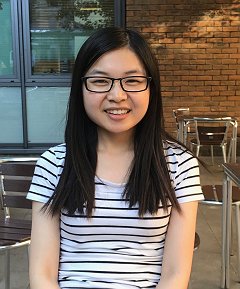
Dr. Bethany White is a Clinical Senior Lecturer at the Central Clinical School, University of Sydney. Her expertise lies in public health research, particularly in drug and alcohol use, hepatitis C epidemiology, and health services evaluation. She has led numerous clinical and community-based studies focusing on marginalized populations, including people who inject drugs and imprisoned women. Her work integrates harm reduction policies, healthcare access improvements, and substance use disorder treatments in custodial and community settings. Research Focus: Dr. White's research emphasizes epidemiological methods to address health inequalities, with a focus on opioid use disorders, hepatitis C prevention, and women's substance use. She has pioneered studies on depot buprenorphine treatment efficacy in prisons and developed models of care for substance-using mothers. Her work bridges clinical practice and policy, aiming to improve healthcare accessibility in high-risk groups. Key Themes: Health inequalities, harm reduction, custodial healthcare Recent Projects: Costing models for depot buprenorphine, contraception integration in opioid treatment centers Grants & Collaborations: Principal investigator on a 2025 NHMRC-funded grant exploring clinical evidence translation for substance use disorder outcomes. Collaborates with institutions like Edith Collins Centre and NSW Health. Labs/Teams: Affiliated with the Edith Collins Centre, focusing on addiction medicine and health service innovation.
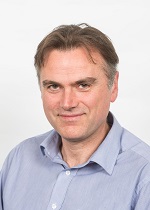
Adam Doupé is an Associate Professor at Arizona State University's School of Computing and Augmented Intelligence (SCAI) and Director of the Center for Cybersecurity and Trusted Foundations (CTF). He holds a Ph.D. and M.S. in Computer Science from the University of California, Santa Barbara. His research focuses on cybersecurity, vulnerability analysis, web security, and hacking competitions. Notable awards include the NSF CAREER Award (2017), Best Teacher Award, and Outstanding Assistant Professor Award from ASU's Fulton Schools of Engineering. Education: Ph.D. and M.S. in Computer Science, UC Santa Barbara (2014, 2009). Research emphasizes automated vulnerability analysis, binary analysis, and cybersecurity education. Key contributions include frameworks like SCAMNet and SENSAI for fraud detection, and tools like Fuzz to the Future for uncovering future vulnerabilities. Recent articles highlight advancements in phishing ecosystem analysis, browser fingerprinting mitigation, and compiler-aware decompilation. Awards reflect his impact in both teaching and research. Advising and grants support his work in secure systems and ethical hacking. He co-leads the SEFCOM lab with Drs. Ahn, Shoshitaishvili, Wang, and Bao, and hosts CTF Radiooo for cybersecurity discussions.
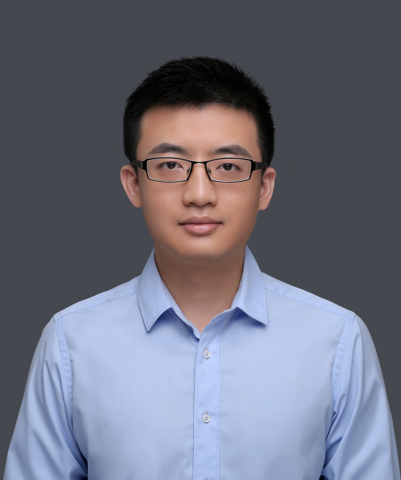
Cuiyun Gao is a Full Professor and PhD Supervisor at the School of Computer Science and Technology, Harbin Institute of Technology, Shenzhen. She has established herself as a prominent researcher in the intersection of artificial intelligence and software engineering. Her educational background includes a PhD from the Chinese University of Hong Kong (completed in 2018), followed by postdoctoral work at CUHK and a Research Fellowship at Nanyang Technological University. She also had a visiting period at University College London supervised by Prof. Mark Harman and Prof. Federica Sarro. Dr. Gao's research primarily focuses on Software Repository Mining, Natural Language Processing, Code Analysis, Large Language Models, Source Code Understanding, User Review Analysis, Vulnerability Detection, and Mobile Advertising Analysis . Her work bridges the gap between traditional software engineering practices and modern AI techniques, particularly in the context of code intelligence and software maintenance. Her recent publications (2024-2025) demonstrate a strong emphasis on Large Language Models for code-related tasks, including code generation, optimization, vulnerability detection, and software engineering applications. Her research shows a clear trend toward addressing practical challenges in integrating LLMs into the software development lifecycle while maintaining code quality and security. Scientific Awards: Distinguished Paper Award at ASE 2023 Best Paper Award of the Track at ICSE 2024 Distinguished Paper Award at ICSE 2024 Dr. Gao actively supervises multiple PhD and Master's students, contributing to the next generation of software engineering researchers. She has served on numerous conference committees including FSE, ISSTA, ICSE, ASE, and SANER. Her research has received significant attention in the software engineering community, with multiple papers published in top-tier venues like FSE, ICSE, ASE, and TSE. Her lab appears to be actively engaged in both theoretical research and practical applications, particularly in the context of WeChat and other industry collaborations, demonstrating strong industry-academia connections.
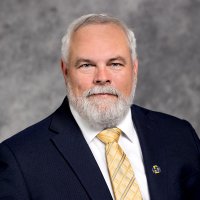
Ian Gilby is an Associate Professor at the School of Human Evolution and Social Change, Arizona State University. His research focuses on the social behavior, ecology, and cognition of wild chimpanzees, particularly within the context of long-term studies at Gombe National Park, Tanzania. Gilby investigates topics such as cooperative hunting, dominance hierarchies, social bonding, and the influence of ecological factors on primate behavior. His work bridges primatology, evolutionary biology, and conservation science, with a strong emphasis on understanding the adaptive strategies of chimpanzees in complex social environments. Key themes in Gilby’s research include the evolution of cooperation, reproductive strategies, and the ecological drivers of social behavior. He has contributed significantly to studies on chimpanzee aggression, hunting tactics, and the role of vocal communication in group coordination. His findings highlight the intricate relationship between social structure, ecological conditions, and individual success in primate communities. Notably, Gilby is involved in the Gombe Chimpanzee Project, analyzing long-term datasets to address questions about data sharing in conservation science and the impacts of environmental changes on wildlife. While no formal awards or grants are explicitly mentioned in the provided texts, his extensive publication record underscores his expertise in primate behavior and ecology.
Steven Sinkins is Professor in Microbiology and Tropical Medicine at the University of Glasgow, affiliated with the MRC-University of Glasgow Centre for Virus Research. His research focuses on controlling mosquito-borne diseases through innovative biological approaches. He directs the ANTI-VeC international research network and leads a team investigating microbial solutions to vector-borne pathogens. Research interests center on: Wolbachia symbionts for arbovirus control Microsporidian malaria-blocking symbionts in Anopheles mosquitoes Field implementation of biocontrol strategies against dengue and Zika viruses Molecular mechanisms of pathogen blocking in mosquito vectors Publication analysis reveals consistent focus on: Wolbachia-mediated viral inhibition mechanisms Field trials of novel vector control methods Genetic and symbiotic approaches to disease prevention Mosquito-symbiont-pathogen tripartite interactions Scientific recognition includes: Wellcome Trust Senior Research Fellowship (2006-2021) Leads multiple research grants: Wellcome Trust: Optimal implementation of Wolbachia programmes (2022-2027) Open Philanthropy: Microsporidia symbionts for malaria control (2020-2023) BBSRC: Genetic and symbiotic disease control strategies (2017-2020) Directs the Sinkins Group at the MRC-University of Glasgow Centre for Virus Research, collaborating internationally with partners in Malaysia, Kenya, Burkina Faso, and Australia to develop and implement novel vector control solutions.
Marko Lovric is an Assistant Professor at Wageningen University & Research's Department of Forest and Nature Conservation Policy. He holds a PhD in forest policy from the University of Freiburg, Germany. His expertise spans forest policy, environmental governance, data analysis, and AI applications in forestry. He has 17 years of research experience, focusing on European ecosystem services, bioeconomy transitions, forest certification, and international forest policy formulation. Education: PhD in Forest Policy (University of Freiburg), prior roles include senior researcher at the European Forest Institute and assistant at the University of Zagreb's Faculty of Forestry. Research Interests: Marko’s work addresses forest policy implementation, ecosystem service valuation, bioeconomy modeling, and international trade dynamics. He employs quantitative methods, big data, and network analysis to explore governance innovations and sustainable forest management strategies. Projects: He coordinated the H2020 SINCERE project on forest ecosystem services and the Horizon Europe project on forest research ecosystems. Current projects include INTERCEDE, focusing on future forest incomes and ecosystem services. Teaching: Involves MSc courses in forest policy, including internships and thesis supervision in forest conservation policy. Labs/Teams: Active in Wageningen’s Forest and Nature Conservation Policy group, contributing to interdisciplinary projects on governance and bioeconomy transitions.
Kede Ma is an Associate Professor in the Department of Computer Science at City University of Hong Kong (CityUHK). He received his B.E. from the University of Science and Technology of China (USTC) in 2012, and MASc and Ph.D. degrees from the University of Waterloo in 2014 and 2017, respectively. From 2018 to 2019, he was a Research Associate with the Howard Hughes Medical Institute and New York University. Prof. Ma has been named to the Highly Cited Researchers list by Clarivate Analytics in 2024 and currently serves on the editorial boards of IEEE Transactions on Image Processing, IEEE Transactions on Information Forensics and Security, and IEEE Signal Processing Letters. Prof. Ma leads the Multimedia Analytics (MA) Laboratory, an interdisciplinary research group focused on computational vision, computational modeling of human visual perception, perceptual multimedia signal processing, quality assessment, and multimedia forensics. His research spans computational photography, high dynamic range imaging and rendering, omnidirectional video analysis, camera processing pipeline design, and artificial intelligence safety in multimedia systems. His work integrates machine learning techniques including reinforcement learning, generative modeling, self-supervised learning, and continual learning for multimedia signal processing applications. His recent publications demonstrate a strong focus on image quality assessment, deep learning for multimedia processing, and multimedia forensics. His work bridges theoretical computer vision principles with practical applications in multimedia systems. The research trends show increasing integration of foundation models with specialized multimedia processing tasks, particularly in quality assessment and security applications. Highly Cited Researchers list by Clarivate Analytics (2024) Best Paper Award at IEEE International Conference on Virtual Reality and Visualization (2021) Best Paper Runner-Up at International Joint Conference on Artificial Intelligence Workshop (2021) Top 10% Award at IEEE International Conference on Image Processing (2015) Finalist for the Governor General's Gold Medal, University of Waterloo (2017) Spotlight presentation at NeurIPS (2022) Highlight paper at ICCV (2025) Oral presentation at ICLR (2025) Prof. Ma advises numerous PhD students and postdoctoral fellows in the MA Laboratory. His research is supported by various grants enabling work in multimedia analytics, image processing, and computer vision. The laboratory maintains active collaborations with researchers at institutions including SUSTech, ZJU, and HIT. Current projects focus on advancing image quality assessment methodologies, developing more robust deep learning techniques for multimedia forensics, and exploring new approaches to HDR imaging and omnidirectional video processing. The Multimedia Analytics Laboratory maintains a strong focus on both theoretical foundations and practical applications of multimedia processing. Current research directions include integrating large language models with image quality assessment, developing more robust deepfake detection methods, and advancing techniques for continual learning in multimedia applications. The lab emphasizes rigorous evaluation methodologies and maintains multiple datasets for multimedia quality assessment research.
Ross Koppel is an Adjunct Professor of Sociology with expertise in healthcare information technology, medication errors, and ethics in social research. His work explores the intersection of technology and societal impacts, focusing on data governance, clinical workflows, and human factors in health IT systems. Research Interests Context-sensitive understanding of medication errors Societal implications of clinical data sharing Ethical challenges in AI and informatics Healthcare cost analysis Scientific Awards Fellow of the American College of Medical Informatics (FACMI)
Dr. Joseph Cassady serves as the South Dakota Corn Endowed Dean of the College of Agriculture, Food and Environmental Sciences at South Dakota State University (SDSU). Previously, he held the rank of Professor and Head of the Department of Animal Science at SDSU (2013–2022) and North Carolina State University (2001–2013). His research focuses on food animal genetics and genomics, particularly improving production efficiency in swine and beef cattle. Education: B.S. in Animal Science (Iowa State University, 1993), M.S. and Ph.D. in Animal Science (University of Nebraska-Lincoln, 1995 and 1999). Professional roles include past-president of the National Swine Improvement Federation and executive director of the Beef Improvement Federation (2009–2015). Research emphasizes genetic and genomic advancements to enhance livestock productivity, with notable work on heat stress mitigation, swine behavior, and genomic selection in cattle. Awards include the 2019 Harold and Barbara Bailey Award for Academic Leadership and recognition for service to the Beef Improvement Federation. Administrative responsibilities include leading the College of Agriculture, Food and Environmental Sciences, overseeing accreditation processes, and participating in industry boards such as the South Dakota Poultry Industries Association and American Angus Foundation. Key research themes span animal genomics, livestock environmental adaptation, and precision agriculture. Over 150 peer-reviewed publications address topics like swine feeding behavior, cattle genetics, and genomic tools for improving meat quality and production efficiency.
John Markham is a Professor in the Department of Biological Sciences within the Faculty of Science at the University of Manitoba. His office is located in W481 Duff Roblin Building, and he can be contacted via email at John.Markham@umanitoba.ca or by phone at 204-474-7180. His research focuses on: Community ecology in northern ecosystems Symbiotic nitrogen fixation processes Ecosystem engineering mechanisms Arctic and boreal forest dynamics Plant-soil-animal interactions Environmental stressor impacts on nutrient cycling Professor Markham's work centers on how biotic interactions shape subarctic and boreal environments, particularly through the lens of nitrogen-fixing plants and animal-mediated ecosystem engineering. His research demonstrates how Arctic foxes create nutrient hotspots via denning that enhance plant productivity and diversity in tundra ecosystems, while his studies on actinorhizal plants (especially alders) reveal complex responses to salinity, temperature, moisture, and elevated CO2 levels. Analysis of his 15 most recent publications (2021-2025) shows consistent emphasis on Arctic fox ecosystem engineering impacts on forest dynamics, nitrogen fixation symbiosis under environmental stressors, and landscape-scale nutrient cycling. His work integrates field experiments across Canadian sites with remote sensing and biogeochemical analyses, revealing how animal activities and microbial symbioses drive ecosystem resilience in northern environments facing climate change.
Professor Aniruddha Desai is a Research Professor and Director of the Centre for Technology Infusion (CTI) at La Trobe University. He holds a Bachelor’s in Industrial Electronics, a Master’s in Micro-electronics, and a PhD in Computer Science. His expertise spans microelectronics, AI, IoT, and sensor networks, with a focus on socially impactful applications like transportation, healthcare, and precision agriculture. Research Interests: Ultra-low power systems Micro-nano electronics AI/ML and edge computing IoT and sensor networks Transportation and logistics Major Projects: Led multi-million-dollar R&D programs in areas such as smart cities, energy management, and smart farming. Notable collaborations include the IIT Kanpur - La Trobe University Research Academy and the Asian Smart Cities Research and Innovation Network. Awards: Recipient of the 2016 Vice-Chancellor’s Award for Research Excellence and the 2020 Victorian Tall Poppy Award for Science. Served on advisory panels for the Australian Research Council and provided expert testimony in parliamentary inquiries. Labs/Teams: Directs the CTI, which delivers technology-based innovations to industry and government. Co-founded the Asian Smart Cities network to advance urban technology solutions.
Dr. Mandi de Mestre is a Professor in the Department of Biomedical Sciences at Cornell University's College of Veterinary Medicine. As Director of the Baker Institute for Animal Health and holder of the Dorothy Havemeyer McConville Professorship of Equine Medicine, her research focuses on equine pregnancy biology, placental development, and fetal health. Director, Baker Institute for Animal Health Dorothy Havemeyer McConville Professor of Equine Medicine Affiliated with Cornell's College of Veterinary Medicine Her laboratory investigates: Molecular mechanisms of placental development Genetic causes of early pregnancy loss Congenital musculoskeletal disorders in Thoroughbreds Non-invasive diagnostics for fetal health Comparative studies linking equine and human pregnancy pathologies Recent research trends show strong emphasis on genomic stability, immune interactions during implantation, and epidemiological factors affecting equine pregnancies. Collaborations with institutions like the University of Nottingham and Royal Veterinary College UK highlight her interdisciplinary approach. The Equine Pregnancy Laboratory employs molecular biology, immunology, and genetics to address critical gaps in placental biology, with implications for both veterinary and human medicine.
Professor Cyrill P. Rigamonti is a Tenured Professor of Law at the University of Bern, where he teaches intellectual property law, antitrust/competition law, and media law. He serves as Director of the Institute for Economic Law and Chair of the Department for Economic Law, and is the founder of the Center for the Law of Innovation and Competition (CLIC). Professor Rigamonti is also an elected member of the Federal Arbitral Commission on Copyright and Neighboring Rights, serving as its President since 2024, having previously been Vice President since 2020. Professor Rigamonti holds a S.J.D. from Harvard Law School, an LL.M. from Georgetown University Law Center, and a J.D./Ph.D. from the University of Zurich. He also earned a habilitation from the University of Bern and is admitted to practice in New York and Zurich. His academic career includes a visiting position at the University of Oxford's Faculty of Law and Oxford Intellectual Property Research Centre in Spring 2024. Professor Rigamonti's research focuses on intellectual property law, particularly copyright, patent, and trademark law, as well as competition law. His work examines the intersection of intellectual property with fundamental rights, digital technologies, and international harmonization efforts. He has made significant contributions to understanding Swiss copyright law in comparative perspective, particularly regarding non-original photographs, parody exceptions, and internet service provider liability. His scholarly output shows consistent focus on the evolving relationship between copyright law and digital technologies, with particular attention to secondary liability, parody exceptions, and the protection of non-creative works. Professor Rigamonti's work bridges theoretical analysis with practical legal application, as evidenced by multiple citations of his scholarship in Swiss Federal Supreme Court decisions. Prix Jubilé from the Swiss Academy of Humanities and Social Sciences (first legal scholar to receive this award) Mancini and Addison Brown prizes from Harvard Law School Professor Rigamonti actively engages with the legal profession through his service on editorial boards including the leading Swiss intellectual property law journal (sic!), as a peer reviewer for the International Review of Intellectual Property and Competition Law (IIC), and as National Correspondent for the Journal of Intellectual Property, Information Technology and E-Commerce Law (JIPITEC). He also serves as Vice President of the Board of the Hans Sigrist Foundation at the University of Bern and on the list of arbitrators for the Swiss-U.S. Data Privacy Framework Binding Arbitration Program.
Dr. Jun Wu is an Assistant Professor in the Department of Molecular Biology at UT Southwestern Medical Center. He holds a PhD in Life Science from the University of Tennessee and completed postdoctoral training at the University of Southern California and the Salk Institute. His research focuses on stem cell biology, genome editing, and interspecies chimeras to advance regenerative medicine and developmental biology. Education: Bachelor of Medicine, Shandong University School of Medicine (China) PhD in Life Science, University of Tennessee (2013) Postdoctoral Fellowships: USC (2013-2015) and Salk Institute (2015-2017) Research Interests: Generation of pluripotent stem cells with distinct molecular/phenotypic features Development of interspecies blastocyst complementation systems Modeling peri-implantation human development using stem cell embryo models Study of species-specific developmental barriers and evolutionary biology Application of chimeras to study cancer resistance and organ size determination Lab Activities: The Wu Lab develops stem cell models to study mammalian development and create regenerative therapies. Key projects include: Creation of interspecies chimeras (human-monkey, rat-mouse) Development of blastoids and peri-gastruloids Analysis of species-specific cell competition mechanisms Engineering cross-species organogenesis systems Grant Activities: Focuses on NIH-funded projects related to stem cell biology, interspecies chimerism, and regenerative medicine applications. Collaborates with institutions like Salk Institute and University of California campuses. Lab Team: Includes postdoctoral researchers like Dr. Yi Ding and a multidisciplinary team of molecular biologists, bioengineers, and computational biologists.
Jodi Halpern is a full-time Professor at the University of California, Berkeley, and a co-founder of the Kavli Center for Ethics, Science and the Public (2022). She serves as Faculty Director of BERGIT (Berkeley Group for Ethics and Regulation of Innovative Technologies) and actively consults for organizations including the Federal Reserve Bank of San Francisco, Kaiser Permanente, Intel, Salesforce, and the Mayor’s Office of Los Angeles. Halpern’s work bridges psychiatry, philosophy, and bioethics to address empathy in leadership, AI ethics, and gene editing. Professor at UC Berkeley Co-founded Kavli Center (2022) Faculty Director of BERGIT Consults for tech, healthcare, and government entities Halpern’s research focuses on empathic curiosity as a tool for conflict resolution and trust-building in healthcare, post-war reconciliation, and AI ethics. Her current projects include Engineering Empathy (investigating AI’s impact on emotional relationships), Gene Editing from Bench to Bedside (exploring scientists’ beliefs about gene editing), and Remaking the Self in the Wake of Illness (narratives of adaptation to illness). She integrates philosophical analysis with empirical research in psychology, neuroscience, and behavioral economics. Her notable scientific awards include the 2022 Guggenheim Fellowship in Health and Medicine, the 2019 Chancellor’s Chair at UC Berkeley, and the Yale University Award for the best PhD of significance to humanity across disciplines. Halpern received her MD and PhD through the NIH Medical Scientist Training Program Award , completed psychiatry residency at UCLA, and held fellowships at Princeton, Greenwall, and Townsend centers.