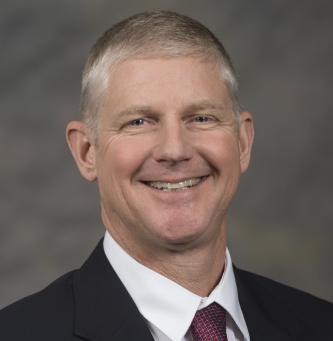
Jeffrey Guasto , Associate Professor at Tufts University, holds joint appointments in the School of Engineering (Mechanical Engineering) and School of Arts and Sciences (Physics & Astronomy). His work bridges engineering, physics, and biology to study transport properties in complex systems. Ph.D., Engineering (2009), Brown University Sc.M., Engineering (2004), Brown University Dual B.S. in Physics and Mechanical Engineering (2003), Lehigh University Research Interests focus on: Biophysics : Flagellar mechanics, chemotaxis, cell-fluid interactions Soft Matter : Active suspensions, colloids, viscoelastic materials Microfluidics : Device design for cell motility studies and gradient generation Environmental Transport : Microbial ecology in porous systems Scientific Trends from his 77+ publications show emphasis on microscale fluid dynamics, bacterial transport mechanisms, and viscoelastic flow instabilities. His 2024 Nature Microbiology work reveals phage-infected bacteria driving marine chemotaxis, while 2023 PNAS research explores stress topology in viscoelastic flows. Scientific Awards : NSF CAREER Award (2016) for cell dispersal mechanisms Collaborative NSF grants (2015-2023) Advising includes mentoring 15+ students and postdocs. His grants portfolio features 9+ awards, notably NSF grants for viral-microbe interactions (2018) and flagellar mechanics (2020). Labs & Teams : Leads the Guasto Laboratory at Tufts, integrating microfluidics and high-speed imaging for studying microbial transport, while collaborating with MIT, Harvard, and international institutions.
Matteo Bolner is a Post-Doctoral Research Fellow at the University of Bologna's Department of Agricultural and Food Sciences, specializing in livestock genomics and metabolomics. He holds a PhD in Agricultural and Food Sciences (defended March 2025) and an International Master in Bioinformatics from the University of Bologna. His research integrates genomic and metabolomic data to improve livestock sustainability, particularly in pig production systems. Key focuses include identifying metabolic pathways influencing production traits, analyzing pig viromes for disease outbreaks, and leveraging big data for One Health applications. His educational background includes a Biological Sciences degree (2018) and a bioinformatics master's (2021). He interned at CINECA's SCAI department, focusing on HPC software containerization. Current affiliations include membership in the Animal and Food Genomics group, where he explores genomic solutions for breed conservation and sustainable production. Research trends in his articles emphasize multi-omics integration to understand pig metabolism, stress responses, and breed-specific adaptations. He also applies genomics to authenticate food products and enhance conservation strategies for endangered livestock breeds like the Mora Romagnola pig. His work bridges animal science, computational biology, and agricultural sustainability. Notable contributions include developing genomic tools for honey bee population analysis and creating a catalog of mitochondrial insertions in pig genomes. Future directions involve advancing metabolomics-based precision livestock farming and applying big data analytics to livestock One Health challenges.
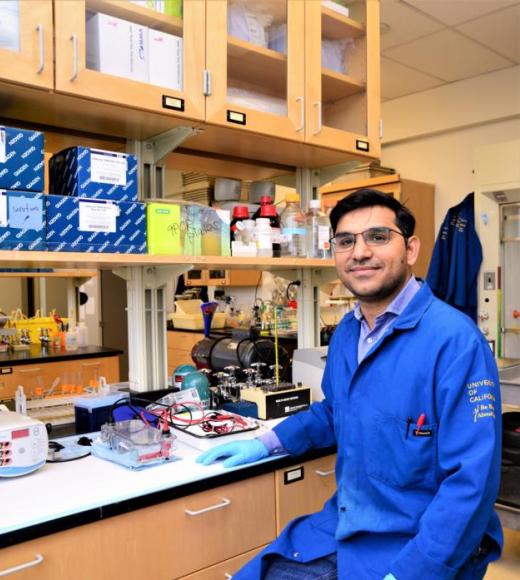
Shahid Siddique is an Associate Professor in the Department of Entomology and Nematology at the University of California, Davis. His research focuses on understanding molecular and applied aspects of plant-parasitic nematode interactions with host plants. He aims to develop sustainable strategies to mitigate nematode-induced crop losses through genetic, biochemical, and biotechnological approaches. His lab is particularly interested in host resistance mechanisms, nematode effector proteins, and biocontrol solutions. Education: MSc, Bahauddin Zakariya University, Multan, Pakistan PhD, University of Natural Resources and Life Sciences, Vienna, Austria Habilitation, University of Bonn, Germany Research Interests: Siddique’s work bridges basic and applied research, including cell surface signaling in plant-parasitic nematode interactions, functional characterization of secretory proteins, molecular diagnostics for nematodes, and biocontrol strategies. Current projects explore recombination hotspots in nematode genomes, CRISPR-based resistance engineering, and redox signaling mechanisms. Teaching: General Plant Nematology (NEM100) in Spring 2020 Labs/Teams: The Siddique Lab focuses on translating molecular discoveries into practical pest management solutions. Collaborations involve genomic analysis, proteomics, and field trials to address global agricultural challenges.
Elizabeth Stephens is an Associate Professor of Cultural Studies at the University of Queensland's School of Communication and Arts, serving as Director of Research. She holds affiliations with the Queensland Digital Health Centre and the Centre for Digital Cultures & Societies. Her academic journey includes roles as an Australian Research Council Future Fellow (2017–2021) and Associate Dean Research at Southern Cross University (2014–2017). Her research focuses on three interlinked areas: histories of science/medicine/technology, art/science collaboration, and critical medical humanities. Notable works include Normality: A Critical Genealogy (2017) and Anatomy as Spectacle (2011). Recent projects explore the history of work, productivity, and fatigue, alongside speculative biology and art-science intersections. Stephens supervises PhD candidates in cultural studies of science, medical humanities, and digital cultures. Her 100+ publications span books, book chapters, and journal articles, addressing topics from queer theory to biotechnologies. She actively engages in interdisciplinary collaborations, reflecting her commitment to bridging arts and sciences. Her articles critically examine themes like automation's cultural impacts, historical medical practices, and gender/sexuality in science and media. Awards and grants include ARC Discovery Projects and UQ Foundation grants. Stephens is available for supervision and media commentary on gender, medical humanities, and digital culture.
Ueli Grossniklaus is an Ordinary Professor at the University of Zurich within the Faculty of Mathematical and Natural Sciences , affiliated with the Department of Plant and Microbiology . His work focuses on plant developmental biology, particularly epigenetic and genetic mechanisms governing reproduction and adaptation. Key Courses: Epigenetics, Plant Biology Workshop, Group Seminars on Current Research Laboratory Techniques: Advanced methods in plant cell mechanics, transcriptomics, and genome editing Research Interests span plant epigenetics, reproductive biology, and the interplay between environmental stress and genetic regulation. He investigates: Mechanistic control of gametogenesis and fertilization Epigenetic contributions to plant adaptation Evolutionary implications of asexual reproduction Biophysical forces in plant cell growth Publication Trends (2025–2018) reveal expertise in: Arabidopsis and fern model systems Epigenetic regulation (DNA methylation, histone dynamics) Apomixis and hybrid seed failure mechanisms Biomechanics of pollen tubes and carnivorous plants Genome editing tools (CRISPR) and long-read sequencing Scientific Collaborations include interdisciplinary projects on: Microfluidic devices for plant cell analysis Gene drive ecology and ethics 3D imaging of plant reproductive structures Advising and Grants focus on mentoring through research internships in developmental biology, genetics, and systems biology. His lab engages in: Epigenetic response to environmental stress Cell wall mechanics in reproduction Computational modeling of plant growth Laboratory Teams integrate plant biologists, bioengineers, and computational scientists to study: Mechanistic gene regulation Evolutionary developmental biology Microrobotics for cellular force measurement
Dr. Alexandre Marques is an Assistant Professor at the University of Southern Mississippi. His expertise spans Microbiology, Immunology, and Parasitology, with a focus on vaccine development against parasitic infections like Leishmaniasis, Chagas disease, and Malaria. He holds a PhD from the Universidade de São Paulo (2007) and teaches courses such as Gen Microbiology and Microorg Hth Di at the university. His research integrates immunological, clinical, and molecular approaches to understand parasitic disease mechanisms and therapeutic interventions. Notable areas include α-Gal immunization strategies, transcriptomic analysis of breast cancer, and vaccine design against Leishmania. He has also explored applications in aquaculture nutrition and cosmetic safety assessments. Dr. Marques’ work spans interdisciplinary collaborations, including veterinary medicine, nanotechnology-based drug delivery, and antimicrobial stewardship in pediatrics. His contributions to animal models for Chagas disease and canine visceral leishmaniasis highlight translational research impact. Key themes in his publications include immune response modulation, pathogen-host interactions, and biomarker discovery in chronic infections. He has published over 50 articles across microbiology, immunology, and biomedical engineering since 2007.
Mahipal Singh is a Professor of Animal Biotechnology and Coordinator of the Animal Science Undergraduate Program at Fort Valley State University (FVSU), where he is affiliated with the College of Agriculture, Family Sciences and Technology and the Department of Agricultural Sciences. He has been at FVSU since 2000 in various capacities, progressing from Adjunct Biology/MPH Graduate Faculty to his current position as full Professor since 2019. Dr. Singh earned his educational credentials in India: a B.S. (Hons) in Zoology from Meerut College (1978), an M.S. in Zoology from the Institute of Advanced Studies, Meerut University (1983), and a Ph.D. in Zoology-Microbiology from Banaras Hindu University, Varanasi (1989). His academic journey included prestigious appointments such as International Visiting Fellow at the National Institute of Child Health and Human Development, NIH (1991-1993) and Postdoctoral Fellow at the Medical University of South Carolina (1989-1991). His research focuses on cutting-edge areas of animal biotechnology, particularly in postmortem cell recovery, genome editing in livestock, and myostatin gene targeting. Dr. Singh has pioneered work demonstrating that individual cells remain viable in mammalian tissues for much longer periods after death than previously believed, with applications for cellular therapies and germplasm preservation. His work with CRISPR/Cas technology aims to reduce milk allergens and mastitis in goats, while his myostatin research seeks to enhance muscular mass in meat goats for agricultural applications. Analysis of his recent publications reveals a consistent focus on cellular viability after death across multiple livestock species (cattle, goats, sheep), with particular attention to temperature effects and storage conditions. His work bridges basic cellular biology with practical agricultural applications, demonstrating how fundamental discoveries about postmortem cellular life can translate into biotechnological advances for livestock preservation and improvement. USDA-ARS 1890 Faculty Research Fellowship Award (2017) STEM Research Excellence Award, Fort Valley State University (2014-15) Multiple student research presentation awards at FVSU Annual Research Day symposiums Best Poster Award at National Symposium on Biotechnology, CIMAP, Lucknow, India (1999) Fogarty International Visiting Fellowship at NIH (1991-93) Dr. Singh has supervised an impressive 38 students across multiple educational levels, including 4 PhD, 13 MS, 7 BS, 8 HS, and 6 middle school students. His research has been supported by USDA-ARS, USDA-NIFA programs, and various other grants. He serves on multiple editorial boards, grant review panels, and university committees, and is an active member of professional societies including the American Society of Animal Science and Society for In Vitro Biology. Based in the Stallworth Biotechnology Building at FVSU, Dr. Singh leads research projects that bridge molecular biology with practical agricultural applications, working collaboratively with researchers from USDA-ARS, University of Illinois, University of Maryland, and other institutions to advance animal biotechnology and improve livestock production systems.
Prof. Dr. Christian Mayer is a Professor in Physical Chemistry at the Faculty of Chemistry, University of Duisburg-Essen. He serves as Head of the working group focusing on origin of life research, nanocapsules, and NMR spectroscopy techniques. His research group is located at Universitätsstraße 5, D-45141 Essen, Germany, with contact information including phone number +49 201 183-2570. Prof. Mayer's research interests primarily focus on the origin of life in deep tectonic fault zones of the first continental fragments, where he collaborates with Prof. Dr. Ulrich Schreiber from the Faculty of Biology and Prof. Dr. Oliver Schmitz from Applied Analytical Chemistry. His work investigates how vesicle formation occurs in tectonic fault systems through cyclic phase transitions of carbon dioxide, creating ideal conditions for molecular evolution. He specializes in pulsed field gradient NMR (PFG-NMR), high-resolution NMR, and solid-state NMR techniques to characterize nanoscale systems including nanocapsules, vesicles, and microemulsions. His recent publication trends reveal a strong interdisciplinary focus spanning physical chemistry, prebiotic chemistry, and astrobiology. The articles demonstrate increasing integration of computational methods with experimental approaches, particularly in analyzing molecular structures and dynamics. His research has evolved from fundamental studies of nanocapsule systems to broader investigations of protocell formation mechanisms under early Earth conditions, with recent work extending to astrobiological contexts including potential life formation on Titan. Prof. Mayer has established significant collaborations across multiple disciplines, particularly with geologists and biologists, to investigate the physical chemical processes that could have led to the emergence of life. His work bridges fundamental physical chemistry with practical applications in nanomedicine, particularly in developing artificial oxygen carriers based on nanocapsule technology. His laboratory utilizes high-pressure facilities to simulate early Earth crust conditions, with a particular focus on supercritical CO 2 environments. The working group combines experimental approaches with theoretical modeling to understand vesicle formation processes and their implications for the origin of cellular life.
Dr Farhad Masoomi-Aladizgeh is a Research Fellow in the School of Life and Environmental Sciences at the University of Sydney. His work focuses on understanding how environmental stresses like heat and drought impact crop fertility, particularly in cereal crops. He holds a BSc, MSc, and PhD in Plant Biology. His research emphasizes male reproductive systems in plants and seeks to identify molecular mechanisms underlying abiotic stress susceptibility to enhance climate resilience in crops. Education includes advanced training in plant sciences, with a focus on molecular biology and stress physiology. Current research projects explore transcriptome responses to stress, stress tolerance gene identification in crop relatives, and ABA-mediated stress protection in rice. His publications span plant proteomics, stress physiology, and molecular protocols, with a strong emphasis on drought and heat tolerance mechanisms. Notable work includes developing universal nucleic acid isolation protocols and analyzing stress responses in rice and cotton. No scientific awards are listed, but his contributions to crop resilience research are significant. He advises no current students but collaborates on interdisciplinary projects involving genomic and proteomic approaches to agricultural challenges. Research is centered at the University of Sydney with potential collaborations in plant science labs focused on environmental stress mitigation strategies.
Gerco Angenent is a Full Professor in the Laboratory of Molecular Biology at Wageningen University & Research, part of the EPS Researcher group. His primary research focuses on plant development systems, transcription factors, and gene regulatory networks in plants like Arabidopsis, tomato, and tulip. He leads projects on epigenetic reprogramming, fruit ripening, and seed dormancy mechanisms. Key research interests include the functional roles of PEBP proteins, CRISPR/Cas9 mutagenesis in plants, and the molecular basis of floral organ development. Recent work explores how transcription factors like FRUITFULL and TCP5 regulate flowering time, inflorescence architecture, and embryo development. Angenent supervises multiple PhD candidates investigating topics such as wood lignin formation and BABY BOOM’s role in embryogenesis. His collaborative projects span international teams, with studies on temperature-dependent flowering pathways, genome editing tools for crop improvement, and the evolutionary origins of plant genes. Angenent has contributed to over 200 peer-reviewed publications and actively participates in academic outreach activities like media contributions and lectures.
Lailiang Cheng is a Professor in the Horticulture Section of Cornell University's School of Integrative Plant Science, specializing in the physiological processes of deciduous fruit crops (particularly apple). His research focuses on sugar/malate metabolism, mineral nutrition, and environmental stress responses to improve orchard productivity and fruit quality. He integrates physiological, biochemical, and molecular approaches to study sorbitol signaling and nutrient management in high-density orchards. Education: Doctorate, Oregon State University (1999) Master of Science, Shandong Agricultural University (1989) Bachelor of Science, Shandong Agricultural University (1984) Research Focus: Cheng's work investigates carbon partitioning, malate accumulation, and nutrient transport dynamics in apple trees under abiotic stresses. His extension program delivers nutrient management strategies to the apple industry, while his teaching emphasizes analytical techniques (PLSCI 6170) and crop nutrition principles (PLSCI 4551/6551). Publication Analysis: Recent articles (2021-2025) reveal dominant themes in molecular regulation of fruit acidity, transporter biology, stress-responsive transcription factors, and omics-assisted breeding. Over 70% of publications involve collaborative work on apple genomics, with consistent emphasis on translating basic research into orchard management solutions. Awards & Recognition: No scientific awards mentioned in source materials. Academic Contributions: Advises graduate students in Horticulture; research supported by Cornell University Agricultural Experiment Station. Collaborates extensively with pomology breeders, extension specialists, and molecular biologists globally.
Henry T. Greely is the Deane F. and Kate Edelman Johnson Professor of Law and Professor (by courtesy) of Genetics at Stanford University . He serves on multiple administrative and advisory roles, including Director of the Stanford Center for Law and the Biosciences and Chair of the Stanford Center for Biomedical Ethics. His work bridges bioethics , neuroscience , genetics , and public policy , focusing on the ethical, legal, and societal impacts of emerging biosciences. Education: JD from Yale Law School (1977), AB in Political Science from Stanford University (1974) Key Research Areas: Neuroethics (predictive neuroscience, mind-reading, cognitive enhancement) Genetic Ethics (prenatal testing, genomic biobanks, whole genome sequencing) Stem Cell Law (chimeras, regulatory challenges) Affiliations: Bio-X Faculty Wu Tsai Neurosciences Institute Institute for Human-Centered AI His recent publications address AI misuse in biomedicine, human embryo editing, and cross-cultural chimeric research ethics. Awards include AAAS Fellow (2007) and the Richard M. Lyman Award (2013).
Tim Lewens is Professor of Philosophy of Science and Head of the Department of History and Philosophy of Science at the University of Cambridge, currently on leave for the 2024/25 academic year. His career bridges philosophy, biology, and bioethics with significant institutional roles including Deputy Director of CRASSH (2014-2017) and Council Member of the Nuffield Council on Bioethics (2009-2015). His research focuses on philosophy of biology, evolutionary theory, and bioethics, with particular expertise in human nature debates, extended evolutionary synthesis, and medical ethics. Key contributions include critical analyses of mitochondrial replacement therapy ethics, genome editing implications, and conceptual challenges in cultural evolution. His work consistently addresses interdisciplinary tensions between biological determinism and social constructivism. Analysis of his 15 most recent publications reveals dominant themes in evolutionary philosophy (40%), bioethics (35%), and conceptual foundations of science (25%). Notable trends include re-examining Paleyan design arguments in modern biology, ethical frameworks for emerging biotechnologies, and interdisciplinary approaches to human nature that challenge essentialist perspectives. Lewens has secured major research funding including an ERC grant for 'A Science of Human Nature?' (2011-2016) and Templeton Foundation funding for 'Putting the Extended Evolutionary Synthesis to the Test' (2016-2019). His policy impact is evident through contributions to Nuffield Council reports on mitochondrial DNA disorders (2012) and human body donation (2011), demonstrating applied philosophical engagement with contemporary medical ethics.
Dr. Ali Nazmi is an Assistant Professor in the Department of Animal Sciences and the Food for Health Discovery Theme at The Ohio State University. He holds affiliations within the College of Food, Agricultural, and Environmental Sciences (CFAES). His research focuses on nutritional immunology, host-pathogen interactions in poultry and pigs, and the metabolic roles of intestinal immune cells. Nazmi obtained his B.Sc. in Poultry Production and M.Sc. in Poultry Breeding from Ain Shams University (Egypt), followed by a Ph.D. in Animal Biology from UC Davis (2017). He completed postdoctoral training in mucosal immunology at Vanderbilt University Medical Center before joining OSU in 2021. His recent work includes studies on intraepithelial lymphocytes in intestinal health, enteric disease resistance in poultry, and swine T cell biology. Key publications address mechanisms of necrotic enteritis in chickens, unconventional T cell subsets, and cytokine regulation in colitis models. Collaborations span avian immunology, swine immunology, and semen cryopreservation techniques. Education: B.Sc. (Ain Shams), M.Sc. (Ain Shams), Ph.D. (UC Davis) Postdoc: Vanderbilt University Medical Center (mucosal immunology) Key Research Themes: Nutritional Immunology, Mucosal Immunity, Avian/Porcine Health
Shannon Neibergs is an academic professional at Washington State University (WSU), serving as Director of the Western Center for Risk Management Education and Extension Specialist in the School of Economic Sciences. She holds a Ph.D. in Agricultural Economics from Texas A&M University (1993), an M.A. in Agricultural Economics from WSU (1987), and a B.S. in Animal Science from WSU (1983). Her research focuses on livestock production economics, auction market dynamics, and agribusiness employment strategies, with significant contributions to risk management education and sustainable agriculture. Notable honors include NACAA National and Regional Finalist awards for team newsletters (2010, 2008), a Faculty Member of the Year Award (University of Louisville, 1997), and multiple annual evaluation awards for service and research excellence. Her work bridges academic research with practical extension programs, addressing challenges in beef production systems, genomic selection tools, and rangeland management. Risk Management Education: Leads initiatives to help farmers navigate market uncertainties and policy changes. Livestock Economics: Specializes in production costs, crossbreeding impacts, and disease management economics. Regional Agriculture: Analyzes economic contributions of Washington's beef and dairy sectors through input-output models. Her advisory and collaborative efforts include managing the Western Center for Risk Management and contributing to the Beef Risk Control (BRD CAP) project. She collaborates with ranchers and policymakers to enhance agricultural resilience. Active in interdisciplinary teams such as the IMPACT Center and Transportation Research Group, her work emphasizes translating research into actionable solutions for agricultural stakeholders.